

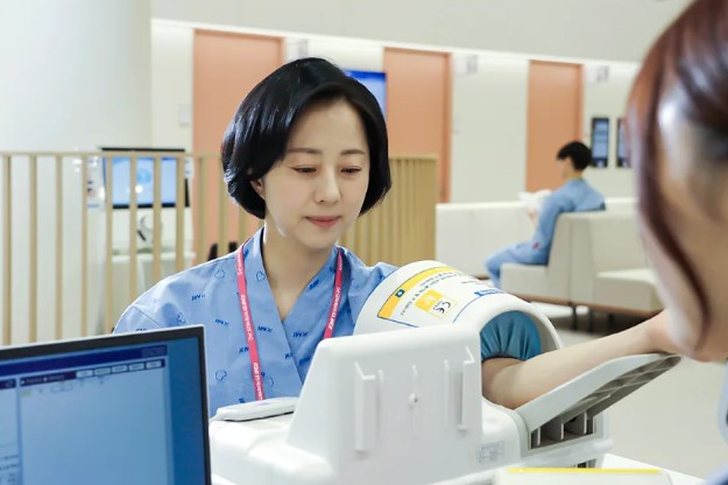
South Korea is becoming a medical tourism hotspot
South Korea is becoming one of the most sought-after desti...


From the declining role of exports to new public investments, Auron Dodi explains Germany's transformation and its impact on the economy and society.
Almost every week there is news about job cuts in large German corporations. Logically, we should see a wave of unemployment, but it is not observed. In fact, the full picture looks different. There are several forces that continue to keep the German economy afloat.
The first is a solid fiscal base: with a public debt of around 63 percent of GDP, Germany is well below the Eurozone average (88%) or France and Italy, where debt exceeds 100%.
Second, Germany has a highly skilled workforce and a network of universities closely linked to the economy; productivity per hour worked also remains among the highest in Europe — the eurozone average stands around 11 percent lower than Germany, according to the IW Köln Economic Institute (2024).
Then come investments, which after four years of decline are strengthening again.
But what is most interesting is what is happening quietly within the labor market. In a single year, industry lost 185,000 jobs — but almost as many new jobs, around 181,000, were created in healthcare, education and administration, the HRI Institute calculated. Germany is slowly turning into a society that lives more from services.
Even as the economy is restructuring, employment remains almost stable: 45.6 million employed in 2026 — just 157,000 fewer than a year earlier — 45.62 million in 2027, while unemployment rises slightly to 3.01 million.
Of course, the cuts are painful. And the low unemployment is not just a sign of strength: it is partly explained by retirements and fewer competitors from the EU for the same jobs.
The market support through consumption continues, because not everyone is affected by the crises: civil servants and other state employees consume almost the same, as they have income regardless of the economic situation. The situation is different in the private sector, where livelihoods and jobs are destroyed.
Germany is not on the verge of collapse. It is simply entering a new phase of development.
Stagnation is real, but not the end of German success
The problems are huge — no one denies that. Germany is experiencing its longest economic stagnation since 1949. This is not a momentary slowdown, but rather a series of transformations that are hitting Germany all at once, as rarely happens in other countries, wrote renowned economist Bert Rürup recently.
On the one hand, the great wave of globalization, which enriched the country, has stopped. Energy supply is being put on a new footing. Chinese competitors are getting stronger. The population is aging, and this is slowing growth.
At the same time, the long wave of employment, driven by Chancellor Gerhard Schröder's reforms of the 2000s (Agenda 2010), has come to an end. Bankruptcies, which have reached their highest level in twenty years, are also worrying — although they also have another side: when unproductive firms exit the market, capital and labor are freed up for more productive sectors, according to the principle of "creative destruction."
But more sensitive is something else: since 2022, exports have not played the same role as the locomotive for the German economy. Germany exports less to the US, due to the customs barriers imposed by Washington; and on the other hand, China is flooding the markets with its goods.
When history is used as a warning
In the media, comparisons are made with the Weimar Republic — the fragile democratic republic that paved the way for Hitler. But this comparison, which is also made by some German media, speaks more of tense nerves than of the real situation. The well-known political scientist Albrecht von Lucke recently recalled in this context that no generation of Germans has ever lived as well as today's. Germany is at a high level and the complaints it makes are starting from this level. So the problem probably lies elsewhere.
People were taught to think that comfort and well-being would continue indefinitely, as they had in the last thirty years, even without investing enough in the future; as when Germany relied on cheap Russian gas and its exports.
But times change. While the Weimar Republic was a republic fresh from World War I, with a highly militarized society on the brink of civil war, today's divisions are small compared to that time.
When pessimism doesn't match reality
Opinion polls generally show a pessimistic society. But polls record the current state of affairs. The well-known political scientist and futurist Florence Gaub explained in the media that if you look deeper, in studies of German society, it becomes clear that social cohesion exists: seventy percent of Germans trust their fellow countrymen — as much as they trust each other, for example, the Finns, who are considered the happiest people in the world.
Why insecurity grows in a prosperous society
On the one hand, because we forget that conflicts are a natural part of democracy, Gaub recalls; and when they increase too much, our whole life seems like an endless crisis.
On the other hand, a sense of material satiety has spread in Western societies, which raises an even deeper question: what does it mean to move forward today?
Progress, traditionally, has been understood primarily as economic progress — that is, as an increase in material wealth. Some people, who have not achieved this, continue to seek it; but another part, especially young people, seeks something completely different: to have time to live as they wish, instead of accumulating material wealth. For many people, especially after the Covid-19 pandemic, personal time is becoming the most important form of wealth.
Between reforms, investments and responsibility
The transformations mentioned do not yet have a clear characterization. What is clear is that our relationship with reality is changing, also due to artificial intelligence. But where this change will lead is not yet entirely clear. Some speak of a conceptual gap. And it is precisely this gap that produces uncertainty — and makes some people vote for the extremes (which promise to return everything to the way it was): for the far-right AfD party, or for the "Left" party.
Chancellor Friedrich Merz's government, for its part, recently passed some much-needed reforms. One of Germany's most influential economists, Marcel Fratzscher, told DW that reforms to healthcare, pensions and taxes are moving in the right direction — although they do not repair any of the divisions. A bigger boost is the five hundred billion euros in public investment over twelve years that the Merz government agreed to days after coming to power; but the question remains how much of it will be invested — and how quickly.
Fratzscher calls for a change in the habit of avoiding responsibility; companies, industries, and parties must face up to their responsibilities today. "Made for Germany" — an initiative by large corporations such as Siemens and Deutsche Bank, which have pledged to invest up to 631 billion euros in Germany by 2028 — shows that it can be done differently. Ultimately, the future is determined by courage, not just by numbers./ DW

South Korea is becoming one of the most sought-after desti...
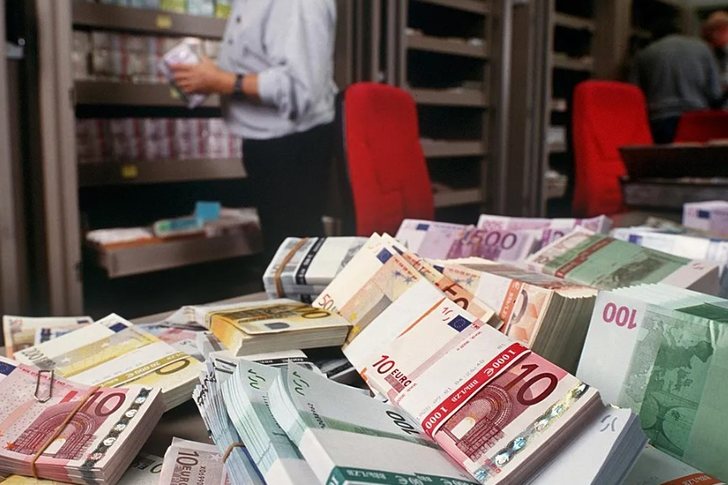
The average wealth per adult in Western Europe is less tha...
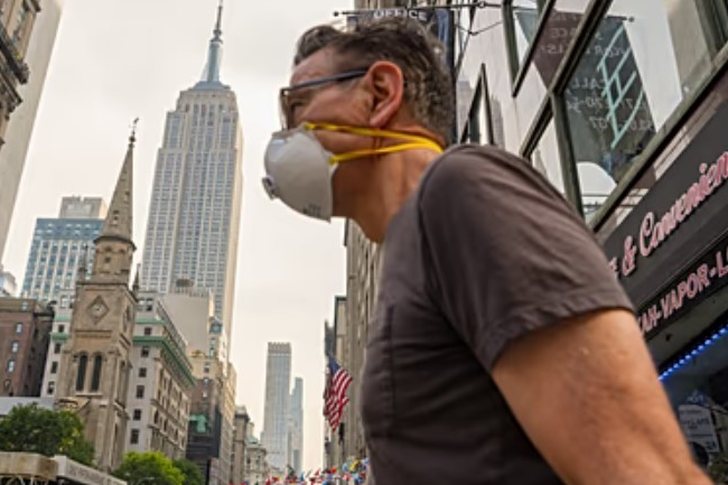
"Climate change, bushfires and air pollution are a vicious...
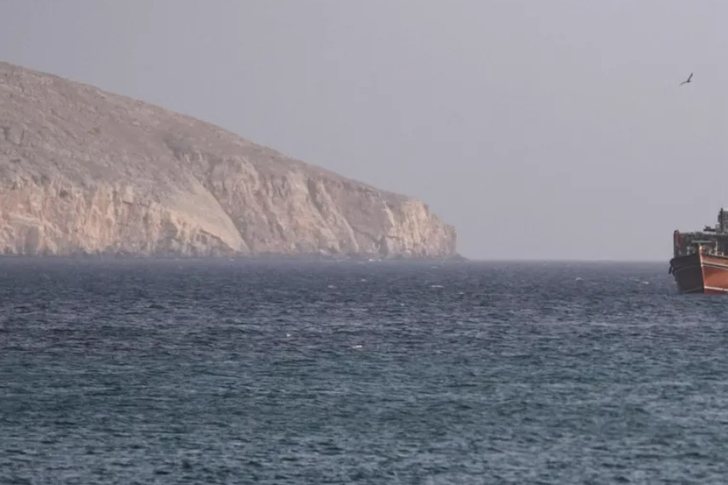
Saudi Arabia launched airstrikes on Houthi rebel targets i...
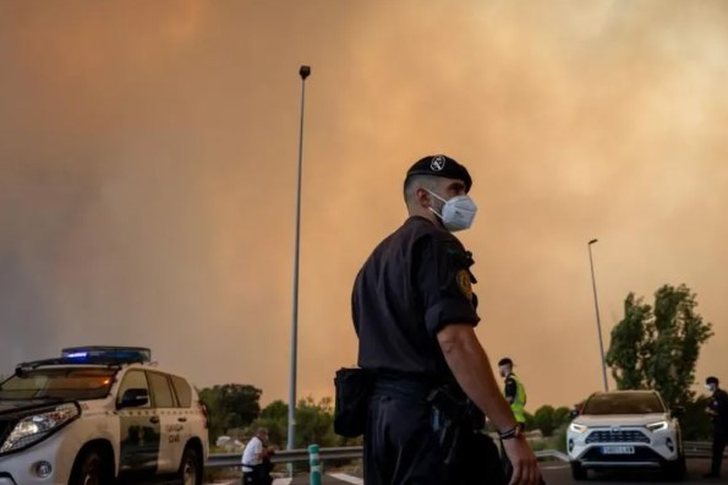
More than 220,000 people have been evacuated in France and...
Peru and Venezuela will restore diplomatic relations, the ...
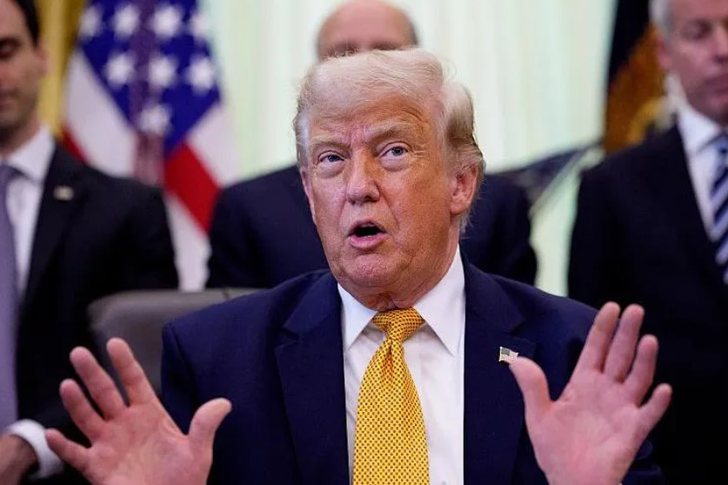
United States President Donald Trump has left open the pos...
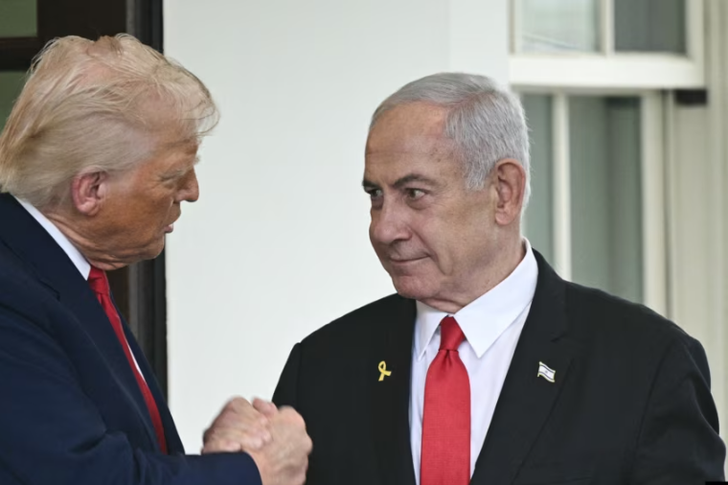
Israeli Prime Minister Benjamin Netanyahu will travel to t...
A bipartisan group of US lawmakers is calling for a Europe...
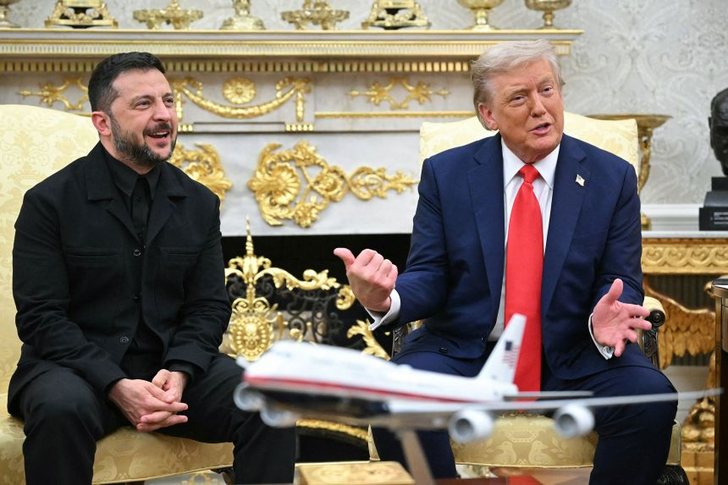
US President Donald Trump will host his Ukrainian counterp...
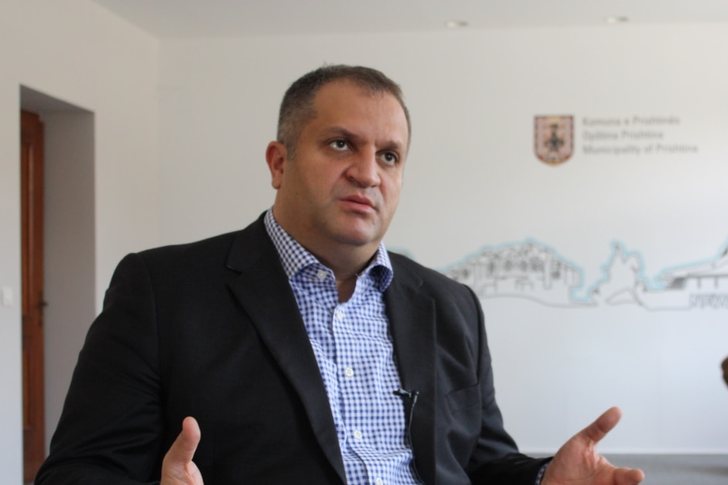
The Basic Court in Pristina found the former mayor of Pris...
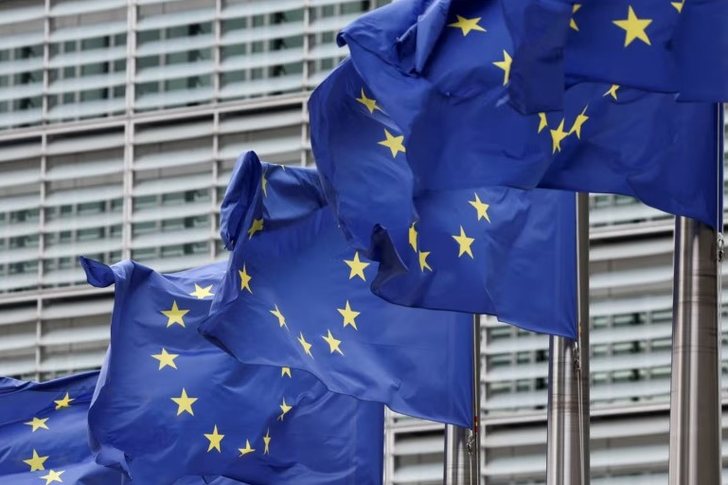
The European Union Office in Kosovo has called on all poli...
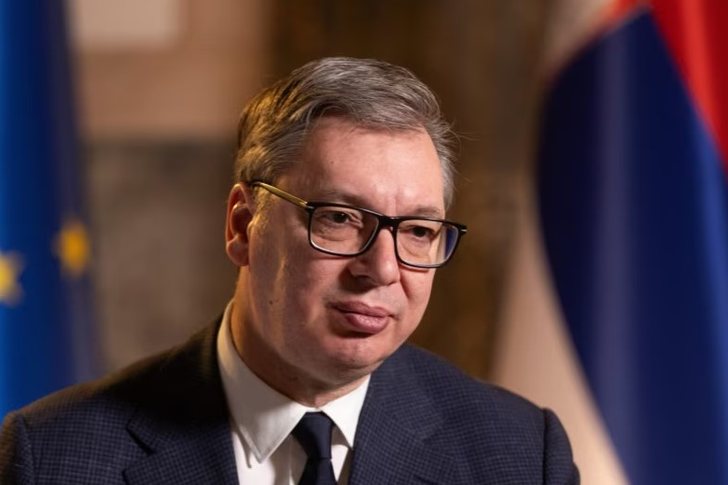
Serbian President Aleksandar Vučić, at a press conference ...
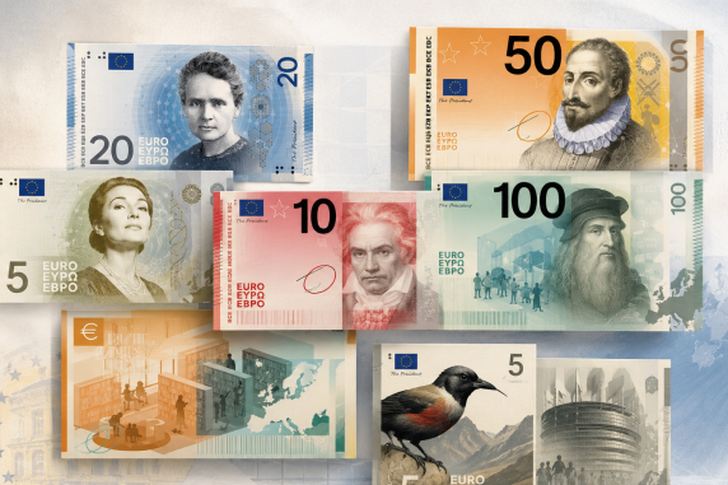
For the first time since the launch of the euro, European ...
Artificial intelligence (AI) models from the American comp...
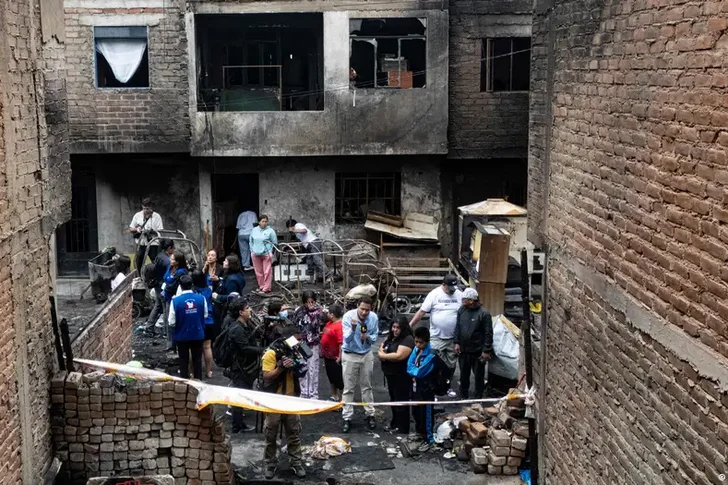
At least 10 people have died after a fire broke out in a h...
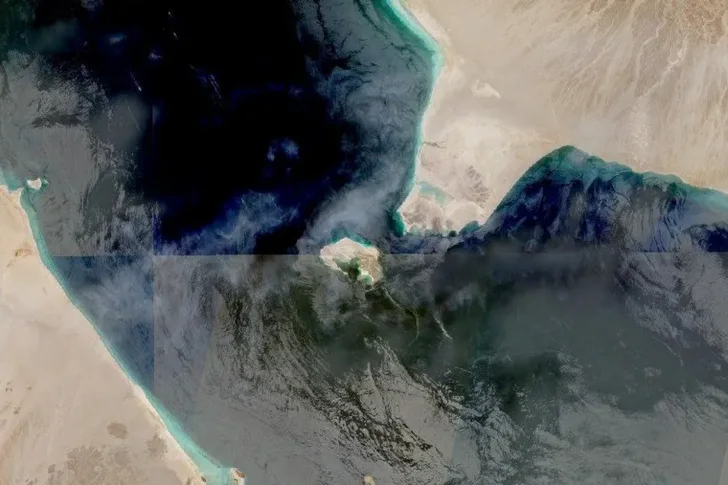
Yemen's Houthis have claimed to have attacked two Saudi oi...
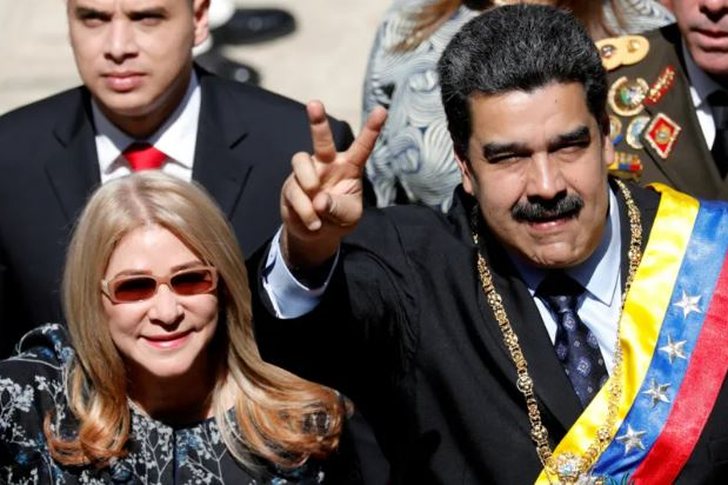
The trial of ousted Venezuelan President Nicolas Maduro on...
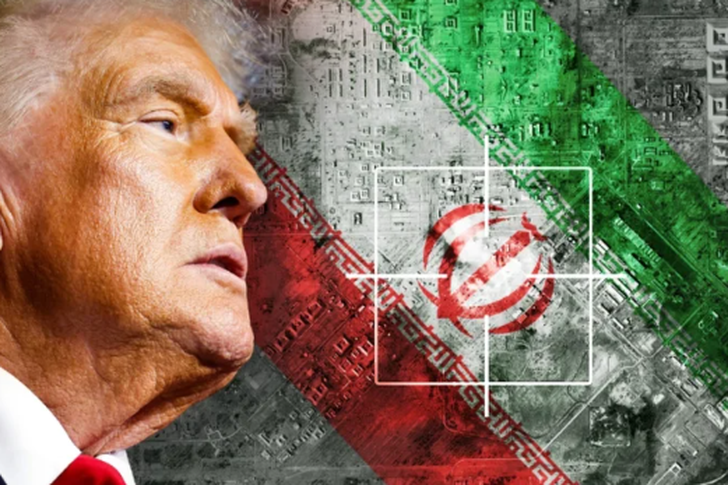
US President Donald Trump has issued another warning to Ir...
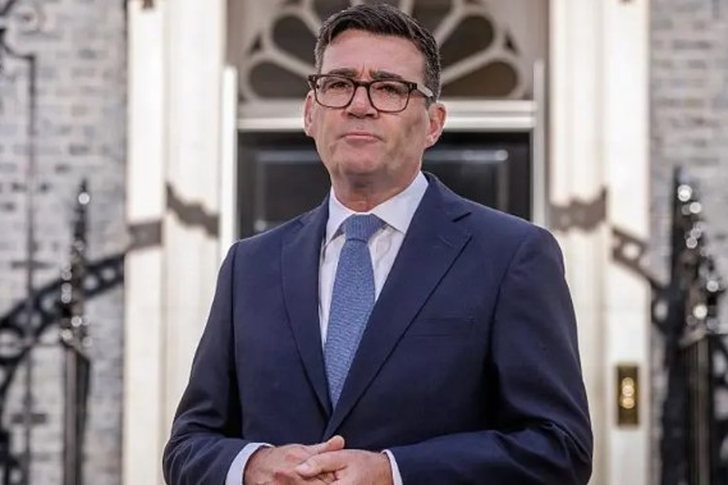
Prime Minister Andy Burnham has announced that most bus fa...
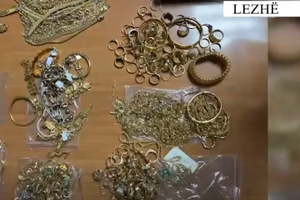
A 39-year-old citizen has been arrested in Lezha, after se...

CNA has launched another investigation that could lead to ...

Irfan Hysenbelliu is a businessman that we call "Irfan the...

In March 2026, CNA launched another investigation centered...

The Special Board of Appeal (KPA) decided this Monday ...

The KPA vetting decided this Thursday to dismiss the p...

Suela Salavaçi, a prosecutor in the Prosecutor's Offic...

The Special Board of Appeal reinstated the prosecutor ...
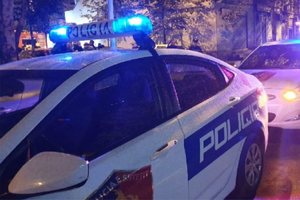
A conflict for weak motives was recorded today in the vill...

An accident involving three vehicles occurred a few minute...
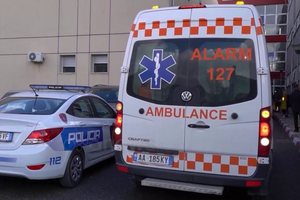
55-year-old Belere Plaka, who was injured today with a sho...

Police Announcement: Following preliminary information...
Today, our country will be under the influence of stable a...

By noon, cloudiness is expected to prevail in almost all o...
Children without parental care, for whom alternative famil...
On Thursday, our country will be under the influence of st...
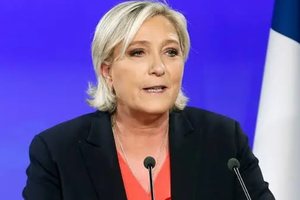
Marine Le Pen is entering the decisive phase of the presid...
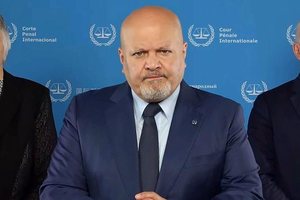
Member states of the International Criminal Court voted to...
From the declining role of exports to new public investmen...
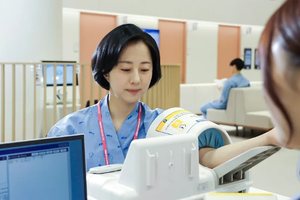
South Korea is becoming one of the most sought-after desti...
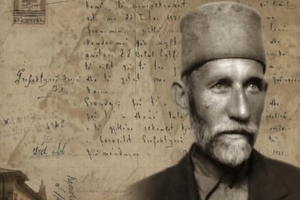
In my research at the Central State Archives, specifically...

At a time when industrial products are increasingly taking...

Trust among people is not just a three-syllable word. It c...

Master of humor Todi Llupi has passed away at the age of 7...
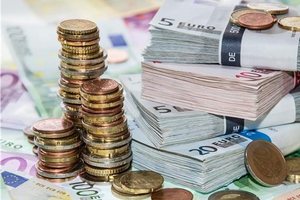
This Saturday, one US dollar is bought for 81.7 lek and so...
War, weather and supply disruptions could send gas prices ...
The number of active enterprises in Albania continued to g...
In Albania, the bar-cafe has long become an almost unique ...