

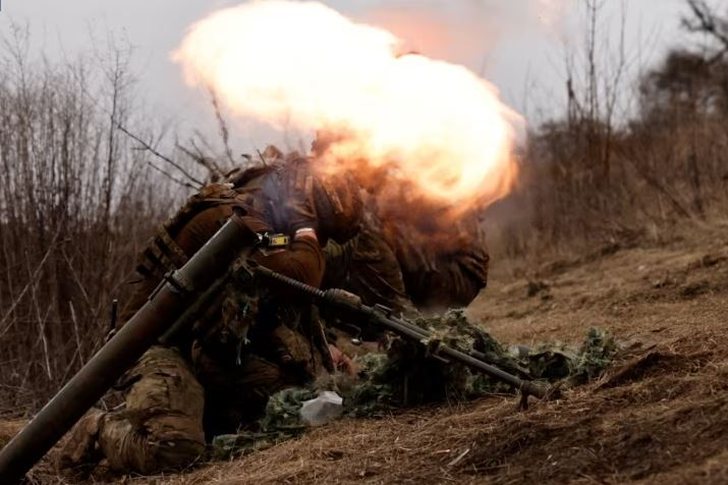
Si të mbetesh njeri në kohë lufte
Në vijën e parë të frontit të luftës ka tmerre pa fund. Po...


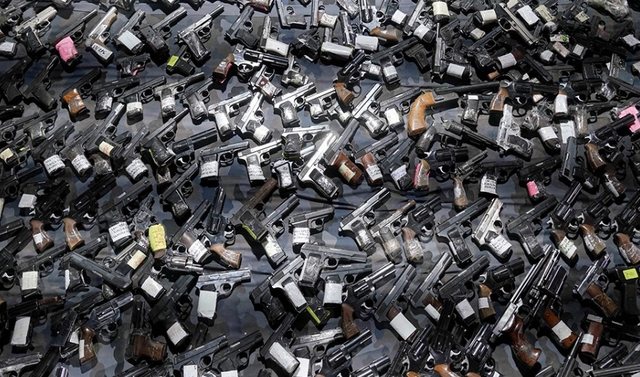
Two gun massacres in Serbia have left 17 people dead, many of them children, while protests are constantly taking place in the streets of Belgrade. Demonstrators blame Serbia's populist president, Aleksandar Vucic.
Therefore, the latter has planned the organization of his rallies against weapons, while he has ordered a flash operation for the collection of weapons. But guns are embedded in Serbia's culture, and it is hard to imagine any significant number of Serbs going to the authorities to surrender them.
When I worked in the Balkans as a journalist, a man felt weak if he didn't own a Kalashnikov. The streets of the provinces were filled with men with AK-47s in their arms. In somewhat more sophisticated Belgrade, apart from the Kalashnikovs hanging around the Hyatt Hotel (press center headquarters and gangster base), the weapon of choice was a pistol, generally paired with jeans, T-shirts and leather tops.
Of course this atmosphere was during the wars of the 1990s. But the fact is that the culture of carrying weapons predates those wars, and has even survived them. In 2018, the Switzerland-based Small Arms Survey found that Serbia had the third highest rate of weapons in the hands of civilians in the world - with 39 of them per 100 inhabitants, while in first and second place were USA and Yemen.
"The weapon is a symbol of social status. If you have a gun, you are powerful and protected in your neighborhood," says Predrag Petrovi?, research director of the Belgrade Center for Security Policy. Meanwhile, Ivana Jeremic, editor of the website Balkans Insight, says: "Every family in Serbia and throughout the Balkans owns a gun, or at least used to own one. It is not used to kill or threaten people, but it is part of our tradition. Through the villages, guns are fired in the air to celebrate the marriage of a couple or the birth of a child".
During the war, it was often difficult to distinguish between a gunfight and a party after a football match. Markus Taner, former Balkan correspondent for "The Independent" newspaper, remembers crowds firing guns into the air to celebrate the election of the Metropolitan of the Montenegrin Orthodox Church.
Serbs love guns because Balkan culture values ??gangsters and heroism. Their fertile plains and rugged mountains were once densely forested, and teeming with bandits (resistance fighters). All of them fought against the Ottoman, Austrian, German invaders. Hajduk Split (founded in 1911, when Croatia was still part of the Austro-Hungarian Empire) is one of the best Croatian football teams.
“Serbët kishin shumë armë gjatë shekullit XIX-të. Ata i dëbuan vetë turqit nga vendi në vitet 1820”- thotë Taner. As Jugosllavia komuniste nuk e kufizoi zotërimin e armëve, ndryshe nga Bullgaria fqinje dhe kulturore e ngjashme me ndikimin sovjetik. Pronësia e armëve në Bullgari është vetëm 8 për qind e popullatës.
Por në Jugosllavinë e Paangazhuar, u bënë pak përpjekje për të çarmatosur njerëzit, dhe në vitet 1990 presidenti i Serbisë, Sllobodan Millosheviç, ishte shumë i varur nga gangsterët dhe kryekomandantët e tij, Arkani me Tigrat e tij, Vojisllav Sheshel dhe Shqiponjat e Bardha.
Në Sarajevë, gangsterët që mbrojtën qytetin në fillim të rrethimit të vitit 1992 ishin heronj, edhe pse qeveria boshnjake i eliminoi një vit më vonë. Shumica e drejtuesve të bandave u qëlluan në përpjekje për t’u arratisur. Arkani mbijetoi në Serbi si një hero popullor deri në vrasjen e tij në vitin 2000.
Pavarësisht se u dënua për krime kundër njerëzimit nga Gjykata Penale Ndërkombëtare në Hagë, Sheshel ka dalë nga burgu dhe tani është një politikan aktiv në Serbi. Megjithatë, alarmante për masakrat e fundit, është fakt se serbët kanë filluar t’i drejtojnë armët njëri-tjetrit.
Disa njerëz dyshojnë se mbulimi i gjerë mediatik i të shtënave në shkolla në SHBA, po ndikon tek të rinjtë serbë. Të tjerët fajësojnë videolojërat e dhunshme dhe televizionin. Edhe pse e përhapur, pronësia e armëve në Serbi është tashmë rreptësisht e kontrolluar, dhe pavarësisht nga potenciali për tragjedi të tjera, edhe anëtarët e inteligjencës liberale të Beogradit nuk tregojnë ndonjë entuziazëm për forcimin e kontrolleve.
Petroviç mendon se çdo përpjekje e qeverisë në këtë drejtim do të dështojë:”Askush nuk dëshiron të heqë dorë nga armët. AK-47 është tashmë e paligjshme, por ajo po përdoret hapur. Të gjithë e njohin njëri-tjetrin në komunitete të vogla. Ata e dinë nëse mund të festojnë me një kallashnikov. Ndonjëherë plagosen njerëz, por autoritetet nuk i shqetësojnë sepse e dinë që kjo nuk është e qëllimshme”.
Ndoshta momenti kur kam qenë më afër vdekjes gjatë 4 viteve të mira në Bosnje, ishte disa km larg vijës së frontit, në një mbrëmje vere në një piceri. Pronarja u grind me të dashurin e saj, i cili u largua i zemëruar, duke u kthyer 10 minuta më vonë me kallashnikovin e tij.
Ai filloi të qëllonte mbi të gjithë verandën. Së bashku me pjesën tjetër të të ftuarve, unë u shtriva përtokë. Pati shumë xhama të thyer, plumbat i kishin bërë shoshë muret. Shefi i policisë erdhi shumë shpejt dhe e qetësoi personin e armatosur, që u largua duke qarë, ndoshta për të pirë ndonjë gote raki diku tjetër. Ne u kthyem tek picat tona.
No one was injured. But later we saw a bullet hole in the windshield of our car. The bullet had gone through the passenger seat, where I had been sitting a few minutes before. Petrovic recently found a bullet on the terrace of his house in an urban area of ??Belgrade. “It must have been a party. But if I had been there, I would have been shot," he says.
Note: Charlotte Eagar is the producer of "Trojan Women Project"./ Adapted from CNA.al

Në vijën e parë të frontit të luftës ka tmerre pa fund. Po...

Officials in Beijing have concluded that America will do a...
"France24" They are first-time voters, 16 and older, who ...
The Ukrainian officer calls us through the "Google Mee...
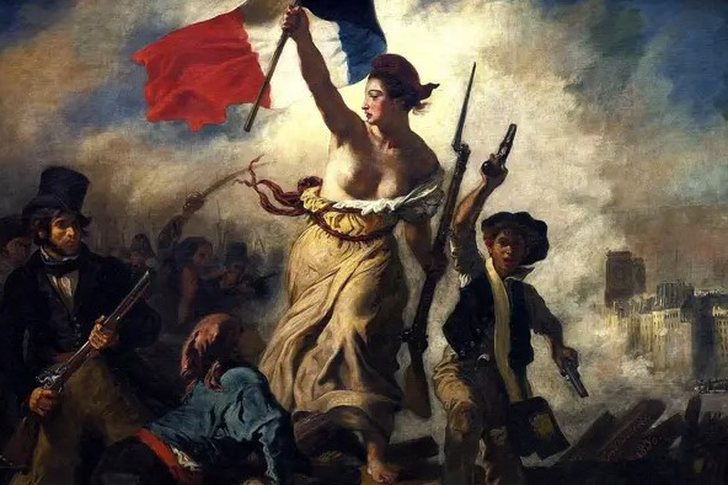
Throughout history, revolutions have been a powerful t...

Like so many young people in America, our lives are fo...
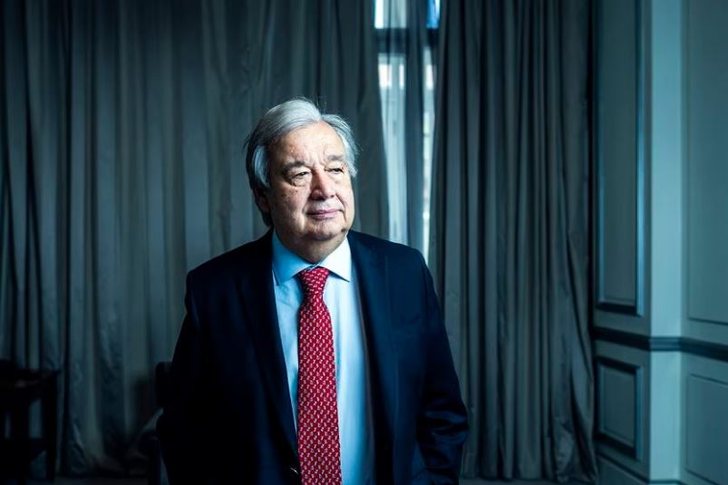
United Nations Secretary-General Antonio Guterres received t...

Molly was 88 years old and in relatively good health. She ...

Ever since Russia threatened to intervene in Ukraine, ...
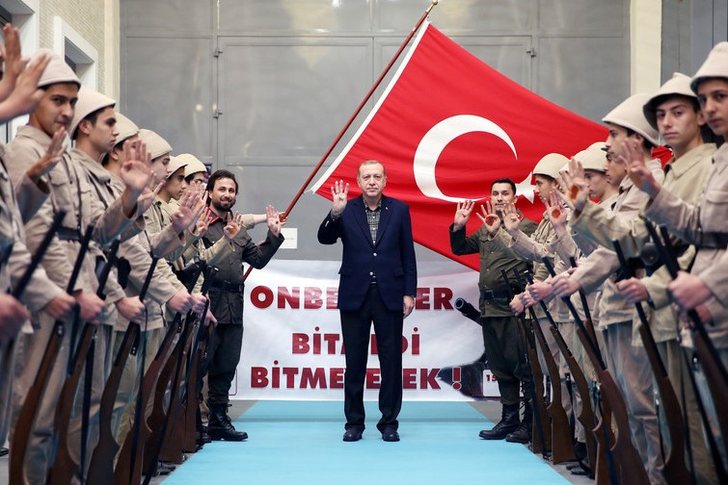
Turqia do të shkojë këtë të diel drejt qendrave të vot...
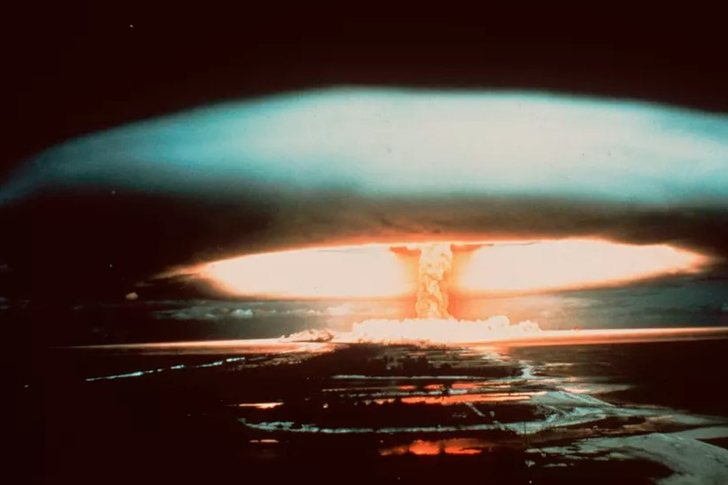
Nuclear scientist Sigfried S. Hecker, 79, is one of th...

According to the Internet Watch foundation, since 2019 the...
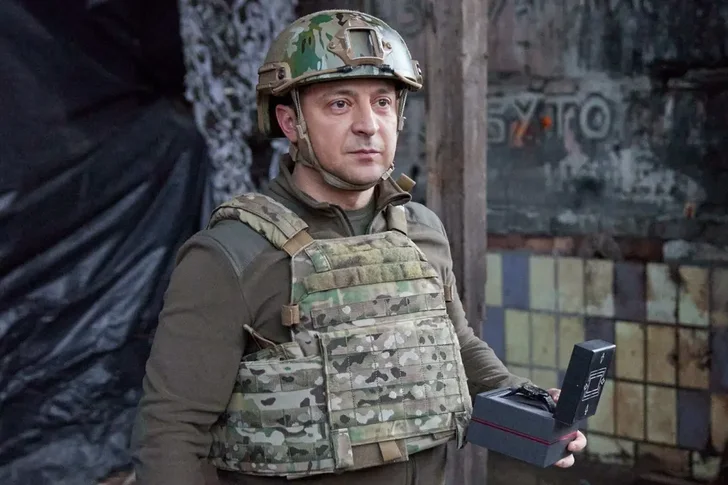
I visited Kiev last month to meet with Ukrainian President...
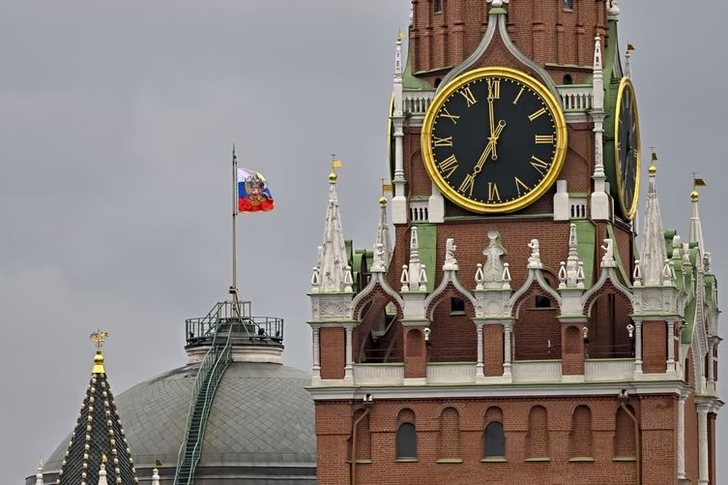
Two drones carried out an attack inside the Kremlin compou...
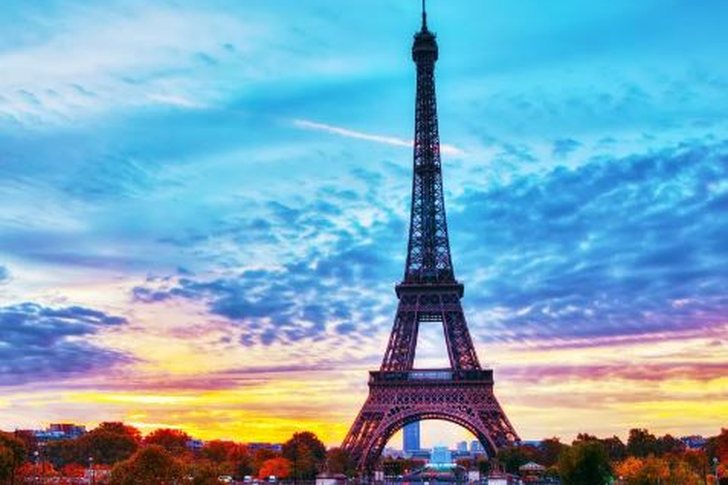
The Eiffel Tower was inaugurated in Paris on March 31, 188...
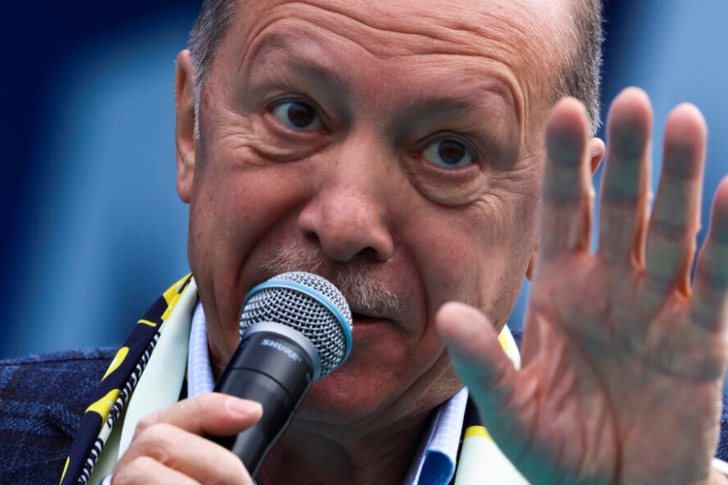
Is there a Western preference for the winner as Turkey...
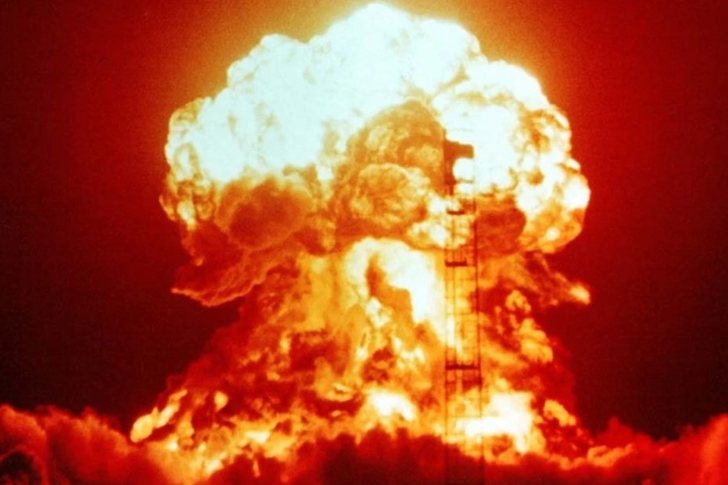
Njerëzimi ka 2 probleme kryesore, të cilat janë bërë m...
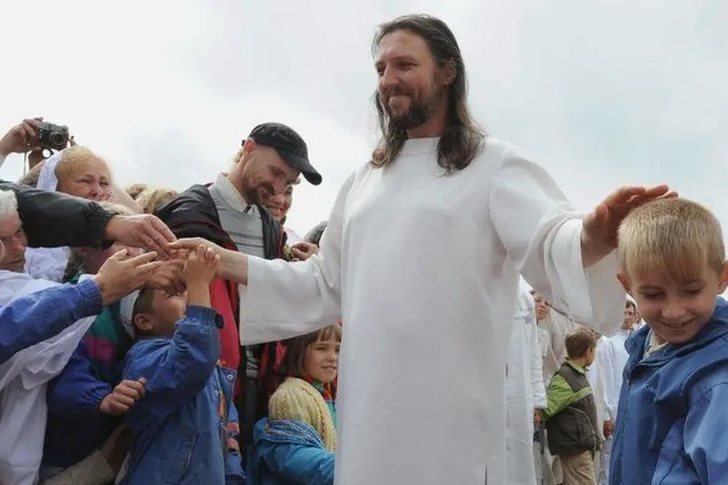
Have you ever heard of a man who claims to be the rein...

The telephone conversation between Xi Jinping and Volo...
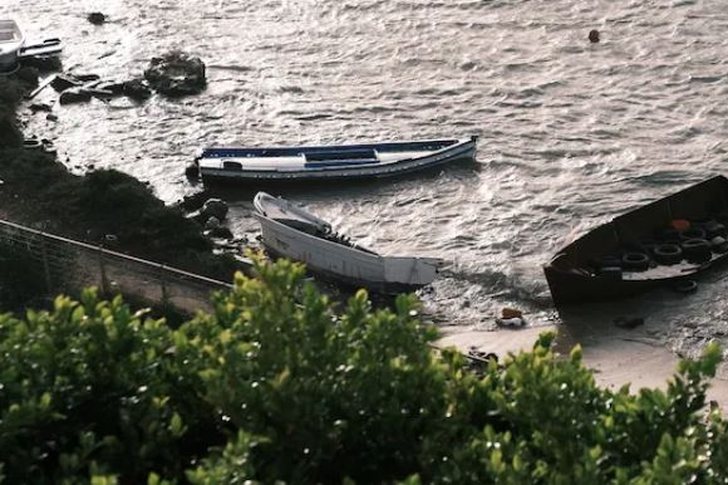
Që nga fillimi i këtij viti, më shumë se 600 emigrantë vlerë...
A 39-year-old citizen has been arrested in Lezha, after se...

CNA has launched another investigation that could lead to ...

Irfan Hysenbelliu is a businessman that we call "Irfan the...

In March 2026, CNA launched another investigation centered...

The Special Board of Appeal (KPA) decided this Monday ...

The KPA vetting decided this Thursday to dismiss the p...

Suela Salavaçi, a prosecutor in the Prosecutor's Offic...

The Special Board of Appeal reinstated the prosecutor ...
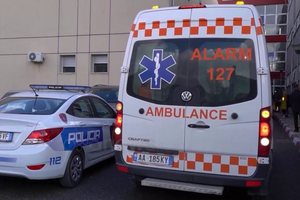
Several gunshots were reported today in the village of Gjo...
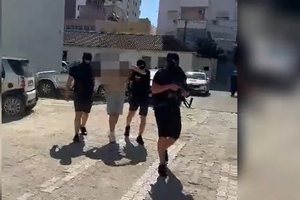
Following the successive operations carried out by the ope...
The Police Supervision Agency has seized the service weapo...
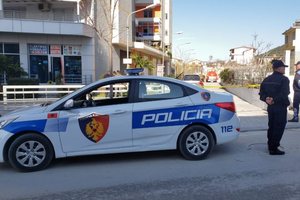
A serious incident occurred in Lushnje, where citizen IY, ...

As the year 2026 is in its second half, the world is exper...

Today, our country will be under the influence of stable a...

By noon, cloudiness is expected to prevail in almost all o...

Children without parental care, for whom alternative famil...
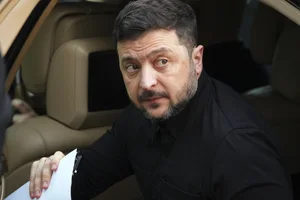
Ukrainian President Volodymyr Zelensky said Russia wants t...
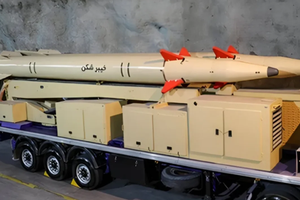
Iran is adapting and enhancing the capabilities of its bal...
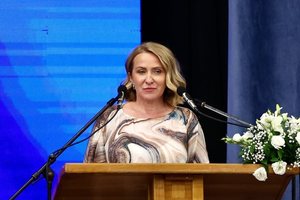
Serbia's Minister of State Administration and Local Self-G...
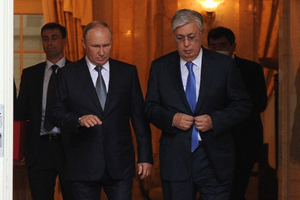
Kazakh President Kassym-Jomart Tokayev shared some critici...
Two windows, a century of history and the metaphysics of p...
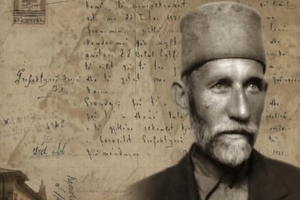
In my research at the Central State Archives, specifically...

At a time when industrial products are increasingly taking...

Trust among people is not just a three-syllable word. It c...

This Saturday, one US dollar is bought for 81.7 lek and so...

War, weather and supply disruptions could send gas prices ...
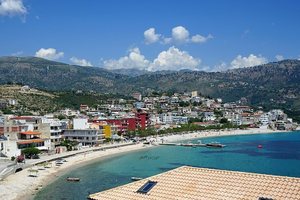
The number of active enterprises in Albania continued to g...
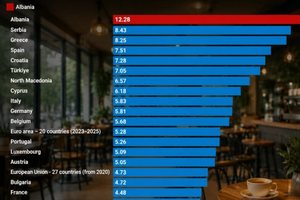
In Albania, the bar-cafe has long become an almost unique ...