

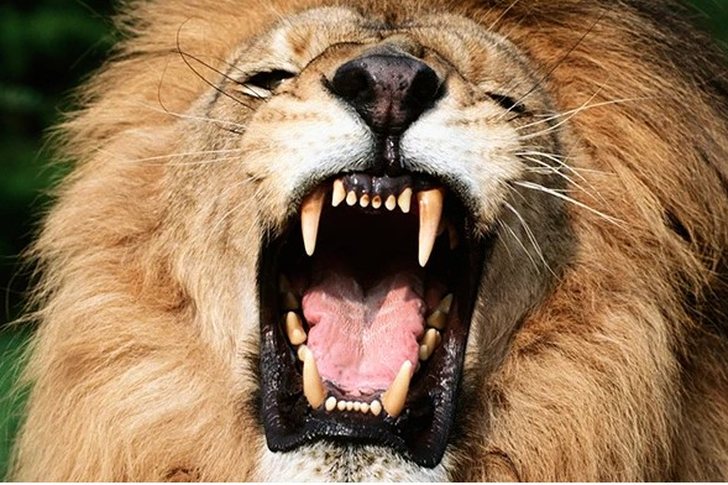
What are the 10 most dangerous animals in the world?
Which animals kill the most people every year? Although Ho...


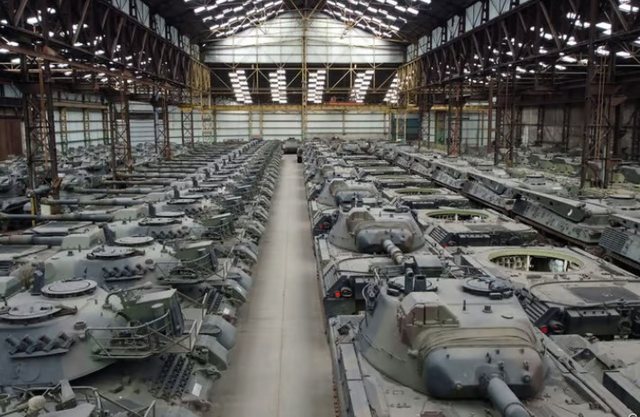
At the end of the Cold War, US President George HW Bush popularized the idea that cutting defense spending would spur further economic growth. "We can have great benefits year after year, in the form of reduced defense budgets," he declared in 1992.
The world heeded that advice. America itself went from spending 6 percent of GDP on defense in 1989 to nearly 3 percent a decade later. Then came the terrorist attacks of September 11, 2001 and the wars in Afghanistan and Iraq.
Now amid Russia's occupation of Ukraine, discussions of a possible war between America and China over Taiwan, and rising tensions over Iran's nuclear ambitions, countries are working harder than ever to rearm.
Last year, worldwide defense spending rose by nearly 4 percent in real terms, or over $2 trillion, according to the Stockholm International Peace Research Institute. Many NATO allies, and Germany in particular, are planning to meet or even exceed 2 percent of GDP defense spending, which is both the alliance's official and minimum target.
Other countries are planning to do the same. So Japan is considering doubling its defense spending by 2027, making it the world's third-largest defense spender.
We estimate that if the new defense commitments are fully implemented, there will be over $200 billion in additional global defense spending each year. But it can be much more than that. Imagine if countries currently spending less than 2 percent of GDP per year met that level, and the rest increased spending by 0.5 percent of GDP.
Global defense spending would increase by nearly $700 billion a year. Russia's invasion of Ukraine "risks undoing the gains from the peace we have enjoyed for the past 3 decades," IMF chief Kristalina Georgieva said in a speech in April.
The West is sending more and more sophisticated weapons to Ukraine to help it launch a counter-offensive against Russian occupation forces. He has equipped most of the 9 new Ukrainian armored brigades with modern battle tanks.
Training of Ukrainian pilots to fly American-made F-6 fighter jets will soon begin. The number of NATO countries reaching the 2 percent target increased from 3 in 2014 to 9 last year. Now the alliance says that figure should be "a floor, not a ceiling", a concept likely to be included at its summit in Lithuania in July.
Meanwhile, some countries are going far beyond this norm. Poland aims to achieve 4 percent defense spending this year, and double the size of its military. While France is talking about the transition to a "war economy". On the other hand, an arms race is intensifying on the other side of the globe.
Tajvani po e zgjat shërbimin ushtarak nga 4 muaj në 1 vit. Sipas marrëveshjes AUKUS, Amerika dhe Britania do të ndihmojnë në furnizimin e Australisë me nëndetëse me energji bërthamore. Po ashtu, këto 2 vende synojnë të zhvillojnë armë të tjera, përfshirë raketat hipersonike.
Gjatë dekadës së fundit, buxheti i mbrojtjes i Indisë është rritur me rreth 50 për qind, dhe e njëjta gjë ka ndodhur edhe me atë të Pakistanit. Në Lindjen e Mesme, shtetet e Gjirit janë shndërruar në klientët kryesorë në tregun global të armëve. Buxheti i mbrojtjes i Kinës, është rritur me rreth 75 për qind gjatë 10 viteve e fundit.
Ajo dëshiron të përfundojë modernizimin e forcave të saj deri në vitin 2035, dhe të bëhet deri në vitin 2049 një fuqi ushtarake e klasit botëror. Amerika mendon se Kina dëshiron të arrijë aftësinë për ta pushtuar Tajvanin që në vitin 2027. Disa ekspertë në Amerikë, kanë nisur të pyesin nëse qasja e saj aktuale është e duhura në një botë të ndarë nga rivaliteti.
Pavarësisht disa rritjeve të fundit, buxheti i mbrojtjes i SHBA-së ka rënë me rreth 5 për qind ë nga viti 2012. Ky reduktim erdhi si pasojë e krizës financiare të viteve 2007-2009. Në përgjithësi, avantazhi i Amerikës ndaj rivalëve të saj është dobësuar gjatë shekullit të kaluar, thotë strategu amerikan Endrju Krepineviç.
Gjatë Luftës së Parë, të Dytë dhe asaj të Ftohtë, kundërshtarët e Amerikës kishin ekonomi shumë më të vogla se ajo e SHBA-së. Sot vetëm Kina prodhon gati 80 për qind të prodhimit të Amerikës. Në dekadat pas Luftës së Ftohtë, mendohej se të shpenzoje më pak për ushtritë, do të thoshte të shpenzoje më shumë në infrastrukturë dhe shërbime publike, si dhe të ulje borxhin apo taksat.
Që nga vitet 1960, bota ka “liruar” rreth 4 trilion dollarë në vit shpenzime për arsimin. Tani dividenti i paqes po kthehet në një “taksë lufte”. Shpenzimi i më shumë parave për armë, ngre disa pyetje: çfarë do të blejnë vendet, a mund të shpërdorohen paratë, dhe a mund të dëmtohet ekonomia globale?
Many historians argue that defense spending means draining funds for the rest of the economy. Keeping a country safe has a huge economic cost. When you buy a rocket, it tends to sit in storage instead of being used productively.
But this fear is exaggerated. Because countries like Israel and South Korea know how to combine their dynamic economies with large defense sectors. But some experts fear that higher taxes are inevitable, or that the cost of this rearmament will be passed on to future generations in the form of debt. Therefore, many governments will face pressure to abandon commitments to higher military spending./Adapted from CNA.al

Which animals kill the most people every year? Although Ho...
Weather has always been a powerful force, capable of dicta...

Make no doubt: the war in Ukraine can end this year, w...
While most love songs are inspired by the joys and pai...

In the annals of medical history, few names evoke as much ...

In the works of Charles Dickens, such as Oliver Twist or "...

Ukrainian secret services have not yet killed Vladimir...
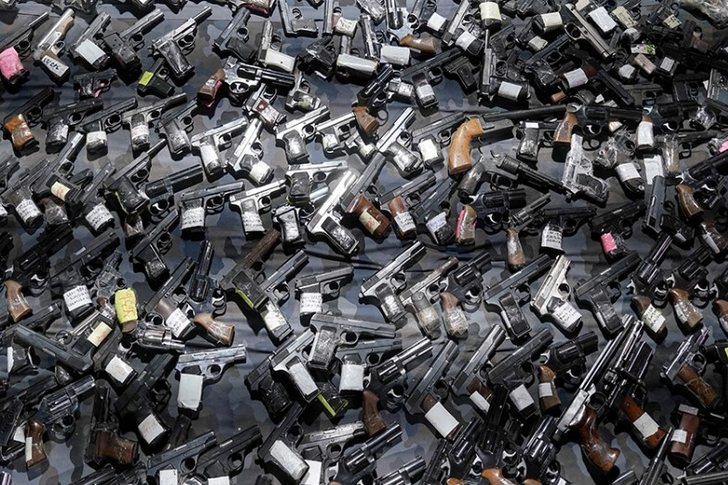
Two gun massacres in Serbia have left 17 people dead, ...
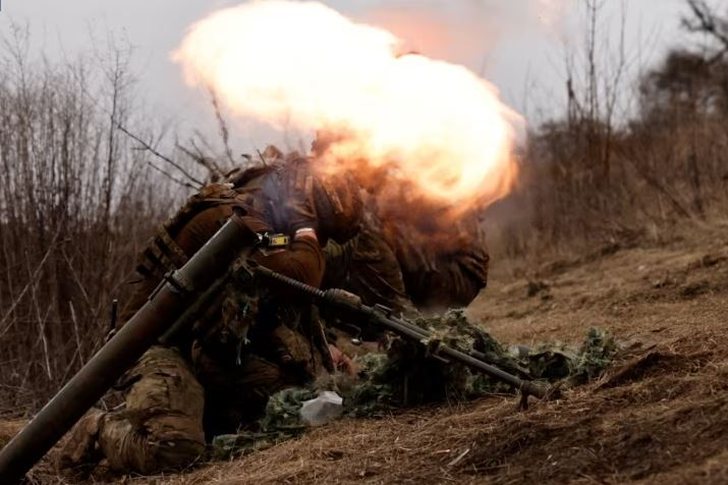
Në vijën e parë të frontit të luftës ka tmerre pa fund. Po...
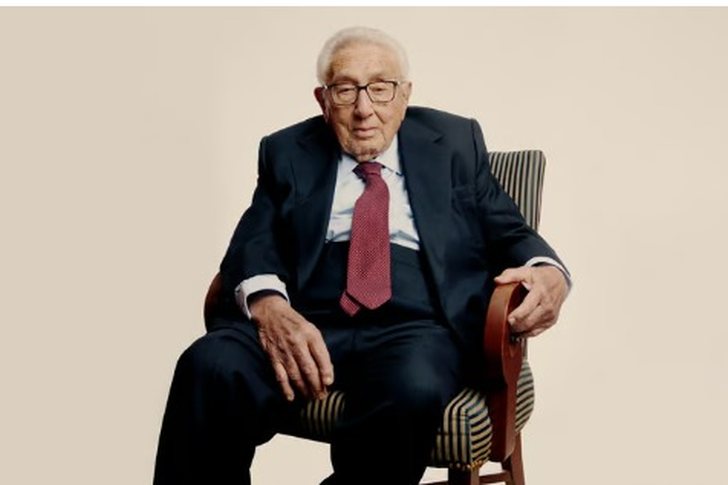
Officials in Beijing have concluded that America will do a...
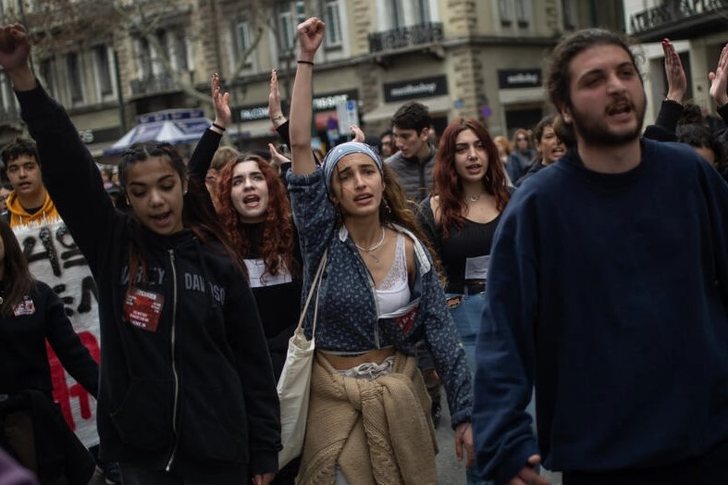
"France24" They are first-time voters, 16 and older, who ...
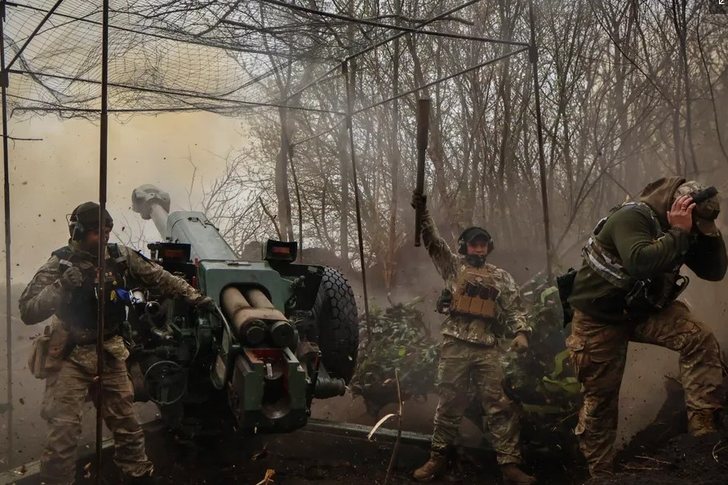
The Ukrainian officer calls us through the "Google Mee...
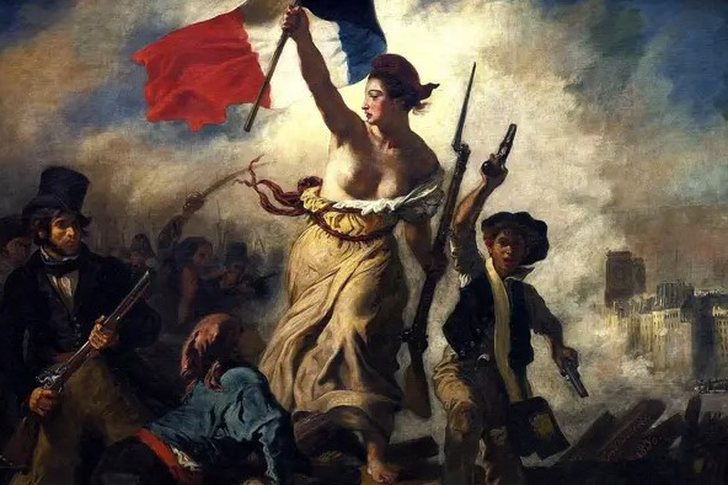
Throughout history, revolutions have been a powerful t...

Like so many young people in America, our lives are fo...
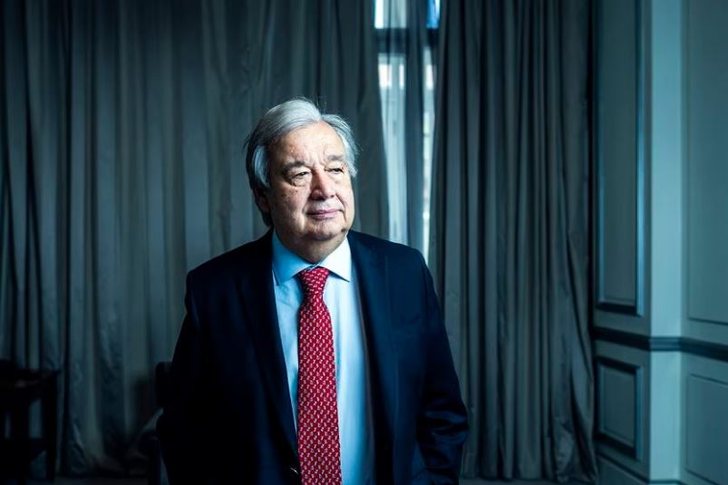
United Nations Secretary-General Antonio Guterres received t...

Molly was 88 years old and in relatively good health. She ...

Ever since Russia threatened to intervene in Ukraine, ...
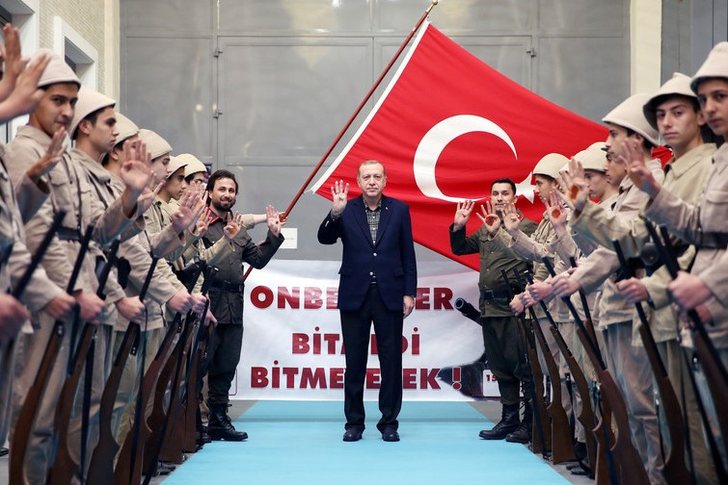
Turqia do të shkojë këtë të diel drejt qendrave të vot...
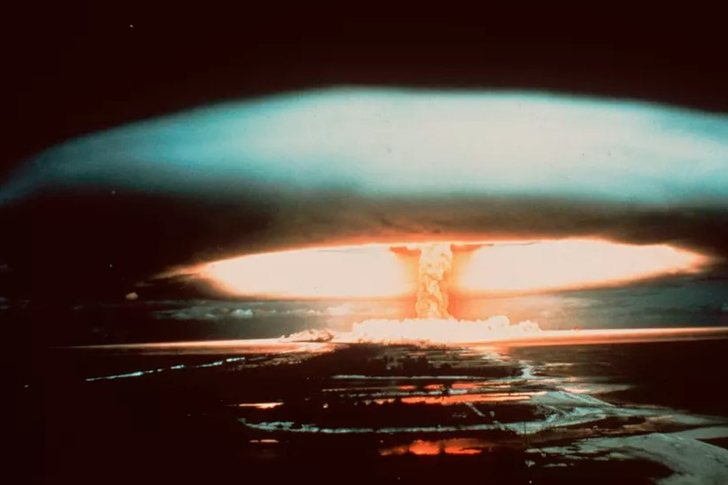
Nuclear scientist Sigfried S. Hecker, 79, is one of th...
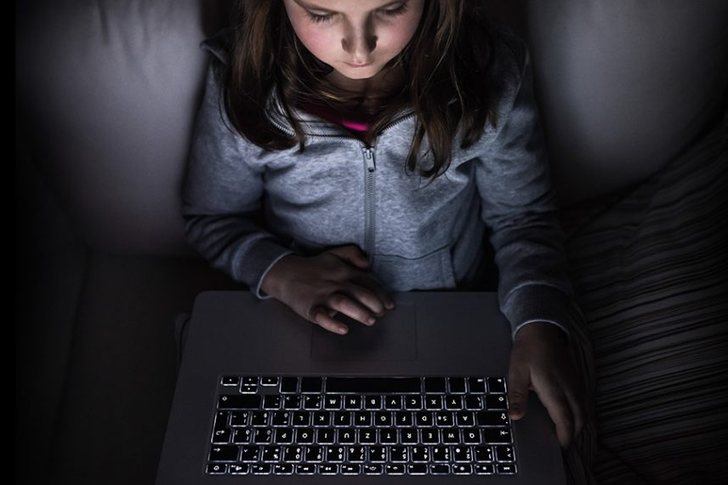
According to the Internet Watch foundation, since 2019 the...
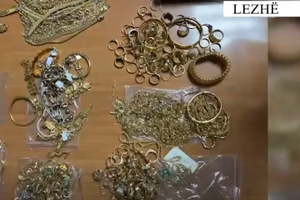
A 39-year-old citizen has been arrested in Lezha, after se...

CNA has launched another investigation that could lead to ...

Irfan Hysenbelliu is a businessman that we call "Irfan the...

In March 2026, CNA launched another investigation centered...

The Special Board of Appeal (KPA) decided this Monday ...

The KPA vetting decided this Thursday to dismiss the p...

Suela Salavaçi, a prosecutor in the Prosecutor's Offic...

The Special Board of Appeal reinstated the prosecutor ...

Several gunshots were reported today in the village of Gjo...

Following the successive operations carried out by the ope...
The Police Supervision Agency has seized the service weapo...

A serious incident occurred in Lushnje, where citizen IY, ...

As the year 2026 is in its second half, the world is exper...

Today, our country will be under the influence of stable a...

By noon, cloudiness is expected to prevail in almost all o...

Children without parental care, for whom alternative famil...
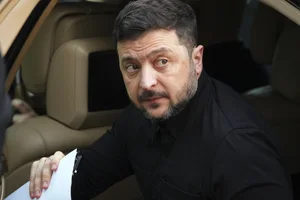
Ukrainian President Volodymyr Zelensky said Russia wants t...
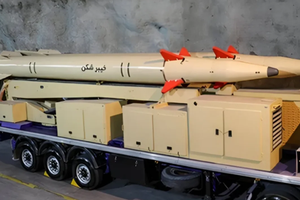
Iran is adapting and enhancing the capabilities of its bal...
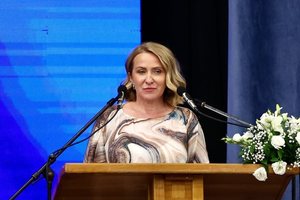
Serbia's Minister of State Administration and Local Self-G...
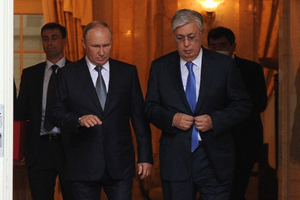
Kazakh President Kassym-Jomart Tokayev shared some critici...
Two windows, a century of history and the metaphysics of p...

In my research at the Central State Archives, specifically...

At a time when industrial products are increasingly taking...

Trust among people is not just a three-syllable word. It c...
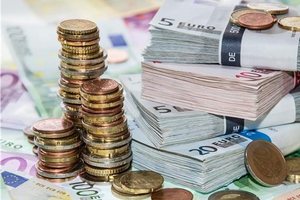
This Saturday, one US dollar is bought for 81.7 lek and so...
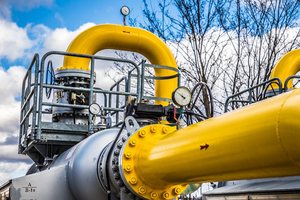
War, weather and supply disruptions could send gas prices ...
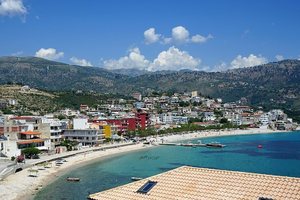
The number of active enterprises in Albania continued to g...
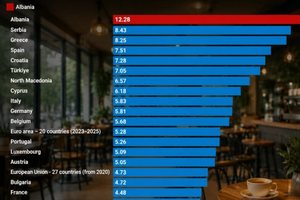
In Albania, the bar-cafe has long become an almost unique ...