

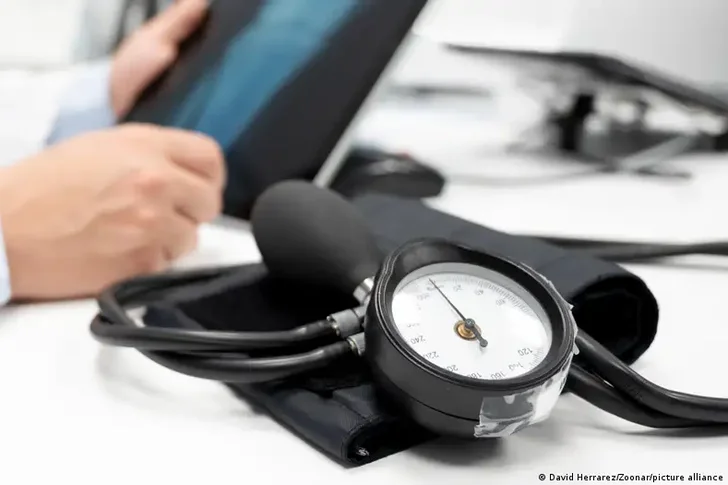
Germany: Private clinics in the hands of investors?
Money has always been made with health and safe businesses...


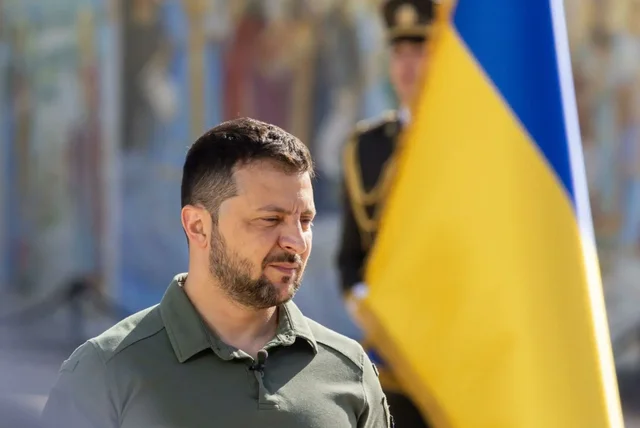
Ukrainian President Volodymyr Zelensky (born 1978) has been in office since 2019, when he won the second round of elections with 73 percent of the vote, defeating his rival Petro Poroshenko, the incumbent (2014-2019 ) and oligarch in the manufacturing and agricultural industry, but also in the financial sector, as well as a sponsor of the mass protests that took the name Euromaidan in 2014, through his television channel "5 Kanal TV".
Despite this, Poroshenko stated in early April 2014 that the level of popular support for Ukraine's NATO membership was too low, so it could not be included in the government's political agenda. This idea had to be excluded "so as not to destroy the country".
The Russian-backed insurgency in the Donbas, Moscow's annexation of Crimea and endemic corruption that undermined public trust in the government saw support for him plummet despite a modest effort to implement some reforms.
At this time, a television series "Servant of the People" began to appear, which had a great success with the public from the beginning. The protagonist, a history teacher who fights against corruption by becoming the president of Ukraine, rose to the level of the ideal leader for Ukrainians.
That professor was comedian Volodymyr Zelensky. The current president of Ukraine has managed to skillfully use his fame to build his political career. And the election victory happened thanks to his anti-corruption program but also thanks to the popularity gained through the TV series.
Zelenskiy received over 30 percent of the vote in the first round of presidential elections on March 31, 2019, and incumbent President Poroshenko came in second with 16 percent. Zelensky presented himself to the people as a leader who seeks peace. In his inauguration speech, he spoke in two languages, Russian and Ukrainian, calling for national unity.
However, his popularity began to decline very quickly. According to a poll in December 2020, only 30 percent of the population supported him, and this was due to his indecisiveness in the fight against corruption and his inability to end the internal conflict, despite some authoritarian measures, such as the closure of 3 of pro-Russian TV channels owned by oligarch Viktor Medvedchuk - a figure close to Russian President Vladimir Putin - in February 2021.
In relation to this issue, a United Nations report stated that "of particular concern is the lack of accountability for threats and violence against human rights defenders, media operators and individuals expressing opinions online or attempting to participate in the elaboration of policies".
OHCHR documented 29 incidents against journalists, media professionals, bloggers and individuals who expressed views critical of the government or mainstream stories. During 2020-2021, investigative journalists and media reporters covering political issues such as corruption and the implementation of restrictions due to Covid-19 were constantly targeted.
Meanwhile, a scandal related to the "Pandora Papers" contributed to the further decline of Zelensky's popularity in that period. Because it was discovered that the Ukrainian leader owned a small "treasure" in bank accounts in tax havens, which caused quite a bit of embarrassment to the Ukrainian presidency, which a few months ago - in November 2021 - had passed laws aimed at reducing the power of big that the oligarchs had in the country.
At that moment, in the eyes of the population, Volodymyr Zelensky looked like any other corrupt Ukrainian tycoon. The situation changed radically with the Russian invasion that began on February 24, 2022. The leader of Kiev was able to immediately build an image of the "president at the front", so much so that in March 2022 his popularity increased to 80 percent.
But will this popularity last? Will Zelenskiy be able to use it in view of new peacetime elections? In all societies, populations facing the threat of war tend to have a greater preference for authoritarian rule. Currently, because of the image he has built, the Ukrainian leader is seen as very competent, but only moderately dominant, which suggests that perhaps Ukrainians see Zelensky as the right balance of traits that the country's leadership should have at the time. extremely difficult.
If the current conflict continues for a long time, and the preference for a domineering leadership grows during wartime, one might wonder if Ukraine will veer toward authoritarianism. In fact, a sociological study shows that despite valuing authoritarian traits because of the ongoing war, Ukrainians prefer a more liberal and competent leader to a domineering one in peacetime.
Furthermore, psychological and anthropological research shows that resentment against authoritarian leadership is common in human societies, except in the case of an acute crisis. Therefore, when peace is restored, it is very likely that Ukrainians will recalibrate their preferences, without forgetting the need to fight corruption and the great power of the oligarchs, which this conflict has significantly weakened.
But who can replace Zelensky? First, it is highly unlikely, precisely because of immediate needs, that Zelenski will be replaced during the conflict. If such a thing were to happen, Kiev would show a sign of weakness ominous about the fate of the war, and in any case the president is very popular among the Ukrainian military.
However, some Ukrainian oligarchs may have some chance of a political career after the conflict. Among them we mention Viktor Pinçuk, who since the beginning of the invasion has asked Western countries to increase their military support and has criticized some countries, such as Germany, for their initial reluctance to send weapons.
By the end of September 2022, the oligarch had spent more than $45 million to support the Ukrainian military and civilians through his charitable foundation. Meanwhile, in the first weeks of the war, when Russian troops were approaching Kiev, he housed the doctors in his luxury villa on the outskirts of the Ukrainian capital.
It should be noted that Pinçuk's commercial empire has suffered less from the consequences of the conflict. These factors may be key in his decision to start a political career. But even former president Poroshenko can return to power. In addition to favoring nationalist policies when he was president, he appears in the media wearing military uniform and has organized volunteer groups to help fight the Russians.
Meanwhile, Poroshenko's companies have spent more than 46 million dollars to support the army. He supplied the army with armored vehicles bought in Italy and Britain, bulletproof vests, helmets, fuel, etc. But the most promising name may be Dimitro Razumkov, former speaker of the Verkhovna Rada, Ukraine's parliament.
In 2019, Razumkov was one of the main figures who brought Zelensky and his party to power, quickly becoming its official leader. But Zelenskiy and Razumkov's paths began to diverge, when the latter sided in defense of the constitution - even when the fight against the oligarchs was at stake - and "presidential promises of 2019" until he was expelled from the party and fired from task.
Razumkov used this as a basis for a future political campaign, stressing that he stayed true to his 2019 promises, while Zelenskiy had forgotten them. Zelensky's political image abroad seems unbreakable.
But the flimsy justification regarding bank accounts in tax havens, the expulsion of Razumkov from the party, further authoritarian measures such as the ban on texts in Russian and other similar measures, but also the possible perception that the current leader is unable to has all the possible international support for the successful conclusion of the conflict, can easily bring the end of his power from the first moment when it will be possible to go to the elections again.
After all, the image of an authoritarian leader is not liked at all in times of peace. And this applies not only to Western democracies, but also to countries like Ukraine, with all the nationalist sentiments that have taken even more root due to the Russian occupation. If the opposite were to happen, it would raise the ghosts of a not-too-distant Soviet past. / " Il Giornale " - Adapted from CNA.al

Money has always been made with health and safe businesses...
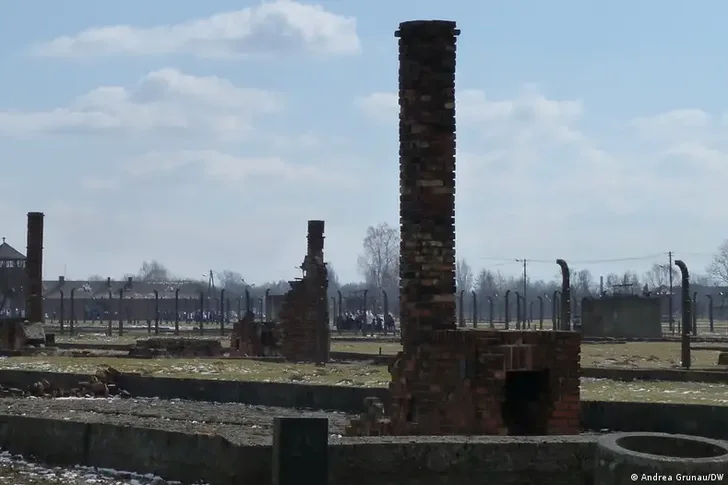
In 1944, on August 2, the Nazis killed in the Auschwit...
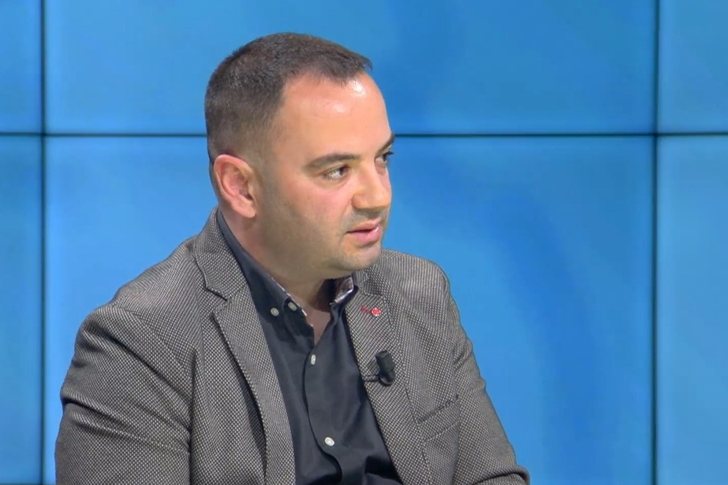
The emergency of the actor Genc Fuga and finding salvation...
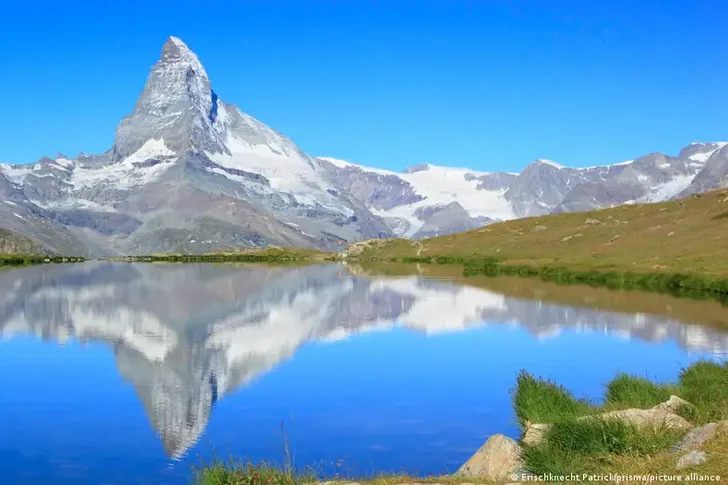
The Alps span eight European countries: Germany, Switzerla...
Knowing foreign languages is increasingly important in t...
Anyone who has tried to quit smoking will tell you how har...
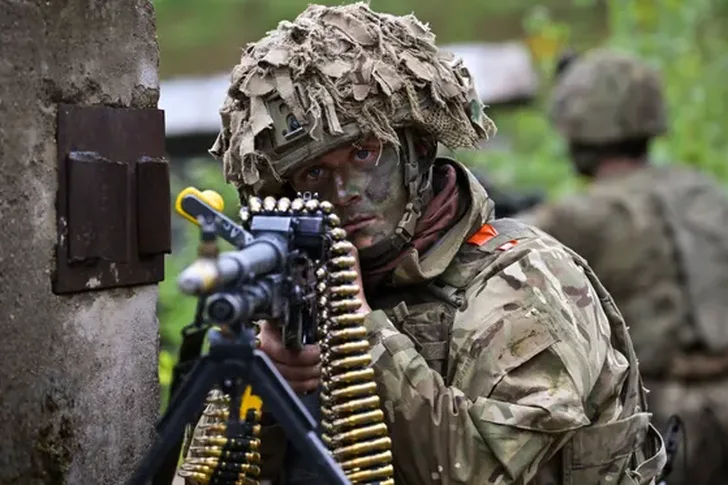
However Russia's war in Ukraine ends, Europe is anxiously ...
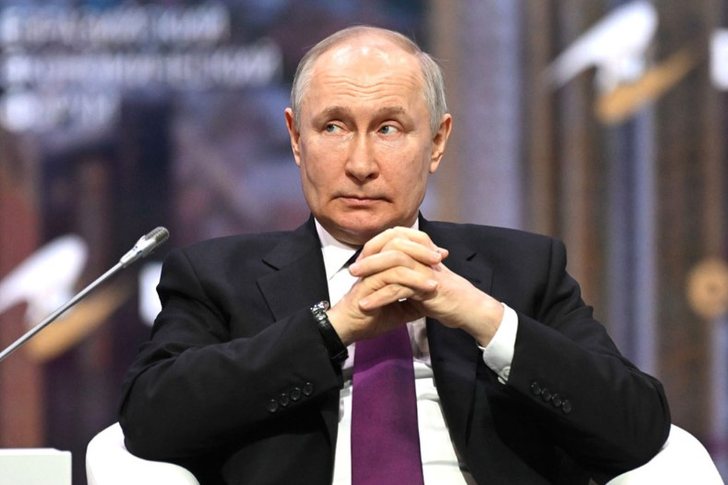
Despite the failure, Yevgeny Prigozhin's coup attempt was ...
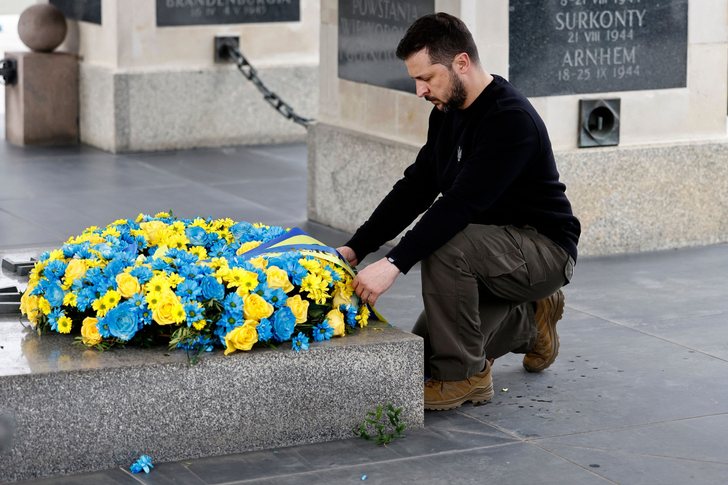
When Russian President Vladimir Putin sent his troops into...
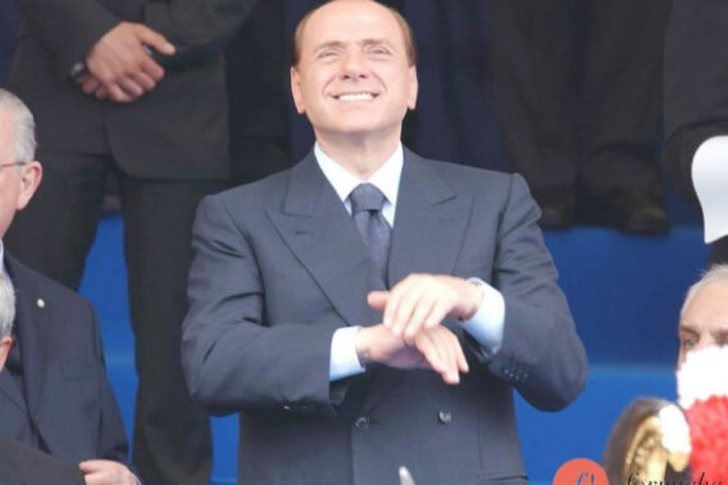
Protagonist of his farewell, as only those who have pl...
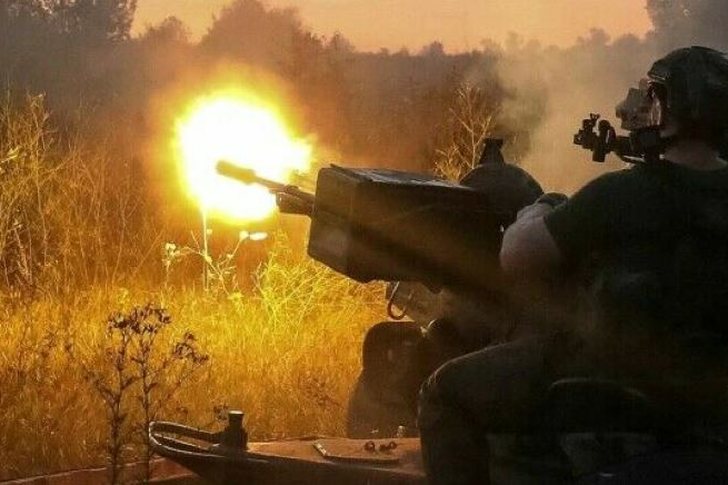
The war between Russia and Ukraine is an example of how wa...
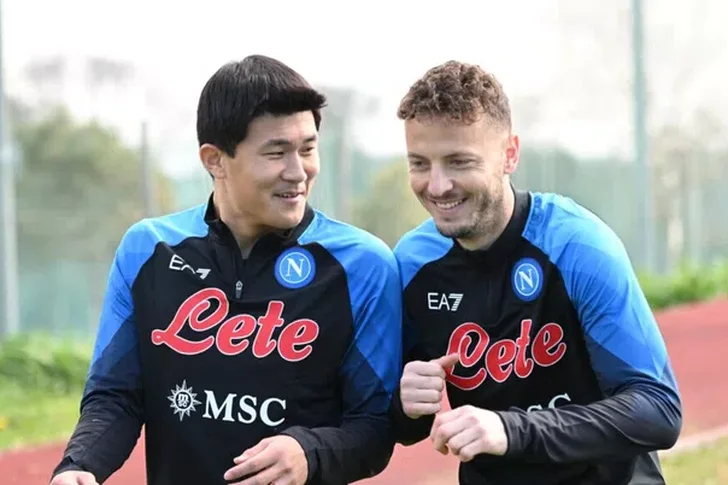
Kim luan ndeshjen e fundit me Napolin. Mbrojtësi koreano-j...
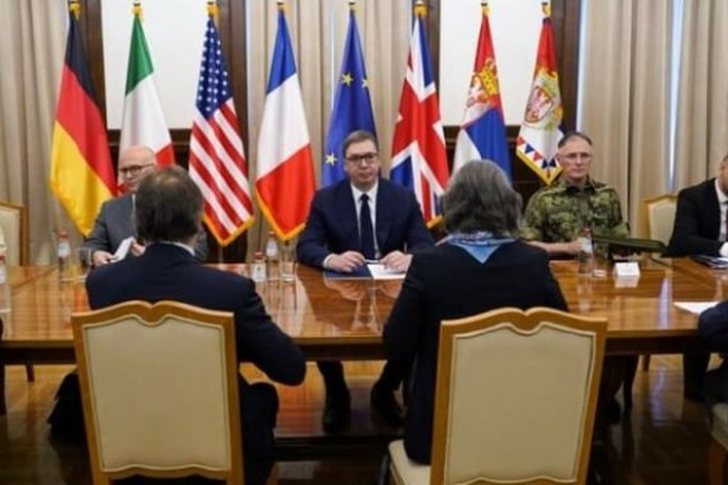
The thirst for stability and the seriousness of the clashe...
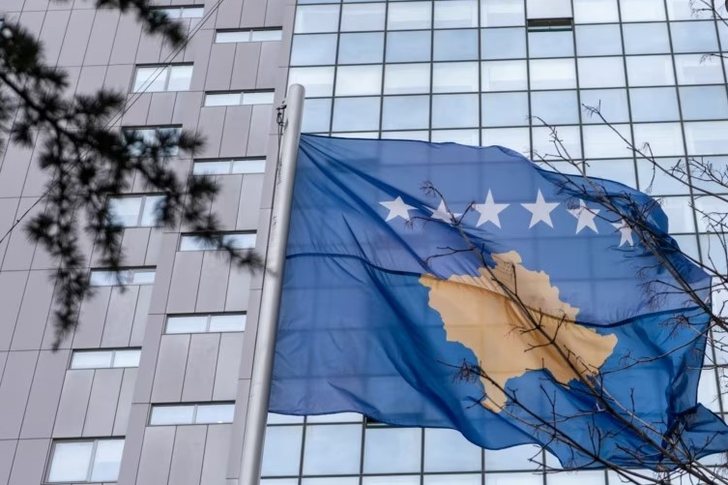
Of course, a bloody war is going on in Ukraine. But Europe...
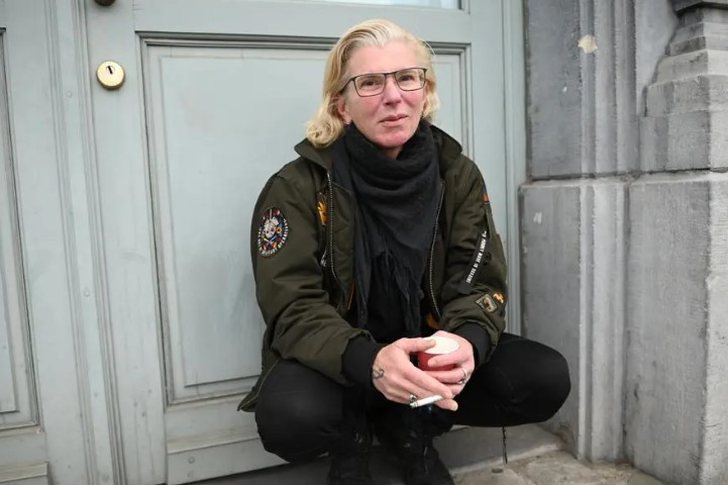
Julia Paievska is known by the nickname "Taira". She has a...
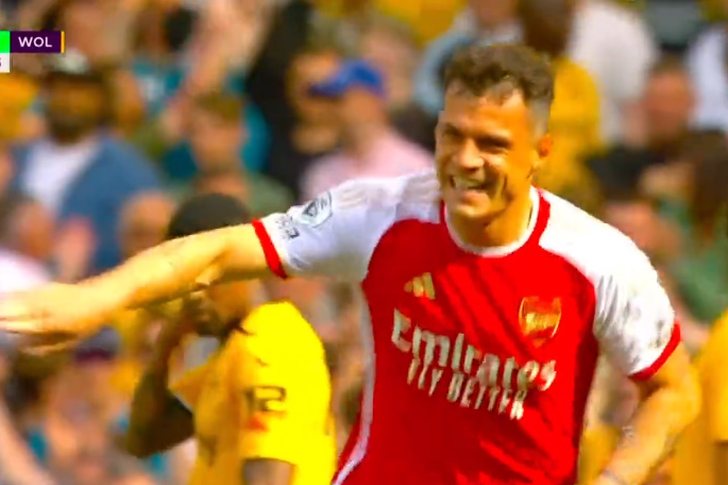
Granit Xhaka luan ndeshjen e tij të fundit me Arsenalin, tek...
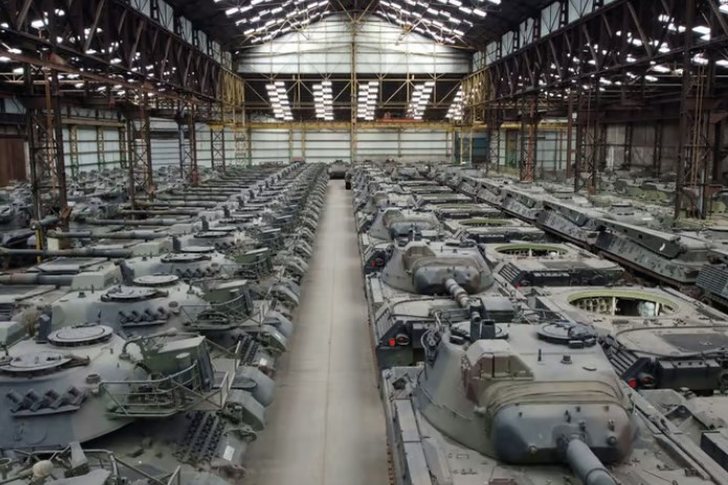
At the end of the Cold War, US President George HW Bush po...
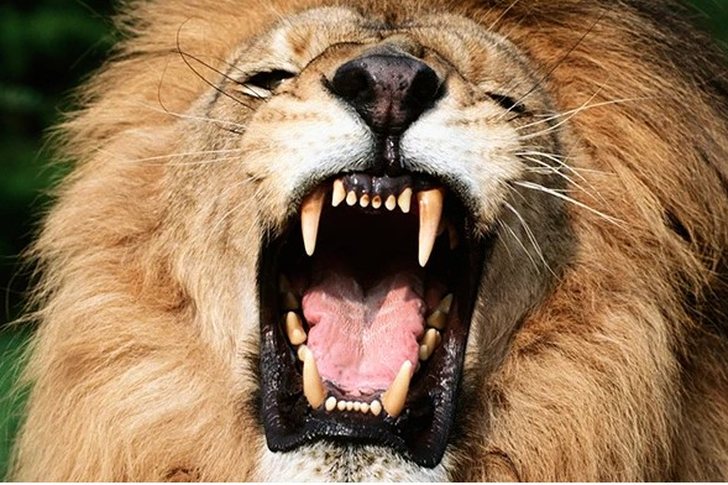
Which animals kill the most people every year? Although Ho...
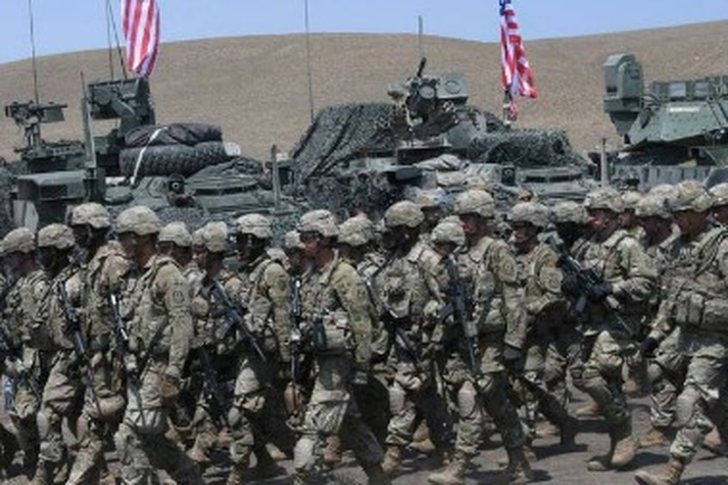
Weather has always been a powerful force, capable of dicta...

Make no doubt: the war in Ukraine can end this year, w...
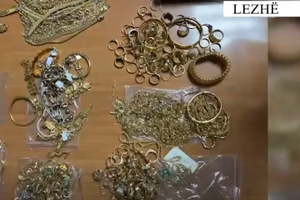
A 39-year-old citizen has been arrested in Lezha, after se...

CNA has launched another investigation that could lead to ...

Irfan Hysenbelliu is a businessman that we call "Irfan the...

In March 2026, CNA launched another investigation centered...

The Special Board of Appeal (KPA) decided this Monday ...

The KPA vetting decided this Thursday to dismiss the p...

Suela Salavaçi, a prosecutor in the Prosecutor's Offic...

The Special Board of Appeal reinstated the prosecutor ...
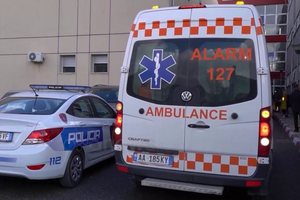
Several gunshots were reported today in the village of Gjo...
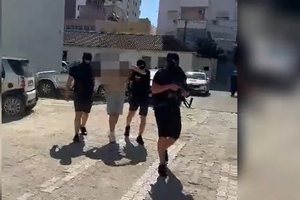
Following the successive operations carried out by the ope...
The Police Supervision Agency has seized the service weapo...
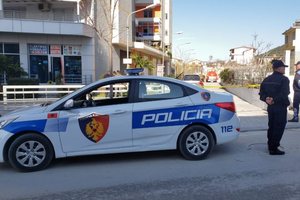
A serious incident occurred in Lushnje, where citizen IY, ...
As the year 2026 is in its second half, the world is exper...
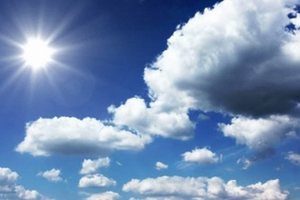
Today, our country will be under the influence of stable a...

By noon, cloudiness is expected to prevail in almost all o...
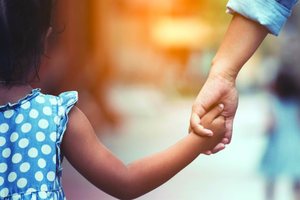
Children without parental care, for whom alternative famil...
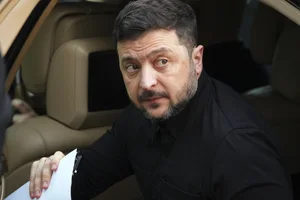
Ukrainian President Volodymyr Zelensky said Russia wants t...
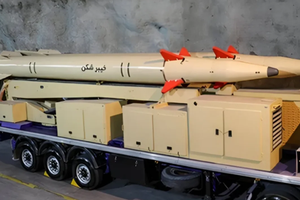
Iran is adapting and enhancing the capabilities of its bal...
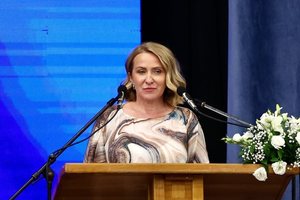
Serbia's Minister of State Administration and Local Self-G...
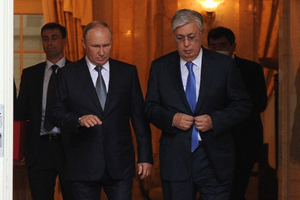
Kazakh President Kassym-Jomart Tokayev shared some critici...
Two windows, a century of history and the metaphysics of p...
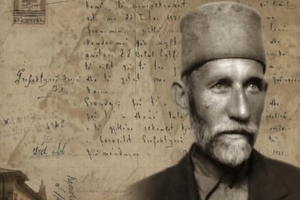
In my research at the Central State Archives, specifically...

At a time when industrial products are increasingly taking...

Trust among people is not just a three-syllable word. It c...
This Saturday, one US dollar is bought for 81.7 lek and so...
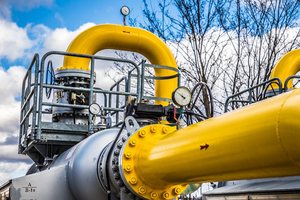
War, weather and supply disruptions could send gas prices ...
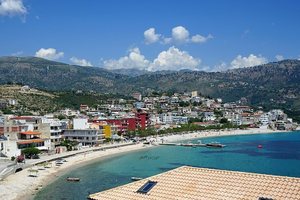
The number of active enterprises in Albania continued to g...
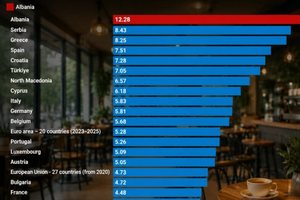
In Albania, the bar-cafe has long become an almost unique ...