


Ishte zbulimi i sezonit, mbrojtësi e mbyll me Napolin dhe do të transferohet në Premier League
Kim luan ndeshjen e fundit me Napolin. Mbrojtësi koreano-j...



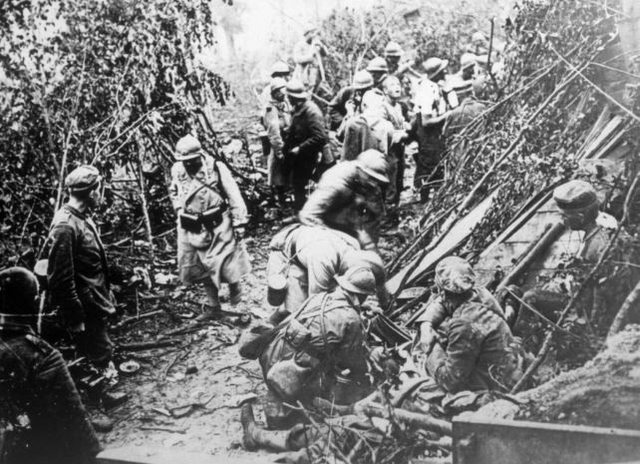
The war between Russia and Ukraine is an example of how war causes the price of many goods to rise. "War has always brought higher prices. History is full of examples that illustrate this, especially when things like food and energy become more expensive when countries engage in war," says Einar Lie, economic historian at the University of Oslo.
According to him, this trend is explained by 2 main reasons. "Firstly, production is stopped, and secondly, deliveries are stopped. As a result, there is a shortage of goods in the market and prices increase," Lie emphasizes. At the University of Gothenburg, Swedish economic historian Stafan Granér points to some examples from his country's wartime history.
An early example is from the 18th century, when Sweden started a war against Russia and Prussia. At that time there was not only a shortage of goods. But later the Swedish Riksbank printed many banknotes to finance the war. Inflation immediately increased.
Recently, two researchers at the investment bank Goldman Sachs in the US wanted to take a closer look at the links between war, the pandemic and inflation. And they discovered something surprising. At first, the researchers collected data on the 12 largest wars, measured by the number of dead, and all pandemics that have occurred since the 14th century, that is, since the time of the Black Death.
They analyzed the figures together with the level of inflation since the 14th century. When discussing the type of impact they have on society, pandemics are often compared to wars. But the two researchers found completely different effects. They saw a very clear connection between war and inflation.
Prices can go up a lot, especially when wars end. A normal price increase one year after the end of a war is 8 percent, the researchers found. But this is the average increase, that is, an average figure, when all the numbers are divided into two groups of equal size.
The increase in prices in Norway during the last 12 months was 6.4 percent. In EU countries, it was 8.3 percent on average. Countries such as Poland, Lithuania, Estonia, Latvia, the Czech Republic and Hungary have experienced inflation between 15-25 percent in recent months.
And the war in Ukraine is not over yet. Without the war in Ukraine, the pandemic may have resulted in much less or no price increases. When researchers analyzed pandemics, they found something completely different. Inflation usually remains low during almost all pandemics.
Over the past few centuries, there have been an average of 3 pandemics per century. Economic history shows that prices fall even more when a pandemic ends. The Spanish Flu and World War I happened at the same time. Both were terrible. But the war "won" over the pandemic in terms of economic impact.
A number of countries experienced high inflation during the 1920s. And we are experiencing the same situation now, where the war in Ukraine has "won" over the coronavirus pandemic. The average inflation one year after the end of a pandemic - if we analyze the situation up to the 14th century - was zero percent or even lower, the researchers found.
In the wake of the pandemic, it has not been unusual for there to be deflation, i.e. a fall in prices. For 9 years after the end of the average pandemic, there was no price increase at all. That wars and pandemics affect inflation quite differently is not as strange as it might seem.
As Einar Lie pointed out, wars often lead to shortages of goods. This causes the demand to increase. This also causes the increase in prices. During pandemics, people take it easier. They buy less, and the demand for goods falls. This keeps prices low. But every rule has an exception.
During the last pandemic, "everyone" had to fix something at home or in their vacation homes. This led to a doubling of prices for many building materials. Various countries have worked hard throughout history to curb rising prices.
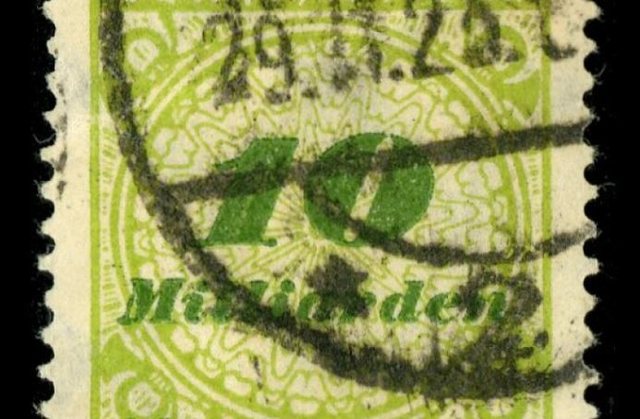
In 1923, Germany printed banknotes worth 10 billion marks. The aim was to stabilize the monetary value. At the same time, an international system of fixed exchange rates for gold was established in Europe. By 1900, almost all countries had introduced this type of standard. And this scheme worked well. The exchange rate remained stable.
But how long will the rise in inflation caused by the war in Ukraine last? With a few exceptions - such as the terrorist attacks in New York and the rest of the world on September 11, 2001 and the period during the financial crisis in 2008 - most Western countries have managed to keep inflation low throughout the 2000s.
Here's what Swedish economic historian Stafan Graner thinks about it: "It's not so surprising that the driving factor for the high inflation we're seeing this time can be linked to the fact that there's a war in Ukraine. Gas supplies have been reduced and energy prices have risen. What is happening now is something we can recognize from history.”/ Adapted from CNA

Kim luan ndeshjen e fundit me Napolin. Mbrojtësi koreano-j...
The thirst for stability and the seriousness of the clashe...
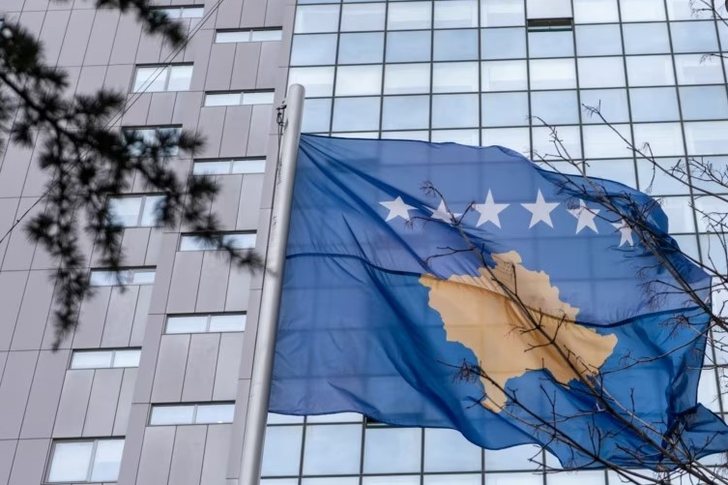
Of course, a bloody war is going on in Ukraine. But Europe...
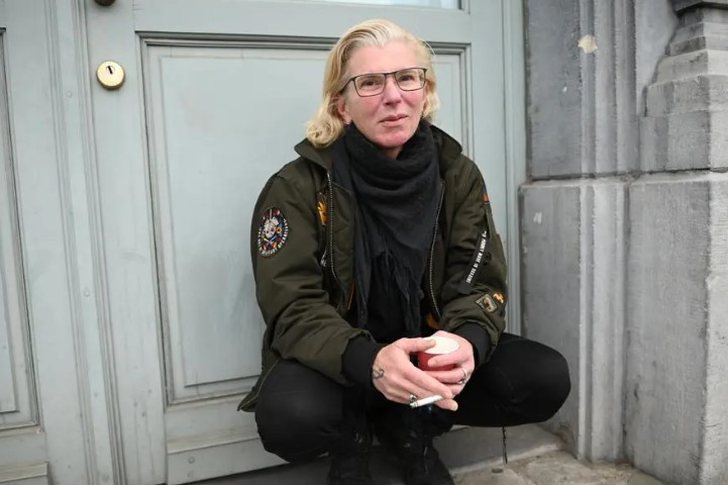
Julia Paievska is known by the nickname "Taira". She has a...

Granit Xhaka luan ndeshjen e tij të fundit me Arsenalin, tek...
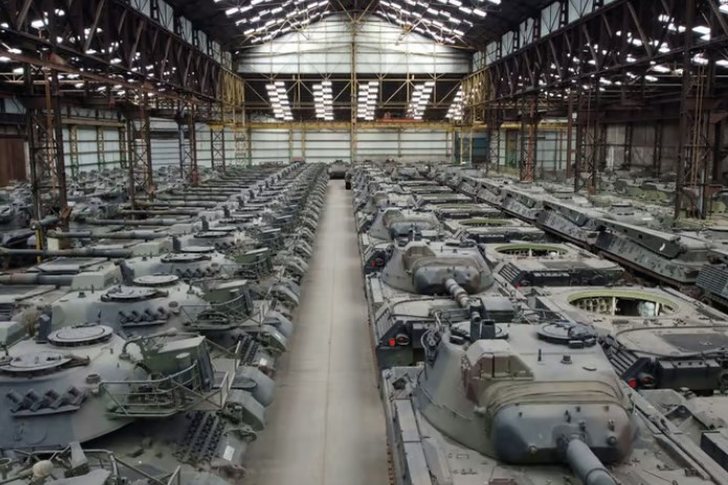
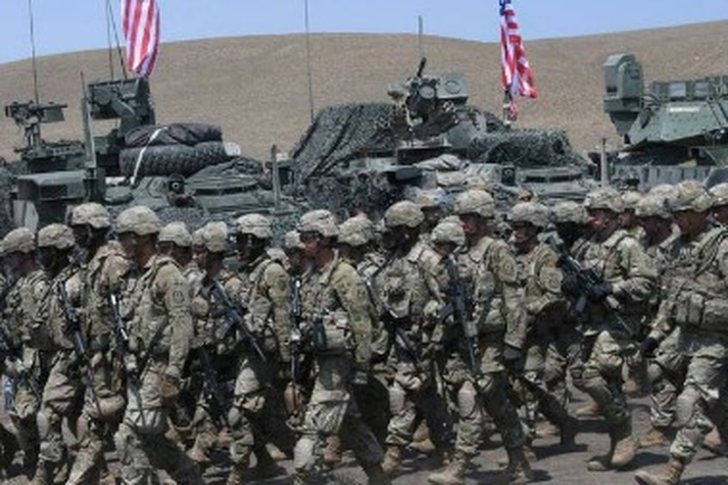
At the end of the Cold War, US President George HW Bush po...
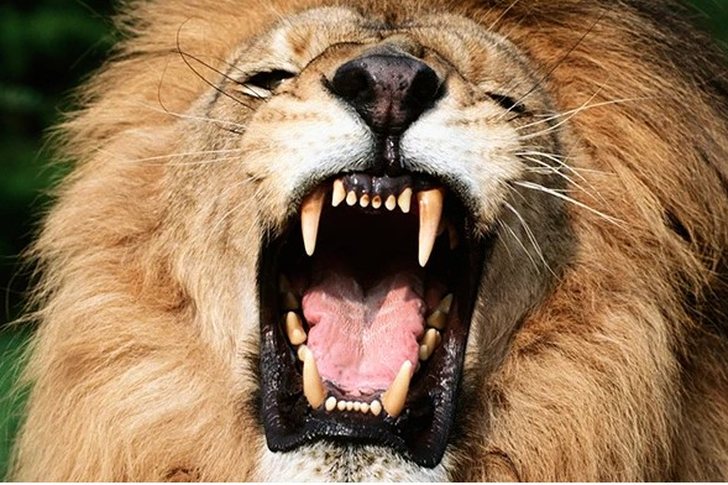
Which animals kill the most people every year? Although Ho...
Weather has always been a powerful force, capable of dicta...

Make no doubt: the war in Ukraine can end this year, w...
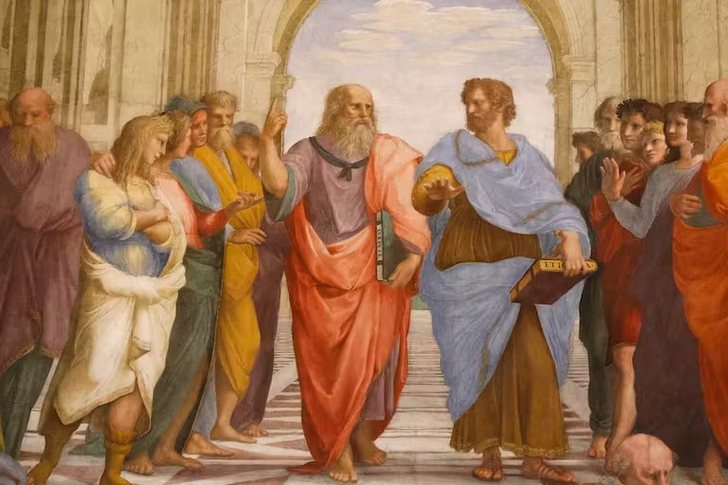
While most love songs are inspired by the joys and pai...

In the annals of medical history, few names evoke as much ...

In the works of Charles Dickens, such as Oliver Twist or "...

Ukrainian secret services have not yet killed Vladimir...
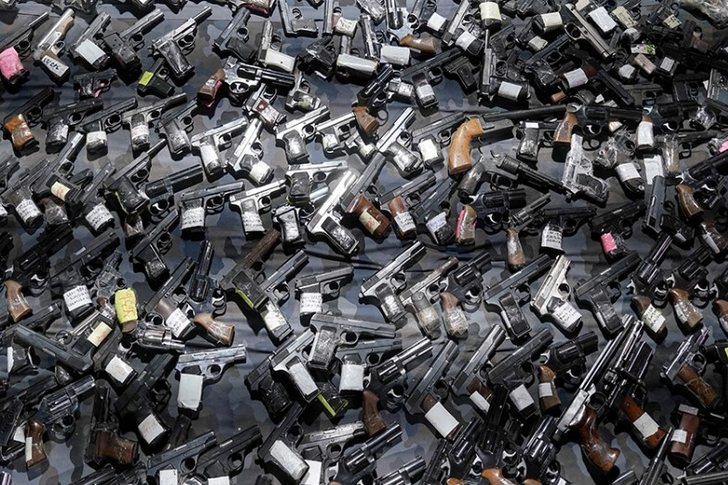
Two gun massacres in Serbia have left 17 people dead, ...
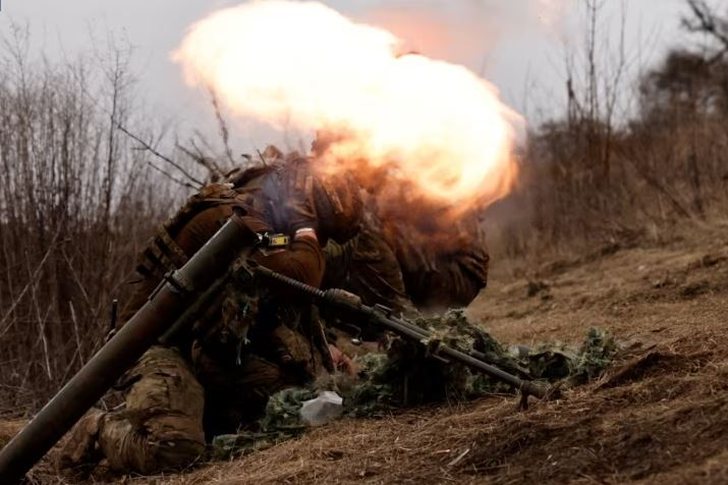
Në vijën e parë të frontit të luftës ka tmerre pa fund. Po...
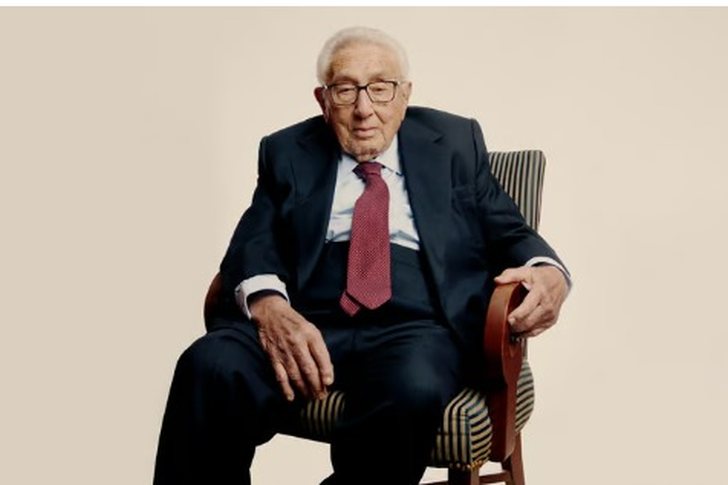
Officials in Beijing have concluded that America will do a...
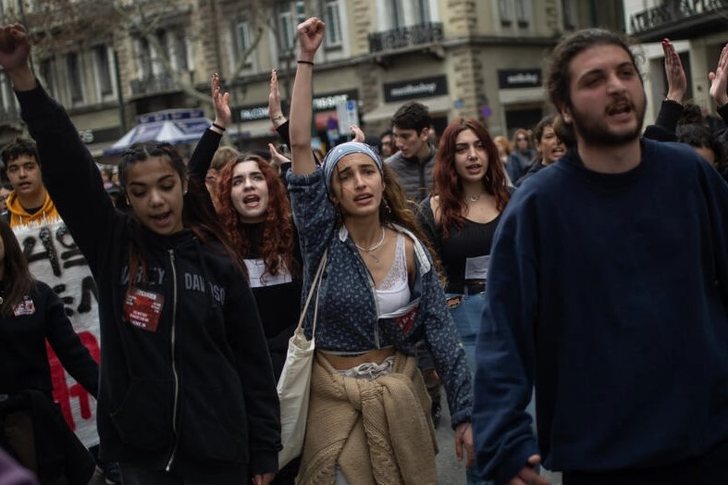
"France24" They are first-time voters, 16 and older, who ...
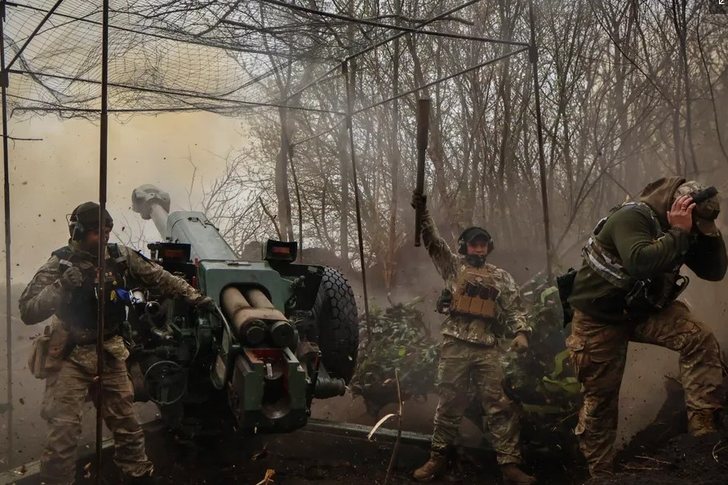
The Ukrainian officer calls us through the "Google Mee...
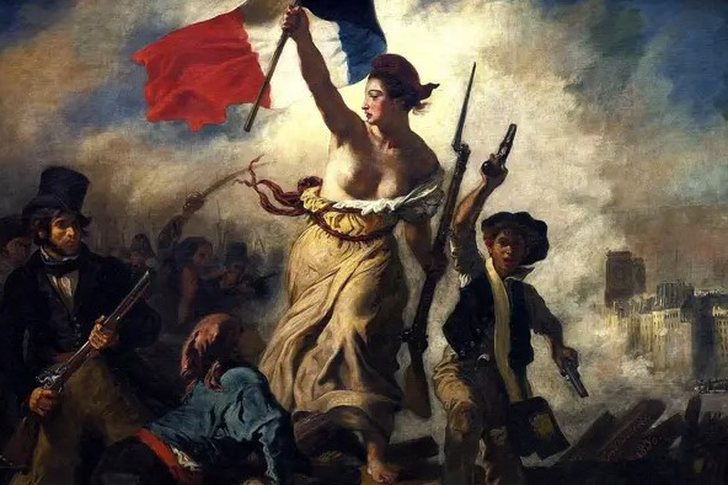
Throughout history, revolutions have been a powerful t...

Like so many young people in America, our lives are fo...
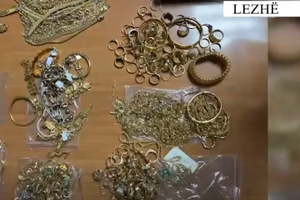
A 39-year-old citizen has been arrested in Lezha, after se...

CNA has launched another investigation that could lead to ...

Irfan Hysenbelliu is a businessman that we call "Irfan the...

In March 2026, CNA launched another investigation centered...

The Special Board of Appeal (KPA) decided this Monday ...

The KPA vetting decided this Thursday to dismiss the p...

Suela Salavaçi, a prosecutor in the Prosecutor's Offic...

The Special Board of Appeal reinstated the prosecutor ...

Several gunshots were reported today in the village of Gjo...

Following the successive operations carried out by the ope...

The Police Supervision Agency has seized the service weapo...

A serious incident occurred in Lushnje, where citizen IY, ...

As the year 2026 is in its second half, the world is exper...

Today, our country will be under the influence of stable a...

By noon, cloudiness is expected to prevail in almost all o...

Children without parental care, for whom alternative famil...

Ukrainian President Volodymyr Zelensky said Russia wants t...
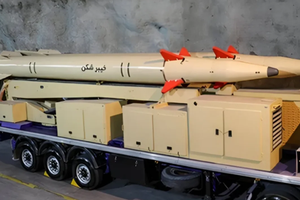
Iran is adapting and enhancing the capabilities of its bal...

Serbia's Minister of State Administration and Local Self-G...
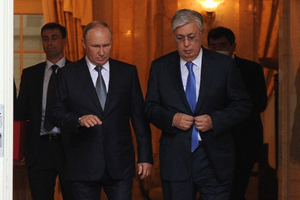
Kazakh President Kassym-Jomart Tokayev shared some critici...

Two windows, a century of history and the metaphysics of p...

In my research at the Central State Archives, specifically...

At a time when industrial products are increasingly taking...

Trust among people is not just a three-syllable word. It c...
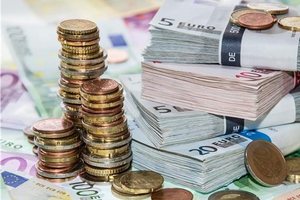
This Saturday, one US dollar is bought for 81.7 lek and so...

War, weather and supply disruptions could send gas prices ...
The number of active enterprises in Albania continued to g...
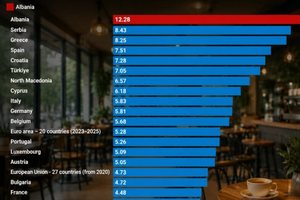
In Albania, the bar-cafe has long become an almost unique ...