

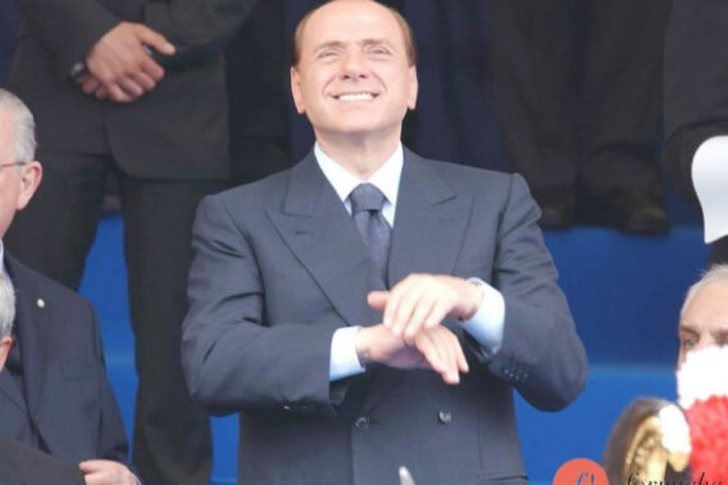
Silvio Berlusconi's legacy is his story
Protagonist of his farewell, as only those who have pl...


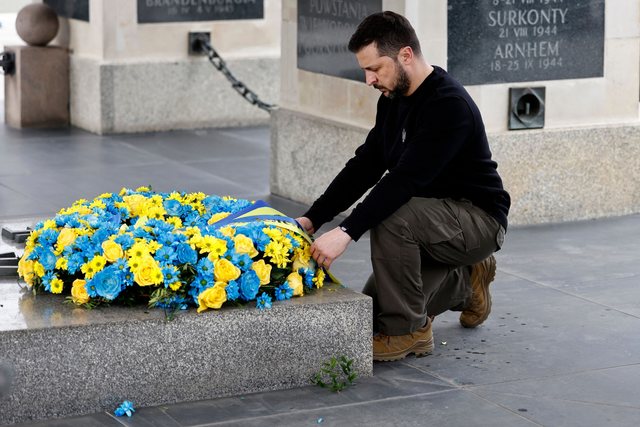
When Russian President Vladimir Putin sent his troops into Ukraine last February, he thought that within days they would be celebrating in the streets of Kiev. Of course, things didn't turn out that way. Now that Ukrainian troops are conducting their first major offensive of the war, and Russian troops are defending their positions, this could be Putin's chance for revenge.
But one thing is certain: neither side will win or lose this conflict in the coming weeks or even months. Or maybe never. No one seems to know what a victory might look like. Samuel Charap is a well-known American political scientist, part of the "RAND Corporation" and co-author of the book "Everybody Loses: The Ukraine Crisis and the Ruinous Race for Post-Soviet Eurasia". He served on the State Department's policy planning staff during the administration of President Barack Obama. In the interview for us, he explains what the possible scenarios of the war could be and how the parties can sit at the table.
Did you imagine 15 months ago that Ukraine would remain strong and that the West would have strengthened support for it?
No, the current situation is something that no one could have predicted. The consensus within the US government and among independent experts was that Russia would be able to exploit its considerable advantages and dominate early in the conflict.
Remember that the weapons given to Ukraine on the eve of the war - Javelins and Stingers - were intended to enable an uprising. It was assumed that Russia would quickly overthrow the democratically elected Ukrainian government. But the Ukrainians have exceeded all expectations while the Russians made a series of disastrous mistakes early on, squandering any kind of advantage they had.
How important is the success of Ukraine's new counteroffensive, both on the battlefield and in terms of maintaining international support?
If the counterattack is successful, it will undoubtedly be an important turning point in this war. But even the Ukrainians are not saying that it will be the final and decisive battle. In general, success in such an operation breeds optimism about the prospects for future success, while failure breeds pessimism.
Therefore the outcome of the counterattack will surely have a major impact on the Ukrainians' desire to continue the war. There is also the narrative that the future of Western aid depends on Ukraine's performance in this counteroffensive.
But this is not a linear relationship, so failure means no more arms shipments. For example, if Ukraine begins to lose heavily, it is likely that Western governments will further increase their aid to prevent Kiev from losing.
But at the same time, modest losses may dampen the West's interest in enabling future offensives, as they may seem futile. Regardless of what happens in the medium term, it is the state of Western arms stockpiles - currently severely depleted - that will be the most important determinant of the future of military aid to Ukraine.
The Russians have reinforced their defensive lines. They have sent hundreds of thousands of new troops to the front, while the Ukrainians are inexperienced in attack. Do you think that the advantage has passed to the side of Moscow?
It is very clear that at the moment Russia does not have an advantage in attack. She tried to jump on the bandwagon in January and failed miserably. As for the outcome of Ukraine's current counteroffensive, it's really too early to tell. Because many things in this war have been unpredictable.
On the other hand, are you worried that the counterattack might be too successful and Ukraine might increase its ambitions to retake most of Donbas and possibly Crimea?
I think that the so-called catastrophic scenario of Ukrainian success and Russian defeat has a low probability at this stage, but cannot be completely ruled out. However, I say that the restoration of the internationally recognized borders of Ukraine is not a possible result of this offensive.
Statistically, wars lasting more than 1 year tend to last up to a decade. Would this help Russia, given its size and industrial base? Can it turn into a "frozen conflict" like in Moldova and South Ossetia-Abkhazia?
A 12-18 month war could favor one side. While a duration of 18-24 months can work against it. And here it is important to note that if there is continued Western political will to support Ukraine, Russia is not fighting Ukraine alone; but to Ukraine plus Western military and economic resources.
Regarding the possibility of a frozen conflict, definitions are important. I define this as a conflict where there is a lasting ceasefire but no political solution. There has been no shooting in Moldova for 30 years, but there is no political solution.
The same has been true for 70 years in Korea. If we could bring this conflict to the stage where the stage of armed conflict ends once and for all, that would be a great achievement and not a negative result.
If we get past the heated phase of the conflict, what kind of peace deal and promises from the West would give Ukraine the territory and stability it thinks it needs? Can membership in the EU or NATO be considered?
I cannot speak for the Ukrainians, because they are the ones who fight and die. It will be President Volodymyr Zelenskiy who will have to decide what is necessary for the security of his country. But Ukraine's partners can and should give their best advice.
The two bases of the conflict suggest that this war is likely to end with an armistice, rather than a peace treaty or settlement. The divisions between Ukraine and Russia are too fundamental and irreconcilable. Neither is likely to change their respective positions on the location of the boundaries between them. Membership in the EU and NATO is unlikely to happen soon, and linking this process to the end of the war would be wrong.
What would have to happen to force Putin to sit down at the negotiating table?
No one knows for sure, and we should be modest in our ability to predict the decisions of a personalistic autocrat. At the moment, the prevailing view is that we should give the war a chance to improve the position of the Ukrainians before such a table is offered. / " Bloomberg Opinion " - Translated and adapted by CNA.al

Protagonist of his farewell, as only those who have pl...
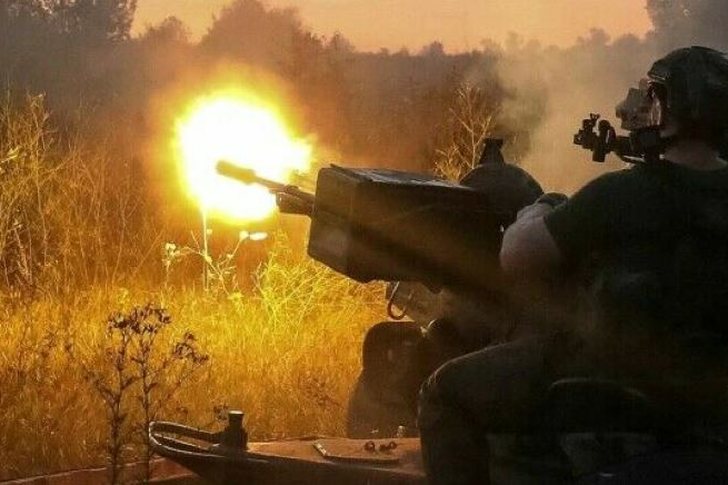
The war between Russia and Ukraine is an example of how wa...
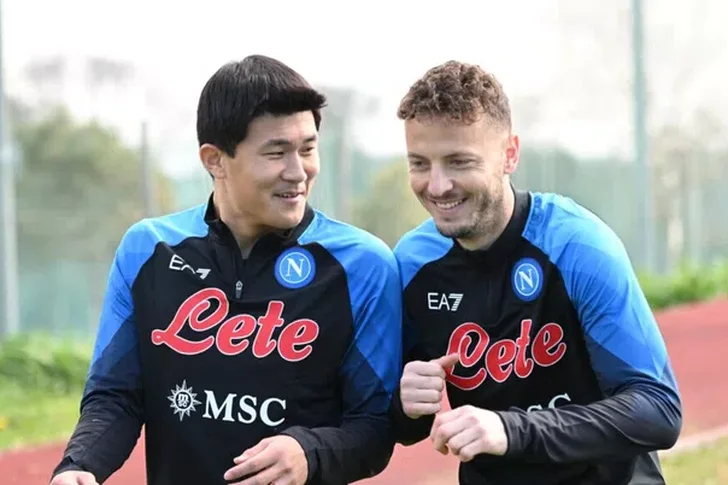
Kim luan ndeshjen e fundit me Napolin. Mbrojtësi koreano-j...
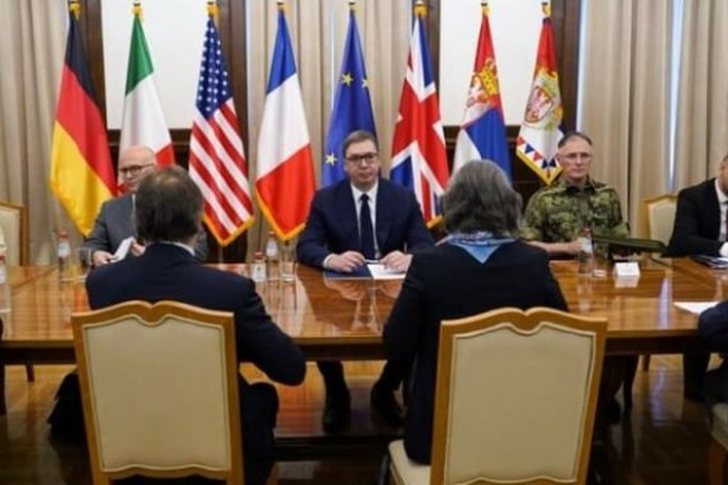
The thirst for stability and the seriousness of the clashe...
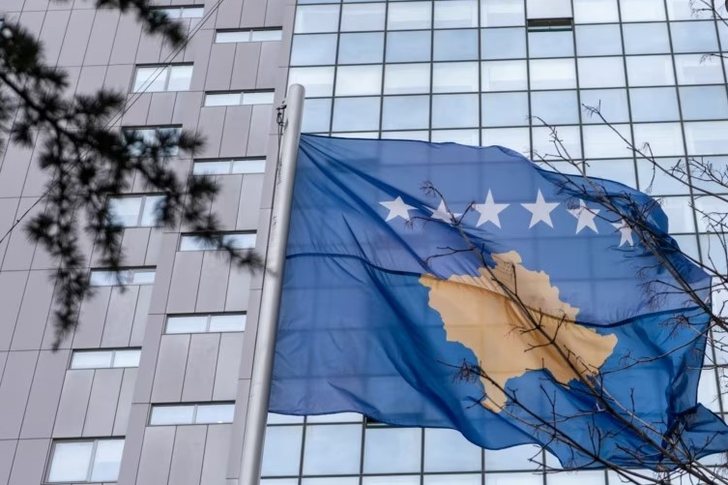
Of course, a bloody war is going on in Ukraine. But Europe...
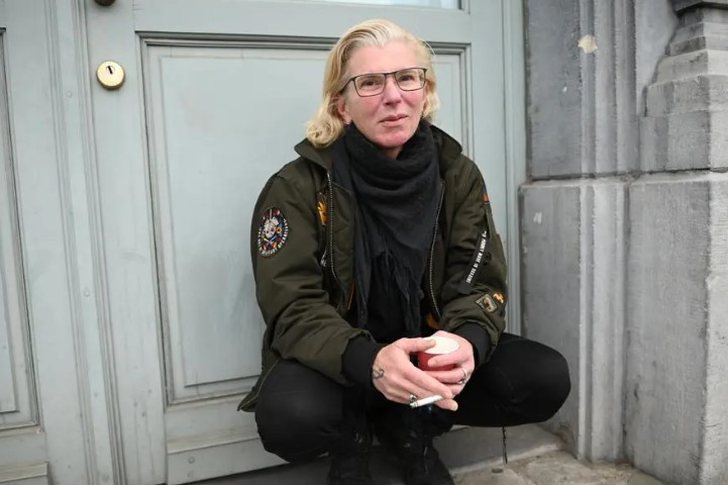
Julia Paievska is known by the nickname "Taira". She has a...
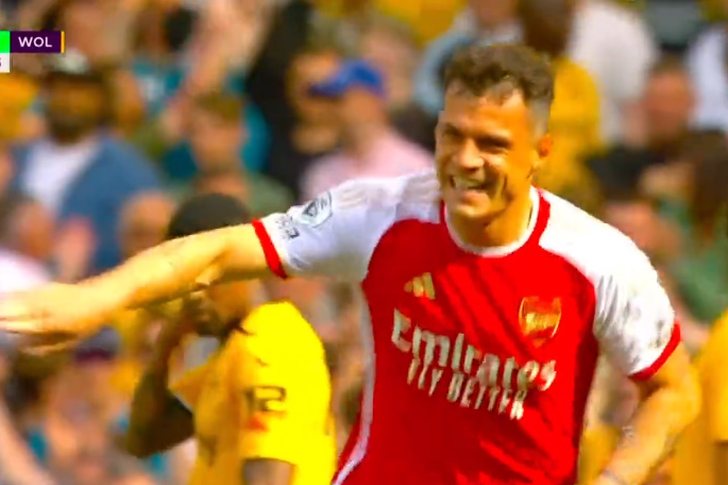
Granit Xhaka luan ndeshjen e tij të fundit me Arsenalin, tek...
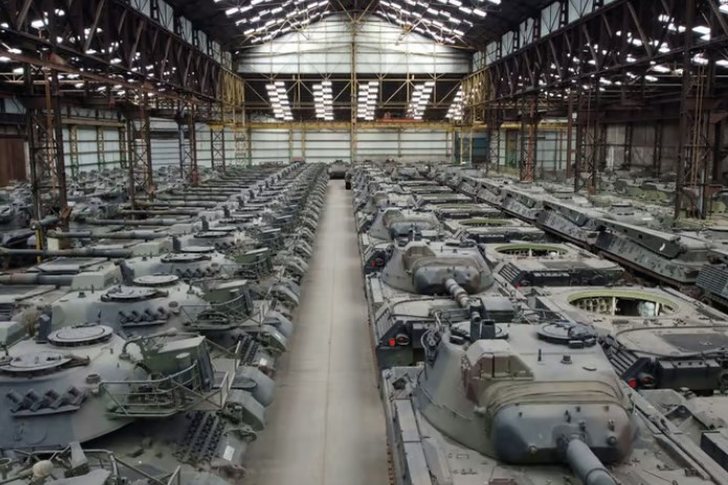
At the end of the Cold War, US President George HW Bush po...
Which animals kill the most people every year? Although Ho...
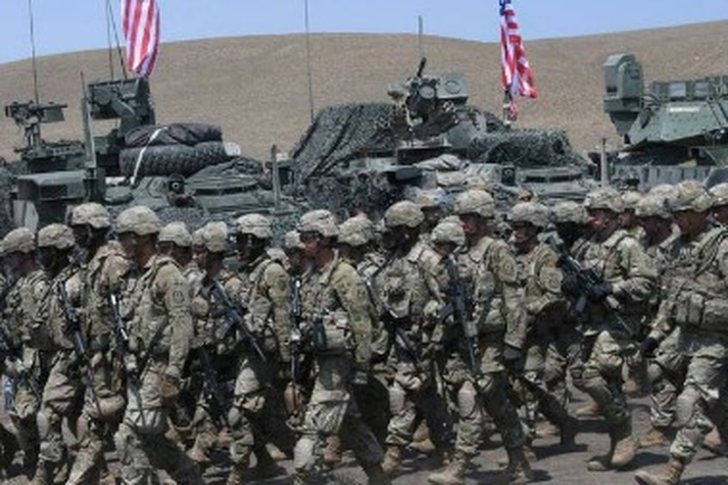
Weather has always been a powerful force, capable of dicta...

Make no doubt: the war in Ukraine can end this year, w...
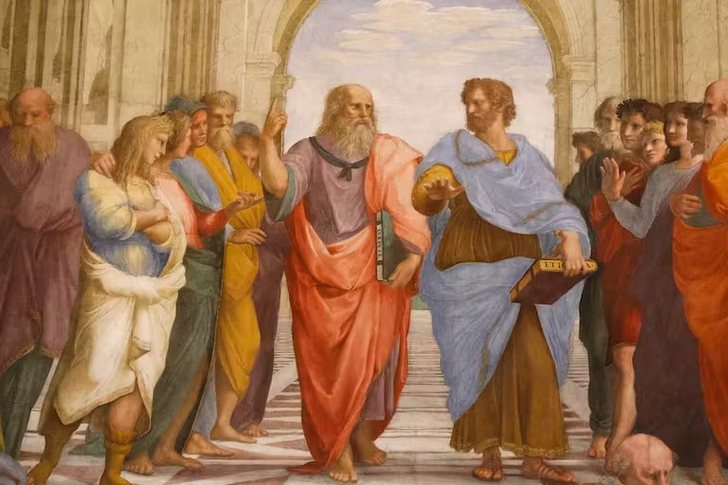
While most love songs are inspired by the joys and pai...

In the annals of medical history, few names evoke as much ...

In the works of Charles Dickens, such as Oliver Twist or "...

Ukrainian secret services have not yet killed Vladimir...
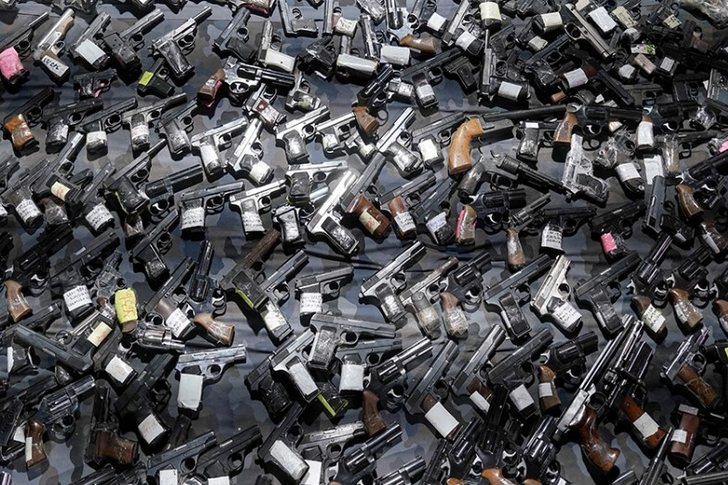
Two gun massacres in Serbia have left 17 people dead, ...
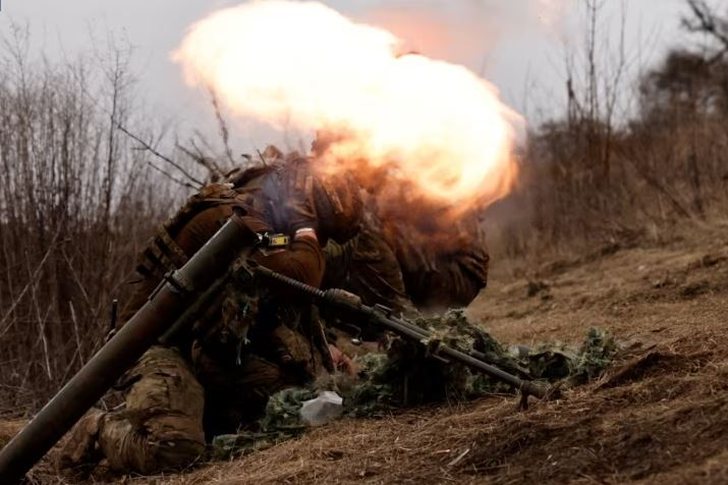
Në vijën e parë të frontit të luftës ka tmerre pa fund. Po...
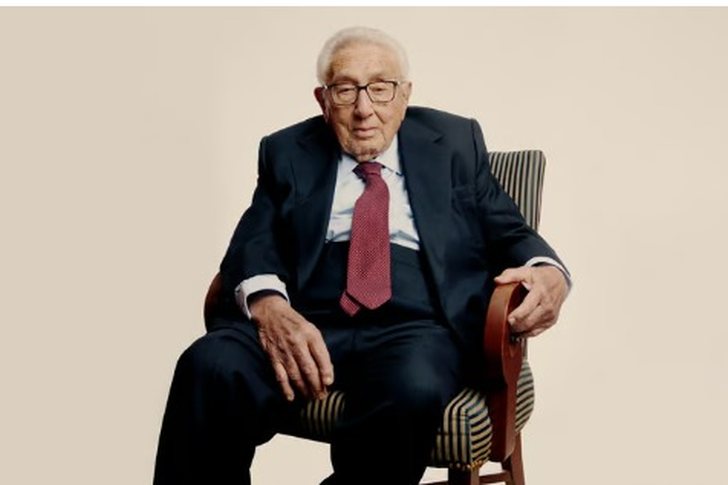
Officials in Beijing have concluded that America will do a...
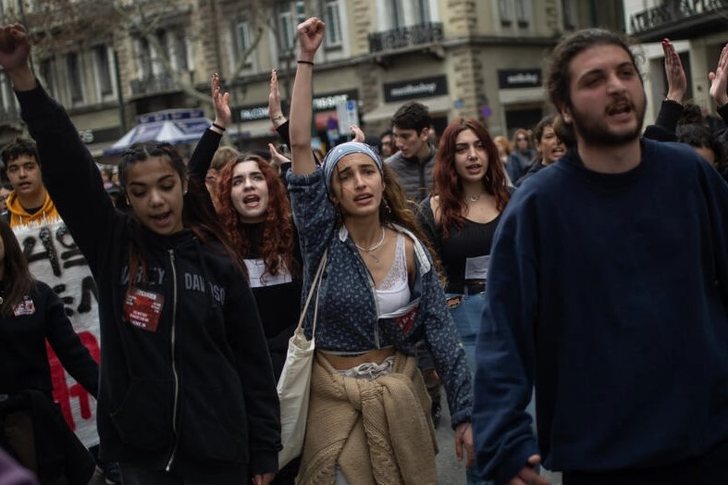
"France24" They are first-time voters, 16 and older, who ...
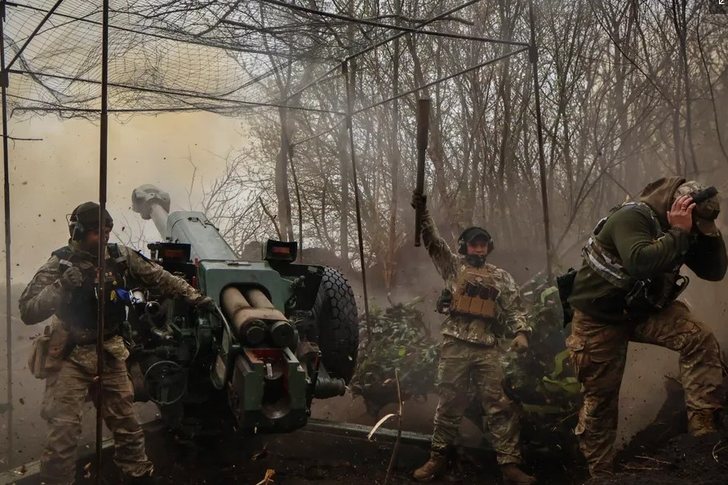
The Ukrainian officer calls us through the "Google Mee...
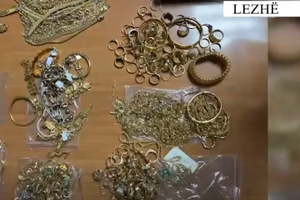
A 39-year-old citizen has been arrested in Lezha, after se...

CNA has launched another investigation that could lead to ...

Irfan Hysenbelliu is a businessman that we call "Irfan the...

In March 2026, CNA launched another investigation centered...

The Special Board of Appeal (KPA) decided this Monday ...

The KPA vetting decided this Thursday to dismiss the p...

Suela Salavaçi, a prosecutor in the Prosecutor's Offic...

The Special Board of Appeal reinstated the prosecutor ...
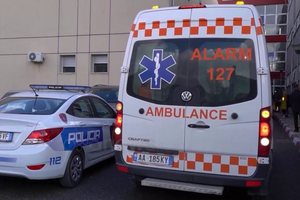
Several gunshots were reported today in the village of Gjo...
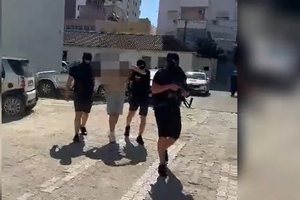
Following the successive operations carried out by the ope...
The Police Supervision Agency has seized the service weapo...
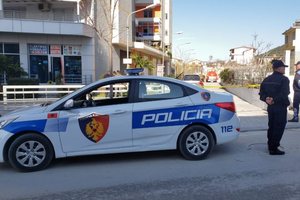
A serious incident occurred in Lushnje, where citizen IY, ...

As the year 2026 is in its second half, the world is exper...

Today, our country will be under the influence of stable a...

By noon, cloudiness is expected to prevail in almost all o...
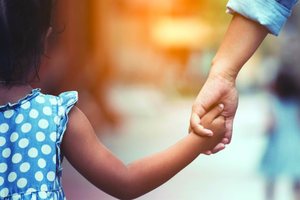
Children without parental care, for whom alternative famil...
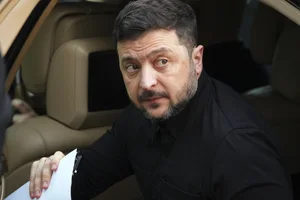
Ukrainian President Volodymyr Zelensky said Russia wants t...
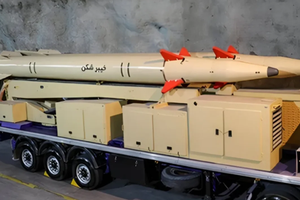
Iran is adapting and enhancing the capabilities of its bal...
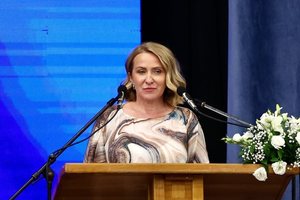
Serbia's Minister of State Administration and Local Self-G...
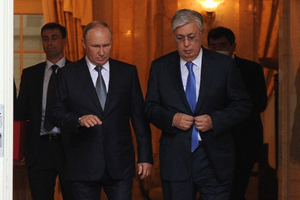
Kazakh President Kassym-Jomart Tokayev shared some critici...
Two windows, a century of history and the metaphysics of p...
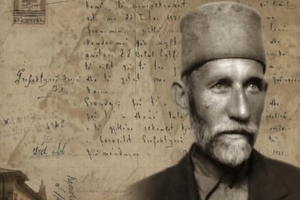
In my research at the Central State Archives, specifically...

At a time when industrial products are increasingly taking...

Trust among people is not just a three-syllable word. It c...
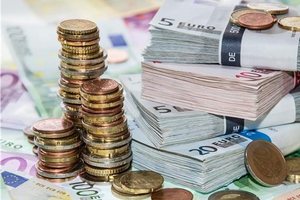
This Saturday, one US dollar is bought for 81.7 lek and so...
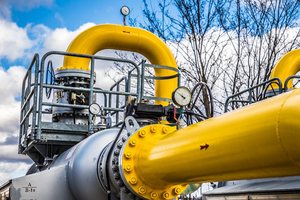
War, weather and supply disruptions could send gas prices ...
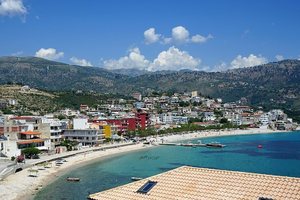
The number of active enterprises in Albania continued to g...
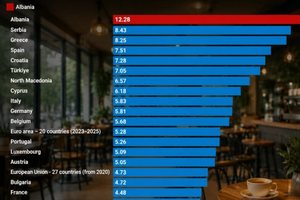
In Albania, the bar-cafe has long become an almost unique ...