


How to quit smoking?
Anyone who has tried to quit smoking will tell you how har...



Knowing foreign languages ??is increasingly important in the age of globalization. While many people want to learn French and Spanish, given their importance in today's society, high school students still have the opportunity to learn Latin, although it is often considered a "dead" language due to the lack of native speakers. We don't even know what she sounded like because she died long before her sounds were recorded.
In Germany, interest in Latin has declined across the country. While in 2008 more than 830,000 young Germans were still learning the Indo-European language at school, in 2021/2022 there were only 539,000. Compared to Latin, French is almost three times more popular.
Professor Stefan Freund is president of the German Association of Classical Philologists (DAV), the professional association for Latin and Greek in schools and universities, and teaches Latin at the University of Wuppertal.
Deutsche Welle spoke to the professor about Latin and its future in German education.
DW: Is Latin a "dead" language?
SF: Latin is a vivid look at the past and how language works.
What are the arguments in favor of learning Latin today?
Learning Latin provides meta-skills that can be applied throughout life to approach and learn other foreign languages, and which, in essence, do not become obsolete. While learning modern foreign languages ??focuses on communication, learning Latin focuses on linguistic reflection, especially on differences with German, on the functioning of a sentence, on the evolution of words, and on the formulation of certain statements in certain situations.

And, of course, Latin is the common mother of the Romance language family (French, Italian, Spanish, Portuguese and Romanian) and the origin of many English words, for example language, computer and artificial intelligence.
Do students choose Latin over French or Spanish, for example, at the insistence of their parents or because they already have a particular field of study in mind?
One can only speculate about the students' motivations. Four points are likely to be important: A general interest in history and mythology and an approach to language more through reflection and analysis than through direct communication. In addition, a study or career prospect for which Latin seems useful and the teachers, who are on average quite young, know how critically the public, parents and students regard their subject and therefore the they attach great importance to it being attractive, which has nothing to do with clichéd images.
For which fields of study and which professions is Latin useful, even essential, in Germany?
The requirements for Latin are different. Demand for Latin as a trend seems rarer than before. In any case, Latin is useful for many subjects: history, philosophy, theology, Roman studies, legal studies (Roman law), medicine (history of medicine, terminology), pharmacy (terminology), linguistics, all disciplines that deal with periods before 1750 and with the European area... History of music, history of art, history of science, history of the church, local history.
Latin died out around the 7th or 8th century, but when did it decline in importance?
Until the 18th century, Latin was the language most used for printing newly published books. My knowledge of Latin enables me to access vast amounts of knowledge on all kinds of subjects, because only a small part of this Neo-Latin text has been translated./ DW

Anyone who has tried to quit smoking will tell you how har...
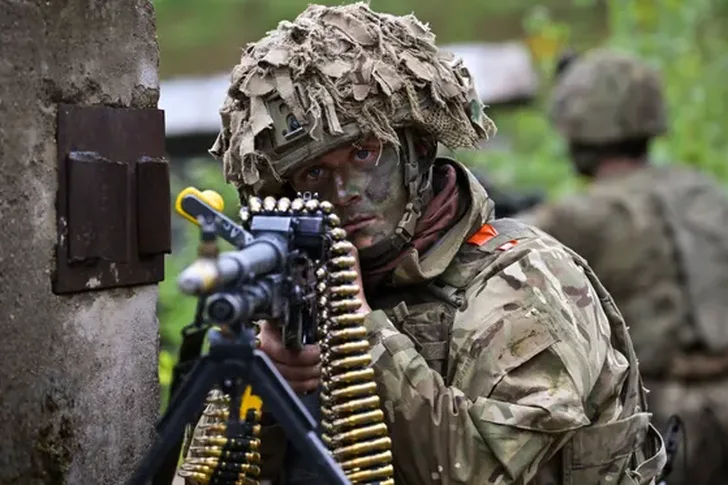
However Russia's war in Ukraine ends, Europe is anxiously ...
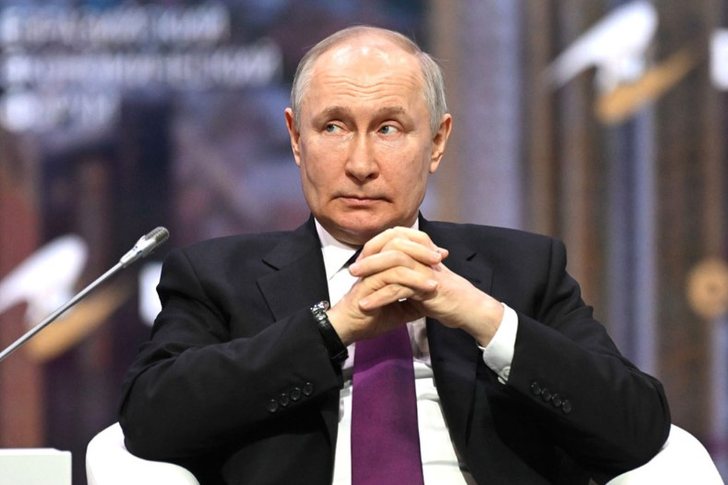
Despite the failure, Yevgeny Prigozhin's coup attempt was ...
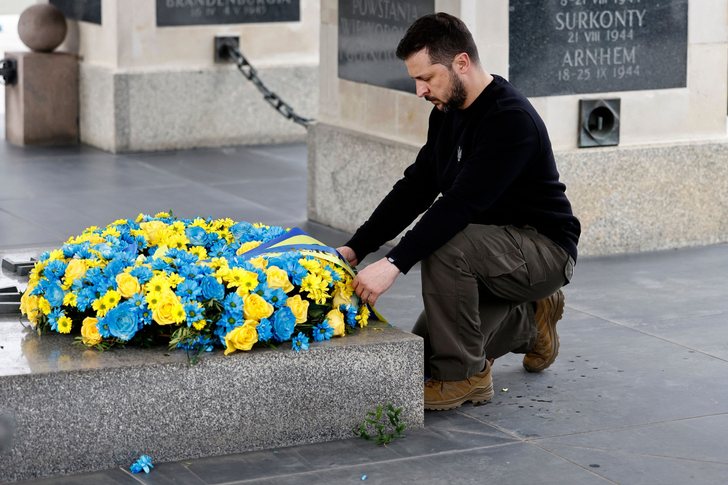
When Russian President Vladimir Putin sent his troops into...
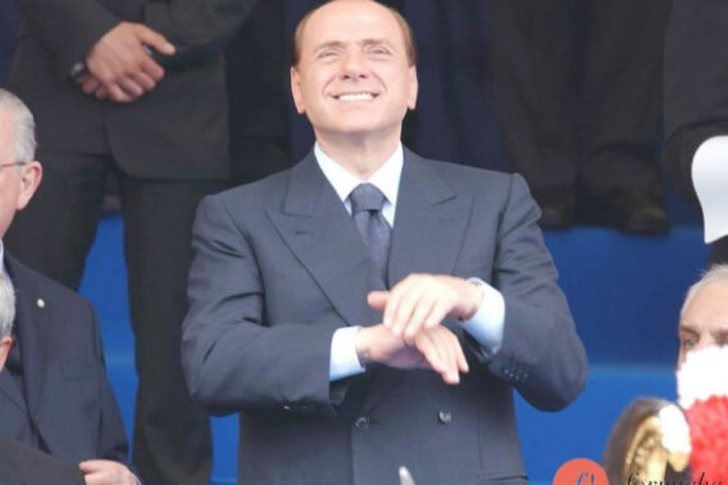
Protagonist of his farewell, as only those who have pl...

The war between Russia and Ukraine is an example of how wa...

Kim luan ndeshjen e fundit me Napolin. Mbrojtësi koreano-j...
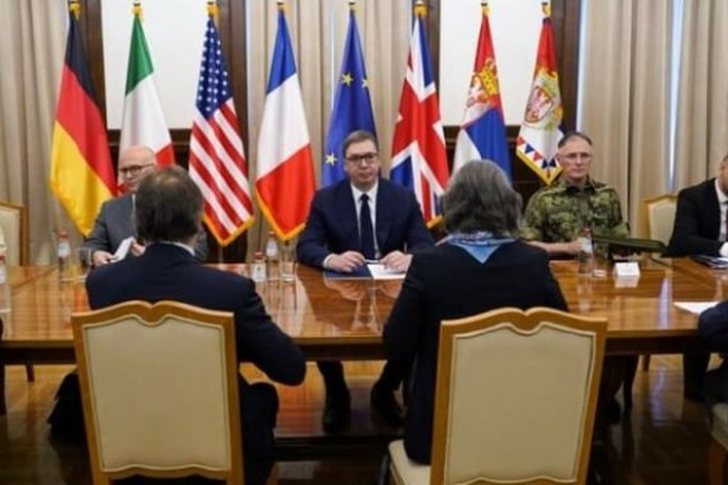
The thirst for stability and the seriousness of the clashe...
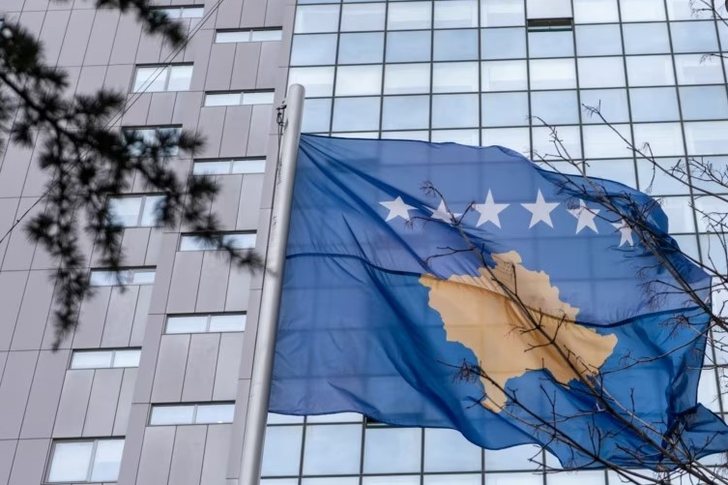
Of course, a bloody war is going on in Ukraine. But Europe...
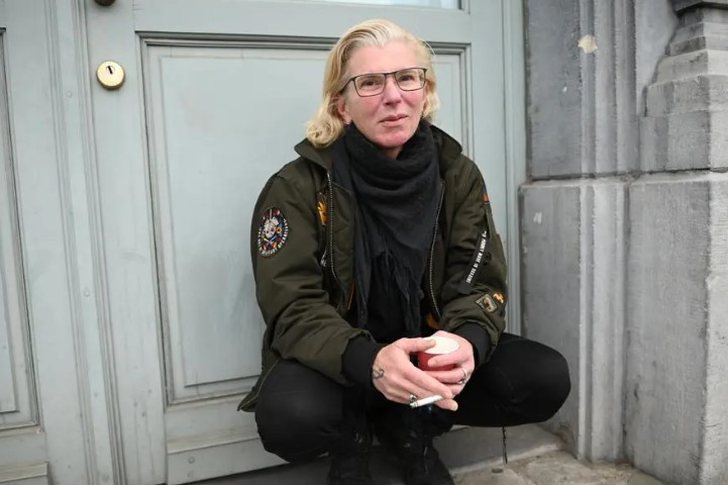
Julia Paievska is known by the nickname "Taira". She has a...

Granit Xhaka luan ndeshjen e tij të fundit me Arsenalin, tek...
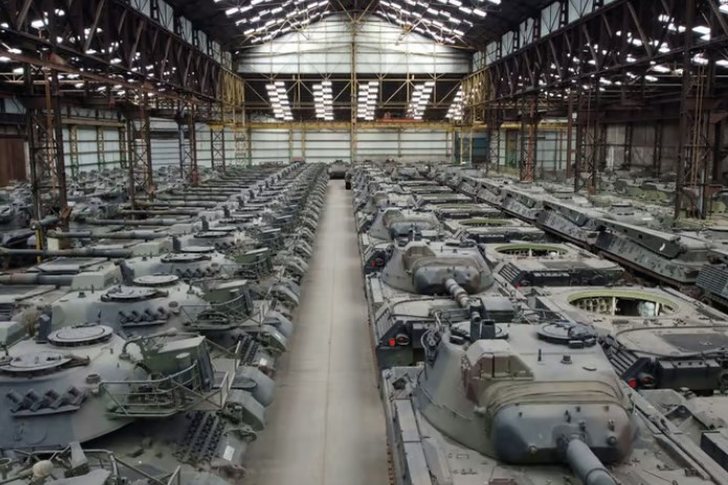
At the end of the Cold War, US President George HW Bush po...
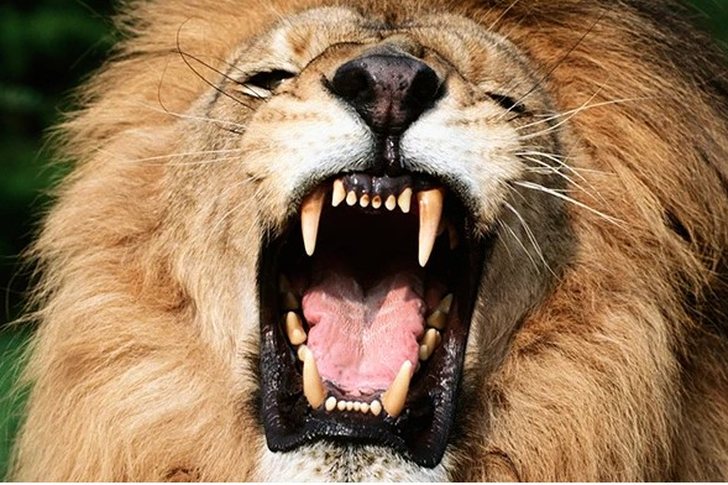
Which animals kill the most people every year? Although Ho...
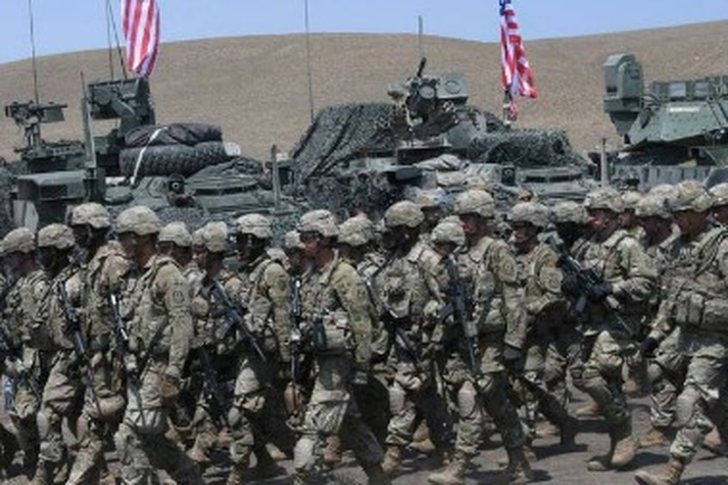
Weather has always been a powerful force, capable of dicta...

Make no doubt: the war in Ukraine can end this year, w...

While most love songs are inspired by the joys and pai...

In the annals of medical history, few names evoke as much ...

In the works of Charles Dickens, such as Oliver Twist or "...

Ukrainian secret services have not yet killed Vladimir...

Two gun massacres in Serbia have left 17 people dead, ...
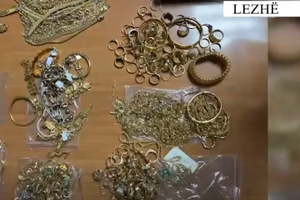
A 39-year-old citizen has been arrested in Lezha, after se...

CNA has launched another investigation that could lead to ...

Irfan Hysenbelliu is a businessman that we call "Irfan the...

In March 2026, CNA launched another investigation centered...

The Special Board of Appeal (KPA) decided this Monday ...

The KPA vetting decided this Thursday to dismiss the p...

Suela Salavaçi, a prosecutor in the Prosecutor's Offic...

The Special Board of Appeal reinstated the prosecutor ...
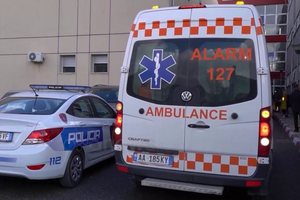
Several gunshots were reported today in the village of Gjo...

Following the successive operations carried out by the ope...
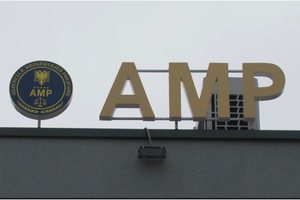
The Police Supervision Agency has seized the service weapo...
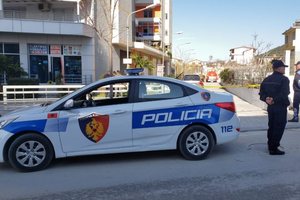
A serious incident occurred in Lushnje, where citizen IY, ...

As the year 2026 is in its second half, the world is exper...

Today, our country will be under the influence of stable a...

By noon, cloudiness is expected to prevail in almost all o...

Children without parental care, for whom alternative famil...
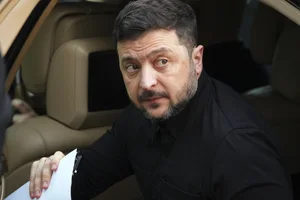
Ukrainian President Volodymyr Zelensky said Russia wants t...
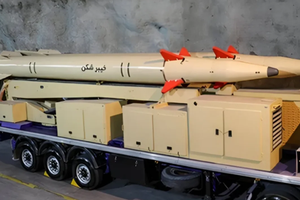
Iran is adapting and enhancing the capabilities of its bal...
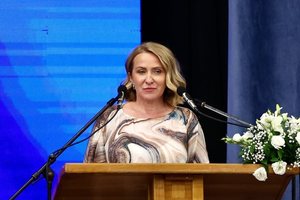
Serbia's Minister of State Administration and Local Self-G...
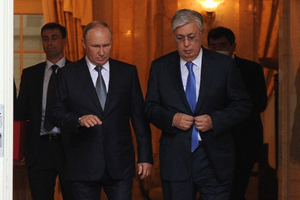
Kazakh President Kassym-Jomart Tokayev shared some critici...
Two windows, a century of history and the metaphysics of p...

In my research at the Central State Archives, specifically...

At a time when industrial products are increasingly taking...

Trust among people is not just a three-syllable word. It c...
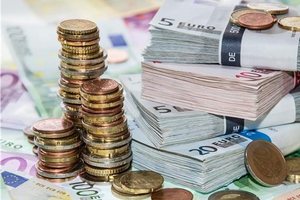
This Saturday, one US dollar is bought for 81.7 lek and so...
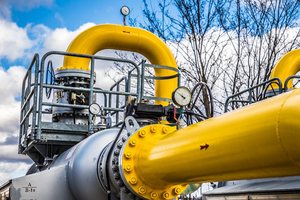
War, weather and supply disruptions could send gas prices ...
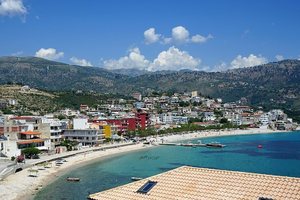
The number of active enterprises in Albania continued to g...
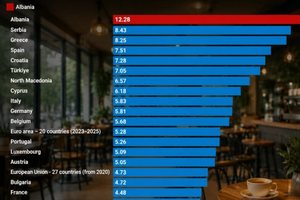
In Albania, the bar-cafe has long become an almost unique ...