

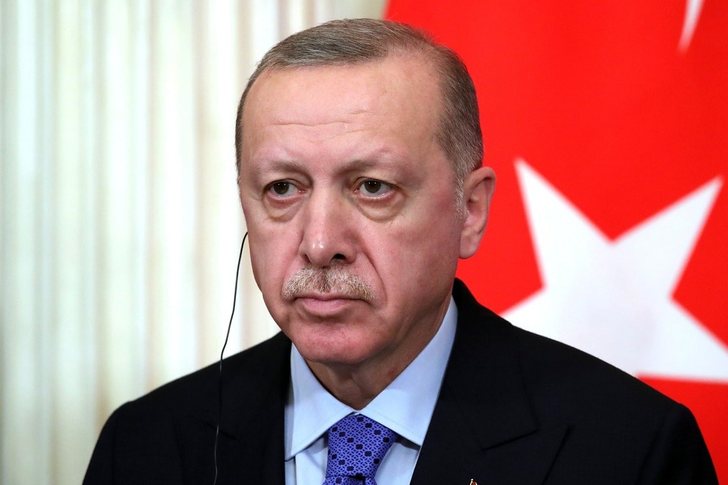
Erdogan is an opportunist, but he is not going to turn to the West
Turkish voters re-elected Recep Tayyip Erdogan for a t...


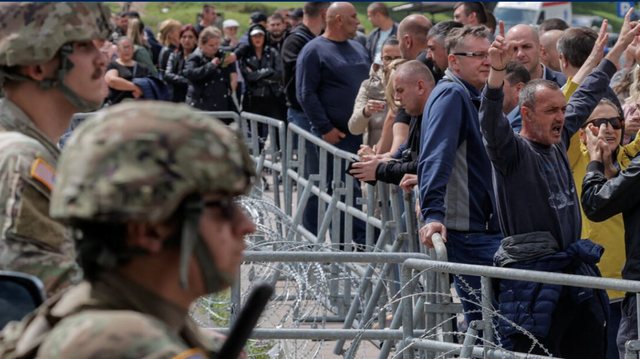
In the terribly complicated politics of the Western Balkans, at least one thing is abundantly clear: without the presence of Western troops and the threat of NATO military intervention, much of the region would once again be plunged into full-scale ethnic warfare. of the 1990s.
If there were any doubts about this, they should have disappeared after the most recent clashes between Serbs and Albanians in the north of Kosovo. These clashes, where 30 soldiers of the NATO Peacekeeping Force (KFOR) were also injured, were prompted by the boycott of the Mitrovica Serbs against the local elections in protest against the government's refusal to
Kosovo to give their region greater autonomy. The polling centers were guarded by ethnic Albanian police, after the local Serb police force resigned last fall in protest against the Kosovo government's decision to replace Serbian license plates with Kosovo ones.
Mitrovica is the last major remaining ethnic Serb enclave in Kosovo, and the government in Pristina rightly fears that the population there would use greater autonomy as a way to finally secede from Kosovo and reunite with Serbia.
On the other hand, the Serbs of Mitrovica fear that placing Mitrovica under full control by the Kosovo government would ultimately lead to the sharing of the fate of ethnic Serbs elsewhere in Kosovo, who were expelled after the 1999 NATO air campaign brought the withdrawal of the Yugoslav army.
Kosovo's independence was recognized by the United States and most Western countries after 2008. But almost half of UN members (48 percent) continue to refuse to do so. Serbia has never recognized the independence of Kosovo, and in this refusal it has the support of Russia.
Western-mediated negotiations between Serbia and Kosovo over the past two decades have led nowhere. The result of the boycott of the elections by the Serbs was the election of Albanian mayors with the support of only 4 percent of the local population.
NATO and Western countries questioned the validity of the elections, and asked the Kosovo government not to appoint new presidents. But the government refused this and sent special forces to take over the municipal offices, which also led to violent protests by the Serbs.
The escalation of violence was stopped with great difficulty by KFOR, which has already been reinforced with 700 additional troops. The United States and NATO have placed the main blame on the Kosovo government for the recent clashes. The Biden administration has openly shown its displeasure by canceling Kosovo's participation in a US-led military exercise, and stating that there is now "little enthusiasm" for Kosovo's bid to join the EU and NATO.
What are the lessons to be learned from this situation? First, don't expect gratitude. One would think that after being freed from Serbian rule by NATO, and then having their independence recognized by the West, Kosovo Albanians would have been more willing to obey the demands of the West.
Second, don't expect to see reasonable behavior in a situation involving ethnic loyalties and rival territorial claims. One would think that having won more than 90 percent of Kosovo because of the West, and with future NATO and EU membership at stake, Kosovo Albanians would be happy to solve their biggest problem. with an agreement where they would release Mitrovica. Of course, by refusing to do so, Kosovo Albanians conform to the behavior of the vast majority of states that have faced ethnic secession.
Së treti, mos mendoni se “demokracia” ndihmon shumë në zgjidhjen e konflikteve etnike. Përkundrazi, ajo mund t’i përkeqësojë ato. Historia e Kosovës vitet e fundit, tregon se duke i detyruar grupet rivale që të konkurrojnë për pushtet në raste të caktuara, zgjedhjet mund të ringjallin tensionet etnike.
Siç u shpreh dikur kryeministri britanik, Lordi Salisbëri, për Irlandën:“Nuk ka asnjë precedent, as në historinë tonë, dhe as të ndonjë vendit tjetër, që të na mësojë se masat politike mund të nxisin antipatitë e vjetra, të cilat ushqehen nga agjitacioni i vazhdueshëm. Institucionet e lira që mbështesin jetën e një populli të lirë dhe të bashkuar, mbështesin edhe urrejtjen e një populli të ndarë”.
Më shumë se 100 vjet më vonë, kjo mbetet e vërtetë për Irlandën e Veriut. Marrëveshja e paqes e “E Premtes së Mirë” e vitit 1999, e shoqëruar me lodhjen nga 30 vite dhunë brutale, ka penguar deri më sot rikthimin tek dhuna në shkallës së plotë. Por kjo gjë ndodhi duke i dhënë fund zgjedhjeve të hapura në favor të ndarjes së pushtetit të institucionalizuar nga bashkësitë rivale etno-fetare.
Ajo marrëveshje garantohej nga fuqia e vazhdueshme e një force perandorake gjysmë neutrale, shtetit britanik, i mbështetur nga anëtarësimi në Bashkimin Evropian, dhe që mbështetej nga të dyja etnitë. Tani pas Brexit-it, ajo marrëveshje në përgjithësi është prishur.
Nëse demokracia vjen paksa në ndihmë, po ashtu edhe ligjshmëria, sidomos kur bëhet fjalë për çështjen e vetëvendosjes. Kur ndarja e territoreve ka ndodhur në mënyrë paqësore dhe sipas normave ligjore të dakorduara (si në rastet e Suedisë dhe Norvegjisë në vitin 1905 dhe Republikës Çeke dhe Sllovakisë në vitin 1993), ose mund ta bëjë këtë në të ardhmen (Skocia dhe Britania), kjo ka ndodhur për shkak të mungesës së tensioneve etnike serioze.
Megjithatë, këto raste kanë qenë jashtëzakonisht të rralla. Ekspertët juridikë ndërkombëtarë kanë shpenzuar sasi të mëdha boje në përpjekje për të hartuar një grup universal rregullash të forta ligjore për vetëvendosje. Është e vështirë të pretendohet se ato kanë qenë të suksesshme. Kjo edhe sepse shumë nga këta juristë, kanë punuar për qeveritë që kanë qenë në kërkim të argumenteve ligjore për të mbështetur qëndrimet që ata kanë tashmë për arsye të tjera. Një qasje më e arsyeshme bazohet tek ligji, por e kombinon atë me humanizmin, realitetin, interesin madhor të SHBA-së dhe NATO-s dhe sensin e përbashkët.
Ai i kushtohet mbi të gjitha kufizimit të dhunës në të ardhmen (dhe në rastin e Kosovës, shmangies së vendosjes së përhershme të trupave të NATO-s). Sigurisht, ajo nuk përputhet me standardet absolute as të ligjshmërisë dhe as të moralit, por me atë që Hans Morgentau e quajti dikur “politika e së keqes më të vogël”.
Dhe në rastin konkret kjo është ndarja e Mitrovicës nga Kosova, pasi tashmë është e qartë se serbët vendas nuk duan t’i besojnë shumicës shqiptare të Kosovës dhe qeverisë së saj për respektimin e të drejtave të tyre. Ribashkimi i Mitrovicës me Serbinë (pas një referendumi lokal të mbikëqyrur nga OKB), nuk do t’i jepte fund mosmarrëveshjes midis Serbisë dhe Kosovës.
Por do të largonte rrezikun më të madh, një konflikt lokal etnik në Kosovë, që mund të çonte në një luftë tjetër rajonale. Ne duhet ta njohim në këtë kontekst dallimin e madh midis ligjit ndërkombëtar dhe atij vendas. Shpesh ligjet dhe institucionet e veçanta ndërkombëtare nuk njihen nga shumë shtete, përfshirë Shtetet e Bashkuara.
Pavarësisht përpjekjeve të Perëndimit për të krijuar institucione të tilla, ato nuk kanë gjykata të njohura botërisht dhe asnjë forcë policore e njohur ndërkombëtarisht. Në fakt, e drejta ndërkombëtare është në fakt shumë më afër të drejtës zakonore tradicionale të shoqërive të ndryshme fisnore.
It is not based on fixed written laws, but on a general cultural consensus. It respects morality, but also recognizes the reality of relative power. Above all, in heavily armed and contentious communities, it is devoted not so much to punishing violence as to ending it and restoring peace. This approach is far from ideal. But for cases like Kosovo, it is probably the best we have.
Note: Anatol Lieven is the Director of the Eurasia Program at the Quincy Institute for Responsible Statecraft. He was previously a professor at Georgetown University and in the Department of War Studies at King's College London./ Adapted from CNA

Turkish voters re-elected Recep Tayyip Erdogan for a t...
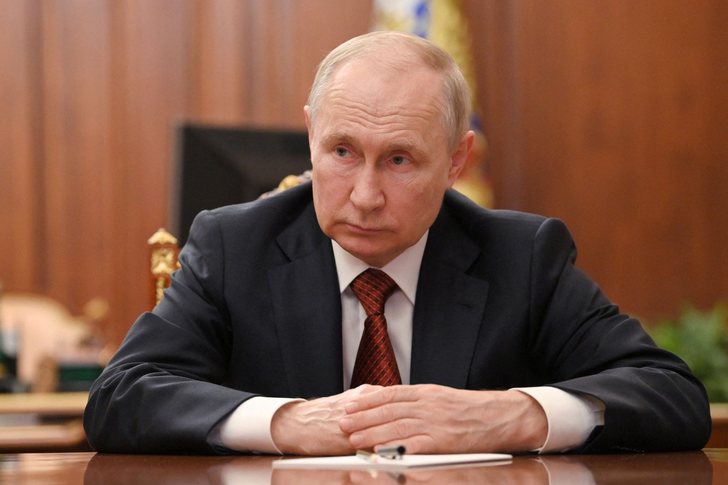
While Vladimir Putin generally shies away from overt threa...
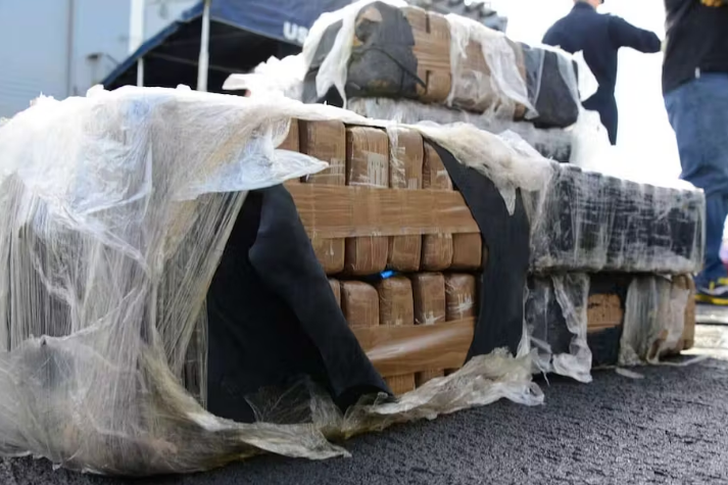
The international drug control regime was established more...
For those who want the Republican Party to move in ...
This year marks the 30th anniversary of the founding of th...

The current disorder of the international order is the res...
" These changes were made as a function of a great war a...
Thousands of people stranded on beaches. Reports of childr...
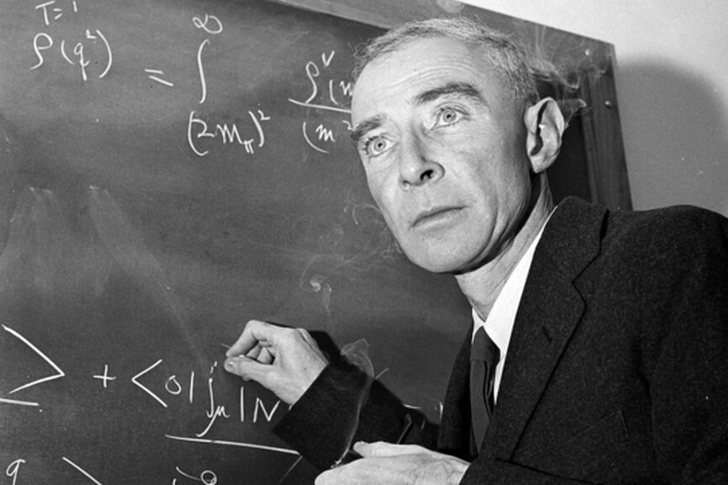
While millions are enjoying director Christopher Nolan's l...
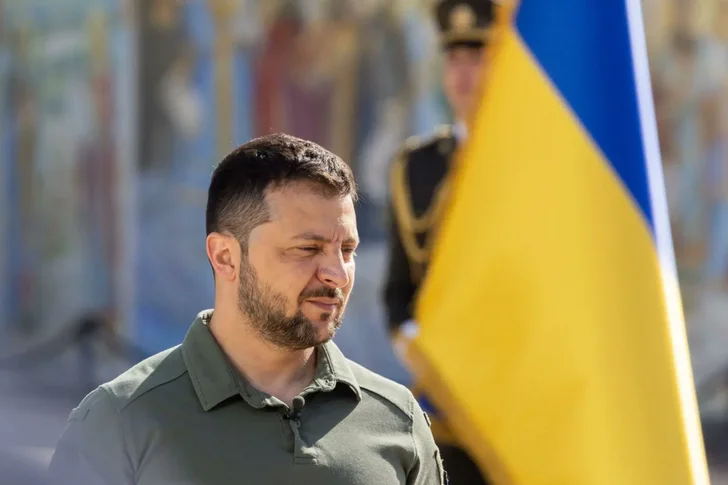
Ukrainian President Volodymyr Zelensky (born 1978) has...

Money has always been made with health and safe businesses...
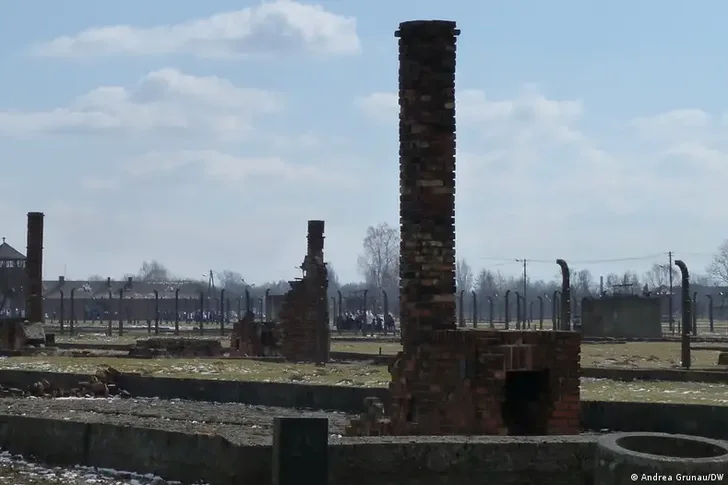
In 1944, on August 2, the Nazis killed in the Auschwit...
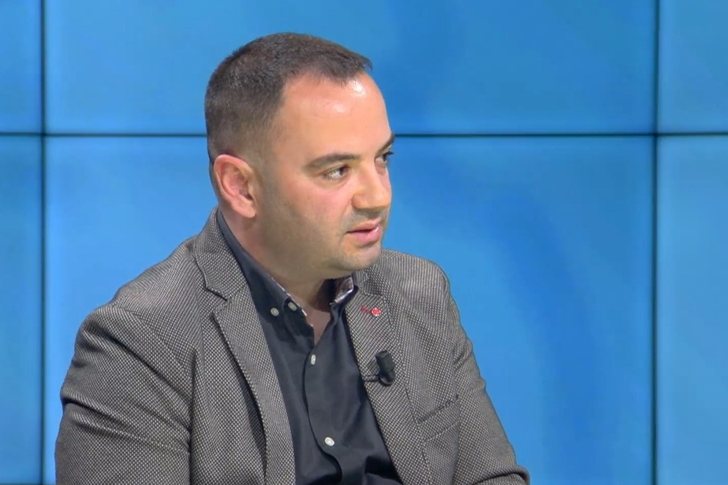
The emergency of the actor Genc Fuga and finding salvation...
The Alps span eight European countries: Germany, Switzerla...
Knowing foreign languages is increasingly important in t...
Anyone who has tried to quit smoking will tell you how har...
However Russia's war in Ukraine ends, Europe is anxiously ...
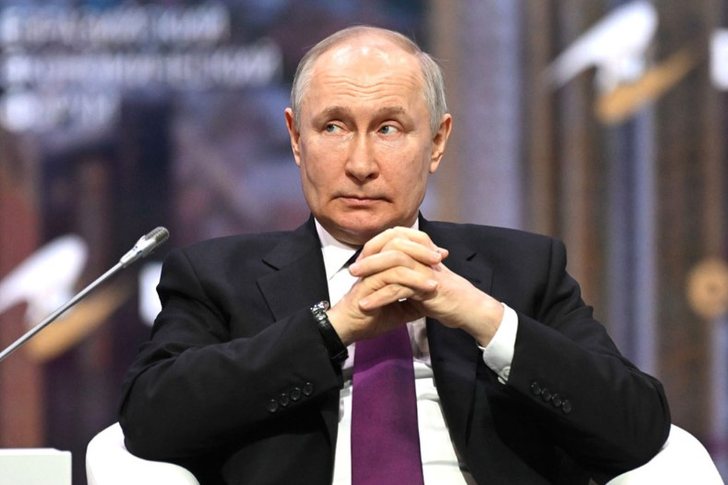
Despite the failure, Yevgeny Prigozhin's coup attempt was ...
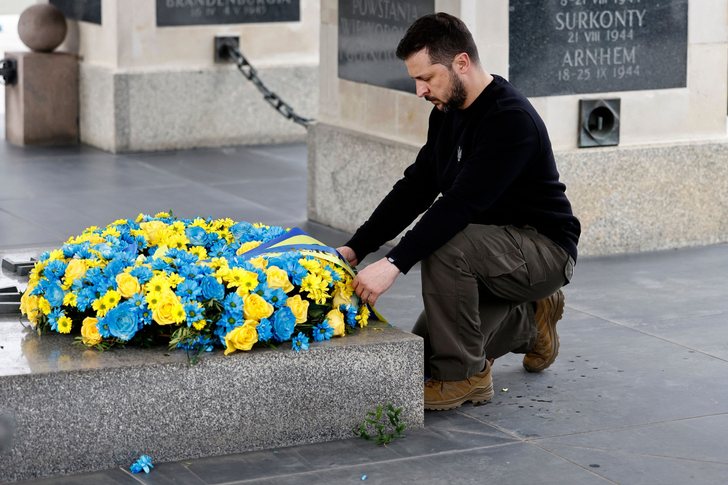
When Russian President Vladimir Putin sent his troops into...
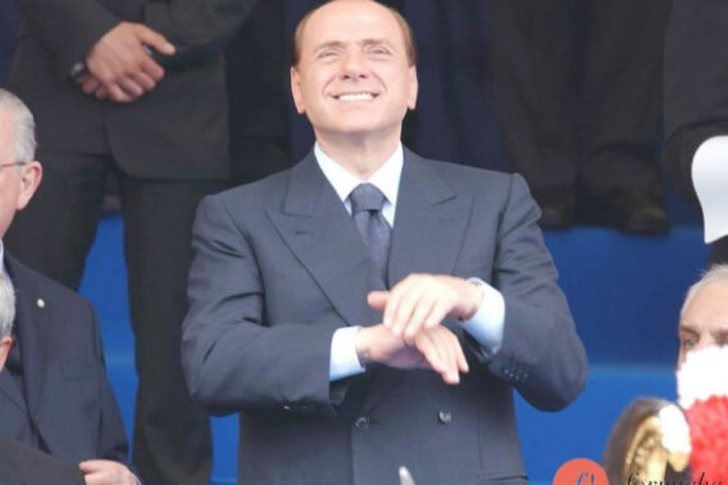
Protagonist of his farewell, as only those who have pl...
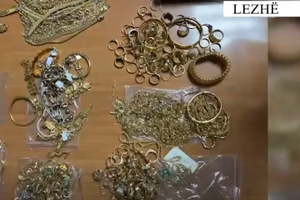
A 39-year-old citizen has been arrested in Lezha, after se...

CNA has launched another investigation that could lead to ...

Irfan Hysenbelliu is a businessman that we call "Irfan the...

In March 2026, CNA launched another investigation centered...

The Special Board of Appeal (KPA) decided this Monday ...

The KPA vetting decided this Thursday to dismiss the p...

Suela Salavaçi, a prosecutor in the Prosecutor's Offic...

The Special Board of Appeal reinstated the prosecutor ...

Several gunshots were reported today in the village of Gjo...
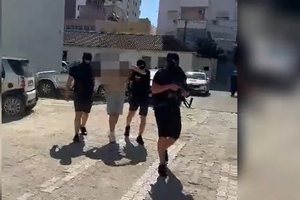
Following the successive operations carried out by the ope...
The Police Supervision Agency has seized the service weapo...
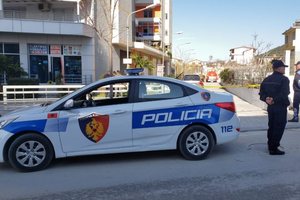
A serious incident occurred in Lushnje, where citizen IY, ...

As the year 2026 is in its second half, the world is exper...

Today, our country will be under the influence of stable a...

By noon, cloudiness is expected to prevail in almost all o...

Children without parental care, for whom alternative famil...
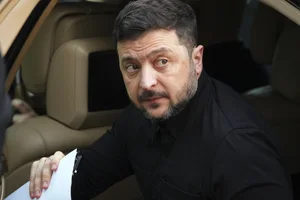
Ukrainian President Volodymyr Zelensky said Russia wants t...
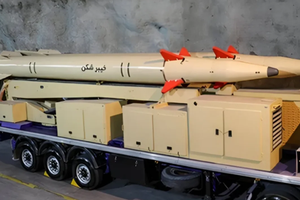
Iran is adapting and enhancing the capabilities of its bal...
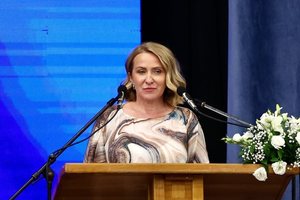
Serbia's Minister of State Administration and Local Self-G...
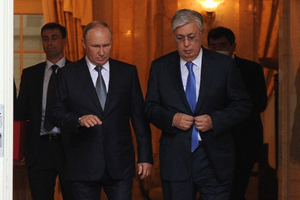
Kazakh President Kassym-Jomart Tokayev shared some critici...
Two windows, a century of history and the metaphysics of p...
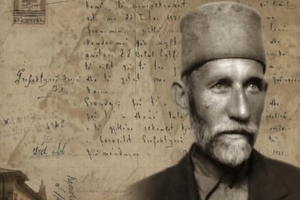
In my research at the Central State Archives, specifically...

At a time when industrial products are increasingly taking...

Trust among people is not just a three-syllable word. It c...

This Saturday, one US dollar is bought for 81.7 lek and so...

War, weather and supply disruptions could send gas prices ...
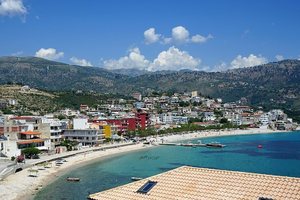
The number of active enterprises in Albania continued to g...
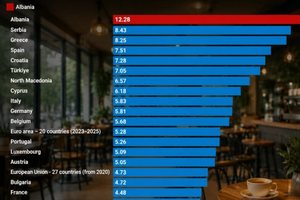
In Albania, the bar-cafe has long become an almost unique ...