

The Life and Fortune (Forewarned) of the Tsar's Cook
Only today it is understood how much desperation was in th...


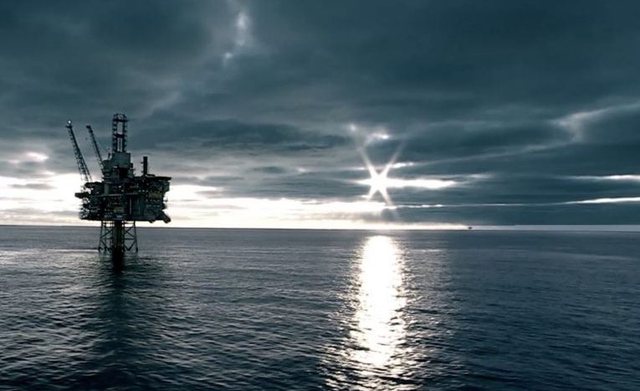
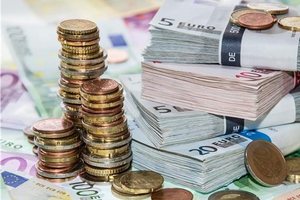
The Global Government Pension Fund was created after Norway discovered oil in the North Sea. The fund was created to protect the economy from fluctuations in oil revenues. It also serves as a financial reserve and a long-term savings plan so that Norway's current and future generations can benefit from the oil wealth.
In 1969, one of the world's largest offshore oil deposits was discovered in Norway. Suddenly, the Nordic country had a lot of oil to sell and its economy grew dramatically.
Early on, it was decided that oil and gas revenues should be used carefully to avoid imbalances in the economy. In 1990, the Norwegian parliament passed legislation to support this idea, creating what is now the Global Government Pension Fund, and the first money was deposited into the fund in 1996. As the name suggests, it was decided that the fund would only invest abroad country.
Oil revenues have been very important to Norway, but one day the oil will run out. The purpose of the fund is to ensure that that money is used responsibly, and thus protect the future of the Norwegian economy.
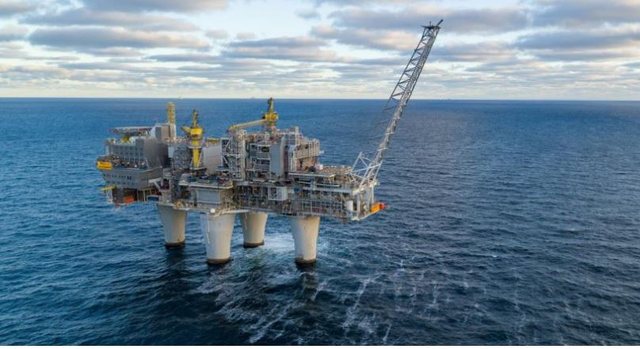
Although revenues from oil and gas production are transferred to the fund, these deposits account for less than half of its value. Much has been earned by investing in stocks, fixed income, real estate and renewable energy infrastructure.
Today, it is one of the largest funds in the world, owning almost 1.5 percent of all shares in companies listed on the world stock exchange. This means that the Fund has shares in around 9,000 companies worldwide, giving it the right to a small share of their profits each year.
In addition, the fund owns hundreds of buildings in some of the world's major cities, which generate rental income.
The fund also receives a steady flow of income from lending to various countries and companies. By spreading the investments widely, the risk of losing the fund's money is reduced.
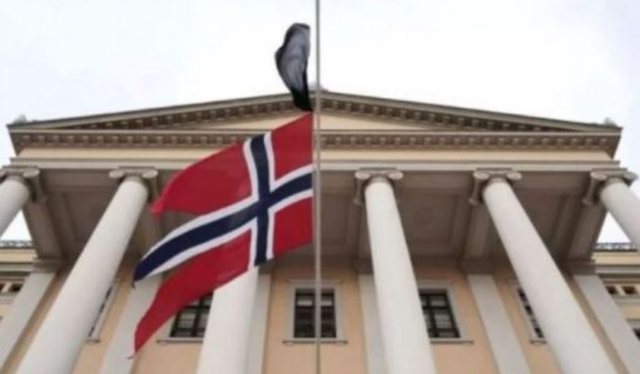
Each year, the Norwegian government can only spend a small part of the fund, but this is still almost 20 percent of the government budget.
There is a broad political consensus on how the fund should be managed. The less it spends today, the better positioned Norway will be to weather economic downturns and crises in the future.
Budget surpluses go to the fund, while deficits are covered with money from the fund. In other words, authorities can spend more in bad times and less in good times.
In order for the fund to benefit as many people as possible in the future, politicians have agreed on a fiscal rule that ensures that no more is spent than the expected income in the fund.
On average, the government only has to spend the equivalent of real income into the fund, which is estimated to be about 3 percent a year. In this way, oil revenues gradually flow into the economy. At the same time, only the annual income of the fund is spent, and not its capital.
The role of the fund is to ensure that the national wealth lasts as long as possible. Its investments have an extremely long-term perspective, enabling it to withstand large fluctuations in value in the short term./ Bota.al

Only today it is understood how much desperation was in th...

Një antropolog australian, pretendon se fytyrat tona “...
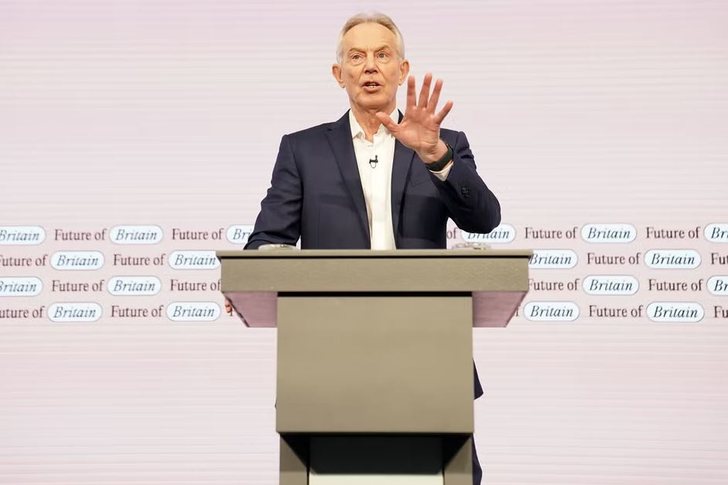
Tony Blair's post-prime ministerial career is different. O...
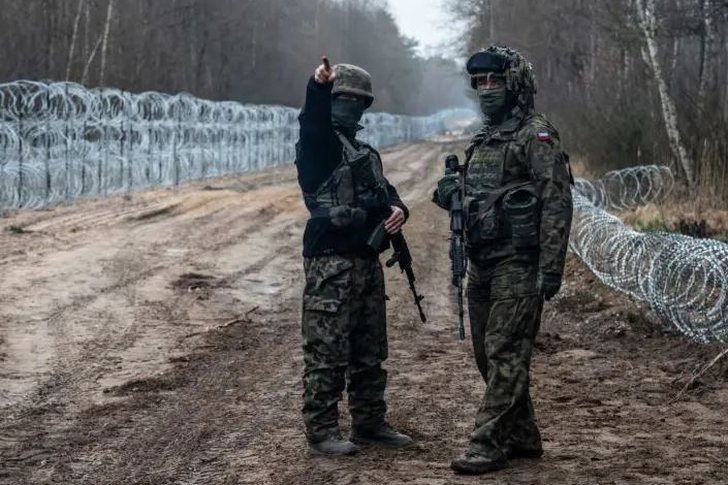
Thousands of troops mobilized and open nuclear threats. Th...
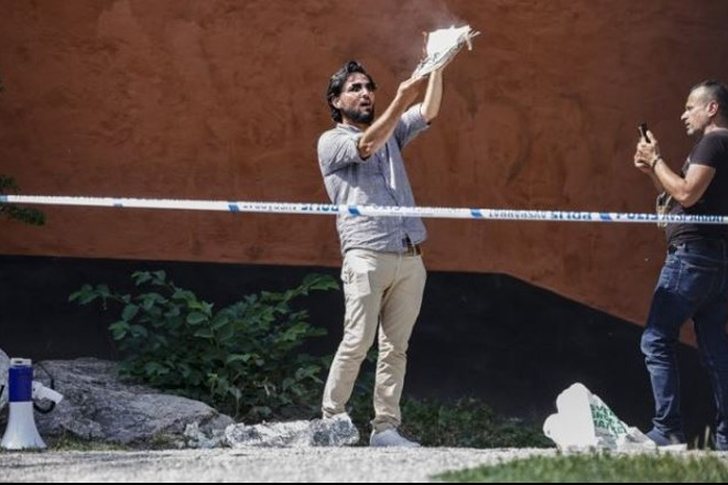
What Sweden is experiencing this summer, after a series of...

"Your place is in the kitchen!", "It's your own fault,...

Bald, black-eyed and very dark-skinned: genome analysis re...
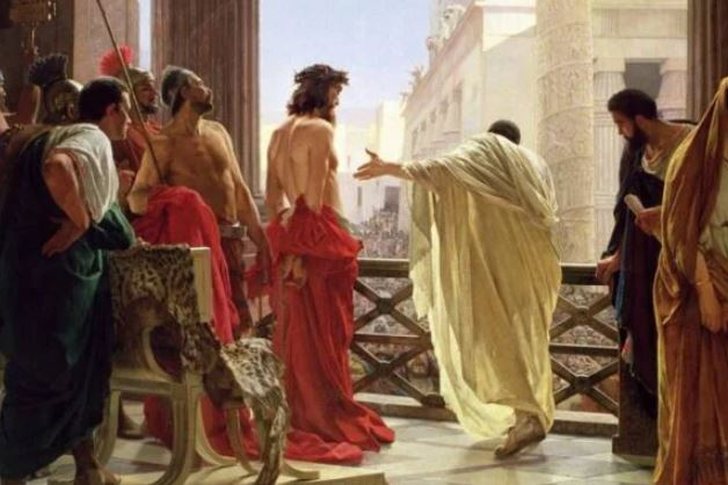
Pontius Pilate was for nearly 10 years the Roman governor ...

The Covid-19 pandemic and the war in Ukraine have caused c...

On the afternoon of February 15, 1992, state lottery o...
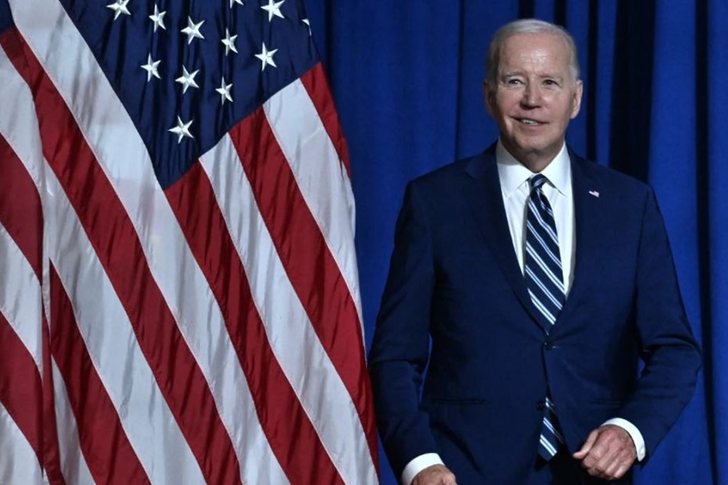
Eighteen months after Russia's complete invasion of their ...

Illegal immigration is an intractable problem, not bec...

In the terribly complicated politics of the Western Balkan...
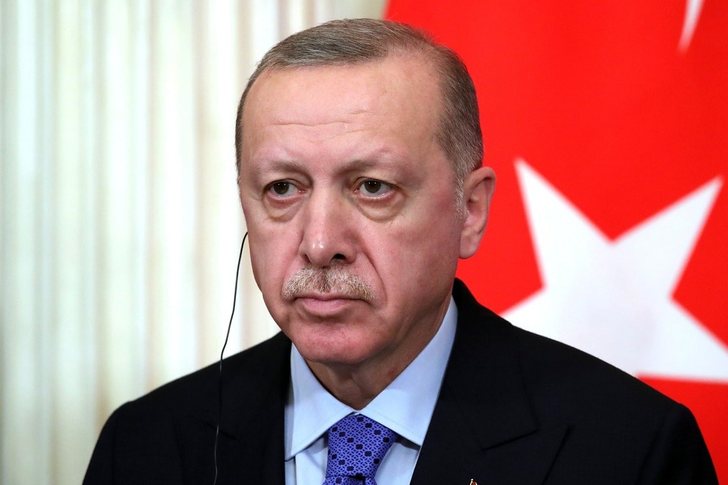
Turkish voters re-elected Recep Tayyip Erdogan for a t...
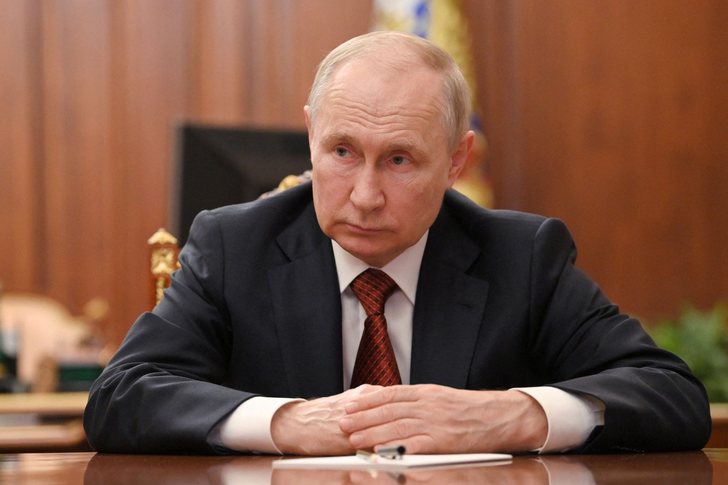
While Vladimir Putin generally shies away from overt threa...

The international drug control regime was established more...
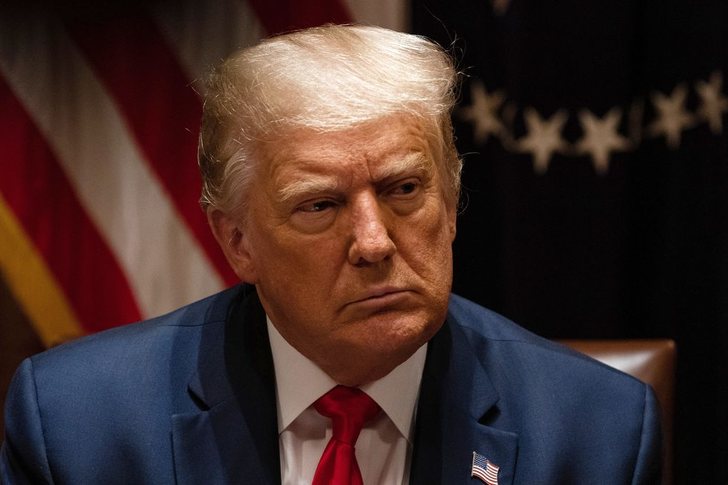
For those who want the Republican Party to move in ...
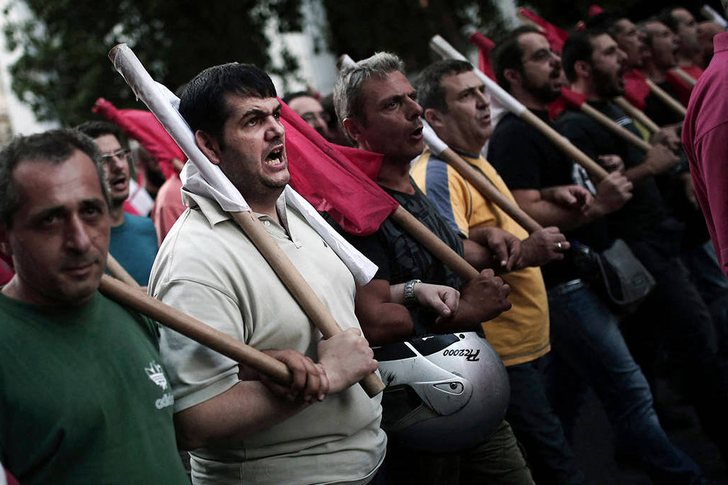
This year marks the 30th anniversary of the founding of th...

The current disorder of the international order is the res...

" These changes were made as a function of a great war a...
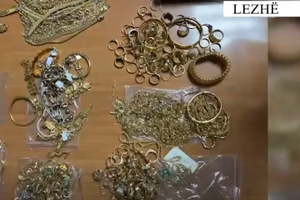
A 39-year-old citizen has been arrested in Lezha, after se...

CNA has launched another investigation that could lead to ...

Irfan Hysenbelliu is a businessman that we call "Irfan the...

In March 2026, CNA launched another investigation centered...

The Special Board of Appeal (KPA) decided this Monday ...

The KPA vetting decided this Thursday to dismiss the p...

Suela Salavaçi, a prosecutor in the Prosecutor's Offic...

The Special Board of Appeal reinstated the prosecutor ...

Several gunshots were reported today in the village of Gjo...

Following the successive operations carried out by the ope...
The Police Supervision Agency has seized the service weapo...
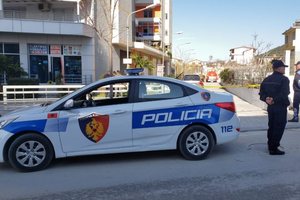
A serious incident occurred in Lushnje, where citizen IY, ...

As the year 2026 is in its second half, the world is exper...
Today, our country will be under the influence of stable a...

By noon, cloudiness is expected to prevail in almost all o...

Children without parental care, for whom alternative famil...
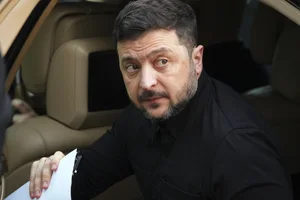
Ukrainian President Volodymyr Zelensky said Russia wants t...

Iran is adapting and enhancing the capabilities of its bal...
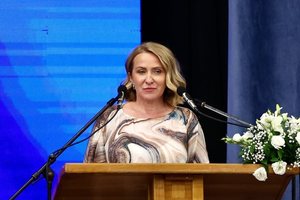
Serbia's Minister of State Administration and Local Self-G...
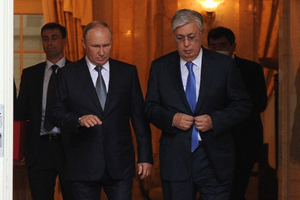
Kazakh President Kassym-Jomart Tokayev shared some critici...
Two windows, a century of history and the metaphysics of p...

In my research at the Central State Archives, specifically...

At a time when industrial products are increasingly taking...

Trust among people is not just a three-syllable word. It c...
This Saturday, one US dollar is bought for 81.7 lek and so...
War, weather and supply disruptions could send gas prices ...
The number of active enterprises in Albania continued to g...
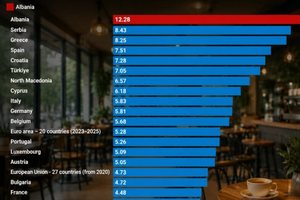
In Albania, the bar-cafe has long become an almost unique ...