


Why Wagner is more dangerous without Prigozhin, lectures from an old-school mercenary
The death of Yevgeny Prigozhin, leader of a large army of ...


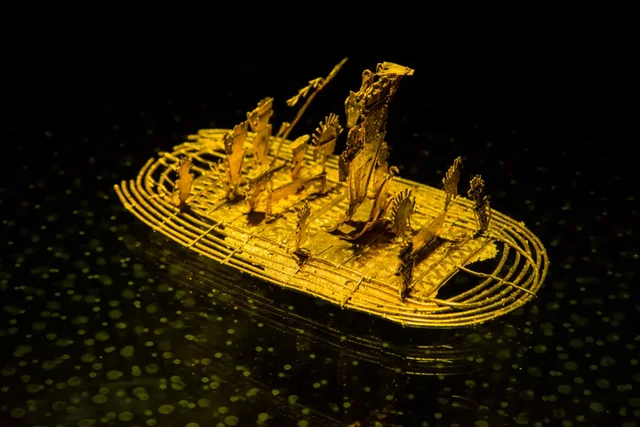
Although the legend of El Dorado fueled European ambitions during the exploration and conquest of America, direct evidence of a golden metropolis in the Andes area has never been found to date. In all likelihood, this is because El Dorado was not actually a city.
The term even describes an ancient ritual that involved a man being covered in gold dust. But after extensive research in the lake where this lavish ceremony is said to have taken place, researchers have found little evidence of its existence.
Reporting the results of this new archaeological study, Juan Pablo Quintero-Guzman of the famous Museo del Oro (Museum of Gold) in Bogotá, the capital of Colombia, explains that the myth of El Dorado began with the 17th century Spanish chronicler Juan Rodríguez Frejl, who described a coronation ceremony performed by the Muisca people at Lake Guatavita in present-day Colombia.
According to Frejl, the chieftain's heir had to spend 6 consecutive years fasting in a cave, before being covered in gold dust and transported to the middle of the lake on a raft loaded with golden objects. "The golden Indian made his offering to the Gods, throwing all the gold he had at his feet into the middle of the lake. From this ceremony they got the famous name El Dorado, which has cost so much money and lives" - referring to the many expensive expeditions in search of the golden city that does not exist.
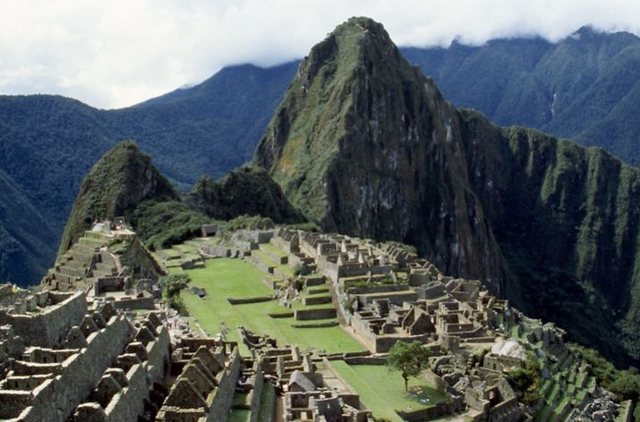
Delving deeper into the matter, Quintero-Guzman credits the Spanish conquistador Sebastian de Belalcazar with instigating the 'gold rush' after El Dorado. Because it seems he was the one who first used the term El Dorado to refer to a place, specifically the area around Lake Guatavita. And while archaeologists have long since abandoned the search for any such place, there is some evidence to suggest that the El Dorado ceremony did indeed occur. For example, in
1912, the British engineer Hartley Knowles retrieved numerous objects of gold and other gems from the bottom of the lake after it dried up.
More recently, a model of the raft that was discovered by a local farmer in a nearby cave in 1969 represents the best evidence for the real existence of that ancient ritual. Looking for further evidence, Quintero-Guzman and his colleagues searched the area around Lake Guatavita for artifacts that might suggest that
large-scale ceremonial events were regularly held there.
Surprisingly, they found only 157 ceramic fragments. But the fact that these vessels appear to contain the ancient alcoholic beverage, chicha, indicates that they were indeed used during ceremonial events. But their insufficiency "suggests that the ritual activities were not as large as the legend claims", writes Quintero-Guzman.
Based on this result, he explains that "there is currently very little evidence available to support a continuity of ritual practices at Lake Guatavita, from the early Muisca period to the colonial period." But despite this, he insists that "one cannot reach the absolute conclusion that an El Dorado ceremony never existed". Offering some sort of explanation for the centuries-old legend that has fascinated many, he speculates that the El Dorado ceremony may have occurred once, but was not a recurring tradition.
In all likelihood, the highly visible event was organized by a tribal chieftain during a period of great political tension, perhaps as an attempt to demonstrate his dominance over his rivals, while also seeking the help of the Gods.
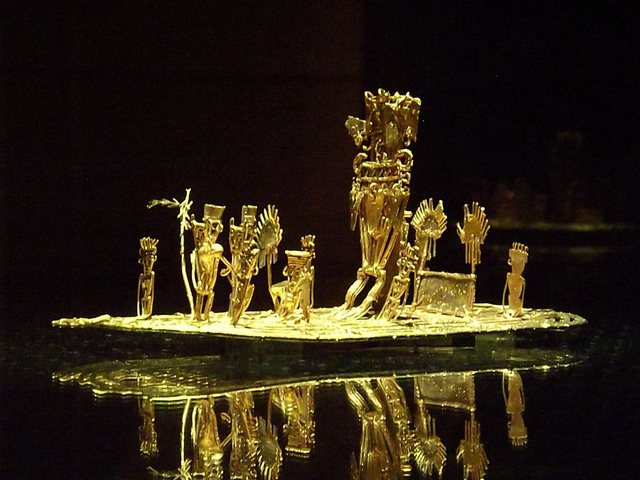
“Once the socio-political order was stabilized, offerings to the gods continued at sacred sites, such as Lake Guatavita, but the golden man ceremony would no longer be seen. When the Spaniards arrived in America, they met groups of people who had heard about the ceremony performed by their ancestors, and this is what they also told the conquerors" - emphasizes Quintero-
Guzman. The study in question was published in the journal "Latin American Antiquity"./ Adapted from CNA

The death of Yevgeny Prigozhin, leader of a large army of ...

The war in Ukraine has brought about a significant reducti...

I recently saw an excellent documentary that talked ab...

The Western Balkans are once again in trouble. The Serbian...

Rezervat e gazit natyror në Evropë janë pothuajse plot. Ko...

What we are going through is another hellish summer. A dou...
Marijuana or cannabis as it is more commonly known has a v...
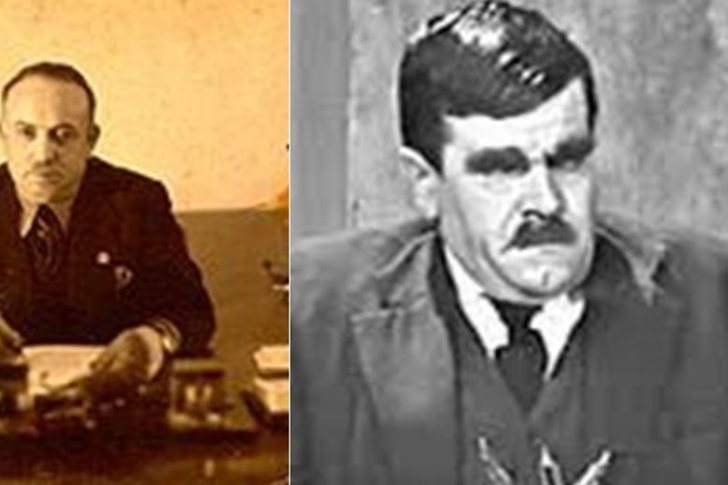
During the work for the preparation of the book "100 m...

Jevgeni Prigozhin, dikur njeriu shumë i besuar i presi...
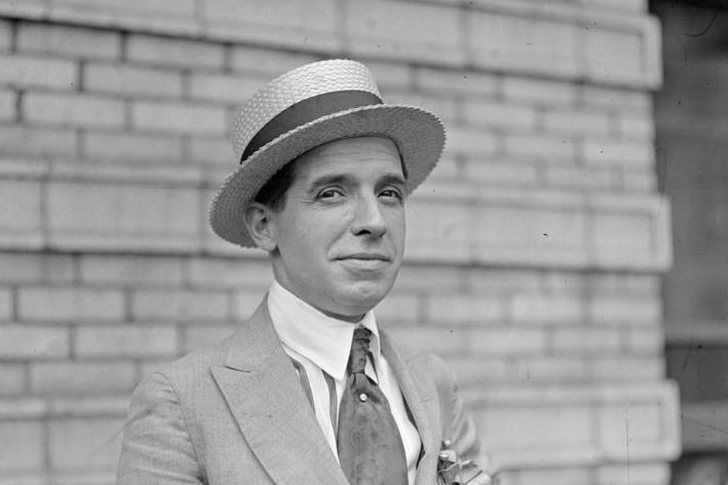
From Simple Immigrant to Financial Wizard: The Story of Ch...

The Global Government Pension Fund was created after Norwa...
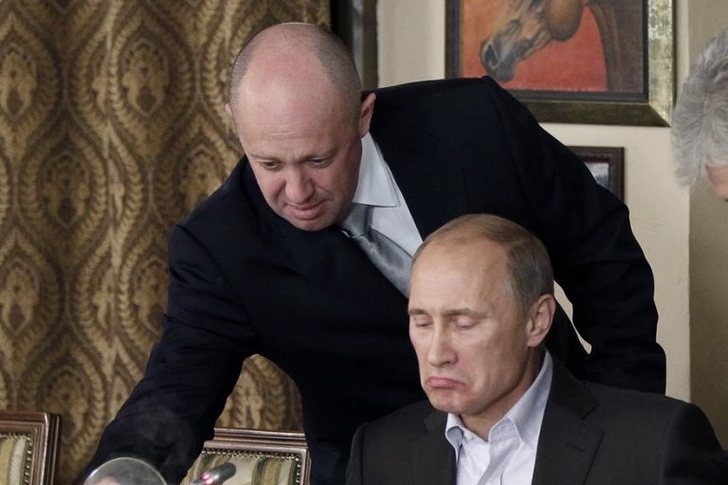
Only today it is understood how much desperation was in th...

Një antropolog australian, pretendon se fytyrat tona “...

Tony Blair's post-prime ministerial career is different. O...

Thousands of troops mobilized and open nuclear threats. Th...
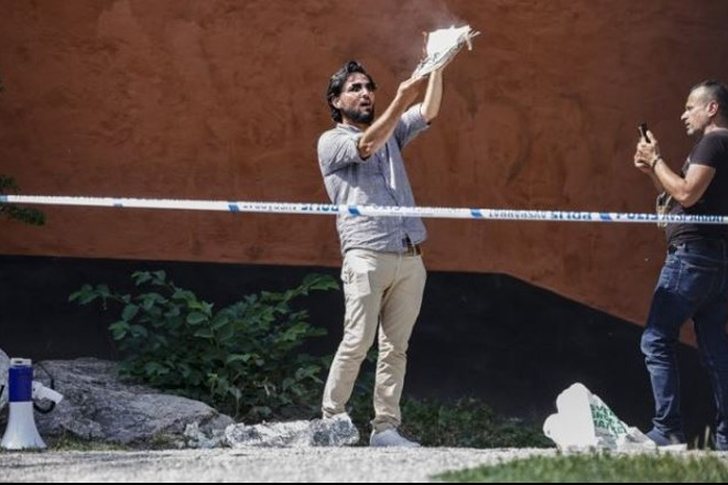
What Sweden is experiencing this summer, after a series of...

"Your place is in the kitchen!", "It's your own fault,...
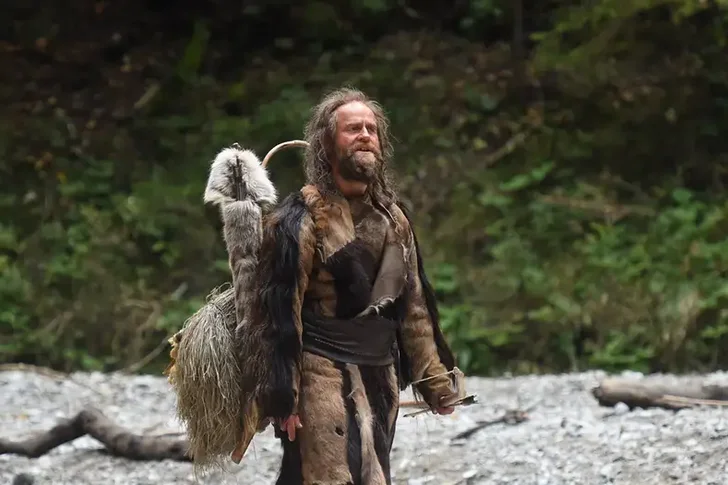
Bald, black-eyed and very dark-skinned: genome analysis re...
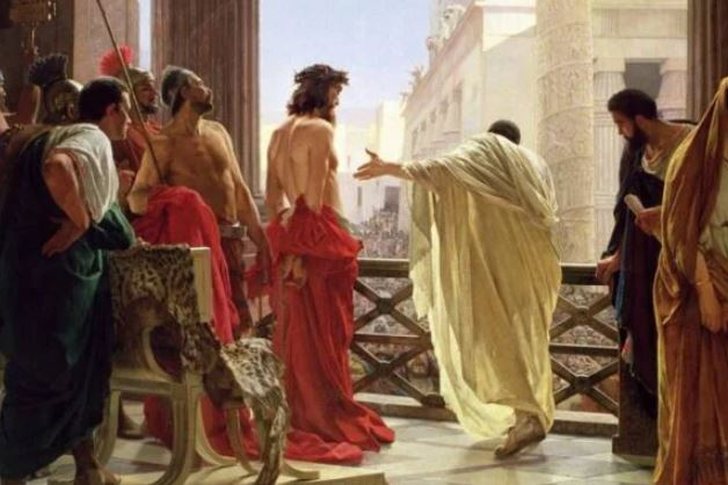
Pontius Pilate was for nearly 10 years the Roman governor ...

The Covid-19 pandemic and the war in Ukraine have caused c...
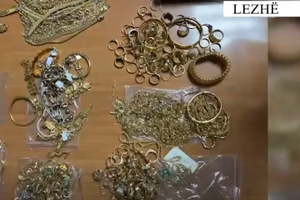
A 39-year-old citizen has been arrested in Lezha, after se...

CNA has launched another investigation that could lead to ...

Irfan Hysenbelliu is a businessman that we call "Irfan the...

In March 2026, CNA launched another investigation centered...

The Special Board of Appeal (KPA) decided this Monday ...

The KPA vetting decided this Thursday to dismiss the p...

Suela Salavaçi, a prosecutor in the Prosecutor's Offic...

The Special Board of Appeal reinstated the prosecutor ...

Several gunshots were reported today in the village of Gjo...

Following the successive operations carried out by the ope...

The Police Supervision Agency has seized the service weapo...

A serious incident occurred in Lushnje, where citizen IY, ...

As the year 2026 is in its second half, the world is exper...

Today, our country will be under the influence of stable a...

By noon, cloudiness is expected to prevail in almost all o...

Children without parental care, for whom alternative famil...

Ukrainian President Volodymyr Zelensky said Russia wants t...

Iran is adapting and enhancing the capabilities of its bal...

Serbia's Minister of State Administration and Local Self-G...
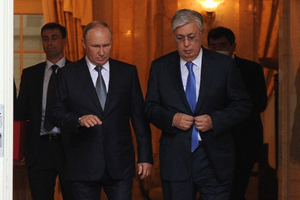
Kazakh President Kassym-Jomart Tokayev shared some critici...
Two windows, a century of history and the metaphysics of p...
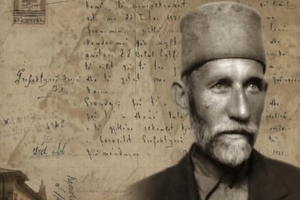
In my research at the Central State Archives, specifically...

At a time when industrial products are increasingly taking...

Trust among people is not just a three-syllable word. It c...

This Saturday, one US dollar is bought for 81.7 lek and so...

War, weather and supply disruptions could send gas prices ...
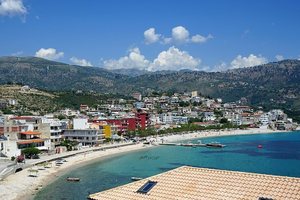
The number of active enterprises in Albania continued to g...
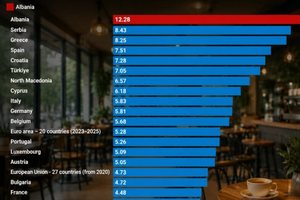
In Albania, the bar-cafe has long become an almost unique ...