

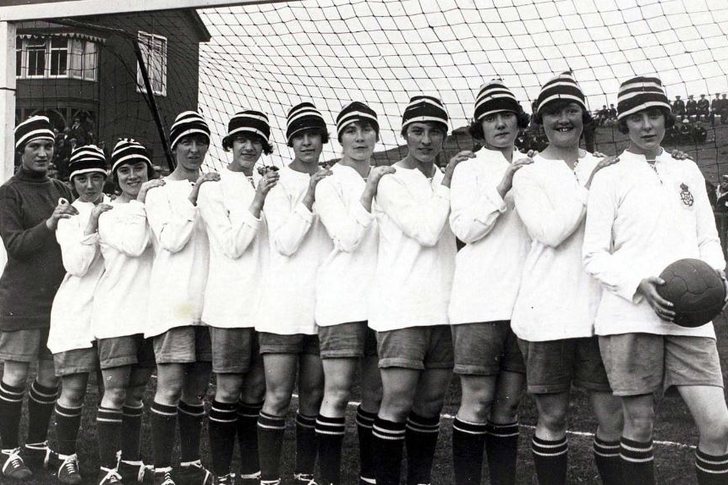
Historia e pazakontë e ekipit të femrave futbolliste që mposhtën edhe burrat në fushën e blertë
Kur shpërtheu Lufta e Parë Botërore, qindra mijëra burra a...


It is hard to say when a crisis under a dictatorial regime, such as the sudden collapse of China's economic model, is not about this or that person, but about the regime itself. My experience in this regard is very discouraging.
In 1984, my book The Grand Strategy of the Soviet Union contained many pages about the nationalities I claimed were moving towards independence. Not only the Baltics, Armenians and Georgians, but also others who occupied much larger territories such as Kazakhs, Uzbeks, Kyrgyz, Tajiks and Turkmens.
The reaction of every well-known Western Sovietologist was that I had foolishly confused folkloric categories with actual nations. According to them they were simply "Soviet", and it was a fantasy that they could ever wish to be independent. And this was being told to me only 7 years before the official collapse of the Soviet Union.
It is an axiom that nations must endure until regimes fall. But none of the Soviet analogies work when it comes to China. It is true, Beijing recognizes 55 minorities in the country. But they make up no more than 9 percent of the total population.
And some of the nationalities are only folklore, unlike the Uyghurs, Kazakhs and Tibetans, whom the Chinese are forced to suppress in an active way. As for the economy, it managed to overtake the Soviet Communist Party only after 2 decades of increasingly demoralizing stagnation, which by 1980 had become apparent even to casual visitors who noticed a very distinctly "Soviet" appearance of without hope in the faces of most people.
The Chinese Communist Party, on the other hand, went from a state dominated by malnutrition and filth - when I lived there in 1976, garbage was dumped on the streets - to drastic economic growth from the early 1980s, which accelerated in the 1990s, significantly enriched China until recently.
Even the bad economic news today does not reveal any terminal and necessarily destructive regime disease, as was true of the Soviet Union, which was forced to import wheat every few years, even though it built more tractors for its farmers than the U.S. here.
In fact, the one disease that is destroying wealth in China has been exactly what every tourist, and even some experts, have greatly admired: the proliferation of an extremely impressive, mostly well-designed and well-built infrastructure.
These range from high-speed trains, which now reach as far as Laos, connecting some 550 cities in 33 provinces, to highways connecting every part of China, some even into mountains and deserts, to nearly 250 full-service airports. (in 1976 there were only 8 with a satisfactory traffic), to major ports that imported 95 million tons of soybeans in 2021 alone.
How do giant infrastructures destroy wealth? A simple example is enough. In 2018, on a trip along the border with North Korea, I crossed a large and beautiful 6-lane bridge across the Jalu River. It was built to connect the Chinese city of Dandong with North Korea, and to serve the trade boom expected by Xi with the promised opening of the North Korean economy.
Of course, this point would also require a customs house, which was properly constructed. A very impressive multi-storey building, with warehouses and more than 10 commercial office blocks. However, when I visited, the bridge ended in a North Korean potato field, there was zero traffic, the customs office was empty and so were the office blocks and warehouses, some of which were paid for by private traders who were insolvent. when I met them in Dandong.
They openly reviled Xi, who continued to abide by the US-sponsored Security Council embargo against Pyongyang. Savings that could have enriched many Chinese citizens, including 180 million officially counted as "very poor" and an estimated 300 million others still trapped in poverty, were squandered on the Yalu Bridge complex, stalling many infrastructure projects in all over China.
The list of waste starts with at least 100 nearly unused airports and many highways, which are largely empty of traffic even in overpopulated China. Now the main problem is not what might have happened if capital had been used to reduce poverty, but how this money was found.
Some were collected from taxes, but most found themselves adding to the endless mountain of debt that is now crippling investment by private construction firms that built skyscrapers and giant apartment blocks across China, as well as semi-private, unique cooperation for China, with joint ventures in provinces that built factories and infrastructure projects.
Money for the latter came from loans from local branches of state-owned banks, whose leaders could not simply say no to local party bosses, who invited them to lavish dinners or closed their corruption files.
In Beijing, top managers at Bank of China headquarters - whose role models are neither Mao, Lenin nor Xi Jinping, but their counterparts at the Bank of England and the Federal Reserve, with whom they studied in the US and England - continued efforts to discipline finances.
But they were powerless to scare the party bosses. Pan Gongsheng, the current head of the Central Bank, is arguably the most independent official surviving in Xi's highly autocratic China, just as Russian central bank chief Elvira Näbiullina remains the most independent official in Moscow.
However, Pan knows he cannot stop the infrastructure projects that are adding daily to China's huge debt mountain without immediately replacing a debt crisis with a massive unemployment crisis. The sudden economic crisis, which has brought China's economy to a standstill after several decades of very rapid growth, is not simply "cyclical".
Xi Jinping cannot afford to pretend that nothing has happened: the huge mountain of debts must be reduced, only then can profitable investments resume. In the US, the cure for the debt crisis of 2007-2009 that also paralyzed Europe's economy was the bankruptcy of Lehman Brothers in 2008, as well as hundreds of large and small companies.
Millions of home owners in the US with unpaid loans were instantly homeless, but also debt-free. However, very few of them remained homeless for long, because the American economy took off very quickly after being drastically cleaned of bad loans.
In China, the problem is the opposite: millions of Chinese have invested all or a large part of their savings in apartments that sit empty, generating taxes and other costs instead of income. They cannot get out of this spiral.
And they need tenants, who in practice must be mostly young couples starting families, precisely today when many young and not so young Chinese singles still live with their parents. It is at this point that an economic problem becomes a political one, and it can be deadly for any regime, even the constantly self-aggrandizing and seemingly fearsome autocracy of Xi Jinping.
While the whole world will pay a cost for China's economic decline, because it makes up a very large part of the world economic "pie", it will also come with a much-welcomed consolation price: for the first time since 1949, it is possible to imagine a post-communist China.
Taken with cuts
Note: Edward Luttwak, strategist and historian known for his writings and books on geo-economics, history and international relations./ “ Unherd ” - Adapted from CNA

Kur shpërtheu Lufta e Parë Botërore, qindra mijëra burra a...

By Devi Sridhar "The Guardian" In the words of singer Tay...

To say that Aleksei Djumin has had a meteoric rise in his ...
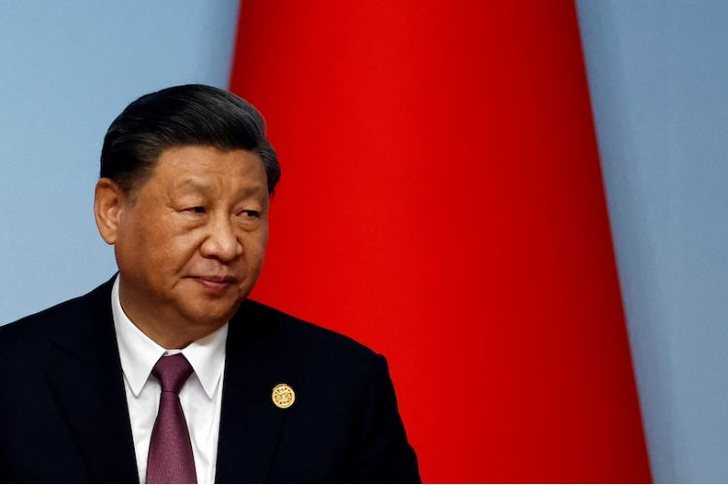
The slowdown in global economic growth is being heavily in...

By Michael Levin "Fox News" I just turned 45... for the 2...
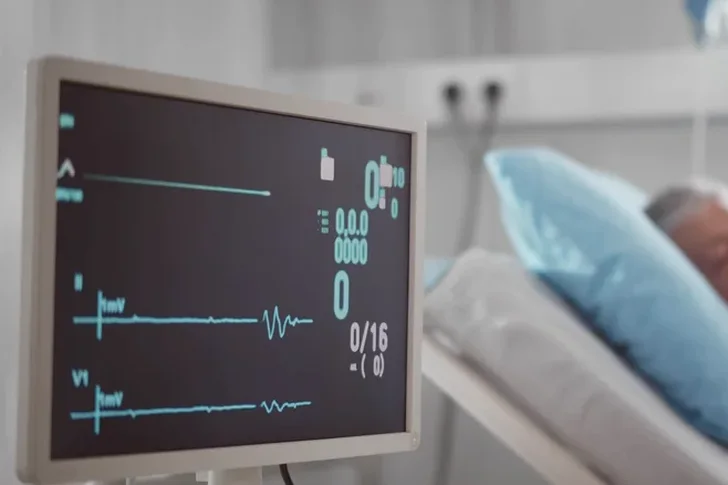
Explaining what happens after death is very complicated be...

The hands tell a lot about the state of health of each of ...

From the still-unsolved disappearance of teenager Emanuela...
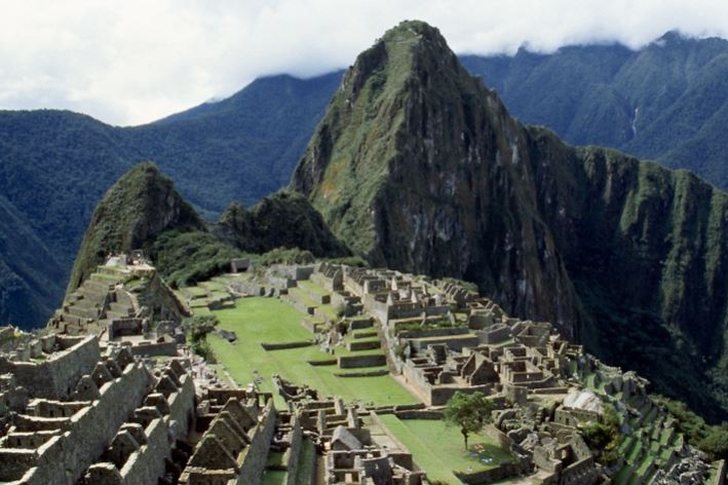
Although the legend of El Dorado fueled European ambitions...

The death of Yevgeny Prigozhin, leader of a large army of ...

The war in Ukraine has brought about a significant reducti...
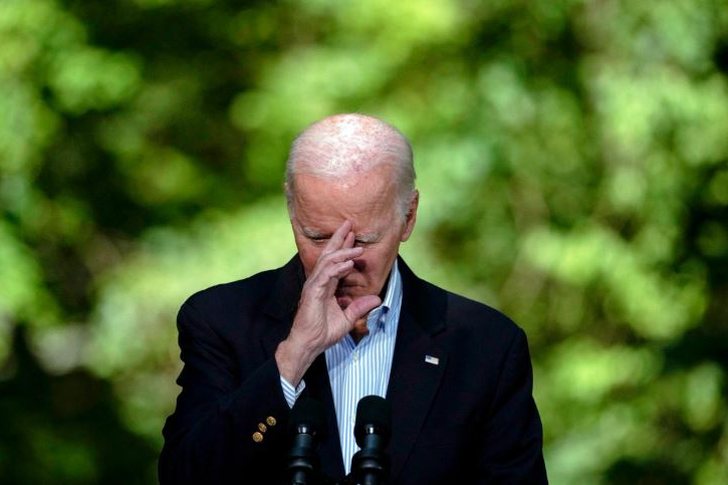
I recently saw an excellent documentary that talked ab...
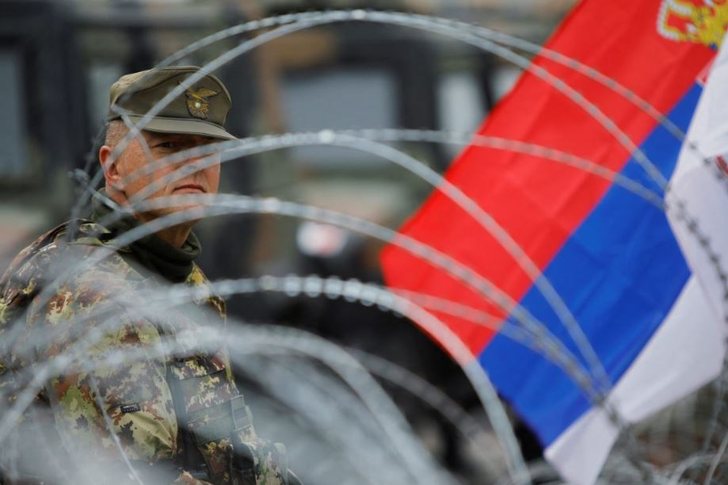
The Western Balkans are once again in trouble. The Serbian...
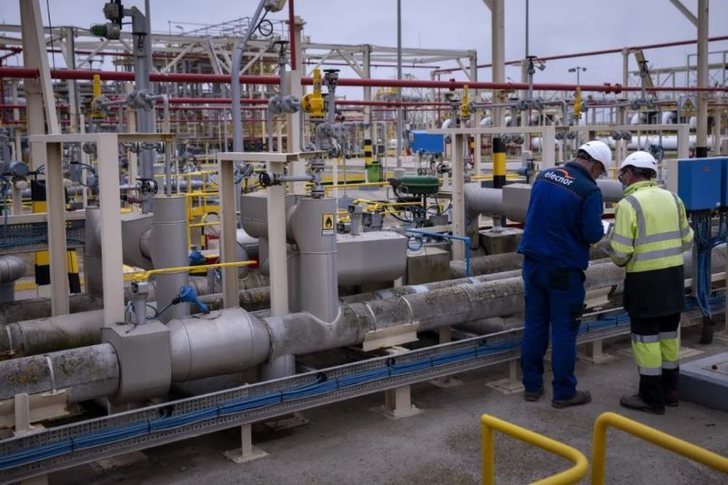
Rezervat e gazit natyror në Evropë janë pothuajse plot. Ko...
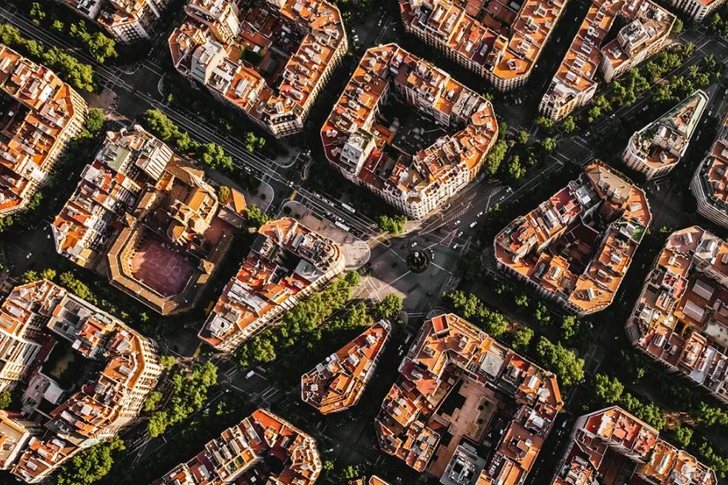
What we are going through is another hellish summer. A dou...
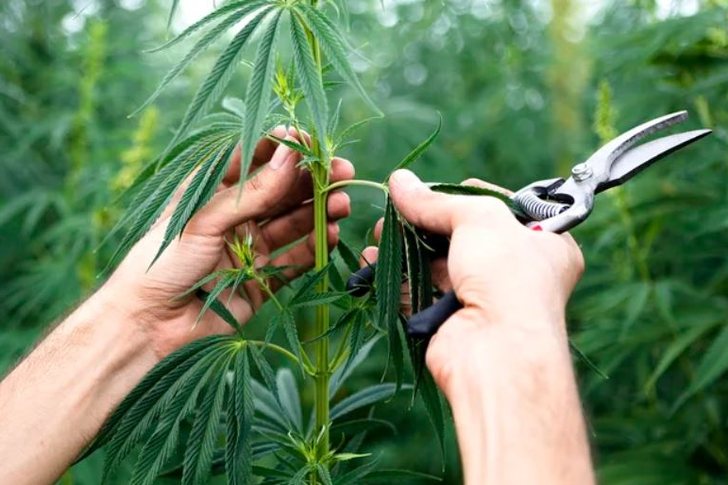
Marijuana or cannabis as it is more commonly known has a v...

During the work for the preparation of the book "100 m...
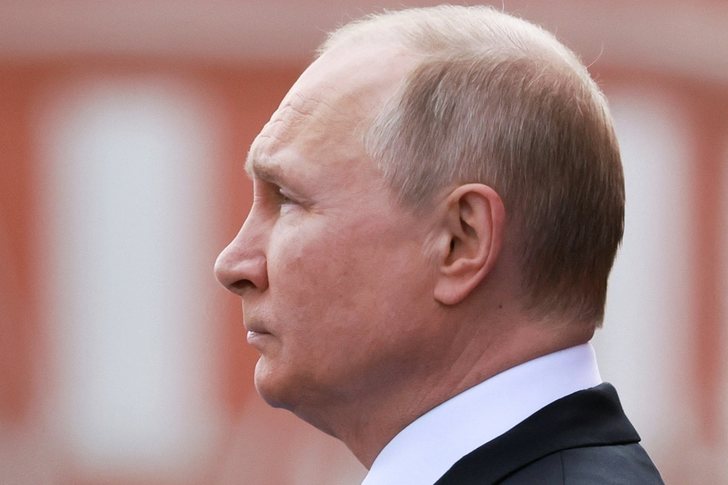
Jevgeni Prigozhin, dikur njeriu shumë i besuar i presi...

From Simple Immigrant to Financial Wizard: The Story of Ch...
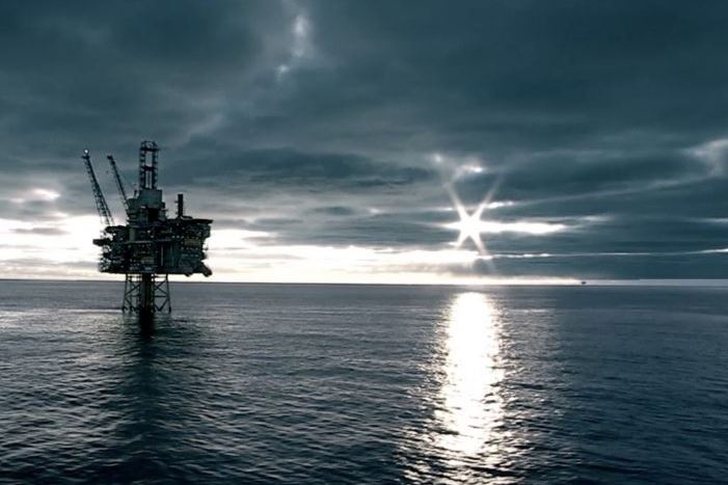
The Global Government Pension Fund was created after Norwa...
A 39-year-old citizen has been arrested in Lezha, after se...

CNA has launched another investigation that could lead to ...

Irfan Hysenbelliu is a businessman that we call "Irfan the...

In March 2026, CNA launched another investigation centered...

The Special Board of Appeal (KPA) decided this Monday ...

The KPA vetting decided this Thursday to dismiss the p...

Suela Salavaçi, a prosecutor in the Prosecutor's Offic...

The Special Board of Appeal reinstated the prosecutor ...

Several gunshots were reported today in the village of Gjo...

Following the successive operations carried out by the ope...
The Police Supervision Agency has seized the service weapo...

A serious incident occurred in Lushnje, where citizen IY, ...

As the year 2026 is in its second half, the world is exper...

Today, our country will be under the influence of stable a...

By noon, cloudiness is expected to prevail in almost all o...

Children without parental care, for whom alternative famil...

Ukrainian President Volodymyr Zelensky said Russia wants t...
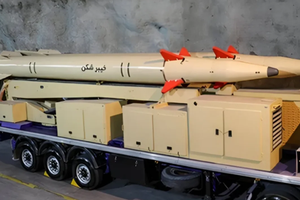
Iran is adapting and enhancing the capabilities of its bal...

Serbia's Minister of State Administration and Local Self-G...
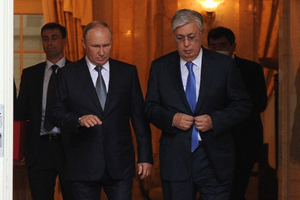
Kazakh President Kassym-Jomart Tokayev shared some critici...
Two windows, a century of history and the metaphysics of p...

In my research at the Central State Archives, specifically...

At a time when industrial products are increasingly taking...

Trust among people is not just a three-syllable word. It c...
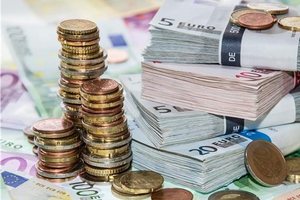
This Saturday, one US dollar is bought for 81.7 lek and so...
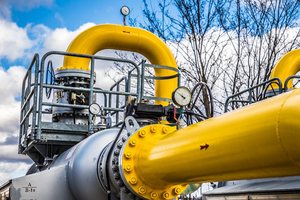
War, weather and supply disruptions could send gas prices ...
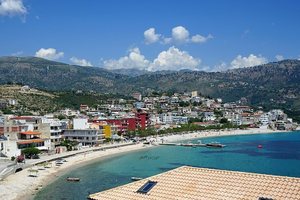
The number of active enterprises in Albania continued to g...
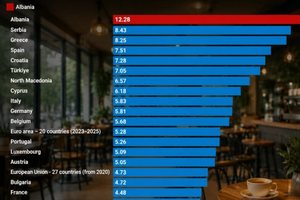
In Albania, the bar-cafe has long become an almost unique ...