


Former Polish dissident Leh Valesa/ Young people should not be deceived by socialism, there are beautiful words but in practice it only brings disaster
In January 1989, as a college student, I came here to marc...


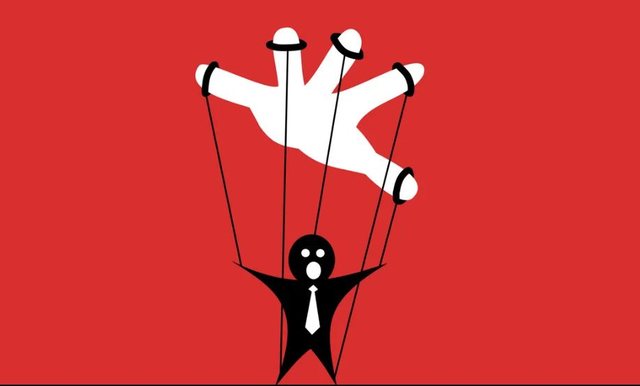
Whether power corrupts a person—or whether a corrupt person is more likely to reach a position of power—has long been a much-discussed question among the scientific community.
For example, take the famous Stanford Prison Experiment in 1971, a study that was terminated after 6 days after severe abuse by a group of students randomly assigned to serve as prison guards against their classmates , who were assigned the role of prisoners.
Meanwhile, Lord Ekton, famous English historian and politician of the 19th century, once declared: "Power tends to corrupt, while absolute power corrupts absolutely." But Ekta's view is probably too absolutist.
Rarely is the science of social relations so black and white as to prompt us to believe this statement. Because this is not such a simple matter.
Are corrupt leaders born as such, or does society raise them under the influence of a certain background?
It is true that people with certain personality traits, such as psychopathy or narcissism, are more likely to seek high positions of power. And on the other hand, it is also true that power can bring out such basic personality traits.
"It is not only personality and power that corrupts people, but perhaps a combination of both" - writes researcher Iris Kranfeld in a study published this year in the magazine "Personality and Individual Differences".

But what personality types are most likely to seek power? And once they achieve their goal, does power change a person's behavior? On this issue, research gives different estimates.
Power does not corrupt everyone equally. As Parul Verma wrote for the American Philosophical Association “Power reinforces and exposes the cognitive and behavioral predispositions that already exist within you. It only reveals your innate tendencies, but does not corrupt them."
American clinical psychologist Dr. Ramani Durvsalu, a professor at California State University in Los Angeles, told IFLScience that while people can be influenced by power, there are other factors at play that determine whether it will corrupt them.
"Power affects people - as does any social stimulus - but it doesn't always bring out the worst in people. There are some protective features, for example consent or conscientiousness, that would be a kind of protection against the corruption that power can bring. However, one can also argue that a person with these traits can become arrogant with too much power in his hands", says the expert.
Power is one's overall ability to influence others, whether through direct control or other means. Narcissism and psychopathy are ubiquitous traits seen among global leaders, from presidents to CEOs.
In fact, the number of people with narcissistic personality traits on corporate boards is nearly 3 times that of the general population. Narcissism is a personality trait characterized by a hyperbolized self-image, a sense of superiority, and a desire to be admired.
Research has shown a high probability of narcissists being leaders, and this trait often goes hand-in-hand with political leaders, CEOs, and other high-status individuals. Narcissistic people are more likely to "seek power and leadership and engage in more problematic behaviors while in these positions," Dr. Durvsalu further emphasizes.
This is because narcissistic leaders aim to benefit themselves as well as the organization or institution they belong to. But what makes narcissism a person more likely to seek a position of power?
First, people with narcissistic tendencies tend to be confident, which means they may be prone to mistakes because they think they are special and unique, entitled to more positive outcomes, and more intelligent or attractive.
A 2016 study that explored the link between narcissism and overconfidence found that a power narcissist "is particularly overconfident." On average, men tend to be more narcissistic than women, which may explain why there has never been a woman president of the US and why Harvard Business View reports that 95 percent of CEOs in the country are men.
Studies have also shown that megalomaniacal narcissists often rise to senior management positions, although there is little evidence between narcissism and better performance. A 2022 study, for example, found that US wars lasted longer under presidents with higher narcissistic tendencies.
Of the 19 presidents between 1897 and 2009, those with higher narcissistic tendencies spent an average of 613 days at war, compared to 136 days for presidents with lower narcissistic tendencies. Furthermore, the most narcissistic presidents were 6 times more likely to cause an international dispute than those with average levels of narcissism.
Like those with narcissistic personality traits who tend to have a grandiose sense of self, people with psychopathic tendencies often display personality traits associated with power, such as charisma, persuasiveness, and creativity, notes Sajman Krum, professor of supply chain management at the University of San Diego in an article for Fortune.
"Our culture praises and rewards successful leaders who may fall somewhere on the spectrum of psychopathy or who, even if they are not psychopaths, nevertheless exhibit traits that psychopathic individuals often have. Of course, the problem is that while psychopaths may have a lot of charisma and creativity, they may lack, as mentioned above, important social qualities like empathy and morality," Krum wrote.
According to the triarchic model of psychopathy, which is used to define personality disorder, psychopathy consists of three aspects: rudeness, maliciousness, and impulsivity. Other traits include arrogance, lack of empathy, and exploitation.
Together, these characteristics are associated with a desire for power and dominance, both of which can drive a person to aim for a position of power. Some people who have reached a level of power may experience a loss of empathy, tend toward self-interested behaviors, and normalize behaviors that are usually unethical.
But whether or not a person becomes corrupt depends on his individual character. Positive change through education and moral values ??can help a person avoid such corruption./ Adapted from CNA

In January 1989, as a college student, I came here to marc...
It is hard to say when a crisis under a dictatorial regime...
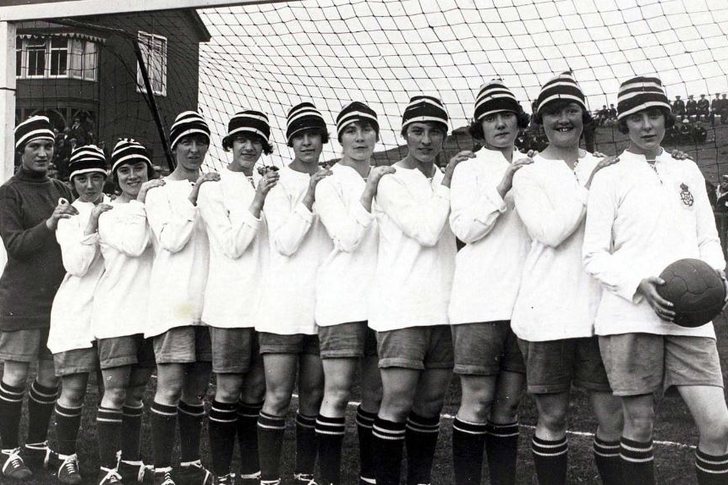
Kur shpërtheu Lufta e Parë Botërore, qindra mijëra burra a...
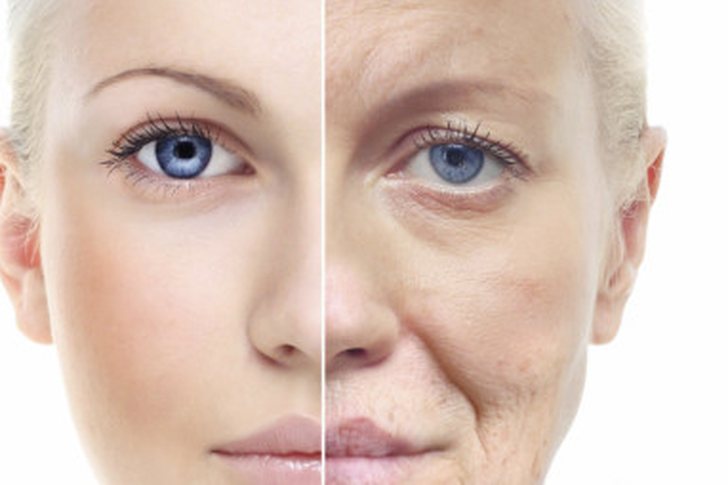
By Devi Sridhar "The Guardian" In the words of singer Tay...
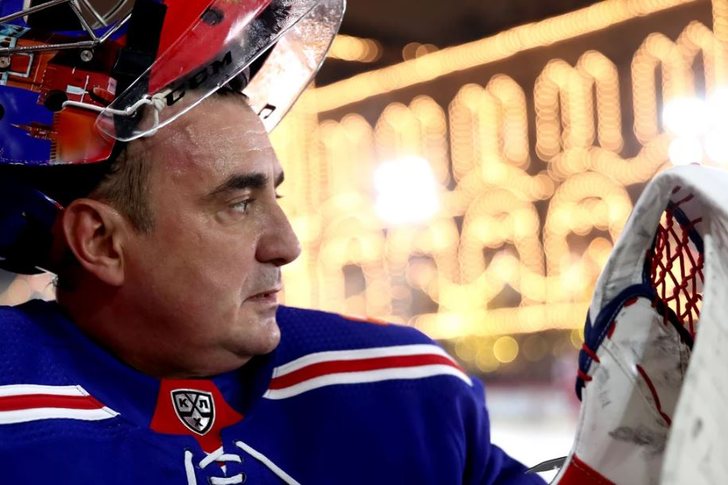
To say that Aleksei Djumin has had a meteoric rise in his ...
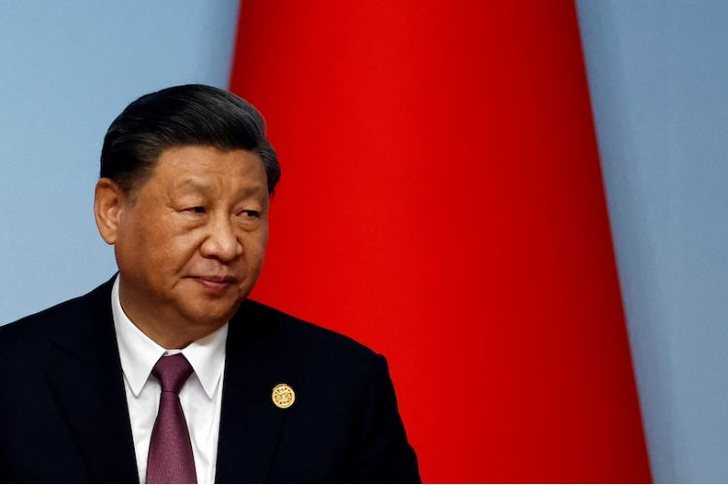
The slowdown in global economic growth is being heavily in...
By Michael Levin "Fox News" I just turned 45... for the 2...
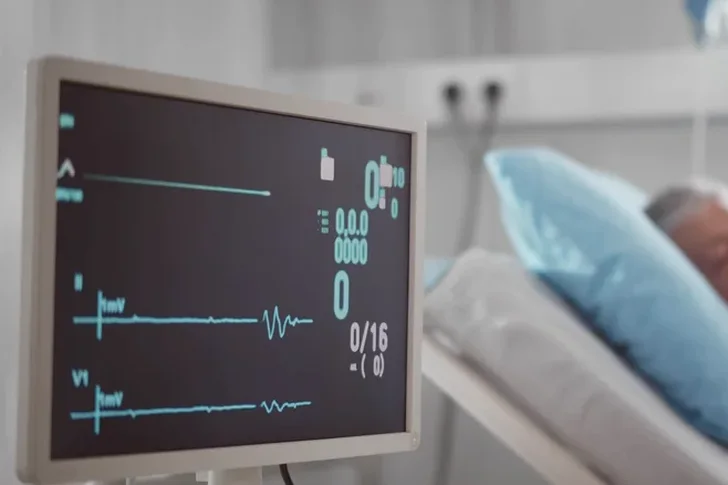
Explaining what happens after death is very complicated be...
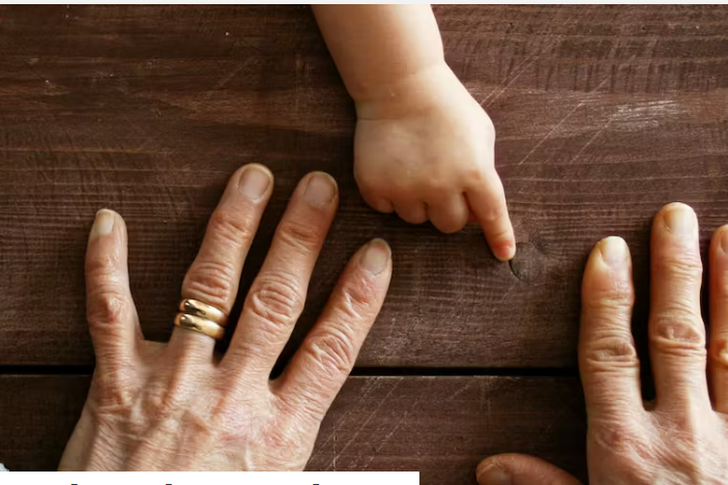
The hands tell a lot about the state of health of each of ...
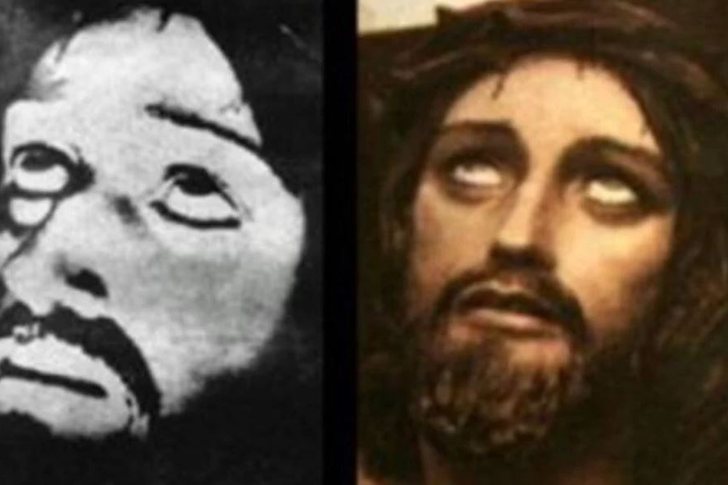
From the still-unsolved disappearance of teenager Emanuela...
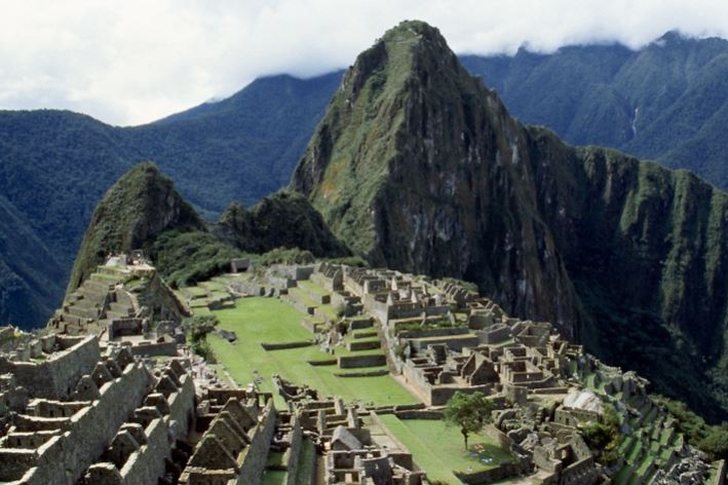
Although the legend of El Dorado fueled European ambitions...
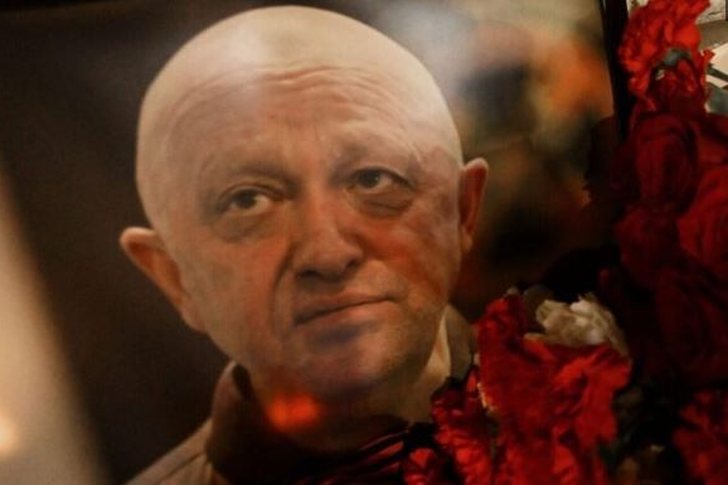
The death of Yevgeny Prigozhin, leader of a large army of ...
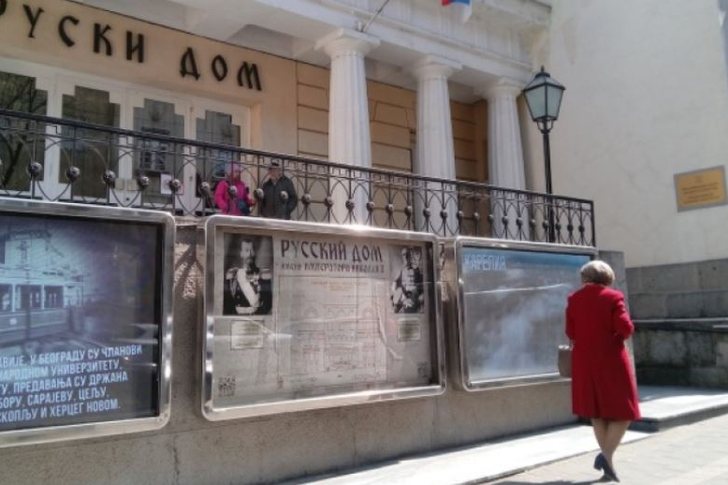
The war in Ukraine has brought about a significant reducti...
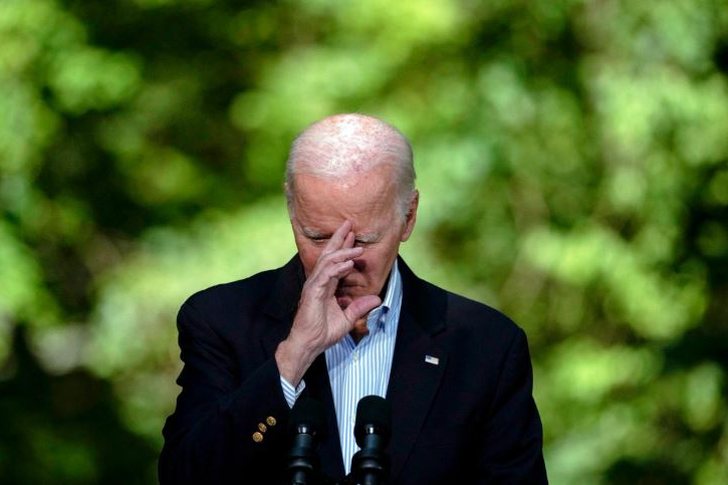
I recently saw an excellent documentary that talked ab...
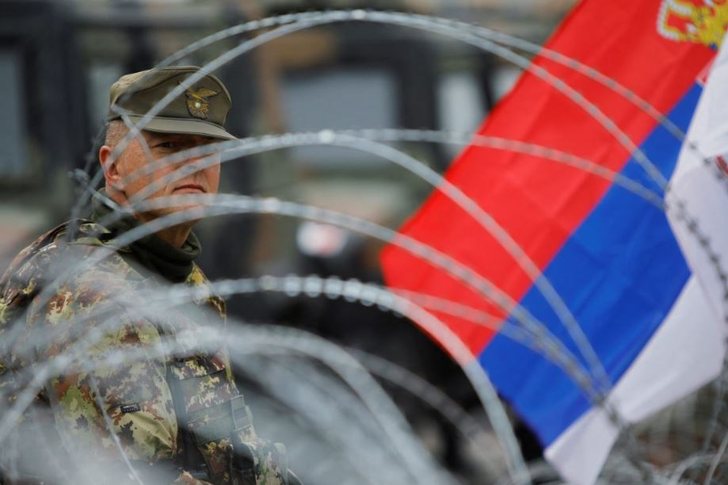
The Western Balkans are once again in trouble. The Serbian...
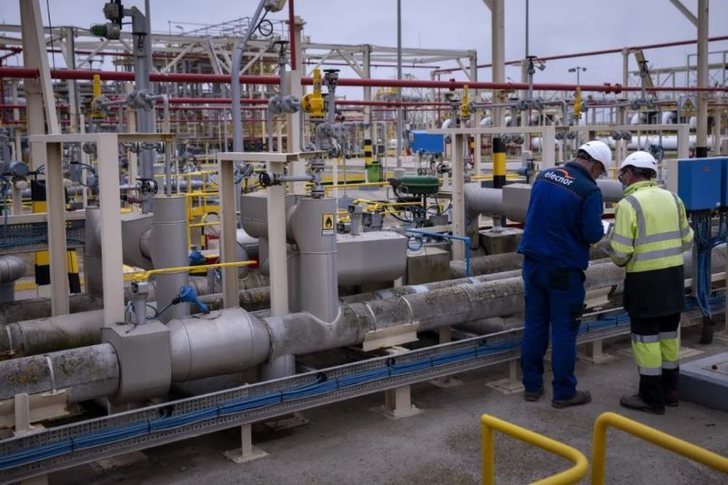
Rezervat e gazit natyror në Evropë janë pothuajse plot. Ko...
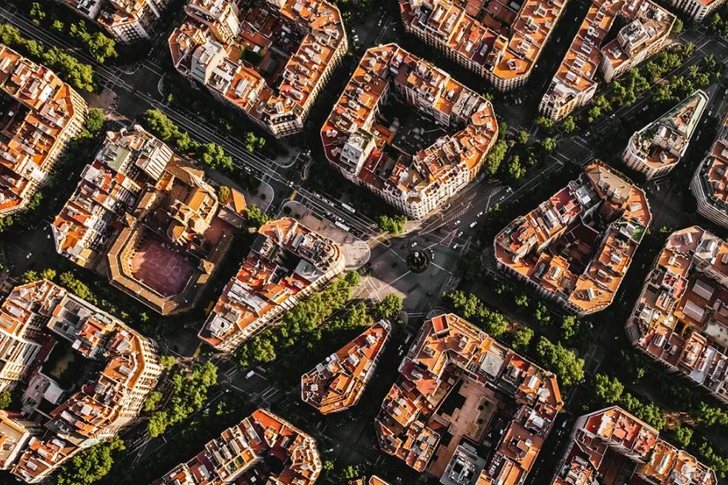
What we are going through is another hellish summer. A dou...
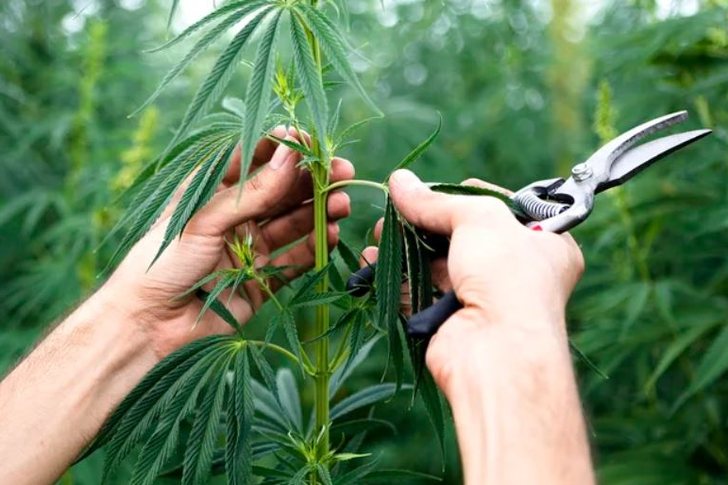
Marijuana or cannabis as it is more commonly known has a v...
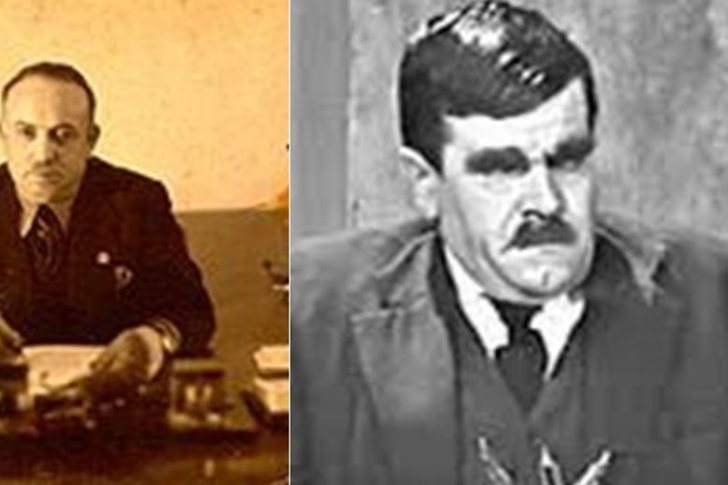
During the work for the preparation of the book "100 m...
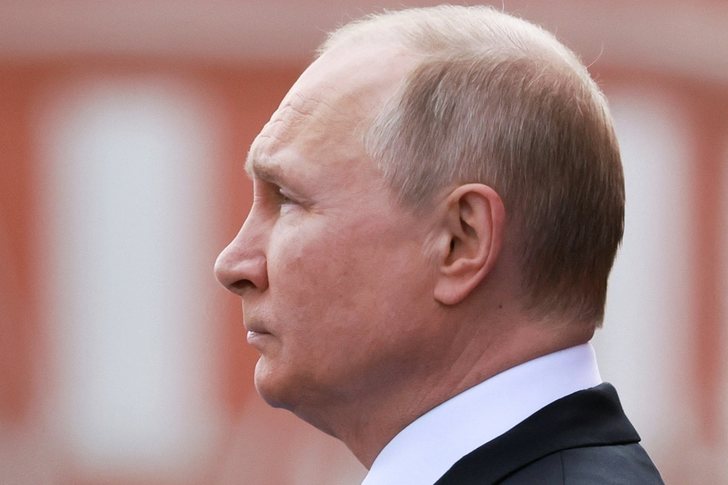
Jevgeni Prigozhin, dikur njeriu shumë i besuar i presi...
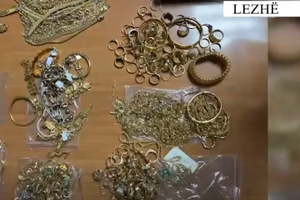
A 39-year-old citizen has been arrested in Lezha, after se...

CNA has launched another investigation that could lead to ...

Irfan Hysenbelliu is a businessman that we call "Irfan the...

In March 2026, CNA launched another investigation centered...

The Special Board of Appeal (KPA) decided this Monday ...

The KPA vetting decided this Thursday to dismiss the p...

Suela Salavaçi, a prosecutor in the Prosecutor's Offic...

The Special Board of Appeal reinstated the prosecutor ...

Several gunshots were reported today in the village of Gjo...

Following the successive operations carried out by the ope...
The Police Supervision Agency has seized the service weapo...

A serious incident occurred in Lushnje, where citizen IY, ...

As the year 2026 is in its second half, the world is exper...
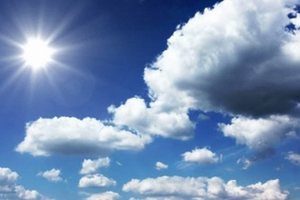
Today, our country will be under the influence of stable a...

By noon, cloudiness is expected to prevail in almost all o...

Children without parental care, for whom alternative famil...
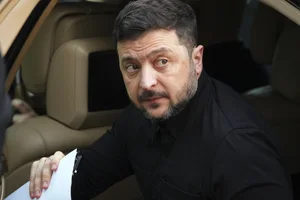
Ukrainian President Volodymyr Zelensky said Russia wants t...
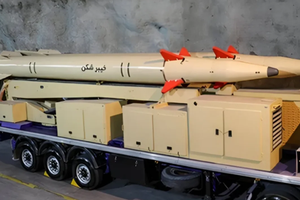
Iran is adapting and enhancing the capabilities of its bal...
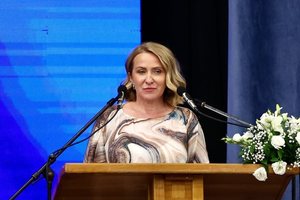
Serbia's Minister of State Administration and Local Self-G...
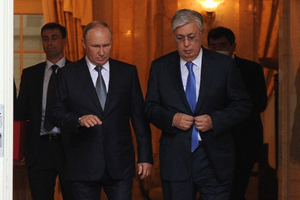
Kazakh President Kassym-Jomart Tokayev shared some critici...
Two windows, a century of history and the metaphysics of p...

In my research at the Central State Archives, specifically...

At a time when industrial products are increasingly taking...

Trust among people is not just a three-syllable word. It c...

This Saturday, one US dollar is bought for 81.7 lek and so...
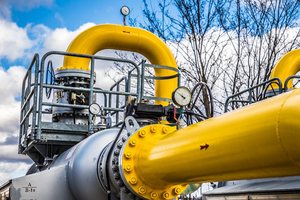
War, weather and supply disruptions could send gas prices ...
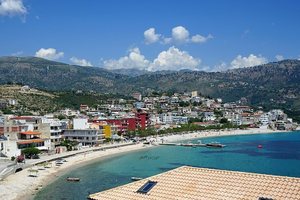
The number of active enterprises in Albania continued to g...
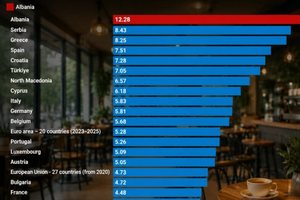
In Albania, the bar-cafe has long become an almost unique ...