


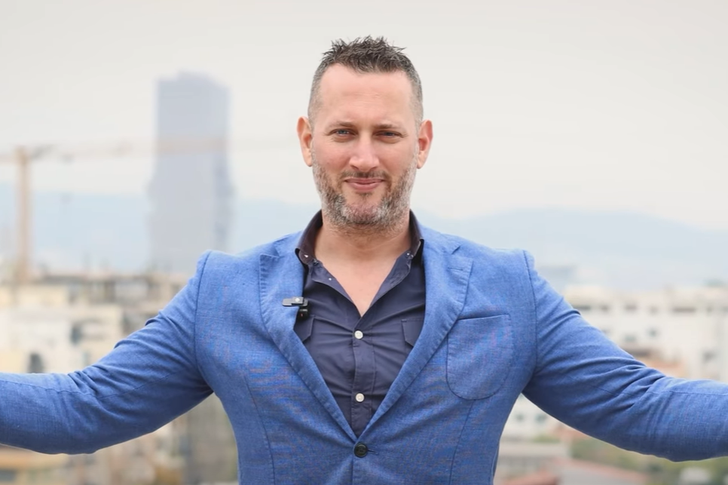
Businessman Artur Shehu breaks his silence: I am a long-time land owner in Zvërnec, I don't know the investors at all
Albanian businessman Artur Shehu spoke on the Opinion show...

Albanian businessman Artur Shehu spoke on the Opinion show...

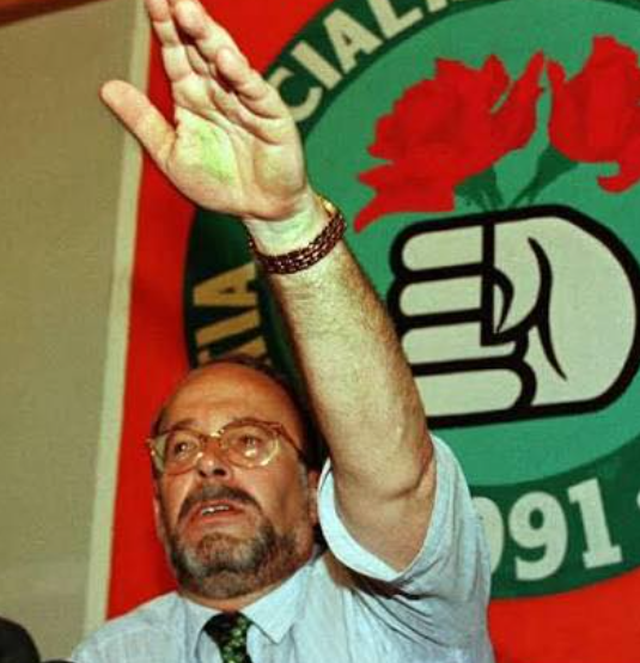
If there is a politician that time immediately placed as a "sandwich" between "the old that is collapsing and the new that is being born", it is Fatos Nano.
He began his political career on the other side of the barricade. At the moment when the dictatorship was crumbling in the face of pressure from time and students, unlike many intellectuals, he aligned himself with the Party of Labor. In December 1990, he appeared as the “liberal man”, the facade that the regime needed to use to show that “we are changing too”. From Secretary General of the Council of Ministers, he quickly reached the top of the pyramid.
In February 1991, he was appointed prime minister in the transitional government, to immediately confront the miners' strike, which brought down his government.
Just four months later, in June 1991, he was elected chairman of the successor party to the ALP. The task was almost impossible: transforming the communists into a socialist force.
This was perhaps his greatest challenge: getting the 120,000 members of the ALP to change their mentality, status, style, and accept that a different era had come; that power did not belong only to the communists and that they were not facing enemies, reactionaries, Ballists and Zogists, but Albanians.
On March 22, 1992, the Socialist Party (SP) suffered a crushing defeat in the parliamentary elections, a sign that Albanians were expecting radical change. Just three months later, in the local elections, the SP quickly recovered. This recovery demonstrates the ability of Nano and his team to reflect, reorganize, and survive politically.
Meanwhile, his arrest and imprisonment came, in a process that left more shadows than light. He was accused and convicted of abuse of office and forgery of documents, in connection with Italian aid. Prison cemented the position of party leader and turned him into a political “martyr”. (He is one of those who first did prison, then oppression - a keen observer of political life said with a sneer)
When the country fell into total chaos in 1997 (the collapse of pyramid schemes), Nano returned to the leadership of the SP with the great promise: “The lost money will be returned.” He did not take revenge for what he had suffered; on the contrary, he tried to rebuild the ruined economy and calm down as much as he could a country armed to the teeth.
Only 14 months later, after the murder of Democratic MP Azem Hajdari, he resigned, leaving the leadership to two young people from the Eurosocialist Youth Forum (Majko-Meta).
In 2002, he returned for a third term as prime minister. In this mandate, he tried to balance powers, work for the independence of institutions, and ensure that rotation was done at the ballot box and not in the streets or by force.
"The organization of free and fair elections is more important than the result" - this saying attributed to Nano did not just express an ideal far from the reality of the time, as it became a reality very quickly.
This period also marked a great political peace, after a long conflict with his rival Berisha (election of the President by consensus, several appointments to the Supreme/Constitutional Court, electoral reform).
During his "government" (2002-2005), power was shared not only with allies, but also within the Socialist Party itself, allowing the emergence of strong political figures both within the cabinet and within the parliamentary group.
In retrospect, what was called and accused of corruption in his time often seems like a puppet show when compared to the affairs of the last decade, a painful contrast that places Nano's period in a different light, sometimes paler, compared to today's affairs and greed for power and wealth.
In 2005, the SP lost the parliamentary elections, and Nano resigned from the party leadership. He used the last bits of political capital in Parliament to get Bamir Topi elected President in 2007.
In 2012, he aimed for the post of head of state himself, but he immediately realized how lonely he had become. His desire and insistence on returning clashed with a brutal truth: the many friends in politics are temporary and belong only to power, not to the person.
He spent his last years in silence, like a man who had fought the great battles early and intensely, mainly imposed by time and fate.
Nano was a man with passions and vices (drinking, gambling, negligence), which often made him the subject of criticism and gossip.
Ironically, his "liberal" nature and vices themselves made him more human, more accessible, creating a contrast that highlighted his virtues even more. They called him a liberal, but tolerance was his vice.
The reform and democratization of the Socialist Party, the separation of powers (compared to today's concentration); the organization of free elections (compare today after 20 years); the handover of power and the instillation of the idea that the state does not belong to a single party, are Fatos Nano's contributions to the Albanian transition.
In political retrospect, Fatos Nano stands out as the "sandwich" that provided a space for "liberalism" between two powerful and often authoritarian models of governance: the centralized power of Sali Berisha in the 1990s and the long authoritarian dominance of Edi Rama in the last decade.
He was called to the stage in December 1990 and lived 15 intense political years. He departed peacefully from both political leadership and this life, leaving behind a controversial but undeniable legacy!

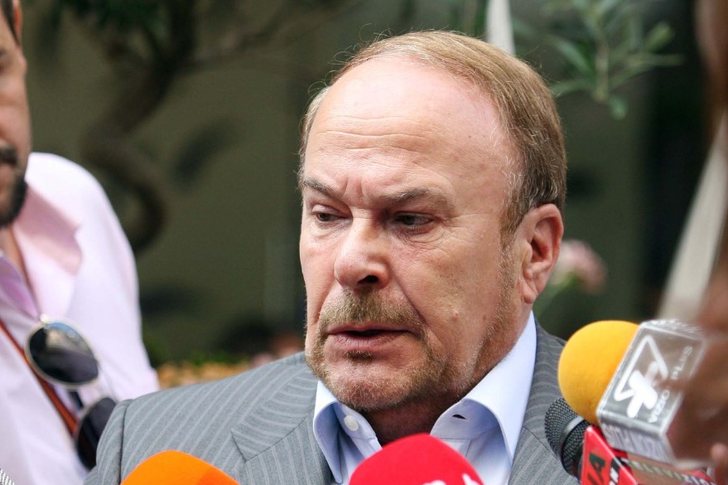
Today at noon, after a long suffering in re-election, ...
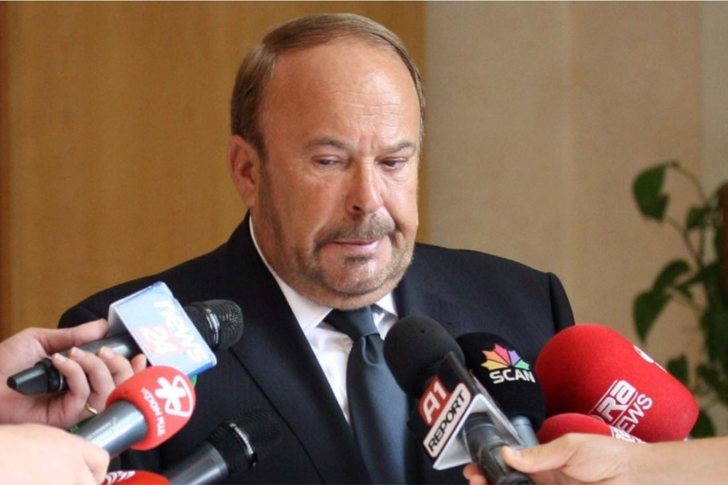
I will never forget January 9, 2004. I was the news direct...
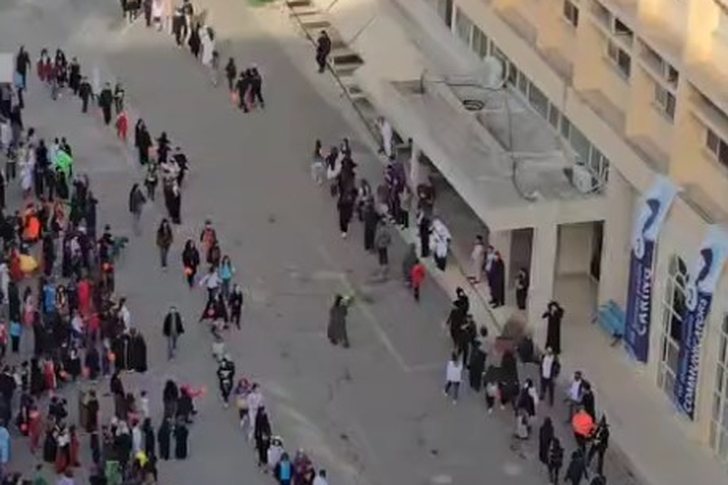
In modern society, Halloween has become one of the most po...

Here and there... Tomorrow, in the building where the Con...
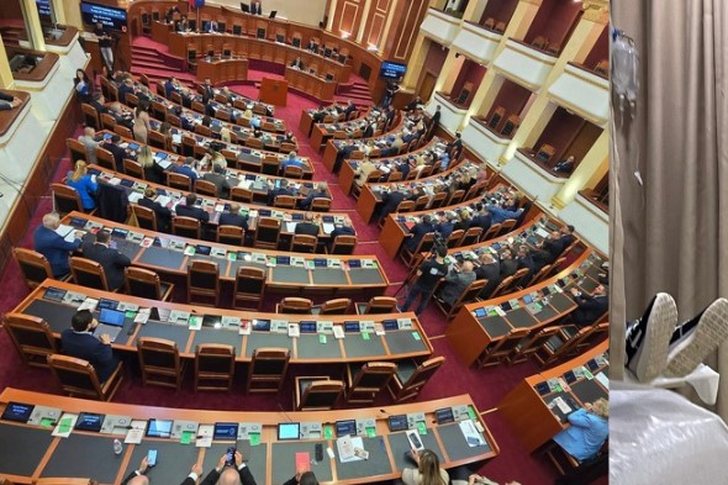
In the first photo are the deputies of the Republic of Alb...
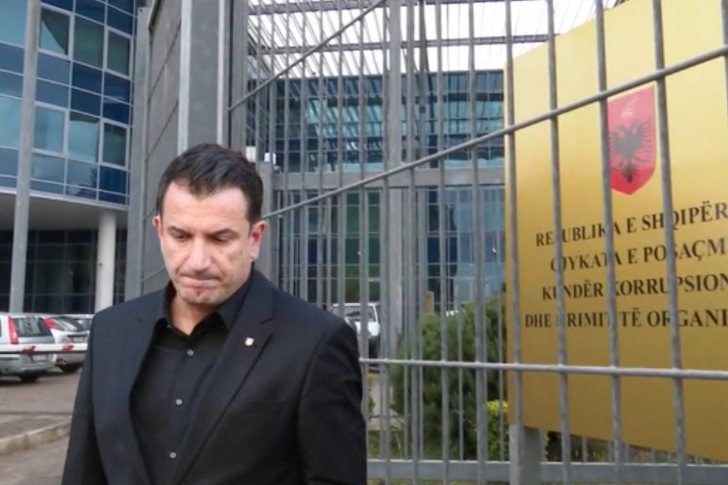
The Veliaj family portal has recently revealed the dis...
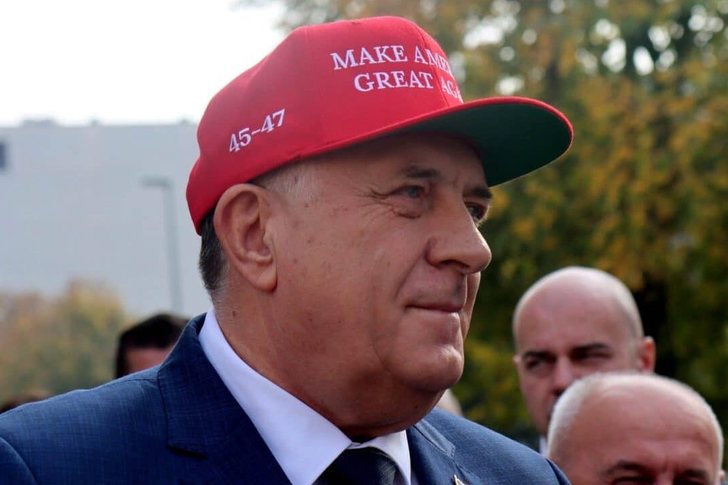
By Mentor Kikia (An invitation to diplomats to understan...
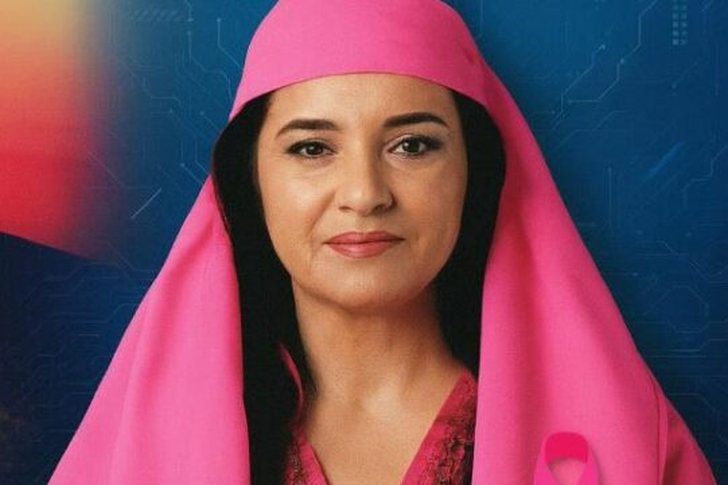
China threatens Albania! This morning, while I was scroll...
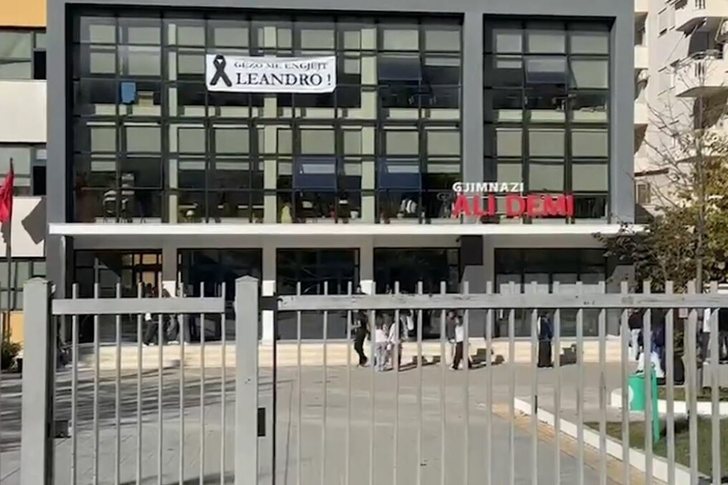
A 17-year-old, Leandro Shametaj, was killed last night in ...
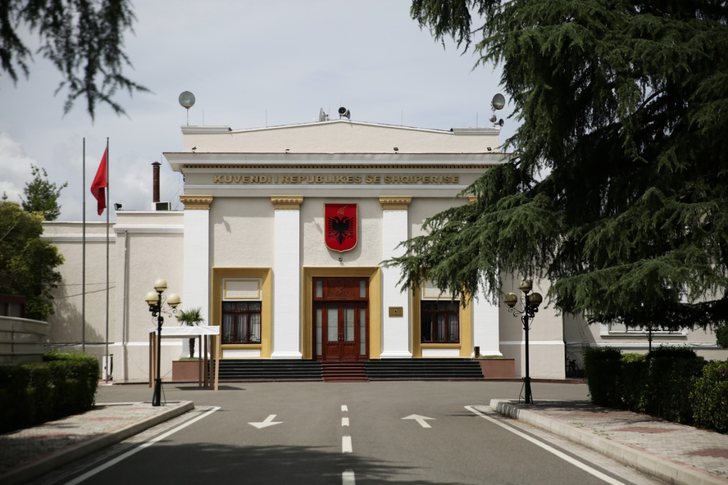
by Iris Beqiri In recent weeks, there has been increasin...
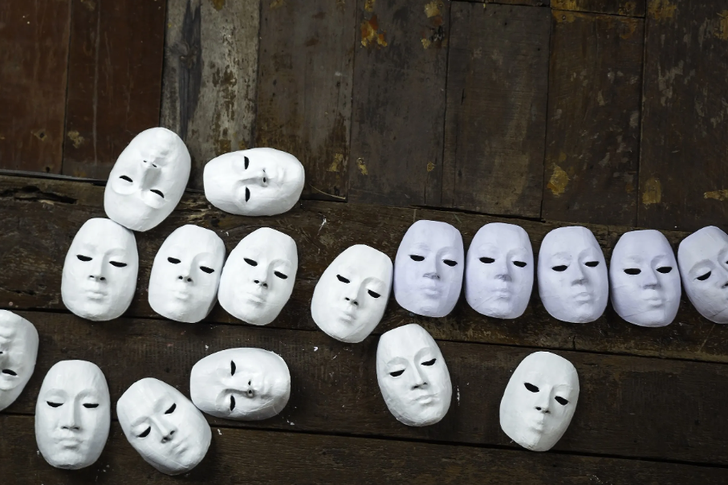
Being Albanian is a full-time job. Every morning I sta...
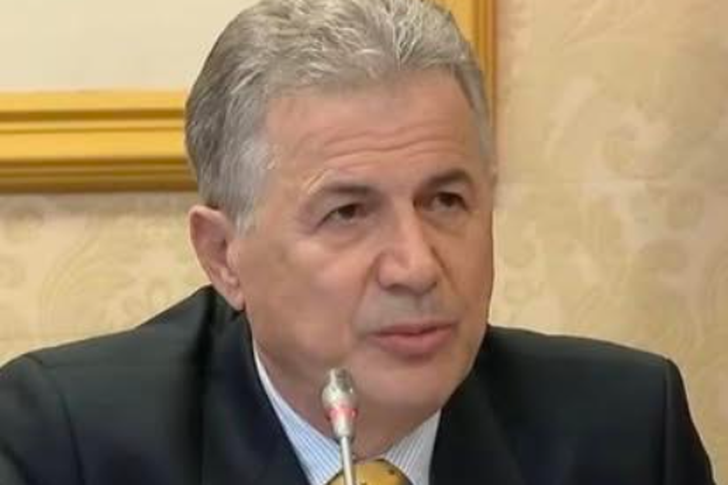
The Organization for Security and Co-operation in Europe, ...

The candidate is asking for donations from citizens, just ...
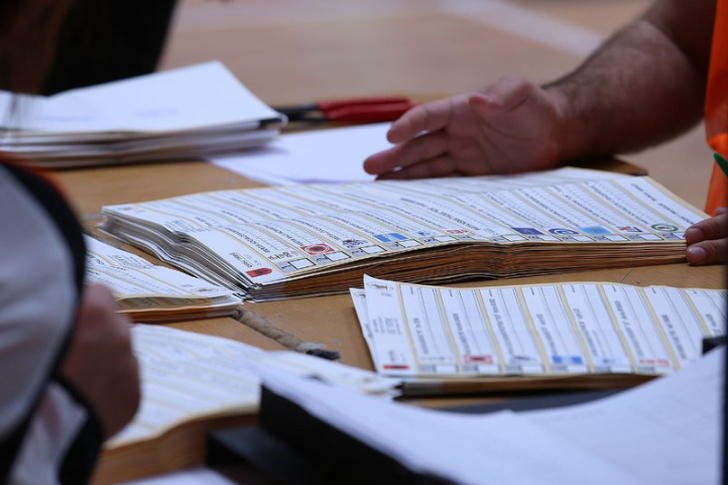
You read the CVs and the education and intellectual backgrou...
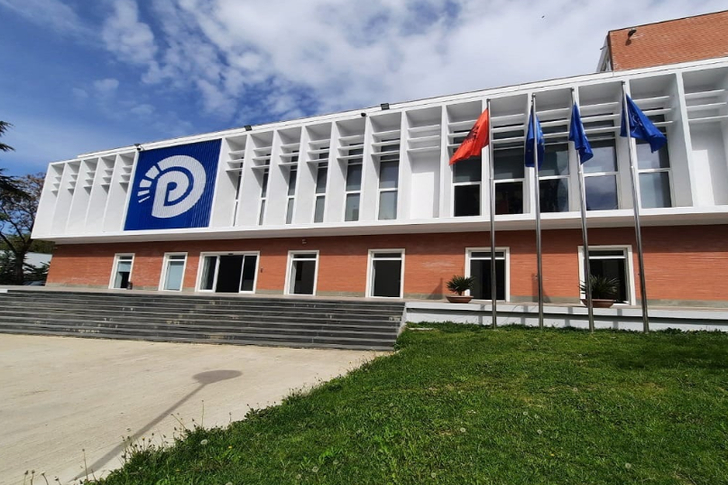
When the "independent" candidates of these elections, thos...
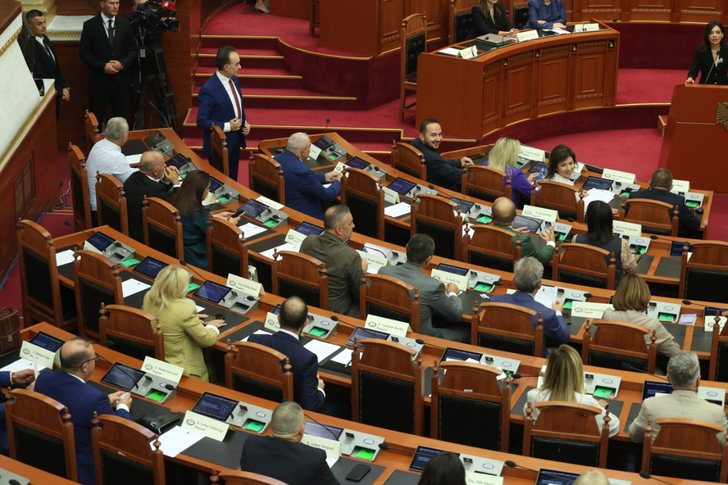
I was very surprised when I read that yesterday, at the pa...
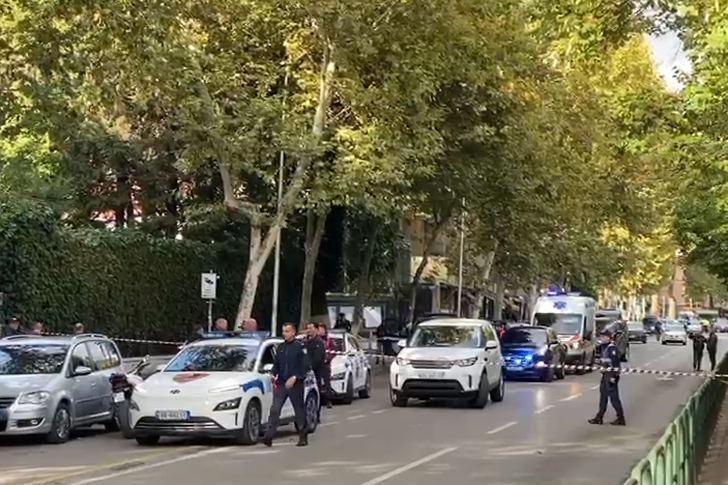
It had never happened before that a judge was murdered in ...

Several democratic leaders have accepted several governmen...
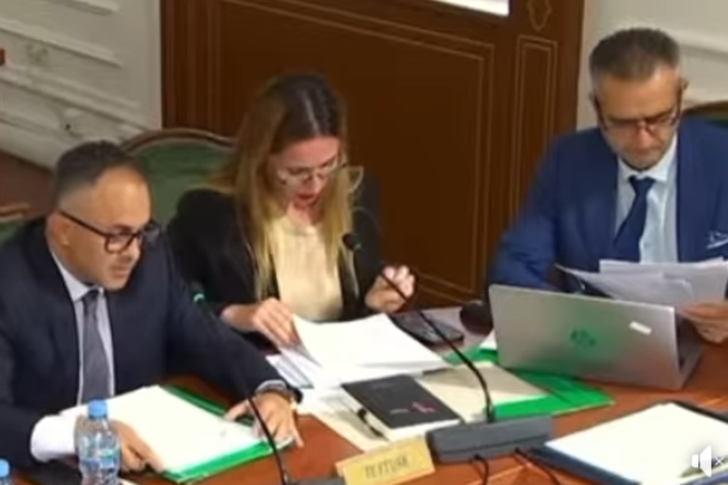
For the government, Binaj should not be eliminated as an i...
I still can't understand how Fatmir Xhafaj, and with him U...
The next case broadcast on the show "Stop", this Thursday,...
The case published this Thursday, June 4, on the show "Sto...
The protests of recent days related to the situation in Zv...
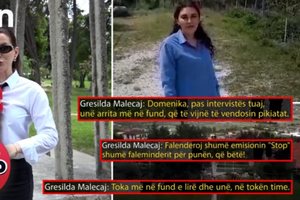
The case addressed this Wednesday, June 3, on the show "St...

The Special Board of Appeal (KPA) decided this Monday ...

The KPA vetting decided this Thursday to dismiss the p...

Suela Salavaçi, a prosecutor in the Prosecutor's Offic...

The Special Board of Appeal reinstated the prosecutor ...
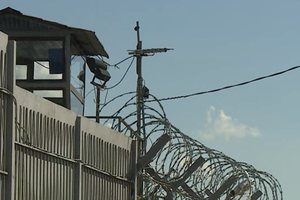
A convict was found dead today in the premises of the Pris...
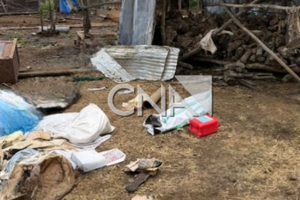
Several images provided by CNA show the area where this mo...
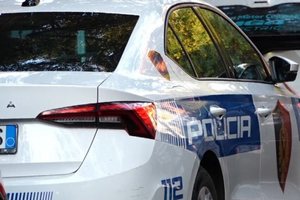
A quantity of explosive material exploded this morning at ...
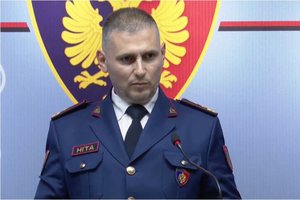
The Head of the State Police, Skënder Hita, expressed his ...

For many children and teenagers, the long summer holidays ...
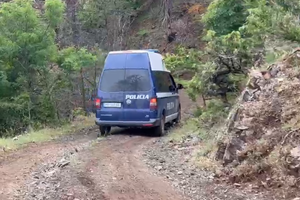
Witnesses in Lozhan, Maliqi, have shared details from the ...

Albania is facing an unprecedented demographic transition,...
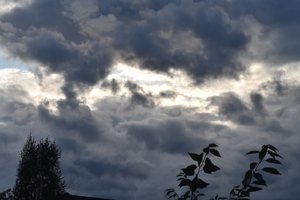
On Thursday, our country will be affected by unstable weat...
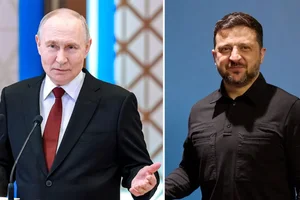
Russian President Vladimir Putin said the war in Ukraine c...
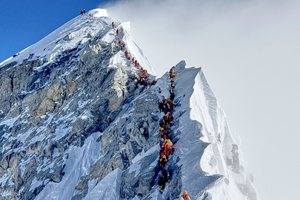
An extraordinary story of survival has been recorded in Ne...
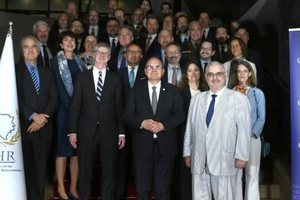
The Peace Implementation Council in Bosnia and Herzegovina...
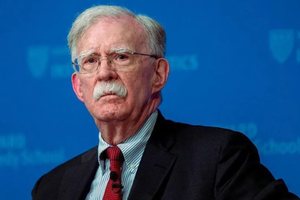
John Bolton, the former national security adviser to US Pr...
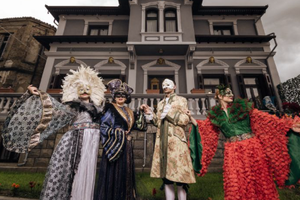
Korça is ready to open the summer season with one of the c...
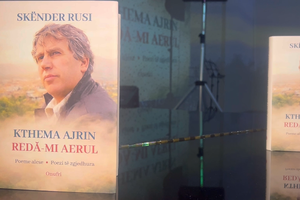
Two years after his passing, the renowned Korçë poet Skënd...
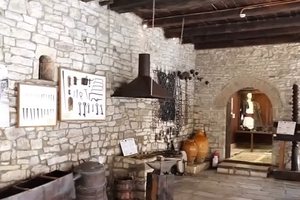
The Ethnographic Museum of Berat has opened its doors to v...
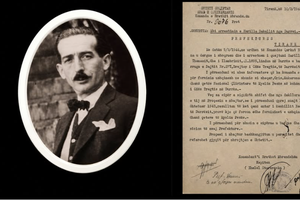
The story of Harilla Bakalli is one of the most chilling t...
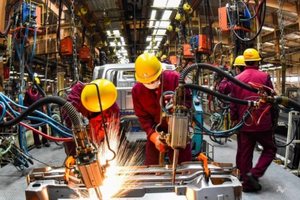
The government aims to transform the country's industrial ...
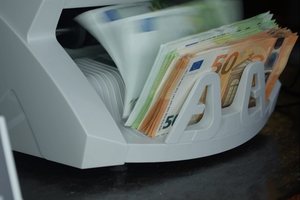
Kursi i këmbimit të euros me lekun ka rënë më tej këtë jav...

Profit margins in the construction sector have increased s...

The Transparency Board, at its meeting today, decided to i...