


Businessman Artur Shehu breaks his silence: I am a long-time land owner in Zvërnec, I don't know the investors at all
Albanian businessman Artur Shehu spoke on the Opinion show...

Albanian businessman Artur Shehu spoke on the Opinion show...

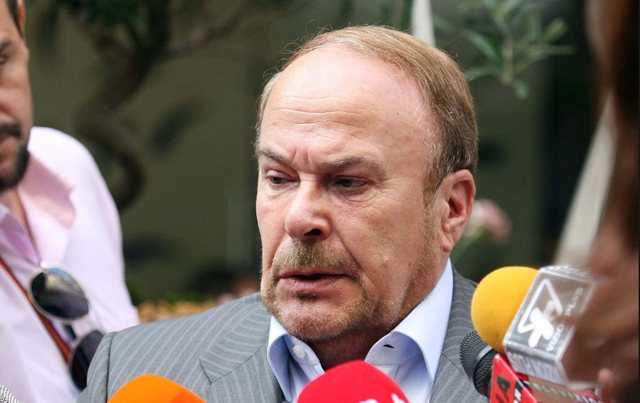
Today at noon, after a long suffering in re-election, the historic leader of the Albanian left, former Prime Minister Fatos Nano, lost his life. Together with Sali Berisha and Edi Rama, they are the 3 dominant names of the Albanian transition.
He was the name selected by the communist elite of the '90s, led by Ramiz Alina, to transform the Party of Labor into a competitive political force under the conditions of a new political system.
Fatos Nano is the son of Thanas Nano, a former senior official in the communist propaganda offices.
Thanas Nano was Director of ATSH (Albanian Telegraph Agency) for 14 years, Director of Radio Tirana for 9 years (1961-1970) and Director General of Radiotelevision Shqiptare for 6 years (1971-77). In total, Thanas Nano led the main propaganda organs for 29 years, showing dogmatic zeal and dedication.
The time during which Thanas Nano served as Director of RTSH is remembered as the darkest of this institution (1971-1977). He led RTSH immediately after the 11th Festival, with an iron fist, to clean up the consequences of his liberal predecessor, Todi Lubonja.
****
Young Fatos Nano begins his public life with the influence of his father's power. As soon as he finishes the Faculty of Economics, at only 27 years old, he begins working at the Institute of Marxist-Leninist Studies, one of the "dovecotes" of the time, which was led by Enver Hoxha's own wife, Nexhmija.
But completely different from his dogmatic father, Fatos immediately showed a spirit of modern liberalism. More than a liberal, Nano at that time liked to be a kind of young "dandy" (cool guy) of the tables; he was attracted by the youthful charm of the rebel but without compromising at all the benefits that came from his dogmatic heritage.
Fatos Nanon in the '90s was an almost unknown name in the political elite, much less in the public elite of Albania. He was a "Demkë" who fabricated speeches of communist leaders or defended failed economic doctrines to secure the favors of a carefree life.
However, political ambition and the desire for protagonism slept within him. When Ramiz Alia called him out of nowhere to replace Adil Çarçani, the last communist Prime Minister, Nano must have smelled the seductive scent of a coveted power. With great courage, he accepted to be the Prime Minister who would lead the country to the first pluralist elections of 1991. Those elections, which the communists won, seem to have secured the new Prime Minister the high chair of the Chairman of the Socialist Party. Ramiz Alia was convinced that he had made the right choice during that 100-day period of government.
On the other hand, Fatos Nano paid a very high price for those few days of governance. The power gained in the 1991 elections did not last long and the revenge of the political opponents was complete. In the elections of March 22, 1992, political power passed completely into the hands of the Democrats led by Sali Berisha. This moment also marks the beginning of a 13-year Nano-Berisha political dichotomy.
Nano was accused of having violated the procedure for purchasing goods during those 100 days of his government, with the Italian Government's aid fund, by dictating the firm from which these goods would be purchased. According to the accusation, the firm "Levante Company", an Italian-Yugoslav company, was brought to Albania by Ajdin Sejdia, a representative of Iliria Holding and accused by the Democrats of favors from Nano and Farudin Hoxha.
The public perception of the time is that the political arrest of the opponent was being prepared. Fatos Nano would be arrested in the office of prosecutor Fatos Dervishi on July 30, 1993.
Nano's imprisonment turned him into a hero among his supporters and was a strong turning point in the political trajectory of the Socialist Party. At the time, his jokes with the prosecutor in the case made a splash when he said:
"We will meet soon when I am Prime Minister".
But this date would not be that close. Nano would be sentenced to 12 years in prison on April 3, 1994.
*****
Fatos Nano leaves his Tirana prison cell in the devastating events of March 1997 after a political amnesty that the fragile Berisha government made after opposition and international pressure.
He returned triumphant and the undisputed leader of the country in the 1997 elections.
Despite the deep political victory, Nano showed an unprecedented generosity in sharing power with insignificant political allies. Power came to him complete and without limits, but Nano seemed unable to maintain it. The long life in prison had exhausted him greatly; he was not able to govern a country emerging from a war like that of 1997. He lived with delusions such as:
"Lonely as in prison from the moral and intellectual heights from which he governs Albania, surrounded by fleas and parasites who deserve to be closed under your tent and left in the rain"
(Edi Rama, Kurban, p. 137)
A licentious liberalism took over the administration of that time. The Prime Minister often got lost and wandered in fashionable salons and luxury hotels while his country was on the verge of chaos. Nano was paying for the dreams of the missing days with the tribute of the Albanian government.
Only two or three months after the beginning of Nano's government, the famous Nano-Miloševi? meeting in Crete took place, one of the most criticized decisions of the Prime Minister. It will remain a mystery whether that meeting was supported by Albania's Western allies or was an independent decision of Nano.
The event that would mark the beginning of the political decline of Fatos Nano's star was undoubtedly the murder of Azem Hajdari. People with police power, of the state administration, were the murderers of the leader of the Student Movement. The indifferent attitude after the violent revolt of the Opposition brought about the surrender of Nano's power and the collapse of the foundations of his power within the Socialist Party. New currents were ready to take advantage.
Nano exited the political scene without fanfare and resigned as Chairman of the Socialist Party.
It seemed that his political clock had stopped ticking, but it seems that life in the shadows after experiencing the dazzling brilliance of the prime ministerial spotlight was unbearable.
A year after his resignation, in 1999, Nano managed to challenge the incumbent Prime Minister Pandeli Majko in the race for the Presidency of the Socialist Party with only 36 more votes.
This result was achieved thanks to the political support of Nano's biggest opponent within the Party. At the time, Ilir Meta was Majko's deputy and apparently his closest man. The agreement with Nano immediately rewarded him with the post of Prime Minister of Albania.
Nano returned, but not with the glory of two years ago. The reign now belonged to others. So the Count of Monte Cristo (as Edi Rama calls him in the book Kurban) is preparing a full return. Moreover, a beautiful woman, Xhoana, has now entered his life. The stories of the time tell of a Nano who is emotionally unbridled and motivated for revenge like never before. The fever for power, helped by the political mistakes of the Prime Minister of the time, Ilir Meta, pushes Nano into the movement known as "catharsis" where, with a cutting and sometimes vulgar language, he despises the senior members of the socialist dome as if they were Ali Baba's thieves.
Nano no longer asked about political costs. The 2001 elections had given him one last chance. He could not lose it.
Better than anyone else, this irresponsible Nano-power madness is described by Edi Rama with the character of Robert Çamçakëzi, a character from socialist realism films. Here is how Rama writes about this moment in his "Kurbani" 14 years later, in 2011:
"If time could turn back, I would not have made that sensational joke comparing Fatos to Robert Çamçakëzi, the lazy foreign-language playboy of the Port of Durrës, in a cult socialist realism film about the working-class hero Adem Reka. The truth is that, damn it, that charming parasite who peacefully roamed around, whistling foreign songs, teasing passersby and attracting both the negative energy of the entire shipyard and the interest of the spectators was like Fatos from the time of thunderous catharsis in the pubs of the villages of Albania, where the Chairman of the Socialist Party laid the pickaxe not only on the Socialist Government of Ilir Meta, nor on the Party he led, but even deeper, on the moral and ethical foundations of the political and social debate in this country."
(Edi Rama, Kurban, p. 62)
The consequence of the Katharsis movement was the overthrow of the Ilir Meta government and the coming to power for the third time of Fatos Nano!
The governance of 2002-2005 may be the most irresponsible in the modern history of Albania. Nano no longer had the goal of affirming his political self through positive changes in the life of the country or its people, but only of affirming the power he wielded over the people, especially over the people he led, towards whom he often felt like an unfortunate sun that had given everything, life, light, work:
“to beings who did not deserve it above their heads.”
The incredible comeback of Sali Berisha after all the events of 1997 is a direct consequence of the terrible governance of those years by Fatos Nano. The Prime Minister gave extreme displays of vanity, in the casinos of the world, where businessmen and interest groups openly paid for his losses in the fascinating circle of roulette.
One of the most exhaustive descriptions of Fatos Nano was given by Edi Rama in the book Kurban. Here is how he says:
"You are like a child who, when he sees power as a toy in the hands of others, drives the world crazy with your anger, until he takes the toy, but, as soon as he takes it, he starts sitting on the ground and starts to dismantle it bit by bit until there is nothing left in his hand."
Fatos Nano is a complex character in the political history of Albania. He treated power as a means of entertainment, as a spiritual and material aphrodisiac, as an exotic, coveted but also dangerous toy. He withdrew from power as soon as he felt the danger from it.
Fatos Nano managed to break away from power precisely because he had never seen it as a means to achieve great goals, but rather as a great goal to achieve small means.
As soon as the means were achieved, the goal lost its meaning.

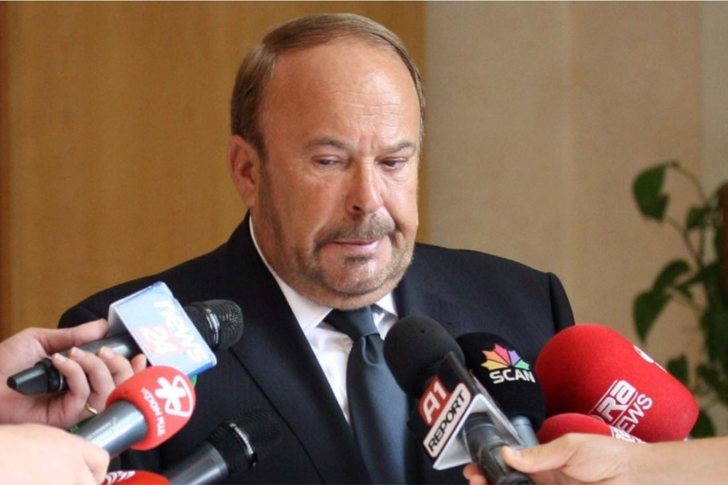
I will never forget January 9, 2004. I was the news direct...
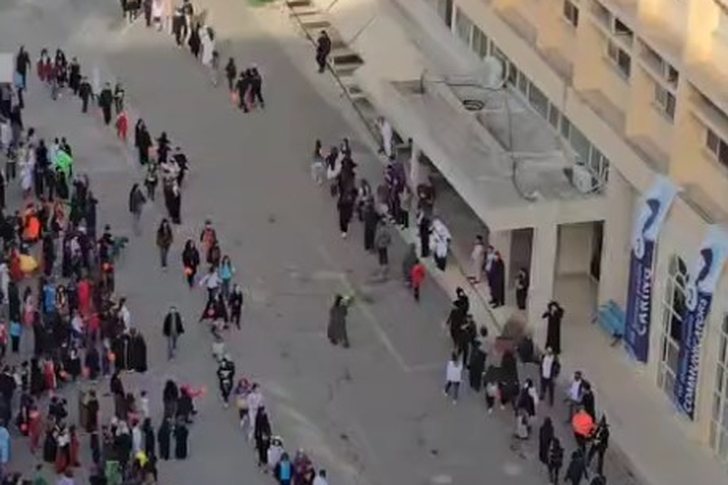
In modern society, Halloween has become one of the most po...

Here and there... Tomorrow, in the building where the Con...
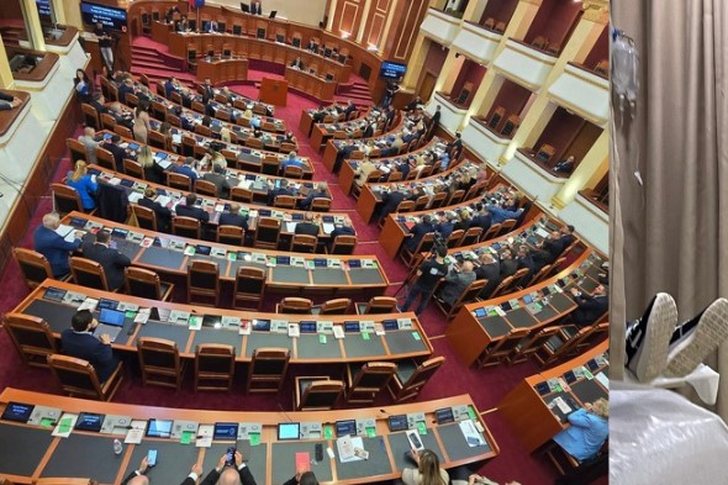
In the first photo are the deputies of the Republic of Alb...
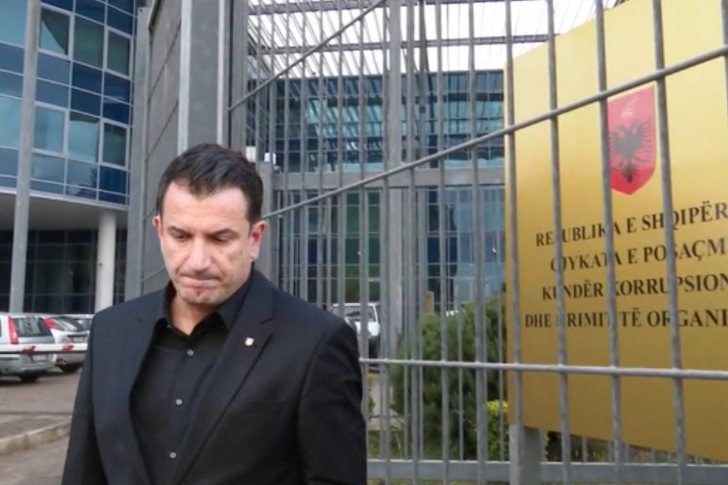
The Veliaj family portal has recently revealed the dis...
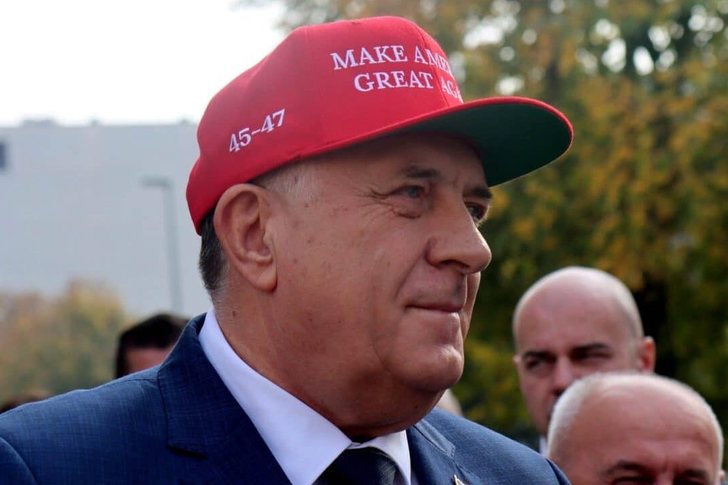
By Mentor Kikia (An invitation to diplomats to understan...
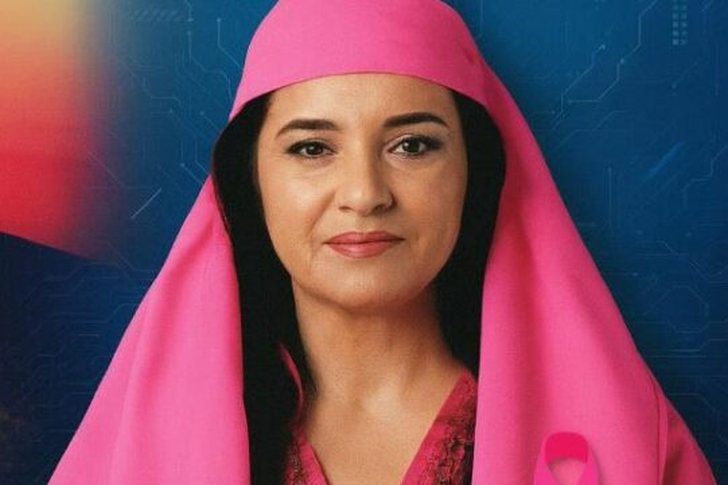
China threatens Albania! This morning, while I was scroll...
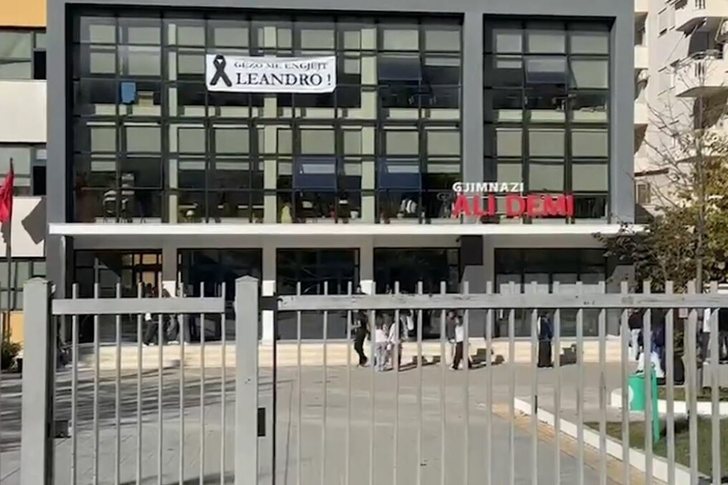
A 17-year-old, Leandro Shametaj, was killed last night in ...
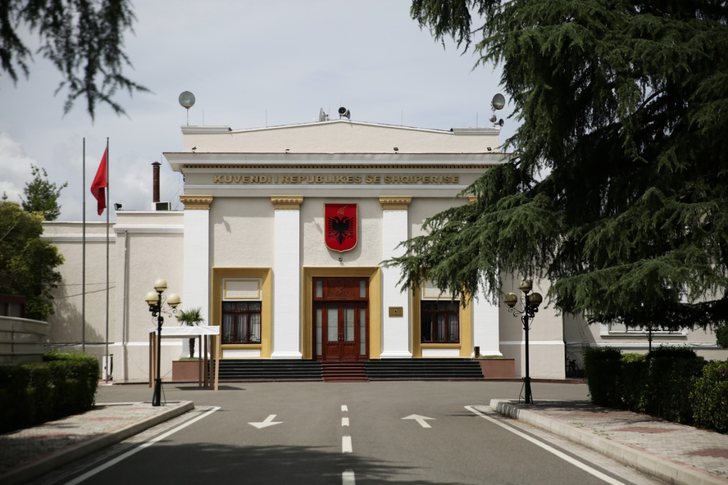
by Iris Beqiri In recent weeks, there has been increasin...

Being Albanian is a full-time job. Every morning I sta...
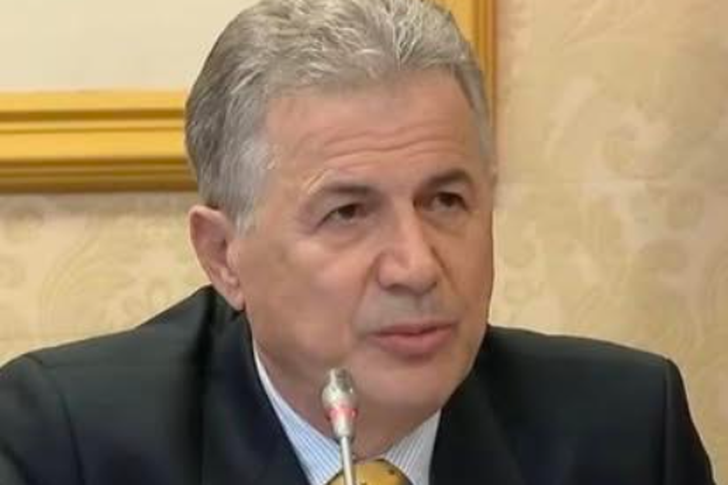
The Organization for Security and Co-operation in Europe, ...

The candidate is asking for donations from citizens, just ...
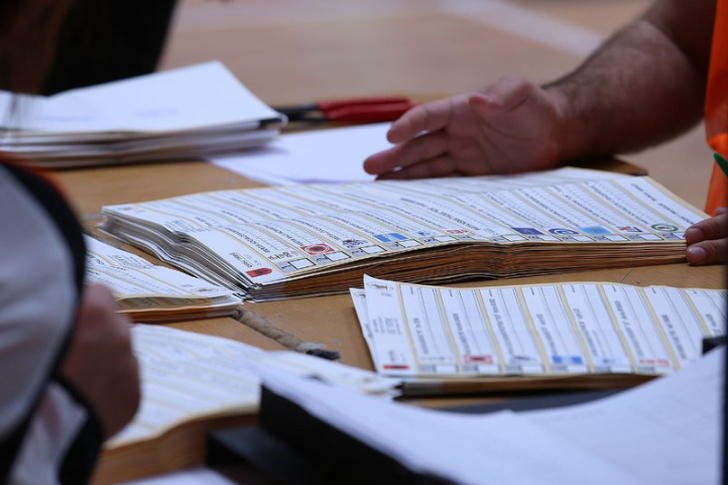
You read the CVs and the education and intellectual backgrou...
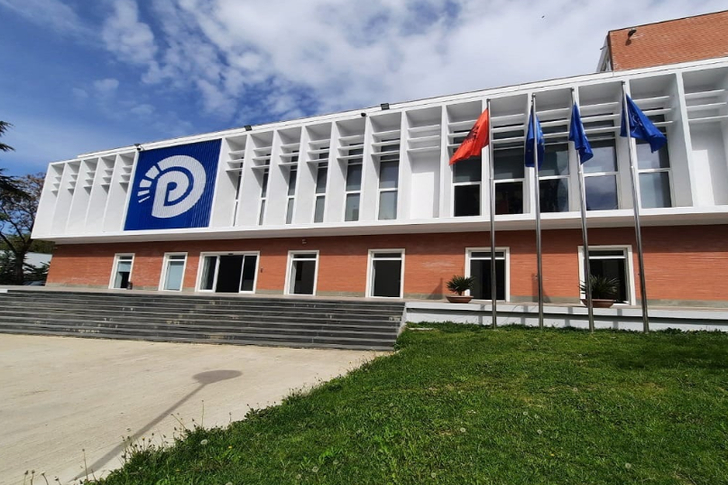
When the "independent" candidates of these elections, thos...
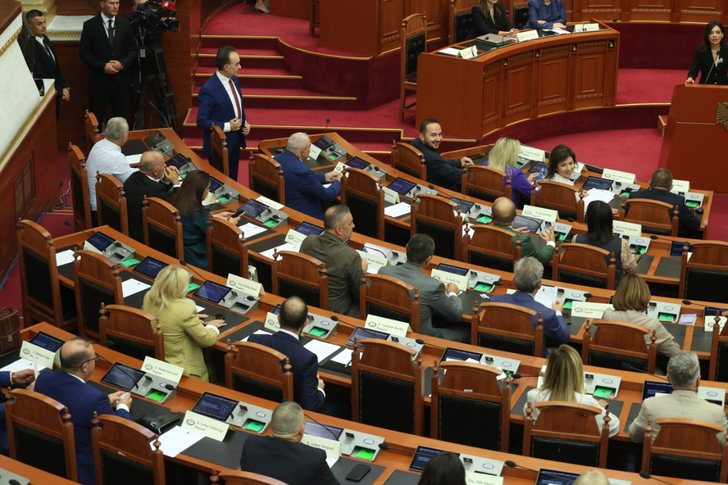
I was very surprised when I read that yesterday, at the pa...
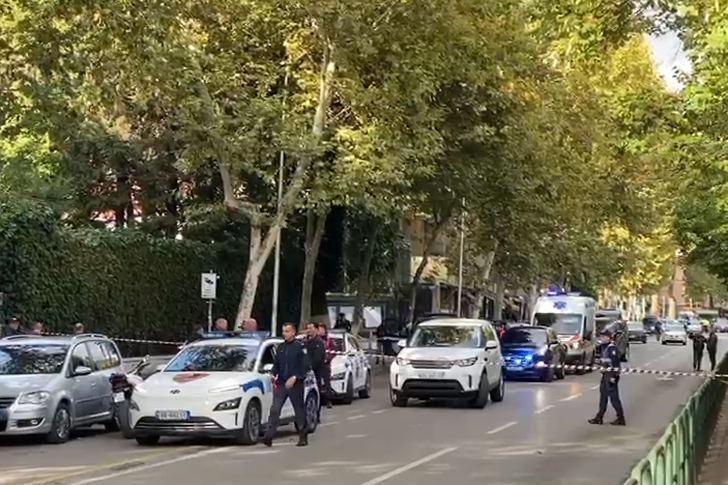
It had never happened before that a judge was murdered in ...

Several democratic leaders have accepted several governmen...

For the government, Binaj should not be eliminated as an i...
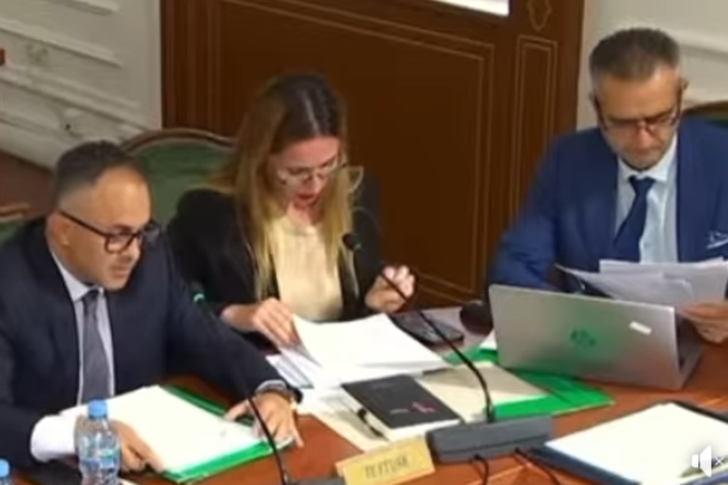
I still can't understand how Fatmir Xhafaj, and with him U...
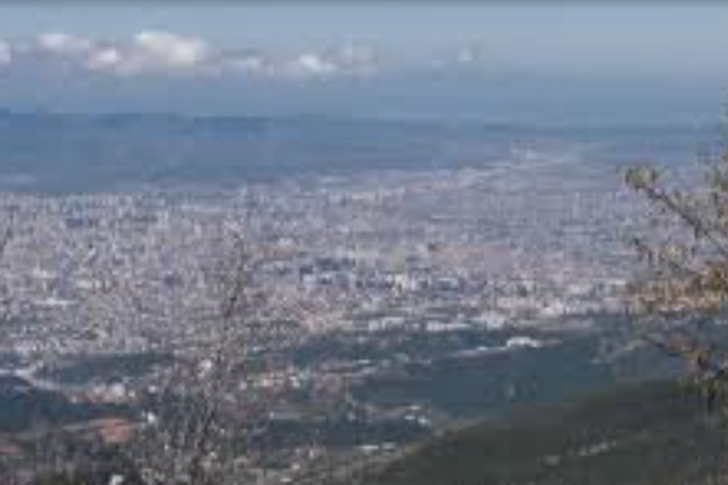
It is a truly strange city. The buildings are not arranged...

The next case broadcast on the show "Stop", this Thursday,...
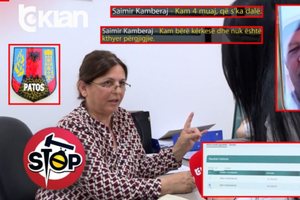
The case published this Thursday, June 4, on the show "Sto...

The protests of recent days related to the situation in Zv...

The case addressed this Wednesday, June 3, on the show "St...

The Special Board of Appeal (KPA) decided this Monday ...

The KPA vetting decided this Thursday to dismiss the p...

Suela Salavaçi, a prosecutor in the Prosecutor's Offic...

The Special Board of Appeal reinstated the prosecutor ...
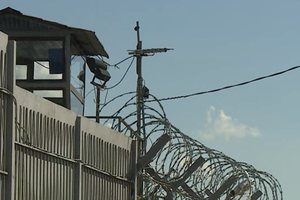
A convict was found dead today in the premises of the Pris...
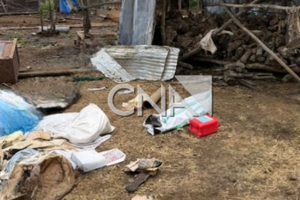
Several images provided by CNA show the area where this mo...

A quantity of explosive material exploded this morning at ...
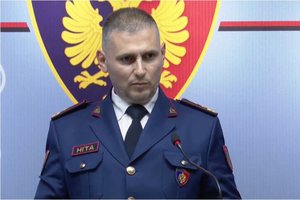
The Head of the State Police, Skënder Hita, expressed his ...

For many children and teenagers, the long summer holidays ...
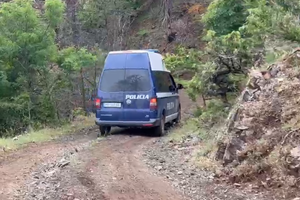
Witnesses in Lozhan, Maliqi, have shared details from the ...

Albania is facing an unprecedented demographic transition,...

On Thursday, our country will be affected by unstable weat...

Russian President Vladimir Putin said the war in Ukraine c...
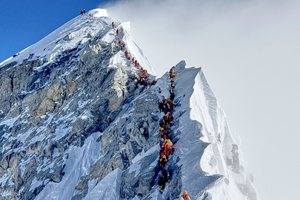
An extraordinary story of survival has been recorded in Ne...
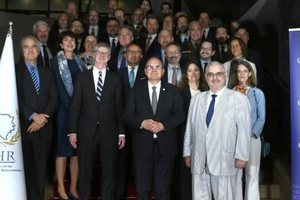
The Peace Implementation Council in Bosnia and Herzegovina...
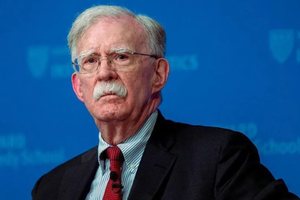
John Bolton, the former national security adviser to US Pr...
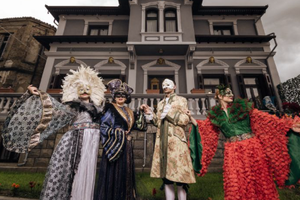
Korça is ready to open the summer season with one of the c...
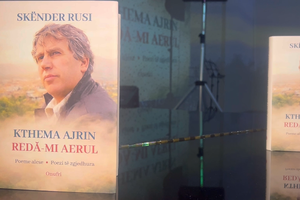
Two years after his passing, the renowned Korçë poet Skënd...
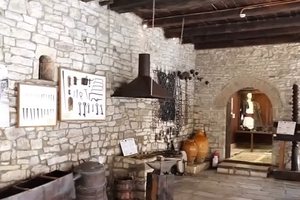
The Ethnographic Museum of Berat has opened its doors to v...
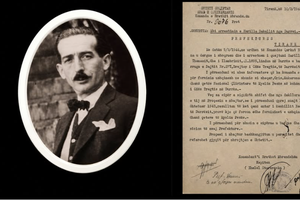
The story of Harilla Bakalli is one of the most chilling t...

The government aims to transform the country's industrial ...

Kursi i këmbimit të euros me lekun ka rënë më tej këtë jav...

Profit margins in the construction sector have increased s...

The Transparency Board, at its meeting today, decided to i...