


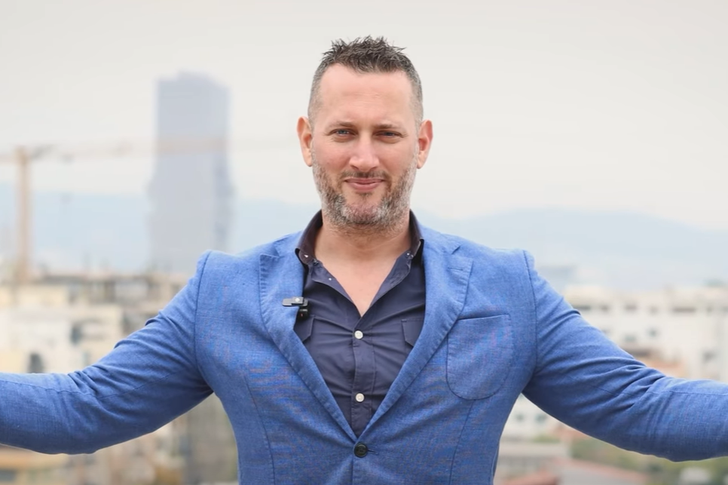
Businessman Artur Shehu breaks his silence: I am a long-time land owner in Zvërnec, I don't know the investors at all
Albanian businessman Artur Shehu spoke on the Opinion show...

Albanian businessman Artur Shehu spoke on the Opinion show...

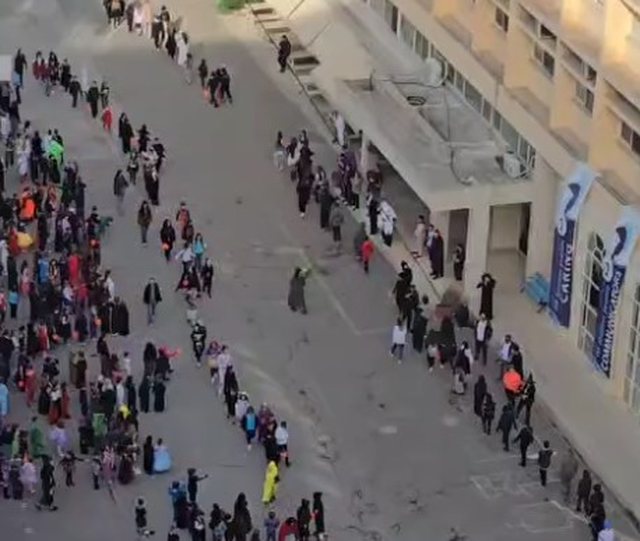
In modern society, Halloween has become one of the most popular holidays in the world, especially among children. The costumes, colorful lights, human skeletons, scary masks, scythes and knives create a fun atmosphere according to some. But in light of the Orthodox Christian faith, this holiday raises important questions about its spiritual meaning and the impact it can have, especially on children.
Historically, Halloween has its roots in ancient pagan rituals, associated with the cult of death and beliefs in spirits and spirits that wandered the world on the last night of October. Over time, in the Western tradition this date became associated with the “vigil of the celebration of all saints” – All Hallows' Eve – as a preparation for the feast of All Saints, just as we Orthodox celebrate the feast of All Saints on the Sunday after Pentecost. However, in modern cultural development, the spiritual aspect has faded almost completely, being replaced by frightening images, demonic figures and elements that often conflict with the spirit of Christianity.
From an Orthodox perspective, Halloween is not a Christian holiday, but rather a cultural manifestation with pagan and commercial influences. The Church teaches us that man is a creature of God, called to light, love, and pure joy — not to glorify darkness, fear, or death. The symbols associated with Halloween — skeletons, ghosts, witches, monsters — are not part of our spiritual tradition. On the contrary, they often represent a relativization of evil, a play on forces that in the Orthodox faith are not taken lightly, because “Evil” is not a figure to be amused, but a spiritual reality that requires distance and caution.
For children, Halloween may seem like a harmless game — a day to dress up and have fun, as is currently happening at a school under the window where I work. But its impact can be deeper than it seems. At an age when children are forming their imagination and spiritual sensitivity, being confronted with dark images, demonic figures, or elements that normalize fear and death can create inner confusion. Instead of learning about the light, love, and hope that come from the Lord Jesus Christ, they can be taught to see darkness as play, and evil as something attractive. This contradicts the spiritual education that the Church wants to give children, that of pure joy, goodness, and holiness.
In many Orthodox communities such as Romania, Greece, America, etc., parents and teachers of Christian schools have chosen to organize, instead of Halloween, evenings with the theme of saints, where children dress up as beloved saints of the Church, learn about their lives and celebrate the light they brought to the world. In this way, children learn that truth and beauty do not lie in fear and darkness, but in the light of God's love. I even suggest that this be developed in our churches and communities here in our country where on this day we invite children to participate in celebrations that catechism groups can develop by preparing dramas with the lives of saints, competitions or other activities related to the saints of our Church.
Halloween is not just a matter of costumes, masks, skeletons or customs, but a spiritual question: what are we teaching our children, to love light or darkness? The Church always invites us to be careful, to distinguish good from evil, and to nurture in our children joy, love of life and faith in Christ our Lord who overcomes darkness with His divine light. /CNA


Here and there... Tomorrow, in the building where the Con...
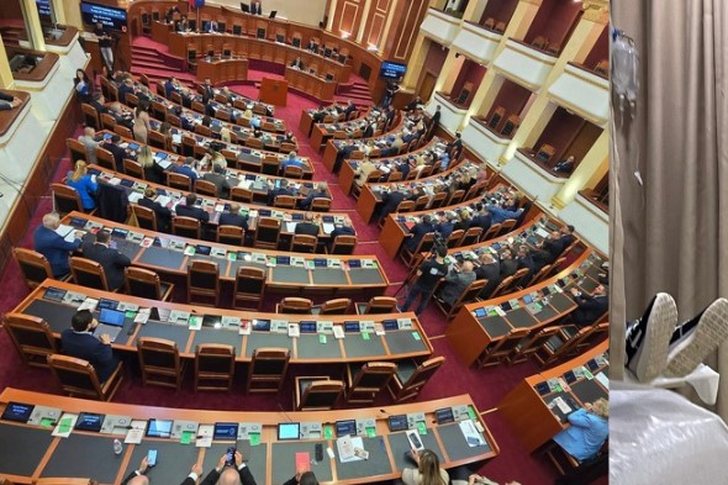
In the first photo are the deputies of the Republic of Alb...
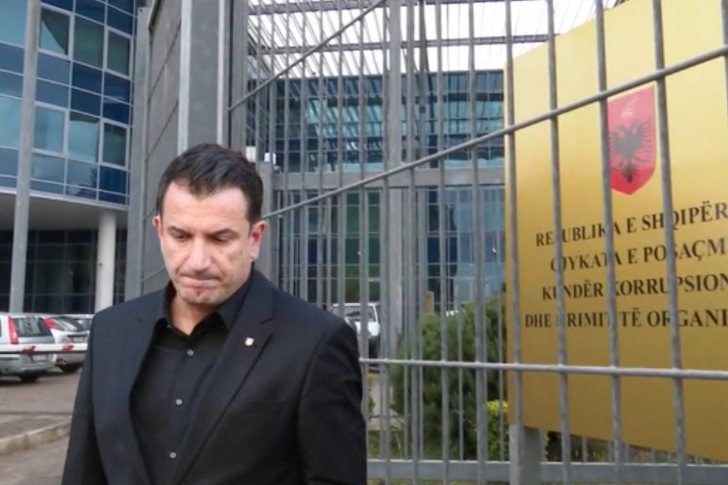
The Veliaj family portal has recently revealed the dis...

By Mentor Kikia (An invitation to diplomats to understan...
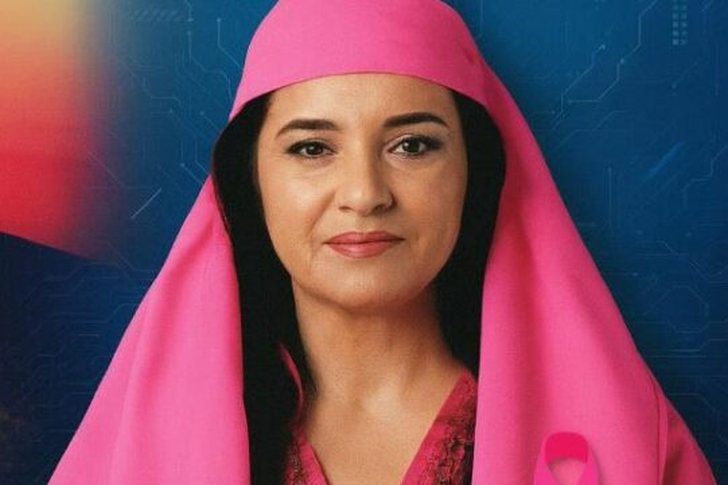
China threatens Albania! This morning, while I was scroll...
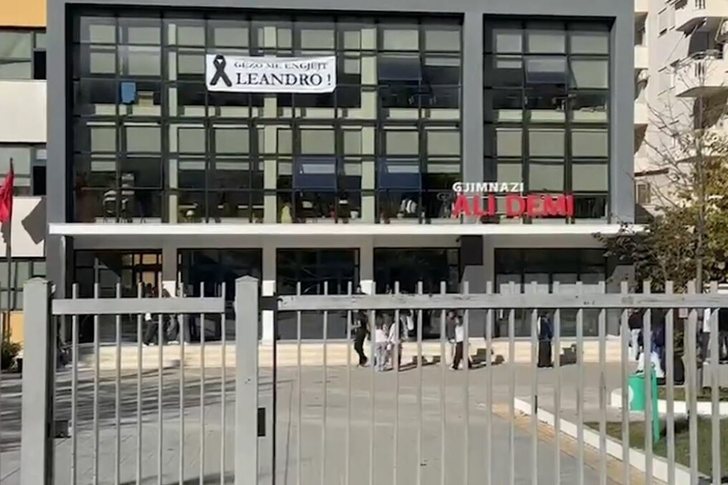
A 17-year-old, Leandro Shametaj, was killed last night in ...
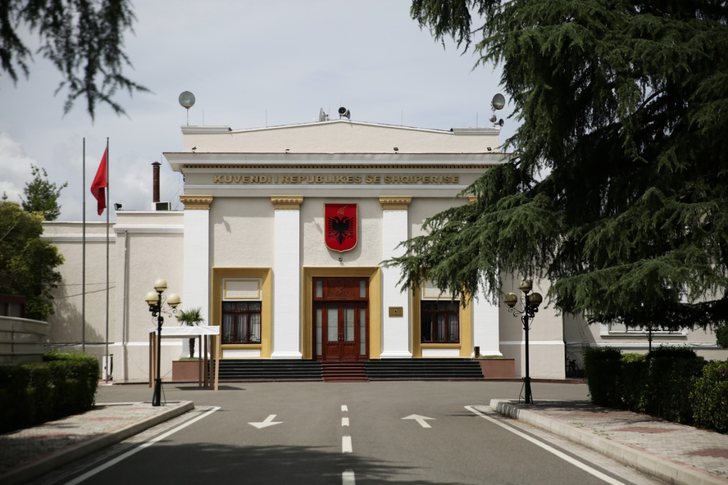
by Iris Beqiri In recent weeks, there has been increasin...
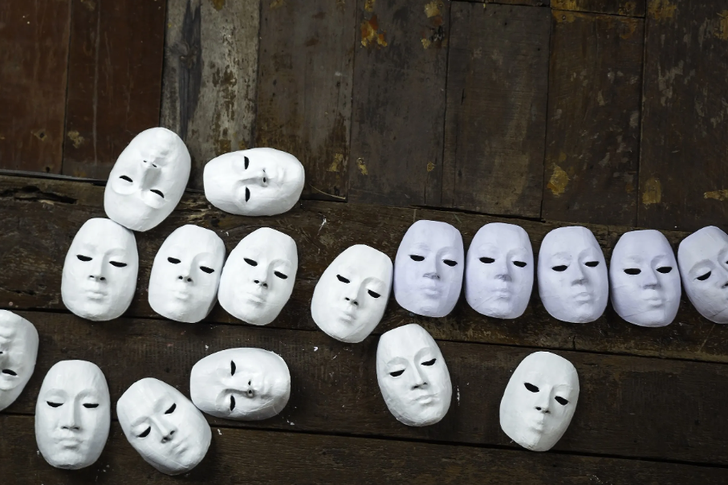
Being Albanian is a full-time job. Every morning I sta...
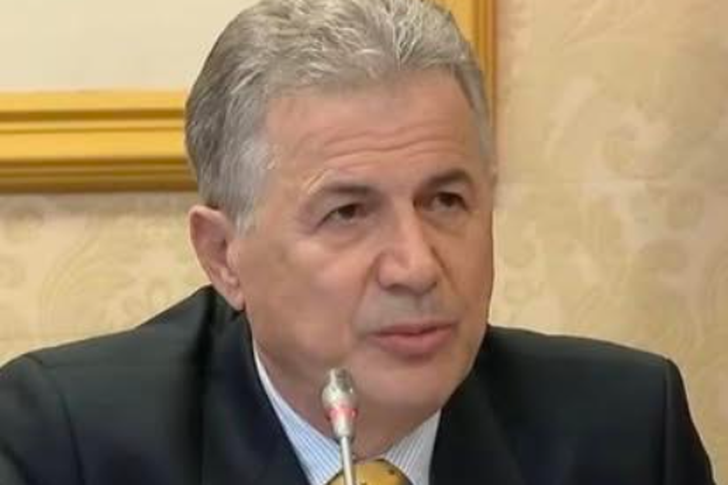
The Organization for Security and Co-operation in Europe, ...

The candidate is asking for donations from citizens, just ...
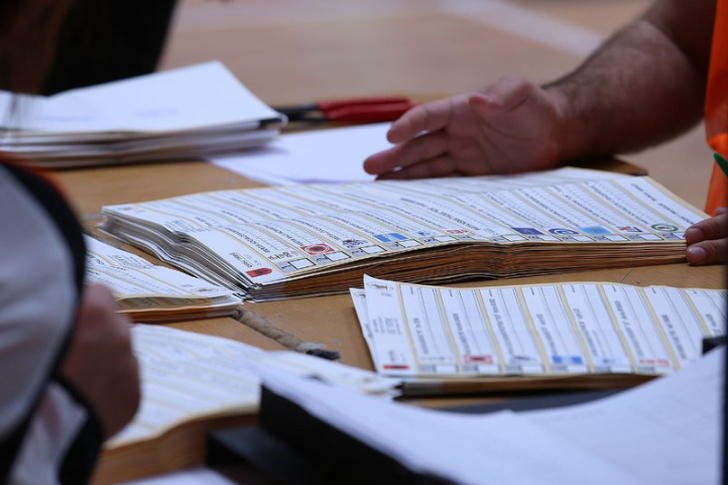
You read the CVs and the education and intellectual backgrou...
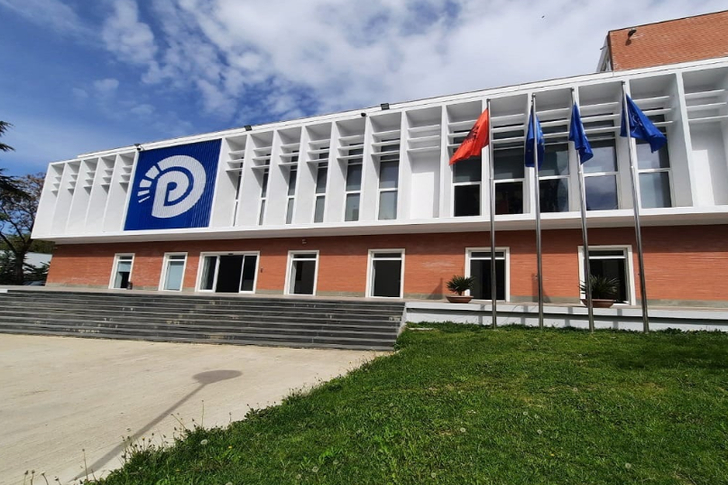
When the "independent" candidates of these elections, thos...
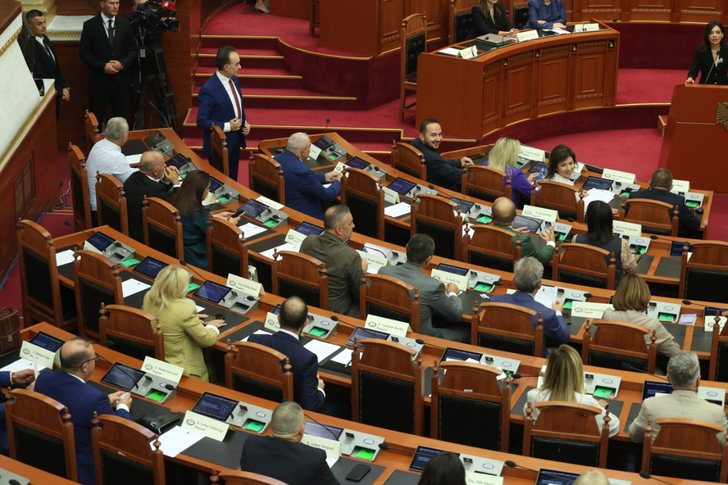
I was very surprised when I read that yesterday, at the pa...
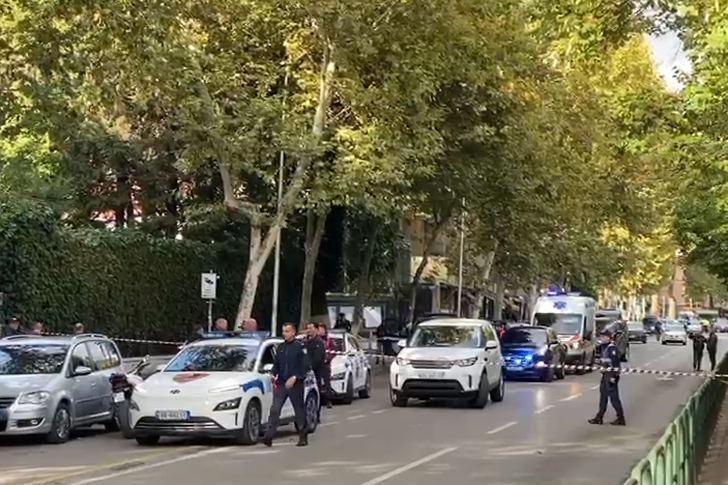
It had never happened before that a judge was murdered in ...

Several democratic leaders have accepted several governmen...
For the government, Binaj should not be eliminated as an i...
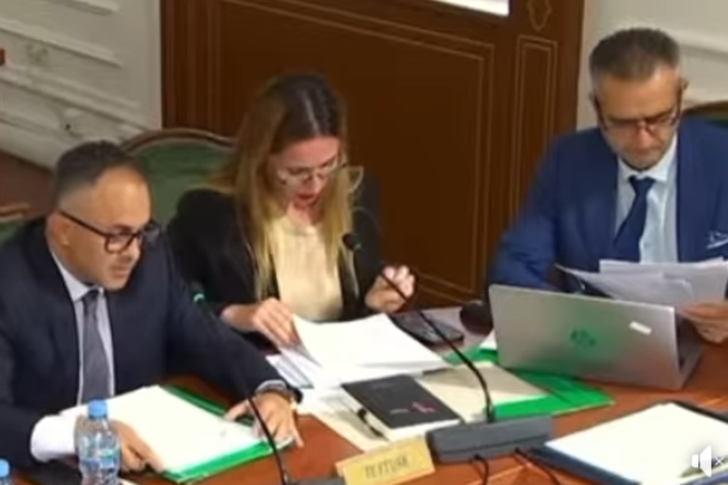
I still can't understand how Fatmir Xhafaj, and with him U...
It is a truly strange city. The buildings are not arranged...

The Democratic Party did not field a candidate for the Tir...
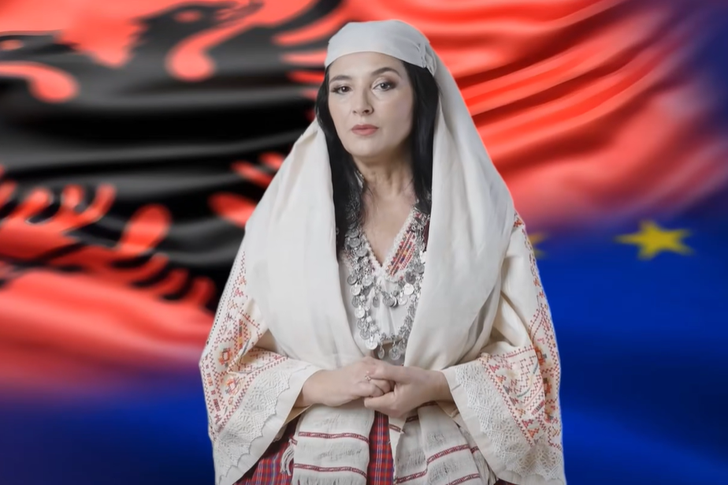
This morning, while I was scrolling to see how happy peopl...
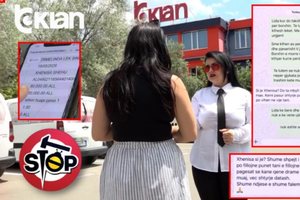
The next case broadcast on the show "Stop", this Thursday,...
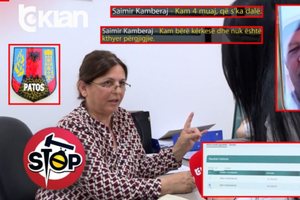
The case published this Thursday, June 4, on the show "Sto...

The protests of recent days related to the situation in Zv...
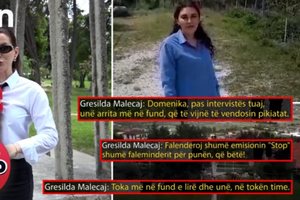
The case addressed this Wednesday, June 3, on the show "St...

The Special Board of Appeal (KPA) decided this Monday ...

The KPA vetting decided this Thursday to dismiss the p...

Suela Salavaçi, a prosecutor in the Prosecutor's Offic...

The Special Board of Appeal reinstated the prosecutor ...
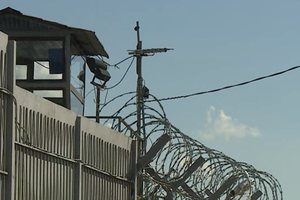
A convict was found dead today in the premises of the Pris...
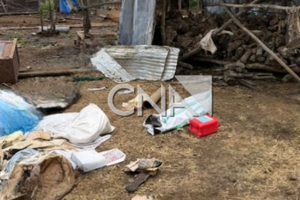
Several images provided by CNA show the area where this mo...
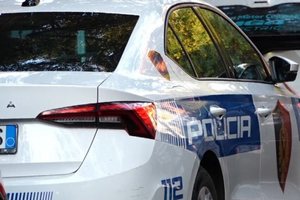
A quantity of explosive material exploded this morning at ...
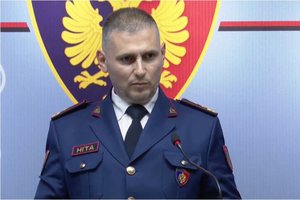
The Head of the State Police, Skënder Hita, expressed his ...

For many children and teenagers, the long summer holidays ...
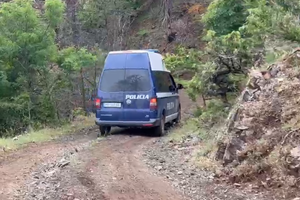
Witnesses in Lozhan, Maliqi, have shared details from the ...
Albania is facing an unprecedented demographic transition,...
On Thursday, our country will be affected by unstable weat...
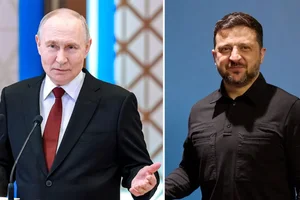
Russian President Vladimir Putin said the war in Ukraine c...
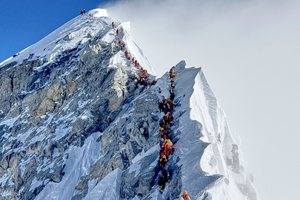
An extraordinary story of survival has been recorded in Ne...
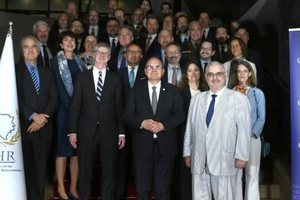
The Peace Implementation Council in Bosnia and Herzegovina...
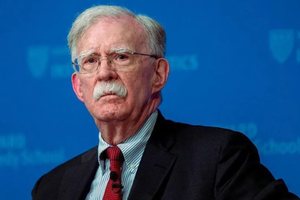
John Bolton, the former national security adviser to US Pr...
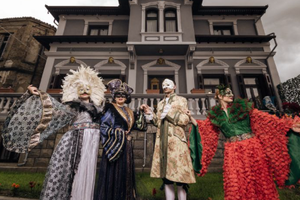
Korça is ready to open the summer season with one of the c...
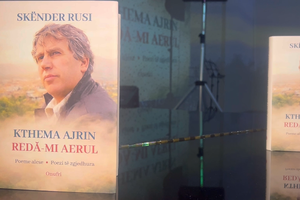
Two years after his passing, the renowned Korçë poet Skënd...
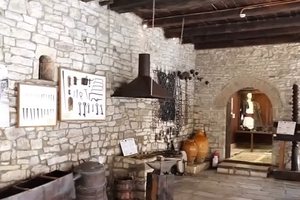
The Ethnographic Museum of Berat has opened its doors to v...
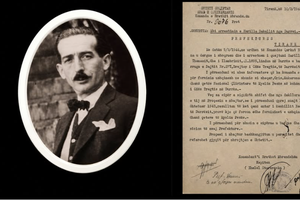
The story of Harilla Bakalli is one of the most chilling t...

The government aims to transform the country's industrial ...

Kursi i këmbimit të euros me lekun ka rënë më tej këtë jav...

Profit margins in the construction sector have increased s...

The Transparency Board, at its meeting today, decided to i...