


"The National Council, Berisha's cosmetics"/ Spaho: The DP will find it impossible to be a rival to the SP
Former Deputy Chairman and former DP MP Edmond Spaho has c...

Former Deputy Chairman and former DP MP Edmond Spaho has c...

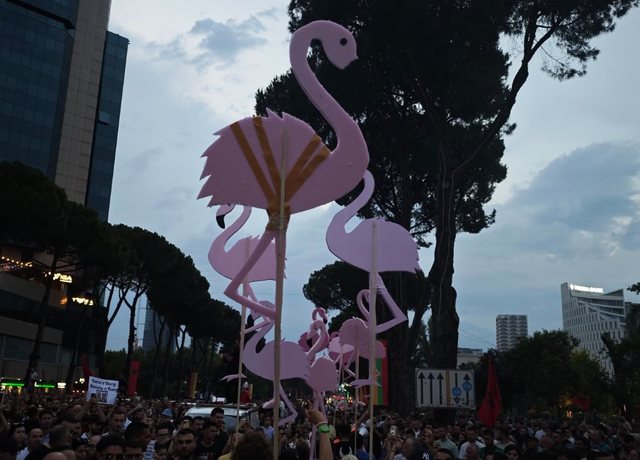
Under the banner of environmentalism, a battle is being waged for Albania's national identity and place in the West.
The protests over Zvërnec are being publicly presented as a battle for the environment, heritage or protection of the territory. But behind the slogans and symbolism used on the streets, many attentive citizens are seeing another dimension: the use of the pink flamingo and the protest as an instrument for ideological clashes, political destabilization and attacks on projects related to Albania's strategic development.
The serious question is, are ordinary citizens being used for another anti-Albanian agenda and anti-our national values?
Do protesters know the true symbolism of the pink flamingo?
One of the elements is the skillfully coordinated use of images of pink flamingos intertwined with the Albanian national flag. For some, it may seem like an artistic experiment or political satire. But this is a crossing of the constitutional and identity red line. The Constitution of the Republic of Albania, in Article 14, is clear: the national flag is red with a black double-headed eagle in the middle.
The form and use of national symbols are regulated by law. This is not an aesthetic issue. It is a matter of constitutional order and respect for the symbol that represents history, sacrifice and the Albanian state. It is the flag of Skanderbeg, Ismail Qemali, of the heroes who fought and gave their lives for it.
When the double-headed eagle is partially replaced by flamingo figures, or when the flag is used in hybrid forms for political and ideological messages, the perception is created that we are dealing with a relativization of the national symbol. In any serious state, changing the elements of the state flag is not considered a graphic game, but a violation of constitutional identity.
But do the protesters know the meaning of the pink flamingo?
Even more significant is the fact that the pink flamingo has been frequently used in visual communications associated with progressive cultural activism and narratives close to LGBT movements in the West. It is true that the flamingo is officially an LGBT symbol, but it is equally true that the color pink and this aesthetic have been widely used in that cultural universe. For this reason, many citizens perceive the combination of the flamingo with the national flag as an attempt to introduce ideological symbolism onto the Albanian national symbol.
This wouldn't be a big problem if it were just an artistic endeavor. But when this symbolism appears in aggressive protests, in AI videos targeting state institutions, or in rhetoric that seeks to delegitimize any strategic investment, then the question arises: who does this climate really serve? Whose agenda is this movement?
Albania is at an important historical moment. The country aims to conclude negotiations with the European Union by 2027 and is consolidating itself as a regional player in NATO. Tirana has been confirmed as the host of the NATO Summit in 2027, a historic event for Albania and the entire region. The summit is expected to bring to Albania the leaders of the alliance’s 32 member countries, including US President Donald Trump. This is no small diplomatic event. It is a fundamental test of trust.
In this context, any attempt to create instability, permanent conflict over strategic investments, and ongoing political clashes not only harms a government or a specific project. It harms Albania's image as a reliable country for investment, as a Euro-Atlantic partner, and as a state aspiring to a greater international role.
Blind opposition to any investment in the south, without distinguishing national interest from ideological or political calculations, objectively serves those who do not want Albania's development. A divided, economically weak, politically polarized, and in conflict with strategic partners Albania is easier to isolate and control.
If Albania enters into unnecessary conflict with investments supported by Western partners or with the political climate that the US administration of Donald Trump seeks for the region, then not only economic projects are at risk, but also the country's strategic positioning in NATO and in relations with the US. The NATO summit in 2027 is not just a diplomatic ceremony. It is proof of the trust that the Western alliance is giving to Albania.
For this reason, the debate about the flag, the symbolism of the flamingo, and the protests should not be seen as a marginal issue. It is directly related to the larger question: will Albania remain firmly anchored in its national identity and the Euro-Atlantic alliance, or will it sink into a seemingly civic but destructive protest culture that relativizes symbols, inhibits development, and produces permanent conflict?
A nation that loses respect for its symbols very quickly risks losing the strategic direction of its future.
Will we continue to be the children of the double-headed eagle or the pink flamingo?/ CNA

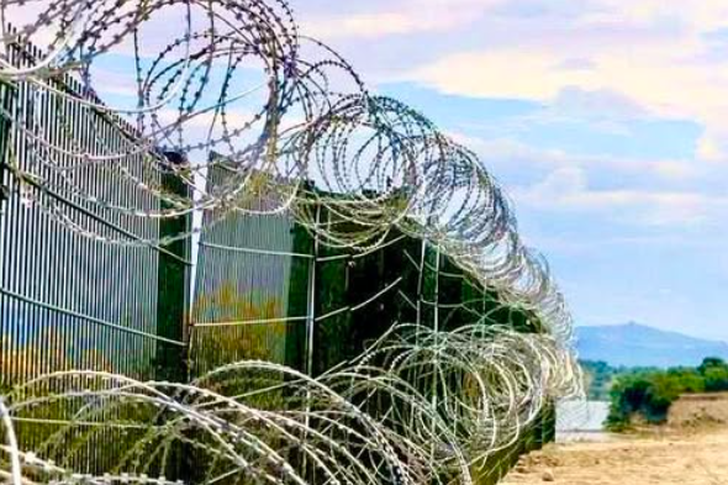
One of Edi Rama's first acts as Prime Minister was to tear...
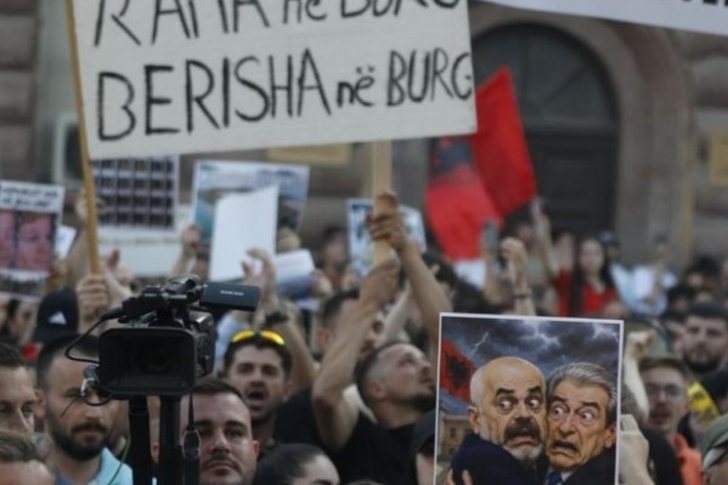
In recent days, in civil society protests, protesters have...
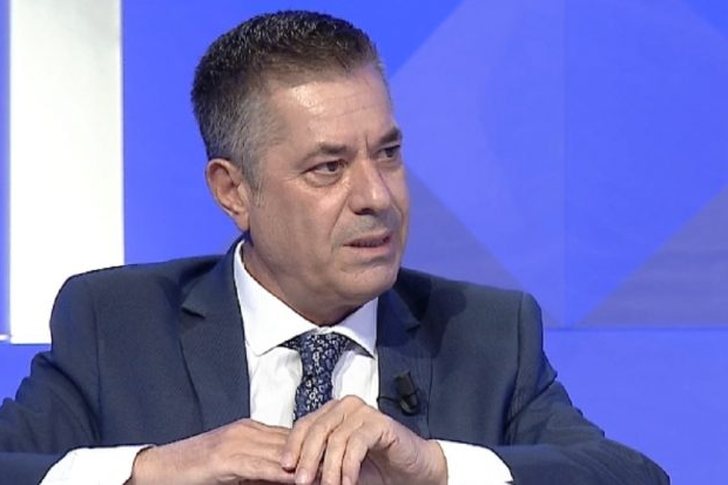
Edi Rama is fond of frequently mentioning the old axiom th...

One of the greatest disasters of our time is not the lack ...
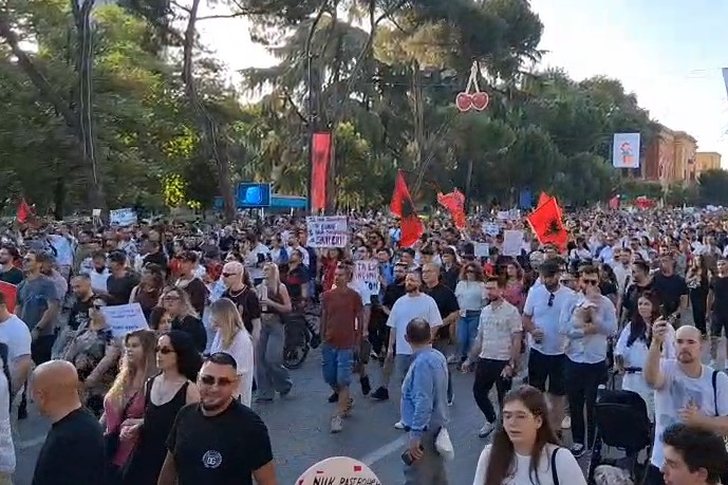
Despite the chaos of messages, banners, placards and cause...
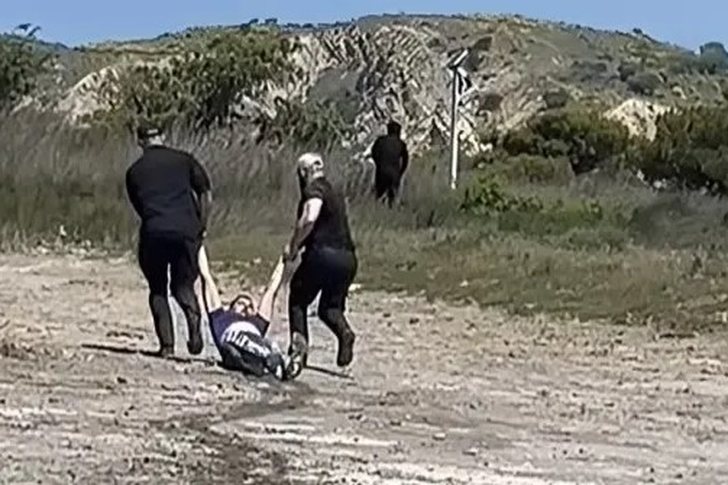
The abduction and ruthless rape of a protesting citizen, l...
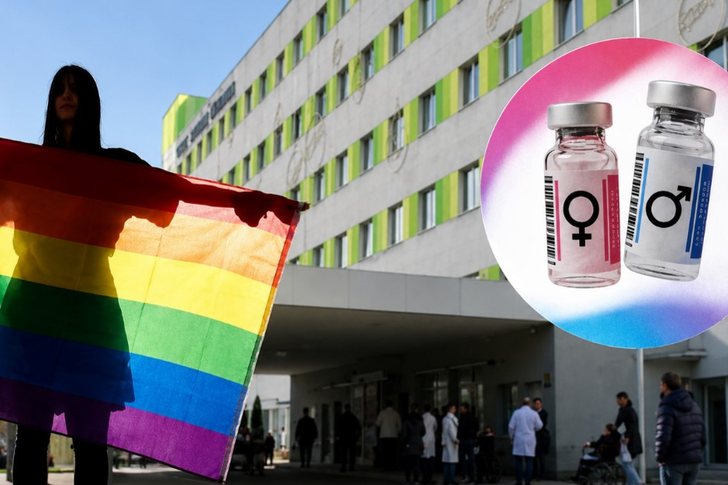
Sipas Shkrimit të Shenjtë, që përbën themelin e besimit të...
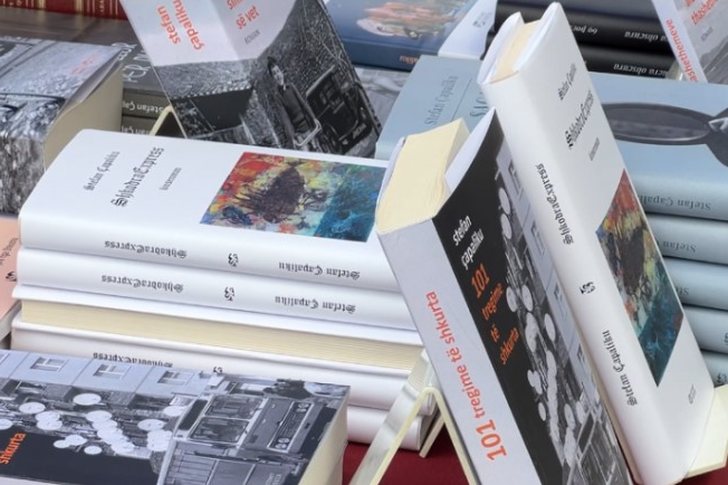
I would have liked to deliver this written statement in th...
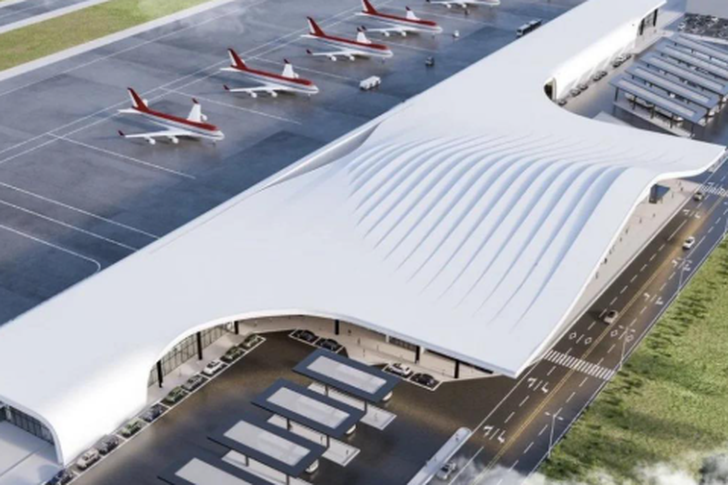
I have known both Behgjet and Valon for years. Very well, ...
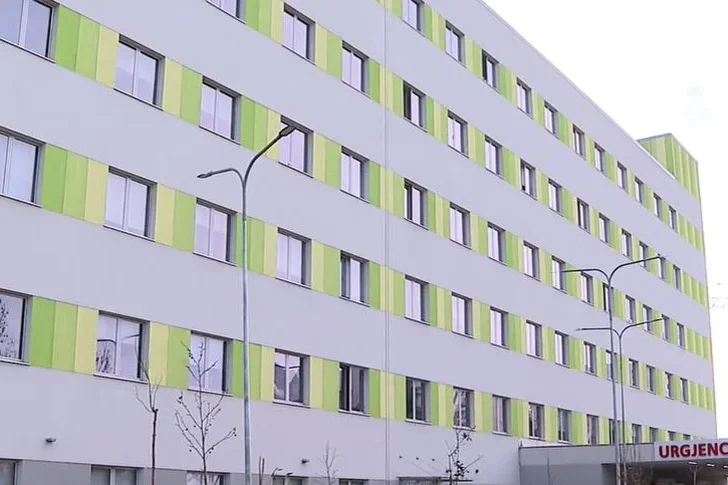
There are people suffering from life-threatening illnesses...

Honored by the invitation to be present at the celebration...

Europe is facing a significant increase in hate speech, ra...
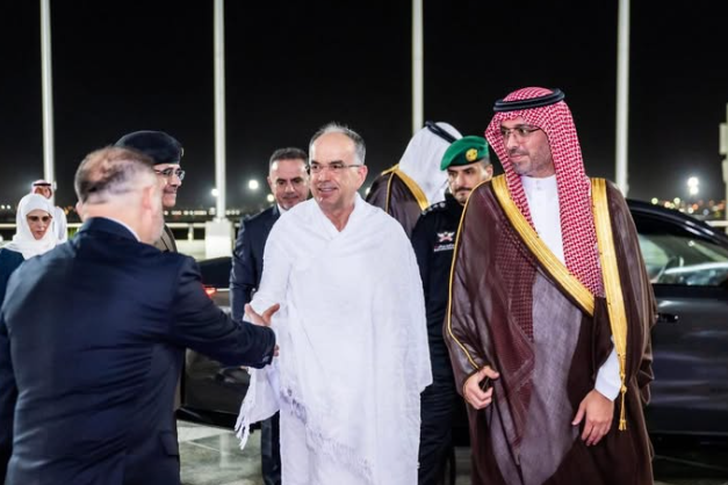
The debate that erupted after an article I published on th...
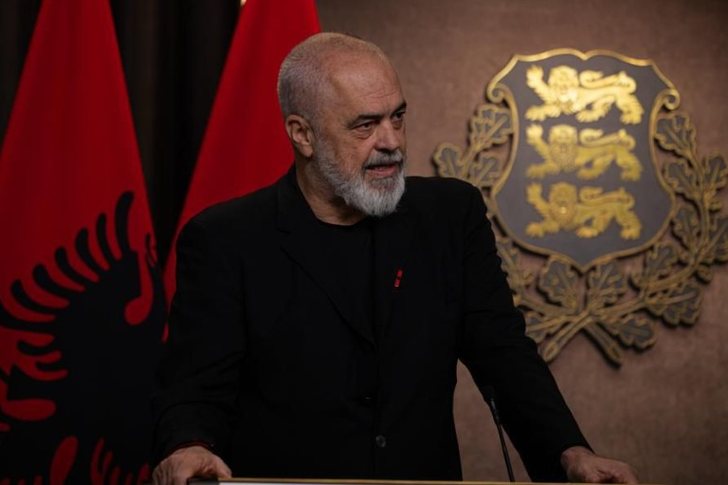
Edhe njëherë si dhe herë të tjera, Edi Rama zgjodhi të për...
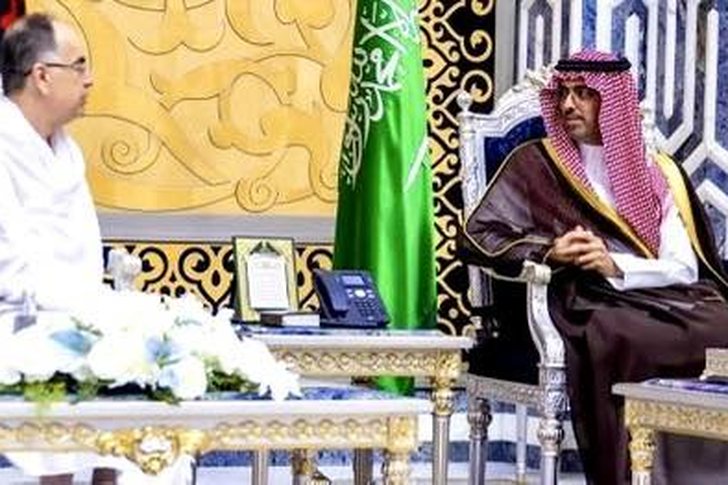
The public appearance of the President of the Republic of Al...
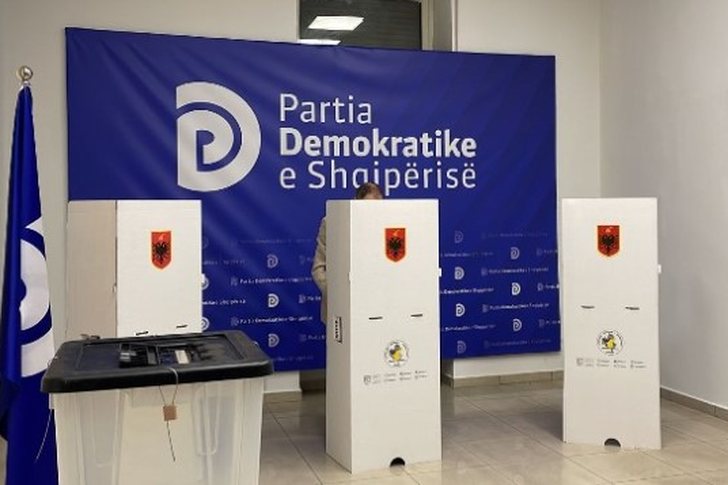
The Democratic Party has announced the holding of the tent...
Mirror, mirror, who is the greatest democrat in this kingd...

Under the fever of the thickness of troubles, Edi Rama sto...
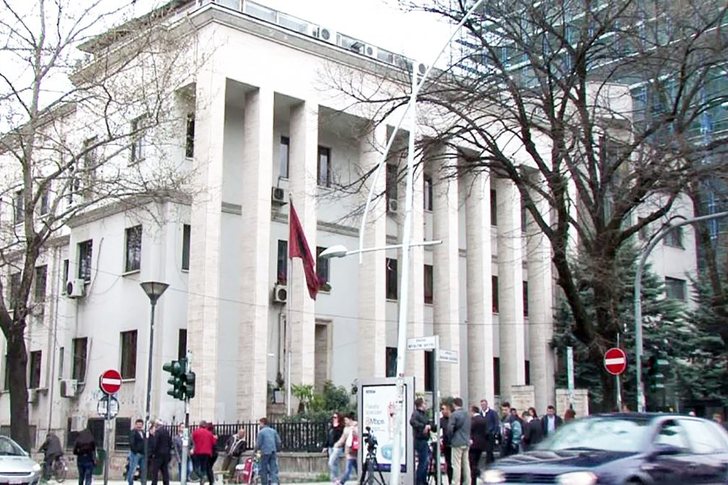
The Constitutional Court's decision essentially leaves the...
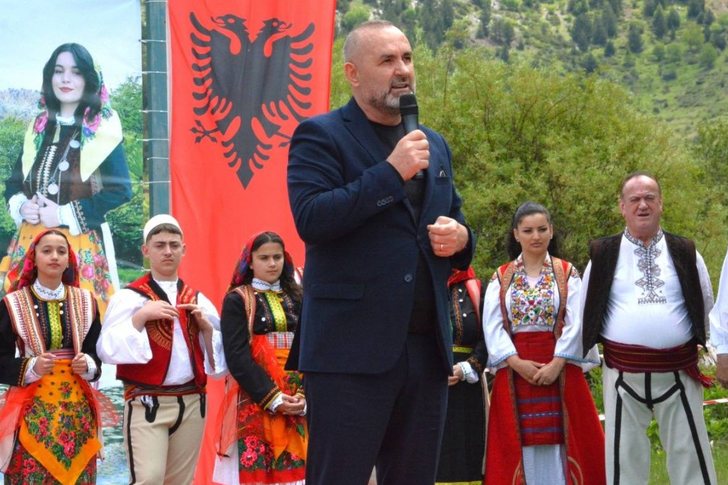
There are days in politics when the noise of television de...
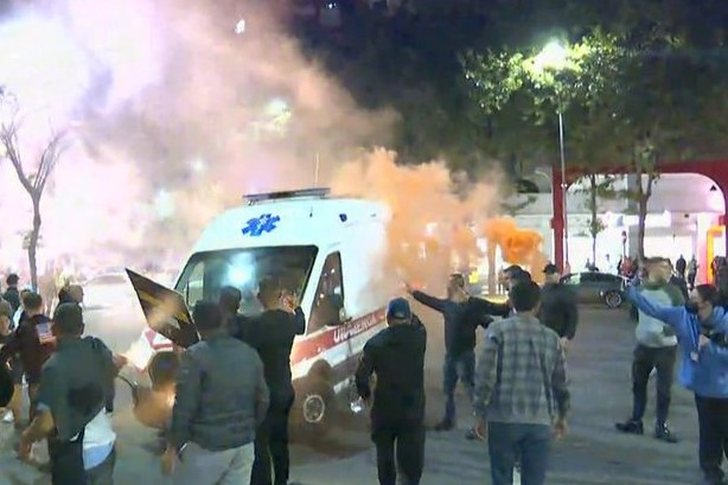
The protests of recent days related to the situation in Zv...
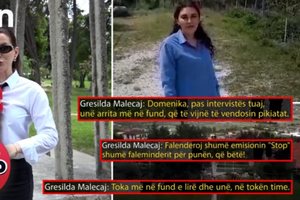
The case addressed this Wednesday, June 3, on the show "St...
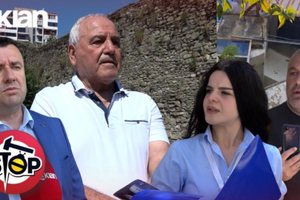
The show "Stop" broadcast this Wednesday, June 3, the case...

Irfan Hysenbelliu claims to be a big businessman, an hones...

The Special Board of Appeal (KPA) decided this Monday ...

The KPA vetting decided this Thursday to dismiss the p...

Suela Salavaçi, a prosecutor in the Prosecutor's Offic...

The Special Board of Appeal reinstated the prosecutor ...
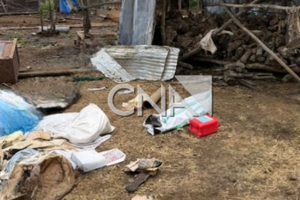
Several images provided by CNA show the area where this mo...
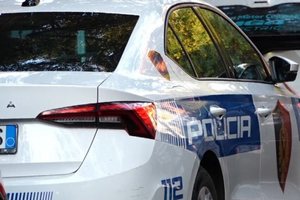
A quantity of explosive material exploded this morning at ...
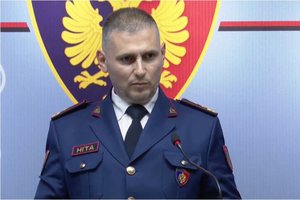
The Head of the State Police, Skënder Hita, expressed his ...
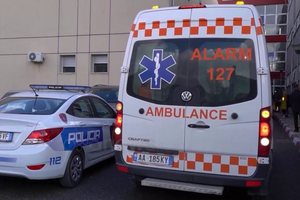
New details have emerged regarding the serious incident th...

For many children and teenagers, the long summer holidays ...
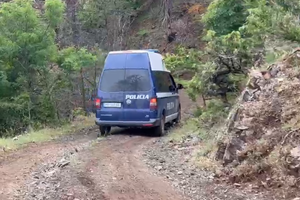
Witnesses in Lozhan, Maliqi, have shared details from the ...
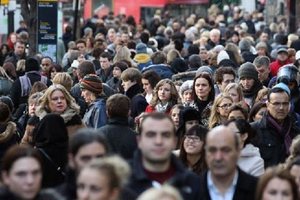
Albania is facing an unprecedented demographic transition,...
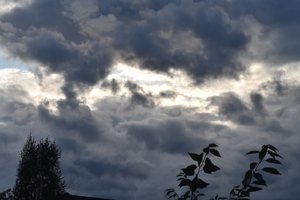
On Thursday, our country will be affected by unstable weat...
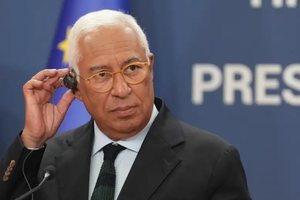
The European Union must find ways to accelerate the member...
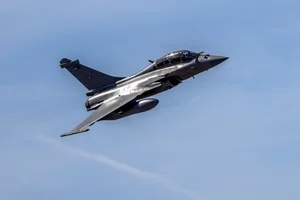
French fighter jets took off 11 times last week as part of...
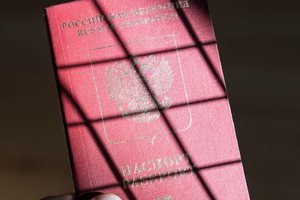
A number of European Union member states are pressuring th...
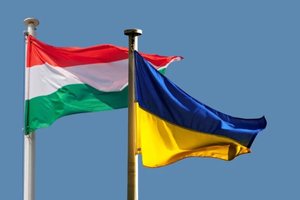
Hungary and Ukraine have reached an agreement on the right...
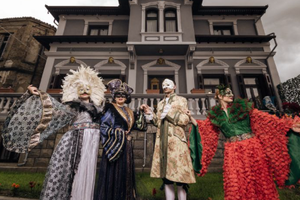
Korça is ready to open the summer season with one of the c...
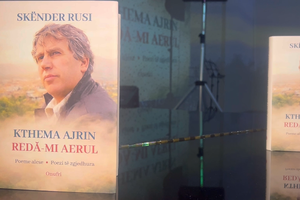
Two years after his passing, the renowned Korçë poet Skënd...
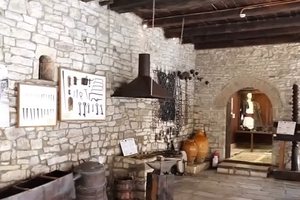
The Ethnographic Museum of Berat has opened its doors to v...
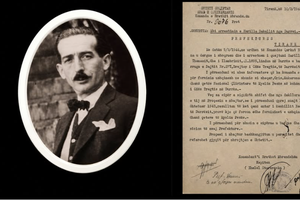
The story of Harilla Bakalli is one of the most chilling t...
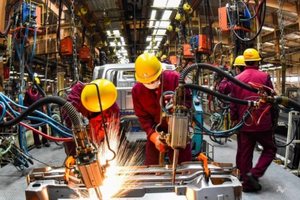
The government aims to transform the country's industrial ...

Kursi i këmbimit të euros me lekun ka rënë më tej këtë jav...
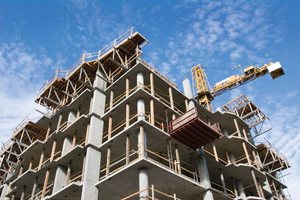
Profit margins in the construction sector have increased s...
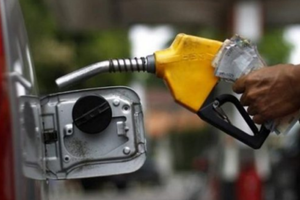
The Transparency Board, at its meeting today, decided to i...