


Businessman Artur Shehu breaks his silence: I am a long-time land owner in Zvërnec, I don't know the investors at all
Albanian businessman Artur Shehu spoke on the Opinion show...

Albanian businessman Artur Shehu spoke on the Opinion show...

The Organization for Security and Co-operation in Europe, namely the Office for
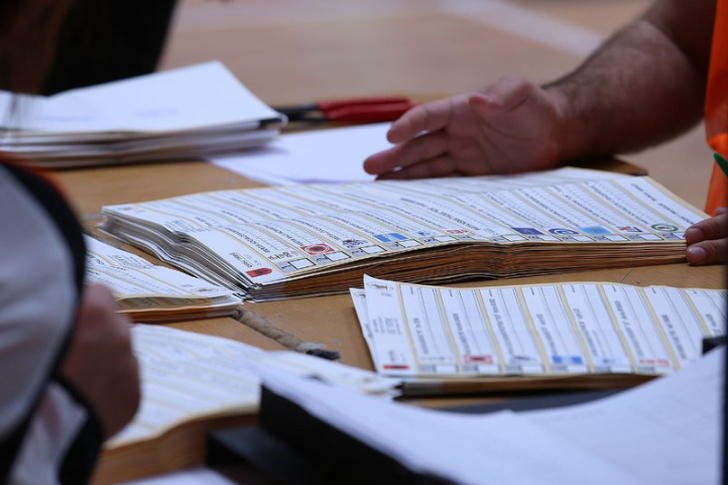
Democratic Institutions and Human Rights (OSCE/ODIHR), presented a more than vague Final Report on the May 11 parliamentary elections in Albania. This shows that the OSCE/ODIHR either recognizes the problems and has no interest in bringing them to light, or does not want to recognize them at all. In both cases, it is not in its mission, as it puts forward almost the same recommendations every time, while the elections in Albania are
degrading more and more.
The final report on these elections was presented after about six months. In this Report, among other things, the Presence concludes that “the campaign was generally calm”, that “election day was generally calm” and that “the post-election environment remained calm”. Then, under these conditions, the Report, normally, should have been presented after about 6-8 weeks after the end of the electoral process, at most up to two months, no matter how many “buts” this report adds after the “calm” findings. But not 6 months! Because after 6 months, interest has faded, problems have faded and new ones have arisen: Albania is practically now in a campaign for partial elections in 6 municipalities.
To say the least, let's say that this is where the OSCE/ODIHR mission, which began 29 years ago, begins to drag on. It is tasked with observing elections to assess the extent to which electoral processes respect fundamental freedoms and are characterized by equality, universality, political pluralism, trust, transparency and accountability, as well as supporting the authorities in their efforts to improve electoral processes and follow up on the recommendations of ODIHR election observation missions, by reviewing election-related legislation.
The report, in a routine manner, describes closed lists over 10 times, but never gives a verdict on whether this form of candidate selection is democratic or anti-democratic. It simply notes that “some small parties challenged the new system in the Constitutional Court, arguing that it favors the two dominant parties, undermines the real possibility for candidates from open lists to win a mandate, and does not respect the constitutional requirements for preferential voting. While the Constitutional Court found the system to be constitutional, as the law does not violate the requirement related to candidate lists, it may nevertheless lead to a significant control or influence of party leaders over parliamentary representation, partly due to the lack of internal party democracy, as the majority of mandates are, in any case, distributed to candidates from closed lists, regardless of the number of votes received by candidates on open lists.”
Ky është roli i Prezencës së OSBE/ODIHR, thjesht të përshkruajë labirinthet antidemokratike që vijojnë të mbahen me thonj në Shqipëri, apo t’i ndriçojë ato dhe të shtrojë rekomandime sipas standarteve demokratike?
Njera nga ato “partitë e vogla” (edhe ky një term antidemokratik!) që përmend Raporti, është “Lëvizja për Zhvillim Kombëtar”, e cila, në platformën e saj për zgjedhjet politike të vitit 2025 ka këmbëngulur disa herë që reforma zgjedhore nuk duhet të bëhet për të ushqyer pazaret politike të dy partive kryesore sikurse i ka ushqyer në të gjitha zgjedhjet e kaluara., por vetëm mbi shtylla demokratike siç është barazia e votës, me një sistem proporcional kombëtar, çka siguron përfaqësim real të subjekteve në Kuvend në raport me votën; lista të hapura, ku renditjen ta përcaktojë votuesi, jo orekset, parapëlqimet dhe pazaret e politikanëve.
Nuk është e rastit që PS dhe PD, pa asnjë analizë, u deklaruan solidarë me Raportin që ditën që u shpall dhe u dakordësuan për ngritjen e Komisionit të Posaçëm Parlamentar për Reformën Zgjedhore, i cili do të ketë për detyrë hartimin e ndryshimeve ligjore dhe zbatimin e rekomandimeve të OSBE/ODIHR-it.
Të gjitha këto i kemi bërë të ditura dhe të qarta në Parlament e jashtë tij, te institucionet shtetërore që janë të ngarkuara ligjërisht për zgjedhjet, te ndërkombëtarët e në veçanti te OSBE, si problem madhor për demokracinë.
Raporti i OSBE/ODIHR, në thelb, është pothuajse i shkëputur nga realiteti i zhvilluar përpara,
gjatë dhe pas zgjedhjeve në Shqipëri. Raporti nuk shkruan gjë për brutalitetin e pushtetit dhe
gjithë shtetit; nuk shkruan se vota është kaparuar para zgjedhjeve dhe janë intimiduar zgjedhësit;
nuk e përmend dyfishimin e administratës para votimeve; kalon në mënyrë sipërfaqësore
infrastrukturën qeveritare të patronazhimit, përdorimin e paligjshëm të të dhënave personale nga
pushteti, angazhimin e grupeve kriminale në zgjedhje; anashkalon problemin që vota diktohet,
manipulohet, blihet, deformohet e tjetërsohet nga partia shtet.
OSBE/ODIHR është në Shqipëri që të bëjë një analizë të paanëshme dhe me kritere: zgjedhjet në
Shqipëri kanë shkuar dhe po shkojnë drejt “marifeteve” antidemokratike, pra drejt lustrës
demokratike, apo drejt standarteve demokratike?
Në fund të fundit, misioni i Prezencës së OSBE/ODIHR është që të japë këtë vlerësim, jo të
përshkruajë marifetet dhe labirinthet ku po ecin zgjedhjet në Shqipëri. Nëse e bën mirë këtë,
atëherë do të gjejë se edhe këto zgjedhje nuk ishin as të lira, as të ndershme, as të besueshme dhe as të pranuara nga konkuruesit.
The OSCE/ODIHR Report, as always, found the two main parties to be the winners, precisely those who bear full responsibility for the regression that the electoral process in Albania has suffered from election to election.
Meanwhile, Albania continues to remain a country of crisis, because all other crises in the country stem from the disrespect for the vote.
So, why is there an OSCE/ODIHR Presence in Albania?


The candidate is asking for donations from citizens, just ...
You read the CVs and the education and intellectual backgrou...
When the "independent" candidates of these elections, thos...
I was very surprised when I read that yesterday, at the pa...
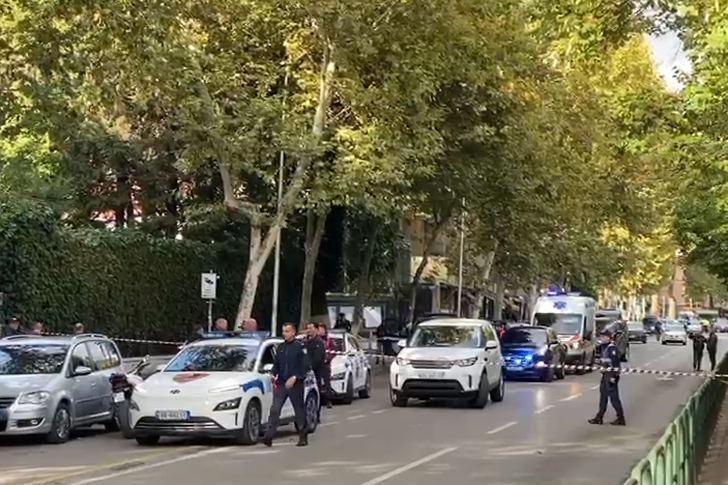
It had never happened before that a judge was murdered in ...

Several democratic leaders have accepted several governmen...
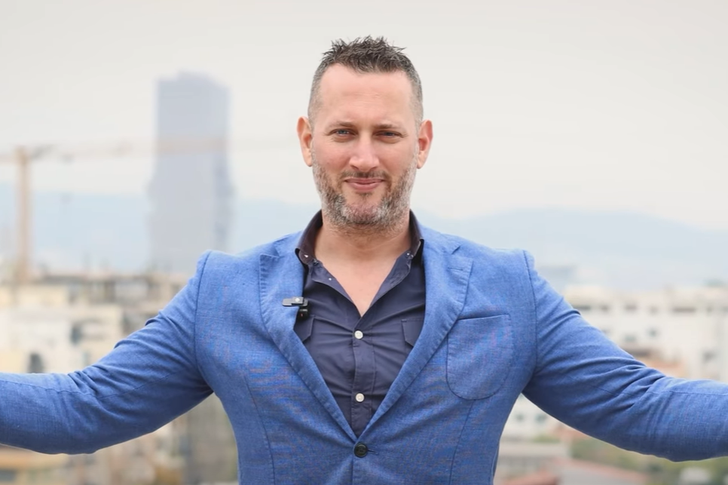
For the government, Binaj should not be eliminated as an i...
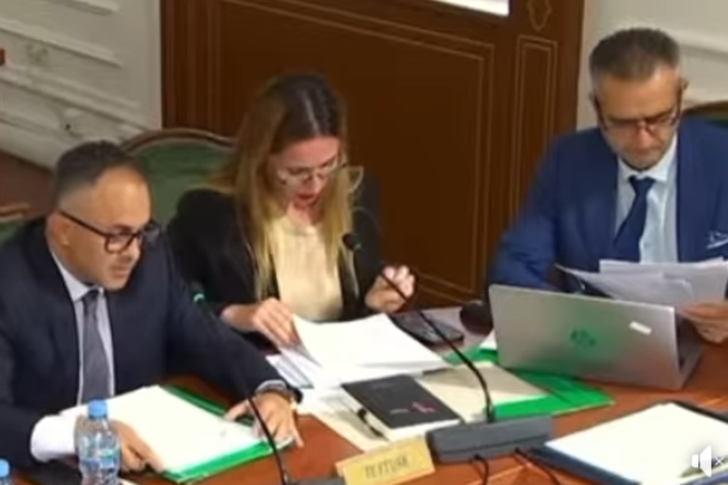
I still can't understand how Fatmir Xhafaj, and with him U...
It is a truly strange city. The buildings are not arranged...

The Democratic Party did not field a candidate for the Tir...
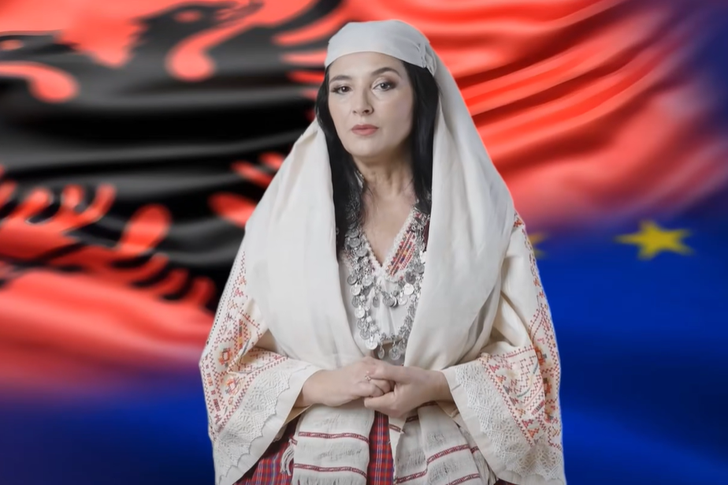
This morning, while I was scrolling to see how happy peopl...

The one who comes out with pathetic speeches, with program...

Among other achievements, the signing of the Peace Agreeme...
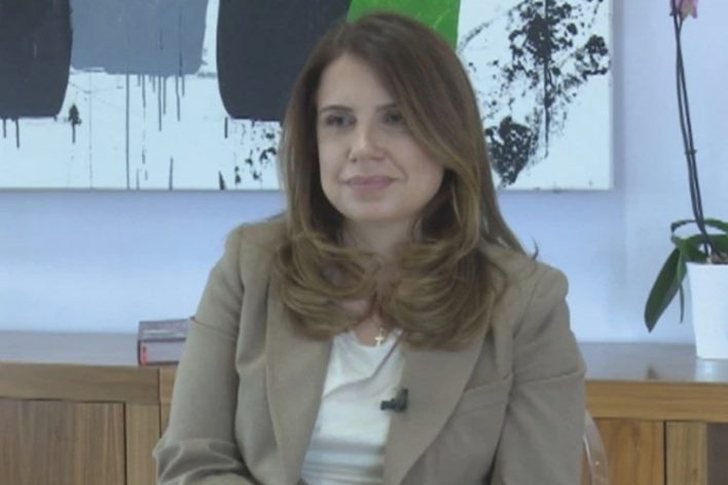
In a distorted landscape of words spilled haphazardly on t...

Why is the conflict over the Vlora Airport Concession more...
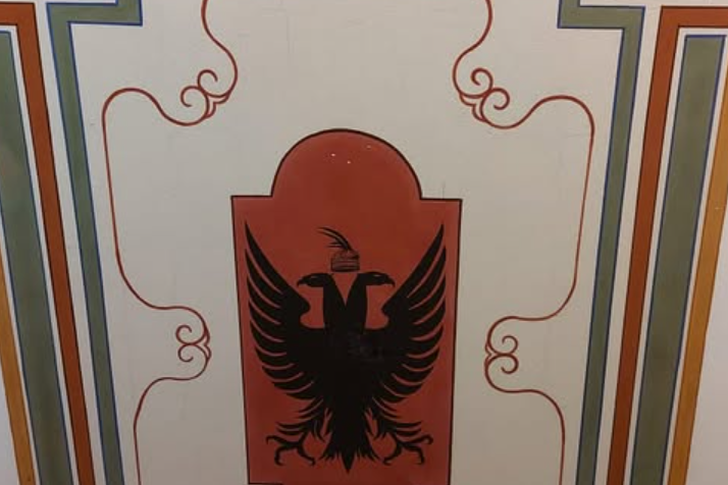
This in the photo is the house of my great-grandfather, Eq...
Problematic use of social media has increased by 49%. OECD...

What is being noticed in this avant-garde generation or "N...
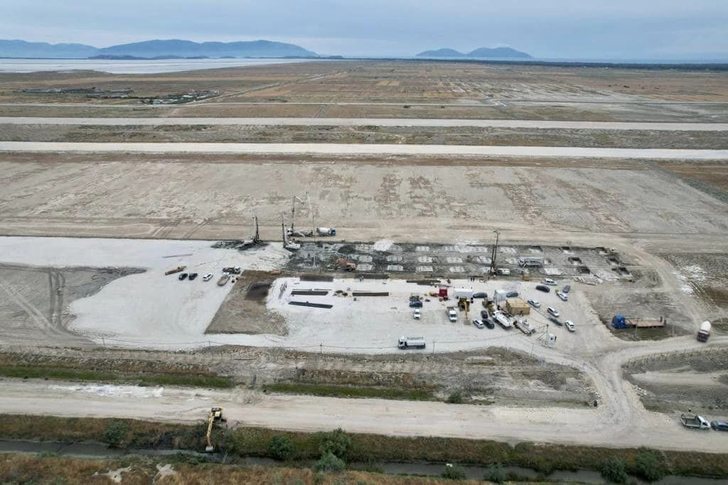
There are several dark spots in the Pacolli-Vlora Airport ...
Edwin John Mark John spoke well to me, but I ignored his ...
The next case broadcast on the show "Stop", this Thursday,...
The case published this Thursday, June 4, on the show "Sto...

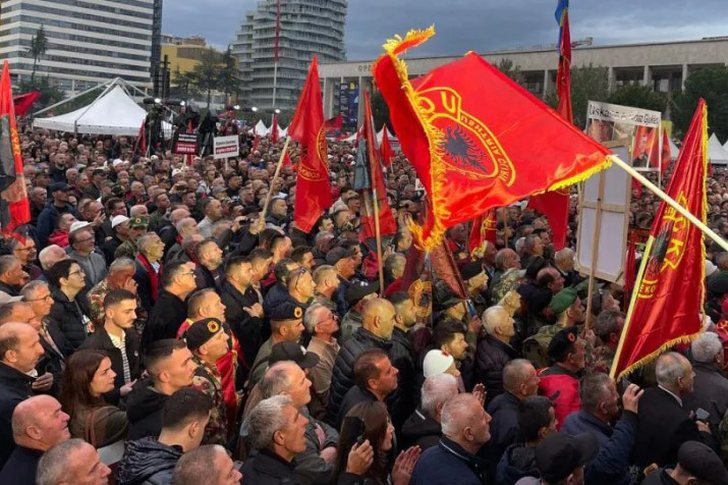
The protests of recent days related to the situation in Zv...
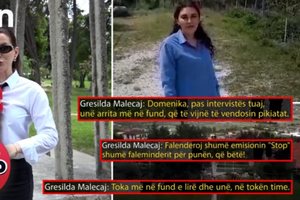
The case addressed this Wednesday, June 3, on the show "St...

The Special Board of Appeal (KPA) decided this Monday ...

The KPA vetting decided this Thursday to dismiss the p...

Suela Salavaçi, a prosecutor in the Prosecutor's Offic...

The Special Board of Appeal reinstated the prosecutor ...
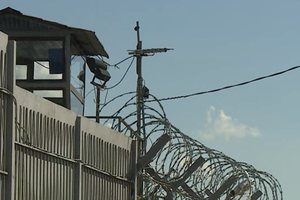
A convict was found dead today in the premises of the Pris...
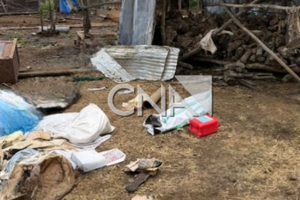
Several images provided by CNA show the area where this mo...

A quantity of explosive material exploded this morning at ...
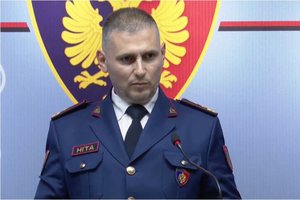
The Head of the State Police, Skënder Hita, expressed his ...

For many children and teenagers, the long summer holidays ...
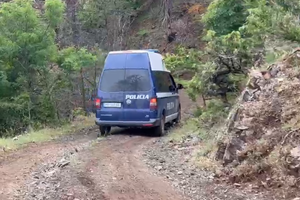
Witnesses in Lozhan, Maliqi, have shared details from the ...
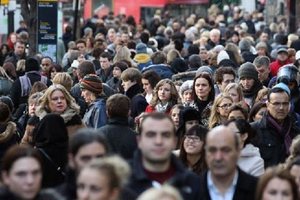
Albania is facing an unprecedented demographic transition,...
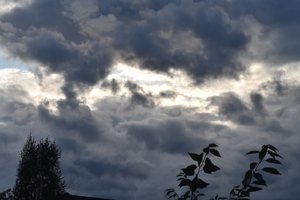
On Thursday, our country will be affected by unstable weat...

Russian President Vladimir Putin said the war in Ukraine c...
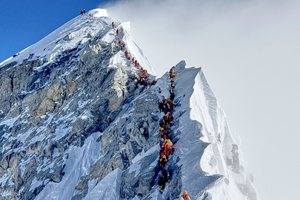
An extraordinary story of survival has been recorded in Ne...
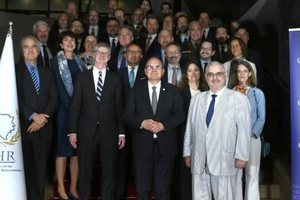
The Peace Implementation Council in Bosnia and Herzegovina...
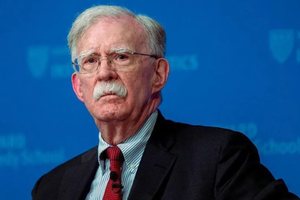
John Bolton, the former national security adviser to US Pr...
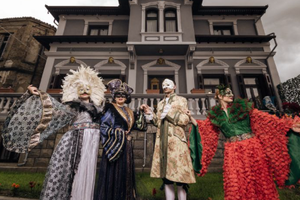
Korça is ready to open the summer season with one of the c...
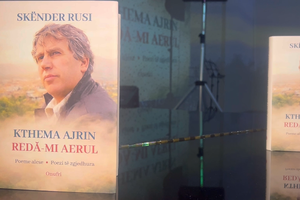
Two years after his passing, the renowned Korçë poet Skënd...
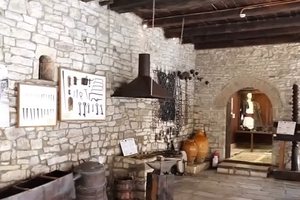
The Ethnographic Museum of Berat has opened its doors to v...
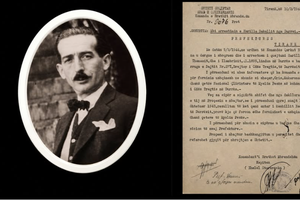
The story of Harilla Bakalli is one of the most chilling t...
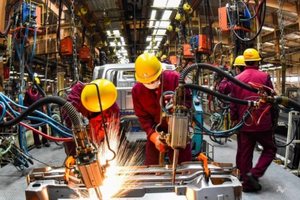
The government aims to transform the country's industrial ...

Kursi i këmbimit të euros me lekun ka rënë më tej këtë jav...

Profit margins in the construction sector have increased s...

The Transparency Board, at its meeting today, decided to i...