


Serious accident on the Kardhiq-Delvinë axis / One person dies, three others are injured
A serious accident occurred on the Kardhiq-Delvinë axis, i...

A serious accident occurred on the Kardhiq-Delvinë axis, i...

Problematic use of social media has increased by 49%. OECD
Women and girls remain more exposed to digital bullying - WHO
The screen entered our lives without warning. First it was the television, then the computer, and later the phone that we no longer separate from our hands. But unlike previous technologies, the smartphone is no longer a device , it is a world in itself. You take it everywhere, you see it everywhere, you read, talk, sing, wake up, sleep, yes with it. Children, who once spent hours playing or even in front of the TV, suddenly had in their hands a window that connected them to the whole world and at the same time, brought the world to them.
Many parents were relieved to discover that a tablet or phone could keep a child quiet for hours. On the surface, nothing wrong with that. But no one asked themselves if it was safe. There were no guidelines, no studies, just a collective sense of security: everyone is doing it, so it must be okay.
In fact, even the “trap” technology companies had not conducted serious research on the impact of their products on children’s mental health. Thus, an entire generation grew up as part of an unannounced experiment, where technology learned faster than parents and teachers, and children became users before they were even aware of it.
In 2024, researchers from the WHO Europe's Digital Transformation for Health Lab (DTH-Lab) undertook a policy analysis to understand how countries are protecting young people from the harms of spending hours online and whether countries are seeing this problem for what it is: alarming and trying to provide rules for safe digital navigation.
The reason is quite simple. While younger generations today live mostly 'online', our educational, legal and healthcare systems still function with the bureaucracy of the 'offline' model.
If childhood and adolescence constitute a crucial period for mental health, as about 75% of mental disorders appear before the age of 24 (WHO), the role of digital technology in the mental health of young people is no longer a statistical issue or a boast of innovation, but is a major social problem and public health issue.
In Albania, over half of the population, 50.7%, uses social networks, mainly Facebook and Instagram.
Digital technologies have changed the concepts of parenting, socializing, communicating, and interacting, normalizing violence, hatred, alienation, and indifference to evil. Today's young people live in a world with different concepts of time and distance, in a constant battle to distinguish truth from lies.
France, Ireland, Spain and the United Kingdom are treating excessive screen use as a health risk , taking preventive and educational measures.
But most countries, including Albania, have not yet included the health sector in digital security policies.
According to the policy map prepared by WHO Europe's DTH-Lab, many countries limit themselves to content moderation , failing to address the risks emanating from the platforms themselves.
Albania, Azerbaijan, Hungary, Ireland, and Poland focus on blocking harmful content, but do not intervene in the mechanisms of algorithms that create addiction and influence the behavior of young people.
On the other hand, France has established parental consent for the use of social networks, pre-installed filters on devices, and legal liability for online platforms.
The United Kingdom, through the Online Safety Act , forces platforms to report algorithms, protect minors, and ensure full transparency.
One of the most important findings of WHO Europe is the lack of involvement of the health sector in the design of digital policies. Platforms change every week and technology is certainly not the enemy. But slowness and indifference are turning online hatred and intimidation into the most dangerous weapon of extermination of a generation.
If we don't move at the speed of innovation, we will fall behind in the fight for a healthy and humane digital space.
Albania has kept up with the "time" of digital technology, with coding programs, ICT training, application innovations, but what is missing is a connecting bridge , an integrated approach that includes the risk that prolonged online exposure brings to mental health. Hatred, numbness, anxiety are giving the most dangerous shape to society, more than education or art.
Regulation is not censorship, it is well-being, individual health, and the assurance that development will not return us to barbarism.
For years and generations, societies, no matter how diverse, had one thing in common: the protection of children as the highest interest.
But as we progress, we create a virtual world, where we are all exposed to a universe that we do not fully understand.
Today, the evidence is shocking: a childhood and youth tied to smartphones is mentally damaging an entire generation.
And the question that remains is simple.
Are we okay with this compromise of online freedom - without conditions? /CNA

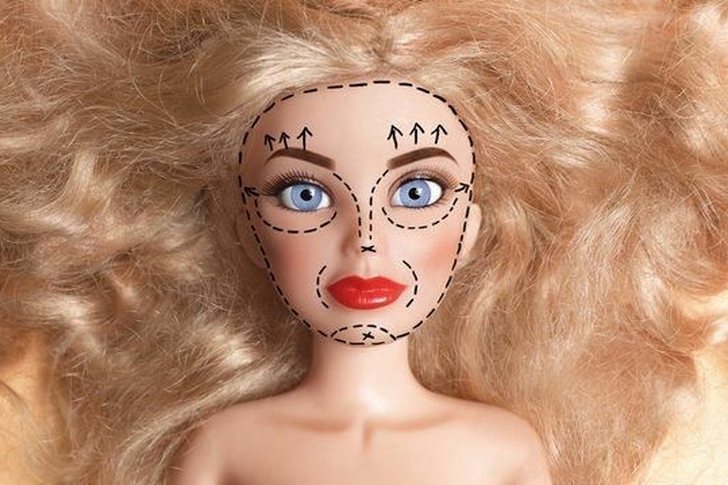
What is being noticed in this avant-garde generation or "N...
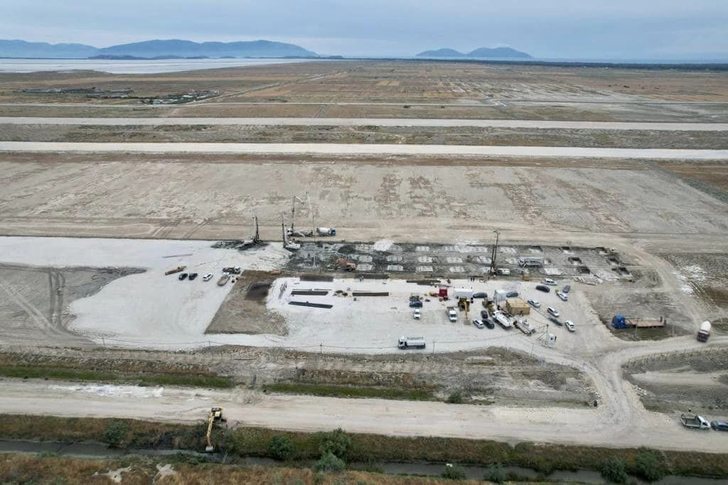
There are several dark spots in the Pacolli-Vlora Airport ...

Edwin John Mark John spoke well to me, but I ignored his ...
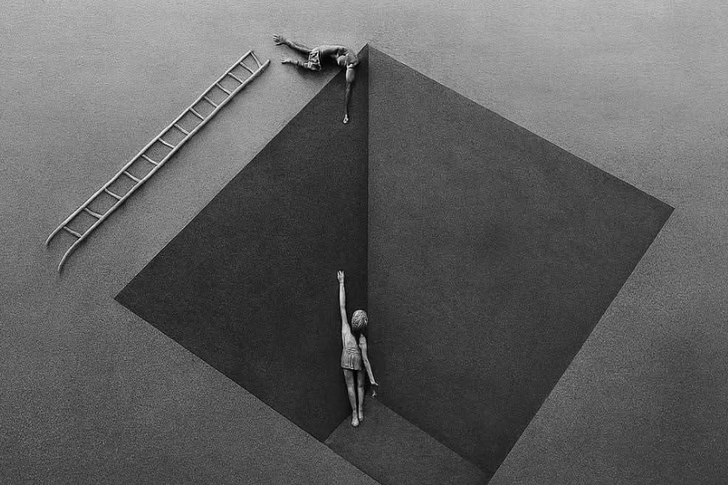
The candidate who seeks to give citizens a future that he ...
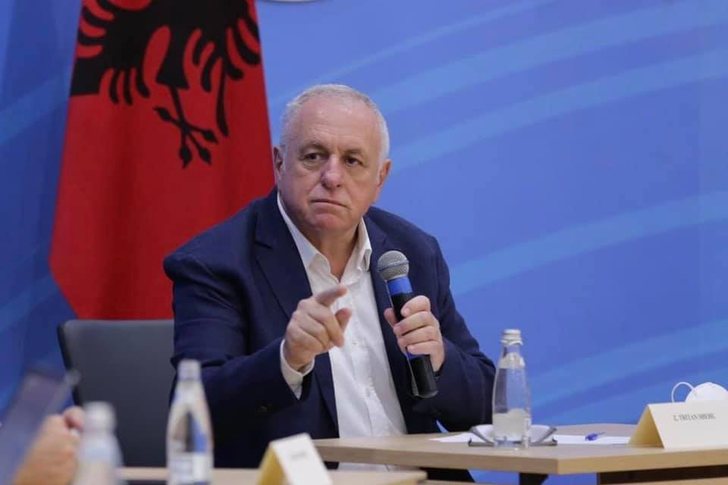
The Renaissance will further mask the evil intent of the b...

Periodic reports by the OSCE/ODIHR, civil society, the EU,...

"Harbut" is still used today as a slur or as a definition ...

Recently, I have been following with great concern the att...
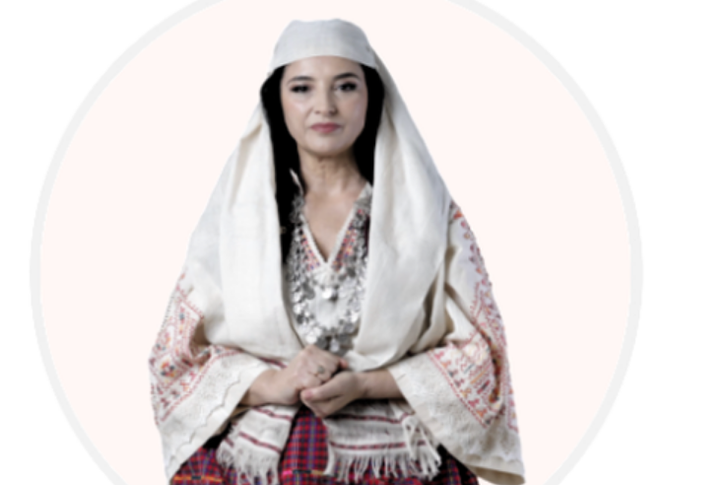
Dear citizens, today I received the updated convergence re...

The President of the European Commission has concluded her...

The special thing about this year's local by-elections is ...

The goal that proved that parties and governments have not...
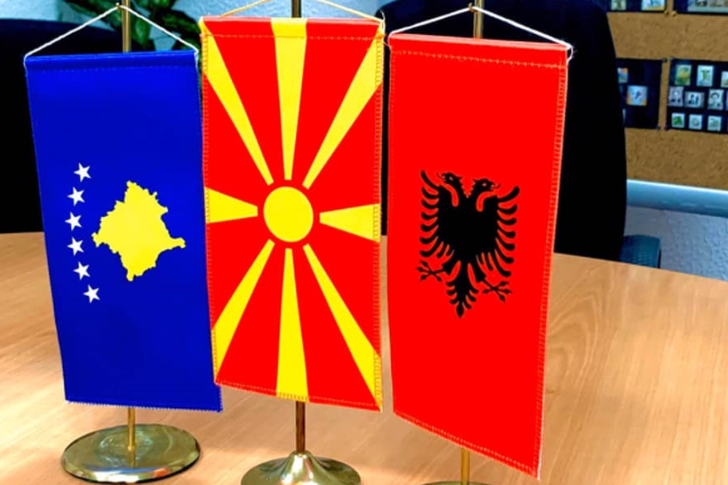
Albania is no longer a hidden country in international rel...
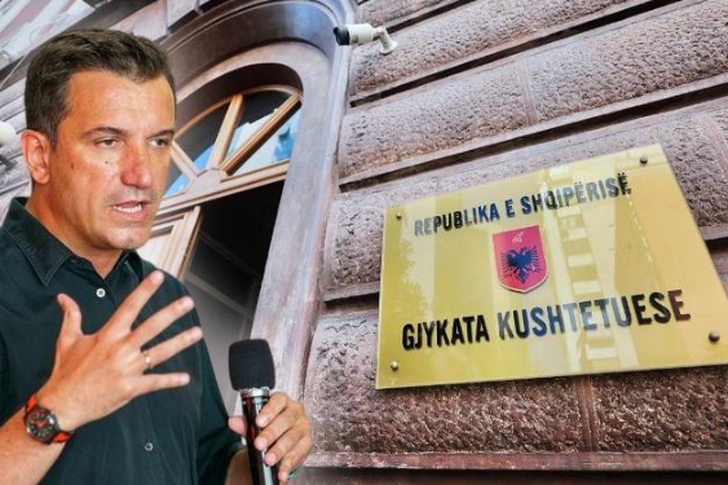
The Constitutional Court has decided to review Erion Veliaj'...
Quite a few journalist colleagues who crossed the border w...

The decline of November 9 as the election date, regardless...

There comes a moment in the existence of every party when ...

President Bajram Begaj's decision to decree November 9 as ...
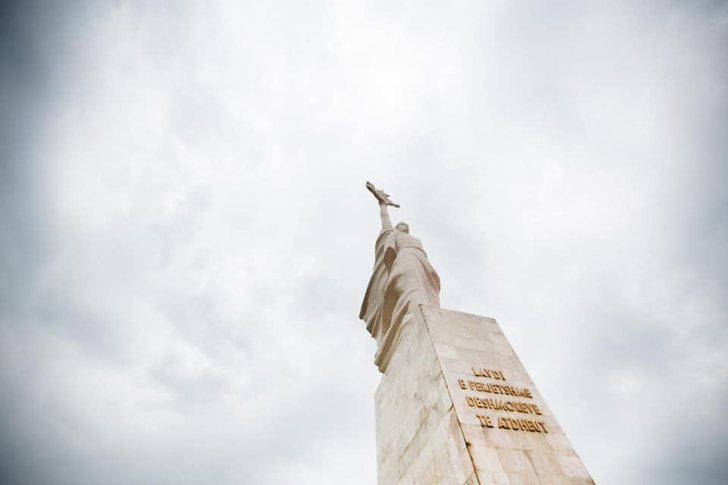
This title ''Martyr of the Fatherland'' has already become...
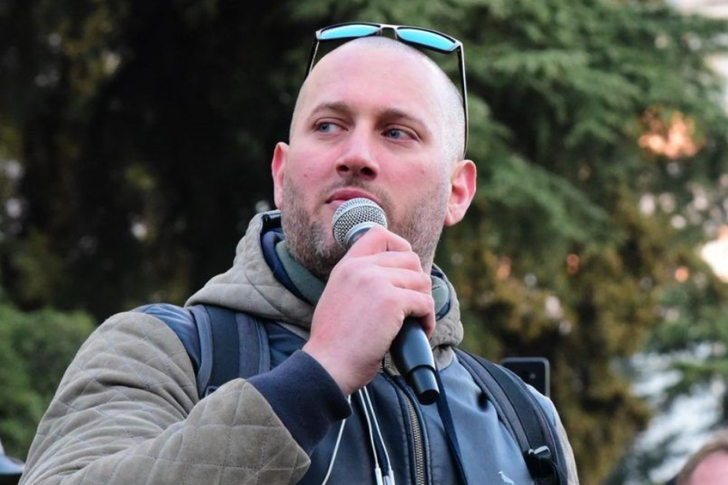
The upheaval that Florian Binaj brings with his latest mov...

The next case broadcast on the show "Stop", this Thursday,...
The case published this Thursday, June 4, on the show "Sto...

The protests of recent days related to the situation in Zv...
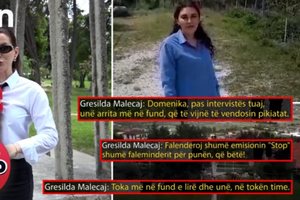
The case addressed this Wednesday, June 3, on the show "St...

The Special Board of Appeal (KPA) decided this Monday ...

The KPA vetting decided this Thursday to dismiss the p...

Suela Salavaçi, a prosecutor in the Prosecutor's Offic...

The Special Board of Appeal reinstated the prosecutor ...
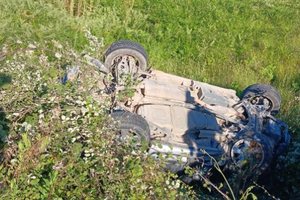
A serious accident occurred on the Kardhiq-Delvinë axis, i...

Authorities have conducted a large-scale anti-drug operati...
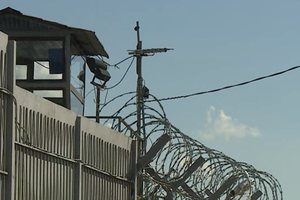
A convict was found dead today in the premises of the Pris...
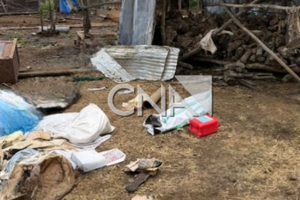
Several images provided by CNA show the area where this mo...

Today our country will be affected by stable weather condi...

For many children and teenagers, the long summer holidays ...
Albania is facing an unprecedented demographic transition,...

On Thursday, our country will be affected by unstable weat...

Russian President Vladimir Putin said the war in Ukraine c...
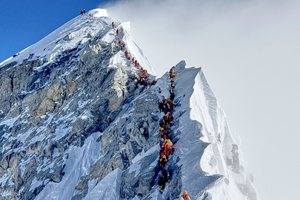
An extraordinary story of survival has been recorded in Ne...
The Peace Implementation Council in Bosnia and Herzegovina...
John Bolton, the former national security adviser to US Pr...

Korça is ready to open the summer season with one of the c...
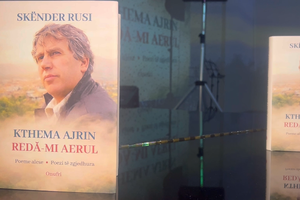
Two years after his passing, the renowned Korçë poet Skënd...

The Ethnographic Museum of Berat has opened its doors to v...
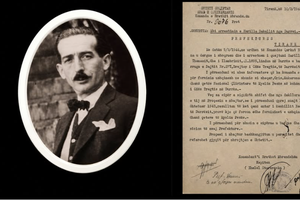
The story of Harilla Bakalli is one of the most chilling t...

Despite years of efforts at regional cooperation and free ...
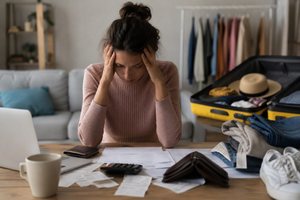
Albania is the country with the highest level of severe ma...

This Friday, one US dollar is bought for 81.3 lek and sold...

The government aims to transform the country's industrial ...