


Serious accident on the Kardhiq-Delvinë axis / One person dies, three others are injured
A serious accident occurred on the Kardhiq-Delvinë axis, i...

A serious accident occurred on the Kardhiq-Delvinë axis, i...
Ngutja për të caktuar datën e zgjedhjeve, pa pritur vendimin e Gjykatës Kushtetuese, është pjesë e një modeli të konsoliduar ku vendimi politik paraprin drejtësinë.


President Bajram Begaj's decision to decree November 9 as the date of elections in the Municipality of Tirana has opened a strong institutional and political debate.
At first glance, it seems like a common legal procedure, but in essence, behind this decision lies a political rush that raises many questions about the majority's relationship with independent institutions.
President Begaj is not perceived as an independent figure, but as a product and institutional extension of the majority.
The decree of November 9, without waiting for the Constitutional Court's decision on the issue of Erion Veliaj's mandate, clearly shows the coordination of institutions under the influence of Edi Rama.
This is not a purely procedural action, but a politically calculated move, with clear and synchronized objectives.
This is not the first time that Albania has faced a political "emergency" that predates the law.
Even in the past, election deadlines, presidential decrees, or changes in administration have been used as instruments to create political advantage, rather than as mechanisms of the rule of law.
The culture of decision-making before trial has become a standard of executive power, making even the role of the President a formal form of a decision that is made elsewhere.
In this sense, the decree for the November 9 elections is a continuation of a consolidated model, not an institutional coincidence.
The decision not to wait for the Constitutional Court contradicts one of the fundamental principles of the rule of law, the principle of waiting for the judicial effect before an act produces irreversible consequences.
If the elections had been held on November 9, and the Court had subsequently declared the decree invalid, the country would face a new institutional crisis, where neither the result nor the legitimacy would have legal value.
This would damage not only the credibility of the institutions, but also the democratic process itself, turning the vote into a contested act from the start.
This is not an institutional decision, but a politically calculated move.
The goal is threefold:
1. Prevent the intervention of the Constitutional Court, which could overturn the legal basis of the process and expose the lack of legitimacy of the situation in the Municipality of Tirana.
2. To confront the opposition with a fait accompli, by forcing it into an unprepared election, without time for organization, structuring, or a proper campaign.
3. To consolidate control over Tirana before winter, a period that is expected to be accompanied by increases in prices, taxes, and social discontent, which could weigh on the government if the elections were postponed.
A deeper reason for this decision is also related to the economic and political moment.
Albania is entering a difficult winter, with stable inflation, rising energy prices and local taxes, while citizens' real incomes remain low.
A vote in this context would be much more politically costly for the majority, which seeks to maintain control over Tirana before this dissatisfaction turns into an electoral loss.
The capital is not simply an administrative territory, it is the political symbol of power and the center of all public communication.
An unexpected result in Tirana would have a domino effect throughout the country, so snap elections are a way to prevent the risk of electoral erosion.
Therefore, the move to conclude this process before winter has more to do with political calculations than with respecting legal deadlines.
At first glance, we have a formal presidential decree, but in reality we are dealing with a politically overloaded decision, which raises serious questions about the real separation of powers in Albania and the limits of institutional independence.
In a functioning republic, the President would await the Constitutional Court's decision before setting the election date.
In today's Albania, it seems that the political decision precedes the constitutional judgment, and this says more about the way power functions than about the electoral calendar.
The issue of November 9 is more than a debate about the election date, it is a test of the independence of institutions and a reflection of the way political power interferes with constitutional balances.
When every decision is made in function of an electoral goal, then the state becomes an instrument of the party and not of the law.
The question that remains is not only why the date was set, but how long Albania will continue to function with this logic of political urgency that precedes justice./ CNA

This title ''Martyr of the Fatherland'' has already become...

The upheaval that Florian Binaj brings with his latest mov...

In the beginning was the word. But the word was not a knife....

Two years ago, Hamas launched a terrorist attack on Israel, ...

The first, in the photo, is American judge Frank Caprio, k...
Two words for those ignorant people who commented yesterda...
A serious event, perhaps the most serious in 35 years, occ...
The masks fell. Politics is experience and principle! At...
Retrospective, August 1998. The Prosecutor General accuse...
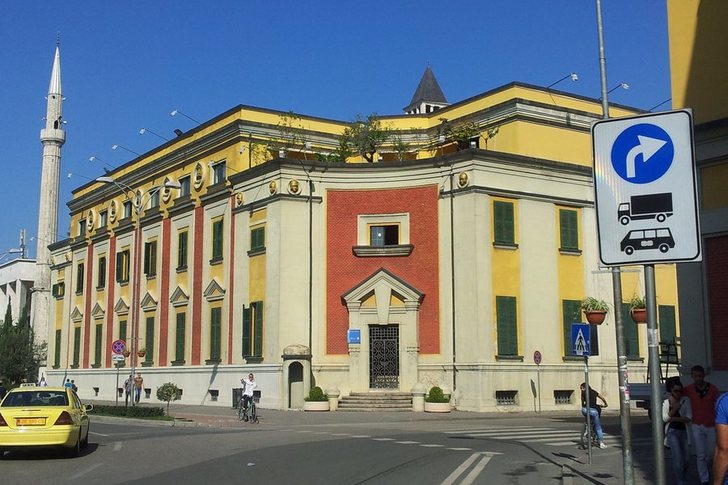
The race for the municipality of Tirana is not, in fact, a...

How is it explained that for over ten years the Democratic...

In politics, it is often said that leaders are born that w...
At the beginning of the week, the Assembly of the “Tirona”...
Young people who pledge to a different policy have not been ...
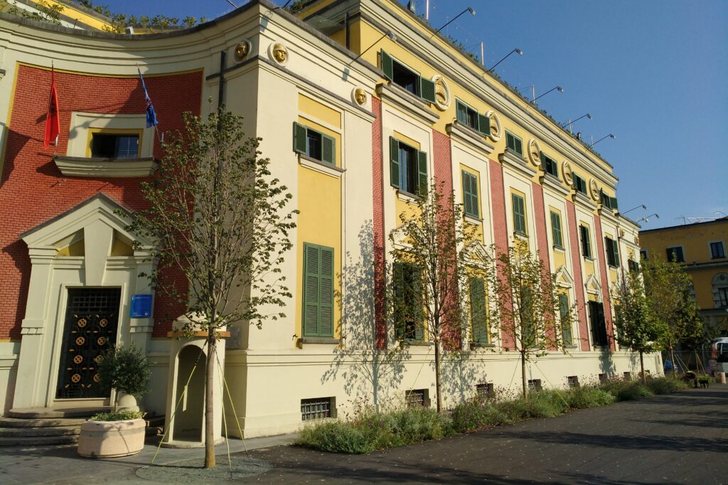
I would like to speak for myself, since I myself have expres...
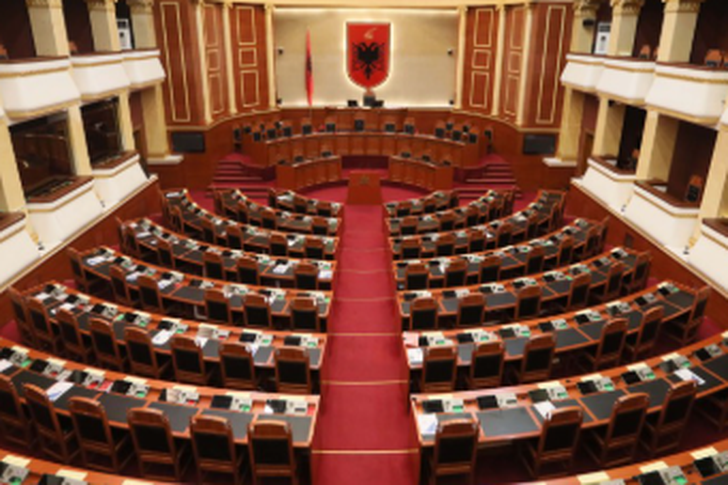
by Iris BEQIRI September has started full of developments...

The United Nations has been in a difficult situation for s...
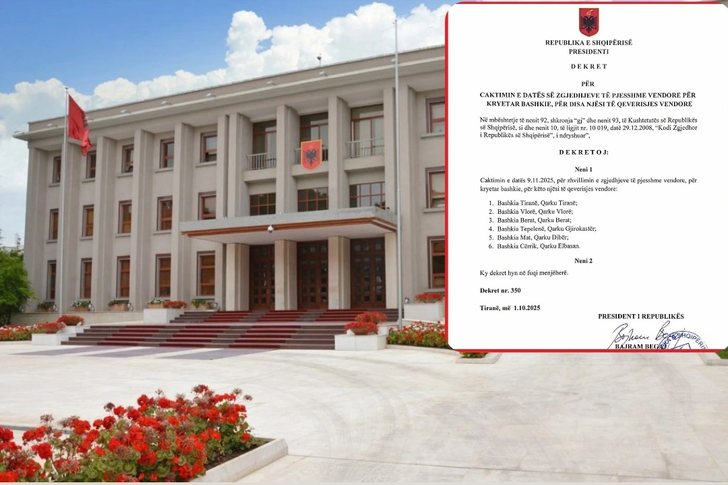
President Bajram Begaj's decree, published on October 1, a...
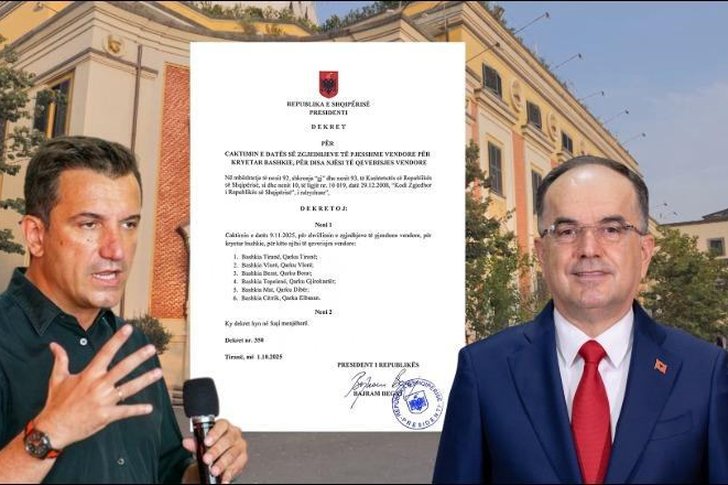
The decree of the President of the Republic for elections ...
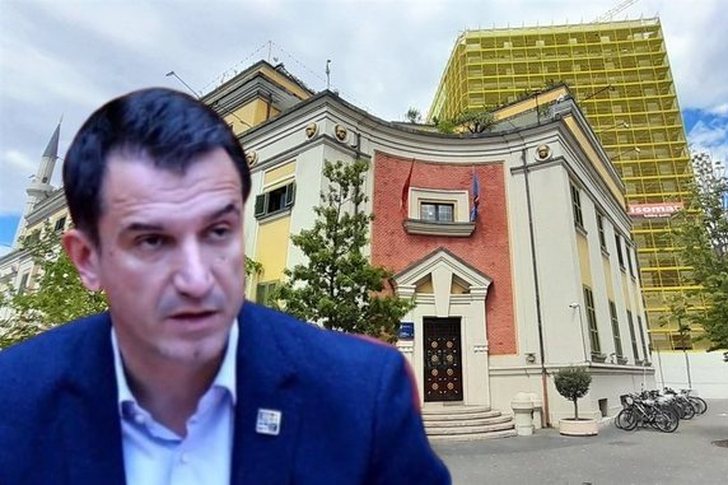
Erion Veliaj was dismissed based on Article 62 of the Law ...

The next case broadcast on the show "Stop", this Thursday,...
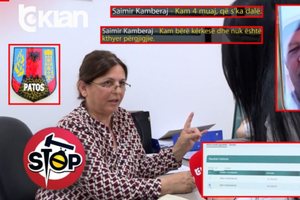
The case published this Thursday, June 4, on the show "Sto...

The protests of recent days related to the situation in Zv...

The case addressed this Wednesday, June 3, on the show "St...

The Special Board of Appeal (KPA) decided this Monday ...

The KPA vetting decided this Thursday to dismiss the p...

Suela Salavaçi, a prosecutor in the Prosecutor's Offic...

The Special Board of Appeal reinstated the prosecutor ...
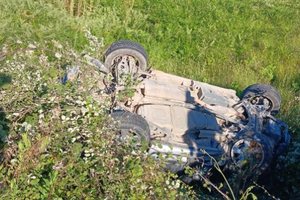
A serious accident occurred on the Kardhiq-Delvinë axis, i...

Authorities have conducted a large-scale anti-drug operati...
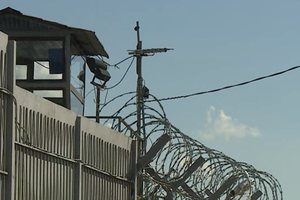
A convict was found dead today in the premises of the Pris...
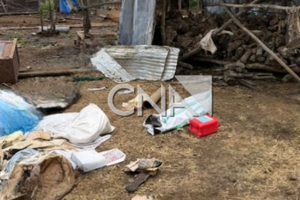
Several images provided by CNA show the area where this mo...

Today our country will be affected by stable weather condi...

For many children and teenagers, the long summer holidays ...
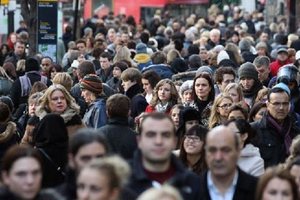
Albania is facing an unprecedented demographic transition,...

On Thursday, our country will be affected by unstable weat...

Russian President Vladimir Putin said the war in Ukraine c...
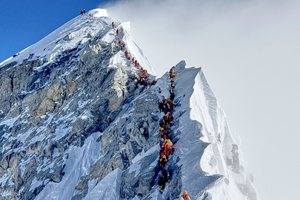
An extraordinary story of survival has been recorded in Ne...
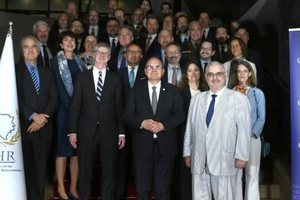
The Peace Implementation Council in Bosnia and Herzegovina...
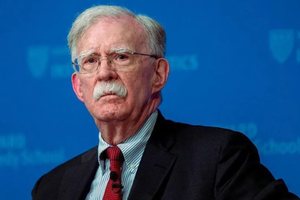
John Bolton, the former national security adviser to US Pr...

Korça is ready to open the summer season with one of the c...
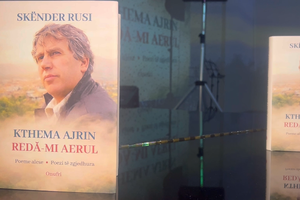
Two years after his passing, the renowned Korçë poet Skënd...
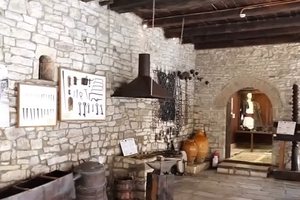
The Ethnographic Museum of Berat has opened its doors to v...
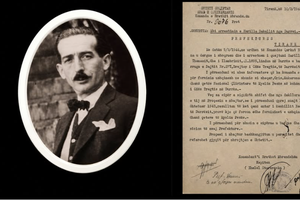
The story of Harilla Bakalli is one of the most chilling t...

Despite years of efforts at regional cooperation and free ...

Albania is the country with the highest level of severe ma...

This Friday, one US dollar is bought for 81.3 lek and sold...
The government aims to transform the country's industrial ...