




Japan has the highest public debt in the world. It is equal to 258 percent of the Gross Domestic Product. This huge debt is the result of a series of policies that governments have implemented over the past 30 years to stimulate a sluggish economy that is not growing.
However, it is surprising how a public debt at such levels has never raised any major concerns in the country, except from international investors. According to experts, this happens thanks to the special characteristics of the Japanese economy.
One of them is the fact that the debt is mainly held by the Central Bank and local investors. The state owns large assets to ensure that pension spending is under control regardless of the aging population.
However, Japan's has become a unique case study of how even very high debt can be sustainable, so much so that many politicians and analysts in Italy often use it as an example of the fact that a high public debt it is not at all
a serious problem.
However, great care is needed in trying to adapt the Japanese model to Italy, whose public debt is 144.4 percent of GDP. It is true that the Japanese economy is similar to the Italian one in many aspects: it has the highest public debt in the world (the Italian one ranks fifth) and over the last 25 years, together with Greece and Italy, it is among the 3 countries with the lowest growth rate of per capita income.
The causes of low economic growth in Japan are structural, and closely related to the characteristics of Japanese society. The population there is very old and this has led to a significant reduction in the labor force, something that has very negative consequences in terms of
innovation and productivity, which are the 2 main culprits of a country's economic growth.
Për këtë arsye, qeveritë dhe banka qendrore japoneze janë përpjekur ta stimulojnë për shumë vite ekonominë. Ato përpiqen ta bëjnë këtë përmes reformave strukturore, subvencioneve dhe stimujve financiarë që e kanë rritur më tej borxhin publik. Banka Qendrore garanton një likuiditet të bollshëm për ekonominë dhe i mban normat e interesit artificialisht të ulëta. Këto të fundit i shtojnë njerëzit të duan të marrin hua për të blerë gjëra apo për të investuar. Por nga ana tjetër ato e kanë bërë shumë të lehtë për qeverinë që të hyjë në borxhe.
Prej vitesh çmimet në Japoni nuk janë rritur, madje në periudha të caktuara ato kanë pësuar ulje. Në këtë rast flitet për deflacion, pra një rënie e përgjithshme të nivelit të çmimeve që karakterizon një ekonomi në stanjacion, pra që nuk rritet dhe në të cilën kërkesa është shumë e dobët.
Në fakt, gjatë 2 dekadave të fundit, autoritetet ekonomike dhe monetare janë përpjekur në mënyrë aktive të nxitin inflacionin në vend, sepse rritja e çmimeve do të ishte një sinjal që ekonomia po rritet sërish. Deri para 2 vitesh, kjo politikë stimuluese do të kishte qenë pak a shumë në përputhje me ato të vendeve perëndimore, edhe pse me disa dallime dhe me shumë më tepër kujdes nga ana e Perëndimit.
Edhe në Shtetet e Bashkuara dhe Evropë deri disa vite më parë, normat e interesit ishin jashtëzakonisht të ulëta dhe qeveritë zbatuan politika stimuluese. Më pas gjërat filluan të ndryshojnë. Dhe prej 1 viti në të gjitha ekonomitë e përparuara bankat qendrore i kanë rritur normat e interesit për të luftuar inflacionin.
Ndërkohë Japonia po sillet në mënyrën e kundërt: ajo vazhdon t’i mbajë normat e interesit të ulëta duke u përpjekur të nxisë rritjen e ekonomisë, duke mos u kujdesur edhe për inflacionin që preku ekonominë. Inflacioni në Japoni është 3.3 për qind, më i ulët se pjesa tjetër e ekonomive të përparuara, me përjashtim të Shteteve të Bashkuara.
Sipas shumë ekspertëve, një arsye tjetër pse Japonia nuk i rrit normat e interesit është pikërisht borxhi publik. Shumë analistë besojnë se rritja e normës do të ndihmojë që borxhi publik të bëhet i paqëndrueshëm. Ata bien dakord se herët a vonë Japonisë do t’i duhet të gjejë një mënyrë për t’u përshtatur me politikat perëndimore.
Ja disa arsyet pse borxhi publik i Japonisë vlerësohet të jetë kaq i qëndrueshëm.
Së pari Japonia ka monedhën e saj kombëtare, dhe borxhi publik mbahet kryesisht nga banka qendrore. Kjo e fundit nuk do të bëhet kurrë një kreditore armiqësore ndaj vendit, dhe borxhi japonez nuk është i ekspozuar ndaj luhatjeve të monedhës, të cilat nuk kanë lidhje me ekonominë e saj.
Së dyti financat publike të Japonisë, nuk janë në një gjendje aq të keqe sa mund të sugjerojë një borxh kaq i lartë. Me përjashtim të viteve të pandemisë, deficiti buxhetor ka qenë në rënie prej disa kohësh.
Së treti, shteti japonez ka pasuri të konsiderueshme. Sipas përllogaritjeve të Observatorit Italian të Llogarive Publike, ai zotëron asete jofinanciare, si pasuri të paluajtshme, për një vlerë që kalon 100 për qind të PBB-së, dhe letra me vlerë financiare që zënë 112 për qind të PBBG.
Kapitali është mjeti kryesor në dispozicion të kreditorëve në rast se gjërat shkojnë keq. Shteti mund të shesë pasuri të paluajtshme ose letra me vlerë financiare për të shlyer borxhin e tij. Një pikë tjetër në favor të qëndrueshmërisë së financave publike japoneze ka të bëjë me
shpenzimet për pensionet, të cilat janë një burim shqetësimi i mundshëm, sidomos në rastin e një vendi gjithnjë e më të plakur.
Falë një sërë reformash strukturore në sistemin e pensionit, Japonia ka një shpenzim që në tërësi është i përballueshëm, pavarësisht nga popullsia me një jetëgjatësi gjithnjë në rritje dhe gjithnjë e më e plakur. Të gjithë këta faktorë të veçantë së bashku e bëjnë borxhin publik japonez të sigurt, pavarësisht vëllimit të tij të madh./ Përshtatur nga CNA








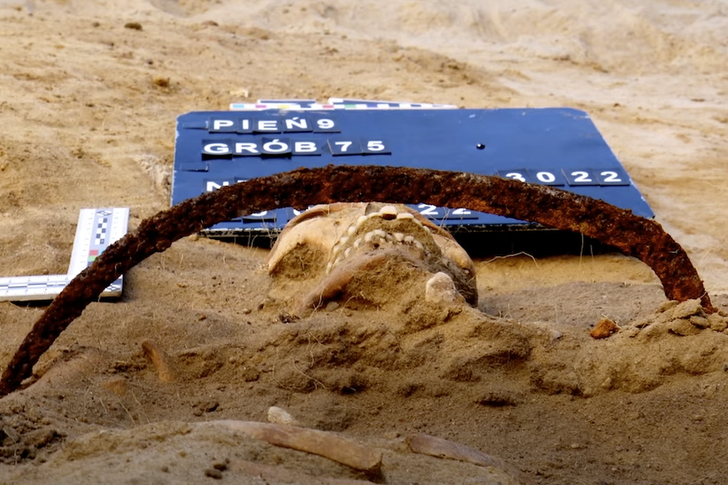
At the end of July, during archaeological excavations near...
Finally there is a date, 2030, for the Europe of the futur...

President Joe Biden was "fine" according to White House Co...

About 930,000 years ago, the human race was on the ver...
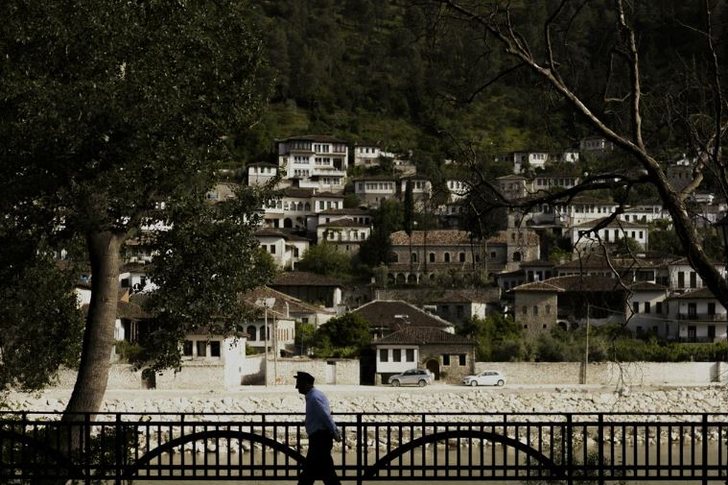
It is 1 o'clock in the afternoon on a summer Saturday, and...

Cheating is a complex topic, with an emotional charge, tha...

On a hot summer day in July 1954, a man arrived at Haneda ...

Fosili i një majmuni i zbuluar së fundmi në Turqi, ka nxit...
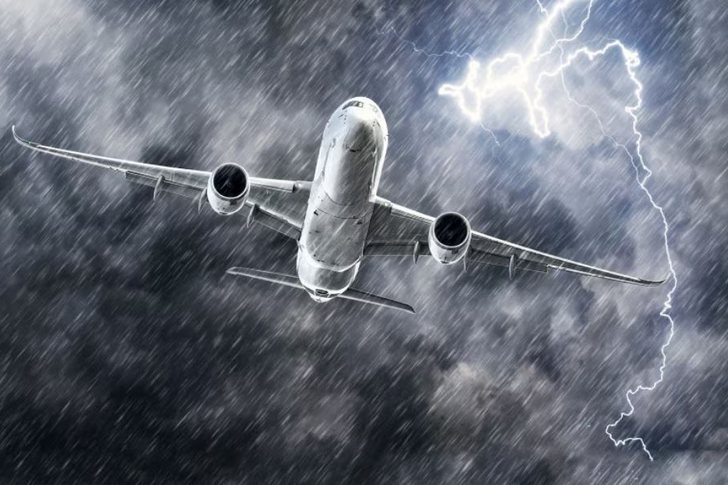
Flying is the safest way to travel. According to the lates...

When London was hit with the bubonic plague in 1665, many ...

When I heard that hospitals in the US were short of blood ...

At the Bled Strategic Forum held this week, European C...

By Ross Pomeroy "Big Think" Over time, a person's persona...

Gone are the days of old scams, with "princes" offering th...

The Boeing E-4B aircraft, also known as the "End of the Wo...

Water is the main component of our body and a fundamental ...

While intelligence is often considered a very valuable tra...

After several years full of anxiety about the backward ste...

Whether power corrupts a person—or whether a corrupt perso...

In January 1989, as a college student, I came here to marc...

A 39-year-old citizen has been arrested in Lezha, after se...

CNA has launched another investigation that could lead to ...

Irfan Hysenbelliu is a businessman that we call "Irfan the...

In March 2026, CNA launched another investigation centered...

The Special Board of Appeal (KPA) decided this Monday ...

The KPA vetting decided this Thursday to dismiss the p...

Suela Salavaçi, a prosecutor in the Prosecutor's Offic...

The Special Board of Appeal reinstated the prosecutor ...

Several gunshots were reported today in the village of Gjo...

Following the successive operations carried out by the ope...

The Police Supervision Agency has seized the service weapo...

A serious incident occurred in Lushnje, where citizen IY, ...

As the year 2026 is in its second half, the world is exper...

Today, our country will be under the influence of stable a...

By noon, cloudiness is expected to prevail in almost all o...

Children without parental care, for whom alternative famil...

Ukrainian President Volodymyr Zelensky said Russia wants t...
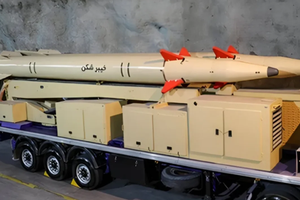
Iran is adapting and enhancing the capabilities of its bal...

Serbia's Minister of State Administration and Local Self-G...
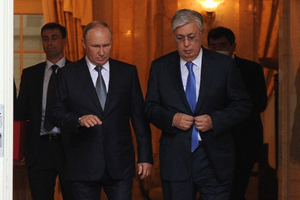
Kazakh President Kassym-Jomart Tokayev shared some critici...

Two windows, a century of history and the metaphysics of p...

In my research at the Central State Archives, specifically...

At a time when industrial products are increasingly taking...

Trust among people is not just a three-syllable word. It c...
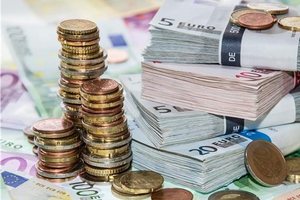
This Saturday, one US dollar is bought for 81.7 lek and so...
War, weather and supply disruptions could send gas prices ...
The number of active enterprises in Albania continued to g...
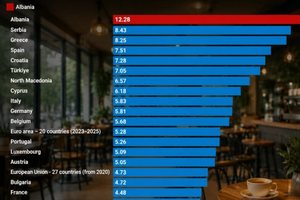
In Albania, the bar-cafe has long become an almost unique ...