


"Stupidity has left us 100 years behind"/ Rama: The 2 brothers who invest in Zvërnec, with projects on the island of Qatar
Prime Minister Edi Rama reacted again this Saturday regard...

Prime Minister Edi Rama reacted again this Saturday regard...

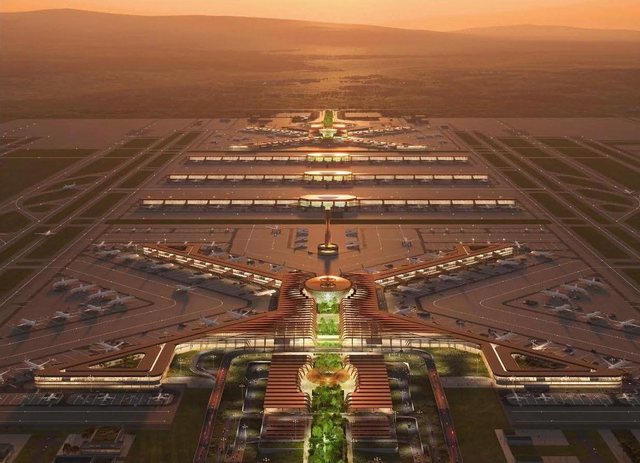
Flying between African cities forces many travelers to transit outside the continent, via London, Paris or Dubai. But a $12.5 billion airport being built in Ethiopia could change that.
About 50 km southeast of the capital Addis Ababa, work began in January on what Ethiopian Prime Minister Abiy Ahmed Ali described as "the largest aviation infrastructure project in the history of Africa."
Bishoftu International Airport is expected to open in 2030 with two runways and capacity for 60 million passengers per year, with plans to expand to 110 million passengers, more than the world's busiest airport, Hartsfield-Jackson in Atlanta, which had 106 million passengers in 2025.
The project is being led by Ethiopian Airlines, Africa’s largest airline by fleet, passengers and revenue. CEO Mesfin Tasew said the company “will invest 30% of its capital” to directly cover the $12.5 billion cost. The remaining $8 billion has yet to be secured, with the US, China and most recently Italy involved in negotiations.
African Airspace Connection
Addis Ababa is already one of the major aviation hubs in Africa, but Bole Airport is quickly reaching maximum capacity and has no room for expansion.
With a new airport that will primarily serve transit passengers, Ethiopian Airlines could lead the race to connect African airspace, one of the world's fastest-growing markets.
The airport can also tap into Africa's untapped freight capacity, supporting the African Continental Free Trade Agreement with infrastructure to handle 3.73 million tonnes of cargo per year.
On funding, Landry Signé, a director at the Thunderbird School of Global Management and a fellow at the Brookings Institution, said: “The signals are positive so far, but securing $8 billion in one year is an ambitious deadline.” If fundraising drags on, the 2030 target becomes very difficult to achieve.
Zaha Hadid Architects is leading the design of the terminal.
Inspired by the Great Rift Valley, the terminal has a central structure that stretches lengthwise, with four branches reflecting the diverse landscapes and cultures of Ethiopia.
The semi-open spaces and courtyards are designed to take advantage of Bishoftu's mild climate. "You're almost outside, which is quite unique for an airport," he added.
Designers say sustainability is a priority, from local materials to solar power and rainwater systems. However, the aviation industry accounts for 2–3% of global CO? emissions.
The construction has caused controversy, as it is said to have displaced over 15,000 people from more than 3,600 hectares of agricultural land.
Ethiopian Airlines says it is spending $350 million on the resettlement, building 1,400 homes with power, water, schools and health services.
However, some residents have stated that they have not received compensation. Authorities have denied these claims.
Signé points out that displacements are often treated as logistical issues rather than governance problems. He warns that any unresolved grievances could delay the project and affect investment.
Bishoftu is part of a wave of airport investments on the continent, including projects in Rwanda, Burkina Faso and modernizations in Casablanca, Cairo and Nairobi.
CEO Tasew said the goal is for the airport to become for Africa what Dubai or Doha is for the Middle East.
However, he acknowledges that this requires cooperation with other airlines to ensure uninterrupted connections.
At the Aviation Africa 2025 Summit, ministers approved a plan to accelerate the Single African Air Market. Since 2018, 38 countries have joined and over 110 new routes have been created, with the potential to increase traffic by 141% and reduce prices by up to 35%.
Smaller lines worry that larger companies will profit more.
“Ethiopian Airlines remains the leader, but competition is increasing,” said Christy Tawii of Euromonitor.
She added that the full impact will depend on policies, visa liberalization and sustained demand growth./ CNN

Prime Minister Albin Kurti's ruling party, the Vetevendosj...
The sharp rise in jet fuel prices, driven by tensions in t...
Leading medical journal The Lancet has refused a request t...
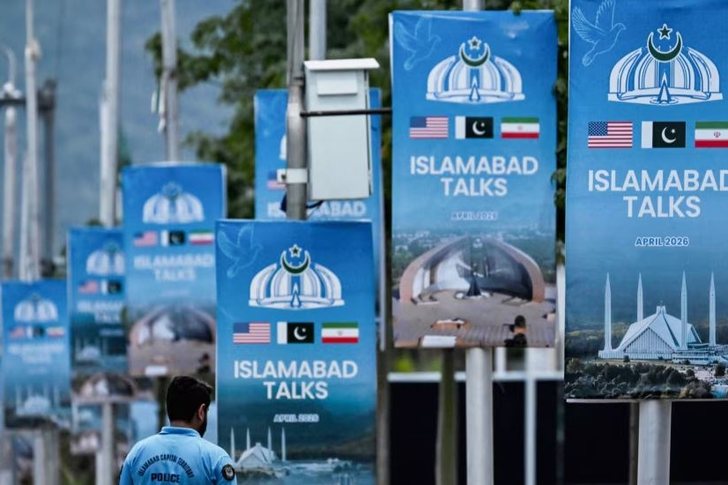
White House spokeswoman Caroline Leavitt said the United S...
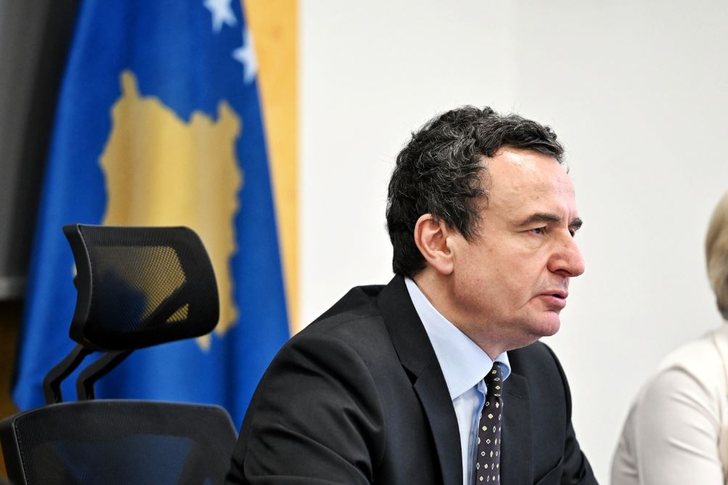
The Prime Minister of Kosovo, and also the leader of the V...
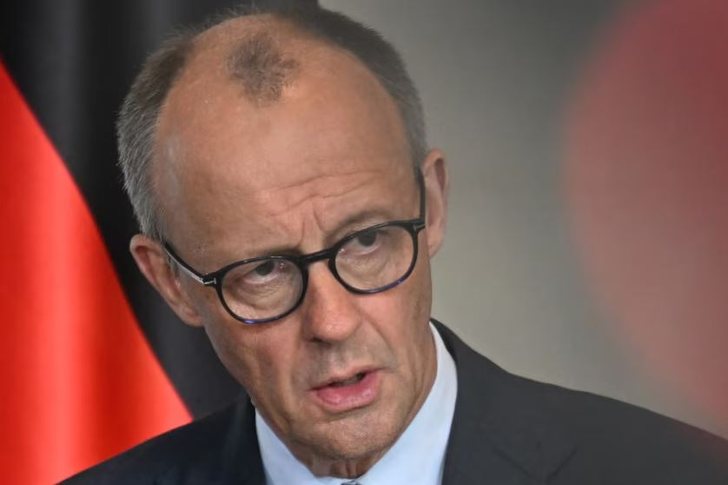
German Chancellor Friedrich Merz said the European Union i...

NATO has said in a statement that the treaty does not prov...
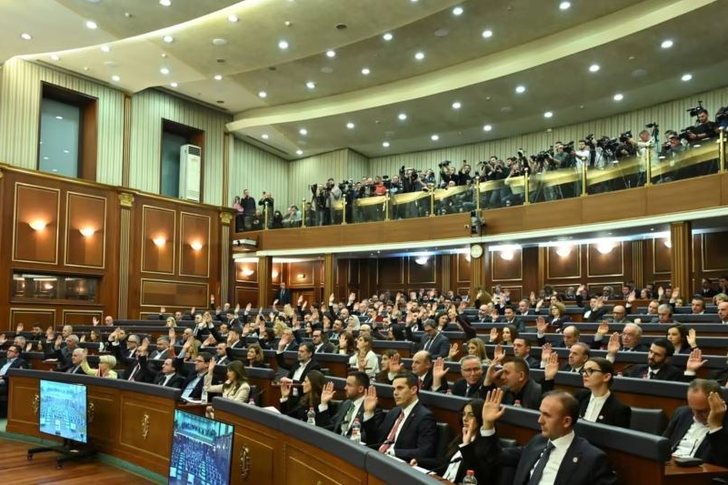
The deputies of the Kosovo Assembly have ratified the inte...

Celebrity donors to the Southern Poverty Law Center (SPLC)...

Bllagoje Spasojeviç dhe Vlladimir Tolliç u dënuan me b...
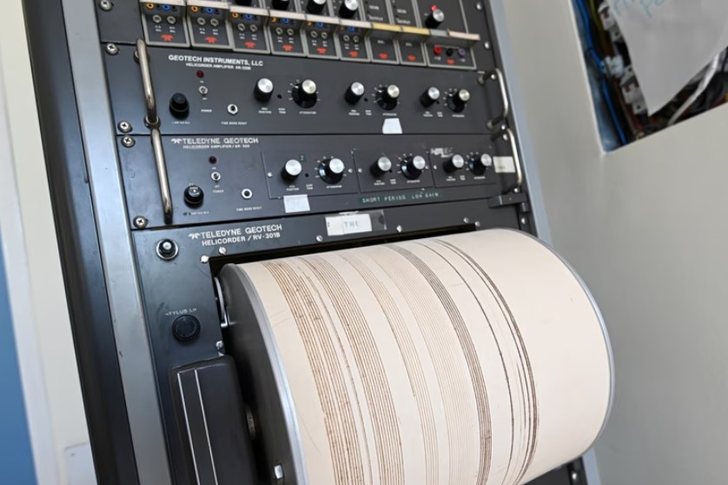
A 5.7 magnitude earthquake struck Crete shortly after 3:00...
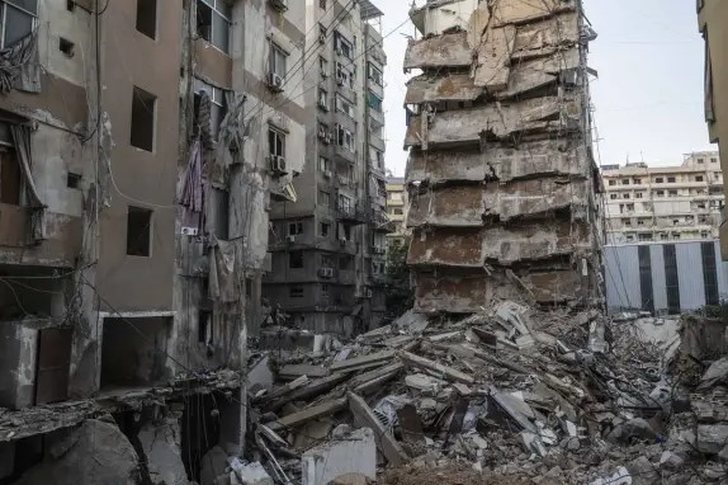
Israel's ambassador to the United Nations, Danny Dannon, h...
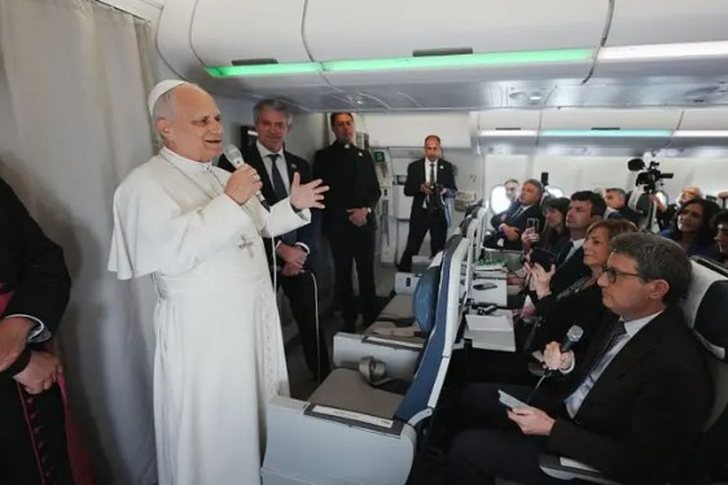
Pope Leo XIV has urged the US and Iran to continue peace t...

US President Donald Trump said on Thursday that he would n...

US President Donald Trump has recently stated that he is n...

US President Donald Trump is expected to be present at par...

Kosovo Prime Minister Albin Kurti has reacted to the passi...
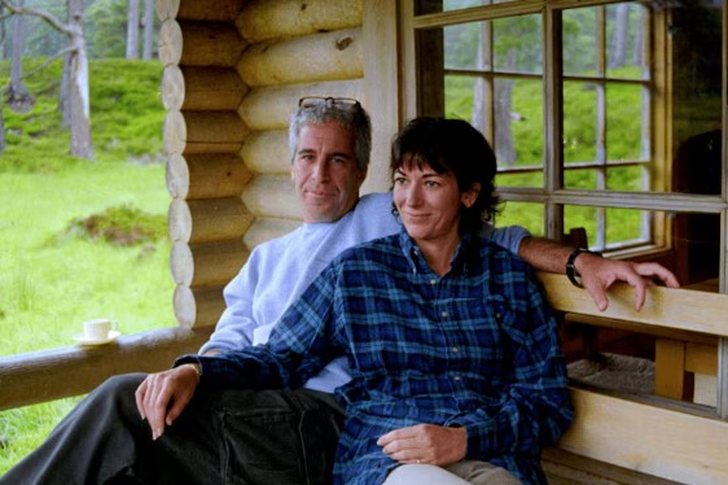
The US Department of Justice's Office of Inspector General...
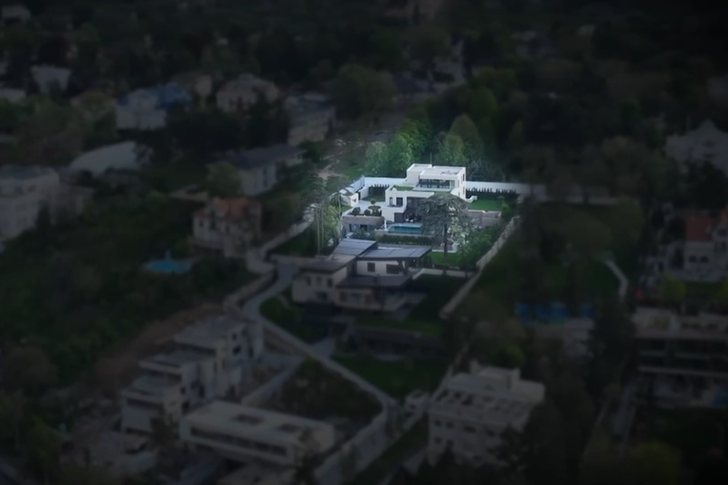
Hundreds of square meters of construction have been carrie...
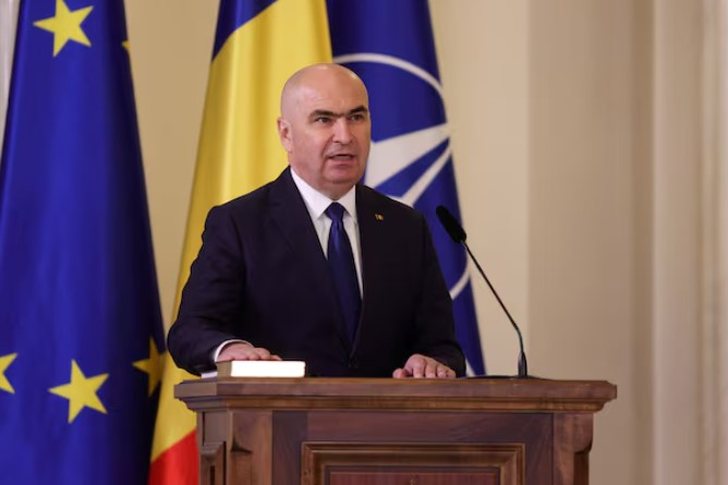
Seven ministers from Romania's largest party, the Social D...

Irfan Hysenbelliu claims to be a big businessman, an hones...

The murder of officer Enea Mekolli in the line of duty has...

The next case broadcast on the show "Stop", this Thursday,...

The case published this Thursday, June 4, on the show "Sto...

The Special Board of Appeal (KPA) decided this Monday ...

The KPA vetting decided this Thursday to dismiss the p...

Suela Salavaçi, a prosecutor in the Prosecutor's Offic...

The Special Board of Appeal reinstated the prosecutor ...
Following the cooperation of Interpol Tirana with Interpol...

An accident occurred this Saturday morning at Shkëmbi i Ka...
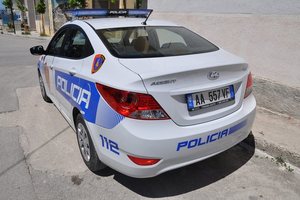
A TNT explosion occurred in Lezha in the early hours of th...

A massive brawl was recorded on Friday evening in Saranda,...
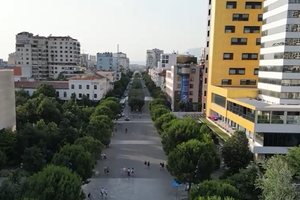
Albanians are officially the hardest working people in Eur...

This Saturday will be characterized by mostly clear weathe...
Today our country will be affected by stable weather condi...

For many children and teenagers, the long summer holidays ...
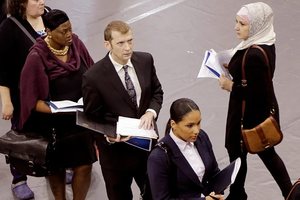
Millions of Europeans still apply for jobs without knowing...

Following the Covid-19 pandemic, the World Health Organiza...
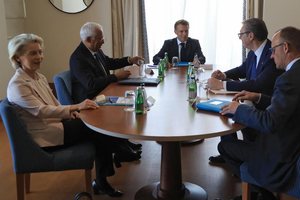
Leaders of the European Union and Western Balkan countries...
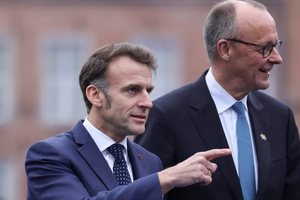
On the eve of the EU-Western Balkans summit, Germany and F...

Korça is ready to open the summer season with one of the c...

Two years after his passing, the renowned Korçë poet Skënd...

The Ethnographic Museum of Berat has opened its doors to v...
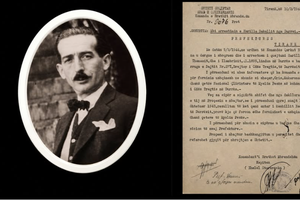
The story of Harilla Bakalli is one of the most chilling t...
The Transparency Board, in today's meeting, decided to red...

This Saturday, one US dollar is bought for 81.4 lek and so...
Despite years of efforts at regional cooperation and free ...

Albania is the country with the highest level of severe ma...