

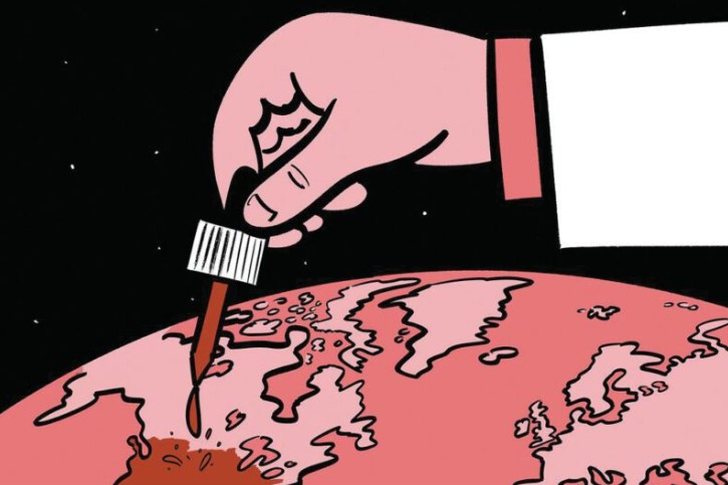
WHO identifies future pandemic threats, what could threaten Europe
Following the Covid-19 pandemic, the World Health Organiza...


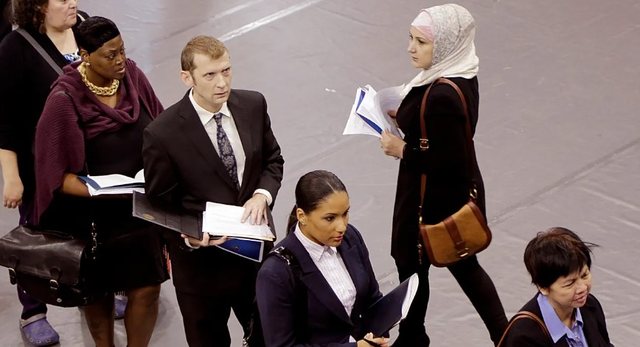
Millions of Europeans still apply for jobs without knowing how much they will be paid. New EU rules aimed at increasing pay transparency and tackling the gender pay gap were due to come into force on 7 June, but most member states are expected to miss the deadline.
How do you know if you are being paid fairly?
In most of Europe, workers still have limited information about what jobs pay and how their wages compare to others doing similar work.
The EU Pay Transparency Directive aims to change this by requiring employers to become more transparent about wages and helping to strengthen the principle of equal pay for equal work.
The directive aims to help reduce the gender pay gap in the EU, which stands at 11%, meaning that women's gross hourly earnings are, on average, 11% lower than men's, according to Eurostat.
For many women, failure to implement the directive could have a direct impact on their income each year.
The European Trade Union Confederation (ETUC) estimates that failure to implement pay transparency would cost women at least €4.8 billion per year in the EU, potentially reaching €7.2 billion - equivalent to between €465 and €700 per woman per year.
EU countries must implement the rules by June 7, 2026, but most of them are expected to miss the deadline after a three-year implementation period.
So which EU countries have implemented the Pay Transparency Directive? What is the latest situation for those left behind? And across Europe, which countries have the highest rates of pay transparency in job advertisements?
Six EU countries have not yet taken any action.
According to the implementation monitor of international law firm Addleshaw Goddard, as of May 2026, six of the 27 EU countries have yet to take any action to implement the directive. They are Austria, Bulgaria, Croatia, Hungary, Luxembourg and Portugal.
In September 2025, this figure was in 10 countries.
While Sweden published a proposal, the government suspended it indefinitely in March 2026, citing the directive's heavy administrative burden on employers.
Germany is expected to update its legislation in 2026. In the Czech Republic, Finland, Greece, Slovenia and Spain, draft laws are expected to be adopted.
Ten countries have published draft legislation
Ten EU countries have published draft legislation, although they are at different stages of the process. They are Cyprus, Denmark, Estonia, France, Ireland, Italy, Latvia, Lithuania, the Netherlands and Romania.
Three countries, Belgium, Malta and Poland, have partially implemented the directive.
In Slovakia, the Parliament adopted the Equal Pay Act on April 15, 2026, which will enter into force on June 7, 2026.
Real uncertainty in France
"In France, it is very likely that the June 7 deadline will not be respected. This creates real uncertainty, even after the law is passed, the main elements will have to be defined by separate implementing decrees, without a clear timeline," Jérémie Paubel, Employment Partner in France at Addleshaw Goddard, told Euronews Business.
He stressed that anticipation is crucial, companies should now take steps such as mapping their job categories, auditing their pay systems and structures and identifying any existing gaps, but most importantly, closely monitoring the legislative process.
What will happen in Germany?
"Missed implementation deadlines do not create a clear legal pause. They create an interim period in which companies may not yet have clear domestic rules, but courts, employees and works councils are already considering the direction set by the Directive," Marijke Van der Most, Employment Partner in Germany at Addleshaw Goddard, told Euronews Business.
She stressed that the sticking point for employers is not simply the delay in German law. It is that they may have to make wage decisions, answer employee questions and prepare for lawsuits at a time when the future standard is in sight but domestic regulation is not yet complete.
Salary transparency in job advertisements
According to global employment platform Indeed, salary transparency in job postings has been steadily increasing in many European countries.
As of March 2026, the United Kingdom had the highest rate of 56%, although this was 65% in May 2025.
The Netherlands (48%) and France (43%) exceed this figure. Ireland (39%) and Italy (36%) are very close, with Italy marking a significant improvement from 23% in May 2025.
However, Spain and Germany rank at the bottom of the list, with salary information included in only 17% and 12% of job advertisements, respectively.
Indeed data also shows that most EU countries are set to miss the pay transparency deadline. Data from Indeed Hiring Lab outlines the real consequences for workers and economies, including the persistence of the gender pay gap.
Workers are applying blindly
Indeed highlights that delays mean that most European workers continue to apply for jobs without knowing how much they will be paid.
"Salary is the most important factor why people look for a new job. Yet across Europe, it's what most job postings fail to take into account. Workers are applying blindly, and our research found that the consequences of this are deeper and more diverse than we thought," said Lisa Feist, EU Labor Market Economist at Indeed Hiring Lab.
"Despite these negative implications, there is an opportunity for employers who choose to be transparent. Those who act now can strengthen trust with candidates, improve application quality, and prepare their hiring strategies for the future."/ CNA

Following the Covid-19 pandemic, the World Health Organiza...
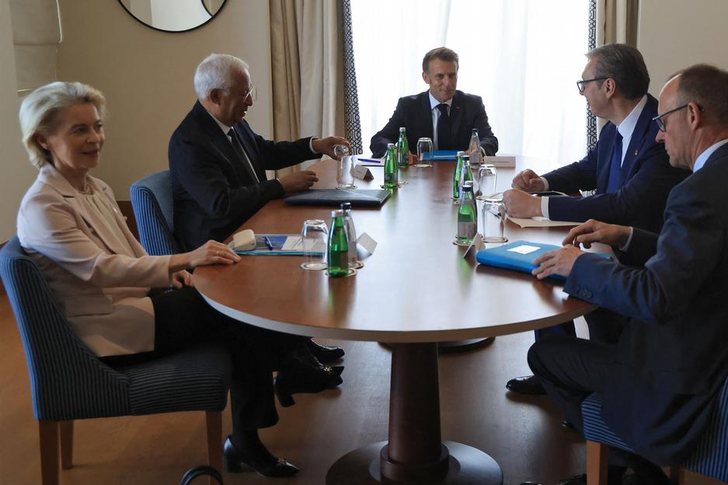
Leaders of the European Union and Western Balkan countries...
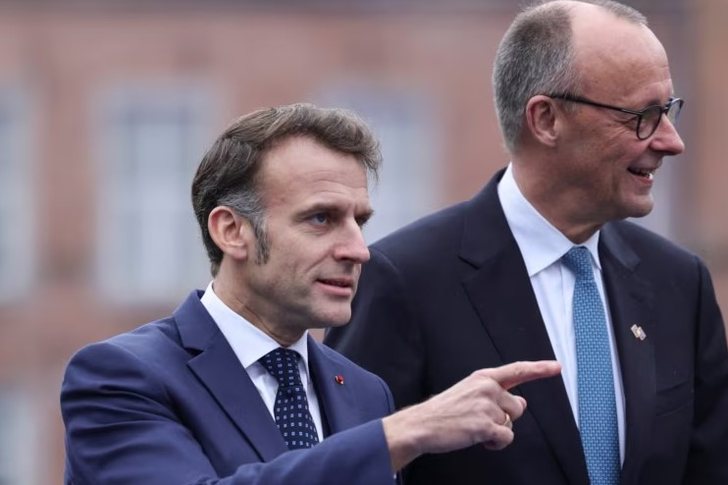
On the eve of the EU-Western Balkans summit, Germany and F...
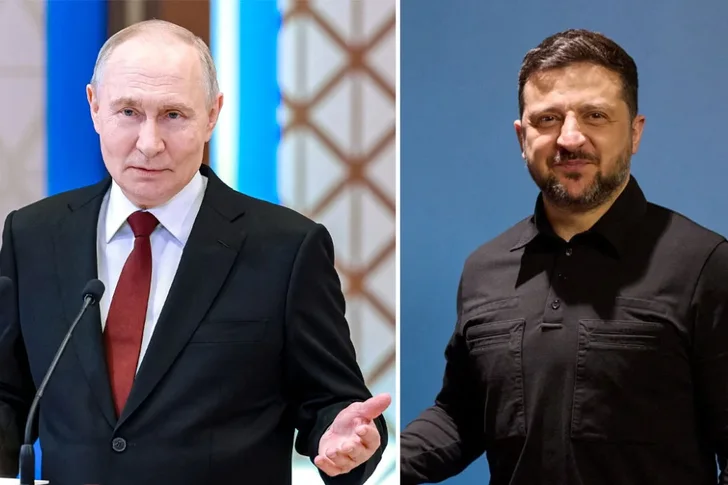
Russian President Vladimir Putin said the war in Ukraine c...
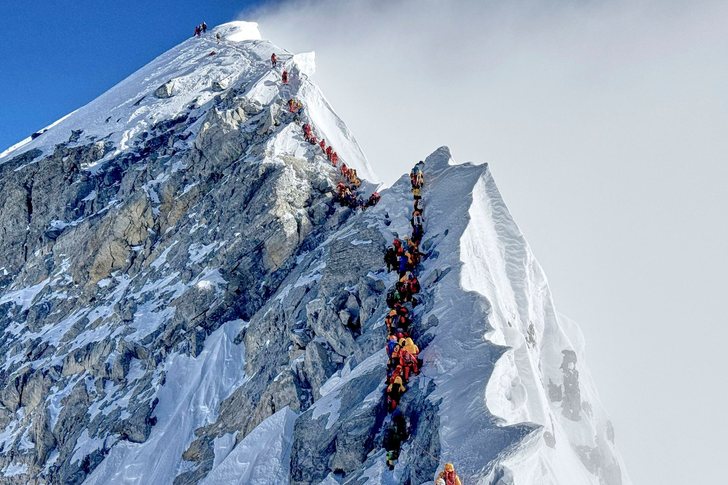
An extraordinary story of survival has been recorded in Ne...
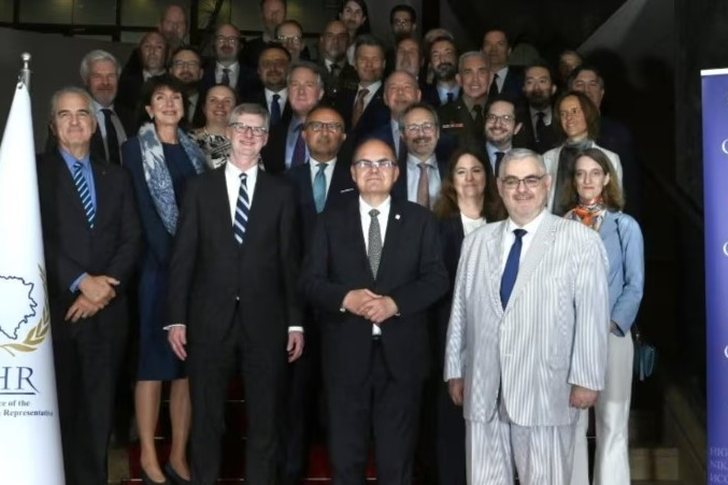
The Peace Implementation Council in Bosnia and Herzegovina...
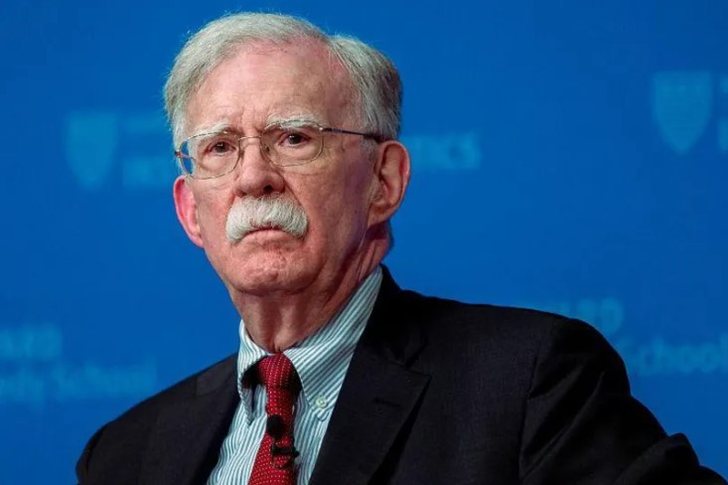
John Bolton, the former national security adviser to US Pr...
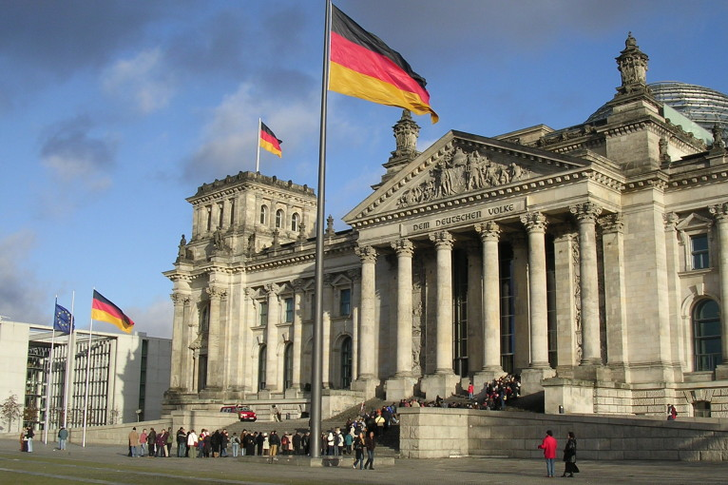
The number of millionaires worldwide rose by nearly 2 mill...
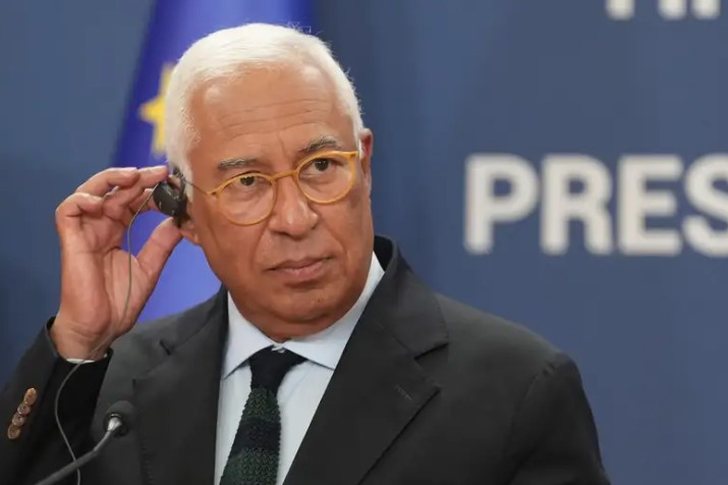
The European Union must find ways to accelerate the member...
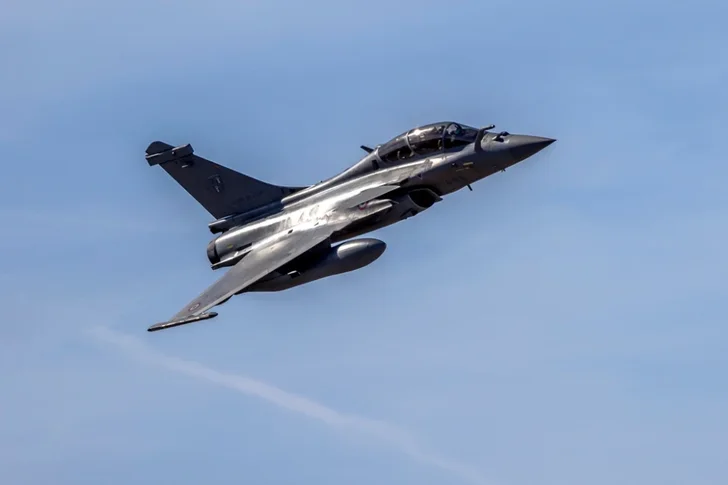
French fighter jets took off 11 times last week as part of...
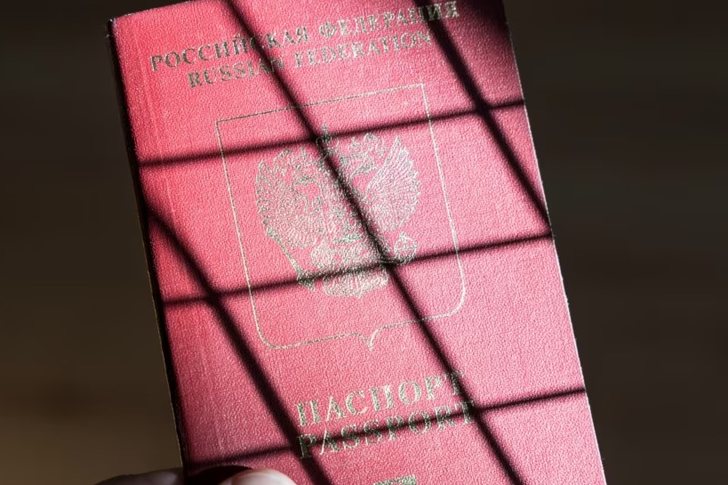
A number of European Union member states are pressuring th...
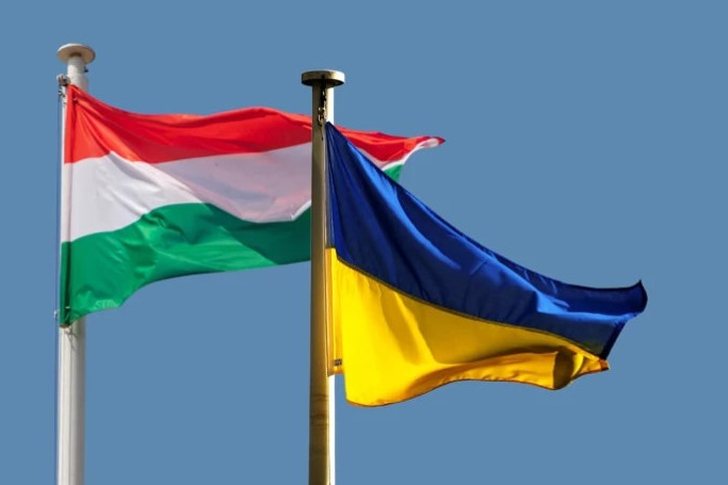
Hungary and Ukraine have reached an agreement on the right...
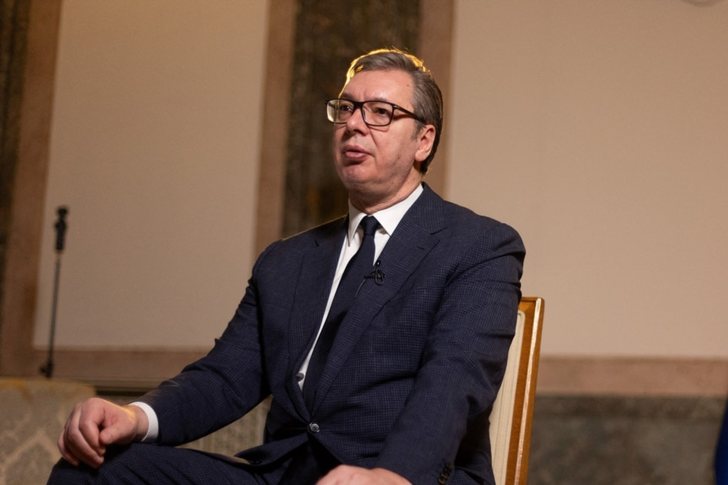
Serbian President Aleksandar Vučić has confirmed that he w...

Israel and Lebanon have agreed to renew their fragile ceas...

United States President Donald Trump announced in a post o...
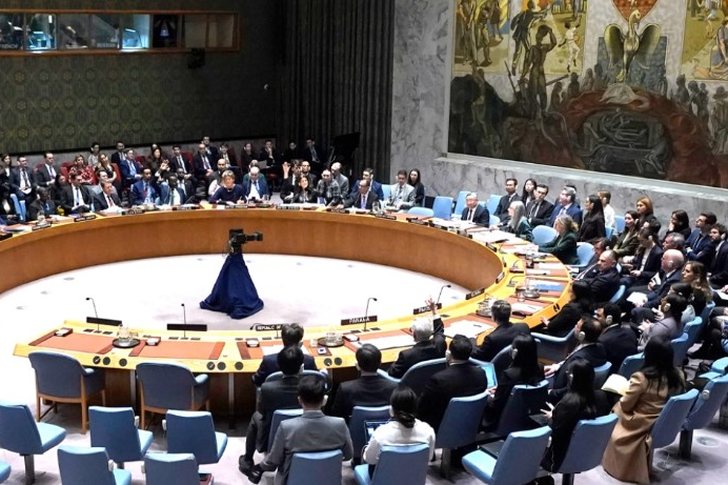
Asambleja e Përgjithshme e Kombet e Bashkuara ka përfundua...
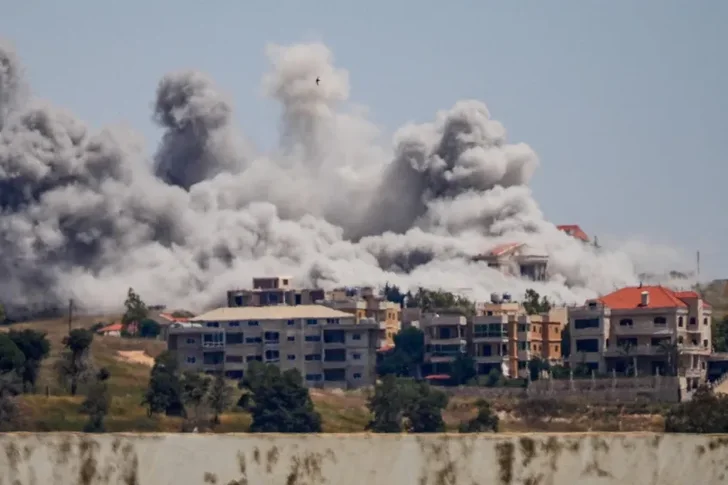
At least nine people have been killed in Israeli airstrike...

A serious incident has occurred in Bakersfield, California...
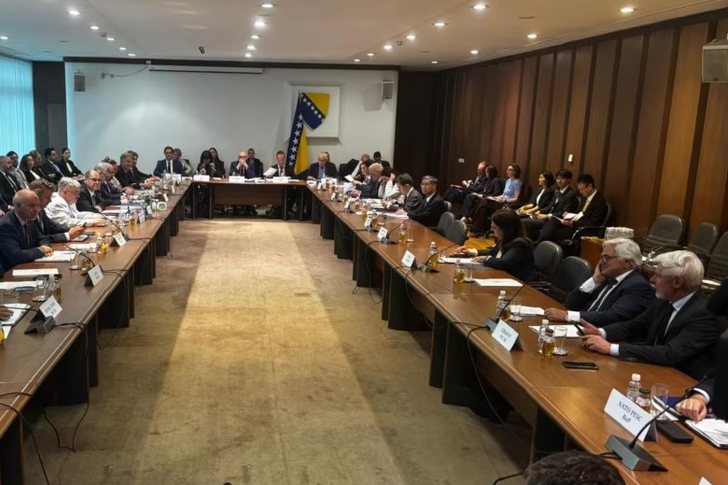
The Peace Implementation Council (PIC) began its meeting i...
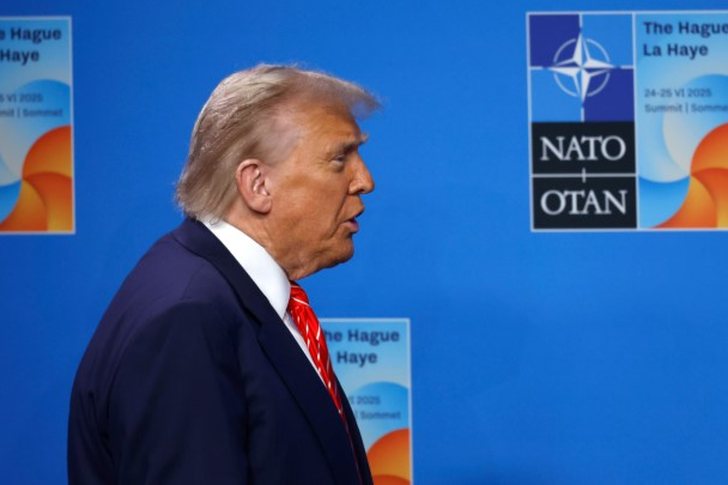
US Secretary of State Marco Rubio announced today that US ...

Irfan Hysenbelliu claims to be a big businessman, an hones...

The murder of officer Enea Mekolli in the line of duty has...

The next case broadcast on the show "Stop", this Thursday,...
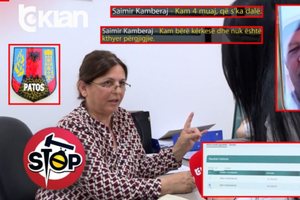
The case published this Thursday, June 4, on the show "Sto...

The Special Board of Appeal (KPA) decided this Monday ...

The KPA vetting decided this Thursday to dismiss the p...

Suela Salavaçi, a prosecutor in the Prosecutor's Offic...

The Special Board of Appeal reinstated the prosecutor ...

An accident occurred this Saturday morning at Shkëmbi i Ka...
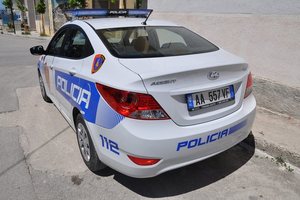
A TNT explosion occurred in Lezha in the early hours of th...

A massive brawl was recorded on Friday evening in Saranda,...

A 38-year-old man was arrested today near the Kamza turnof...
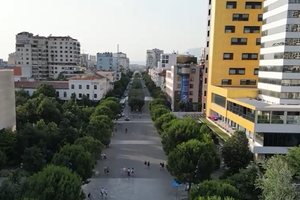
Albanians are officially the hardest working people in Eur...

This Saturday will be characterized by mostly clear weathe...
Today our country will be affected by stable weather condi...

For many children and teenagers, the long summer holidays ...

Millions of Europeans still apply for jobs without knowing...
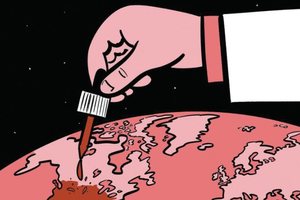
Following the Covid-19 pandemic, the World Health Organiza...
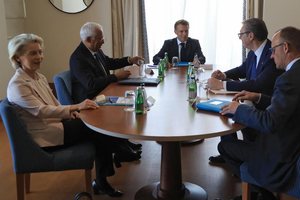
Leaders of the European Union and Western Balkan countries...
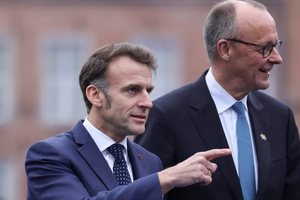
On the eve of the EU-Western Balkans summit, Germany and F...

Korça is ready to open the summer season with one of the c...

Two years after his passing, the renowned Korçë poet Skënd...

The Ethnographic Museum of Berat has opened its doors to v...
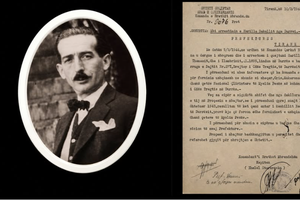
The story of Harilla Bakalli is one of the most chilling t...

This Saturday, one US dollar is bought for 81.4 lek and so...

Despite years of efforts at regional cooperation and free ...

Albania is the country with the highest level of severe ma...

This Friday, one US dollar is bought for 81.3 lek and sold...