

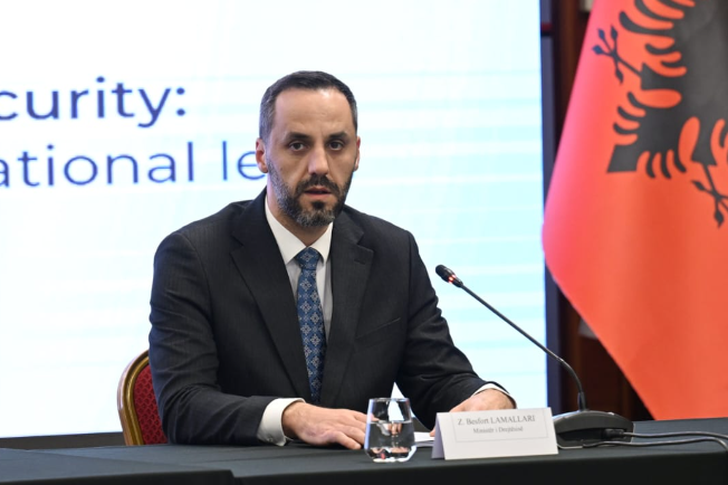
"Intentional murders at historic lows"/ Lamallari: "Smart City", a new era in the fight against crime
The Minister of Internal Affairs, Besfort Lamallari, has m...


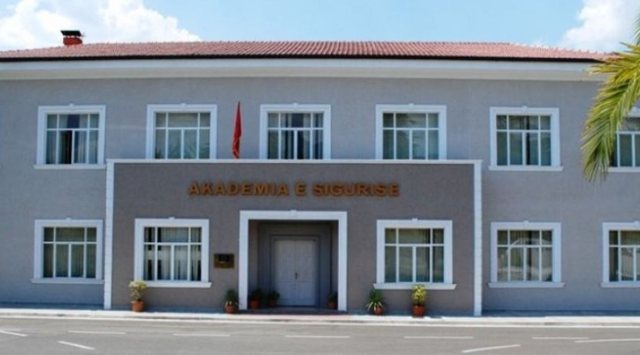
The SORI-AL company, through an official statement, announces that after completing all official verifications, it turns out that no institution has confirmed a conclusion that the poisoning of the Security Academy students is related to SORI-AL.
But the statement emphasizes that the damage to the company's reputation has been done and cannot be undone by a report or an administrative notice.
SORI-AL underlines that the QSUT has confirmed that no patient has been diagnosed with food poisoning and that there is no medical report linking the patients' condition to the consumption of food cooked by SORI-AL.
The company adds that the ISUV test was negative for food samples taken during the official control, a result also confirmed by the analyses of the accredited private laboratory. The State Health Inspectorate did not find any legal violations, the Institute of Public Health confirmed that it had not conducted laboratory analyses of the food, while the National Food Authority closed the procedure without finding any violations and allowed the normal continuation of the company's activity. Even the clinical data show a completely different picture from what was created in public opinion.
The SORI-AL company raises concerns, emphasizing that protecting a business's reputation cannot be treated as a secondary issue, especially when public perception is created before official documents speak.
In conclusion, the reaction raises the question of who bears responsibility when public institutions damage the reputation of a business.
"In a state of law, the truth must have the same public resonance as accusations," the public statement emphasizes.
SORI-AL DECLARATION
Two months of accusations. A completely different official conclusion… For more than two months, public opinion was bombarded with the news that “SORI-AL” had caused massive food poisoning. Today, after the completion of all official verifications, it turns out that no institution has confirmed such a conclusion.
However, the damage to the company's reputation has been done and cannot be undone by a report or an administrative notice. Throughout this period, "SORI-AL" cooperated without reservation with every state institution, opened its premises for every inspection and re-inspection, made available every requested document and awaited the completion of the verifications without conducting a trial in the media and without prejudging the work of the authorities.
Official documents speak clearly. The QSUT confirms that no patient has been diagnosed with food poisoning and that there is no medical report linking the patients' condition to the consumption of food cooked by SORI-AL.
The ISUV resulted negative for the food samples taken during the official control, a result also confirmed by the analyses of the accredited private laboratory. The State Health Inspectorate did not find any legal violations, the Institute of Public Health confirmed that it had not conducted laboratory analyses of the food, while the National Food Authority closed the procedure without finding any violations and allowed the normal continuation of the company's activity. Even the clinical data show a completely different picture from what was created in public opinion.
In the first episode, out of 45 people presented to the QSUT, 43 were discharged within 1 to 4 hours, while only 2 stayed longer for monitoring. In the second episode, out of 67 people, 66 were discharged within 30 minutes to a few hours, while only one person was hospitalized for several days. These are official medical facts, not interpretations.
Precisely for this reason, protecting a business's reputation cannot be treated as a secondary issue, especially when public perception has been created before official documents have spoken.
In recent days, state institutions have rightly reacted to the damage to the reputation of businesses through false comments and ratings on social networks, emphasizing that protecting business is a public interest.
We fully support this standard. But an equally important question arises: when the reputation of a business is damaged by communications or actions of public institutions themselves, which are ultimately not supported by official documents of their procedures, who is responsible for the damage caused? In a state of law, the truth should have the same public resonance as the accusation… “SORI-AL” sh.pk/ CNA Company

The Minister of Internal Affairs, Besfort Lamallari, has m...
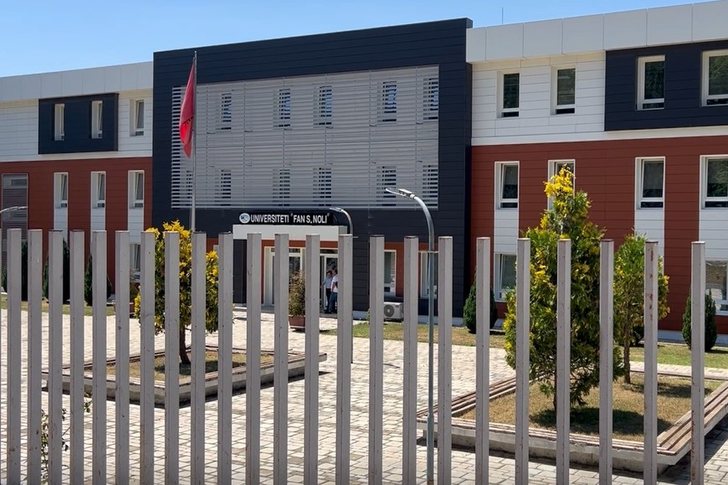
The review of the higher education law and the projects fo...

Women make up the majority of professional judges in Alban...
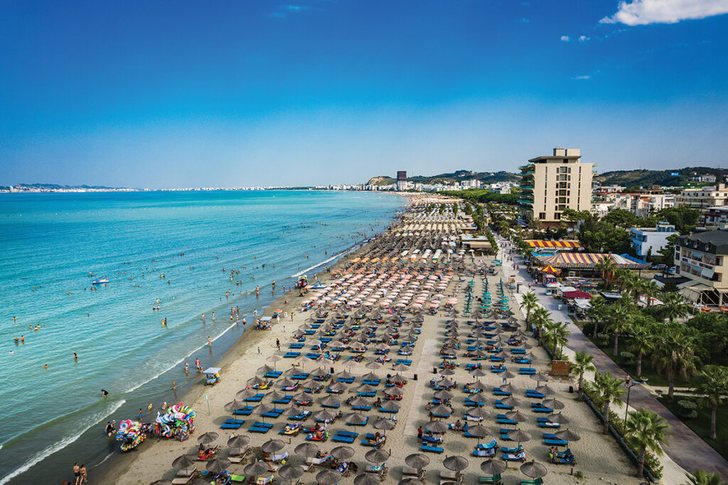
The number of visitors accommodated in tourist structures ...
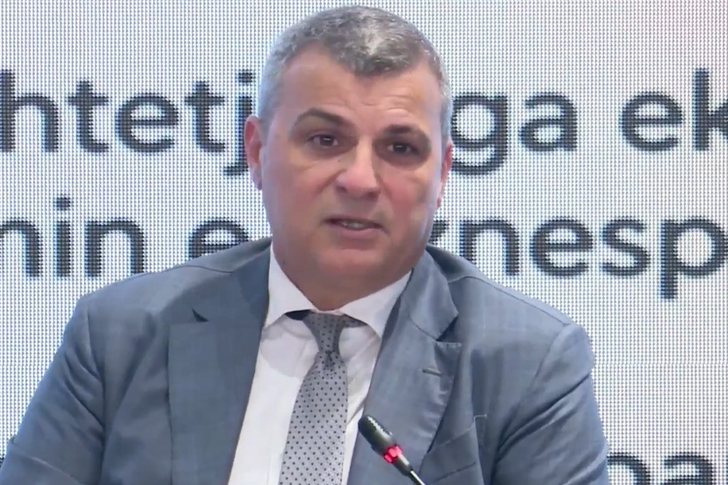
The Governor of the Bank of Albania, Gent Sejko, delivered...
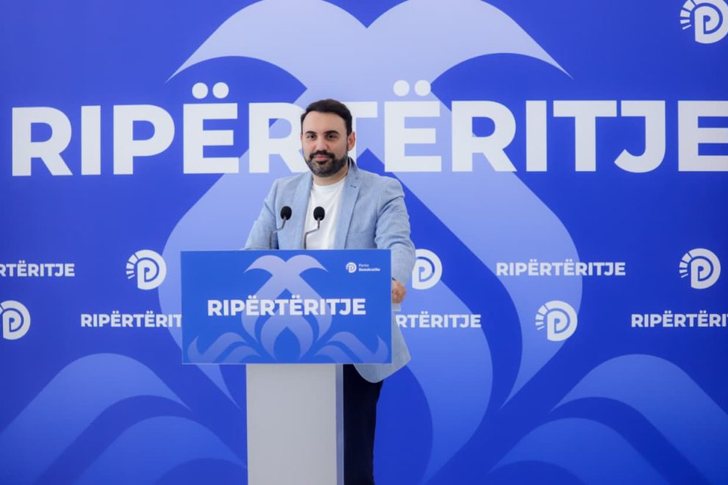
The Deputy Chairman of the Democratic Party, Belind Këlliç...
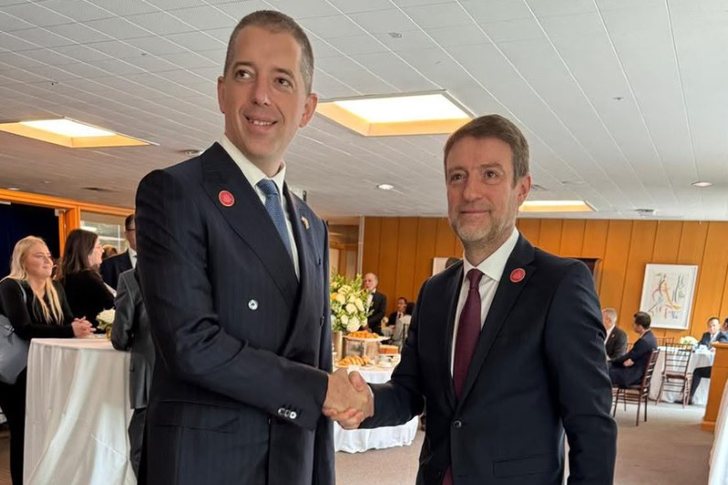
Foreign Minister Ferit Hoxha participated in the Ministeri...
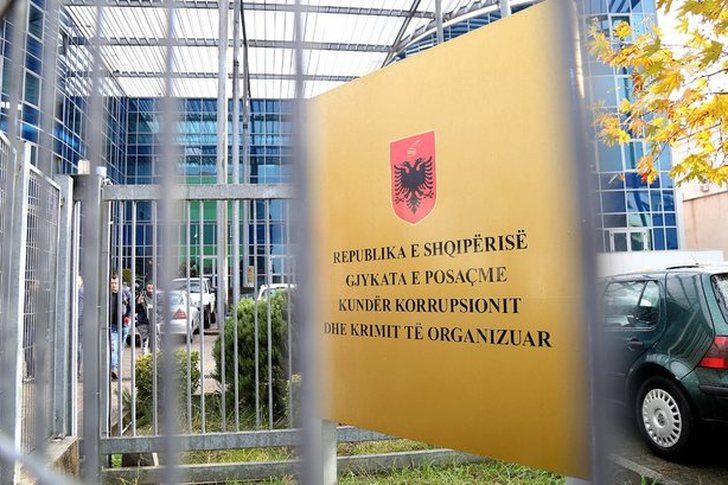
The court hearing against former Minister of Health, Ilir ...
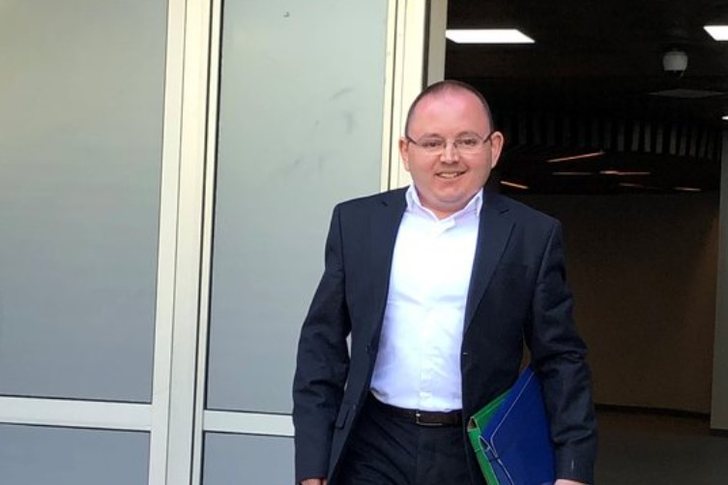
Judge of the Special Court, Engert Pëllumbi, delivered his...
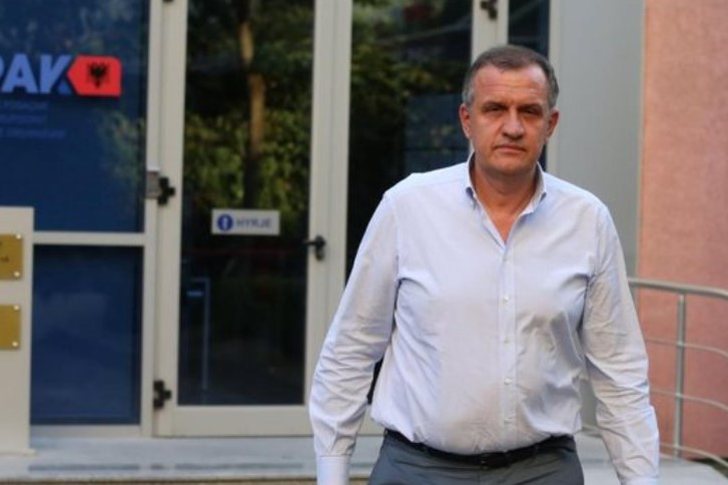
Today, the next hearing is taking place at the Special Cou...
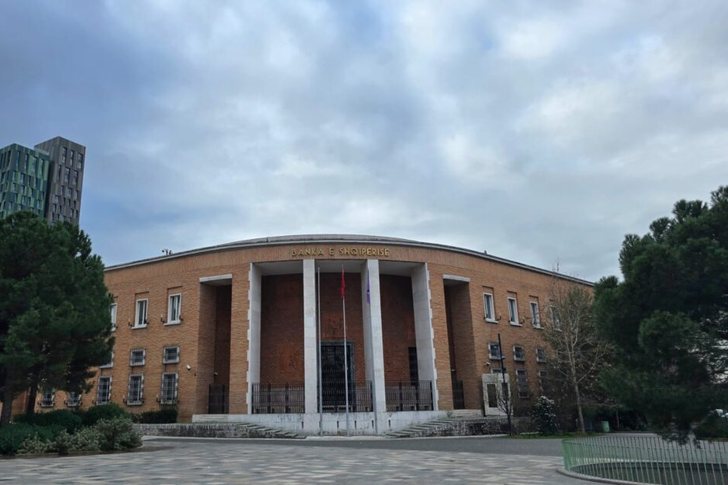
The new Law "On the Bank of Albania" is expected to grant ...
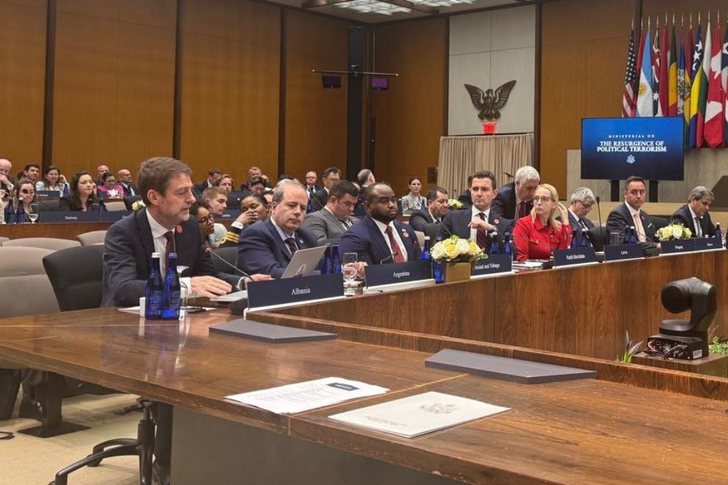
Foreign Minister Ferit Hoxha participated in the Ministeri...
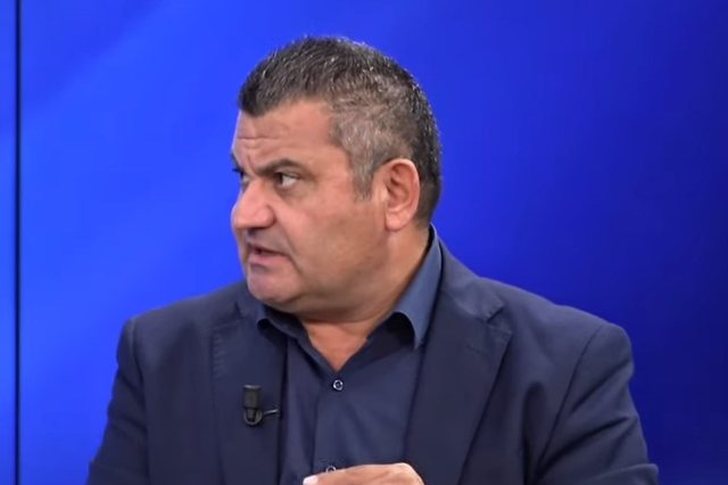
Journalist and analyst Mentor Kikia spoke today about the ...
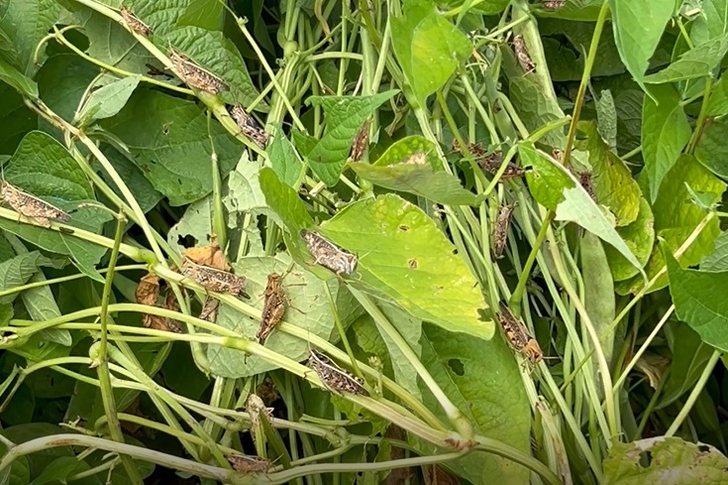
For more than two months, the village of Boshanj in the Mu...
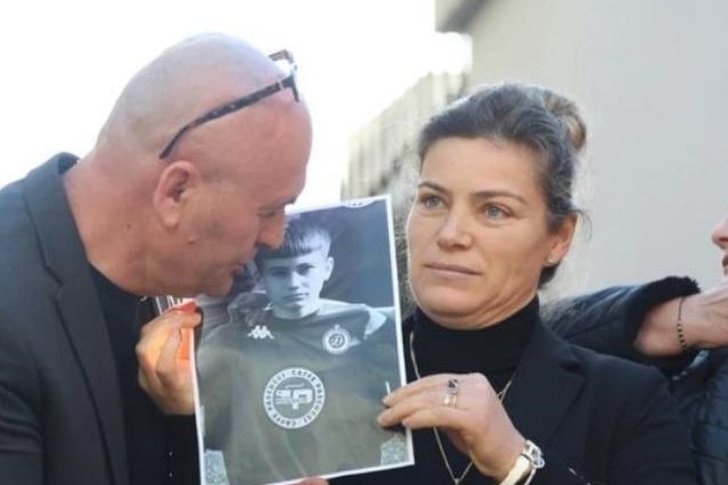
Familja e Martin Canit, i cili u vra me thikë nga bashkëmo...
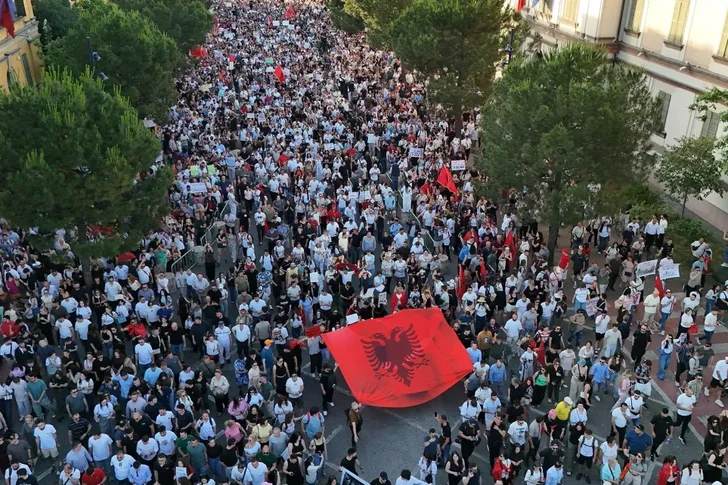
Today marks the 48th consecutive protest against the gover...

As they warned about two months ago, oil companies have su...
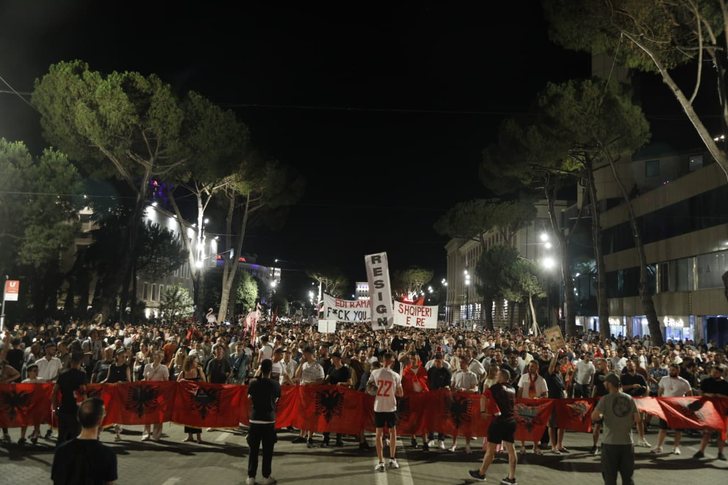
Thousands of citizens are marching through Tirana on the 4...

Renowned cardiac surgeon, Edvin Prifti, has announced that...
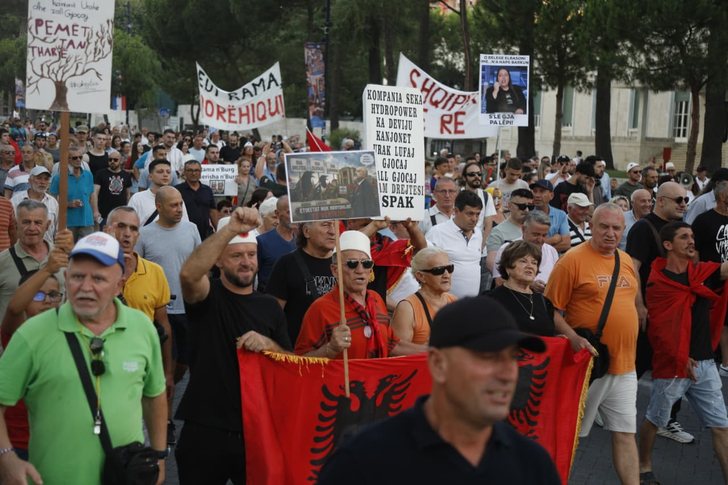
Thousands of citizens gathered again this Thursday for the...
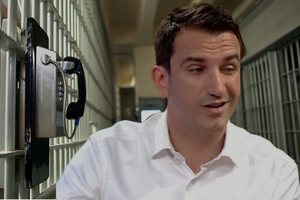
The mayor of Tirana, Erion Veliaj, arrested on 13 charges ...

Qytetarët që kalojnë pasditen pranë Liqenit Artificial në ...
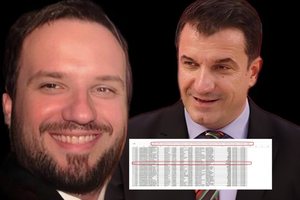
On the morning of July 7, 2026, the Ministry of Culture ur...
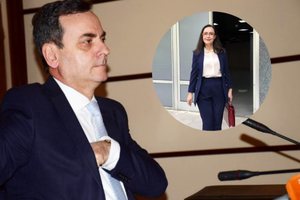
After the disclosure of the portfolio of properties an...

The Special Board of Appeal (KPA) decided this Monday ...

The KPA vetting decided this Thursday to dismiss the p...

Suela Salavaçi, a prosecutor in the Prosecutor's Offic...

The Special Board of Appeal reinstated the prosecutor ...
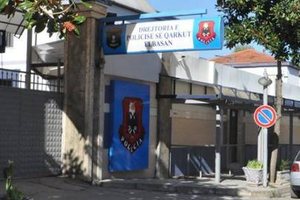
The suspected perpetrator attempted to kill a 59-year-old ...

Një nga personat e shpallur në kërkim për plagosjen e shte...

Two internationally wanted persons have been arrested in D...
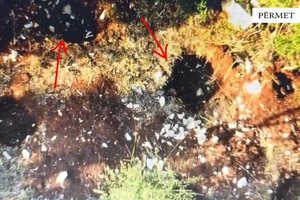
A person has been arrested in Përmet after he had adapted ...

On Friday, our country will remain under the influence of ...
Demographic trends in Europe are revealing a new complex r...
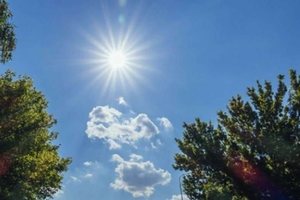
Today, our country will remain under the influence of stab...
Today, our country will remain under the influence of stab...

The Trump administration decided on Thursday to shorten th...
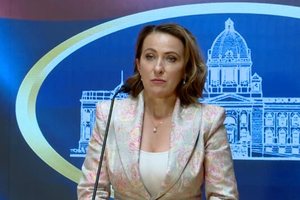
The Minister of State Administration and Local Self-Govern...
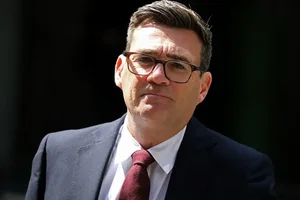
Andy Burnham has been officially declared the new leader o...

Viktor Orbán had taken measures in case he lost power — at...

Master of humor Todi Llupi has passed away at the age of 7...
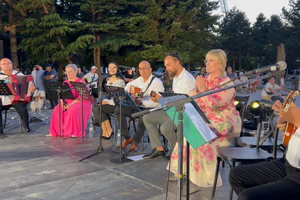
The ninth edition of "MIK Festival" kicked off with one of...

A historic evening for Albanian culture was marked in the ...

When I turned 10, another building was built in front of o...
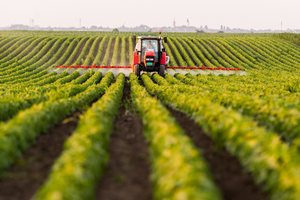
The Albanian economy continued to expand in early 2026, bu...
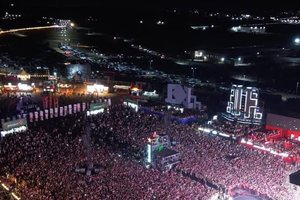
For three days of festival, up to 120 euros just for parki...
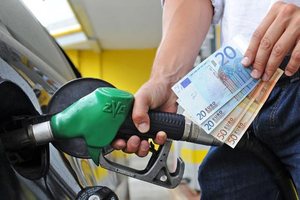
Oil prices have risen again in recent days on internationa...

This Friday, one US dollar is bought for 81.2 lek and sold...