

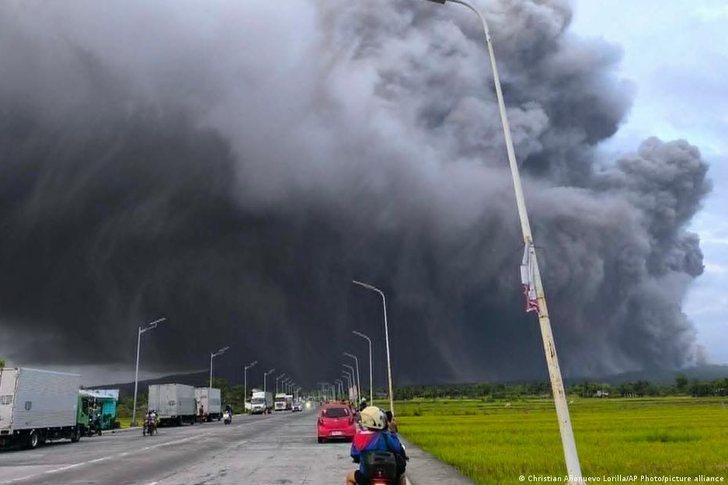
The most active volcano in the Philippines erupts / Dozens of villages evacuated
The Mayon volcano in the Philippines has erupted, promptin...


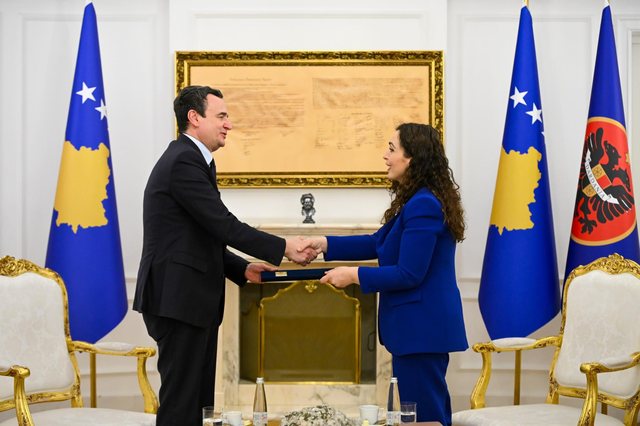
When the December 28 snap parliamentary elections delivered a landslide victory to Albin Kurti and Vetëvendosje, many expected the year-long political deadlock to end – and for Kurti to resolve the outstanding issues of inaugurating parliament, forming a new government and electing a new president.
While the first two issues were easily resolved, the election of the president revealed the real difficulty of the process, which ended with an undesirable outcome – the dissolution of parliament and the calling of new elections, just four months after the last elections.
With elections set for June 7, this will be the third time Kosovo citizens have voted for parliament in 16 months. This poses a serious political and financial burden for a small country that declared independence just over 18 years ago but still faces obstacles on its path to membership in major international organizations due to Serbia’s refusal to recognize it as an independent state.
“For a consolidated democracy, frequent elections are not a tragedy… but we are a young democracy that needs to prove itself in the eyes of the world,” retired journalist Melazim Koci told BIRN.
He added that Kosovo needs institutional stability and a focus on international integration.
Kosovo has been without a fully-fledged president since April 4, when Vjosa Osmani's five-year term ended without a successor being elected.
A few months before the end of his term, Osmani expressed his desire to run for a second term, but Vetëvendosje proposed its own candidates. After the Assembly failed to elect a president on March 5, Osmani dissolved parliament, but the Constitutional Court overturned the decree and gave the deputies another 34 days.
After it became clear that opposition support was lacking, the candidates withdrew and Vetëvendosje proposed new names. In the first round of voting, the leading candidate received only 63 votes, short of the required 80 votes, prompting accusations of a “constitutional coup.”
Donika Emini warns that this prolonged crisis is seriously damaging Kosovo's image, creating the perception of a politically unstable country and incapable of building functional institutions in a sustainable manner.
“When elections are repeated so often and crises become the norm, Kosovo risks being labeled a 'crisis state,' where energy and political capital go more to campaigns than to governance,” she said.
"It is time for the parties to put Kosovo first"
The constitutional deadline for electing the president ended unsuccessfully, while the opposition boycotted parliamentary sessions, making it impossible to reach a quorum of 80 deputies.
Kurti linked the boycott to the opposition's poor performance in the recent elections.
According to Koci, part of the political elite is hesitant to take responsibility for international obligations and is demanding the formation of a broad government.
“Continued delays could seriously damage Kosovo's position towards allies,” he said.
"It is time for the parties to put Kosovo first "
On April 28, as time was running out, Vetëvendosje MPs spent most of the evening in their seats in the Assembly, anxiously waiting for opposition MPs to take their seats by midnight.
But, instead of a parliamentary debate, media teams were positioned in the corridors, seeking statements from opposition parties, which had boycotted the session, making it impossible to reach the necessary quorum of 80 MPs.
Prime Minister Kurti linked the opposition's boycott to its poor performance in the last elections, when PDK received 22 mandates and LDK 13, while Vetëvendosje won 57.
Melazim Koci believes that part of Kosovo's political elite is hesitant to take responsibility for the obligations the country has towards the international community and calls for the creation of a broad government.
"Continuing to drag out time and postpone facing international obligations could seriously damage Kosovo's position in relation to its allies," he said.
"Kosovo can afford frequent elections domestically, but it is very dangerous for its international credibility if this election cycle continues. The time has come for our parties to put Kosovo first and not personal or party interests," Koci added.
Donika Emini says the upcoming elections could end the cycle of crises in Kosovo – but “only if [political elites] show more political maturity and willingness to compromise”.
“It remains to be seen whether political parties will rise to the occasion to turn this moment into long-term stability,” Emini said.
After months of political deadlock caused by an inconclusive election in February last year, Kosovo returned to the polls in December; Vetëvendosje won 57 of the 120 seats in parliament, just short of a majority, but managed to form a government with the help of nine MPs from non-majority communities.
But things are more complex when it comes to electing the President, as the requirement for the presence of at least 80 MPs in the chamber gives the opposition a strong role in the process.
Emini warns that keeping the country in a state of crisis has concrete consequences.
“First, it damages Kosovo's credibility with international partners, who are hesitant to engage more deeply politically when institutional stability is lacking.
“Secondly, it weakens Kosovo's position in key processes such as European integration, where access to funds depends on progress directly related to the functioning of institutions and the implementation of reforms. Thirdly, it negatively affects the investment climate, because investors seek stability,” she said.
She hopes that the upcoming elections will help restore stability.
"This time, political parties enter the elections with the opportunity to offer a complete political package, not only for the Prime Minister, but also for the President, as we saw in 2021 with the Kurti-Osmani model," said Emini.
"So we have a moment where institutions can be built from scratch and at the same time," she concluded./reporter

The Mayon volcano in the Philippines has erupted, promptin...
Two senior Republican US lawmakers have criticized the Pen...
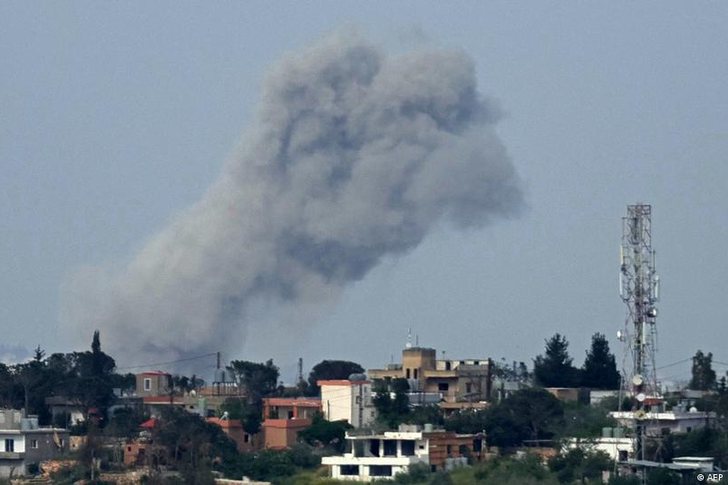
The Israeli military has warned residents of several towns...
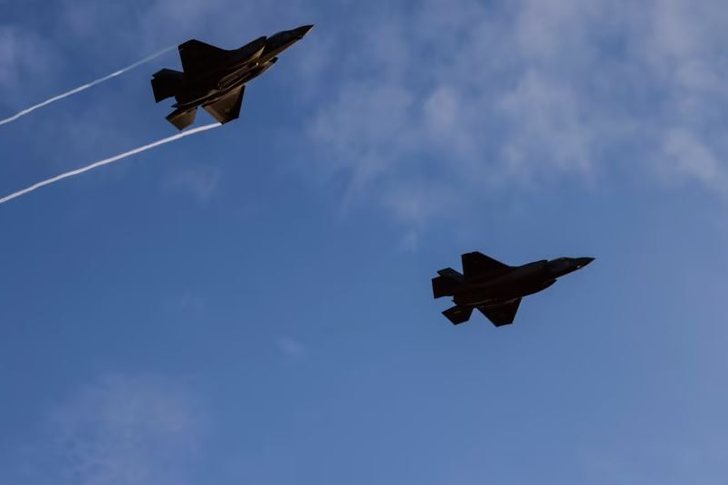
Israel said on Sunday it had approved a multibillion-doll...
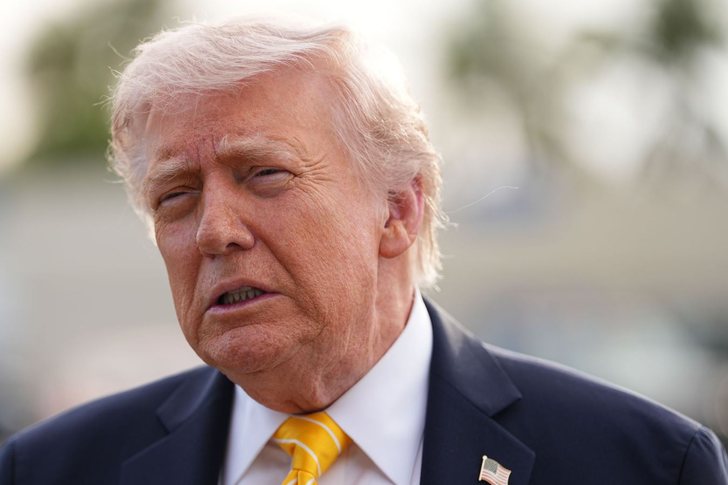
US President Donald Trump has said he will soon consider a...

A new report from Oxfam and the International Trade Union ...
The United States of America is closely following recent d...
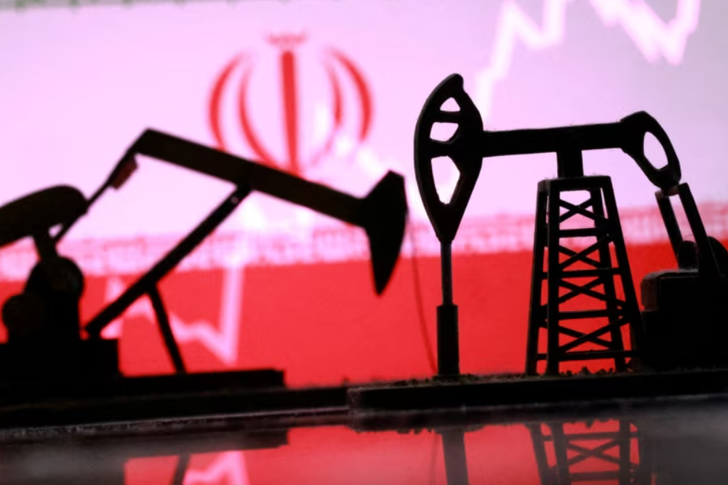
Weeks of American and Israeli bombings, as well as sanctio...
A senior Iranian official revealed this Saturday that Iran...
China will not comply with United States sanctions on five...
Ukrainian President Volodymyr Zelenskye has shared a warni...
A senior commander of the Islamic Revolutionary Guard Corp...
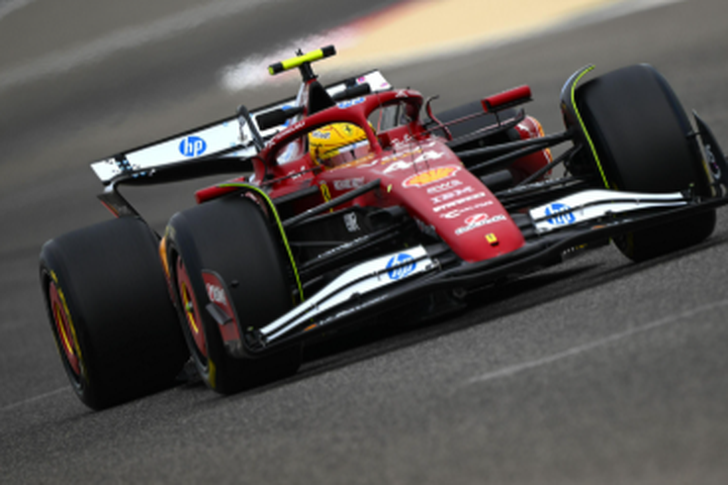
Legendary Formula 1 driver and Paralympic champion Alessan...
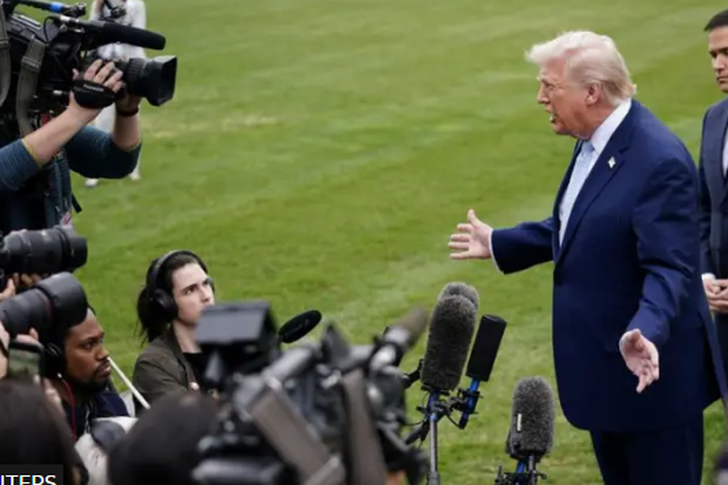
United States President Donald Trump has told the US Congr...
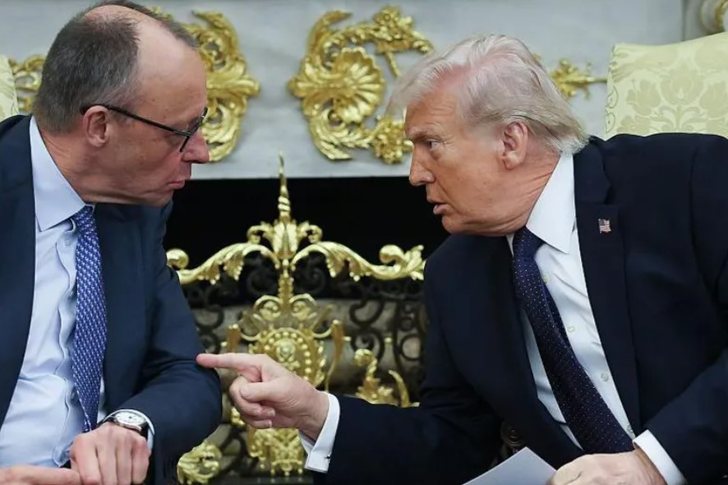
The United States has decided to reduce its military prese...
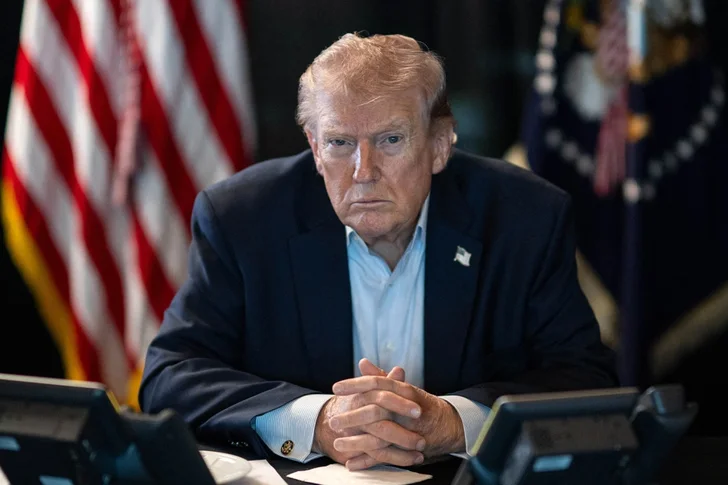
US President Donald Trump said his country could be in a b...
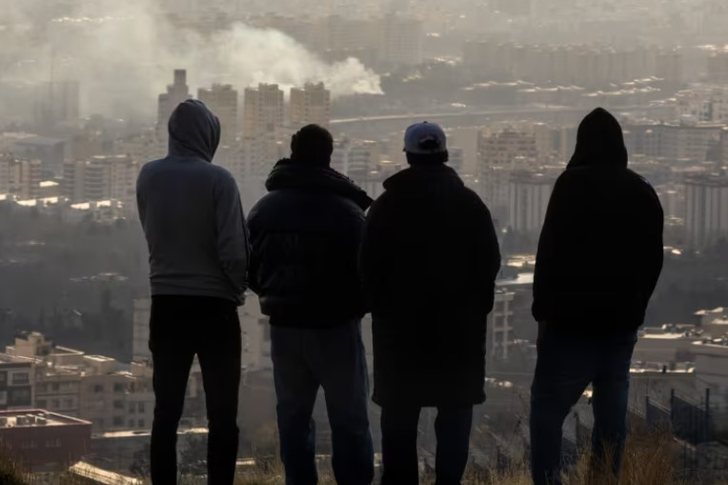
Two months after the United States launched its offensive ...
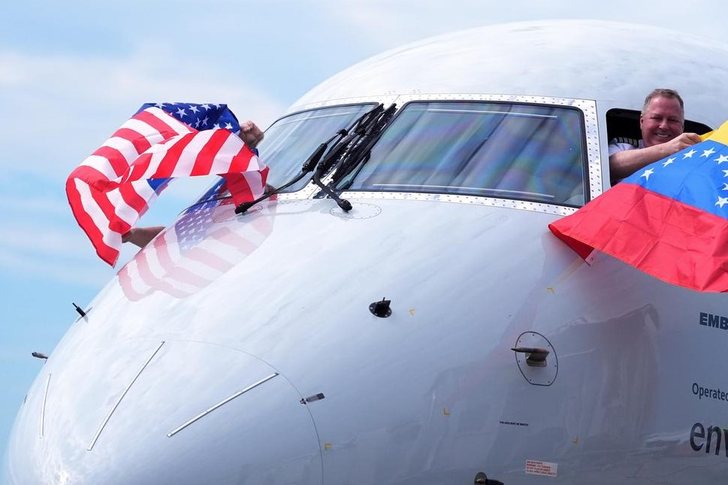
Shtetet e Bashkuara të Amerikës dhe Venezuela duket se kan...
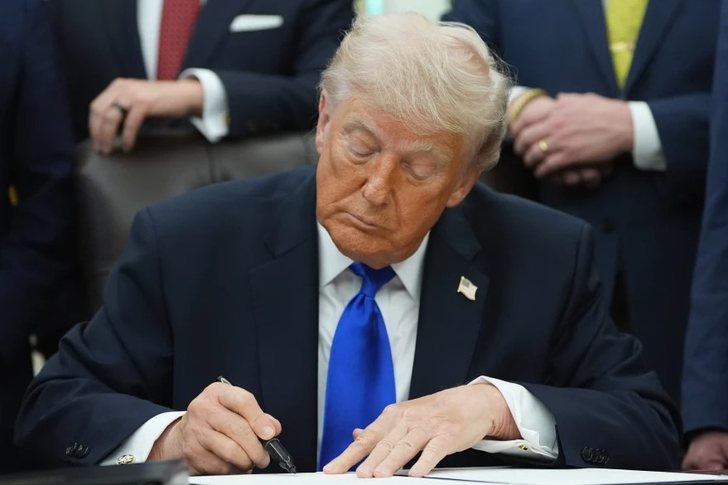
US President Donald Trump has announced new tariffs on the...
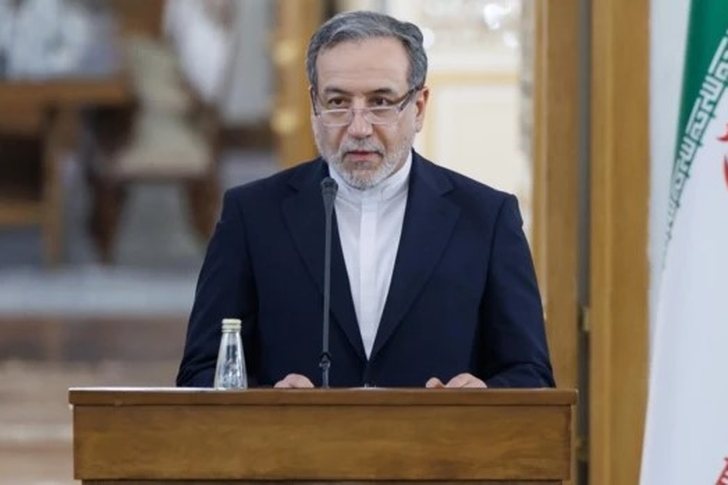
Iran has sent a new proposal for talks with the US to Paki...
Irfan Hysenbelliu claims to be a big businessman, an hones...
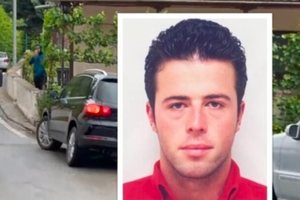
The murder of officer Enea Mekolli in the line of duty has...
The next case broadcast on the show "Stop", this Thursday,...
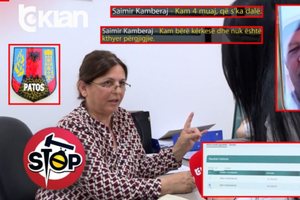
The case published this Thursday, June 4, on the show "Sto...

The Special Board of Appeal (KPA) decided this Monday ...

The KPA vetting decided this Thursday to dismiss the p...

Suela Salavaçi, a prosecutor in the Prosecutor's Offic...

The Special Board of Appeal reinstated the prosecutor ...
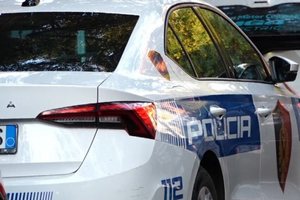
A 38-year-old man was arrested today near the Kamza turnof...

A money changer in Durrës lost 60 thousand euros after bei...
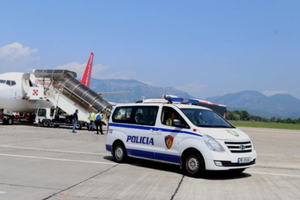
The 6 citizens captured in Dubai, members of criminal grou...
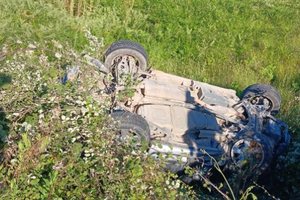
A serious accident occurred on the Kardhiq-Delvinë axis, i...
Today our country will be affected by stable weather condi...

For many children and teenagers, the long summer holidays ...
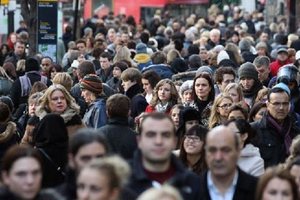
Albania is facing an unprecedented demographic transition,...
On Thursday, our country will be affected by unstable weat...
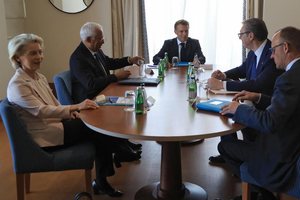
Leaders of the European Union and Western Balkan countries...
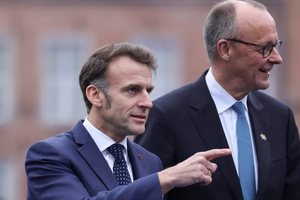
On the eve of the EU-Western Balkans summit, Germany and F...
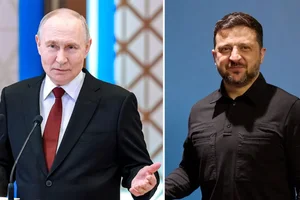
Russian President Vladimir Putin said the war in Ukraine c...
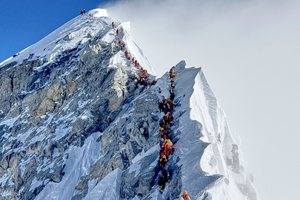
An extraordinary story of survival has been recorded in Ne...
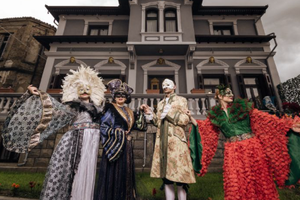
Korça is ready to open the summer season with one of the c...
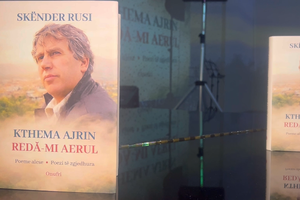
Two years after his passing, the renowned Korçë poet Skënd...
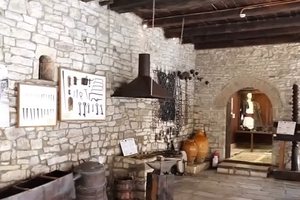
The Ethnographic Museum of Berat has opened its doors to v...
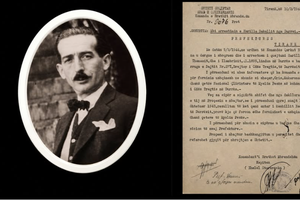
The story of Harilla Bakalli is one of the most chilling t...
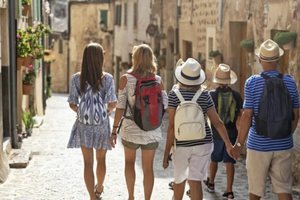
Despite years of efforts at regional cooperation and free ...
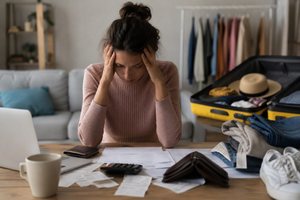
Albania is the country with the highest level of severe ma...

This Friday, one US dollar is bought for 81.3 lek and sold...
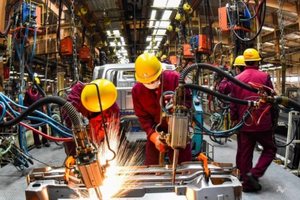
The government aims to transform the country's industrial ...