


Murder of the officer/ Enea Mekolli's uncle raises accusations: They were without any kind of protection
The uncle of the murdered officer, Enea Mekolli, Hazbi Mek...

The uncle of the murdered officer, Enea Mekolli, Hazbi Mek...

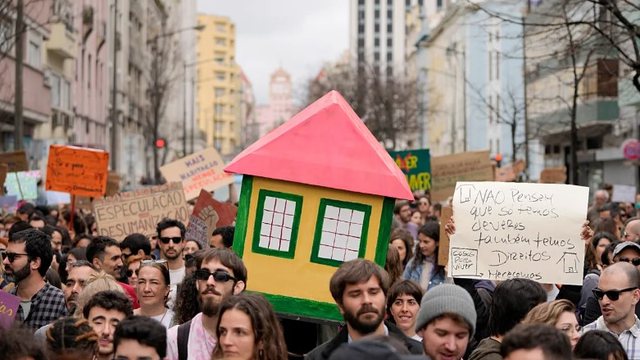
Euronews Business takes a closer look at gross minimum wages and average rental costs across all EU countries and their capitals.
In many capital cities, even the minimum gross wage is not enough to cover rent.
Housing and utility bills are the largest category of expenses for European households.
According to the latest Eurostat figures, 23.6% of household spending in the EU goes on housing, water, electricity, gas and other fuels in the EU.
Rents make up a particularly large portion in large cities.
Most importantly, rent is a significant burden for those earning minimum wage, exceeding their monthly income in many European capitals.
So in which capitals does rent exceed the gross minimum wage? And what proportion of the minimum wage goes to rent in all European capitals?
According to an analysis by the European Trade Union Confederation (ETUC) based on EU data, the average cost of renting a two-bedroom apartment in the capitals of most EU countries exceeds the gross minimum wage.
In only five EU countries with a minimum wage does the monthly rent fall below the minimum wage. However, as Eurostat and ETUC figures are based on gross minimum wages, the actual burden on workers is likely to be even higher when net wages are taken into account.
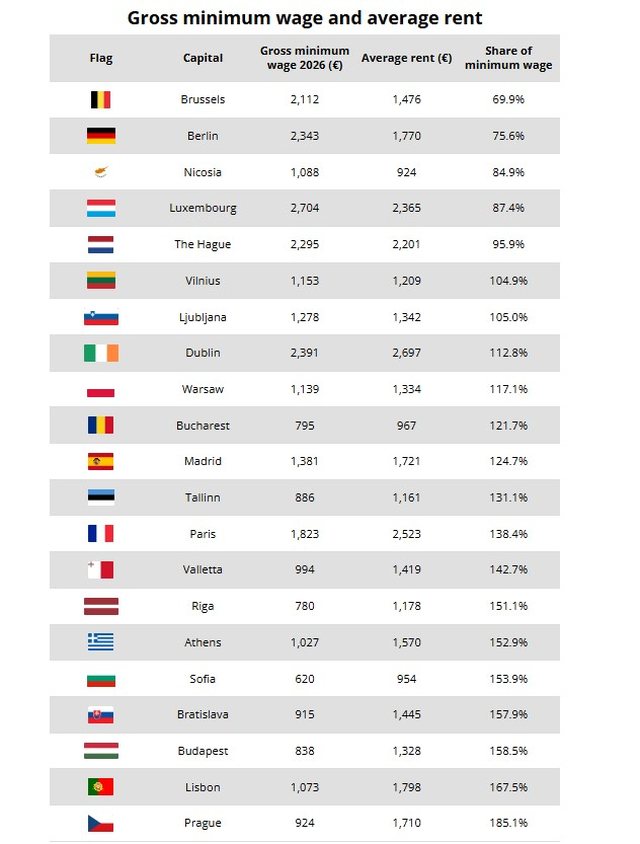
Minimum wage earners in the Czech capital suffer the most. In Prague, the average rent is 1,710 euros, while the minimum wage in the country is 924 euros. This means that an amount equal to 185% of the minimum wage is needed to afford a two-bedroom apartment.
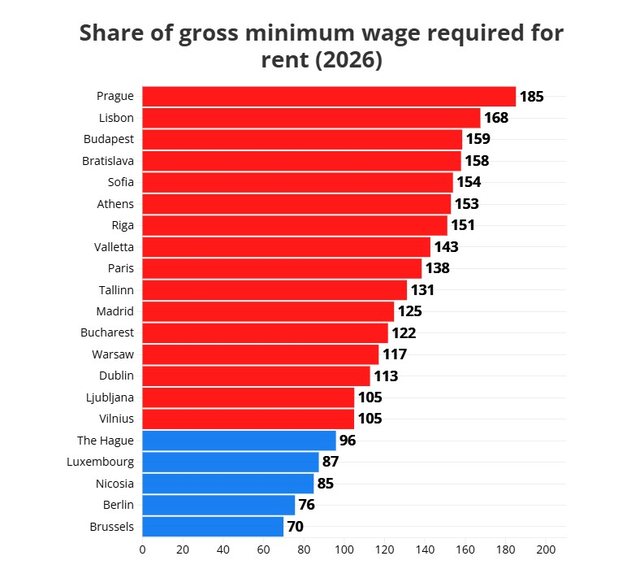
Lisbon ranks second with 168%. In Portugal, the equivalent gross monthly minimum wage (paid over 14 months a year) is €1,073, while the average rent in the capital is €1,710.
The share of the gross minimum wage required for rent also exceeds 150% in Budapest (159%), Bratislava (158%), Sofia (154%), Athens (153%) and Riga (151%). This means that those earning the minimum wage will have to spend their entire salary on rent, and will still need more than half of their additional salary to cover it.
This share also exceeds 100%, meaning that even the gross minimum wage is not enough to cover rent, in Valletta (143%), Paris (138%), Tallinn (131%), Madrid (125%), Bucharest (122%), Warsaw (117%), Dublin (113%), Ljubljana (105%) and Vilnius (105%).
For example, in Paris, the average rent for a two-bedroom apartment is 2,523 euros, while the minimum wage in France is 1,823 euros. In Madrid, it is 1,721 euros versus 1,381 euros.
In contrast, Brussels emerges as the best EU capital for those earning minimum wages to afford rent. Gross minimum wages cover 70% of rental costs there. In Brussels, the average rent for a two-bedroom apartment is €1,476, while the minimum wage is €2,112.
Berlin is second best at 76%. The share of the gross minimum wage required for rent is 85% in Nicosia, 87% in Luxembourg and 96% in The Hague.
"High housing costs and low wages are driving people into poverty and the economy towards recession," said ETUC general secretary Esther Lynch.
"The gap between rent and salary is completely unsustainable. When you add to this the rising costs of energy and food, working people are left with no disposable income and forced to borrow for their needs, making it impossible to save to replace essential household appliances or a visit to the dentist," she added.
Compared to the capitals, the country averages give a better picture. In many countries, the gross minimum wage is sufficient to cover rent. However, rent still accounts for a significantly higher share of the average EU household expenditure on housing and utilities, at 23.6%.
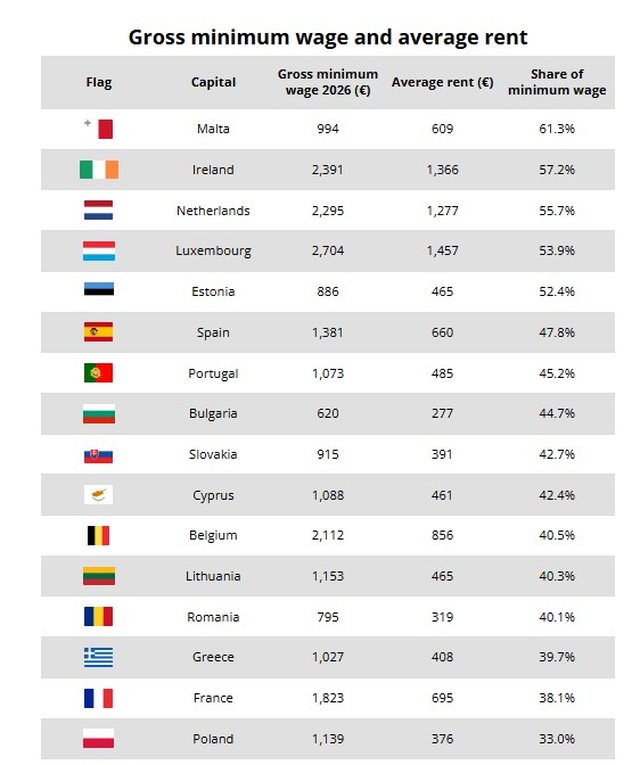
Among a subset of 16 EU countries analysed in this ETUC comparison, the share of the gross minimum wage required to meet rent ranges from 33% in Poland to 61% in Malta.
In Poland, the gross minimum wage is €1,139, while the average rent is €376. France also performs better, with €1,823 versus €695. Greece could also be a good option for minimum wage workers outside Athens, with €1,027 versus €408.
In Spain, the minimum wage is 1,381 euros, while the average rent is 660 euros.
ETUC calls for several policies:
All EU member states must fully implement the minimum wage directive, including strong action plans to truly promote collective bargaining, which will ensure that more workers receive a fair wage.
Governments should consider housing costs when determining whether minimum wage levels are appropriate.
Increasing public investment in social housing, including through EU investment tools and a review of state aid rules.
Minimum wages in 2026 vary widely across Europe, both in nominal terms and in purchasing power. Around 13 million workers in 21 EU countries earn the minimum wage or less, according to Eurostat. The percentage is significantly higher in some countries./ CNA

Britain and France will host defense ministers from variou...

The Serbian government funds the Association of Red Berets...
A passenger on a cruise ship affected by a hantavirus outb...

US President Donald Trump has reacted to Iran's response t...

The Central Election Commission has announced that the pro...
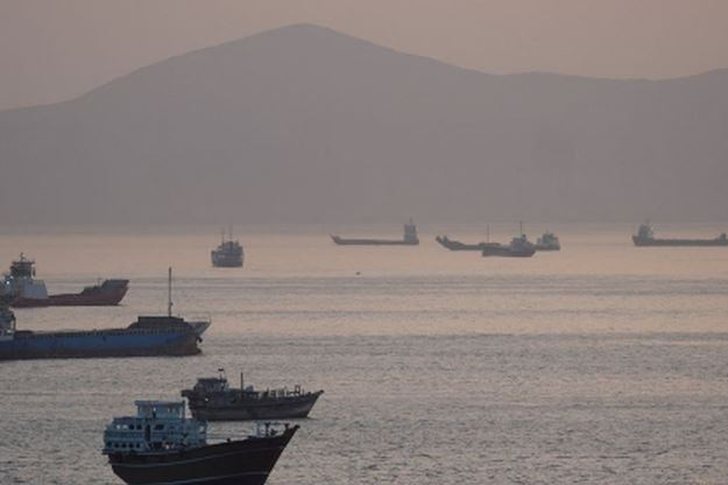
Iran has warned Britain and France that its armed forces w...
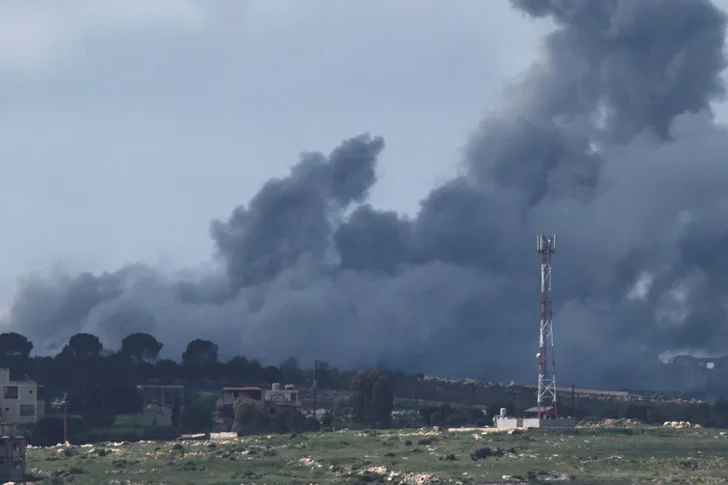
The Israeli army continues its operations in Lebanon, and ...
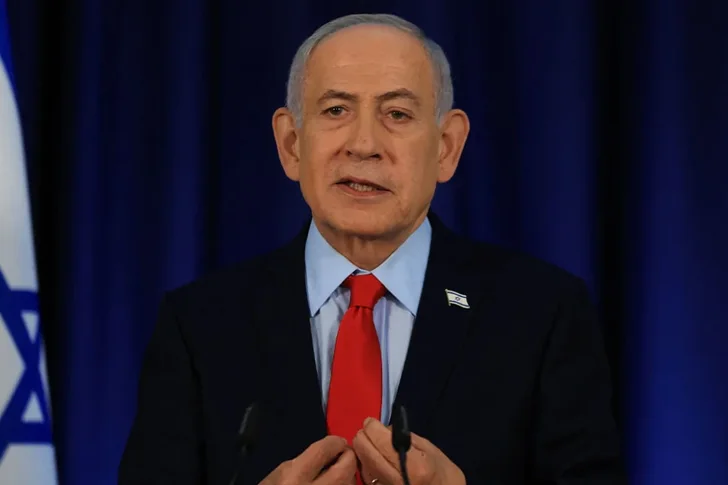
Israeli Prime Minister Benjamin Netanyahu has declared tha...
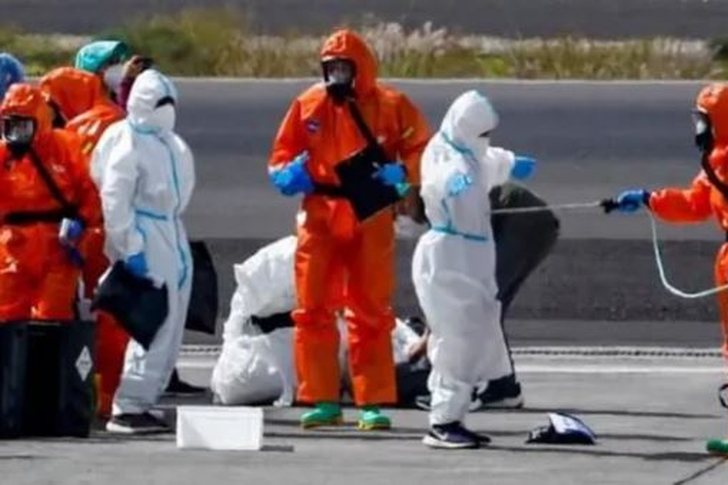
The first passengers evacuated from a hantavirus-affected ...
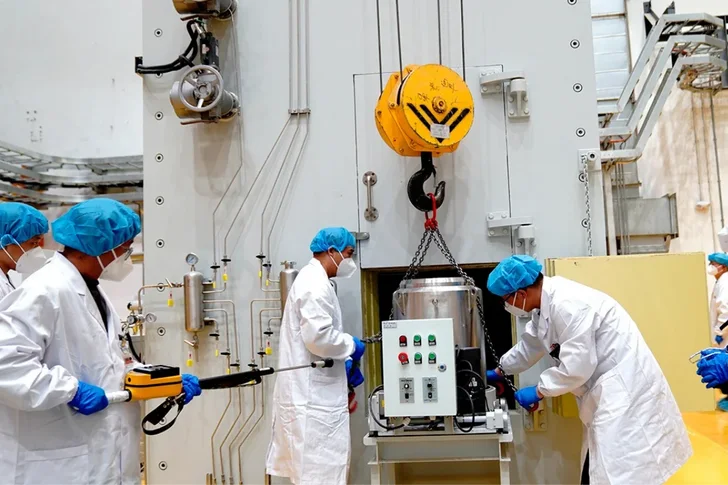
The US has announced that it has removed highly enriched u...
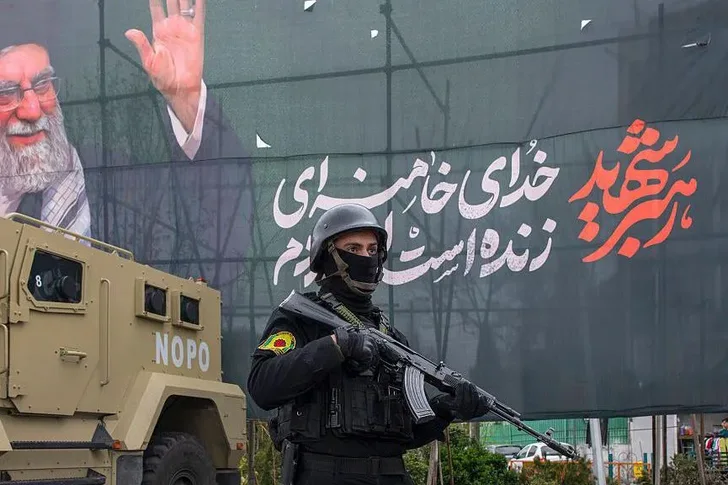
Iran has sent its response to US proposals to end the war ...
The Foreign Ministers of the European Union (EU) member st...
As gas becomes Europe's main energy security weapon, the U...

Iran has presented its official response to recent US prop...
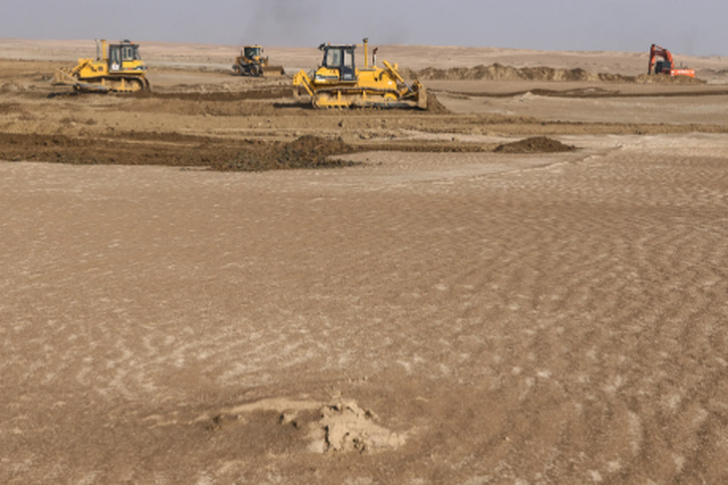
Israel set up a secret base in the Iraqi desert to support...
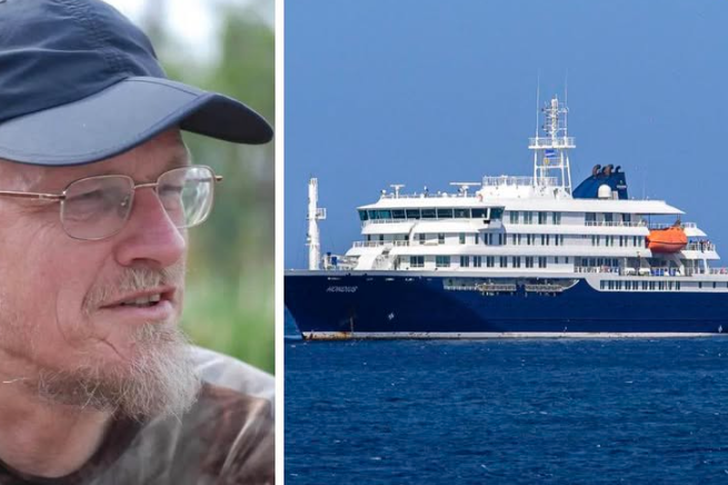
Dutch bird researcher Leo Schilperoord has been named as t...
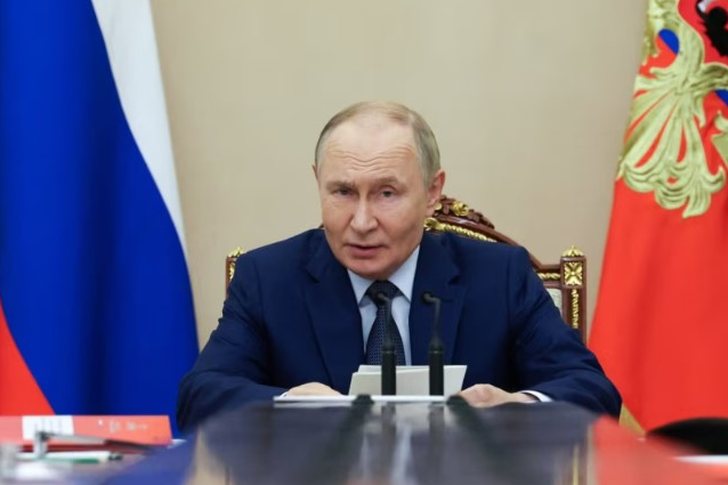
Russian President Vladimir Putin said he believes the conf...

A massive fire has engulfed an industrial area near Paris'...

The MV Hondius tourist ship, which has tested positive for...
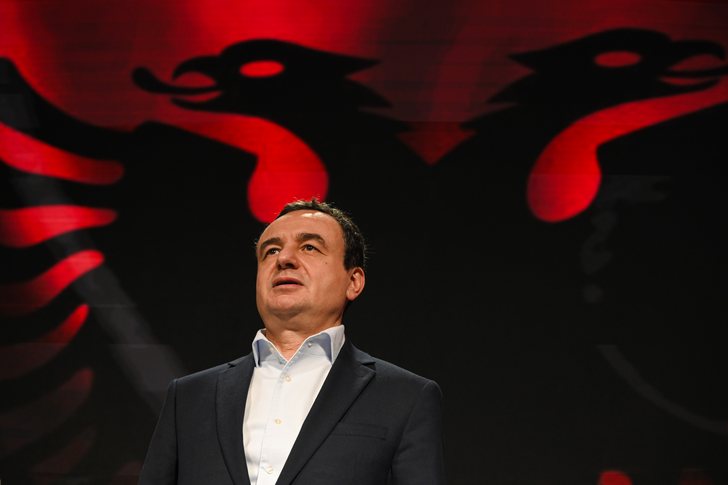
The acting Prime Minister of Kosovo, Albin Kurti, has made...

The murder of officer Enea Mekolli in the line of duty has...

The next case broadcast on the show "Stop", this Thursday,...

The case published this Thursday, June 4, on the show "Sto...

The protests of recent days related to the situation in Zv...

The Special Board of Appeal (KPA) decided this Monday ...

The KPA vetting decided this Thursday to dismiss the p...

Suela Salavaçi, a prosecutor in the Prosecutor's Offic...

The Special Board of Appeal reinstated the prosecutor ...

A money changer in Durrës lost 60 thousand euros after bei...
The 6 citizens captured in Dubai, members of criminal grou...

A serious accident occurred on the Kardhiq-Delvinë axis, i...
Authorities have conducted a large-scale anti-drug operati...

Today our country will be affected by stable weather condi...

For many children and teenagers, the long summer holidays ...
Albania is facing an unprecedented demographic transition,...

On Thursday, our country will be affected by unstable weat...
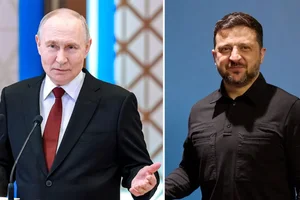
Russian President Vladimir Putin said the war in Ukraine c...

An extraordinary story of survival has been recorded in Ne...
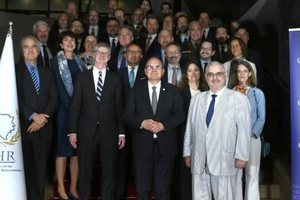
The Peace Implementation Council in Bosnia and Herzegovina...
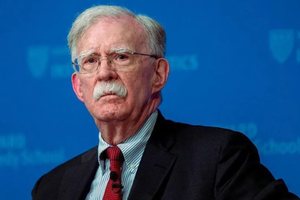
John Bolton, the former national security adviser to US Pr...

Korça is ready to open the summer season with one of the c...
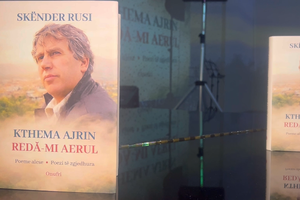
Two years after his passing, the renowned Korçë poet Skënd...

The Ethnographic Museum of Berat has opened its doors to v...
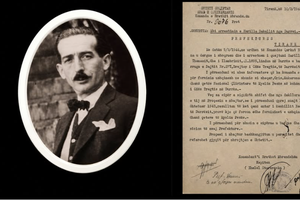
The story of Harilla Bakalli is one of the most chilling t...

Despite years of efforts at regional cooperation and free ...

Albania is the country with the highest level of severe ma...

This Friday, one US dollar is bought for 81.3 lek and sold...
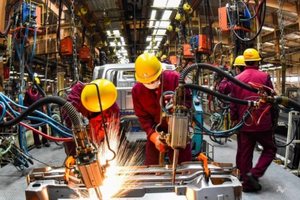
The government aims to transform the country's industrial ...