

The Balkans experienced another hot summer, especially in Kosovo and Serbia. After the violence that was seen at the end of May and after the tensions on the border, calm has returned. This is until the next episode, which will make the rest of Europe fear the outbreak of a new war in the Balkans.
A hypothesis, which, however, must be ruled out for various reasons: the lack of resources and military budgets, but above all because of the lack of political expediency. Belgrade and Prishtina have a mutual political advantage in the constant threat of a war scenario.
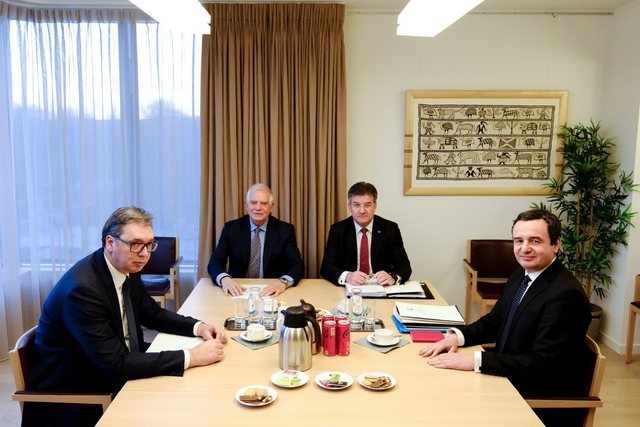
Fear of the old enemy helps to strengthen both leaderships more than any kind of agreement or negotiation. But the Ohrid Agreement has never been taken seriously by either party. Without an official signature, the text was verbally accepted at the end of February in Brussels.
Then on March 18, it was integrated into the annex of the agreement reached in the Macedonian city. Based on the agreement that normalized relations between the two Germanys in 1972, the pact consists of 11 articles, and leads the parties to a mutual recognition of independence, but without ever openly mentioning it.
Moreover, while Pristina pledges to create a self-governing body for Kosovo Serbs, Belgrade renounces boycotting Kosovo's candidacies in international bodies.
These commitments have not been respected to date.
If in Pristina there is still no consensus, nor real political commitment for a statute that defines and regulates the functioning of the municipality of Serbian municipalities, in Belgrade it seems that there is no intention to stop the diplomatic campaign against Kosovo's membership in international organizations.
In fact, just one month after the Ohrid Agreement, Serbia voted against Pristina's admission to the Council of Europe (CoE). Unfortunately, a real commitment to its implementation is also missing from EU member countries, also because of 5 member countries that do not recognize Kosovo.
Together with Serbia, Spain and 3 other EU countries - Cyprus, Romania and Hungary - voted against Kosovo's membership in the Council of Europe. But what surprises the most is not so much the fact that many EU countries are not changing their policy towards Kosovo's sovereignty, but the joint approach of the European Commission and the United States.
After the violence against the KFOR troops at the end of May, when the visit of the Albanian mayors to the 4 municipalities of the north of Kosovo, caused the severe reaction of the Serbs, both Brussels and Washington imposed sanctions on the Kosovo government, which was deemed guilty of provocation. that led to the escalation of the situation, with an action without consulting international partners.
Initially, Kosovo was excluded from the "Defender Europe 23" military exercises led by the USA. The EU then froze its funding until Prishtina committed to de-escalation. But there were no sanctions against Serbia, not even when the Serbian police arrested 3 Kosovar policemen, 2 weeks after the unrest in the north in the border area between the 2 countries.
So, a very unbalanced approach, which affects Albin Kurti's government in Pristina, and which indirectly favors the agenda of Serbian President Aleksandar Vucic. This opinion is also shared by more than 50 European, British and American MPs, who at the beginning of August sent a letter to the EU, USA and Great Britain, inviting them to change their strategy on the issue of Kosovo.
Because the dangers of such an approach are twofold. First, it leaves in abeyance the diplomatic commitment that began with the Franco-German initiative of the time, and that was later translated into the Ohrid Agreement.
Second, it turns a blind eye to Serbia's behavior in the region, where Belgrade is not stopping political interventions aimed at building a so-called "Serbian world", a hybrid variant between an updated version of the nationalist program of "Greater Serbia" and politics of Moscow to its neighbors called "Russkiy Mir" (Russian World).
As for the first risk, the Ohrid Agreement set itself two long-term geopolitical objectives: avoiding hotbeds of tension between the two countries, and removing Serbia from the Russian orbit, bringing it closer to the Western camp. While it is utopian to hope that Belgrade will impose sanctions against Moscow, it is at least hoped that Serbia will end its ten-year swing between Russia and the European Union.
But more specifically, if Serbia stops obstructing Kosovo's access to the UN and other organizations, the political alliance with Russia will be meaningless. Meanwhile, as for the second risk, leaving the field free for the regional agenda of Vu?i?'s Serbia - whose governments have always enjoyed the support of key Western chancelleries and institutions, contributing to the so-called "stabilitocracy" - means over all undermining the process of dialogue and normalization of relations so much desired between Belgrade and Pristina.
Consequently, this will further endanger the political stability of the entire Balkan region. Therefore, a diplomatic imbalance from the West on the Kosovo issue would give further legitimacy to a Serbian policy that is authoritarian at home and destabilizing in neighboring countries.
Although Russian influence in Serbia can hardly be translated into active military support, this does not exclude the possibility that Belgrade will not continue to import its political model from Moscow, consisting of internal autocracy and aggressiveness in the region. A model, which will probably not produce wars in the Balkans, but will keep alive a secret and continuous tension on the already fragile ethno-political balance./ "ISPI" - Adapted from CNA

2001 - The US suffers the worst attack since World War II ...
Greece and Turkey have engaged in an all-out effort to nor...
Alexander the Great ascended the Macedonian throne at the ...
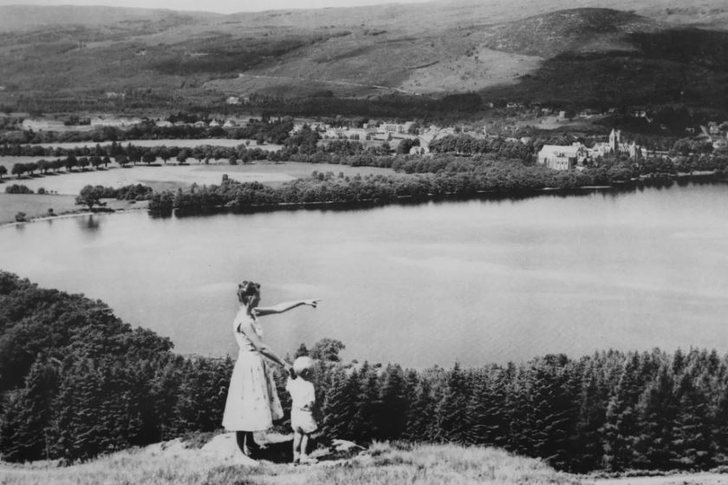
Monster hunters have once again gathered in Northern Scotl...
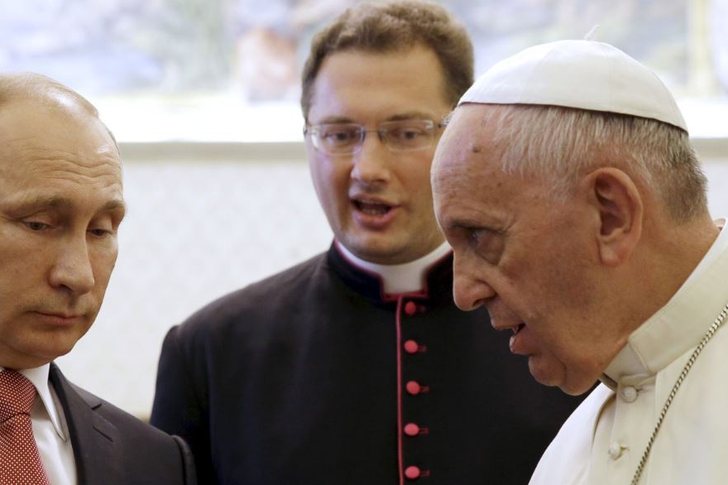
When Pope John Paul II visited his homeland, Poland, in 19...
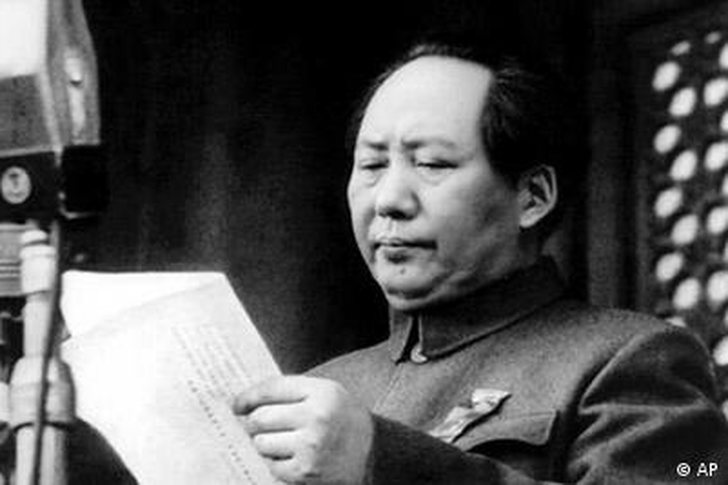
On September 9, 1976, the leader of Communist China, Mao Z...
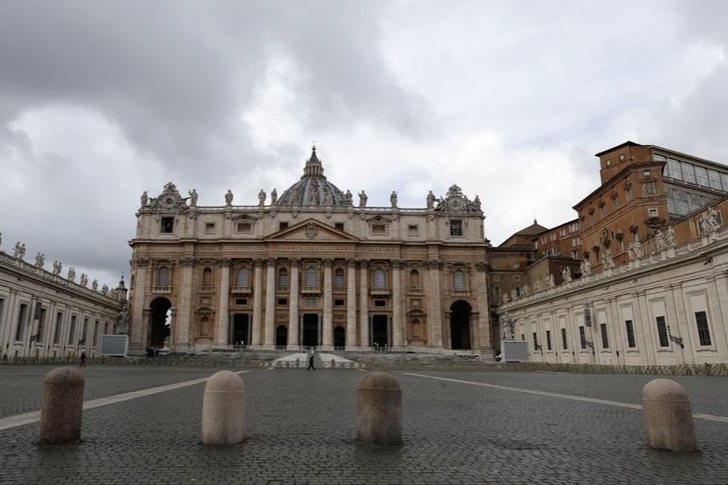
According to some estimates, the Catholic Church, led by t...
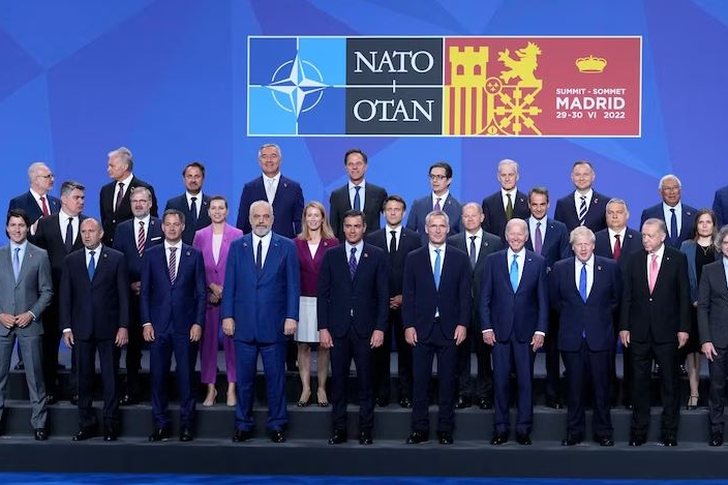
The United States and its Western allies have launched...

Since the beginning of this century, the practice of relig...
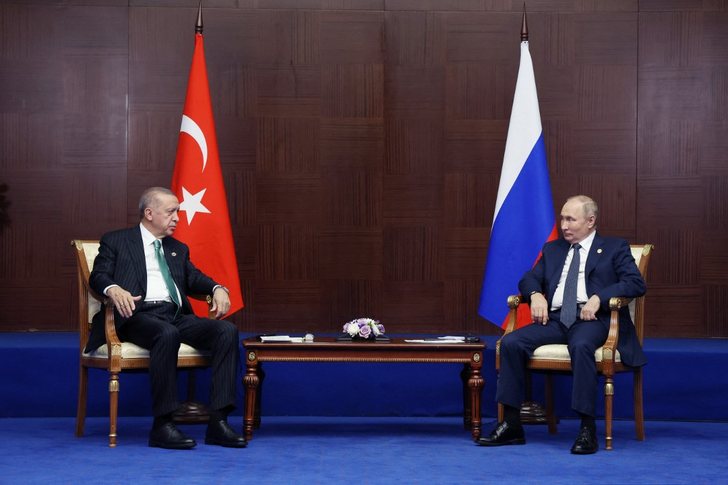
If there was a bet on how Yevgeny Prigozhin would die, mos...
Japan has the highest public debt in the world. It is equa...
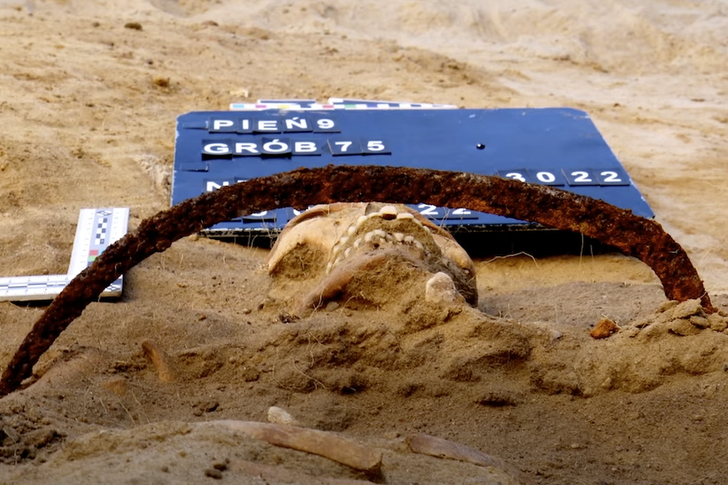
At the end of July, during archaeological excavations near...
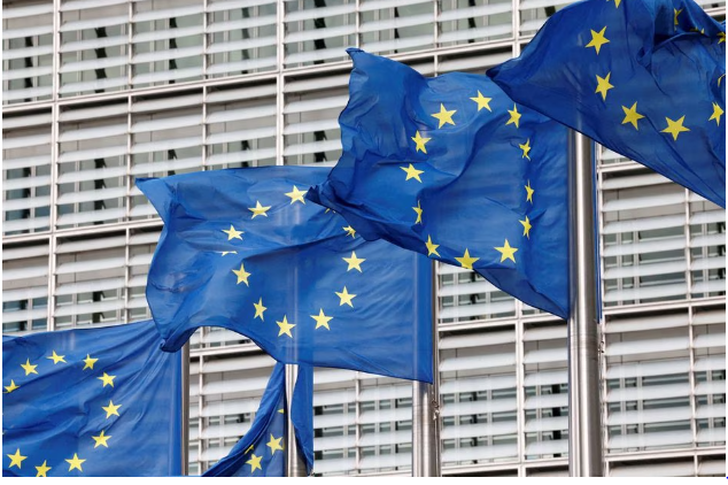
Finally there is a date, 2030, for the Europe of the futur...
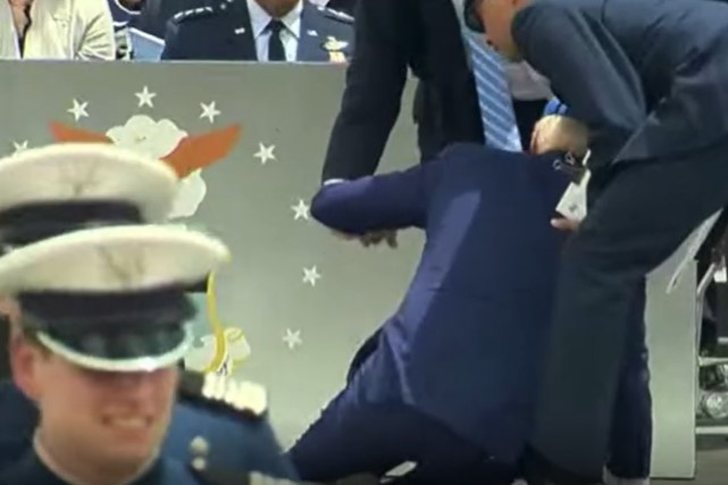
President Joe Biden was "fine" according to White House Co...
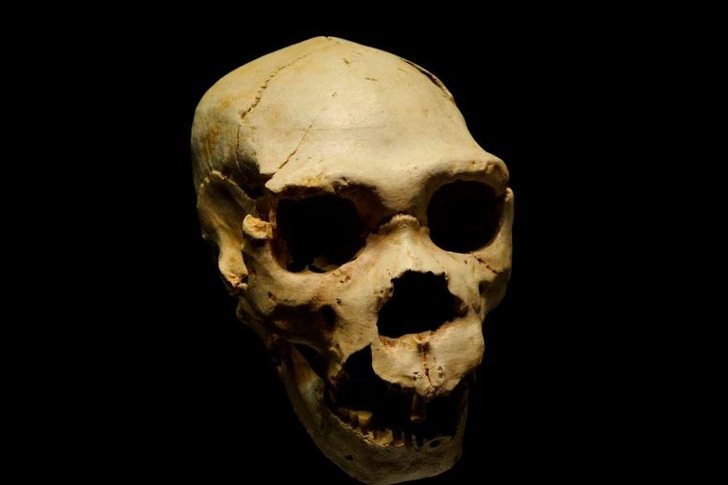
About 930,000 years ago, the human race was on the ver...
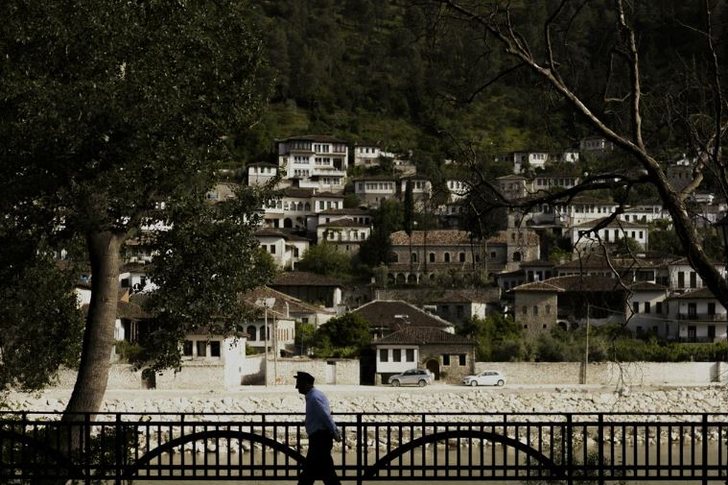
It is 1 o'clock in the afternoon on a summer Saturday, and...

Cheating is a complex topic, with an emotional charge, tha...
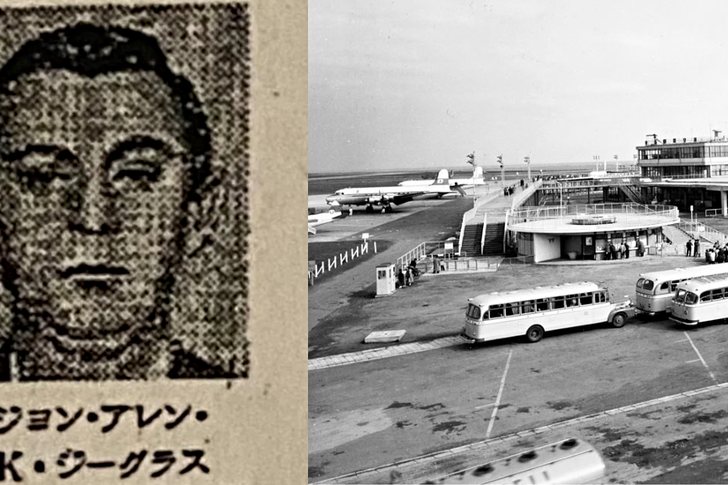
On a hot summer day in July 1954, a man arrived at Haneda ...
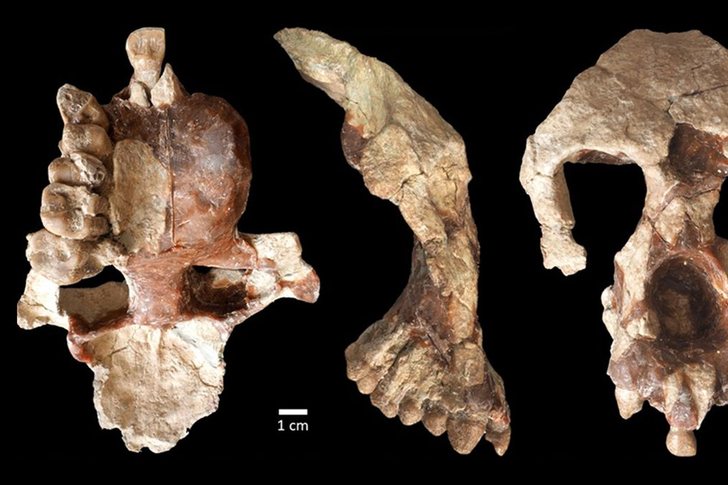
Fosili i një majmuni i zbuluar së fundmi në Turqi, ka nxit...
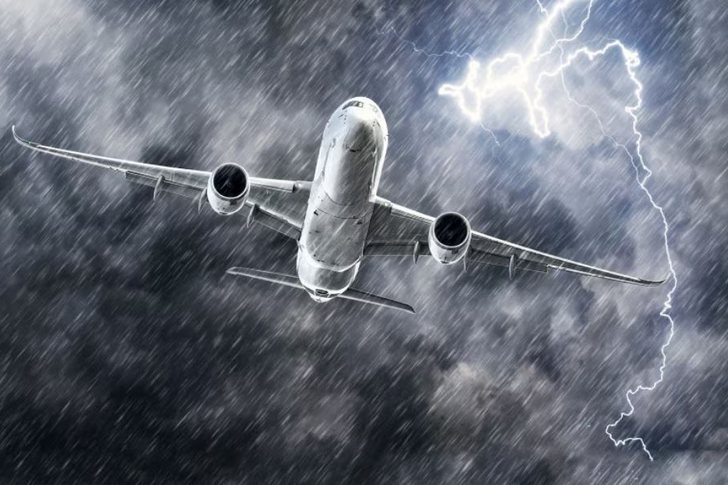
Flying is the safest way to travel. According to the lates...
A 39-year-old citizen has been arrested in Lezha, after se...

CNA has launched another investigation that could lead to ...

Irfan Hysenbelliu is a businessman that we call "Irfan the...

In March 2026, CNA launched another investigation centered...

The Special Board of Appeal (KPA) decided this Monday ...

The KPA vetting decided this Thursday to dismiss the p...

Suela Salavaçi, a prosecutor in the Prosecutor's Offic...

The Special Board of Appeal reinstated the prosecutor ...

Several gunshots were reported today in the village of Gjo...

Following the successive operations carried out by the ope...
The Police Supervision Agency has seized the service weapo...
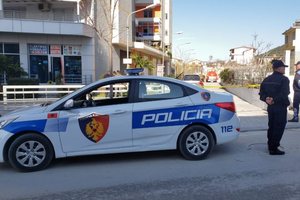
A serious incident occurred in Lushnje, where citizen IY, ...

As the year 2026 is in its second half, the world is exper...

Today, our country will be under the influence of stable a...

By noon, cloudiness is expected to prevail in almost all o...

Children without parental care, for whom alternative famil...
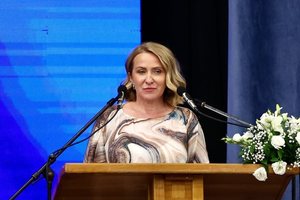
Serbia's Minister of State Administration and Local Self-G...
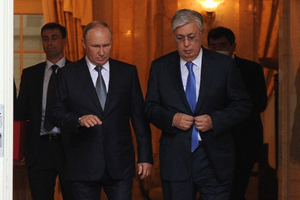
Kazakh President Kassym-Jomart Tokayev shared some critici...
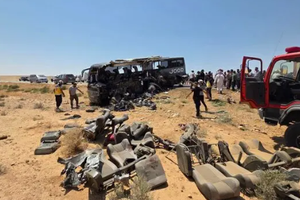
Thirty-five people were killed and 30 others were injured ...

US President Donald Trump has announced that he will seek ...
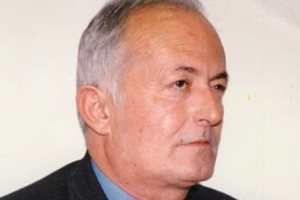
Two windows, a century of history and the metaphysics of p...
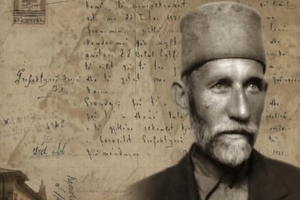
In my research at the Central State Archives, specifically...

At a time when industrial products are increasingly taking...

Trust among people is not just a three-syllable word. It c...
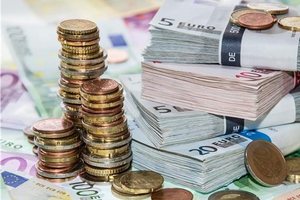
This Saturday, one US dollar is bought for 81.7 lek and so...
War, weather and supply disruptions could send gas prices ...
The number of active enterprises in Albania continued to g...
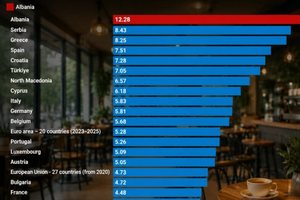
In Albania, the bar-cafe has long become an almost unique ...