


Shehi criticizes Rama: Not a word about the economy, reminds us that Albanians have played tricks on us
Politician Dashamir Shehi commented today on the statement...

Politician Dashamir Shehi commented today on the statement...


Monster hunters have once again gathered in Northern Scotland for what is being billed as the biggest search for the Loch Ness monster in 50 years. The expedition, which will be staffed by volunteers monitoring the surface of the lake for "unexplained" movements, follows several high-profile attempts to track down the creature after more than 1,000 independent alerts.
The monster was first recorded in the biography of a Catholic missionary from Ireland, Saint Columba, who traveled to Scotland. He claimed to have witnessed the burial of a man who had been killed by a water beast.
The monster then reappeared to attack another swimmer in the River Ness, from which the monster's name Loch Ness derives. In his official biography it is written that Saint Columba made the sign of the cross, forcing the beast to swim away.
In 1933, Loch Ness was flooded with expeditions and tourist tours after a local newspaper, The Inverness Courier, reported that a couple had spotted a "frightening-looking monster" while traveling along the loch.
“There, the creature rolled away and dived for 1 minute. Her body resembled that of a whale, and the water that flowed around stirred like in a boiling cauldron," the newspaper reported. Many other alerts followed, which were enthusiastically covered by the newspapers.
Scientists began to say that perhaps it is not a real monster. However, "Loch Ness fever" required an explanation from scientists, many of whom thought that the fantastic creature was likely to be a familiar sea creature, such as a seal.

Dr. William Beebe, head of the Department of Tropical Research at the Zoological Society of New York (now the Wildlife Conservation Society), said at a conference in January 1934 that he believed "the monster is nothing more than a big squid".
His comments led the New York Times to write in a headline that there were no more "Ocean Dragons". The Daily Mail published the black and white photo of what was claimed to be Nessie on April 21, 1934. The photo depicted a long serpentine neck and a head raised above water.
In 1994, the image, known as the "surgeon's picture", was revealed to be a 12 12-inch tall model made of plastic wood and a toy submarine. Sir Edward Mountain, an insurance businessman, organized a search in 1934.
He sent 20 people equipped with Kodak cameras and special glasses to the lake. Edward told a scientific society that the expedition crew saw the monster 21 times in the 2 weeks of the search.
Meanwhile in 1961 the Loch Ness Phenomena Investigation Bureau was formed. She made several new expeditions, including night checks. The group disbanded in 1977. Dr. Robert H. Rajnes of Boston University led a 1-month search of Loch Ness, using underwater cameras and taking more than 108,000 photographs and images produced by the sonar system to search for bottom of the lake for possible skeletons and corpses.
That research was sponsored by the Academy of Applied Sciences, a group of engineers and inventors based in Boston, and the famous American newspaper "The New York Times". The expedition found no new evidence to explain the signaling over Loch Ness.
Adrian Shajn, a naturalist by profession, led Operation Deepscan, which has been called the "largest scientific expedition ever undertaken" in Loch Ness, and which involved at least 20 vessels aiming to do a thorough sonar scan of the loch. They didn't find the Loch Ness monster either.
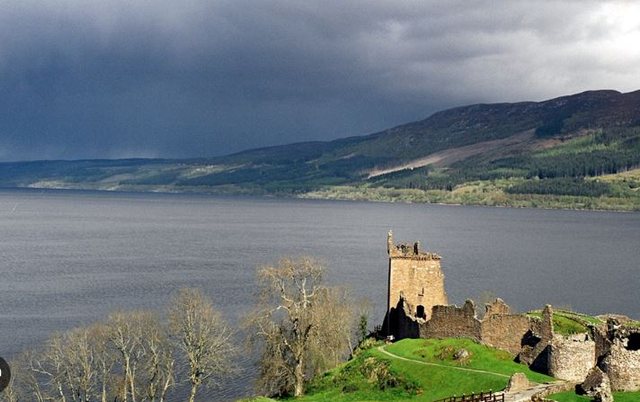
The British Broadcasting Corporation used 600 beams to pick up sounds and investigate the lake again, but concluded that the Loch Nessi monster did not exist. Even the British television BBC tested the public by hiding a fence post under the surface of the lake and raising it in front of a group of tourists.
When the group members were asked to describe what they had seen, some drew a head in the shape of a monster. Professor Neil Xhemell of the University of Otago in Dundee, New Zealand, presented findings from 250 water samples he took from Loch Ness which he tested for DNA.
He said he found a "significant amount of eel DNA" but no genetic information to support the now-popular theory that the monster could be a Jurassic-era reptile. Professor Xhemell said that "what people see and believe is the Loch Ness monster could be a giant eel".

Loch Ness Exploration, a volunteer research group, is now leading the latest search, which is said to be the biggest to take place in the loch since 1972. The group will scan the loch for unusual movements, and use tools including heat-detecting drones and a hydrophone that detects acoustic signals underwater.
The places from where the expedition can be followed are already occupied by many curious people. But people will still be able to see the search in the lake thanks to a live TV broadcast. According to the official alert log, there have been 3 alleged sightings of the monster this year alone. The search continues./ Adapted from CNA


When Pope John Paul II visited his homeland, Poland, in 19...

On September 9, 1976, the leader of Communist China, Mao Z...
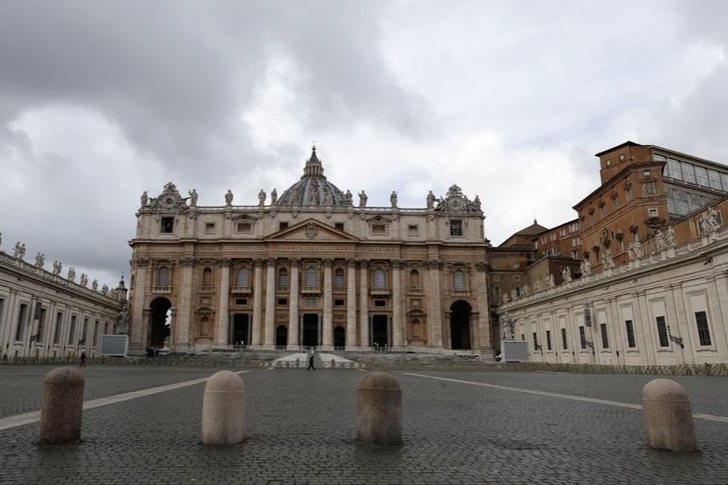
According to some estimates, the Catholic Church, led by t...

The United States and its Western allies have launched...
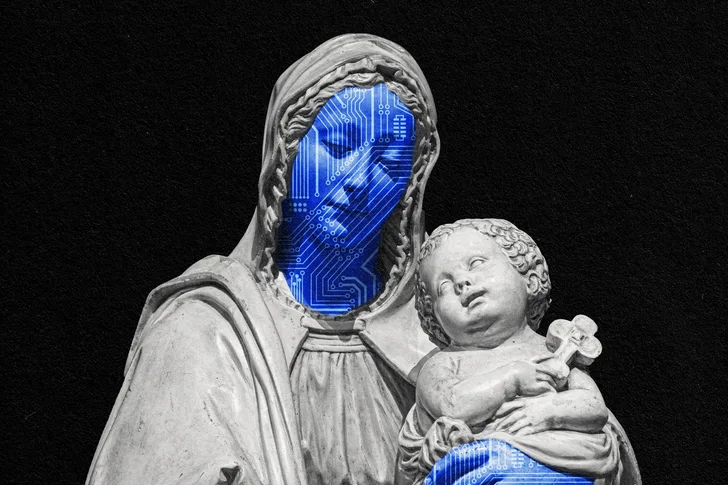
Since the beginning of this century, the practice of relig...

If there was a bet on how Yevgeny Prigozhin would die, mos...

Japan has the highest public debt in the world. It is equa...
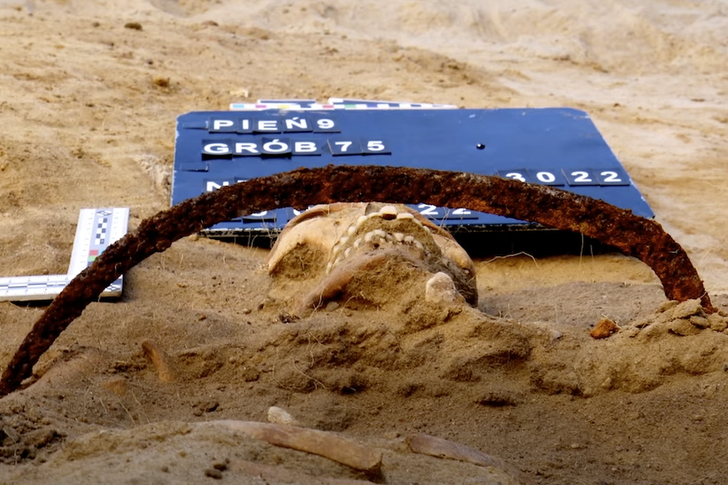
At the end of July, during archaeological excavations near...

Finally there is a date, 2030, for the Europe of the futur...

President Joe Biden was "fine" according to White House Co...
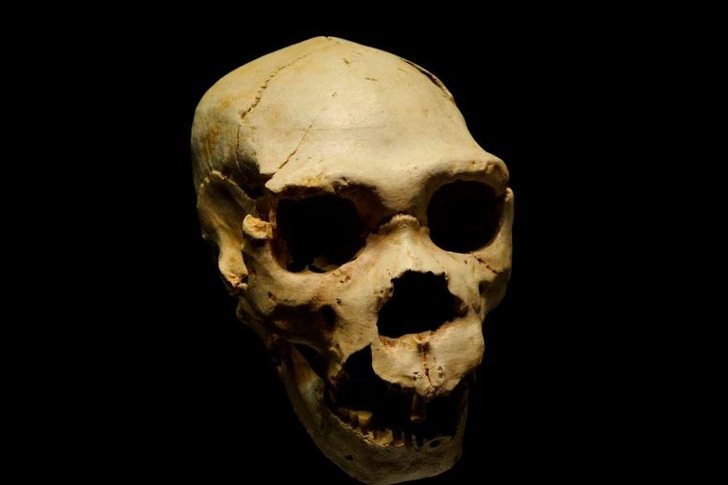
About 930,000 years ago, the human race was on the ver...
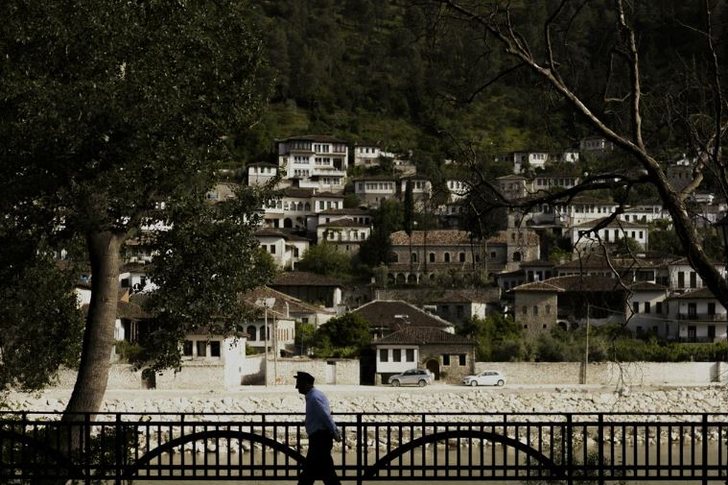
It is 1 o'clock in the afternoon on a summer Saturday, and...

Cheating is a complex topic, with an emotional charge, tha...
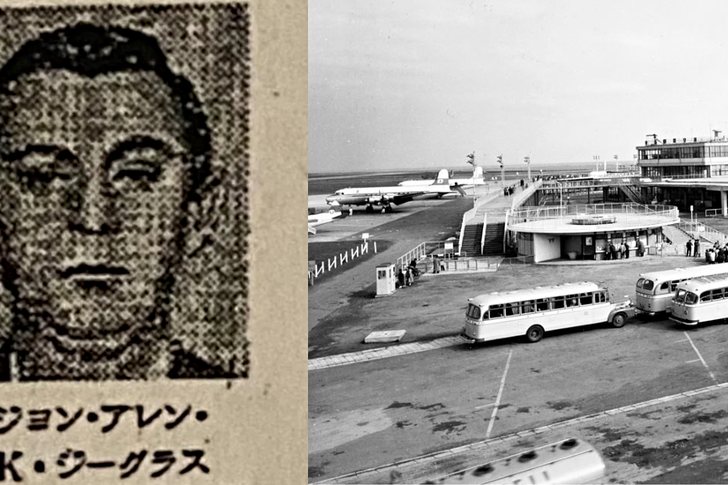
On a hot summer day in July 1954, a man arrived at Haneda ...
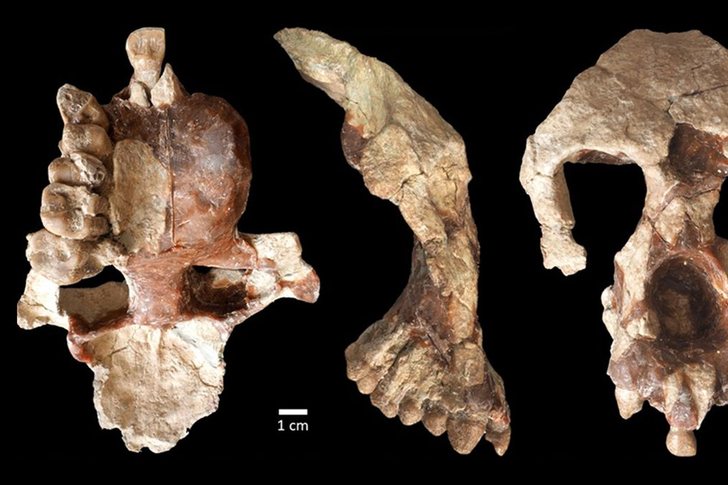
Fosili i një majmuni i zbuluar së fundmi në Turqi, ka nxit...
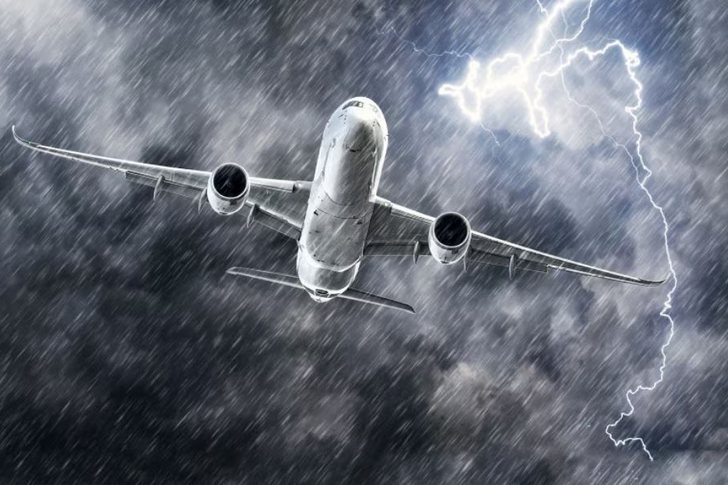
Flying is the safest way to travel. According to the lates...

When London was hit with the bubonic plague in 1665, many ...

When I heard that hospitals in the US were short of blood ...

At the Bled Strategic Forum held this week, European C...

By Ross Pomeroy "Big Think" Over time, a person's persona...
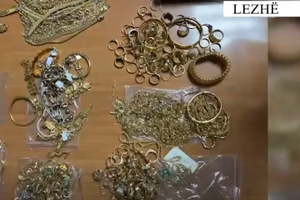
A 39-year-old citizen has been arrested in Lezha, after se...

CNA has launched another investigation that could lead to ...

Irfan Hysenbelliu is a businessman that we call "Irfan the...

In March 2026, CNA launched another investigation centered...

The Special Board of Appeal (KPA) decided this Monday ...

The KPA vetting decided this Thursday to dismiss the p...

Suela Salavaçi, a prosecutor in the Prosecutor's Offic...

The Special Board of Appeal reinstated the prosecutor ...

Several gunshots were reported today in the village of Gjo...

Following the successive operations carried out by the ope...
The Police Supervision Agency has seized the service weapo...

A serious incident occurred in Lushnje, where citizen IY, ...

As the year 2026 is in its second half, the world is exper...

Today, our country will be under the influence of stable a...

By noon, cloudiness is expected to prevail in almost all o...

Children without parental care, for whom alternative famil...

Serbia's Minister of State Administration and Local Self-G...

Kazakh President Kassym-Jomart Tokayev shared some critici...

Thirty-five people were killed and 30 others were injured ...

US President Donald Trump has announced that he will seek ...
Two windows, a century of history and the metaphysics of p...

In my research at the Central State Archives, specifically...

At a time when industrial products are increasingly taking...

Trust among people is not just a three-syllable word. It c...

This Saturday, one US dollar is bought for 81.7 lek and so...

War, weather and supply disruptions could send gas prices ...
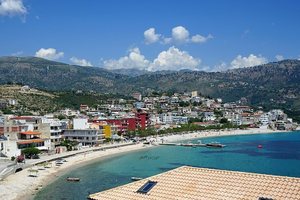
The number of active enterprises in Albania continued to g...
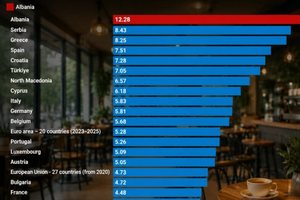
In Albania, the bar-cafe has long become an almost unique ...