Businessman Artur Shehu breaks his silence: I am a long-time land owner in Zvërnec, I don't know the investors at all
Albanian businessman Artur Shehu spoke on the Opinion show...

Albanian businessman Artur Shehu spoke on the Opinion show...

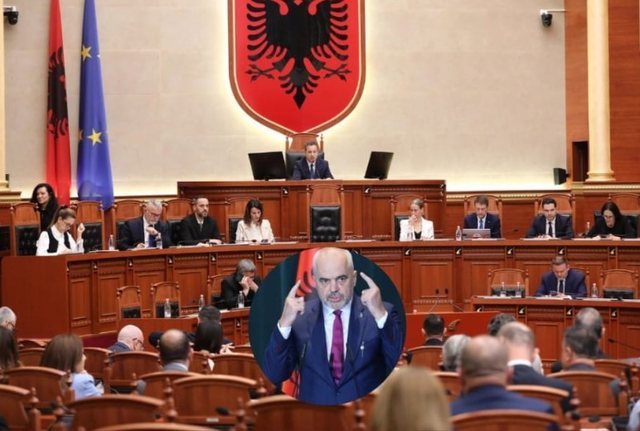
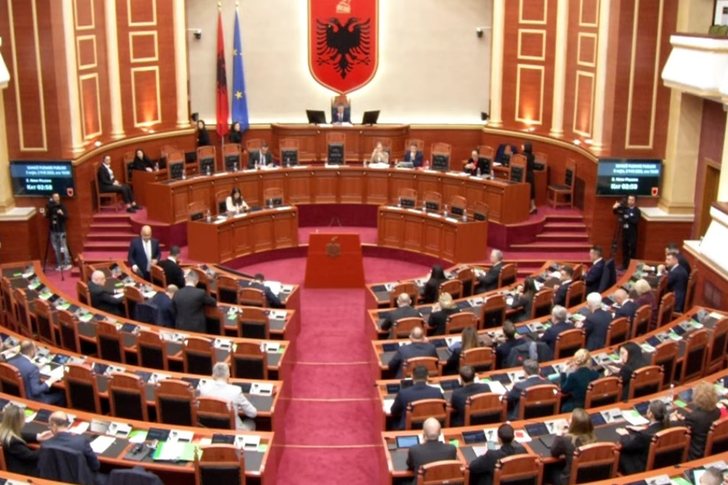
Yesterday's parliamentary session once again highlighted Prime Minister Edi Rama's disregard and disregard for the Assembly, the institution where the government is supposed to be accountable and transparent on important issues or reports that directly affect the lives of citizens.
It is known that Rama ignores the Parliament and especially his political "department". The Prime Minister, as the leader of the SP, knows very well how most of the MPs were elected, the closed lists are his product, they owe nothing to the SP, but to Edi Rama, the others on the open lists, have once again entered by pleading with Edi Rama or lobbying him, whoever won in that race again comes from the votes of the SP where he is the leader again.
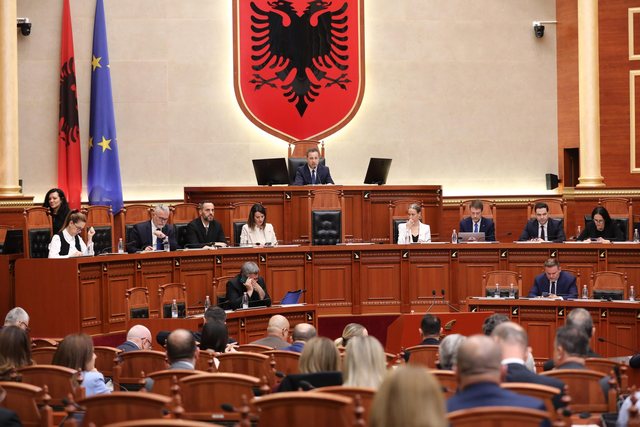
At least in the last two years, there are only a few times that Prime Minister Edi Rama has participated in parliamentary sessions, even when they are essentially discussing important draft laws or draft resolutions. The opposition does not even bother to respond or attend the sessions.
Edi Rama looks at them from the heights of the towers being built in Tirana, and after 83 mandates and the vote of confidence for the fourth time by Albanians with a lifespan of 16 years in power, the DP and the opposition seem like ants to him, even though he is covered in scandals.
In yesterday's parliamentary session, the draft resolution on Albania's integration into the EU was approved, where Rama was not present, or in the marathon session of May 7 where four draft laws, one normative act and six draft decisions were approved, and Rama went to Parliament only to vote.
The Prime Minister has long ignored and disregarded requests for interpellation and motions for debate, or in the worst case, delegated them to his "technical" ministers.
In a parliamentary democracy that aims for EU standards, a very rare presence of the Prime Minister in the Assembly, especially in important interpellations and debates, is not simply a matter of agenda, but a matter of the culture of political accountability.
The essence of Parliament is not the formality of voting on laws, but the control of the executive. When the prime minister is often absent from sessions where direct accountability is required, this control is weakened in practice, even if the law is not violated. This creates a gap between principle and reality, institutions exist, but their interaction becomes one-sided.
A model where the prime minister only appears in Parliament a few times a year risks producing consequences such as weakening political transparency, because the moment he delegates to ministers to answer public questions, political responsibility is distributed, making it more difficult to identify the real decision-maker, who is in fact the prime minister.
Another consequence is that it turns Parliament into an institution that is more approving than debating. Simply implementing the government, and Edi Rama has all the mandates to behave arrogantly and not go, but this also shows weakness. Rama moves forward with his monologues in meetings with local government and political structures, but does not face real debate.
If direct confrontation is lacking, parliamentary debate loses its controlling weight and turns into a formal process. With 83-plus mandates, it is even worse.
For a country aiming for EU integration, the standard is not measured only by aligned laws, but by institutional behavior.
An executive that frequently avoids parliamentary confrontation with the opposition creates an unbalanced system in favor of the government that uses most of the cards to structure a formal parliamentarism where the elected representatives of the people are ball-filling agents for a government that seems to find the assembly a great nuisance.
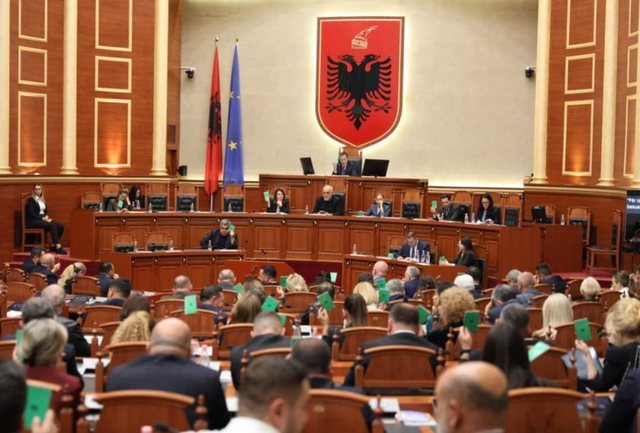
This comes from the scandals, misgovernment, arrogance and omnipotence that lower the profile of the Prime Minister even further. In his discussions in the cities he talks about service, communication with the people, while he himself does not deserve to face a debate in Parliament, even a strong battle, not because he cannot, but because he does not want to.
The Prime Minister has numerous executive and international obligations, and cannot be physically present at every session, but at the most crucial political moments, especially when it comes to direct accountability or integration, he cannot go watering the flowers of Europe or the prime minister's office.
The more rare the presence of the Prime Minister and his ignoring of the Assembly, in debates on important issues, even when scandals break out, even when he has to clarify policies, even when he has to show the path he has followed for integration, where the Prime Minister's accountability and weight are required, when he ignores, abandons, does not consider them, public trust in institutions is destroyed and this is a fact, trust in the Prime Minister himself is also destroyed./ CNA

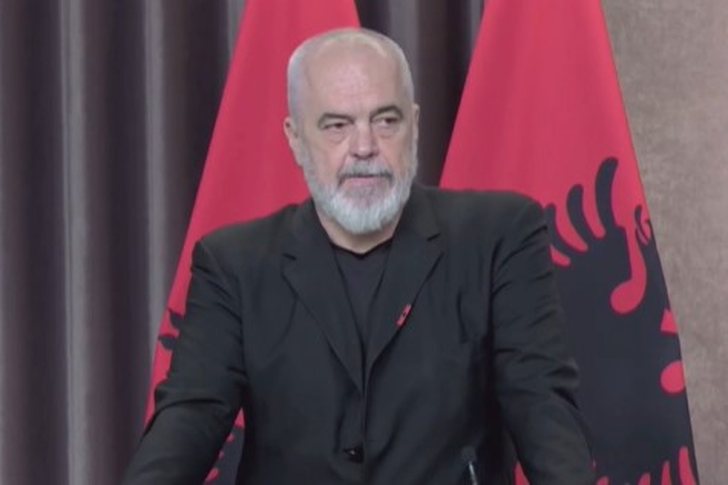
Prime Minister Edi Rama is on an official visit to Estonia...
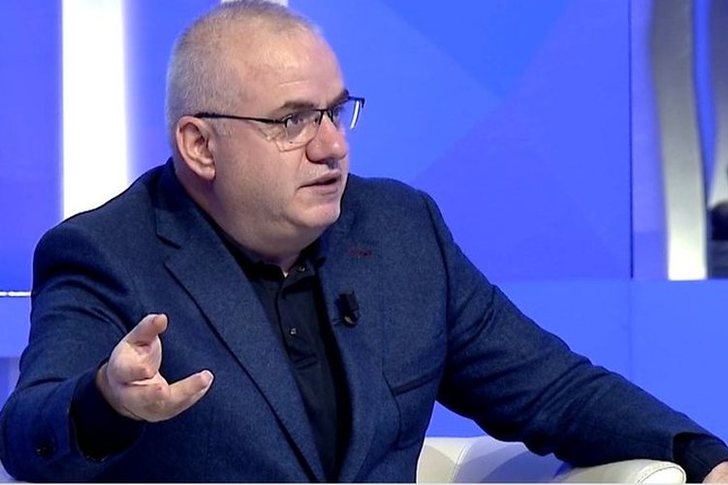
Journalist Artan Hoxha today accused Prime Minister Edi Ra...
Former Socialist Party MP Petro Koçi spoke in a television...
Analyst Fatos Lubonja commented today on the approval by t...
PAA Chairman Agron Duka commented today on the approval th...
Democratic Party MP Belind Këlliçi said today that corrupt...
The Minister of Interior, Besfort Lamallari, in the interp...
Democratic Party MP Luciano Boçi shared today a critical s...
Minister of Justice, Besfort Lamallari, in the interpellat...
MP and leader of the Republican Party, Fatmir Mediu, state...
The Chairman of the Opportunity Party, Agron Shehaj, held ...
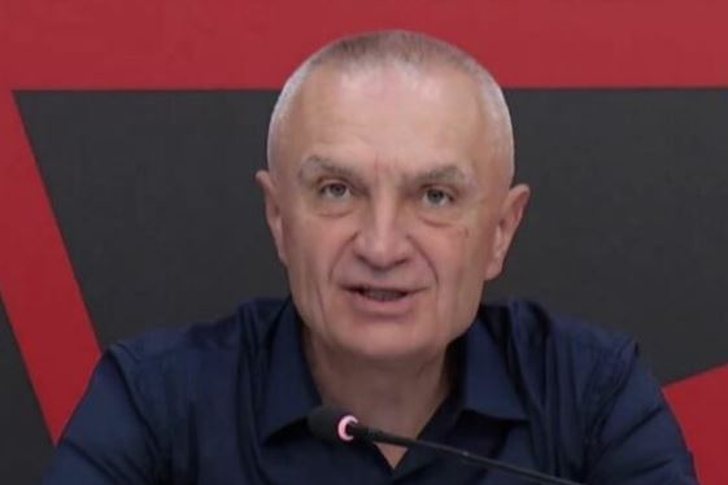
The Chairman of the Freedom Party, Ilir Meta, has reacted ...
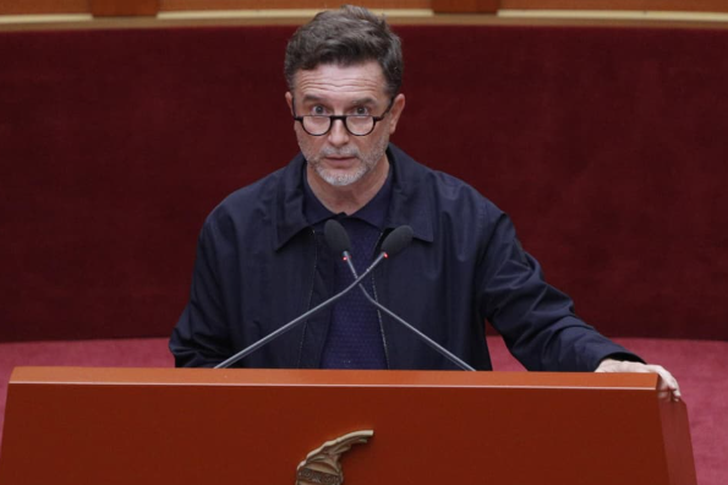
Socialist MP Erion Braçe raised concerns about abandoned a...
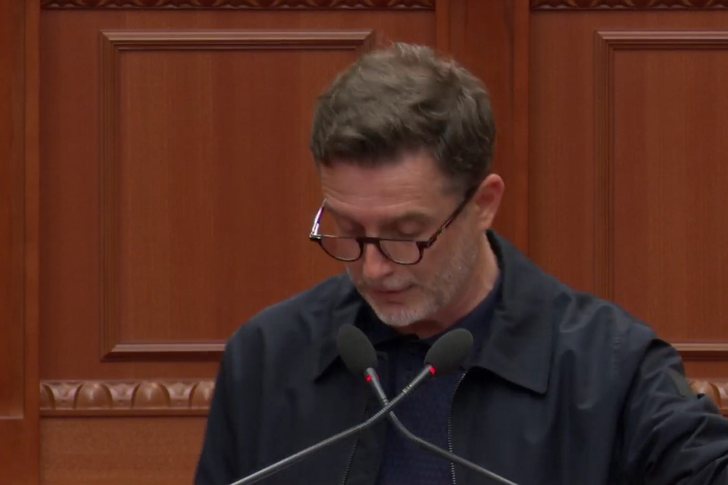
Socialist Party MP Erion Braçe, in today's plenary session...
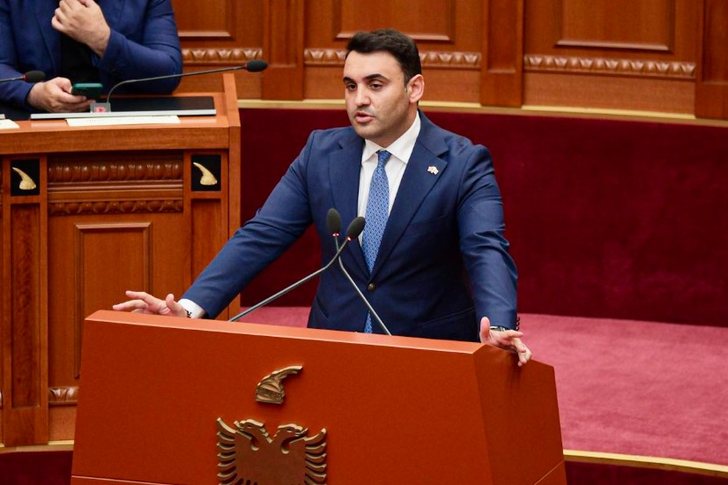
Democratic Party MP Belind Këlliçi spoke on the "Task Forc...
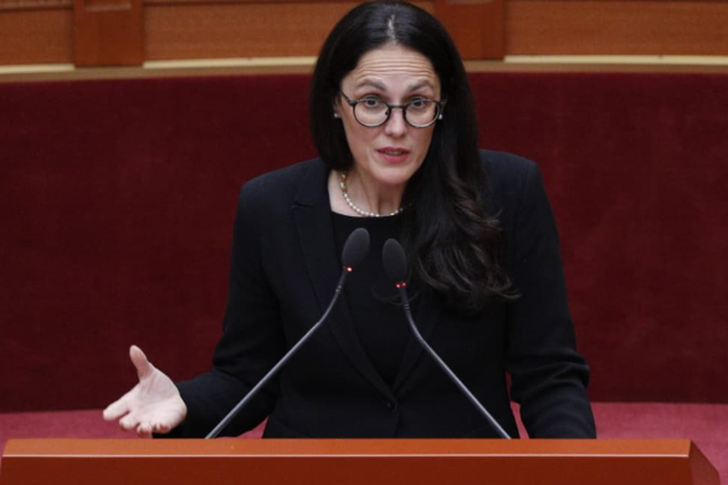
The Minister of Economy and Innovation, Delina Ibrahimaj, ...
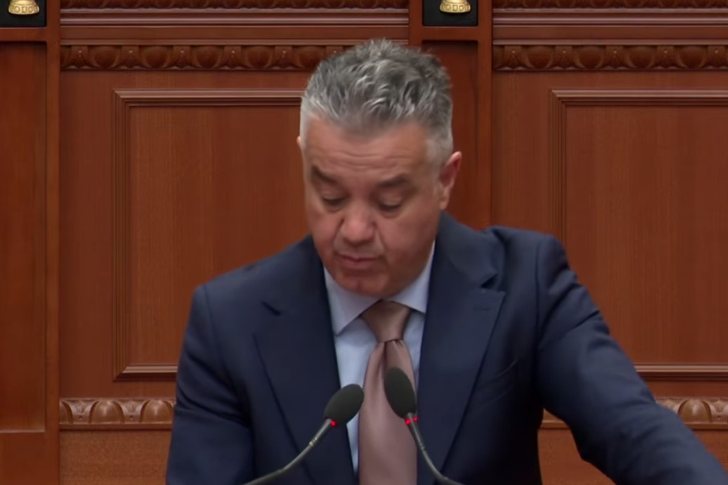
In today's plenary session, an interpellation regarding pr...
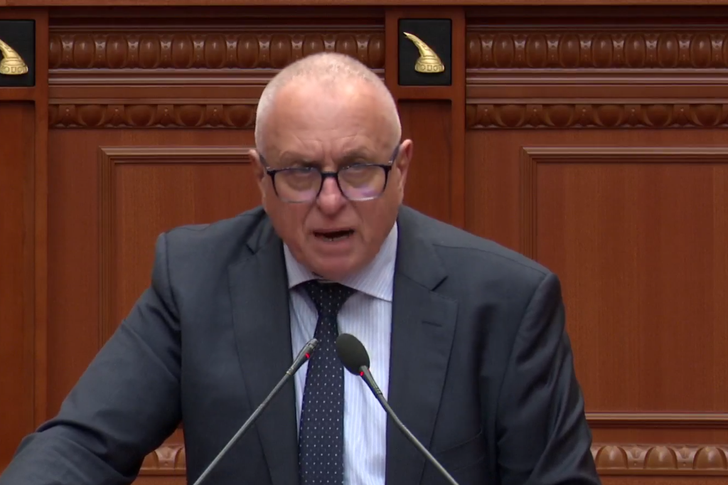
Democratic Party MP Tritan Shehu today criticized the Mini...
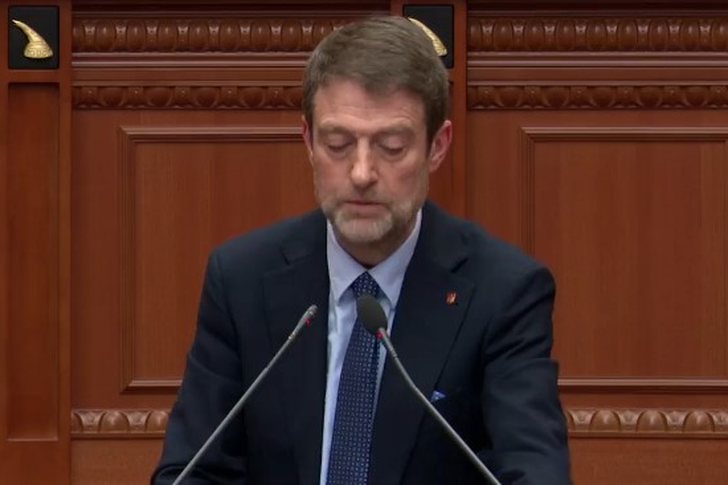
Prime Minister Edi Rama has "passed" today's interpellatio...
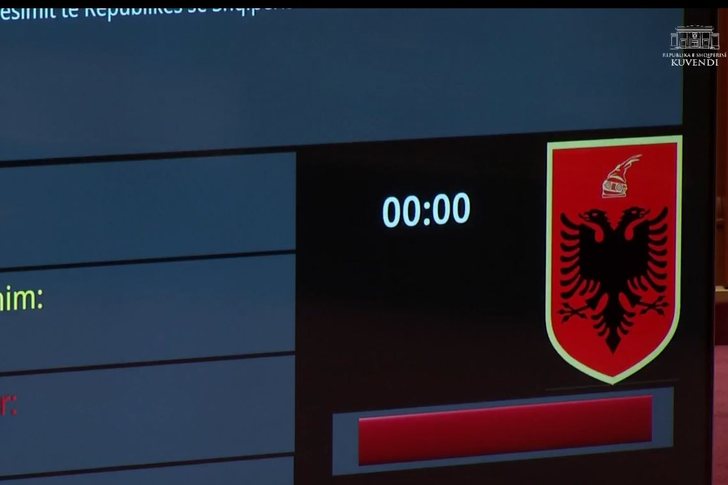
The Albanian Parliament voted in today's plenary session o...
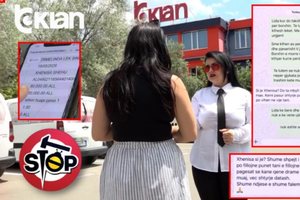
The next case broadcast on the show "Stop", this Thursday,...
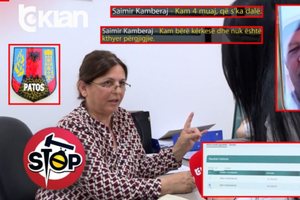
The case published this Thursday, June 4, on the show "Sto...
The protests of recent days related to the situation in Zv...
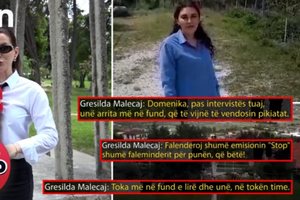
The case addressed this Wednesday, June 3, on the show "St...

The Special Board of Appeal (KPA) decided this Monday ...

The KPA vetting decided this Thursday to dismiss the p...

Suela Salavaçi, a prosecutor in the Prosecutor's Offic...

The Special Board of Appeal reinstated the prosecutor ...
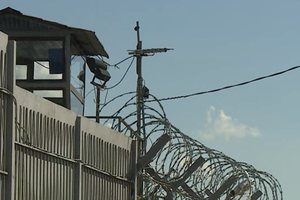
A convict was found dead today in the premises of the Pris...
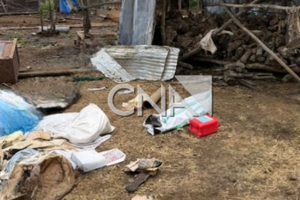
Several images provided by CNA show the area where this mo...
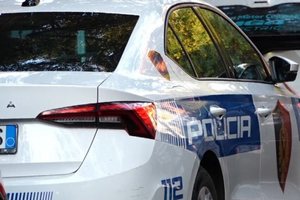
A quantity of explosive material exploded this morning at ...
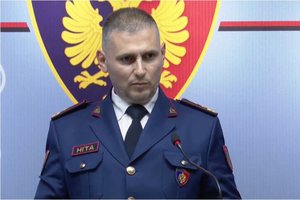
The Head of the State Police, Skënder Hita, expressed his ...

For many children and teenagers, the long summer holidays ...
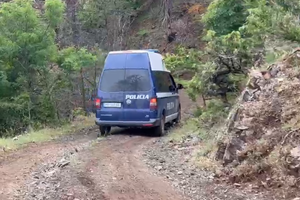
Witnesses in Lozhan, Maliqi, have shared details from the ...
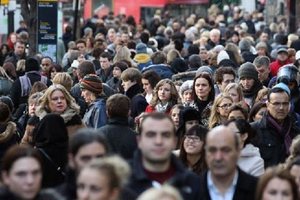
Albania is facing an unprecedented demographic transition,...
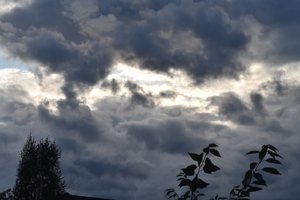
On Thursday, our country will be affected by unstable weat...
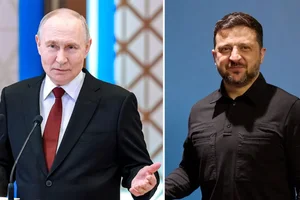
Russian President Vladimir Putin said the war in Ukraine c...
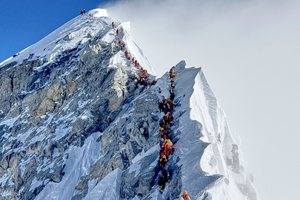
An extraordinary story of survival has been recorded in Ne...
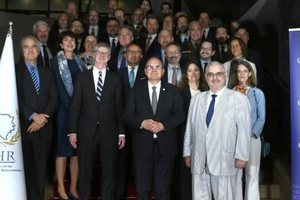
The Peace Implementation Council in Bosnia and Herzegovina...
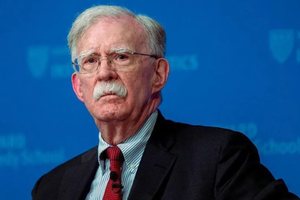
John Bolton, the former national security adviser to US Pr...
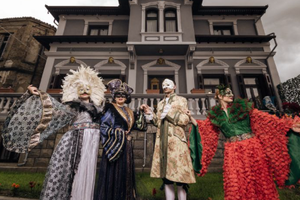
Korça is ready to open the summer season with one of the c...
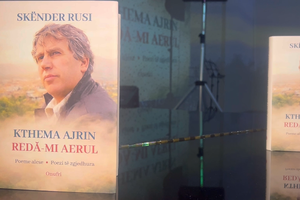
Two years after his passing, the renowned Korçë poet Skënd...
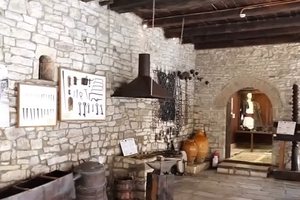
The Ethnographic Museum of Berat has opened its doors to v...
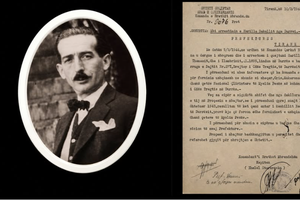
The story of Harilla Bakalli is one of the most chilling t...
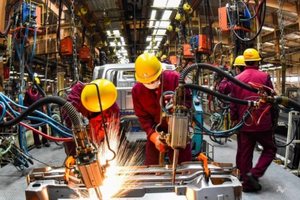
The government aims to transform the country's industrial ...
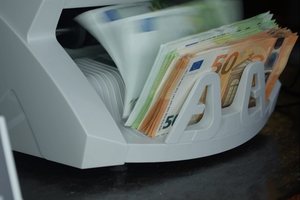
Kursi i këmbimit të euros me lekun ka rënë më tej këtë jav...
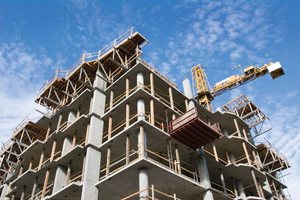
Profit margins in the construction sector have increased s...
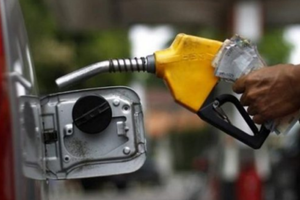
The Transparency Board, at its meeting today, decided to i...