


Businessman Artur Shehu breaks his silence: I am a long-time land owner in Zvërnec, I don't know the investors at all
Albanian businessman Artur Shehu spoke on the Opinion show...

Albanian businessman Artur Shehu spoke on the Opinion show...

When an exhaustive answer has not yet been given to the question about the future of digital technology of Artificial Intelligence (AI), Edi Rama, the acting prime minister of the Republic shaken by three decades of post-communist transition, deploys a "current mannequin" named Diella to bring justice to the abuse of governing power.
To put it bluntly: The "electric mannequin" named Diella has been entrusted with the role of a relentless fighter against corrupt deals in tenders, but not only that. At least, this is how the Prime Minister's response to critics of the initiative he personally undertook was motivated.

The way Prime Minister Rama launches "pro-solar missiles" makes one feel unconvinced of the truth of his statements, who, obeying his polemical-nihilistic instinct, leaves no one unscathed if he touches the indomitable "fighter" Diella.
Rama's latest target has become Eric Schmidt, the former CEO of Google, who, days ago, in "The New York Times", estimated that with the AI ??digital minister, Albania is moving towards governance by algorithms.
“Algorithms can optimize efficiency, but they cannot decide the choices between competing values ??that lie at the heart of democratic politics. Without transparency about how the Sun reaches its conclusions and without mechanisms to challenge its decisions, citizens will inevitably feel unfair and powerless,” Mr. Schmidt assessed, suggesting: “Instead of replacing democracy with AI, we should use AI to revitalize democracy, making it more accountable, more thoughtful, more worthy of public trust. Unfortunately, that is not the path we are currently on.”
The statement of the former Google CEO has angered the omniscient Prime Minister, who responded to the "father" of digital technology in the "New York Times" by letting him know that the uncorrupted Albanian Sun, which is programmed by people, "is neither a ruler nor a substitute for democracy," but "a public guardian designed to make democracy function better."
So, according to the Prime Minister, only the guardianship of the "electric mannequin" Diella will make the better functioning of the mech-mash system, which the archaic policy of consistent robbery built for three decades, a reality.

This is a ridiculous argument that I don't want to believe that Rama himself believes, while he lets Mr. Schmidt know the respect he has for his leadership at Google and his ideas on the relationship between technology and society, which have inspired an entire generation of policymakers, including Rama himself, who, following his response to Mr. Schmidt, writes:
"I was disappointed when I read his description of Diella, the Albanian AI governance initiative, as a step towards 'algocracy' governance by algorithms," etc. etc.
But let's leave aside the Schmidt-Rama controversy and continue with how safe AI technology is for future life, to at least reassure us that the Sun will exist, that it and all its global counterparts will not "rebel" one day and turn from digital servants of humanity into a tool against humanity.
The answer to the question: Are we facing a new digital technology bubble, like the "dot-com" bubble of the 2000s, is the latest discussion that has sparked debates among analysts and technology experts, reaching contemporary heights.
While the parties agree that thanks to AI technology, the business world, in particular, has experienced unprecedented generation of profits and investments, some analysts theorize that the future of AI will not depend on the amount of money spent, but on who has access to energy, land, and construction capacity.
Analysts for the BBC:
"The money, the customers, and the deals exist, but the power, land, and electrical grid to handle the demand of AI are lacking."
Analysts speaking for the prestigious "BBC" articulate that another problem is emerging: AI does not lack demand, but lacks infrastructure.
In a publication on the topic of AI, the BBC reported that companies like CoreWeave and Oracle have hundreds of billions of dollars in contracts waiting to be developed because they lack the electricity and construction capacity to build data centers on time.
The guarantee of the future existence of AI is another core of the inter-party debate. Some expert analysts warn that the visible signs of AI technology suggest similarities to those of the "dot-com" of the 2000s.
After assessing that there is some "irrationality" in the current AI boom, Sundar Pichai, the head of Alphabet, Google's parent company, claimed to the BBC that the irrationality of AI comes amid fears in Silicon Valley of a "bubble" as the value of AI technology companies has increased.
According to the BBC, thanks to digital AI technology, Alphabet's shares have doubled in value in seven months to $3.5 trillion (£2.7 trillion). Exclusively for the BBC, Sundar Pichai said the surge in investment in AI is "an extraordinary moment."
"In recent months there has been significant growth, companies are spending a lot on the booming AI industry," Pichai said, adding: "Every company would be affected if the AI ??bubble burst." Asked if Google would be immune to the bursting of the AI ??"bubble," Pichai warned: "I think if the AI ??bubble bursts, no company will be immune, including Google."
Sundar Pichai's comments come after a warning from Jamie Dimon, the head of US bank JP Morgan, who told the BBC that investing in AI would pay off, but some of the money "would probably be lost."
Amidst this cacophony of existential uncertainty about AI, there is a conclusion that unites polemicists, who state that: "Even if the AI ??'bubble' bursts, the technology does not disappear."
For us Albanians of the Republic, weakened by the incompetence of human government, this means that the bursting of the AI ??"bubble" will physically eliminate our "daughter with electricity", Diella, the Prime Minister, and turn her into a worthless, worthless construction. Let us take comfort in this, at least, although there is nothing optimistic about it./ CNA

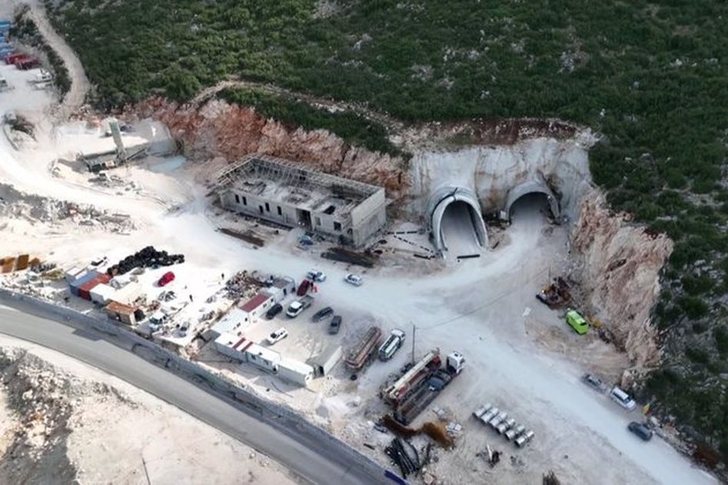
In our country, every major public project has a predeterm...
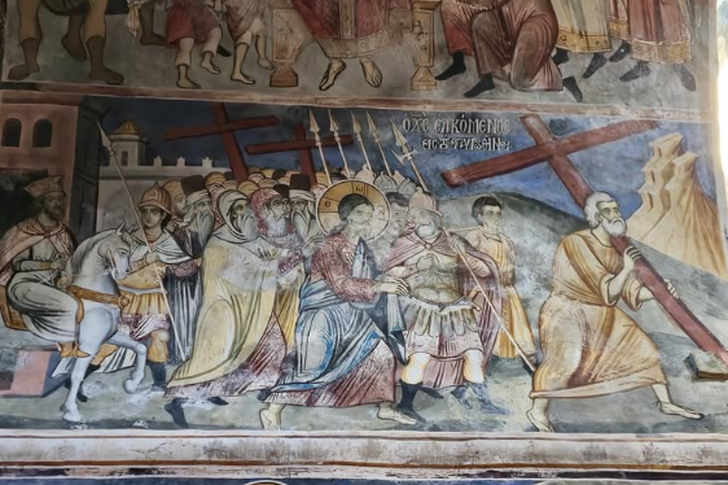
Once upon a time, a king known for his compassion and gene...
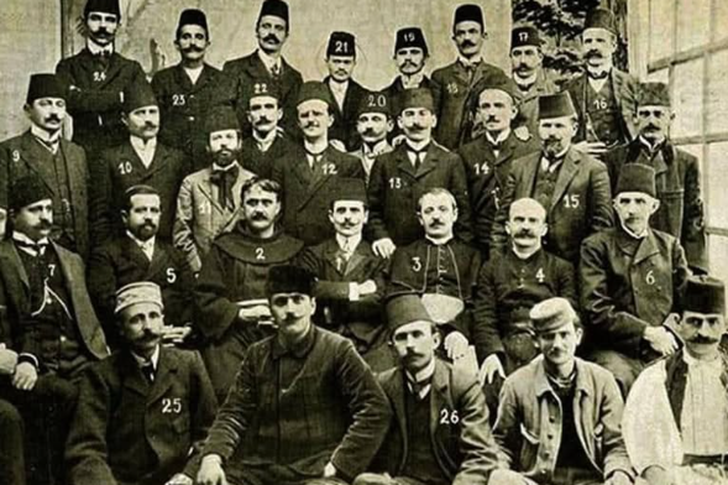
The first light of knowledge began in this city, with the ...

If there is a miracle worth believing in, it is the surviv...
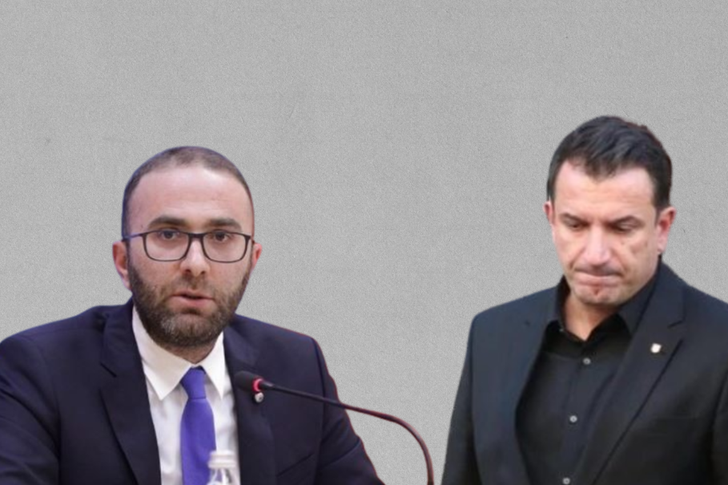
There is a very interesting thread that often connects Gaz...
The mockery of Braverman has not been enough for the Labor...
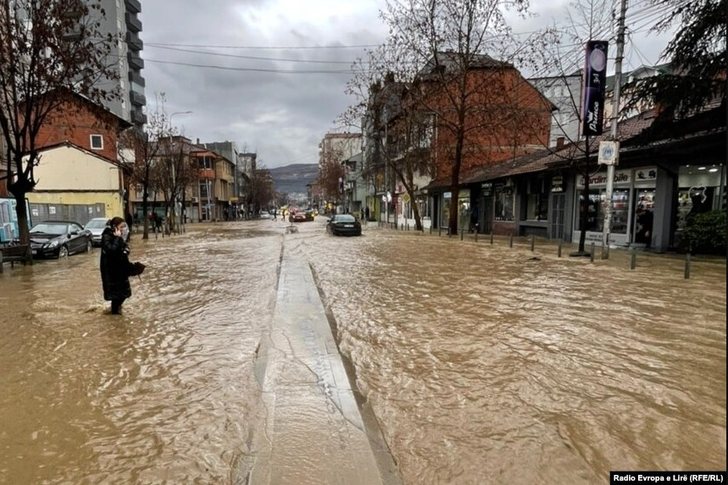
It's raining in Albania! The media, for a week in a row, a...
In every state of law, laws exist to protect the citizen f...

There are laws that pass unnoticed; quietly, without debat...

We are experiencing a total degradation of the political s...

The Program for International Student Assessment (PISA) ha...
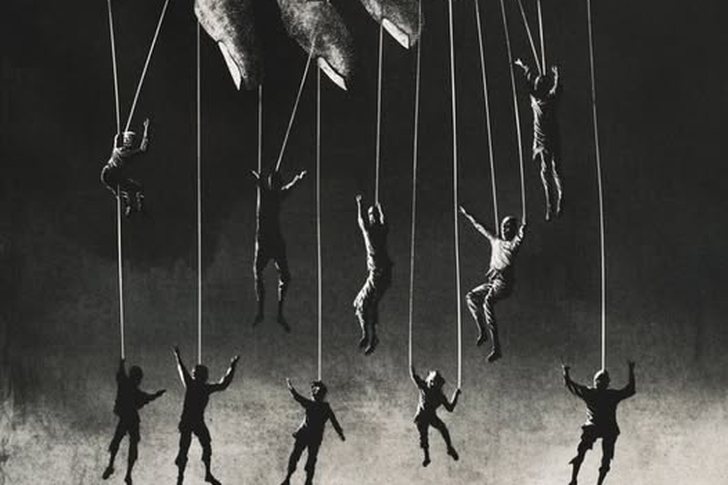
There is an unwritten law in politics: the more murky your...
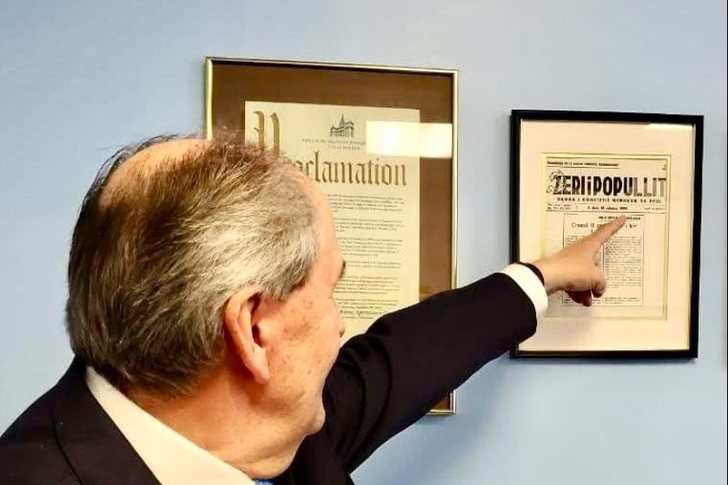
Elez Biberajt, on the date of birth Just as they had divi...
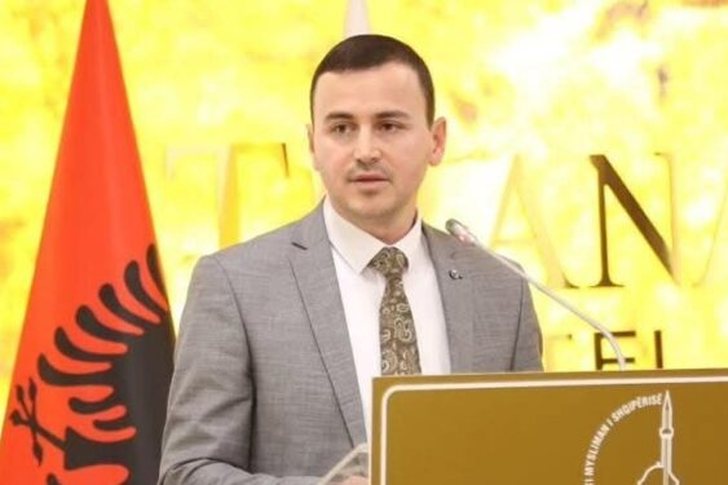
A counterargument to the public statement of Mr. Ben Blush...

Food safety in Albania has become one of the most discussed ...
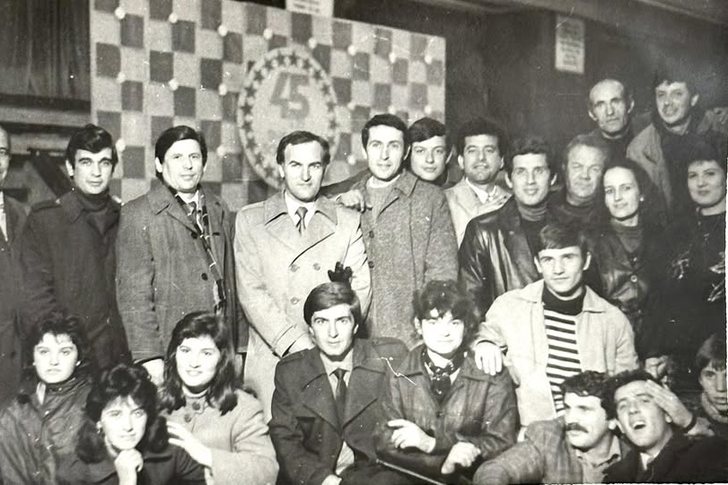
Through photography, not simply as an art form that has it...

I live in the "Paris Commune". Because of my little girls,...
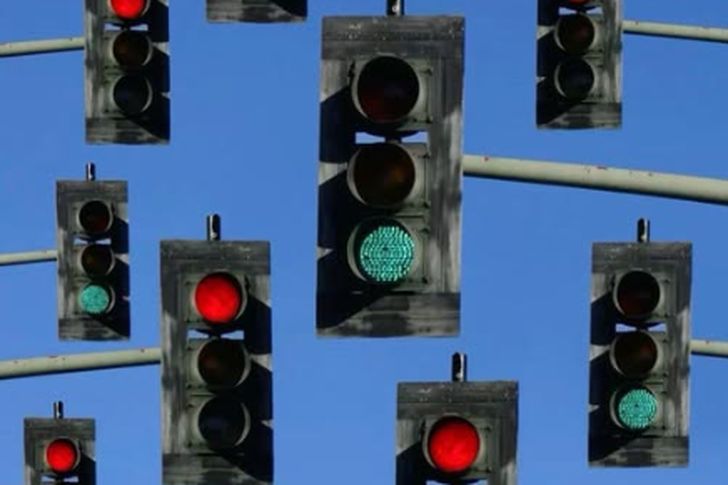
As I was reading the European Commission’s annual reports on...
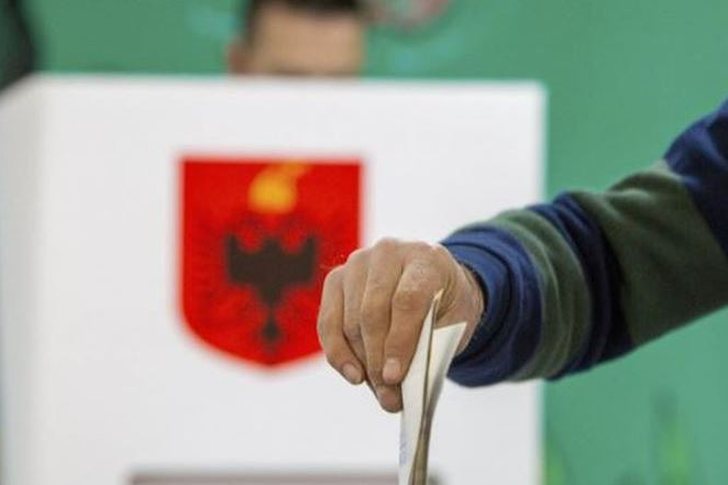
Do you know the democrats of the city of Vlora and its sur...

The elections were held. The ballot boxes were counted, th...

The next case broadcast on the show "Stop", this Thursday,...

The case published this Thursday, June 4, on the show "Sto...

The protests of recent days related to the situation in Zv...

The case addressed this Wednesday, June 3, on the show "St...

The Special Board of Appeal (KPA) decided this Monday ...

The KPA vetting decided this Thursday to dismiss the p...

Suela Salavaçi, a prosecutor in the Prosecutor's Offic...

The Special Board of Appeal reinstated the prosecutor ...
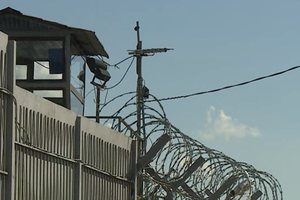
A convict was found dead today in the premises of the Pris...
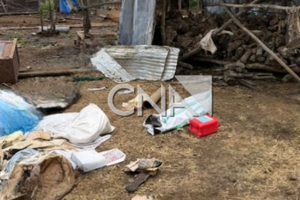
Several images provided by CNA show the area where this mo...

A quantity of explosive material exploded this morning at ...
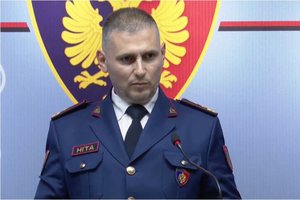
The Head of the State Police, Skënder Hita, expressed his ...

For many children and teenagers, the long summer holidays ...
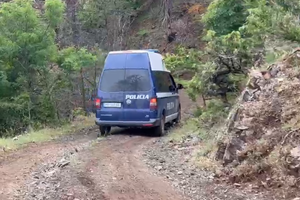
Witnesses in Lozhan, Maliqi, have shared details from the ...

Albania is facing an unprecedented demographic transition,...

On Thursday, our country will be affected by unstable weat...

Russian President Vladimir Putin said the war in Ukraine c...
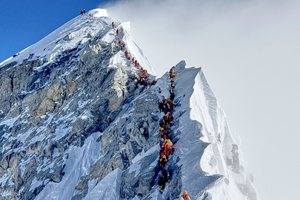
An extraordinary story of survival has been recorded in Ne...
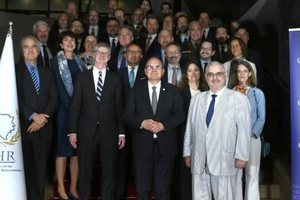
The Peace Implementation Council in Bosnia and Herzegovina...
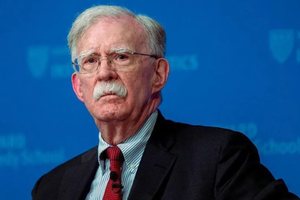
John Bolton, the former national security adviser to US Pr...
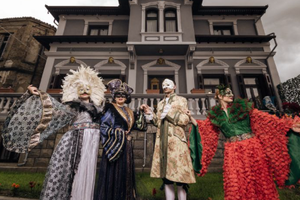
Korça is ready to open the summer season with one of the c...
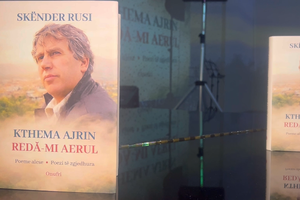
Two years after his passing, the renowned Korçë poet Skënd...

The Ethnographic Museum of Berat has opened its doors to v...
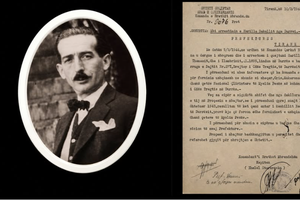
The story of Harilla Bakalli is one of the most chilling t...
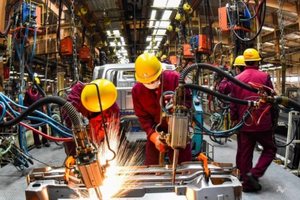
The government aims to transform the country's industrial ...
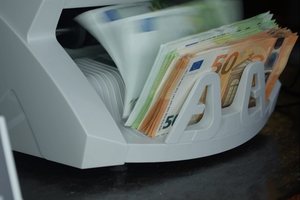
Kursi i këmbimit të euros me lekun ka rënë më tej këtë jav...

Profit margins in the construction sector have increased s...
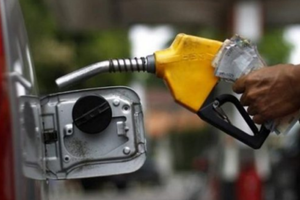
The Transparency Board, at its meeting today, decided to i...