


Businessman Artur Shehu breaks his silence: I am a long-time land owner in Zvërnec, I don't know the investors at all
Albanian businessman Artur Shehu spoke on the Opinion show...

Albanian businessman Artur Shehu spoke on the Opinion show...

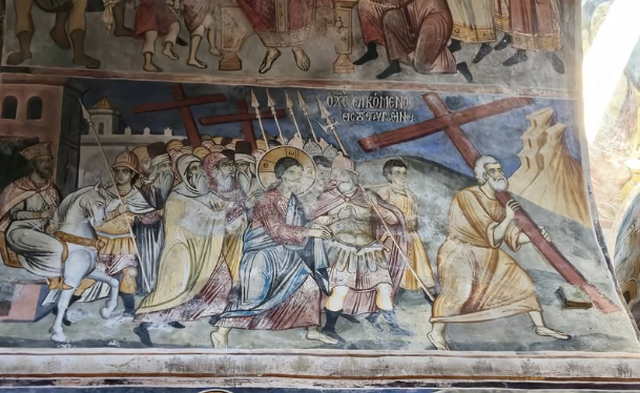
Once upon a time, a king known for his compassion and generosity towards his subjects decided to visit the most distant city in his kingdom. In preparation for the king's first visit, the city decided to fill a large wooden barrel with wine and deliver it to the king as soon as he arrived in the city. Where would they find so much wine to fill such a barrel? They came up with a brilliant idea; each family in the city would bring a bottle filled with wine and pour it into the barrel, and in this way the barrel would be filled with wine.
They placed the barrel in the center of town with a ladder reaching to the top, and every day people would go to pour their bottle of wine into the barrel.
Finally, the day came for the king to visit the city. The people were very excited to present the king with this wonderful gift. They filled the golden cup with wine and gave it to him to drink. But suddenly they were shocked by the look on the king's face as he drank the wine, the king was very disappointed. He did not deserve such an insult. The king left the city without staying with them at all and decided to never return there again. When one of the inhabitants took the cup and tasted it, he saw that it was not wine but water. Everyone understood that each of them had offered water instead of wine with the idea that a bottle of water would not fit in a container filled with wine of such dimensions.
Saint Paul tells us in his 2nd letter to Timothy: "For difficult times will come. For people will be lovers of themselves, lovers of money, boasters, proud, blasphemers, disobedient to parents, ungrateful, unholy, unforgiving, slanderers, incontinent, brutal, without love of goodness, traitors, headstrong, haughty, lovers of pleasures rather than lovers of God, having a form of godliness but denying its power."
Today's society is becoming more selfish and greedy than ever before. Today's man is thinking only of himself.
His only concern is himself. 'How will this affect me? How will it elevate me, promote me, or benefit me?' Notice that selfish people are not happy people. Selfish people are miserable people. They are not happy because they are lovers of pleasure more than lovers of God.
The selfish person is proud, boastful, ungrateful, and conceited.
1. The selfish man is proud. He is proud of his appearance, proud of his deeds, proud of his life whether good or bad, he feels proud of it! If he does nothing, then he is proud of doing nothing.
If you do bad, you feel proud of it. If you do good (in his eyes) you feel proud of it. Even though doing good seems like the right thing to be proud of, we can still be deceived, thinking that this will earn us eternal life.
The apostle Paul teaches us in his letter to the Ephesians 2:7-9. For by grace you have been saved, through faith; and this not of yourselves; it is the gift of God; not of works, lest anyone should boast.
2) The selfish man is a braggart. An axe cannot boast about cutting down trees. After all, if it weren't for the woodcutter who wields it, who sharpens it, who carries it from tree to tree, If it weren't for the use of it, it would just be a piece of iron. A braggart is someone who will tell anyone who will listen how great, knowledgeable, and special they are.
3. The selfish man is ungrateful. He may say 'thank you,' but that does not mean they are grateful. It is rare to hear anyone today truly say 'thank you.' A Church father says: "The ungrateful man is like a pig that eats grass under an oak tree, but never raises its head to see where it came from."
The selfish man is ungrateful to others and ungrateful to God - deliberately forgetting that his blessings come from above.
4. The selfish man is conceited. Is there anything that describes selfishness more clearly than being conceited? In the 3rd letter of St. John, chapter 1, verses 9, 10, we read about a conceited church leader named Diotrephes: “I wrote to the church, but Diotrephes, who loves to be first among them, does not receive us.
Therefore, if I come, I will call to remembrance his works which he does, speaking evil words against us; and not content with these, he himself neither receives the brethren, nor forbids those who would, and puts them out of the church.
Being selfish leads to being greedy.
Many of the situations and developments seem bleak, even today when we see the trend of this world, the words of the Psalmist come to mind: "When the foundations are destroyed, what can the righteous do?" 11:3
Greed places a false value on temporary things. It treats temporary things as if they were eternal. But, in fact, we could die today or all our possessions could be taken away from us in an instant. Nothing is certain in this world.
Greed also treats eternal things as if they were not real and would never happen.
So it will be with the one who stores up treasure for himself and is not rich toward God. Such a foolish person is blinded by wealth, forgetting all the commandments of God.
Near a monastery there lived a hermit who seemed very poor, for he walked barefoot and in old clothes. The abbot of the monastery, who was very merciful, often sent him clothes and food and everything else he needed. Once the hermit fell seriously ill, and the brothers of the monastery, who thought him very poor, served him with great kindness and readiness. But when he died, they found under his mattress a bag full of gold coins. As soon as the abbot saw it, he sighed deeply and, shaking his head in sorrow, said to the brothers:
Since, neither when he was alive nor in his last moments, he did not show that he had hidden money, but placed his hope in these and not in God, I do not even want to see them. Take them and bury them with him.
When they placed the greedy monk with his treasure in the newly opened tomb, fire immediately descended from heaven and burned the whole place together with the stones and the earth; this remained as a terrifying sign to all who saw it.
Archbishop Joan says:
"The true value of a person is not in what he has (in wealth) and in what he thinks he has, but the true value of a person is in what God thinks of him. All those people who have helped the needy with their wealth have been called wise and knowledgeable by God because they have known how to invest in the right way."
In light of these examples and teachings, we understand that selfishness and greed are not simply human weaknesses, but gateways that lead us away from the true man we are called to be. Both the citizens who poured water instead of wine and the hermit who hid the gold show us that when a person thinks only of himself, he loses blessing, he loses joy, and, most importantly, he loses his relationship with God.
Only by freeing ourselves from selfishness and greed, by living with gratitude, simplicity, and love, can we build solid foundations in a world that is constantly shaking. For our true value is not found in what we keep for ourselves, but in what we give and in how God sees us.

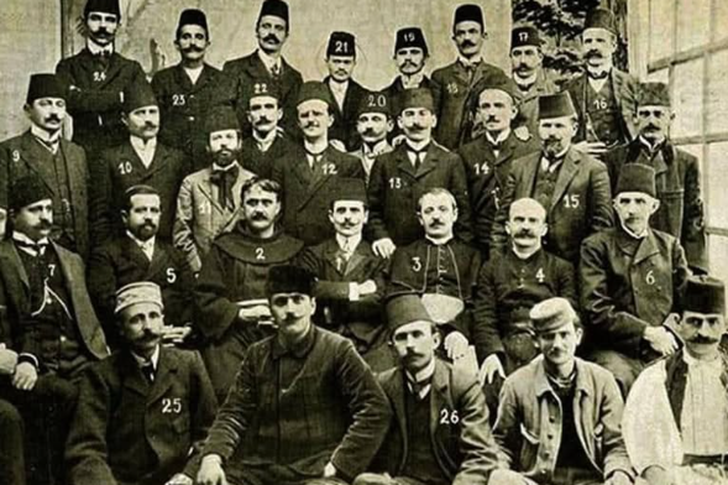
The first light of knowledge began in this city, with the ...

If there is a miracle worth believing in, it is the surviv...
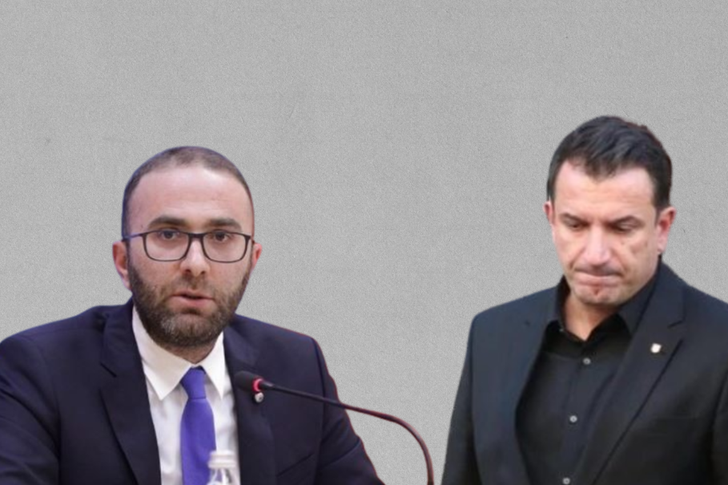
There is a very interesting thread that often connects Gaz...
The mockery of Braverman has not been enough for the Labor...
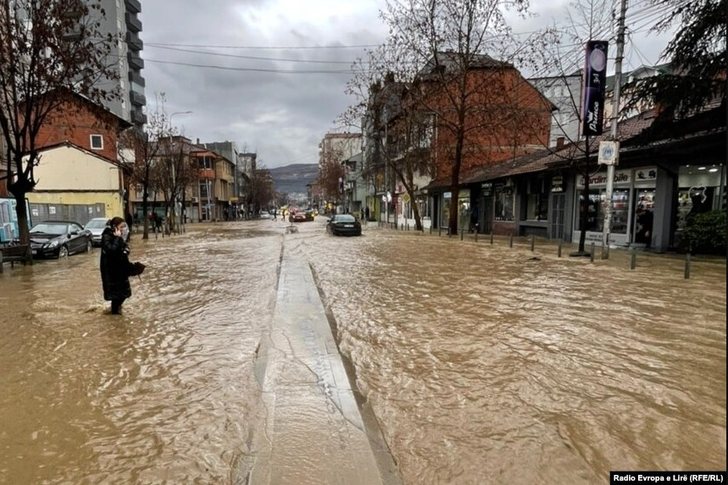
It's raining in Albania! The media, for a week in a row, a...

In every state of law, laws exist to protect the citizen f...

There are laws that pass unnoticed; quietly, without debat...

We are experiencing a total degradation of the political s...

The Program for International Student Assessment (PISA) ha...
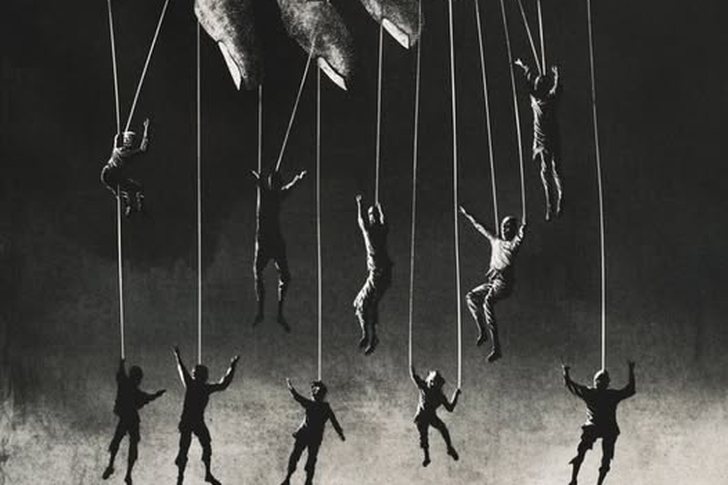
There is an unwritten law in politics: the more murky your...
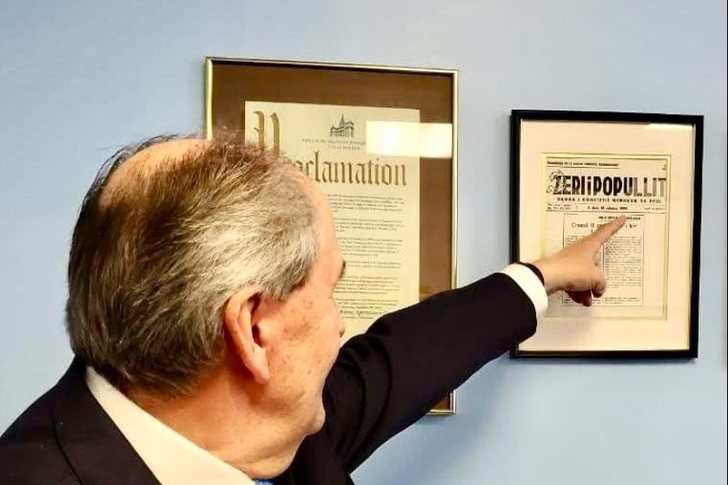
Elez Biberajt, on the date of birth Just as they had divi...

A counterargument to the public statement of Mr. Ben Blush...

Food safety in Albania has become one of the most discussed ...
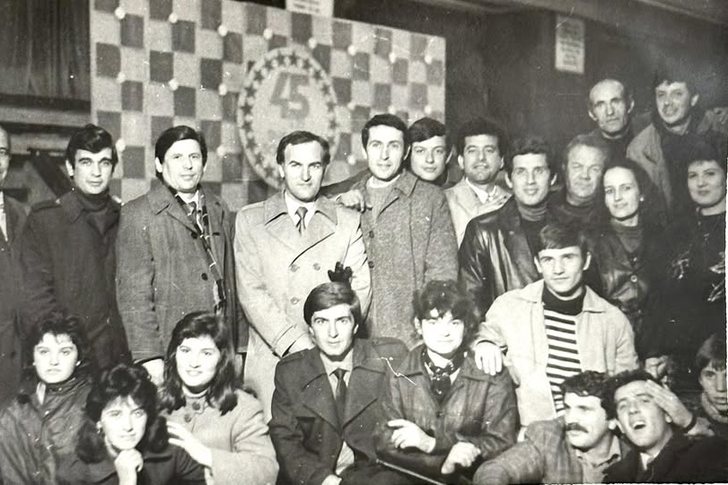
Through photography, not simply as an art form that has it...

I live in the "Paris Commune". Because of my little girls,...

As I was reading the European Commission’s annual reports on...

Do you know the democrats of the city of Vlora and its sur...

The elections were held. The ballot boxes were counted, th...

I followed Mr. Berisha's speech today at the meeting with th...
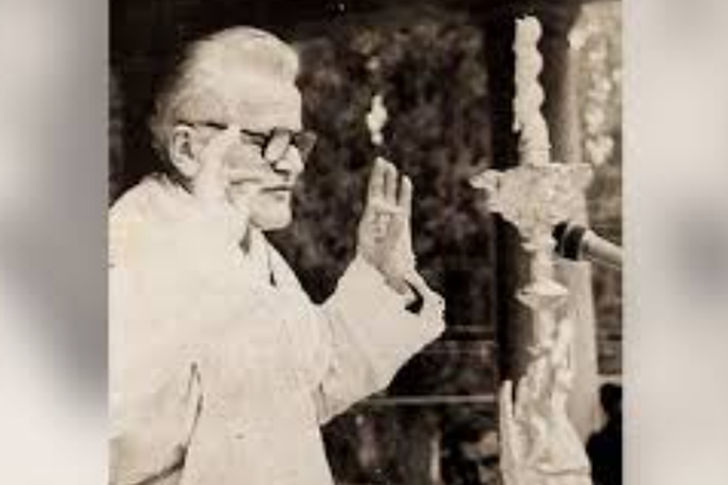
November for Albanians has two dates close to each oth...

The next case broadcast on the show "Stop", this Thursday,...
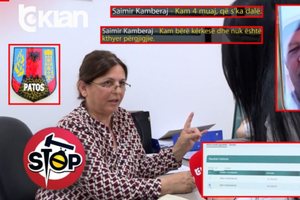
The case published this Thursday, June 4, on the show "Sto...

The protests of recent days related to the situation in Zv...

The case addressed this Wednesday, June 3, on the show "St...

The Special Board of Appeal (KPA) decided this Monday ...

The KPA vetting decided this Thursday to dismiss the p...

Suela Salavaçi, a prosecutor in the Prosecutor's Offic...

The Special Board of Appeal reinstated the prosecutor ...

A convict was found dead today in the premises of the Pris...

Several images provided by CNA show the area where this mo...

A quantity of explosive material exploded this morning at ...

The Head of the State Police, Skënder Hita, expressed his ...

For many children and teenagers, the long summer holidays ...
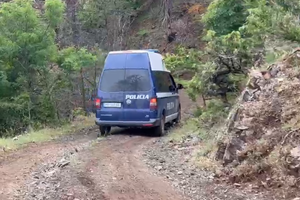
Witnesses in Lozhan, Maliqi, have shared details from the ...

Albania is facing an unprecedented demographic transition,...
On Thursday, our country will be affected by unstable weat...

Russian President Vladimir Putin said the war in Ukraine c...

An extraordinary story of survival has been recorded in Ne...
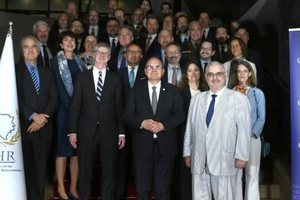
The Peace Implementation Council in Bosnia and Herzegovina...
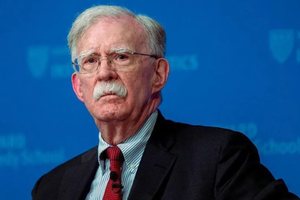
John Bolton, the former national security adviser to US Pr...
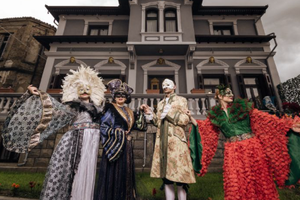
Korça is ready to open the summer season with one of the c...
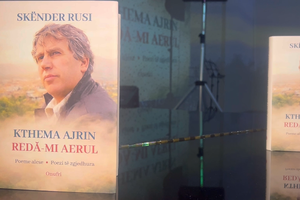
Two years after his passing, the renowned Korçë poet Skënd...
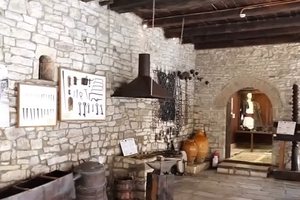
The Ethnographic Museum of Berat has opened its doors to v...
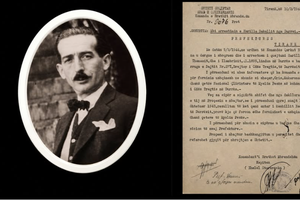
The story of Harilla Bakalli is one of the most chilling t...
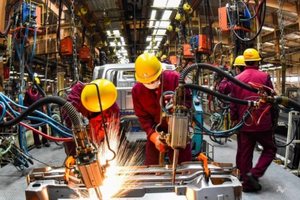
The government aims to transform the country's industrial ...

Kursi i këmbimit të euros me lekun ka rënë më tej këtë jav...

Profit margins in the construction sector have increased s...

The Transparency Board, at its meeting today, decided to i...