

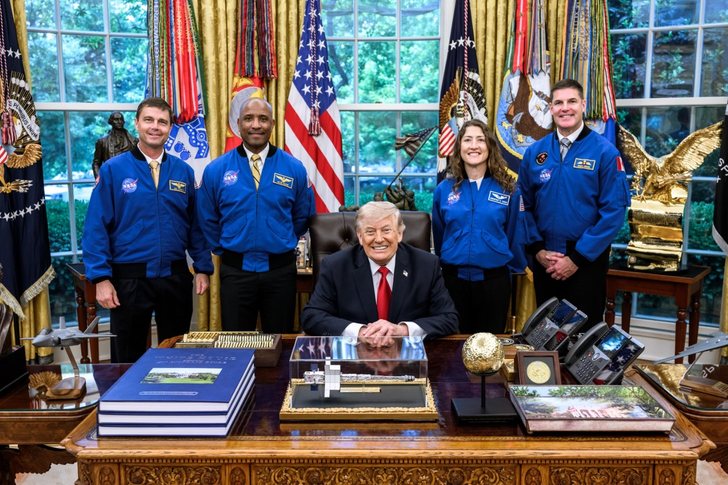
Historic Artemis II mission/ Trump welcomes NASA astronauts to the White House
United States President Donald Trump welcomed to the Oval ...


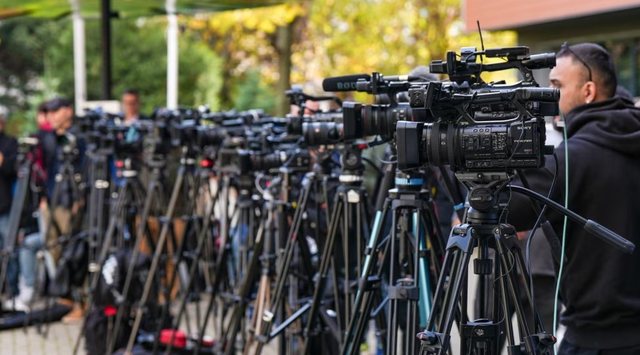
Kosovo has made progress in media freedom, according to Reporters Without Borders' World Press Freedom Index, ranking 84th, or 15 places better than the previous year.
“With the exception of Kosovo, which made progress despite remaining one of the lowest-ranking countries in Europe, press freedom in the Western Balkans is generally deteriorating,” Reporters Without Borders said.
Last year, Kosovo marked the biggest regression in the Reporters Without Borders media freedom index, ranking 99th in the world out of 180 countries – the biggest drop in 15 years in the Reporters Without Borders annual press freedom index.
What is said about media freedom in Kosovo?
“The ineffective media regulator, the Independent Media Commission [IMC], was subject to a legislative reform, which was declared unconstitutional by the Constitutional Court,” the Kosovo section of the Reporters Without Borders report said.
In April 2025, the Constitutional Court of Kosovo repealed the Law on the IMC, arguing that some articles were not in accordance with the Constitution.
The parts that were found to be inconsistent related to the election of IMC members, the dismissal of the chairman and members of the commission, the powers of the IMC, the regulation of ownership, and several points related to sanctions and fines.
Reporters Without Borders points out that the Kosovo judicial system has begun to treat cases involving journalists "as a priority."
“But increasingly, journalists have been the subject of SLAPP [strategic lawsuits against public participation] lawsuits initiated by business groups and politicians,” the report said, adding that access to public information has been hampered by weak law enforcement.
According to the 2026 Reporters Without Borders report, although the media managed to hold politicians accountable, journalists "continue to be subject to political attacks."
It states that although journalists enjoy trust from society, independent media and investigative journalists "are often the target of insults and fake news on social networks."
"They are unjustly accused of 'collaborating with the enemy,' rhetoric used by political and religious groups."
"In recent years, many journalists have been subject to threats and physical attacks by criminal networks, but also due to tensions between Pristina and Belgrade. Some journalists have also been targeted by surveillance. Some recent attacks on journalists have resulted in convictions."
Raporti përmend po ashtu bojkotin nga Qeveria e udhëhequr nga Albin Kurti para zgjedhjeve të shkurtit të vitit 2025, kur “disa media private ishin në cak të bojkotit të Qeverisë, që po ashtu kërcënoi pavarësinë e transmetuesit publik, RTK”.
“Mediat në gjuhën serbe, që janë nën presion nga forcat politike serbe, janë ankuar për diskriminim në qasje në informacion publik, veçmas në gjuhën e tyre, gjë që është e drejtë kushtetuese për minoritetet”, tha organizata.
Ndërkaq, në pjesën e financimit të mediave thuhet se mediat në Kosovë kryesisht financohen nga të ardhurat e reklamave nga sektori privat dhe po ashtu ndonjëherë mbështeten nga autoritetet lokale apo partitë politike.
“Përveç kësaj, përmes pronarëve të tyre, redaksitë e mediave private janë të ekspozuar nga ndërhyrja nga grupe të fuqishme politike apo biznesore. Mediat në gjuhën serbe përballen me një sfidë shtesë, atë të tregut të vogël në të cilin organizatat mediale varen nga financimi nga Serbia fqinje, ndërkaq mediat e pavarura nuk do të mund të mbijetonin pa financim ndërkombëtar”.
Pas publikimit të raportit, këshilltarja ligjore në Qendrën Evropiane për Liri të Shtypit dhe Medias, Flutura Kusari, vlerësoi se përparimi i shënuar “është meritë 100 për qind e sistemit gjyqësor”.
Në këtë drejtim, ajo përmendi shfuqizimin e Ligjit të KPM-së, që sipas saj konfirmoi se “eksperimenti i Qeverisë për të draftuar dhe miratuar ligje pa përfshirjen e sektorit të mediave, pa konsultim dhe me nxitim, në procedura të përshpejtuara pak para vitit të ri, duke shpërfillur opinionin ligjor të Këshillit të Evropës dhe Bashkimit Evropian ka qenë i rrezikshëm dhe e ka dëmtuar vendin tonë jashtëzakonisht shumë në rangim botëror”.
Kusari tha se shpreson që Lëvizja Vetëvendosje “të reflektojë” dhe kurdo që të hartohet sërish ligji të përmirësojë gabimet në ligj, që sipas saj, “e kanë shkatërruar reputacionin e vendit tonë në nivel global”.
Ajo tha po ashtu se ky raport konfirmon se sistemi gjyqësor në Kosovë është “mbrojtësi më i madh i lirisë së shprehjes dhe lirisë së mediave në pesë vjetët e fundit”.
Si është gjendja e lirisë së medias në Ballkanin Perëndimor?
Pavarësisht përparimit të shënuar, nga vendet e Ballkanit Perëndimor, Kosova nuk qëndron më së miri sa i përket lirisë së shtypit.
Mali i Zi renditet në vendin e 41-të (nga 37 sa ishte vitin e kaluar) në Indeksin Botëror të Lirisë së Shtypit të Reporterëve pa Kufij.
Maqedonia e Veriut sivjet u radhit në vendin e 45-të (ka shënuar rënie pasi vitin e kaluar ishte në vendin e 42-të), Shqipëria është vetë një pozitë më lart se Kosova, pra në vendin e 83-të (vitin e kaluar ishte në vendin e 80-të), Bosnjë dhe Hercegovina në vendin e 90-të (vitin e kaluar ishte në pozitën e 86-të) dhe Serbia më së keqi, duke u radhitur e 104-ta (vitin e kaluar ishte në vendin e 96-të).
“Although Albania [which has fallen three places], Bosnia and Herzegovina [down four places] and Serbia [which has fallen eight places] aspire to become part of the European Union, all three countries are hostile to journalism and vulnerable to propaganda,” the Reporters Without Borders report states.
According to the report, the Eastern Europe and Central Asia region continues to be in the penultimate place in this year's index, while the EU and Balkans area is in first place despite the decline in journalism conditions.
According to Reporters Without Borders, this region increasingly resembles a vast experiment, where values ??are subverted and legislation is used to serve those in power, to the detriment of the right to information.
In the organization's index, Norway ranks first in terms of press freedom, while Eritrea ranks 180th. /REL

United States President Donald Trump welcomed to the Oval ...
The United States of America declared independence from th...
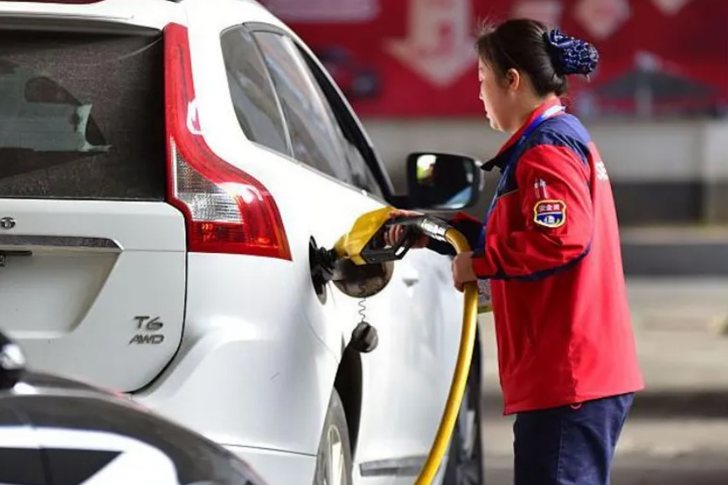
Global oil prices have risen sharply, reaching their highe...
The war with Iran has significantly increased the cost of ...
The United States Department of Justice (DOJ) announced th...
The acting President of Kosovo, Albulena Haxhiu, will hold...
United States President Donald Trump has said his administ...
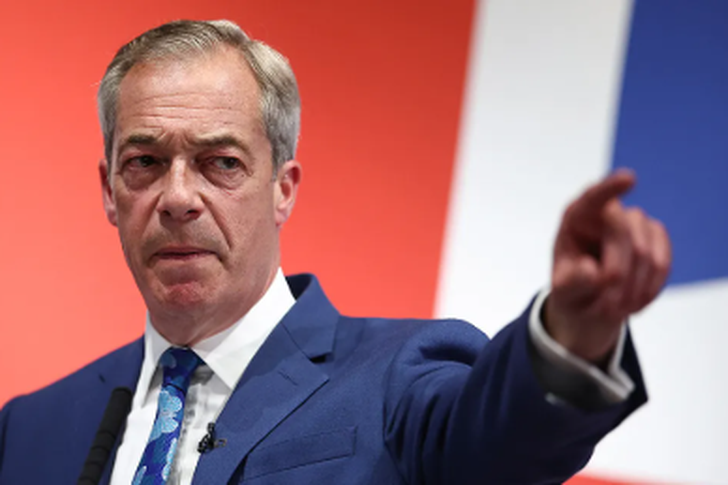
British right-wing politician Nigel Farage received an und...
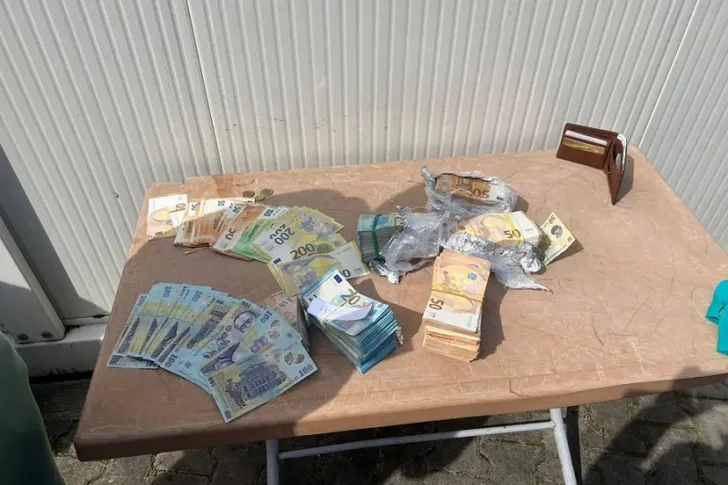
The Kosovo Police announces that, in cooperation with Koso...
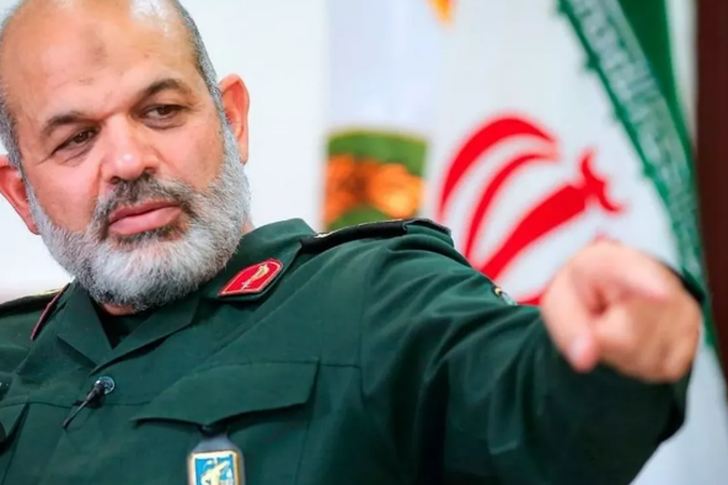
Since the assassination of Ayatollah Ali Khamenei on the f...
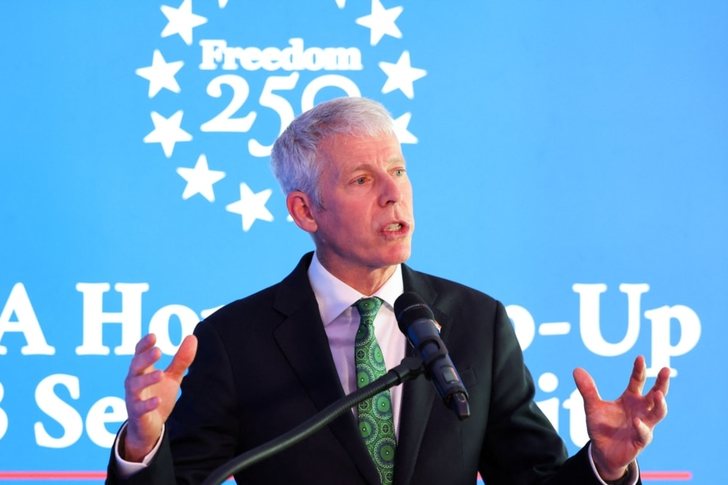
US Energy Secretary Chris Wright said in Dubrovnik on Apri...
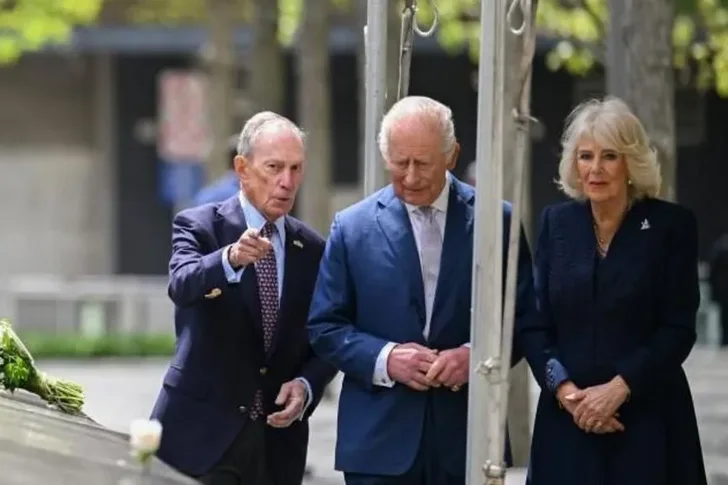
King Charles III and Queen Camilla laid flowers at the Sep...
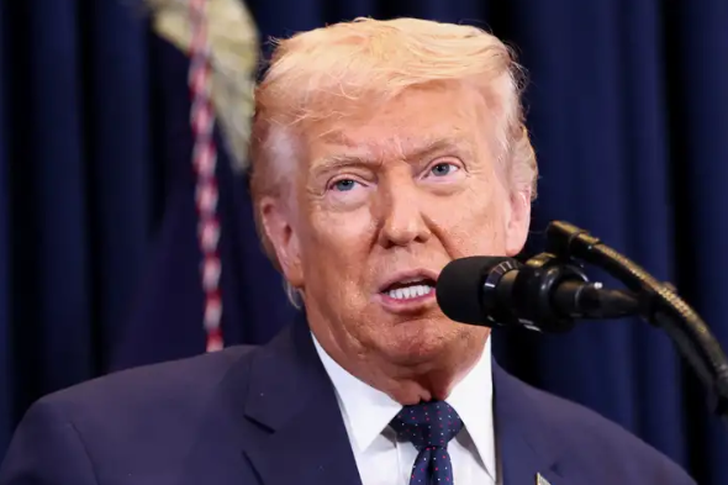
US President Donald Trump announced plans on Wednesday to ...
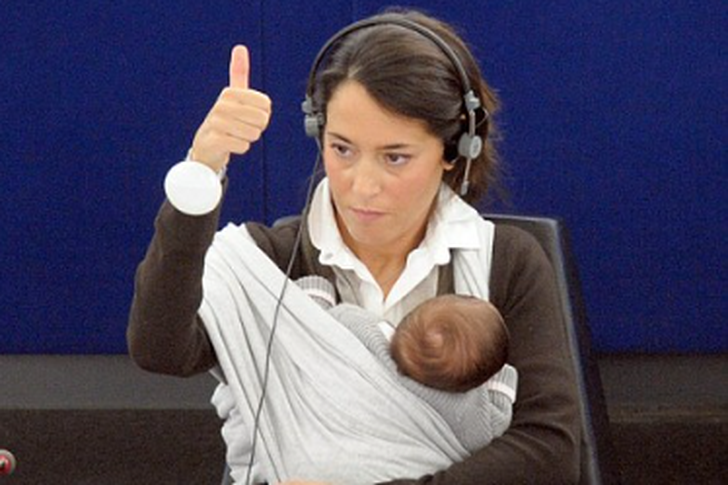
The European Parliament today approved a rule allowing pro...
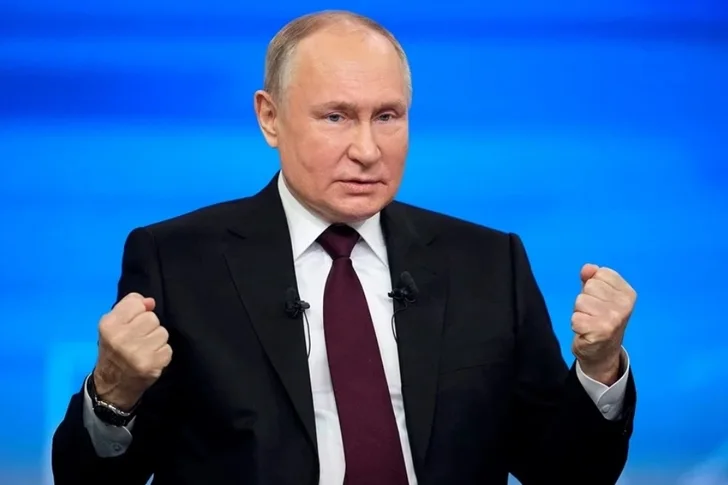
President Vladimir Putin on Wednesday offered a ceasefire ...
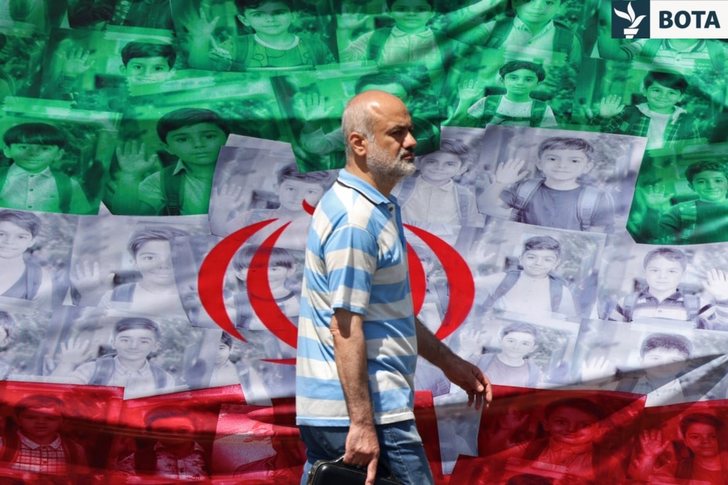
At the start of the devastating bombing campaign by the Un...
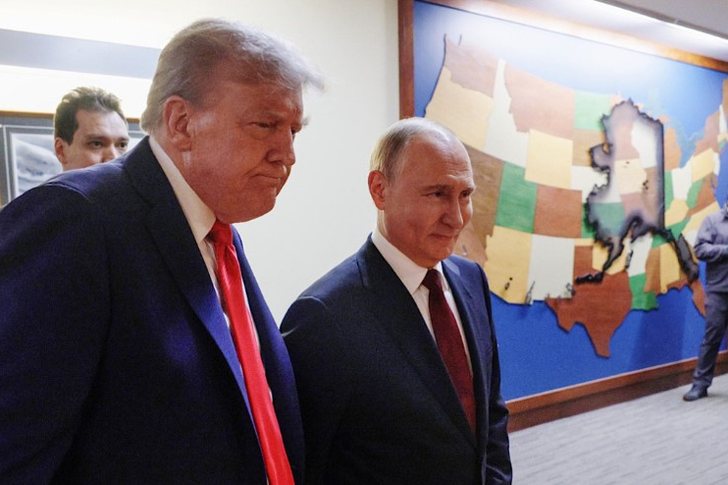
Russian President Vladimir Putin spoke by phone with his U...
A senior Pentagon official said the United States' war on ...
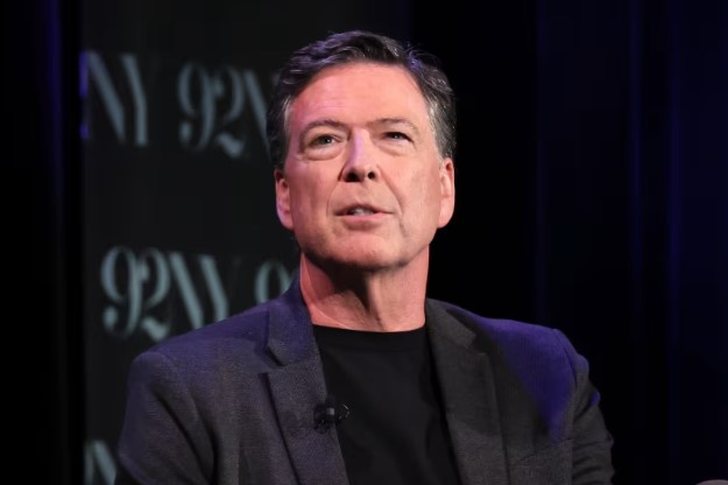
Former FBI Director James Comey surrendered to law enforce...
French prosecutors have launched an investigation into the...
Irfan Hysenbelliu claims to be a big businessman, an hones...

The murder of officer Enea Mekolli in the line of duty has...
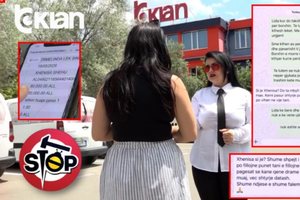
The next case broadcast on the show "Stop", this Thursday,...
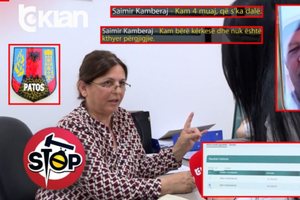
The case published this Thursday, June 4, on the show "Sto...

The Special Board of Appeal (KPA) decided this Monday ...

The KPA vetting decided this Thursday to dismiss the p...

Suela Salavaçi, a prosecutor in the Prosecutor's Offic...

The Special Board of Appeal reinstated the prosecutor ...
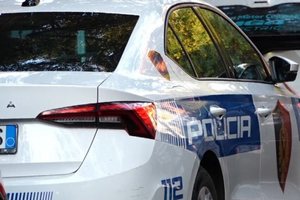
A 38-year-old man was arrested today near the Kamza turnof...

A money changer in Durrës lost 60 thousand euros after bei...
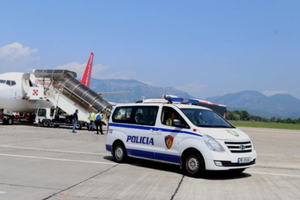
The 6 citizens captured in Dubai, members of criminal grou...
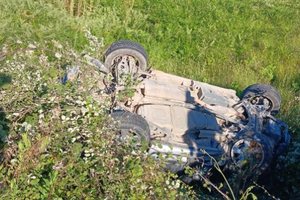
A serious accident occurred on the Kardhiq-Delvinë axis, i...
Today our country will be affected by stable weather condi...
For many children and teenagers, the long summer holidays ...
Albania is facing an unprecedented demographic transition,...
On Thursday, our country will be affected by unstable weat...
Leaders of the European Union and Western Balkan countries...
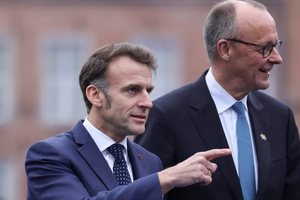
On the eve of the EU-Western Balkans summit, Germany and F...
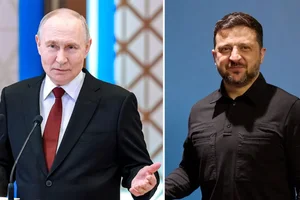
Russian President Vladimir Putin said the war in Ukraine c...
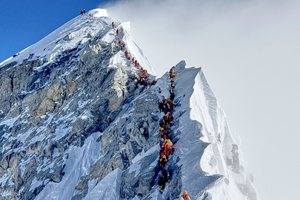
An extraordinary story of survival has been recorded in Ne...
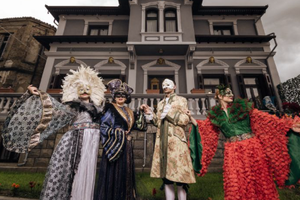
Korça is ready to open the summer season with one of the c...
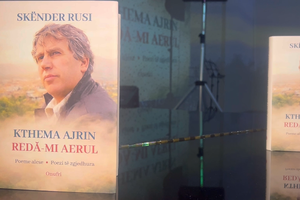
Two years after his passing, the renowned Korçë poet Skënd...
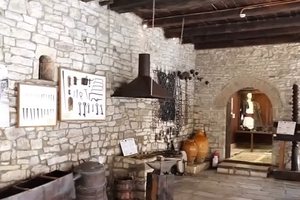
The Ethnographic Museum of Berat has opened its doors to v...
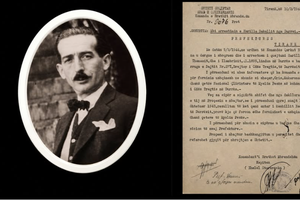
The story of Harilla Bakalli is one of the most chilling t...
Despite years of efforts at regional cooperation and free ...
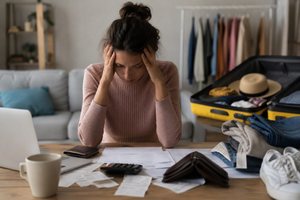
Albania is the country with the highest level of severe ma...

This Friday, one US dollar is bought for 81.3 lek and sold...
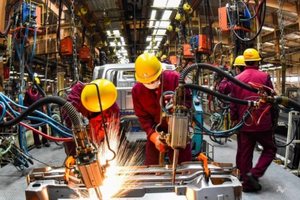
The government aims to transform the country's industrial ...