

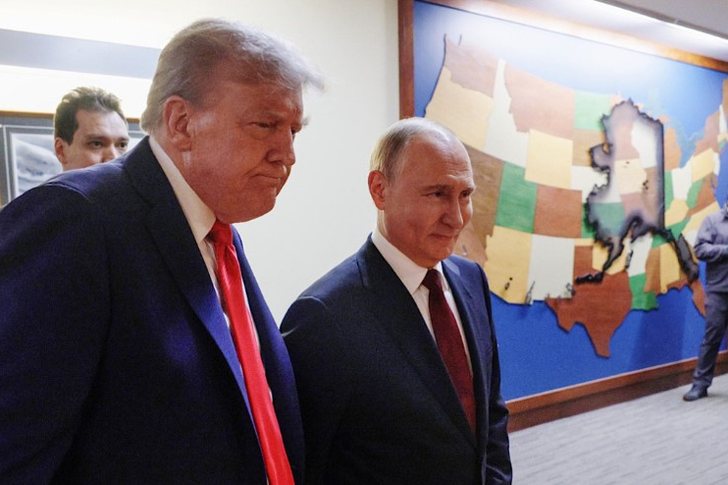
Trump-Putin phone call/ Discussed the situation in the Middle East
Russian President Vladimir Putin spoke by phone with his U...


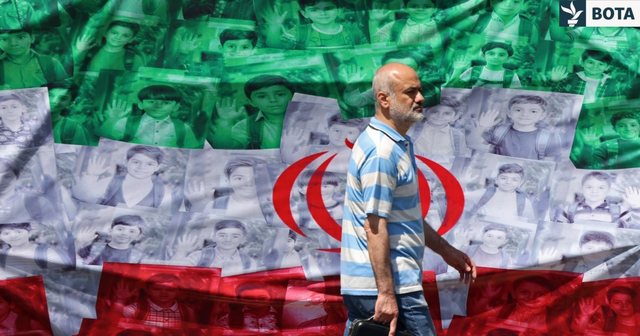
At the start of the devastating bombing campaign by the United States and Israel, rival political factions in Iran put aside political differences to unite behind the country's decision-makers.
But since the ceasefire with the US came into effect on April 8, deep political differences in the Islamic Republic have come to the surface.
Public disagreements over Tehran's efforts to negotiate an end to the two-month war have pitted Iran's small but vocal ultraconservative faction against more moderate conservatives, a clash that has become more visible in parliament and on the front pages of state-affiliated media.
But analysts warn that this rift is not ideological. The main differences, they say, are not even about whether to reach an agreement with the US, but about when to aim for peace and what concessions should be made.
The dispute crystallized in the days following the first round of talks between delegations led by the head of the Iranian Parliament, Mohammad Baqer Qalibaf, and US Vice President JD Vance, in Pakistan on April 11-12.
What had been largely a clash behind closed doors erupted into an open media war when the Tasnim news agency – affiliated with Iran’s Islamic Revolutionary Guard Corps – published an editorial on April 25 mocking the ultraconservatives, comparing their expectations of the talks to the tale of “magic beans.”
The ultraconservatives have said Iran should make no concessions to the United States, including on its nuclear program, a stance unacceptable to Washington. They also insist that any peace deal must include Iran's regional allies and guarantee the lifting of all sanctions on Tehran.
In another article, Tasnim accused Raja News, a website close to ultraconservatives, of fomenting “divisiveness” and serving the interests of US President Donald Trump by criticizing the Iranian negotiating team. Days earlier, Trump had said there was “great conflict and confusion” within Iran’s leadership.
Ali Afshari, a Washington-based Iranian political analyst, warned against giving too much weight to the public clash.
"I don't believe we have evidence yet that this dispute represents a major structural rift," he told Radio Free Europe's Radio Farda.
The US-Israeli bombing campaign, launched on February 28, has eliminated much of Iran's political and military leadership. Ayatollah Ali Khamenei, long the supreme leader, was killed and succeeded by his son, Mojtaba. But Mojtaba Khamenei has not been seen in public since taking power.
The ultraconservatives' main target is Qalibafi, Iran's chief negotiator in talks with the U.S. Politicians affiliated with the Pajdari Front, an influential ultraconservative faction linked to former presidential candidate Saeed Jalili, accused the negotiating team of violating red lines set by the new supreme leader.
Mahmoud Nabavian, a lawmaker affiliated with Pajdari who accompanied the delegation to Pakistan, said the talks were "pure harm" and that discussing restrictions on Iran's nuclear program was a "strategic mistake."
Iran's parliament voted on April 27 to adopt a declaration expressing support for the negotiating team. Only seven out of 261 members of parliament, all prominent figures in the Pajhwok movement, refused to sign it.
“Iran is selling its oil at double the price before the war,” Nabavian wrote on X the next day, calling on “cowards” to join the public, which, he suggested, does not support talks. The war has shaken international energy markets and upended the global economy, while hardliners seem to hope that it will eventually force Washington to make concessions.
Afshari said that the divide between ultraconservatives and more moderate conservatives is related to the timing of the peace talks.
The ultraconservatives want to continue the fight and negotiate from a position of strength, he said. In contrast, Qalibaf and other more moderate conservatives want to end the fight now and secure a deal while they still can.
"The disagreement exists at this level, but it doesn't go to the point where someone in the [ultraconservative] bloc is demanding that there be no agreement at all," Afshari argued.
Political differences in Iran have been exacerbated by the absence of Mojtaba Khamenei, who is living in hiding and is reportedly seriously injured. He reportedly has minimal contact with Iranian officials.
"The lack of a central, decisive authority due to the absence of Supreme Leader Mojtaba Khamenei is likely to cause these disputes to escalate into the public domain, rather than remaining confined within regime channels," the Institute for the Study of War, a US-based think tank, wrote in a report on April 28./REL

Russian President Vladimir Putin spoke by phone with his U...
A senior Pentagon official said the United States' war on ...
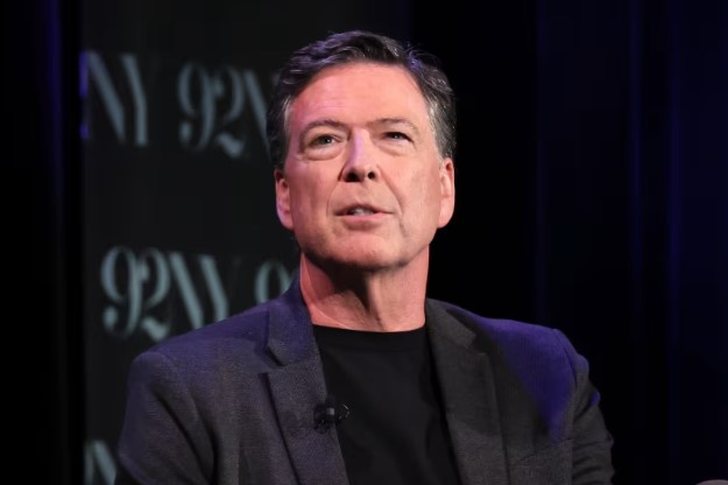
Former FBI Director James Comey surrendered to law enforce...

French prosecutors have launched an investigation into the...
Britain has agreed to create a joint naval force with nine...
Acting President Albulena Haxhiu will hold a consultative ...
Buckingham Palace has released a message from King Charles...
The United Nations has warned that the Tehran regime has e...
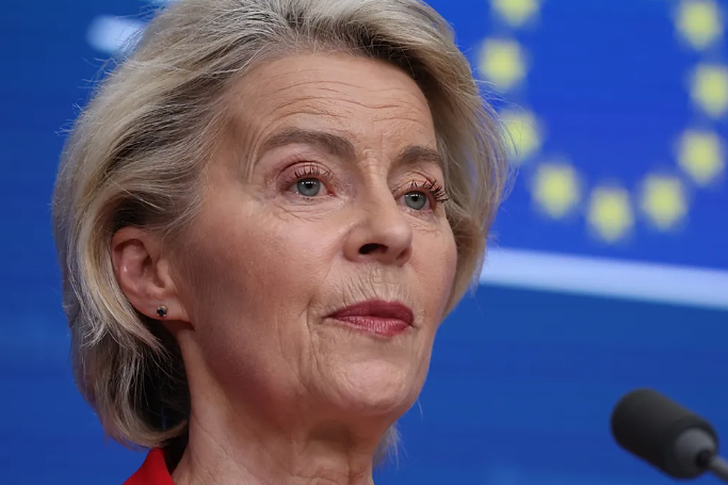
European Commission President Ursula von der Leyen warned ...

Oil prices have continued to rise following reports that t...
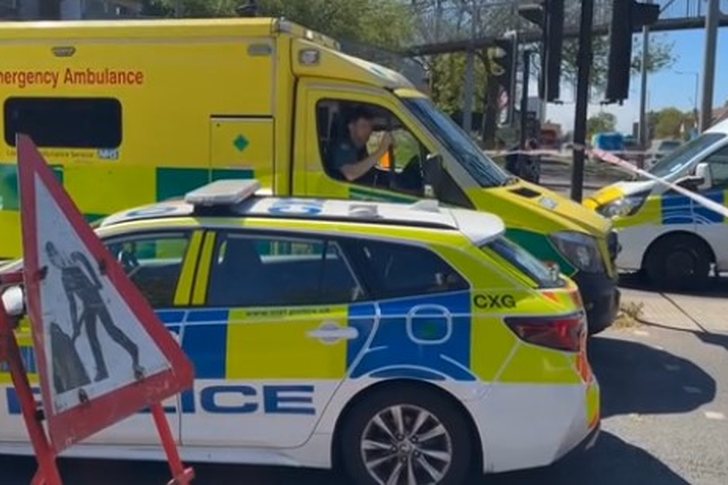
Two Jewish men were stabbed in north London on Wednesday, ...
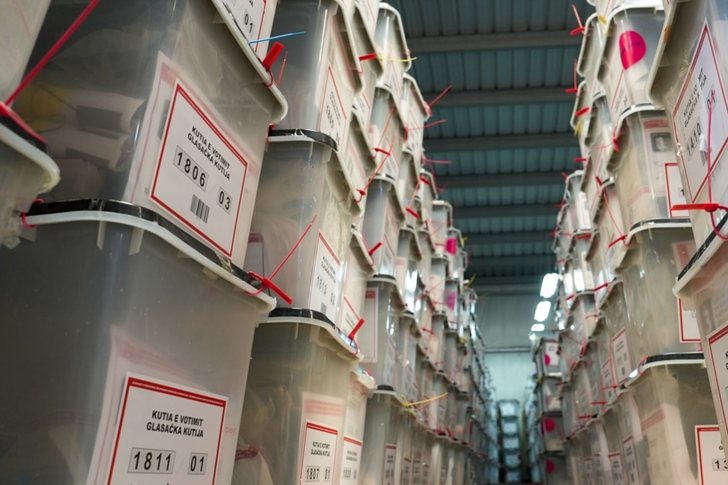
The Chairman of the Central Election Commission, Kreshnik ...
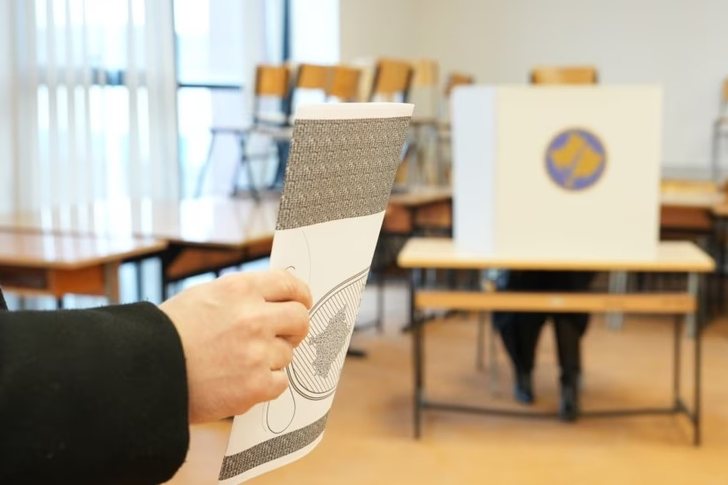
The Central Election Commission in Kosovo now has a little...
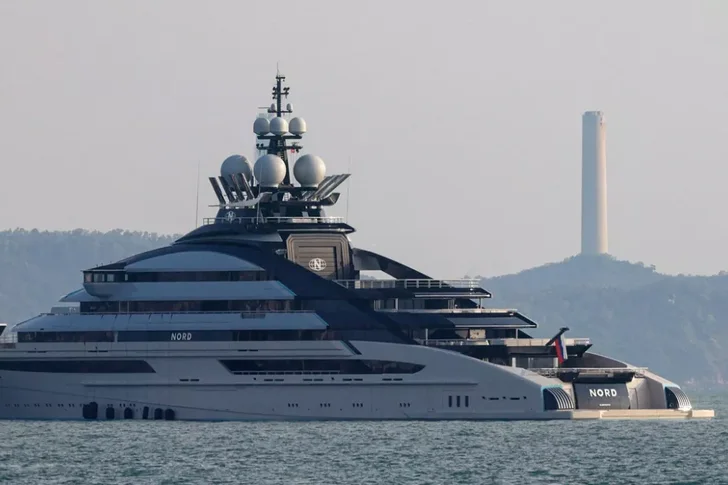
In March 2022, as Europe tightened the noose of sanctions ...
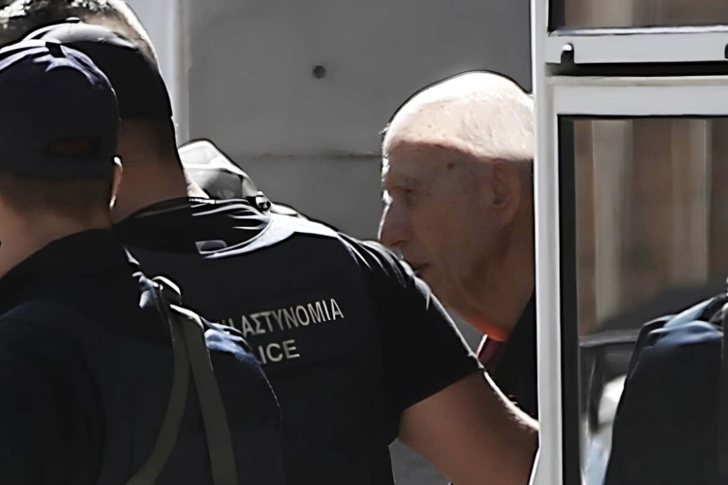
An unusual event has occurred in Athens, where an 89-year-...
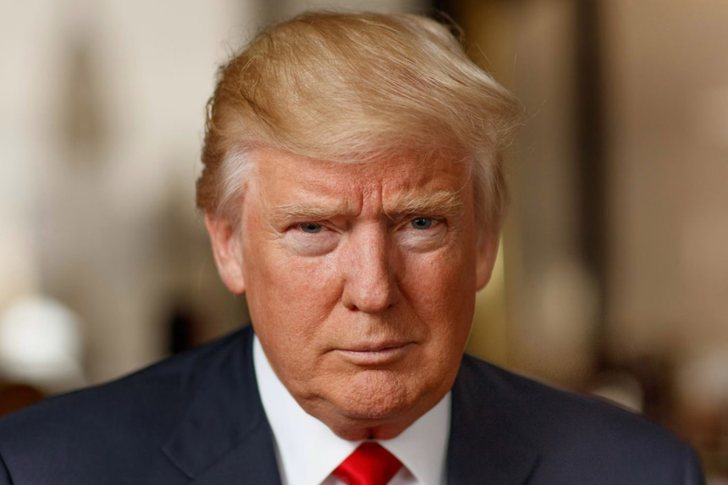
US President Donald Trump has criticized the Iranian gover...

A veteran of the Kosovo Liberation Army (KLA) arrived in h...
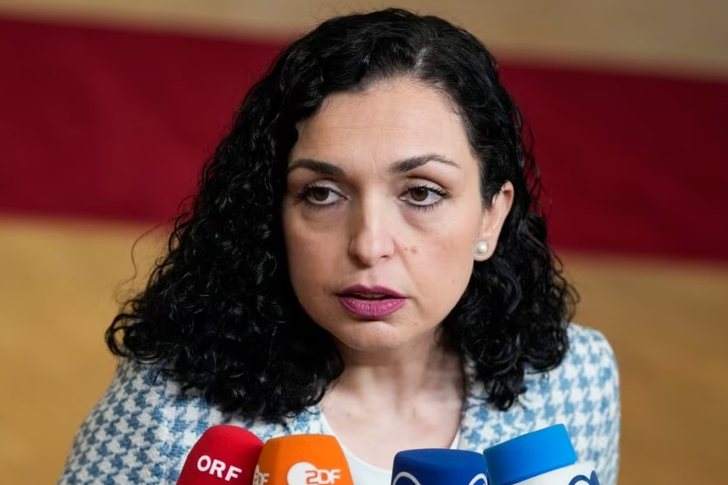
Vjosa Osmani has reacted to the failure of the sessions to...
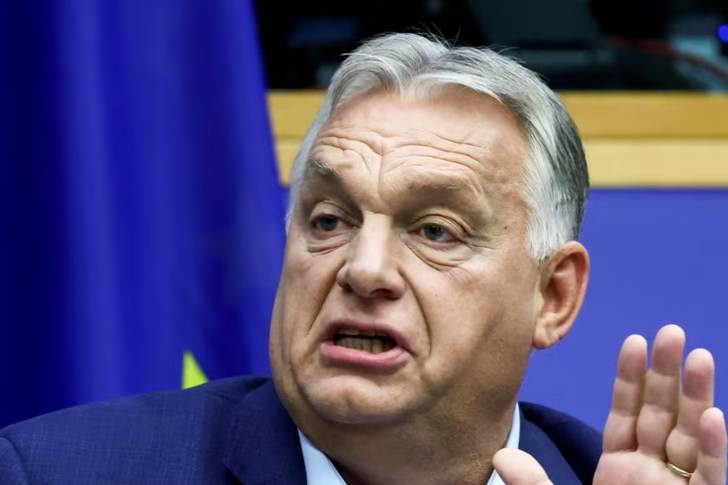
Following his election defeat, Viktor Orban offered to res...
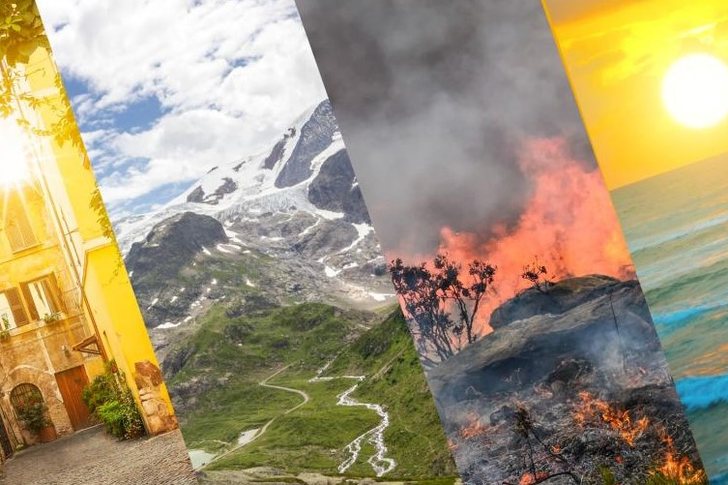
Almost the entire continent of Europe experienced above-av...
Irfan Hysenbelliu claims to be a big businessman, an hones...
The murder of officer Enea Mekolli in the line of duty has...

The next case broadcast on the show "Stop", this Thursday,...
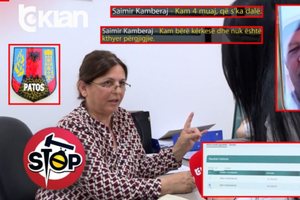
The case published this Thursday, June 4, on the show "Sto...

The Special Board of Appeal (KPA) decided this Monday ...

The KPA vetting decided this Thursday to dismiss the p...

Suela Salavaçi, a prosecutor in the Prosecutor's Offic...

The Special Board of Appeal reinstated the prosecutor ...

A 38-year-old man was arrested today near the Kamza turnof...

A money changer in Durrës lost 60 thousand euros after bei...
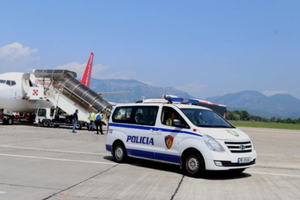
The 6 citizens captured in Dubai, members of criminal grou...
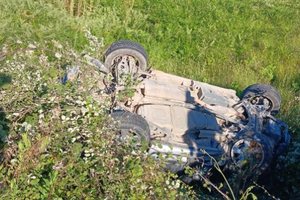
A serious accident occurred on the Kardhiq-Delvinë axis, i...

Today our country will be affected by stable weather condi...

For many children and teenagers, the long summer holidays ...
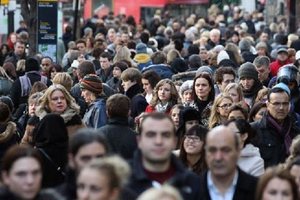
Albania is facing an unprecedented demographic transition,...

On Thursday, our country will be affected by unstable weat...
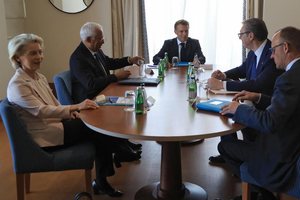
Leaders of the European Union and Western Balkan countries...
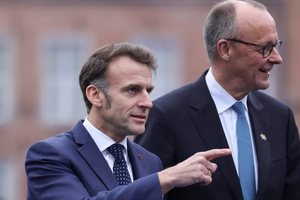
On the eve of the EU-Western Balkans summit, Germany and F...
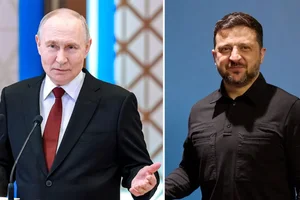
Russian President Vladimir Putin said the war in Ukraine c...
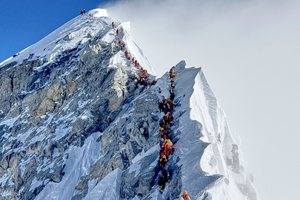
An extraordinary story of survival has been recorded in Ne...

Korça is ready to open the summer season with one of the c...
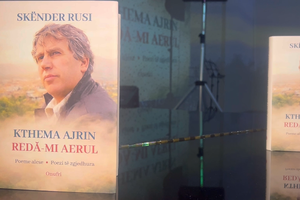
Two years after his passing, the renowned Korçë poet Skënd...

The Ethnographic Museum of Berat has opened its doors to v...
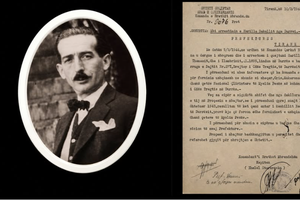
The story of Harilla Bakalli is one of the most chilling t...

Despite years of efforts at regional cooperation and free ...

Albania is the country with the highest level of severe ma...

This Friday, one US dollar is bought for 81.3 lek and sold...
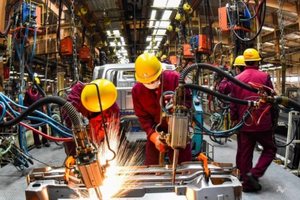
The government aims to transform the country's industrial ...