

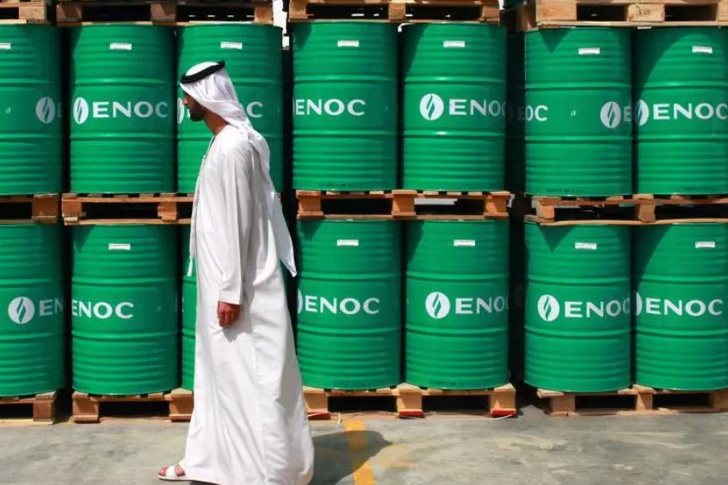
Why the UAE's exit from OPEC is an important issue
The United Arab Emirates has announced its departure from ...


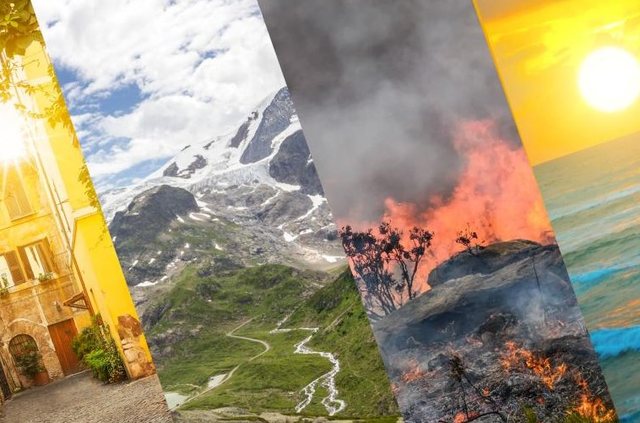
Almost the entire continent of Europe experienced above-average temperatures last year, as fires burned record areas and heatwaves swept from north to south, according to a new, wide-ranging climate study.
The year 2025 brought heatwaves of 46°C (115°F) in Portugal, temperatures of 30°C (86°F) inside the Arctic Circle, and 20 massive fires simultaneously in Spain.
"Dangerously high temperatures brought consequences for societies and ecosystems across Europe," the report on the State of the European Climate states.
The document , produced by the Copernicus Climate Change Service and the World Meteorological Organization, revealed:
-At least 95% of Europe experienced above-average annual temperatures in 2025.
-A record heat wave brought temperatures near and within the Arctic Circle that exceeded 30°C.
-Glaciers in all European regions saw a net loss of mass, with Iceland recording the second largest glacier loss ever recorded; snow cover was 31% below average; Greenland's ice sheet lost 139 billion tonnes of ice.
-The annual sea surface temperature for the European region was the highest ever recorded, and 86% of the region experienced at least “severe” marine heatwaves.
-The fires burned about 1,034,550 hectares, the largest area ever recorded.
-River flows were below average for 11 months of the year across Europe, with 70% of rivers seeing annual flows below average.
-Storms and floods affected thousands of people across Europe, although extreme rainfall and flooding were less widespread than in recent years.
-Renewable sources supplied almost half (46.4%) of Europe's electricity in 2025, with solar energy reaching a new record contribution of 12.5%.
- Biodiversity is vital for a sustainable future, but climate change is a major cause of its degradation. Climate change and biodiversity are strongly linked within European policies and frameworks.
“Evropa është kontinenti që po ngrohet më shpejt dhe ndikimet janë tashmë të rënda. Pothuajse i gjithë rajoni ka parë temperatura vjetore mbi mesataren. Në vitin 2025, Norvegjia sub-Arktike, Suedia dhe Finlanda regjistruan valën e tyre më të keqe të nxehtësisë të regjistruar ndonjëherë me 21 ditë radhazi dhe temperatura që tejkalonin 30°C brenda vetë Rrethit Arktik. Raporti i vitit 2025 ofron njohuri të qarta dhe të zbatueshme për të mbështetur vendimet politike dhe për të ndihmuar publikun të kuptojë më mirë klimën në ndryshim në të cilën jetojmë”, ka deklaruar Florian Pappenberger, Drejtor i Përgjithshëm i Qendrës Evropiane për Parashikime të Motit Afatmesëm.
Ndryshimet e shpejta ndikojnë në rajonet më të ftohta të Evropës
Raporti tregon një trend të vazhdueshëm të ngrohjes së shpejtë në rajonet më të ftohta të Evropës, duke përfshirë Arktikun dhe Alpet, ku bora dhe akulli luajnë një rol kritik në ngadalësimin e ndryshimeve klimatike duke reflektuar rrezet e diellit përsëri në hapësirë ??(efekti albedo).
Të paktën 95% e Evropës përjetoi temperatura vjetore mbi mesataren në vitin 2025, ndërsa zona e Evropës që përjetoi ditë dimri me temperatura ngrirjeje po tkurret.
Fennoskandina Sub-Arktike shënoi valën e saj më të gjatë të nxehtësisë të regjistruar ndonjëherë në korrik, që zgjati tre javë. Gjatë asaj periudhe, temperaturat afër dhe brenda Rrethit Arktik arritën dhe tejkaluan 30°C, duke arritur kulmin në 34.9°C në Frosta, Norvegji.
Ndryshimet e shpejta ndikojnë në rajonet më të ftohta të Evropës
Temperatura mbi mesataren dhe reshjet nën mesataren çuan në një humbje të konsiderueshme të mbulesës së borës dhe akullit. Në mars të vitit 2025, zona e mbuluar me borë në Evropë ishte rreth 1.32 milion kilometra katrorë (31%) nën mesataren - ekuivalente me sipërfaqen e kombinuar të Francës, Italisë, Gjermanisë, Zvicrës dhe Austrisë.
Kjo shënoi sipërfaqen e tretë më të ulët të borës që nga fillimi i regjistrimeve në vitin 1983. Akullnajat gjithashtu përjetuan një humbje neto të masës, me Islandën që regjistroi humbjen e dytë më të madhe të masës së akullnajave të regjistruara ndonjëherë. Kjo humbje akulli kontribuon në rritjen e niveleve globale të detit, me çdo rritje prej centimetri që ekspozon 6 milion njerëz shtesë ndaj përmbytjeve bregdetare.
Kushtet klimatike ushtrojnë presion mbi ujin e Evropës
Në të gjithë Evropën, rreth 70% e lumenjve përjetuan rrjedhje nën mesataren, ndërsa ishte një nga tre vitet më të thata për sa i përket lagështisë së tokës që nga viti 1992. Në maj, rreth gjysma e Evropës (53%) u prek nga kushtet e thatësirës. Këto modele pasqyrojnë një kombinim faktorësh duke përfshirë qarkullimin atmosferik dhe ndryshueshmërinë e reshjeve, së bashku me tendencat afatgjata të klimës.
Rritja e temperaturave dhe intensifikimi i zjarreve
Across Europe, 2025 saw widespread warm conditions, with above-average temperatures recorded in at least 95% of the continent. Heatwaves affected large parts of Europe, from the Mediterranean to the Arctic, including the second-most severe heatwave ever recorded in Europe and the longest and most severe heatwave in sub-Arctic Fennoscandia, in July. Much of Europe also experienced more days than average with at least 'severe' heat stress, with southern and eastern Spain recording up to 50 more days than average with 'sensible' temperatures above 32ºC.
Hot and dry conditions contributed to record fire activity across Europe. In total, a record area of ??around 1,034,000 hectares burned across Europe, an area larger than Cyprus, with fire emissions reaching their highest levels ever recorded. Spain was particularly hard hit, accounting for around half of the emissions.
Alongside Spain, Cyprus, the United Kingdom, the Netherlands and Germany recorded their highest fire emissions on record. Fires also pose a significant risk to biodiversity, and peatland fires can release large carbon stores, further amplifying climate change.
The European Commission has identified the increasing risk of forest fires as a key priority, as projections from the Sixth Assessment Report of the Intergovernmental Panel on Climate Change show that forest fire threats are likely to increase in all regions of Europe.
Climate impacts are increasingly affecting biodiversity
Multiple extreme events in 2025 – including droughts, fires and terrestrial and marine heatwaves – impacted biodiversity in marine and terrestrial ecosystems. Environmental governance in Europe has increasingly recognised the close links between climate and biodiversity, with coordinated ‘nature-climate’ approaches designed to strengthen ecosystem resilience.
The European Union has committed to legally binding targets to restore ecosystems on a large scale, covering at least 20% of terrestrial and marine areas by 2030 and all ecosystems in need by 2050. While these steps represent important actions, progress in Europe needs to be accelerated to do more and better to protect nature and biodiversity. /CNA

The United Arab Emirates has announced its departure from ...

The White House was transformed into a scene of diplomatic...
The Southern Interconnection pipeline, designed to connect...

During a state dinner at the White House, US President Don...
The Democratic Party of Kosovo has reacted after the end o...

King Charles, in a speech before the US Congress, praised ...
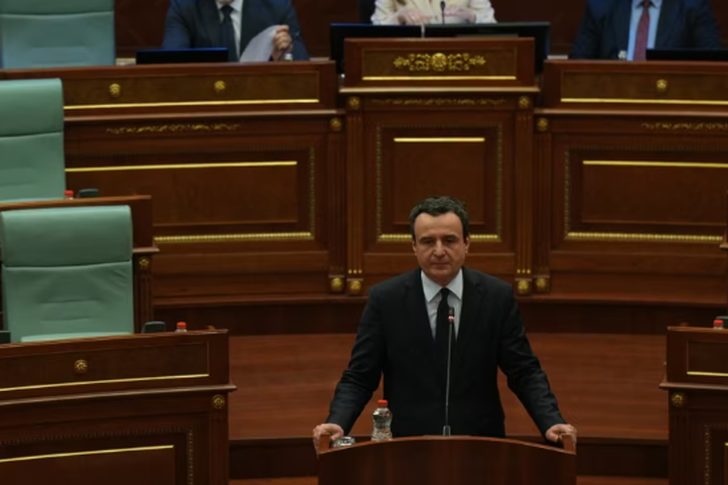
After the failure of the sessions to elect the new preside...

The United States government is planning to issue a limite...

Following the failure to elect the country's new president...
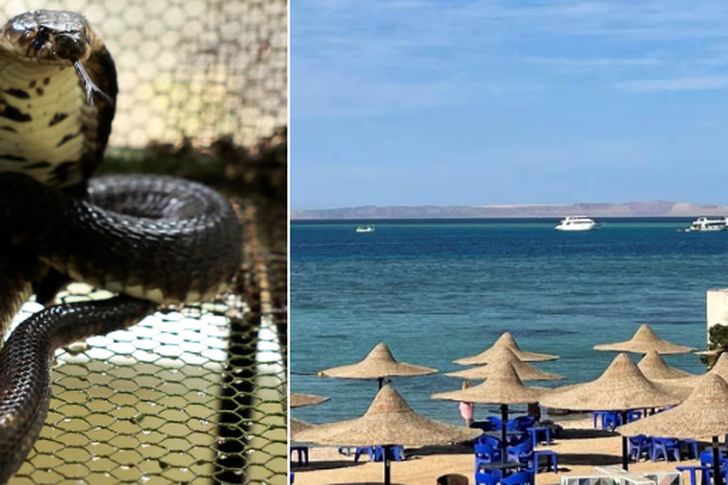
A German tourist was bitten to death by a snake while on h...

King Charles III delivered his speech to the US Congress, ...

US President Donald Trump said on Tuesday that German Chan...
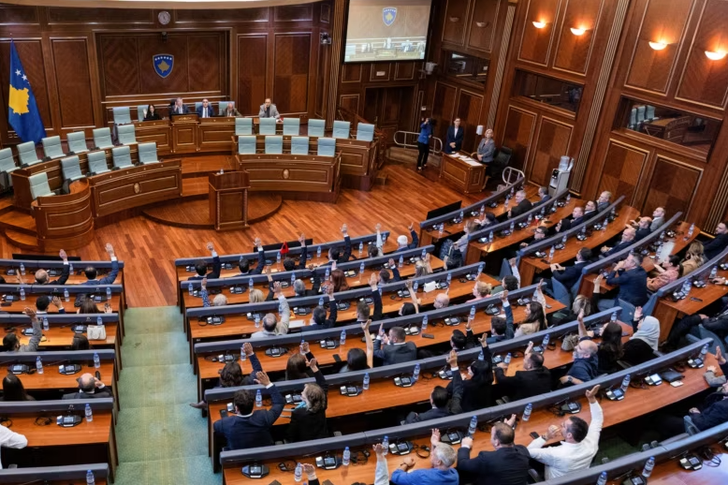
The head of the Democratic Party of Kosovo Parliamentary G...

When he appears before members of Congress, King Charles w...

A yacht owned by Russian billionaire Alexei Mordashov was ...
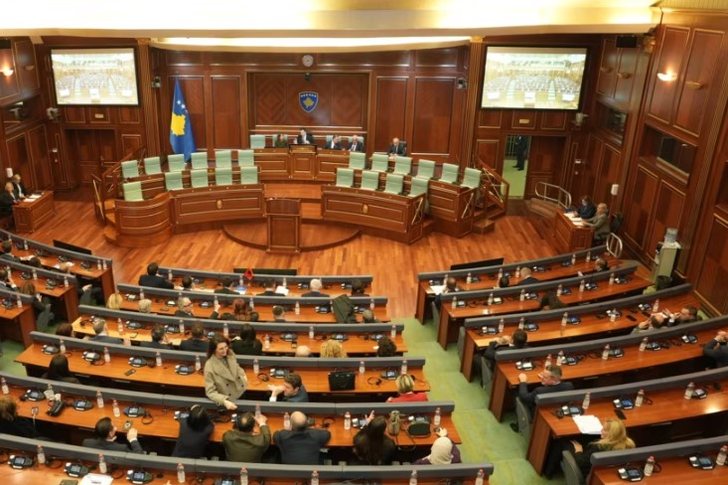
Parliament Speaker Albulena Haxhiu, a few minutes after th...
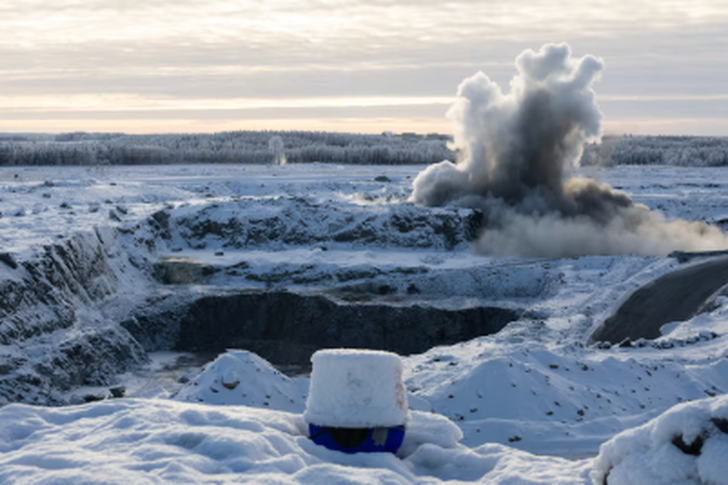
Finland has become the first country in Europe to offer a ...

US President Donald Trump claimed that Iran is in a "state...
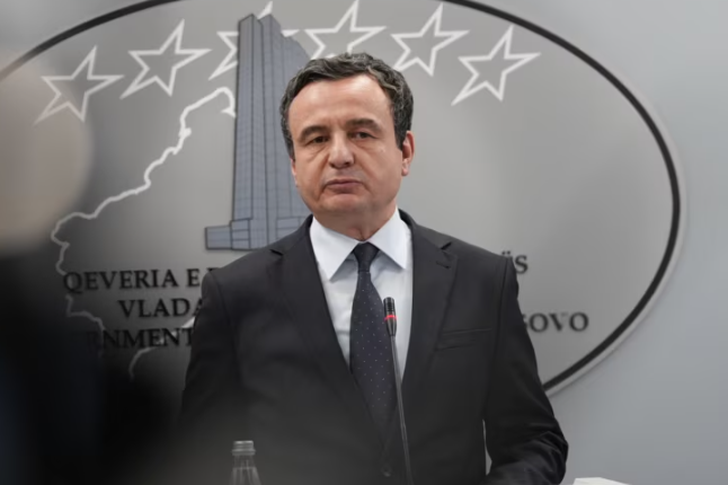
The Prime Minister of Kosovo, and also the leader of the L...
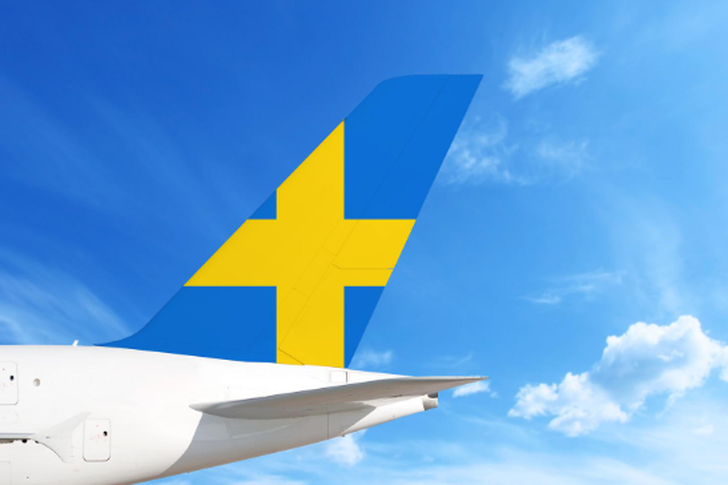
Sweden has issued a warning about a possible shortage of j...

Irfan Hysenbelliu claims to be a big businessman, an hones...

The murder of officer Enea Mekolli in the line of duty has...

The next case broadcast on the show "Stop", this Thursday,...
The case published this Thursday, June 4, on the show "Sto...

The Special Board of Appeal (KPA) decided this Monday ...

The KPA vetting decided this Thursday to dismiss the p...

Suela Salavaçi, a prosecutor in the Prosecutor's Offic...

The Special Board of Appeal reinstated the prosecutor ...

A 38-year-old man was arrested today near the Kamza turnof...

A money changer in Durrës lost 60 thousand euros after bei...
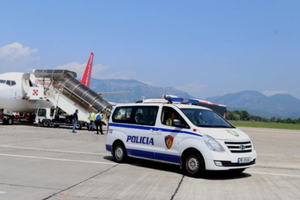
The 6 citizens captured in Dubai, members of criminal grou...
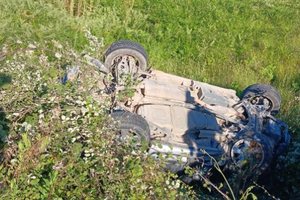
A serious accident occurred on the Kardhiq-Delvinë axis, i...
Today our country will be affected by stable weather condi...

For many children and teenagers, the long summer holidays ...

Albania is facing an unprecedented demographic transition,...

On Thursday, our country will be affected by unstable weat...

Leaders of the European Union and Western Balkan countries...

On the eve of the EU-Western Balkans summit, Germany and F...

Russian President Vladimir Putin said the war in Ukraine c...
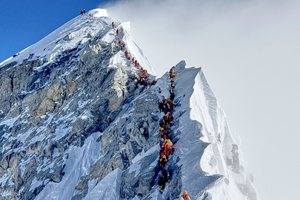
An extraordinary story of survival has been recorded in Ne...

Korça is ready to open the summer season with one of the c...
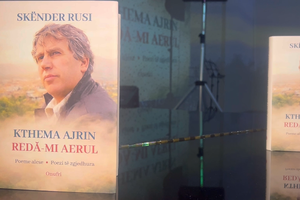
Two years after his passing, the renowned Korçë poet Skënd...

The Ethnographic Museum of Berat has opened its doors to v...
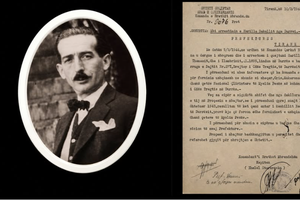
The story of Harilla Bakalli is one of the most chilling t...

Despite years of efforts at regional cooperation and free ...

Albania is the country with the highest level of severe ma...

This Friday, one US dollar is bought for 81.3 lek and sold...
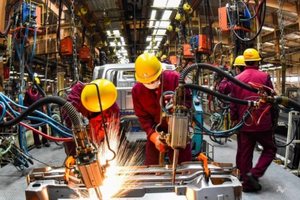
The government aims to transform the country's industrial ...