

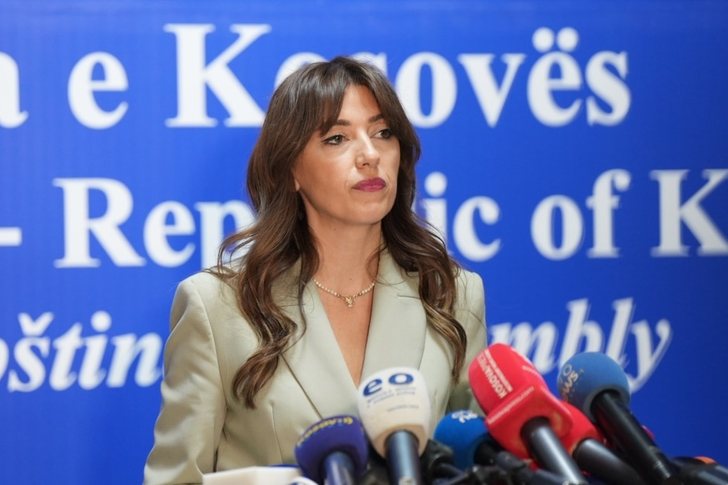
Haxhiu meets with parties on Thursday to set election date
Acting President Albulena Haxhiu will hold a consultative ...


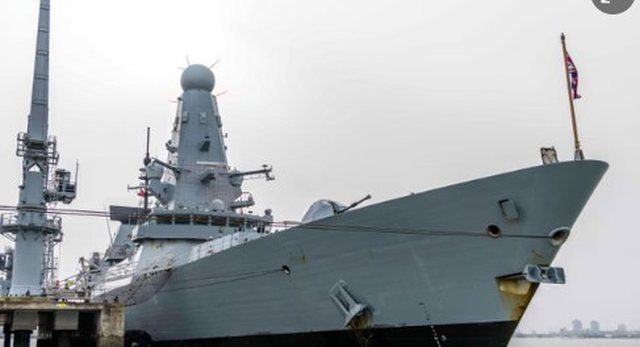
Britain has agreed to create a joint naval force with nine European countries to deter future Russian threats from the "open maritime border" in the north, the head of the Royal Navy has announced.
General Sir Gwyn Jenkins said that despite the ongoing crisis in the Middle East, where the Strait of Hormuz remains closed following the US-Israeli war on Iran, "Russia remains the greatest threat to our security."
In a speech, the first sea lord said the 10 members of the Joint Expeditionary Force (JEF) had last week signed a declaration of intent to create a "multinational naval force" that would act as a "complement to NATO".
It would not include the US, whose president, Donald Trump, has repeatedly criticised the UK for not actively supporting the bombing of Iran, at one point describing Royal Navy aircraft carriers as "toys".
Military cooperation between the US and the UK is at a low point, with the two countries at odds over the Strait of Hormuz. The US has said it wants help to strengthen the strait and has criticised British and French discussions on establishing post-war protective patrols, calling them "nonsense".
Jef includes the Netherlands, all five Nordic countries and the three Baltic states, with the United Kingdom as its largest military member. Canada is also considering membership, as several NATO members refine their response to growing Russian aggression.
Earlier this month, the United Kingdom said Russian spy submarines had been tracked engaging in what appeared to be covert surveillance of underwater infrastructure around Britain.
"Russian incursions into our waters have increased by almost a third in the last two years," the British navy chief said, adding that he considered the UK to have an "open maritime border with Russia to the north."
The purpose of the new naval force, which will be "commanded if necessary" from the UK military headquarters in Northwood, northwest of London, will be joint training and preparation.
It would also be “designed to fight immediately if required, with real capabilities, real war plans and real integration,” Jenkins said, although the Navy had difficulty making a warship available at the start of the Iran war.
It took more than three weeks after a drone attack on the British base of Akrotiri in Cyprus to deploy HMS Dragon to the eastern Mediterranean, and the destroyer was later forced to anchor to fix problems with its toilets and water supply.
Jenkins said the Middle East crisis had put the Navy in the spotlight. “Were we prepared enough? Can we fight today, and if so, what?” he said, adding that the service had a general plan of action.
Naval sources have said that the availability crisis at the start of the war stemmed from a lack of previous investment and highlighted the impact of cuts made to shipbuilding by previous governments.
Jenkins, a former Royal Navy and special forces commander, said that “unmanned escort vessels” – large naval drones – will sail alongside UK warships in the next two years, as part of a drive to increase military capability, but at a lower cost than before.
However, while the UK has threatened to seize Russian-linked “shadow fleet” tankers exporting sanctions-hit oil, it has not done so, while other European countries have successfully done so.
Russia has deployed frigates to escort ships under sanctions through the Strait of Dover, in defiance of a UK warning made public by Keir Starmer on March 25. Since then, 98 tankers subject to sanctions have passed through British waters./CNA, translated by The Guardian

Acting President Albulena Haxhiu will hold a consultative ...

Buckingham Palace has released a message from King Charles...
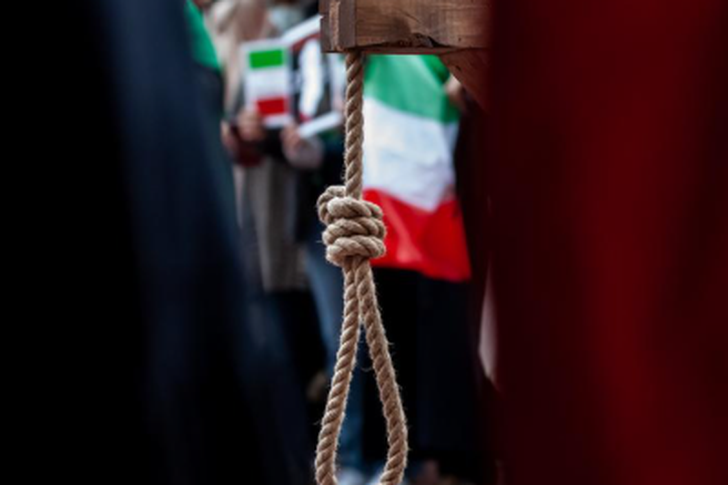
The United Nations has warned that the Tehran regime has e...
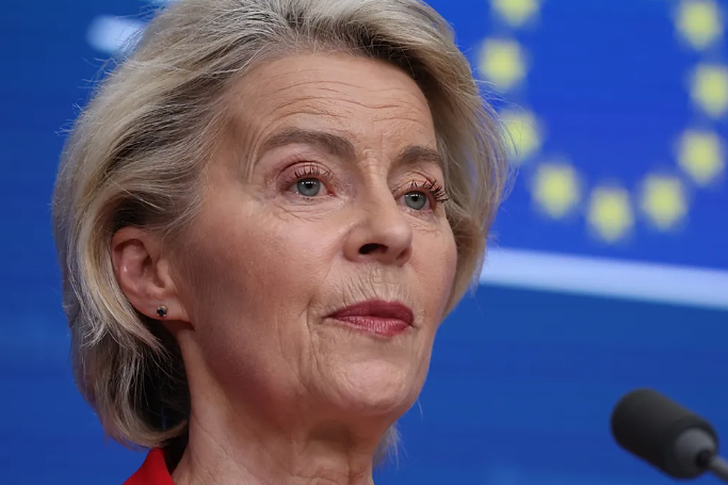
European Commission President Ursula von der Leyen warned ...
Oil prices have continued to rise following reports that t...

Two Jewish men were stabbed in north London on Wednesday, ...
The Chairman of the Central Election Commission, Kreshnik ...

The Central Election Commission in Kosovo now has a little...
In March 2022, as Europe tightened the noose of sanctions ...
An unusual event has occurred in Athens, where an 89-year-...
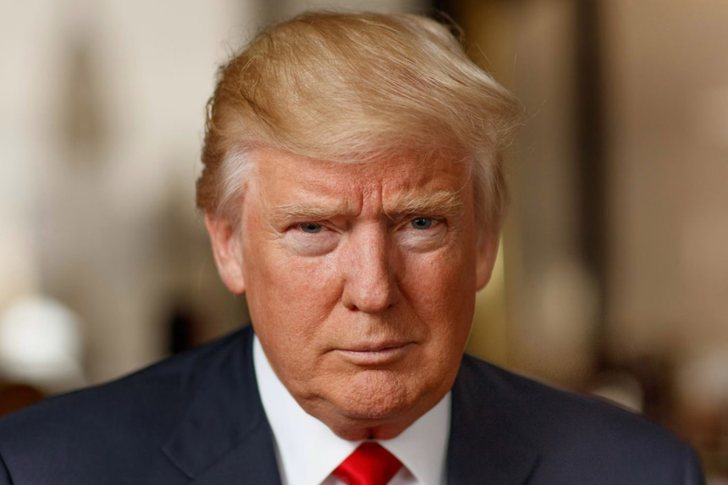
US President Donald Trump has criticized the Iranian gover...

A veteran of the Kosovo Liberation Army (KLA) arrived in h...
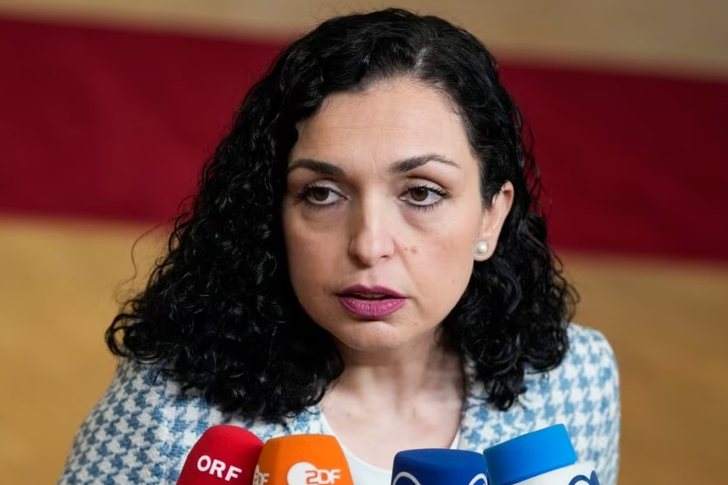
Vjosa Osmani has reacted to the failure of the sessions to...
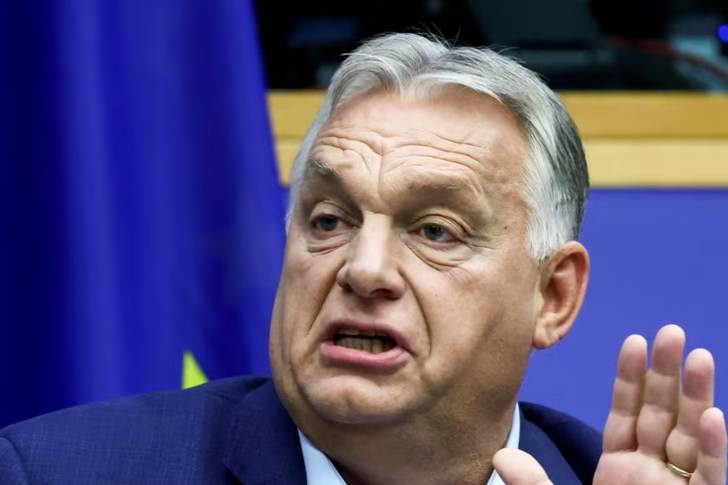
Following his election defeat, Viktor Orban offered to res...

Almost the entire continent of Europe experienced above-av...
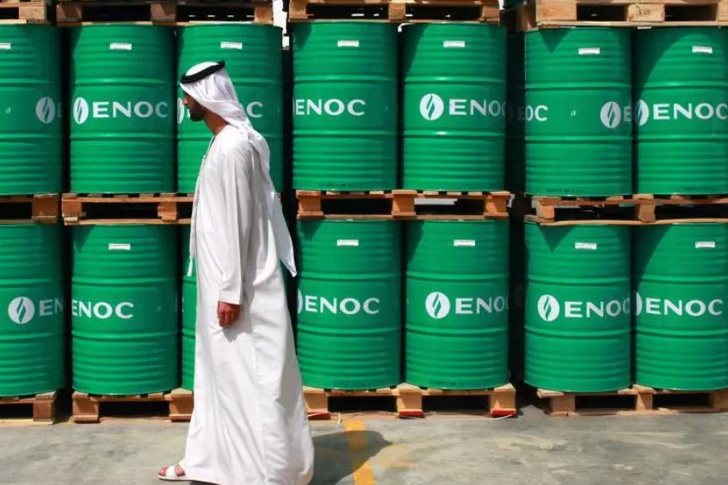
The United Arab Emirates has announced its departure from ...
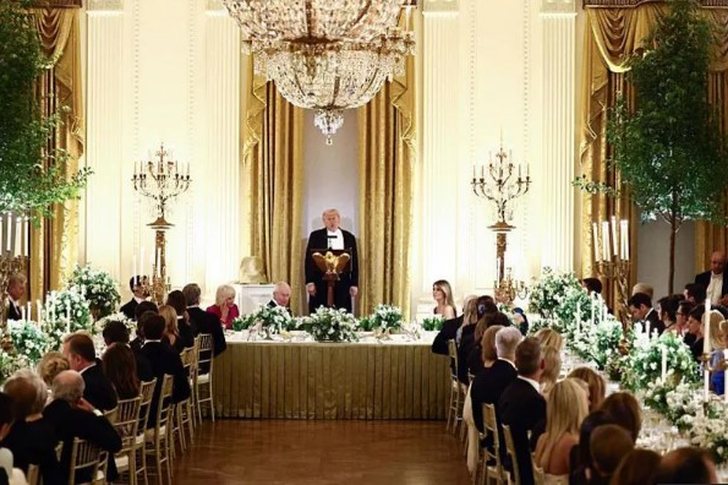
The White House was transformed into a scene of diplomatic...
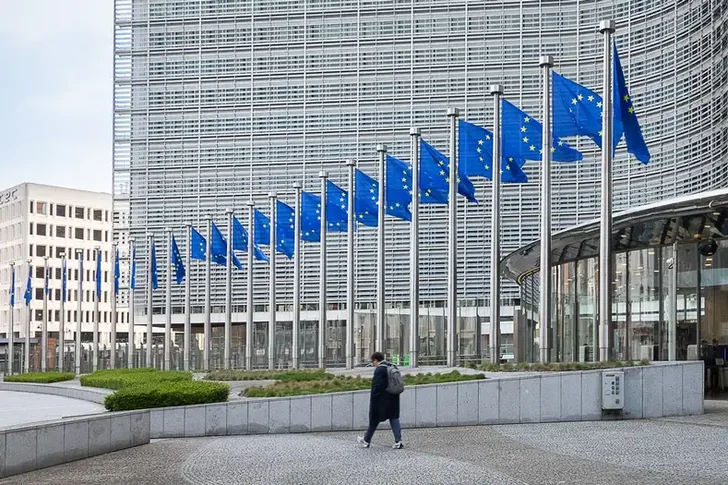
The Southern Interconnection pipeline, designed to connect...
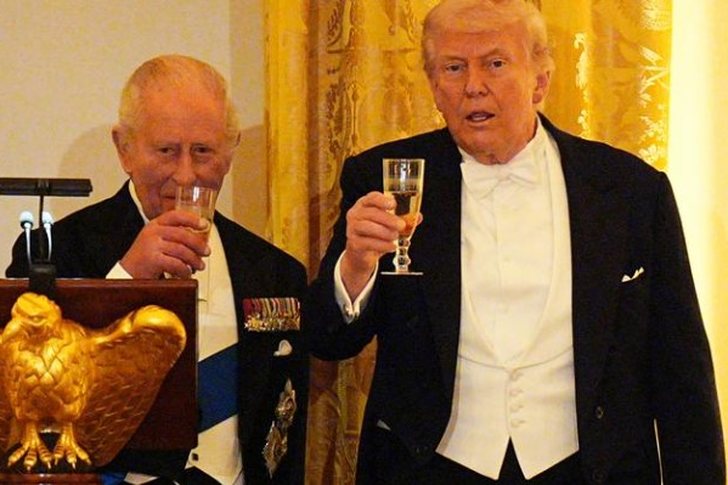
During a state dinner at the White House, US President Don...
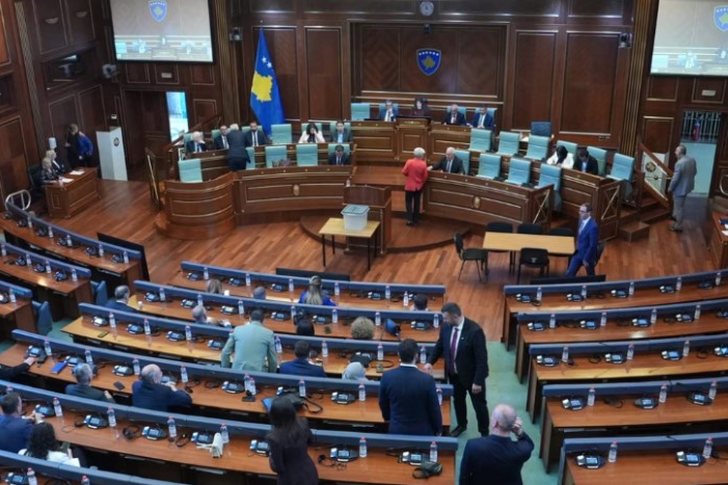
The Democratic Party of Kosovo has reacted after the end o...

Irfan Hysenbelliu claims to be a big businessman, an hones...

The murder of officer Enea Mekolli in the line of duty has...

The next case broadcast on the show "Stop", this Thursday,...

The case published this Thursday, June 4, on the show "Sto...

The Special Board of Appeal (KPA) decided this Monday ...

The KPA vetting decided this Thursday to dismiss the p...

Suela Salavaçi, a prosecutor in the Prosecutor's Offic...

The Special Board of Appeal reinstated the prosecutor ...

A 38-year-old man was arrested today near the Kamza turnof...

A money changer in Durrës lost 60 thousand euros after bei...
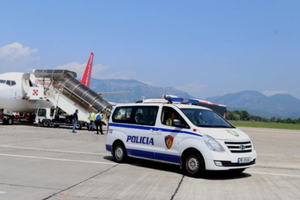
The 6 citizens captured in Dubai, members of criminal grou...
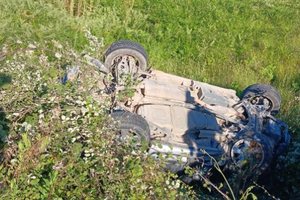
A serious accident occurred on the Kardhiq-Delvinë axis, i...

Today our country will be affected by stable weather condi...

For many children and teenagers, the long summer holidays ...

Albania is facing an unprecedented demographic transition,...

On Thursday, our country will be affected by unstable weat...
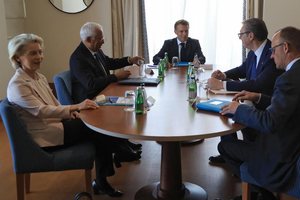
Leaders of the European Union and Western Balkan countries...
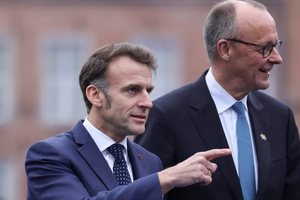
On the eve of the EU-Western Balkans summit, Germany and F...
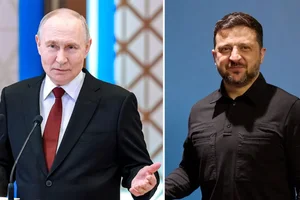
Russian President Vladimir Putin said the war in Ukraine c...
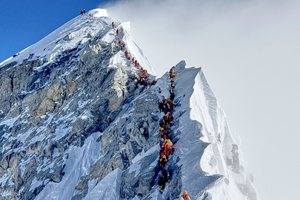
An extraordinary story of survival has been recorded in Ne...

Korça is ready to open the summer season with one of the c...

Two years after his passing, the renowned Korçë poet Skënd...

The Ethnographic Museum of Berat has opened its doors to v...
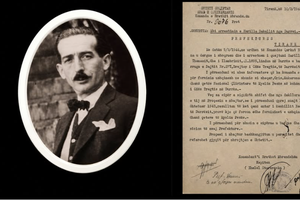
The story of Harilla Bakalli is one of the most chilling t...

Despite years of efforts at regional cooperation and free ...

Albania is the country with the highest level of severe ma...

This Friday, one US dollar is bought for 81.3 lek and sold...
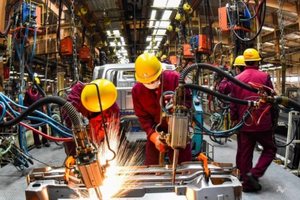
The government aims to transform the country's industrial ...