

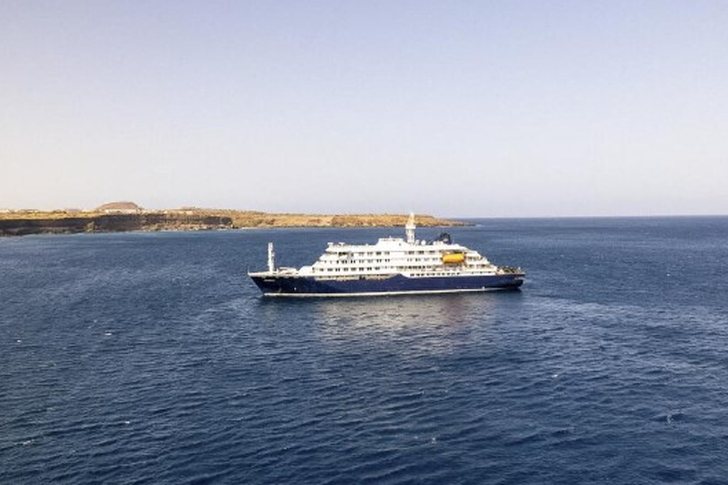
The cruise ship where the hantavirus outbreak occurred will sail to the Canary Islands
A Dutch cruise ship with a hantavirus outbreak on board wi...


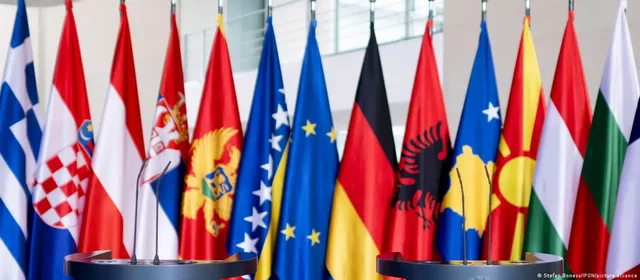
The answers vary depending on who you ask in Berlin. A year after Friedrich Merz's Christian Democratic-Social Democratic government took office, a large majority of citizens are dissatisfied with its performance. But these findings are dominated by issues related to domestic politics, with foreign policy playing no major role.
However, this government, as well as the previous government of the Social Democrat Olaf Scholz, is facing numerous challenges, mainly due to Russian aggression against Ukraine. Added to this are the ongoing crises in the Middle East, which, especially the recent Iran crisis, are increasingly affecting Europe and its largest economy, Germany.
Removing the Special Envoy function is a bad signal.
In the midst of these existential challenges, the public is paying little attention to Berlin's relations with the Western Balkans. Observers of Berlin's relations with the South-Eastern European region immediately noticed that the new government abolished the position of the German government's Special Envoy for the Western Balkans, established during the previous government. This position was held by the Green Party politician Manuel Sarrazin. During his tenure, the region was regularly on the list of German foreign policy priorities, as evidenced by the numerous agreements signed during this period as part of the Berlin Process.
The new government abolished this function, explaining that it was a matter of austerity measures that had been implemented in all ministries, including the Foreign Ministry. But the new function would not fit into the new concept of foreign policy, which after many years is in the hands of one party. Foreign policy is now a joint project of the Chancellor's office and the Foreign Ministry under the leadership of Merz's close associate from the same party, the Christian Democratic Union (CDU), Johann Wadephul.
Continuity policy
Although the new government initially raised scepticism about the continuity of its policy towards the Western Balkans by abolishing the function of the Special Commissioner for the Western Balkans, the tour of the new Foreign Minister Johann Wadephul in the region has tried to allay these fears. Peter Beyer, a representative of the ruling CDU and a member of the Bundestag's foreign policy committee, believes that Friedrich Merz's government has continued to keep the Western Balkans at the centre of its foreign policy priorities.
"Në vitin e parë të mandatit të Friedrich Merz qeveria gjermane vazhdoi politikën e viteve të mëparshme ndaj Ballkanit Perëndimor dhe me vizitën e rëndësishme të Ministrit të Jashtëm në gjashtë vendet e Ballkanit Perëndimor theksoi qartë rëndësinë strategjike të rajonit. Pikërisht në dritën e tensioneve gjeopolitike, veçanërisht për shkak të ndikimit rus, Ballkani Perëndimor është më shumë se kurrë në fokusin e politikës së jashtme gjermane”, tha Beyer i pyetur nga DW.
Megjithatë ai insiston se nuk bëhet fjalë vetëm për vazhdimësinë e politikës së qeverisë së mëparshme, por për politikën, themelet e së cilës i hodhi kancelarja kristiandemokrate Angela Merkel, me gurthemelin Procesin e Berlinit.
Berlini pa një rol kryesues
Kolegu i tij nga Partia Socialdemokrate (SDP), Adis Ahmetoviç, beson se Gjermania, duke mbështetur vendet e rajonit në rrugën drejt Bashkimit Evropian, duhet të krijojë kushtet për integrim të plotë në sistemin e vlerave euroatlantike.
"Ekziston një vendosmëri e qartë, se ne i shohim gjashtë vendet e Ballkanit Perëndimor si pjesë integrale të BE-së. Për këtë arsye mbështesim veçanërisht Malin e Zi dhe Shqipërinë të konsideruar si kryesues në këtë proces. Por të themi të vërtetën, integrimi i këtyre vendeve në BE duhet të përshpejtohet, duke pasur parasysh sfidat gjeopolitike. Në kohën e rritjes së proteksionizmit dhe nacionalizmit global Evropa duhet të dëshmojë, se ka forcën për të kapërcyer vetveten dhe për të zgjeruar BE-në. Për këtë angazhohet kjo qeveri federale”, tha Ahmetovi? në një intervistë për DW.
Deputeti i SPD, Adis Ahmetoviç, beson se Gjermania, duke mbështetur vendet e rajonit në rrugën drejt Bashkimit Evropian, duhet të krijojë kushtet për integrim të plotë në sistemin e vlerave euroatlantike.Fotografi: DW
Por analistët janë më skeptikë, kur shohin performancën e qeverisë Merz në procesin e integrimit të rajonit në BE. Marina Vuloviç nga Fondacioni Shkencë dhe Politikë në Berlin flet për një "kurs të matur".
"Edhe pse Gjermania ka vendosur qartë për perspektivën evropiane të rajonit, ajo shpesh orientohet nga stimuj të jashtëm, për shembull iniciativat e Komisionit Evropian apo konteksti gjeopolitik, në vend që të marrë vetë rolin udhëheqës. Ndërsa ministri i Jashtëm me turneun e tij triditor në gjashtë vende tregoi një angazhim më të madh në Ballkanin Perëndimor, kancelari mbetet më i kujdesshëm në deklaratat e tij", mendon Vuloviç.
AfD: Ballkani Perëndimor i rëndësishëm për Gjermaninë dhe Evropën
Një opinion çuditërisht pozitiv për 12 muajt e parë të politikës së Friedrich Merz ndaj Ballkanit Perëndimor vjen nga radhët e partisë së djathtë opozitare Alternativa për Gjermaninë (AfD), e cila zakonisht përfaqëson pozicione diametralisht të kundërta me koalicionin qeverisës, edhe në politikën ndaj Ballkanit Perëndimor.
"Për mendimin tim bilanci i qeverisë gjermane nën Friedrich Merz ndaj vendeve të Ballkanit Perëndimor pas një viti është i përzier. Nga njëra anë duhet theksuar se rajoni politikisht nuk ka dalë krejtësisht jashtë vëmendjes. Iniciativat diplomatike kanë vazhduar, janë zhvilluar bisedime në kuadrin e procesit të Berlinit dhe janë shënuar disa përparime në hapa të caktuar të integrimit drejt Bashkimit Evropian. Pikërisht për sa i përket stabilitetit në Evropën Juglindore, Ballkani Perëndimor mbetet një zonë e rëndësishme e politikës së sigurisë për Gjermaninë dhe Evropën”, thotë për DW, përfaqësues i AfD-së dhe anëtar i grupit parlamentar gjermano-evropianojugor.
Por ai konkludon se Gjermania do të duhet të marrë një rol udhëheqës dhe jo vetëm të reagojë ndaj krizave apo nismave nga Brukseli. “Kur bëhet fjalë për Ballkanin Perëndimor, Gjermanisë i mungon vija e qartë strategjike”, përfundon përfaqësuesi i grupit më të madh parlamentar opozitar në Bundestag.
Mungesa e mbështetjes së qartë për forcat reformatore
Boris Mijatoviç, raportues i partisë opozitare Të Gjelbrit, ka një vlerësim kryesisht negativ për efektet e qeverisë së Friedrich Merz në Ballkanin Perëndimor. Në të njëjtën kohë, thotë ai për DW, vende si Mali i Zi, por dhe Shqipëria dhe Maqedonia e Veriut, do të kishin nevojë urgjente për mbështetjen politike të qeverisë gjermane në zbatimin e reformave të nevojshme.
Mijatoviç, i cili është shpesh në rajon, beson se qeveria gjermane nuk tregon sa duhet mprehtësi ndaj forcave gjithnjë e më të fuqishme, që po i çojnë vendet e rajonit prapa.
"Në politikën e jashtme të koalicionit qeverisës i kushtohet shumë pak vemendje faktit se në Serbi, si dhe në Bosnje- Hercegovinë politikanët autoritarë inkurajojnë qëndrime antidemokratike dhe në këtë mënyrë antievropiane. Qeveria gjermane deri tani protestave në Serbi u ka kushtuar po aq pak vemendje sa edhe situatës jashtëzakonisht të brishtë politike në Republikën Srpska në Bosnjë Hercegovinë. Këtu duhet presion politik nga Gjermania, që këto dy shtete të mos rrëshqasin më poshtë”, përfundon Mijatoviç.
Edhe Nikola Xaviereff nga Shoqata Gjermane për Politikën e Jashtme (DGAP) beson se qeveria Merz në vitin e parë të saj nuk ka bërë përpjekje për të dhënë impulse të reja, “as në planin bilateral dhe as në procesin e zgjerimit", siç thotë ai për DW. Përjashtimi i vetëm është "mbështetja simbolike" për anëtarin më të mundshëm të ri, Malin e Zi.
"German policy nominally classifies the Western Balkans into four or five of its priorities, but has not shown how this is implemented in policy on the ground: there are no messages towards Serbia, no direction in efforts to accelerate and redefine the EU enlargement model, no new recalibration towards the region, where the US is changing its normative approach to the economy, and in the end they are somehow moving away from promoting liberal solutions for Bosnia and Herzegovina and Kosovo," Xaviereff concludes. /DW

A Dutch cruise ship with a hantavirus outbreak on board wi...
The Iranian military has categorically denied launching an...

Kryeministri australian Anthony Albanese ka njoftuar se qe...
US President Donald Trump has called off a US military ope...
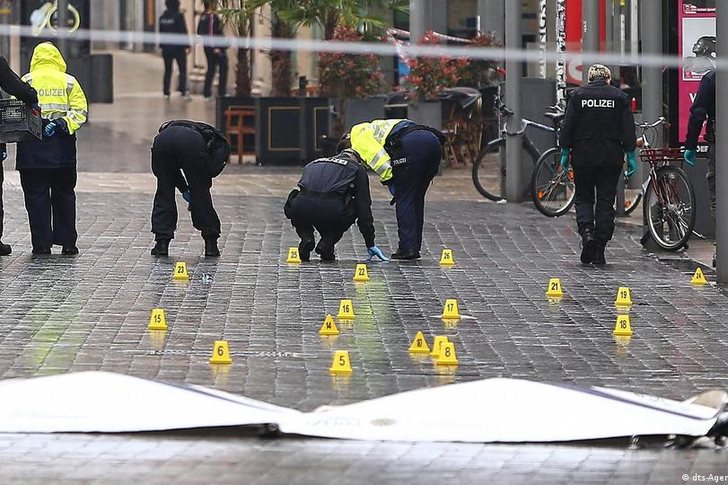
A judge in Germany has ordered the driver accused of plowi...
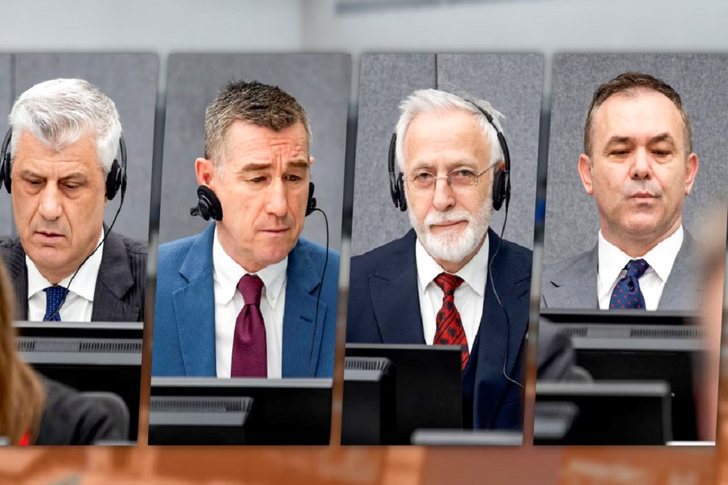
The final decision on the trial of former Kosovo President...
The portrayal of Syria has changed dramatically over the p...
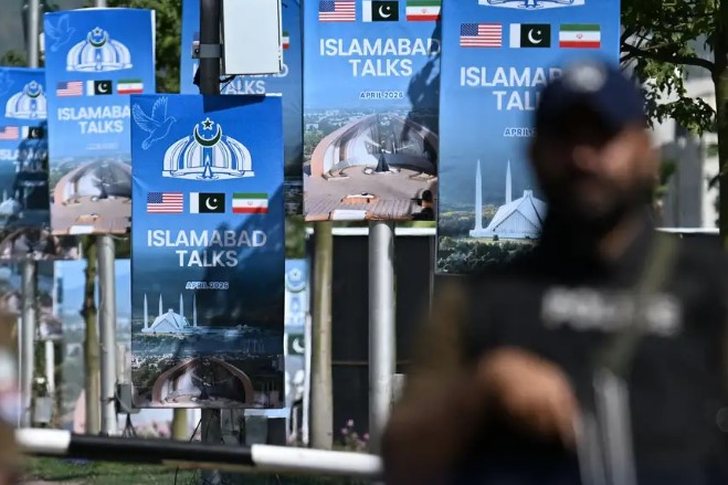
Pakistani Foreign Minister Muhammad Ishaq Dar has said pr...

The leader of the Democratic League of Kosovo, Lumir Abdix...

Italian Prime Minister Giorgia Meloni has reacted after se...
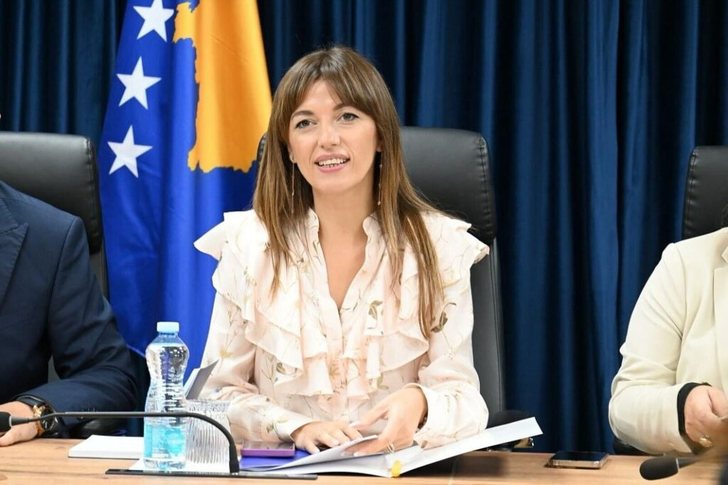
The Acting President of Kosovo, Albulena Haxhiu, has sent ...
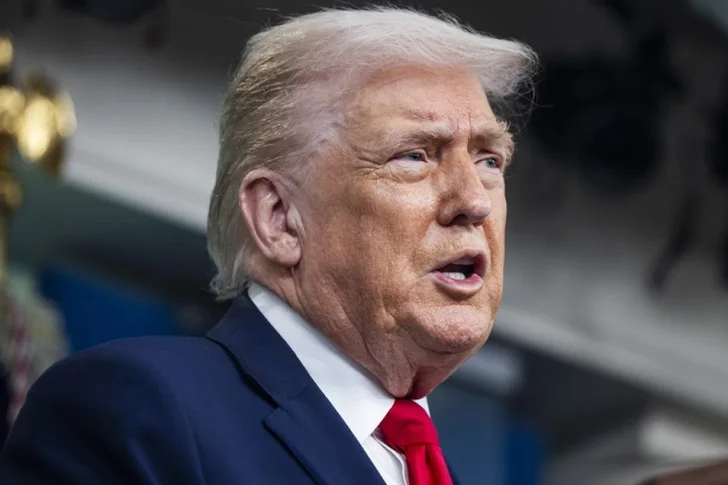
US President Donald Trump has stated that Iran knows what ...

US President Donald, in a press statement from the Oval Of...
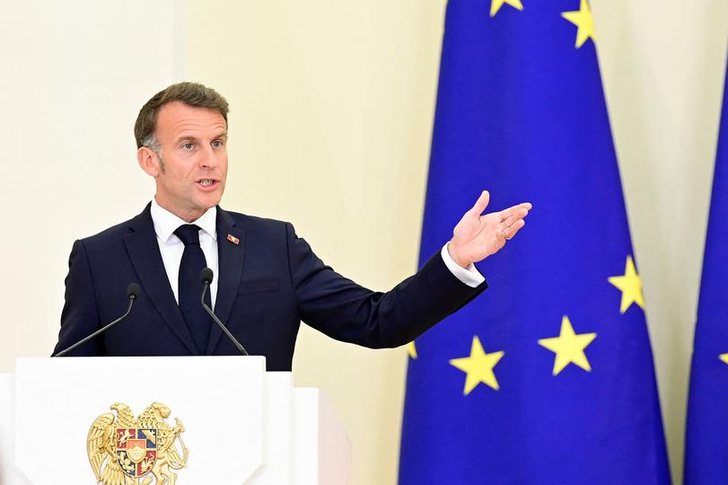
French President Emmanuel Macron has stated that he will t...
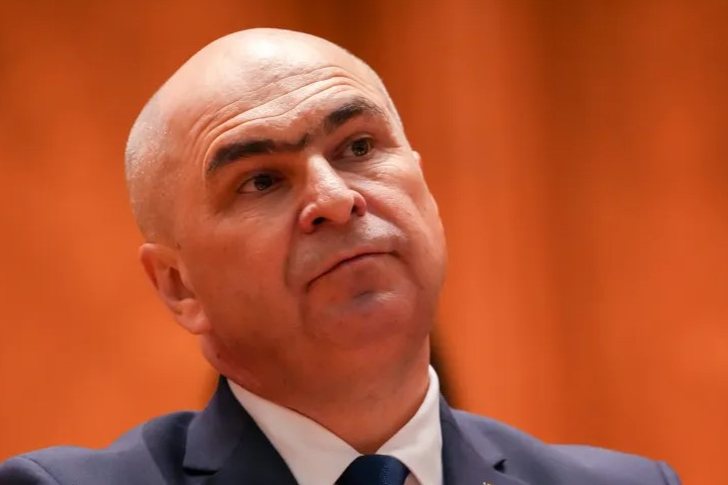
Romania's pro-European Union coalition government has fall...
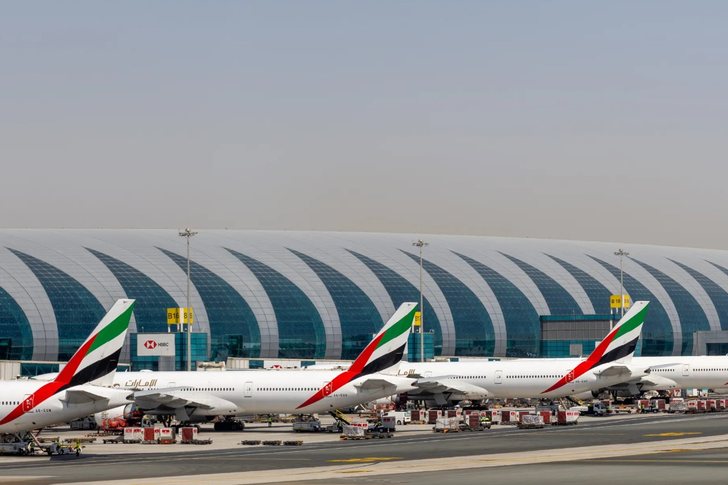
The United Arab Emirates has taken action to limit the num...
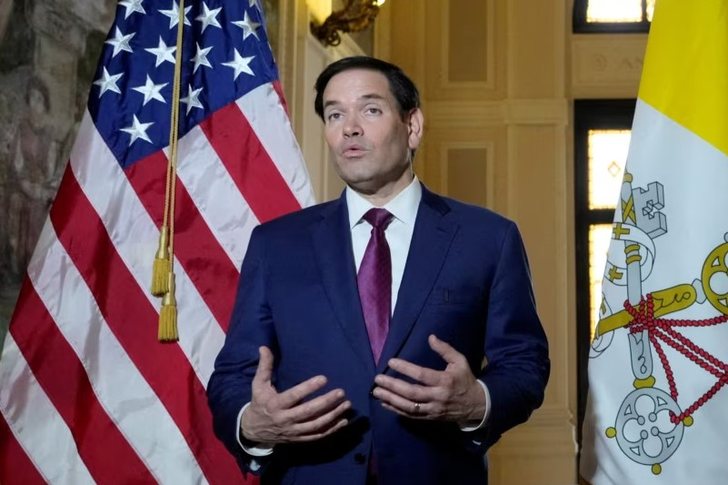
US Secretary of State Marco Rubio will visit Rome and the ...
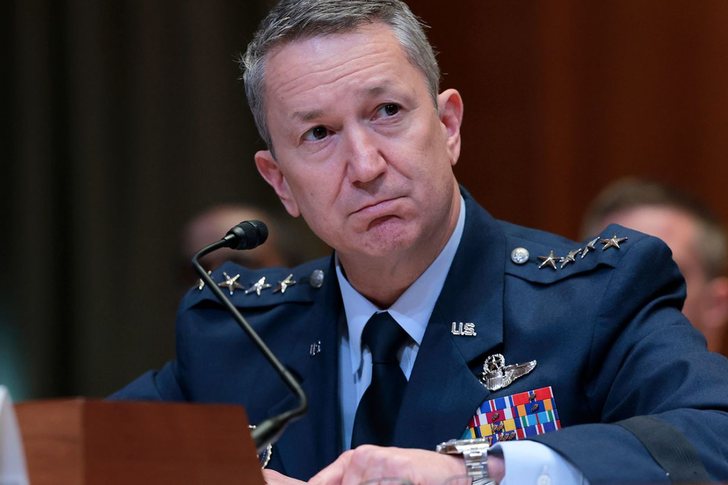
Referring to a map showing the Strait of Hormuz, Chairman ...
The Swedish government announced this Tuesday that it is p...
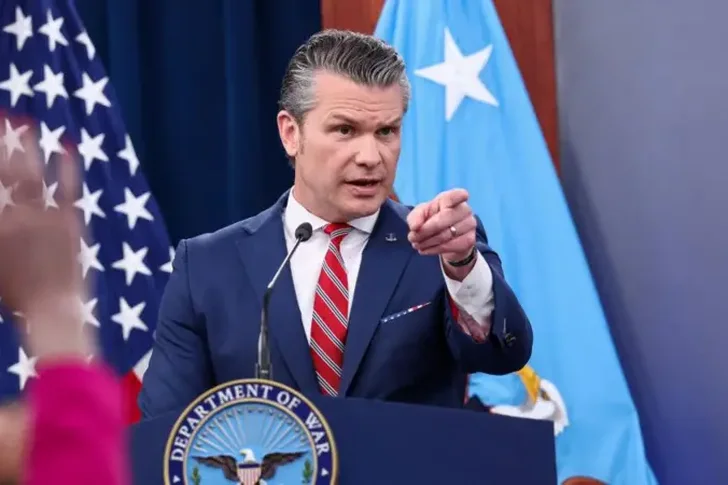
US Secretary of Defense Pete Hegseth held a press conferen...

Irfan Hysenbelliu claims to be a big businessman, an hones...

The murder of officer Enea Mekolli in the line of duty has...

The next case broadcast on the show "Stop", this Thursday,...
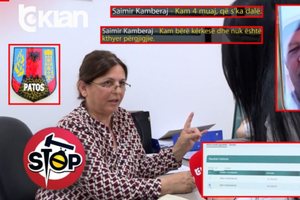
The case published this Thursday, June 4, on the show "Sto...

The Special Board of Appeal (KPA) decided this Monday ...

The KPA vetting decided this Thursday to dismiss the p...

Suela Salavaçi, a prosecutor in the Prosecutor's Offic...

The Special Board of Appeal reinstated the prosecutor ...

A 38-year-old man was arrested today near the Kamza turnof...

A money changer in Durrës lost 60 thousand euros after bei...
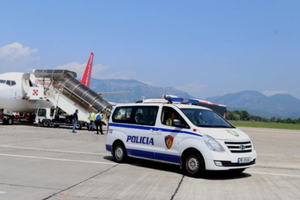
The 6 citizens captured in Dubai, members of criminal grou...

A serious accident occurred on the Kardhiq-Delvinë axis, i...

Today our country will be affected by stable weather condi...

For many children and teenagers, the long summer holidays ...
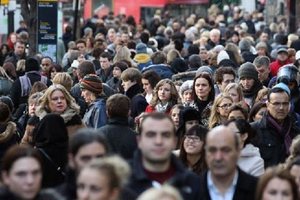
Albania is facing an unprecedented demographic transition,...

On Thursday, our country will be affected by unstable weat...
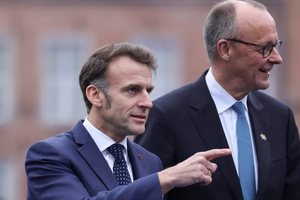
On the eve of the EU-Western Balkans summit, Germany and F...
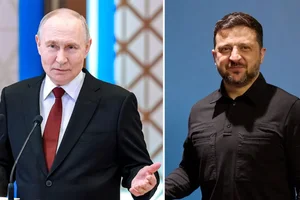
Russian President Vladimir Putin said the war in Ukraine c...
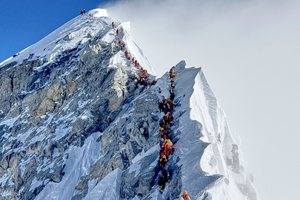
An extraordinary story of survival has been recorded in Ne...
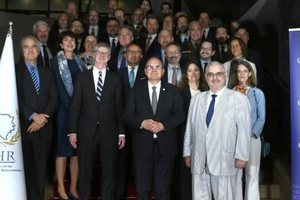
The Peace Implementation Council in Bosnia and Herzegovina...

Korça is ready to open the summer season with one of the c...
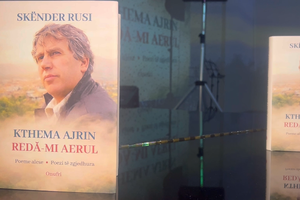
Two years after his passing, the renowned Korçë poet Skënd...

The Ethnographic Museum of Berat has opened its doors to v...
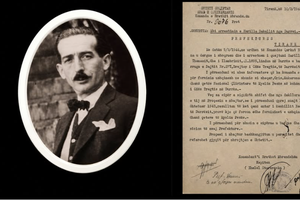
The story of Harilla Bakalli is one of the most chilling t...

Despite years of efforts at regional cooperation and free ...

Albania is the country with the highest level of severe ma...

This Friday, one US dollar is bought for 81.3 lek and sold...
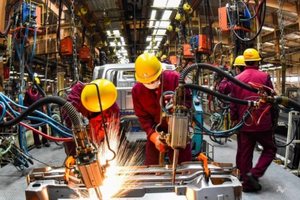
The government aims to transform the country's industrial ...