

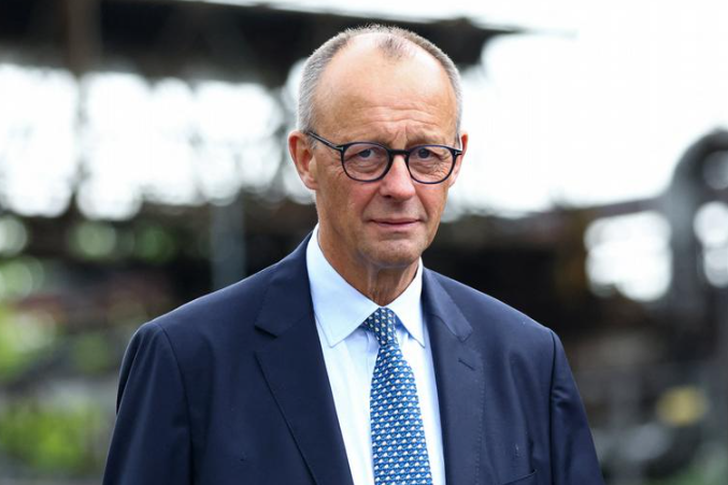
The establishment of the National Security Council is approved/Merz: Central platform for discussing foreign policy
The German government has approved the internal regulation...


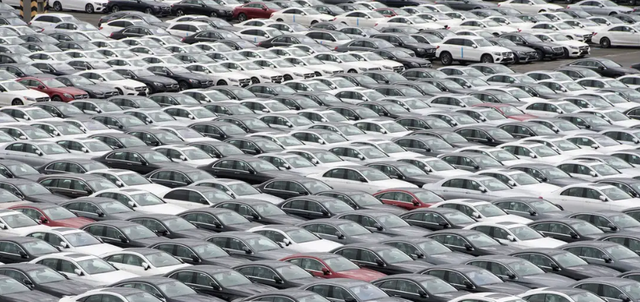
This decline amounts to almost 7% of the workforce in the German automotive sector. The decline in exports to China and the US is contributing to this situation, with new tariffs raising entry barriers in these key markets.
The steady decline in employment figures in German manufacturing continues, with the country's esteemed automotive industry leading the way, according to a new study by accounting giant EY (formerly known as Ernst & Young) based on data from the government statistics office.
EY recorded the loss of approximately 51,500 jobs in the automotive industry over the course of a year, equivalent to 6.7% of the sector's total workforce. This represents almost half of the 114,000 industrial jobs lost in the same period.
The phenomenon also appears to be accelerating: since 2019, before the COVID-19 pandemic, approximately 112,000 jobs have been eliminated in the automotive industry in Germany, almost half of them in the last 12 months.
Exports to the United States and China are already falling rapidly, and renewed tariff disputes with both countries are unlikely to help.
US and China contribute to job losses in the automotive industry
Sales of German industrial companies fell by 2.1 percent in the second quarter of 2025, well above the overall negative growth of 0.3 percent. Only the electronics industry improved its sales during the quarter, while automotive companies' revenues fell by 1.6 percent.
Exports to the United States, Germany's single largest market, fell by about 10%. Jan Brohriker of accounting giant EY predicts "no improvement on the horizon" given President Donald Trump's imposition of new, slightly higher 15% tariffs on vehicles.
But the sharp decline in exports to China is also affecting the automotive industry. Germany's second most profitable export market, China, has fallen to sixth place in the ranking, with an annual decline of 14% in the last quarter.
"The United States and China are currently a major source of concern," Brohriker said. "The Chinese market has long been particularly attractive to the automotive industry, with very high profit margins. But in the meantime, the situation has changed, especially for foreign automakers: demand is falling drastically and sales are declining."
The EU and China have recently been embroiled in a tariff battle, particularly over cheaper Chinese electric vehicles, and China's rapidly growing auto industry is increasingly meeting domestic demand.
US tariffs put pressure on German carmakers
Why Germany is at the center of austerity measures
Major companies such as Mercedes-Benz, Volkswagen, Audi, Bosch, Continental, ZF and Porsche have all launched cost-cutting programs, and these cuts often start in Germany, not at production facilities abroad.
"German carmakers and parts manufacturers are logically reacting to the difficult industry situation with an effort to cut costs," says EY's Brohriker. "The massive drop in profits, excess production capacity and weakening export markets make significant job cuts inevitable, especially in Germany, where management, administration and research and development positions are concentrated."
EY predicts that the employment decline will continue, citing ongoing restructuring and cost-cutting plans that will continue to lead to layoffs. It also predicts a more challenging future for young people.
"The automotive industry and the mechanical engineering sector are employing far fewer young people than in the past," said Mr. Brohriker. "The job market for young engineers is becoming tougher and many of them will have to change careers. We will see an increase in unemployment among university graduates, something Germany has not seen for a long time."/ DW

The German government has approved the internal regulation...
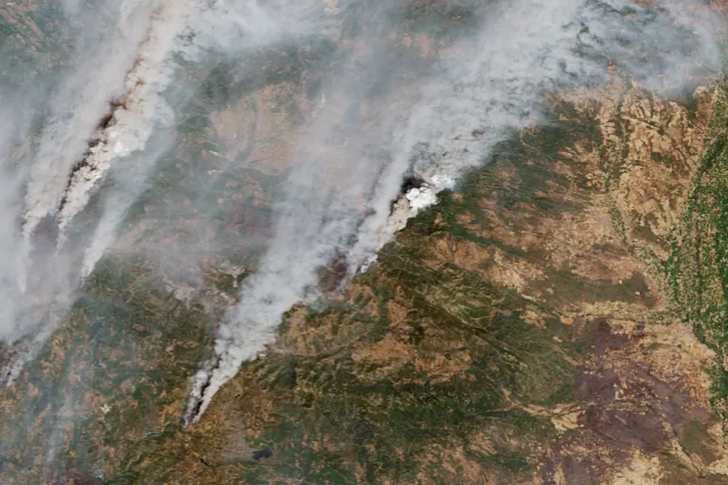
A record one million hectares - equivalent to around half ...
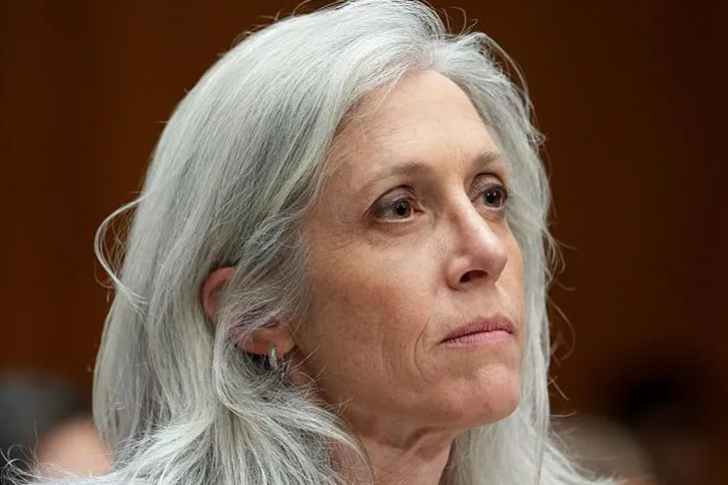
The White House announced that it has fired the director o...
EU Commission chief von der Leyen says she is 'unavailable...

A wedding party in northern Turkey reportedly ended in tra...
Turkish police have seized jewelry and antiques worth arou...
The Director of the Institute for Geopolitics in Kosovo, S...

During the morning hours of this morning, the police in Vu...

Several children have been injured after a shooting at a s...
US President Donald Trump called today for federal prosecu...

The priests and nuns of the Church of the Holy Family in G...
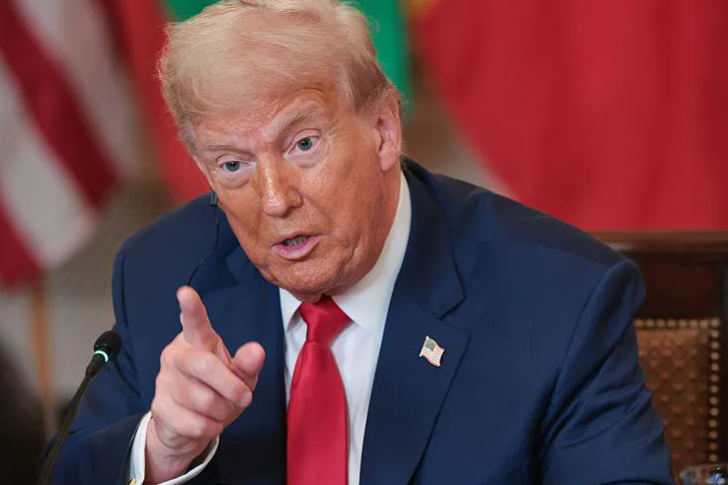
US President Donald Trump made at least four attempts to s...
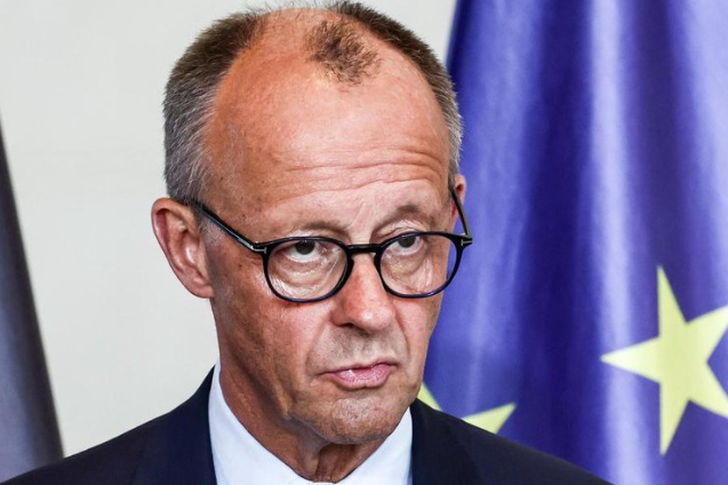
Although more than 140 countries have already recognized P...
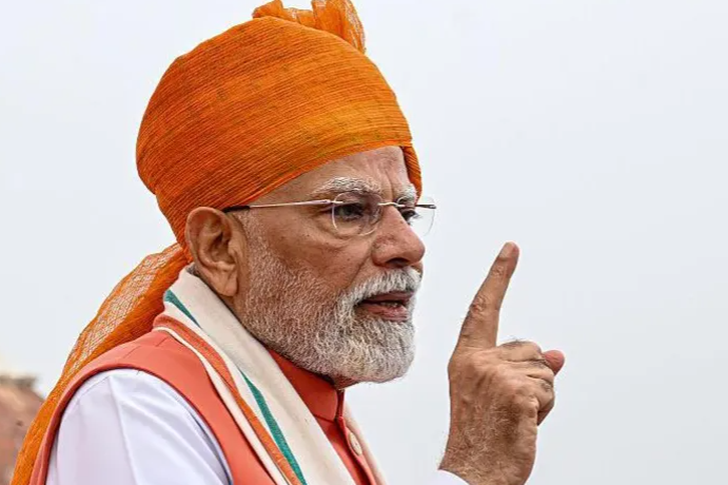
Donald Trump's steep 50% tariffs on India have come into e...
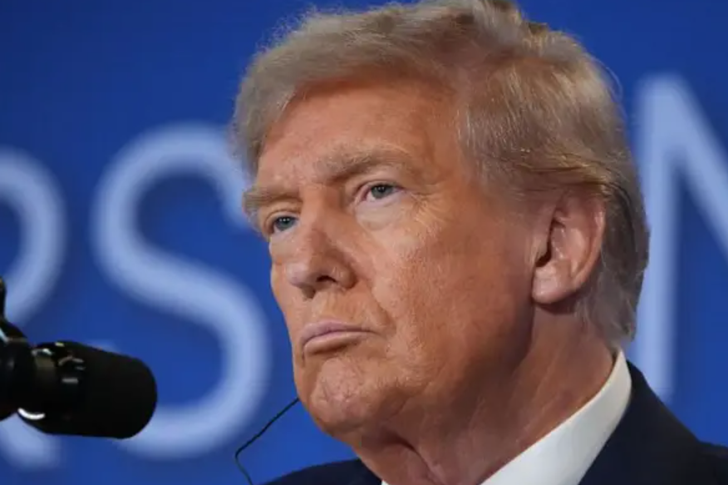
US President Donald Trump said today that the federal gove...
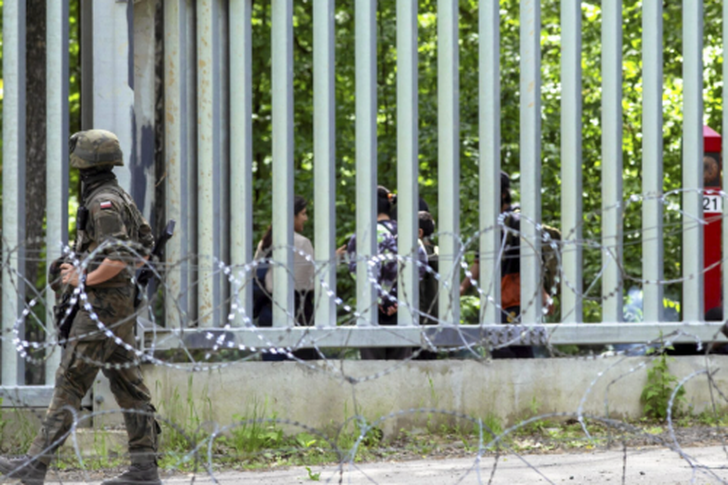
A Polish soldier was hospitalized after a grenade accident...

Ukrainian President Volodymyr Zelensky said today that Tur...
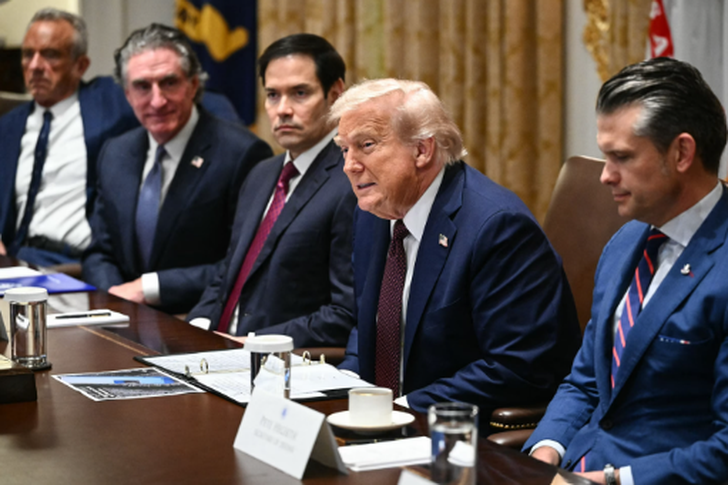
US President Donald Trump held a cabinet meeting on Tuesda...
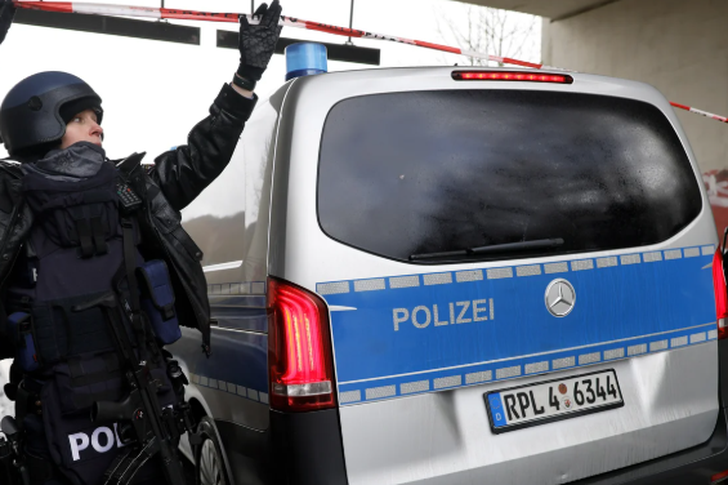
Authorities in Germany today charged a man with murder for...

The President of Kosovo, Vjosa Osmani, has welcomed develo...

Irfan Hysenbelliu claims to be a big businessman, an hones...

The murder of officer Enea Mekolli in the line of duty has...
The next case broadcast on the show "Stop", this Thursday,...
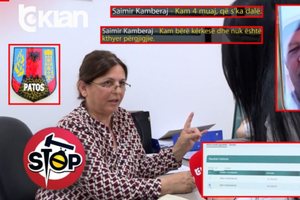
The case published this Thursday, June 4, on the show "Sto...

The Special Board of Appeal (KPA) decided this Monday ...

The KPA vetting decided this Thursday to dismiss the p...

Suela Salavaçi, a prosecutor in the Prosecutor's Offic...

The Special Board of Appeal reinstated the prosecutor ...

A road accident has been reported on the Fier-Levan axis, ...

An accident was recorded a few minutes ago on the Pogradec...
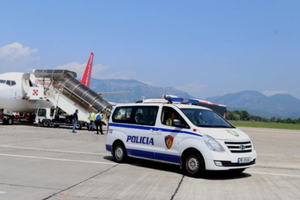
Following the cooperation of Interpol Tirana with Interpol...

An accident occurred this Saturday morning at Shkëmbi i Ka...
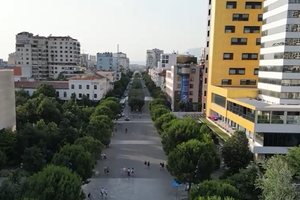
Albanians are officially the hardest working people in Eur...

This Saturday will be characterized by mostly clear weathe...
Today our country will be affected by stable weather condi...

For many children and teenagers, the long summer holidays ...
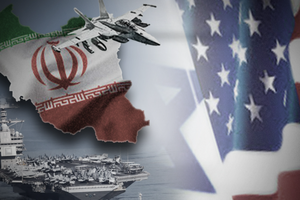
The military advisor to Iran's supreme leader, Mohsen Reza...

US Defense Secretary Pete Hegseth declared that Europe is ...
A federal judge in Rhode Island struck down a Trump admini...

Thousands of Kosovo citizens living abroad are voting phys...

Korça is ready to open the summer season with one of the c...

Two years after his passing, the renowned Korçë poet Skënd...

The Ethnographic Museum of Berat has opened its doors to v...
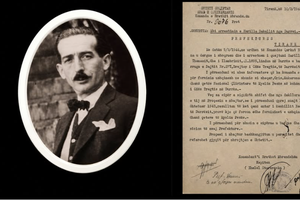
The story of Harilla Bakalli is one of the most chilling t...
The Transparency Board, in today's meeting, decided to red...

This Saturday, one US dollar is bought for 81.4 lek and so...

Despite years of efforts at regional cooperation and free ...

Albania is the country with the highest level of severe ma...