


Carlo Bollino's morality and the truth
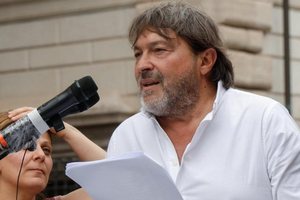
Carlo Bollino, when he left the Special Court today, decla...

Carlo Bollino, when he left the Special Court today, decla...

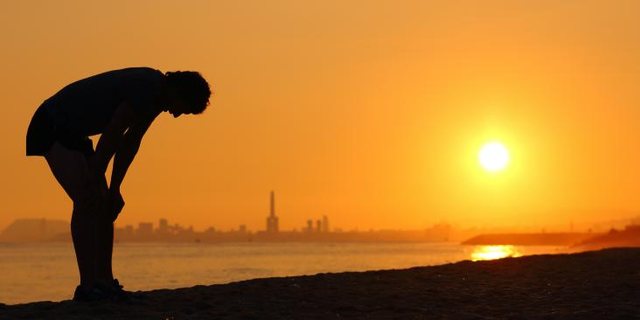
Europe is facing an unprecedented crisis due to heat waves, which are no longer rare anomalies, but persistent and deadly threats.
Across the continent, citizens are finding it difficult to sleep, while emergency rooms are filling up rapidly, putting health systems at risk of collapse. There is a reported boom in emergency medical calls. In some cities in France, calls have increased by about 50%.
Last week, London recorded its highest number of calls for life-threatening cases in a single day, while Spain's mortality monitoring system has estimated over 300 additional climate-related deaths in just a few days, alongside Italy reporting five deaths in 24 hours.
Hospitals are under tremendous pressure not only from the influx of patients, but also from the heat itself, which is causing defects in cooling systems, failure of medical equipment, and exhaustion of healthcare staff.
Europe is warming at more than twice the global average. However, preventive measures are working and can be measured. It is estimated that deaths from heat in 2023 would be about 80% higher if adaptation measures already in place had not been taken. For people aged 80 and over, mortality could have doubled.
In response to this situation, the World Health Organization for Europe launched the second edition of the Roadmap for Action Plans on Health and Heat in Berlin.
WHO Regional Director for Europe, Dr. Hans Henri P. Kluge, highlighted that more than 200,000 people across Europe have died from heat in just the last 4 years, underscoring the need for an institutional response with the clear goal of zero deaths related to high temperatures.
Across Europe, cities and governments are demonstrating what proper preparedness looks like to reduce pressure on emergencies. Barcelona expanded its network of climate shelters to over 500 spaces this summer, including libraries, civic centers, parks and pharmacies. Paris has activated a welfare check register for the elderly and vulnerable residents, while limiting public alcohol sales to facilitate emergency services. Italy has introduced restrictions on outdoor work during the hottest hours of the day in some regions, providing support payments so that workers do not lose their income.
Berlin, according to Senator Dr. Ina Czyborra, has adopted a comprehensive plan with 72 measures , which emphasizes the expansion of green spaces and active communication, an approach also supported by Germany's Federal Environment Minister, Carsten Schneider, who calls heat protection a key social issue. In terms of individual measures, around 60% of hospital admissions after emergency visits during this heatwave have involved people aged 75 and over, cases that are often preventable.
Experts through the WHO's KeepCool campaign advise blocking out the heat by keeping blinds and curtains closed during the day, and opening windows at night when temperatures drop. Staying hydrated by drinking water before you feel thirsty and avoiding sugary drinks, alcohol or caffeine are vital steps.
It is also important to avoid the strong sun during midday and to take care of elderly neighbors and relatives, as a simple phone call costs nothing but could save a life. /CNA

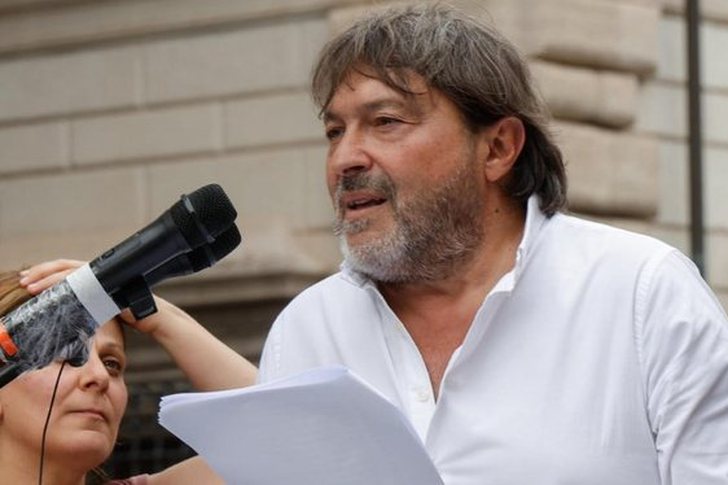
Italian authorities have arrested four people suspected of...
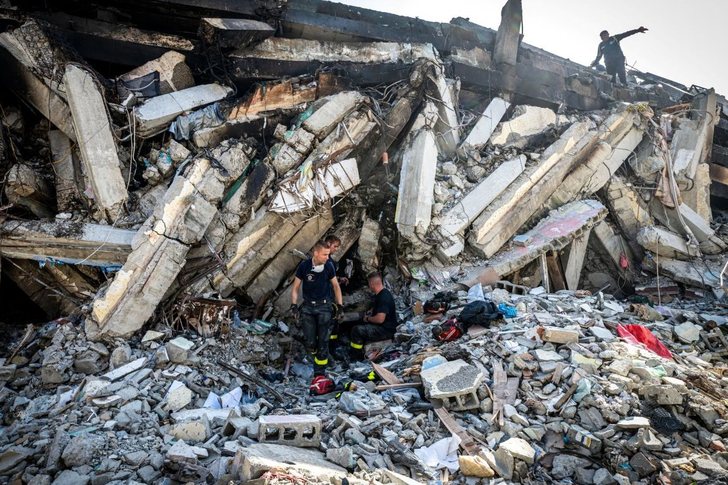
The twin earthquakes that struck Venezuela last Wednesday ...
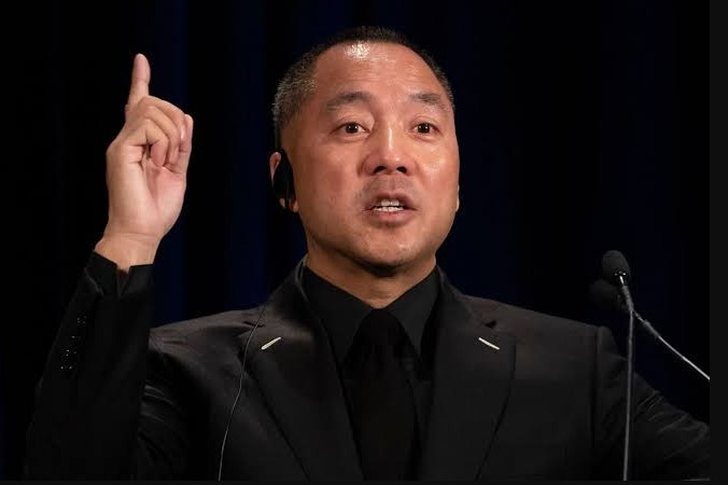
A self-imposed exile in the United States has been sentenc...

Right-wing candidate Keiko Fujimori has been officially de...
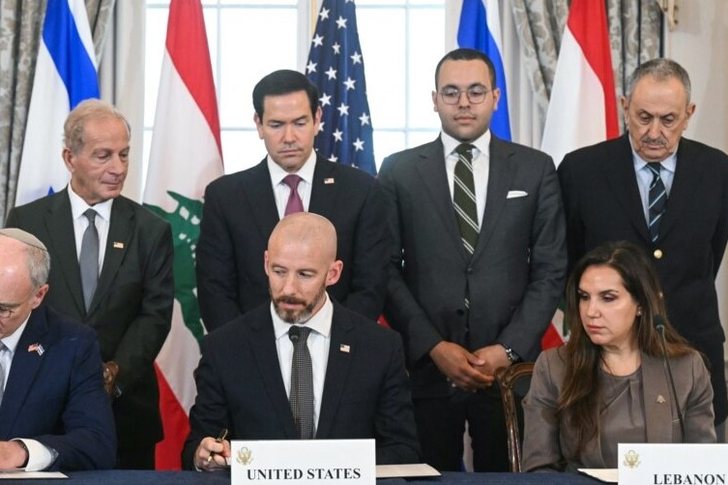
When the United States, Israel, and Lebanon signed a trila...
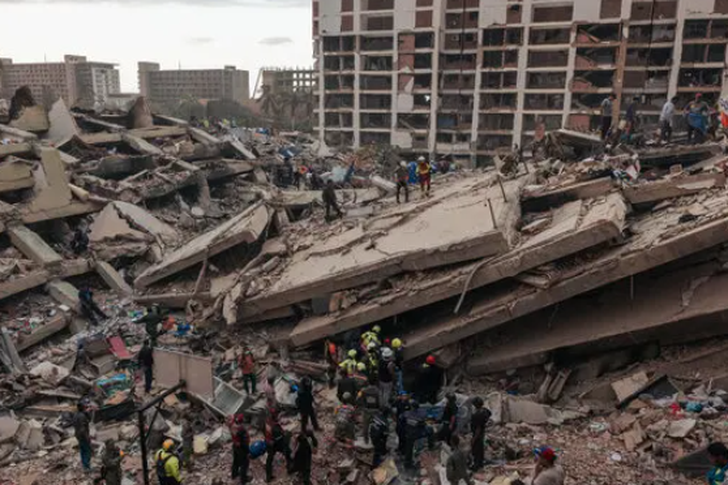
A strong aftershock shook Venezuela this Monday following ...
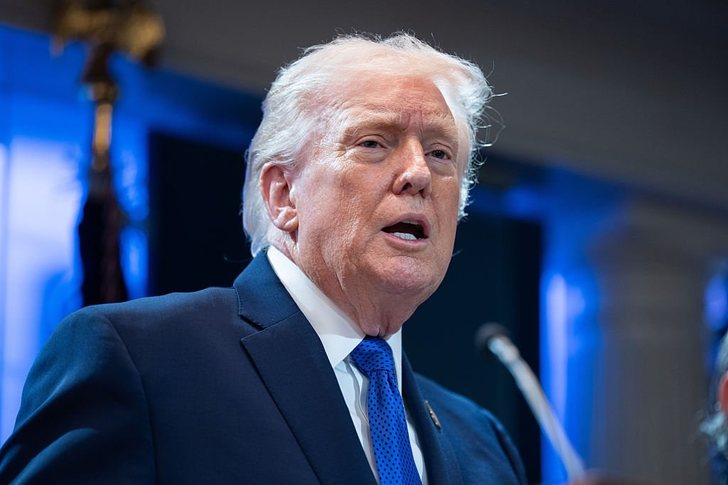
US President Donald Trump said today that Iran has request...
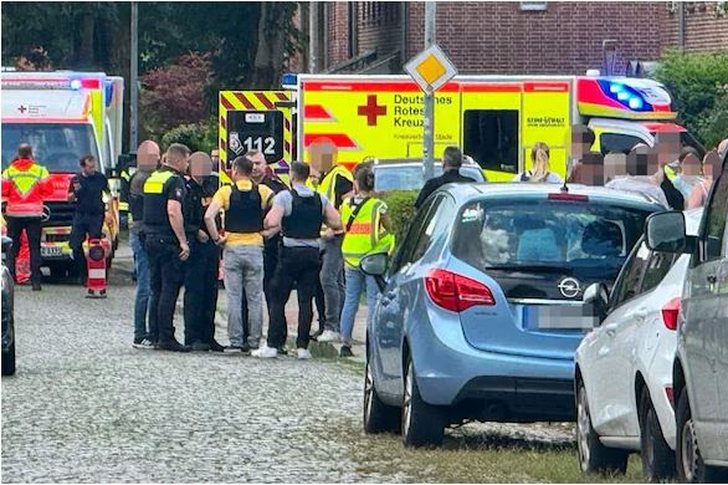
Five people have died after a shooting in Stade, northern ...
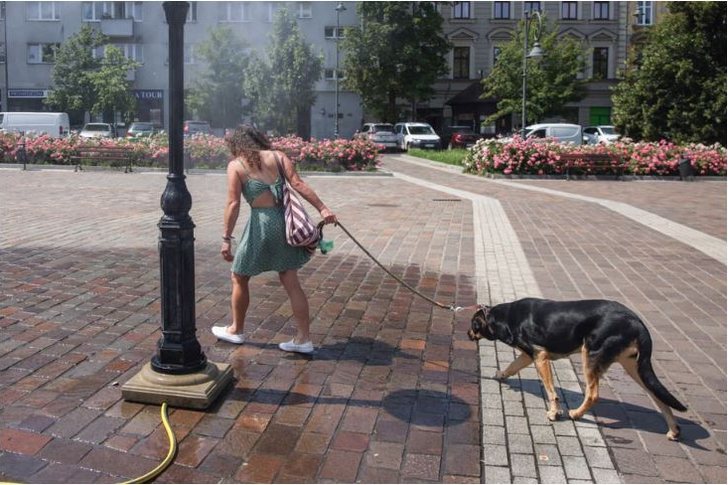
Germany, the Czech Republic, Poland and Hungary hit record...
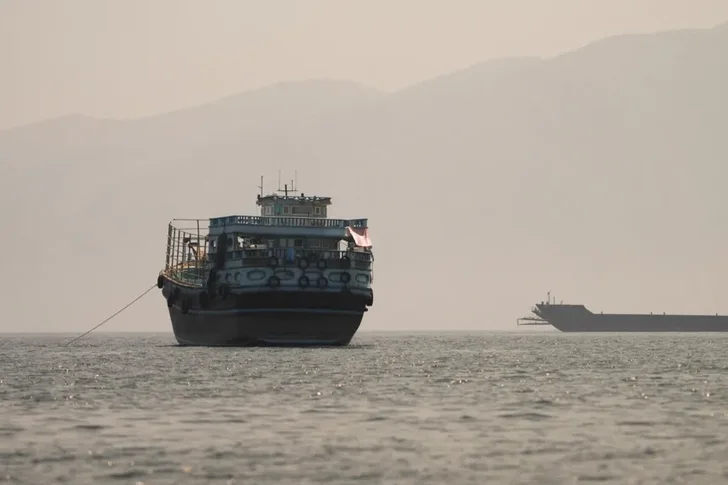
The US and Iran have agreed to "stand down" after an excha...
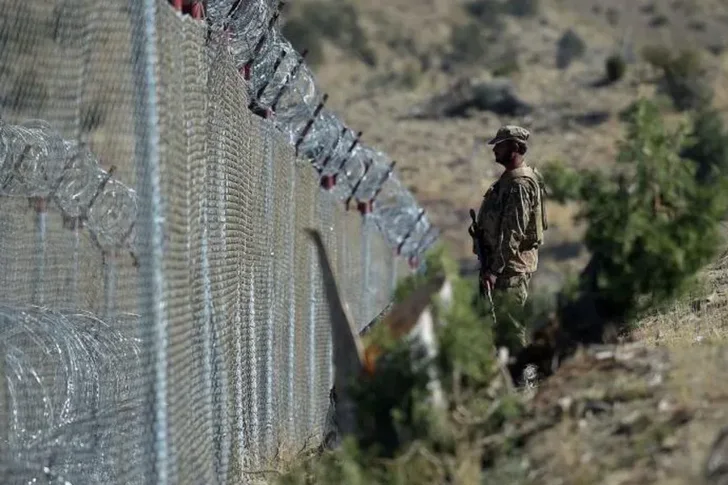
Pakistan launched air strikes and sent ground troops into ...
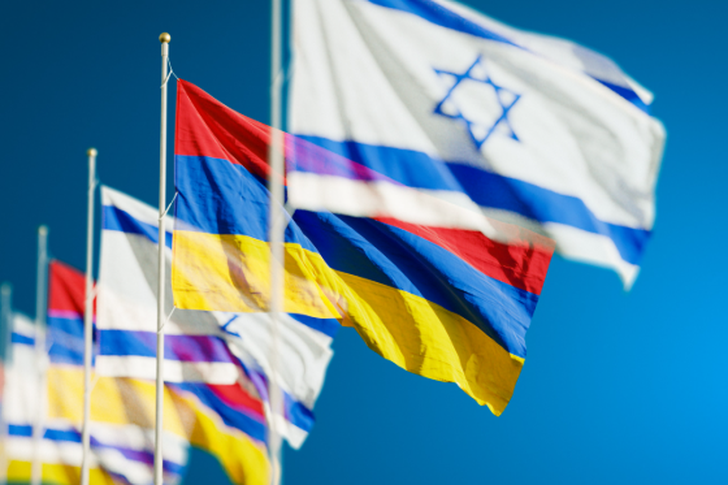
The Israeli government officially recognized the massacres...
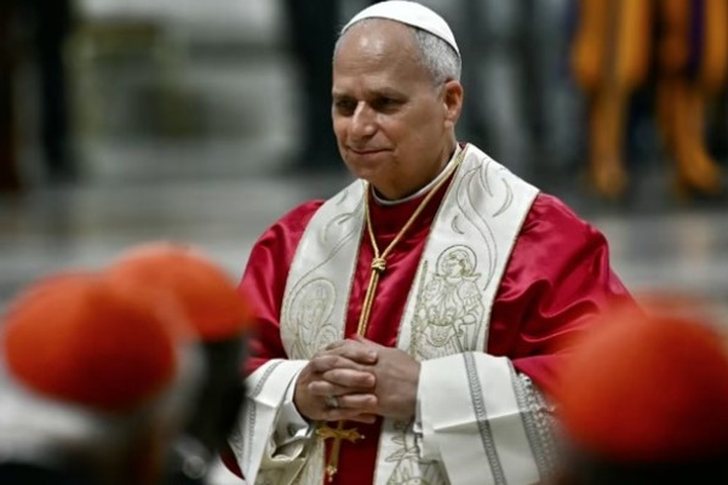
Pope Leo XIV today expressed his solidarity with the peopl...
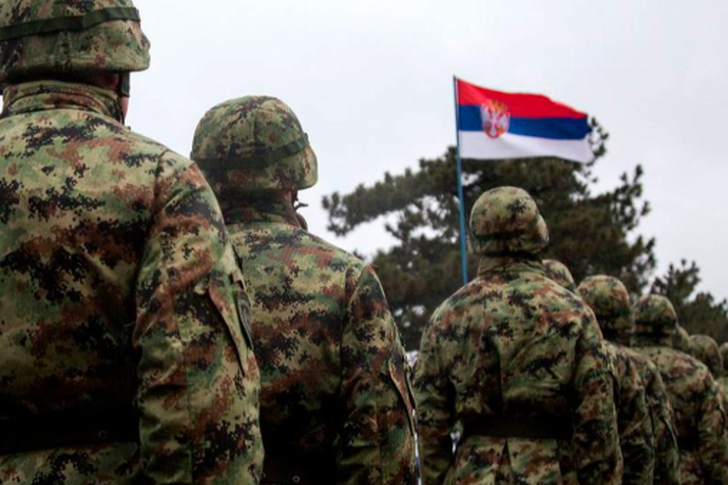
Serbian President Aleksandar Vučić announced today that co...

A 4.1 magnitude earthquake struck Algarve, Portugal's popu...
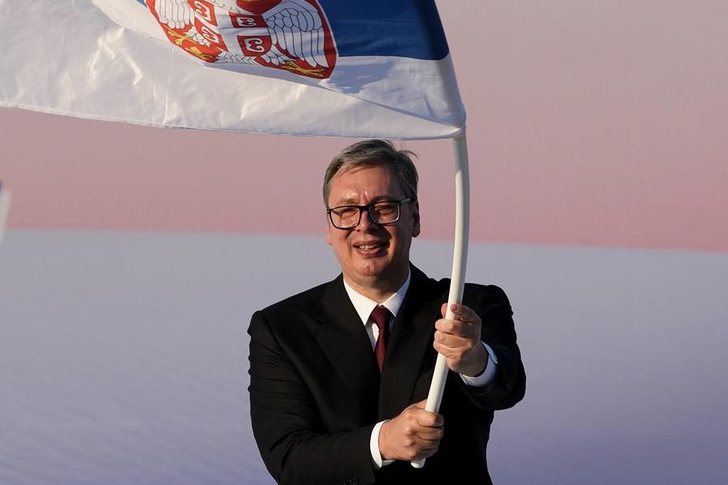
Tens of thousands of his supporters - some voluntarily, so...
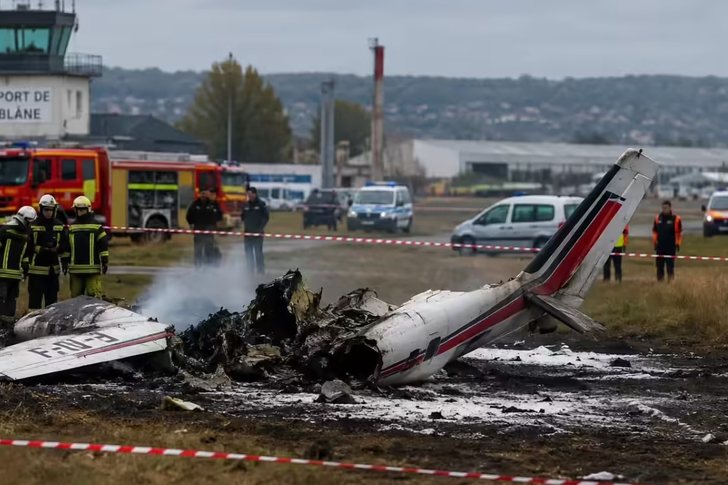
A civilian plane has crashed in the town of Tomblaine, in ...

Moscow is building a new missile defense complex near a re...
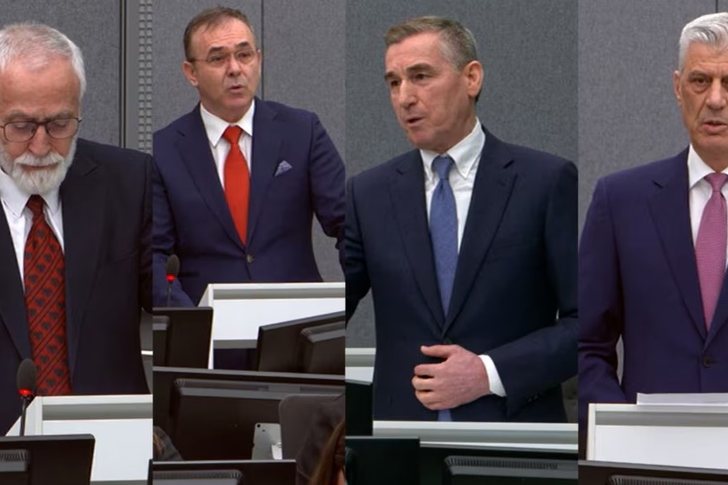
Për vite me radhë, lufta e Kosovës është rrëfyer përmes hi...
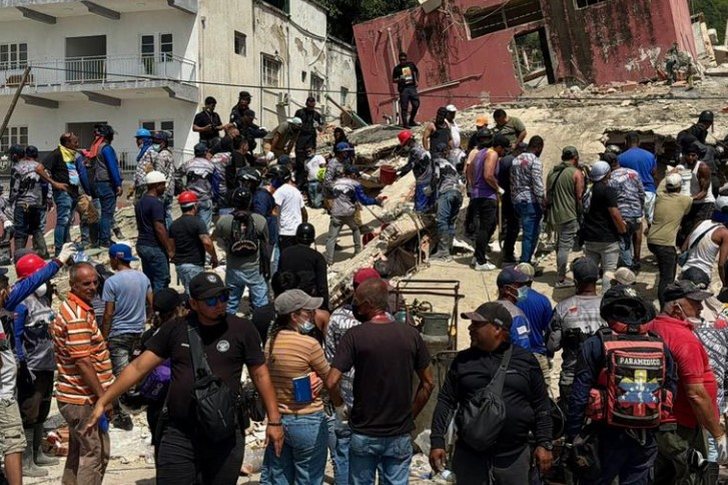
The United Nations estimates that up to 6.76 million peopl...

The Justice Reform and the vetting process were trumpeted ...
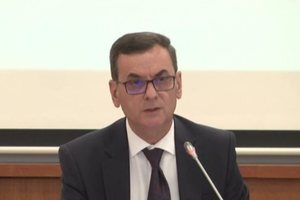
After revealing the property portfolio in Tirana, Kavaja, ...
Four months ago, on March 11, CNA sent an official letter ...
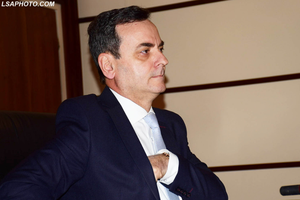
Sokol Sadushi, the president of the Supreme Court, is the ...

The Special Board of Appeal (KPA) decided this Monday ...

The KPA vetting decided this Thursday to dismiss the p...

Suela Salavaçi, a prosecutor in the Prosecutor's Offic...

The Special Board of Appeal reinstated the prosecutor ...
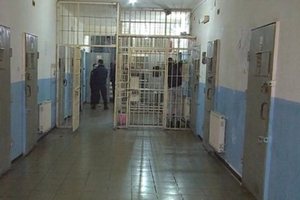
Two employees of the "Jordan Misja" Penitentiary Instituti...
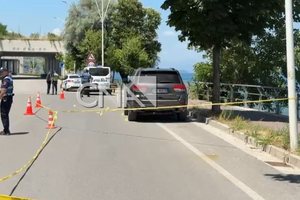
Është zbardhur ngjarja e ndodhur një ditë më parë në Pogra...
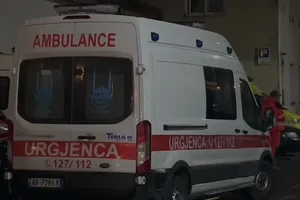
A serious incident occurred this Monday evening in the Shk...
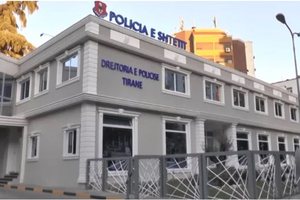
Tirana Police have announced that criminal proceedings hav...

Albania will be affected this Tuesday by relatively stable w...
On Monday, our country will be affected by stable weather ...
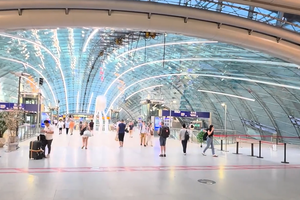
The heat wave that has swept across Europe is also causing...

The Director-General of the World Health Organization, Ted...
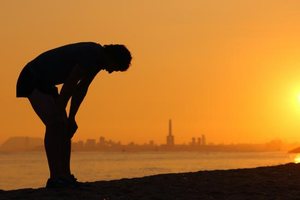
Europe is facing an unprecedented crisis due to heat waves...
Italian authorities have arrested four people suspected of...
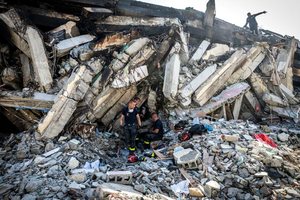
The twin earthquakes that struck Venezuela last Wednesday ...

A self-imposed exile in the United States has been sentenc...

During my research into the life and artistic photographic...

This year's edition of the Gjon Mili International Video A...

The promotion of the book by author Aleksandër Ikonomidhi ...

The Albanian Embassy in Switzerland has organized an eveni...

Dairy prices in our country have become so expensive in th...
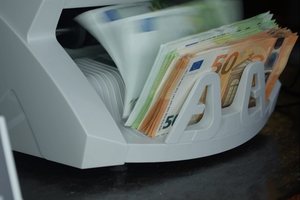
This Tuesday, one US dollar is bought for 81.8 lek and sol...
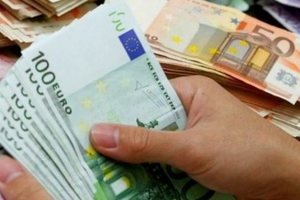
When citizens see that the euro drops a few points in a fe...

When talking about the euro exchange rate in Albania, it i...