

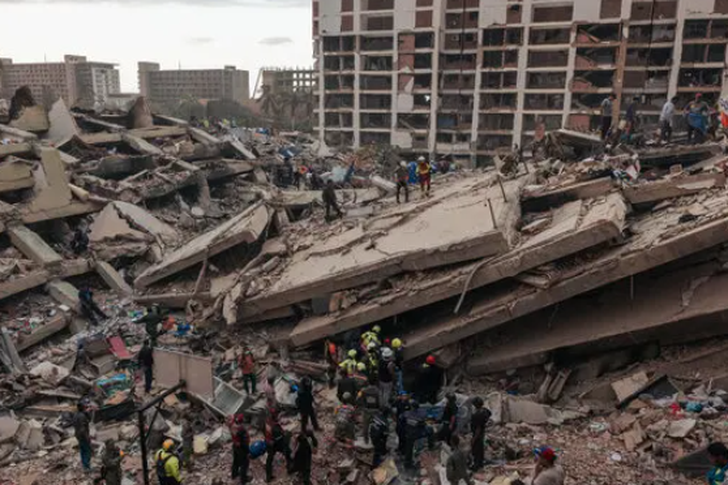
Panic in Venezuela/ Aftershocks continue
A strong aftershock shook Venezuela this Monday following ...


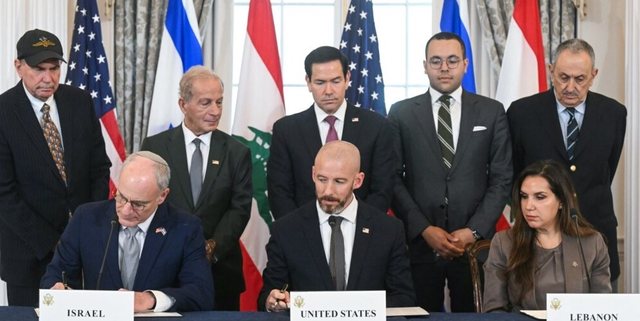
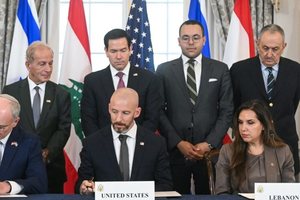
When the United States, Israel, and Lebanon signed a trilateral framework agreement in Washington, the reaction in Tehran was immediate – and across the political spectrum of Iranian state-affiliated media – and almost unanimously hostile.
The agreement, through which Lebanon commits to disarming Hezbollah as a precondition for the withdrawal of Israeli forces from southern Lebanon, was described as a "document of shame," a "strategic mistake" and "humiliating" by Iranian media, ranging from the state broadcaster to media outlets with close ties to the Islamic Revolutionary Guard Corps (IRGC).
The criticism had less to do with the very existence of the agreement and more with the ordering of its implementation points.
Every major media outlet focused on the same thing: that the Israeli withdrawal was conditional on Hezbollah disarming, and not the other way around – a formulation that Iranian commentators presented as evidence that the agreement was dictated by Israel and formally approved by the Lebanese government they described as “pro-Western” and “submissive.”
Hezbollah is a militant group and political party that controls most of southern Lebanon. It has been designated a terrorist organization by the United States, while the European Union has blacklisted only its armed wing.
What was largely missing from Iranian media coverage was serious treatment of the Lebanese government's position – that it has limited influence in a war where Israel has military superiority and unconditional US support.
The Lebanese government has sought to distance itself from Tehran, which has used Hezbollah's creation and funding in Lebanon to make it a strategic hub to project its regional power. But some in Iran said the Lebanese government may have gone too far in the opposite direction with this agreement.
The government-run Iran newspaper called it "the big gamble of Aoun and Salam," a formulation that places the blame squarely on Lebanese President Joseph Aoun and Prime Minister Nawaf Salam, rather than addressing Lebanon as a state.
The state news agency, IRNA, described the agreement as an “accommodative agreement,” and the reporting was filled with expressions of Iranian political discourse that carried harsh connotations of capitulation.
Hezbollah's rocket attacks on Israel on October 8, 2023, carried out in solidarity with Hamas' devastating attack the day before, sparked a year-long cross-border war that escalated with the assassination of top Hezbollah leaders, a ground invasion of southern Lebanon, and widespread destruction.
Hamas is a Palestinian group declared a terrorist organization by the US and the EU.
Izraeli ka pushtuar një pjesë të territorit në jug të Libanit gjatë luftimeve të reja me Hezbollahun që nisën më 2 mars, kur ky grup, që mbështetet nga Teherani, hapi zjarr ndaj Izraelit pasi Irani u godit nga sulmet ajrore të SHBA-së dhe Izraelit.
Zgjidhja e çështjes Liban-Izrael ka qenë në qendër të përpjekjeve diplomatike për t’i dhënë fund konfliktit më të gjerë mes Iranit dhe SHBA-së. Teherani ka ngulur këmbë vazhdimisht se një marrëveshje paqeje duhet të përfshijë edhe Libanin.
Uashingtoni, ndërkaq, ka ndihmuar në lehtësimin e dialogut mes Libanit dhe Izraelit edhe pse udhëheqja e Hezbollahut ka qenë kundër kësaj lëvizjeje.
Gazeta Jaam-e Jam e transmetuesit shtetëror iranian IRIB e paraqiti marrëveshjen si shkelje të ligjit libanez, duke iu referuar një statuti të vitit 1955 që ndalon negociatat e drejtpërdrejta me Izraelin.
Gazeta argumentoi se Bejruti kishte pranuar çarmatimin e Hezbollahut “kundër interesit kombëtar”, teksa forcat izraelite vazhdojnë të mbeten në territorin libanez, dhe shkoi më tej duke sugjeruar se Izraeli po e përdor procesin diplomatik për të arritur zgjerim territorial që nuk kishte arritur ta siguronte ushtarakisht që nga viti 2000 – referencë për tërheqjen e Izraelit nga jugu i Libanit po atë vit, pas 18 vjetësh okupim.
Agjencia e lajmeve Tasnim, e lidhur me IRGC-në, po ashtu tërhoqi paralele historike, duke thënë se kur Siria u përpoq të shfaqte një fytyrë më të moderuar ndaj Uashingtonit dhe Izraelit vitin e kaluar, aeroplanët izraelitë bombarduan pallatin presidencial në Damask dhe tanket izraelite avancuan në fshatra siriane për të mbrojtur pakicën fetare druze, pas disa ditësh dhune vdekjeprurëse sektare.
Mësimi i nxjerrë: Akomodimi dhe rezistenca prodhojnë të njëjtin rezultat nga Izraeli, prandaj Libani nuk duhet të presë ndonjë përfundim tjetër.
Tasnim publikoi gjithashtu deklaratën e sekretarit të Përgjithshëm të Hezbollahut, Naim Qassem, i cili e quajti marrëveshjen “të pavlefshme” dhe “poshtëruese”, dhe përmendi sërish kërkesën e tij që të zbatohet teksti i memorandumit të mirëkuptimit Iran-SHBA për Libanin – duke pretenduar drejtpërdrejt se korniza Iran-SHBA duhet të zëvendësojë atë që Uashingtoni ndërmjetësoi mes Izraelit dhe Libanit.
Në njoftimin për marrëveshjen trepalëshe më 26 qershor, sekretari amerikan i Shtetit, Marco Rubio, e quajti marrëveshjen “hap të parë” në proces, duke shtuar se “ka shumë punë përpara”.
“Ne në asnjë mënyrë nuk e nënvlerësojmë vështirësinë e detyrës që kemi përpara, por e kuptojmë rëndësinë e saj, sa jetike është”, tha Rubio.
Gazeta konservatore Agaah e pa marrëveshjen, siç pritej, në mënyrë krejt të ndryshme, duke e quajtur “dokument turpi”, ndërsa veçoi Aounin, ish-komandant ushtarak, duke e dënuar e duke argumentuar se një ushtarak kishte nënshkruar për dorëzimin e sovranitetit libanez.
The newspaper also warned that US funding to strengthen the Lebanese Armed Forces is designed to fuel internal conflict between the army and Hezbollah, predicting that any such clash would also include what it called "Syrian Takfiri" - a reference to the Government in Damascus, led by Ahmed al-Sharaa, as an additional destabilizing factor. /REL

A strong aftershock shook Venezuela this Monday following ...
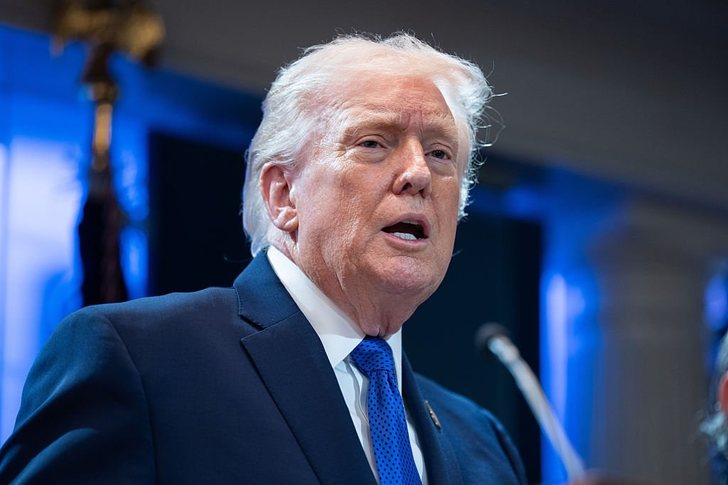
US President Donald Trump said today that Iran has request...

Five people have died after a shooting in Stade, northern ...
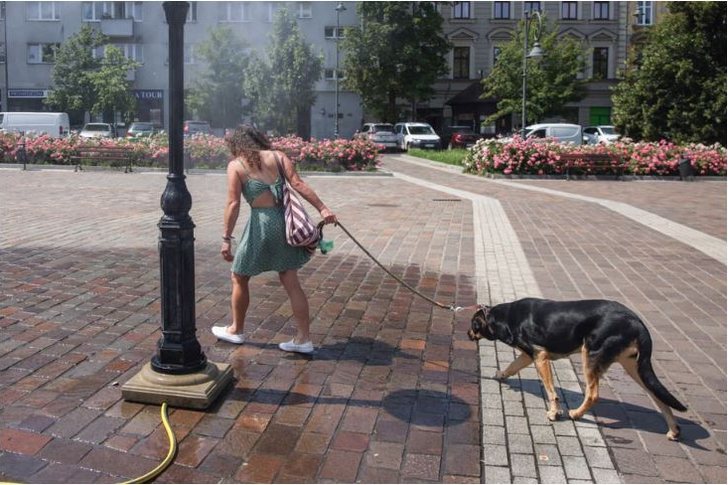
Germany, the Czech Republic, Poland and Hungary hit record...
The US and Iran have agreed to "stand down" after an excha...
Pakistan launched air strikes and sent ground troops into ...
The Israeli government officially recognized the massacres...
Pope Leo XIV today expressed his solidarity with the peopl...
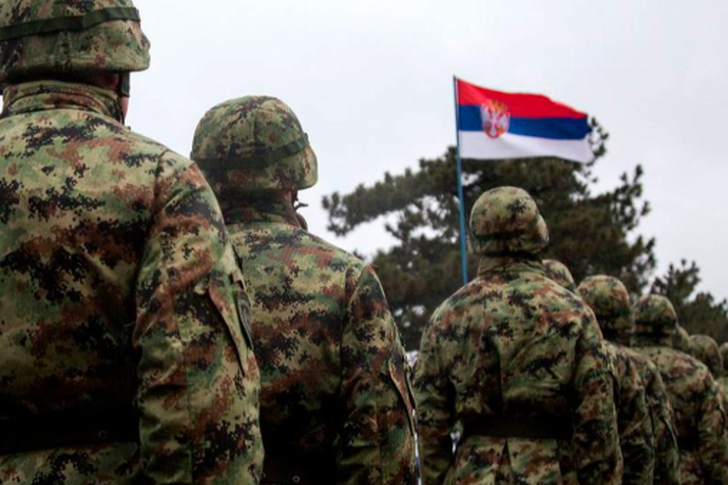
Serbian President Aleksandar Vučić announced today that co...

A 4.1 magnitude earthquake struck Algarve, Portugal's popu...
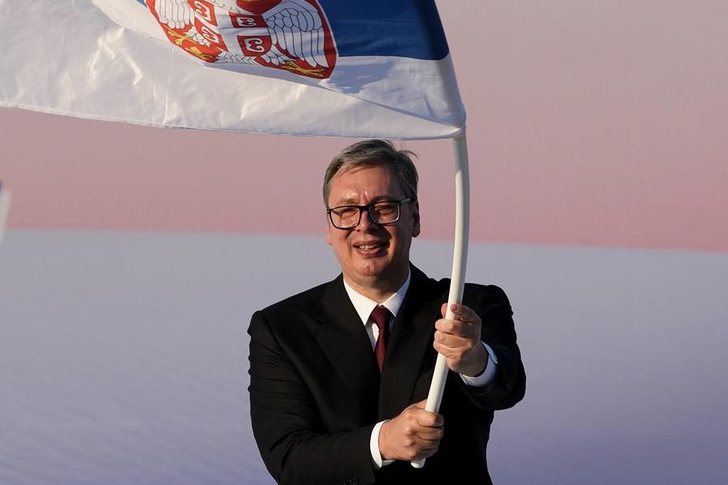
Tens of thousands of his supporters - some voluntarily, so...
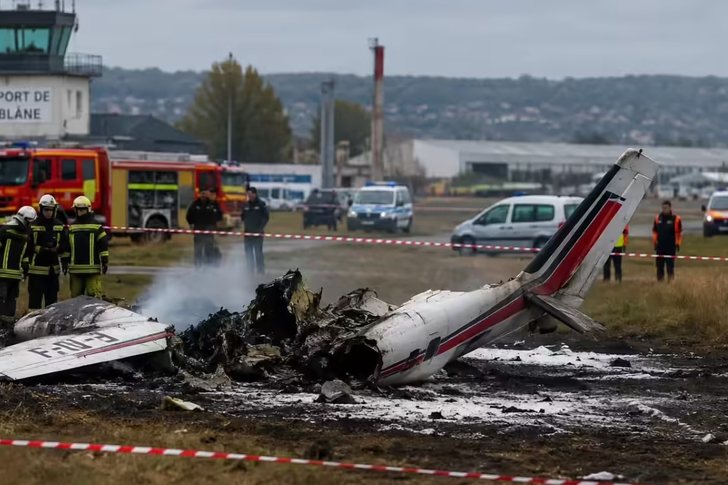
A civilian plane has crashed in the town of Tomblaine, in ...
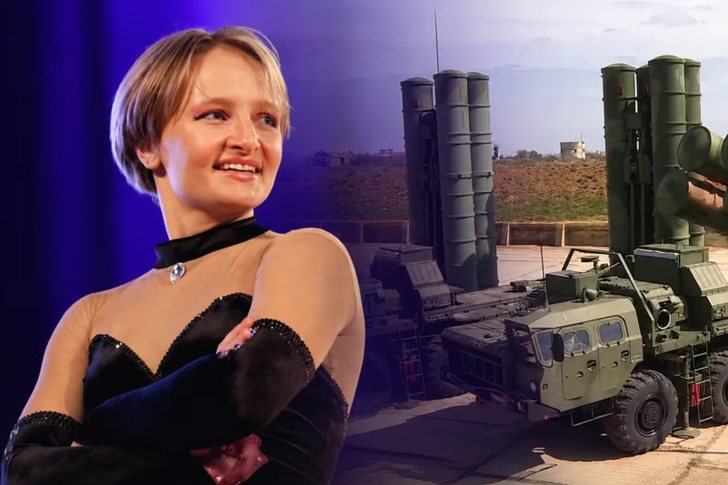
Moscow is building a new missile defense complex near a re...
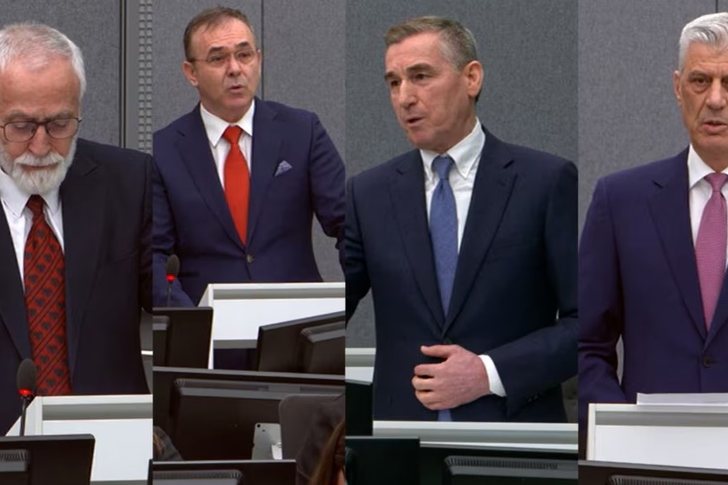
Për vite me radhë, lufta e Kosovës është rrëfyer përmes hi...
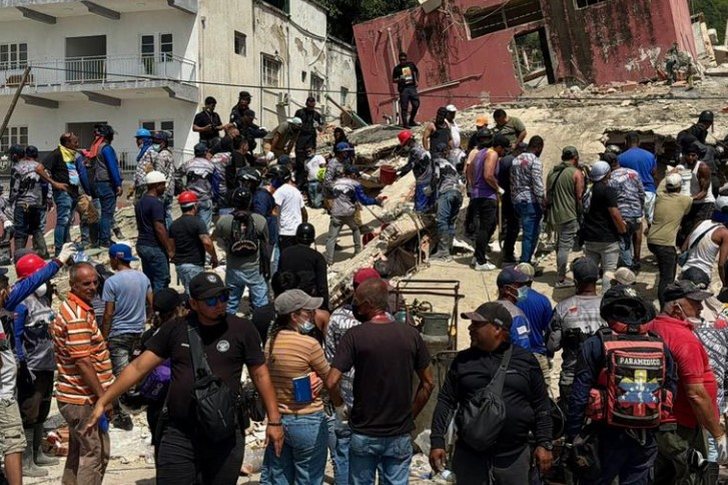
The United Nations estimates that up to 6.76 million peopl...

Shefi i kabinetit të presidentit argjentinas Javier Milei ...
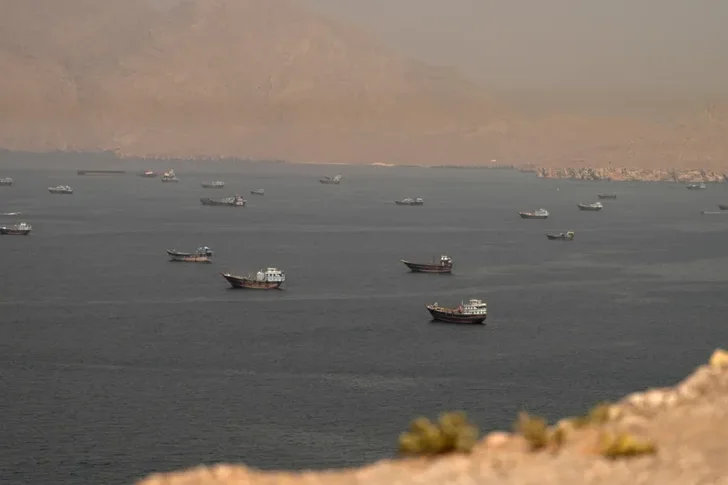
Tensions between the United States and Iran have escalated...
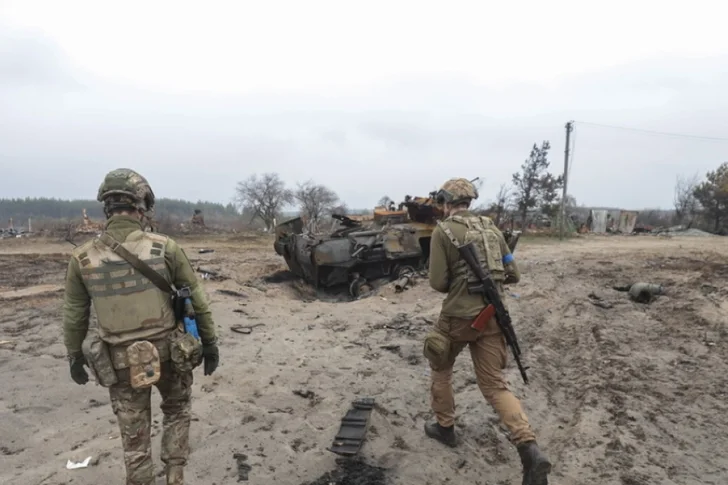
At least two people were injured in a Russian attack on Ki...
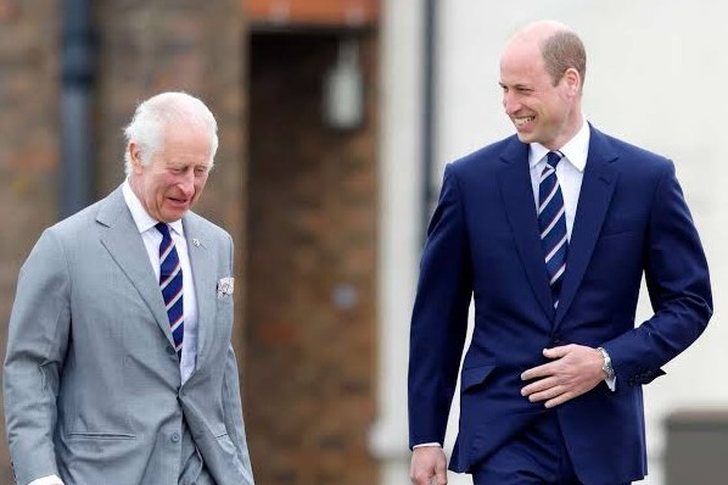
Prince William is now richer than his father, King Charles...
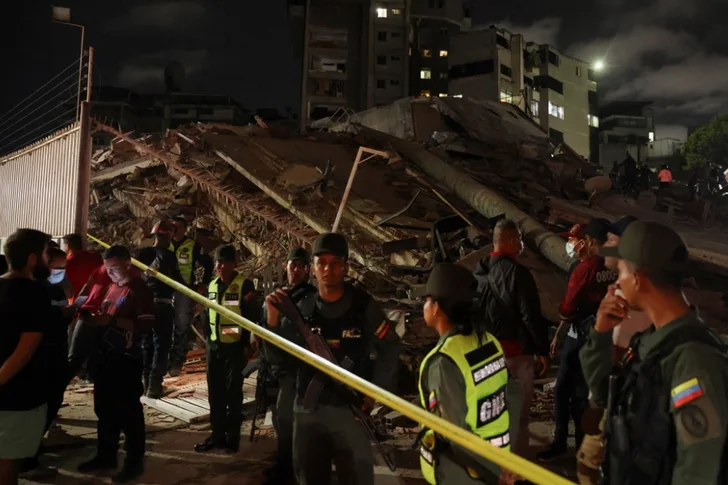
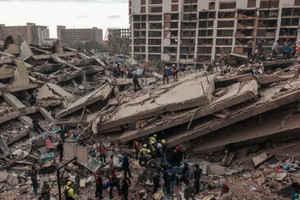
Venezuela is facing the tragic consequences of two powerfu...

After revealing the property portfolio in Tirana, Kavaja, ...

Four months ago, on March 11, CNA sent an official letter ...
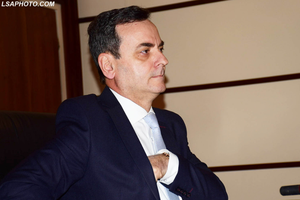
Sokol Sadushi, the president of the Supreme Court, is the ...

Journalist Elton Qyno has made a complaint regarding the w...

The Special Board of Appeal (KPA) decided this Monday ...

The KPA vetting decided this Thursday to dismiss the p...

Suela Salavaçi, a prosecutor in the Prosecutor's Offic...

The Special Board of Appeal reinstated the prosecutor ...

A serious incident occurred this Monday evening in the Shk...

Tirana Police have announced that criminal proceedings hav...
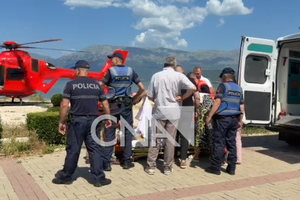
Citizen BS, who was wounded by gunfire this Monday in P...

The perpetrator of the injury of 35-year-old BS in Pograde...

Albania will be affected this Tuesday by relatively stable w...

On Monday, our country will be affected by stable weather ...

The heat wave that has swept across Europe is also causing...

The Director-General of the World Health Organization, Ted...

A self-imposed exile in the United States has been sentenc...

Right-wing candidate Keiko Fujimori has been officially de...
When the United States, Israel, and Lebanon signed a trila...
A strong aftershock shook Venezuela this Monday following ...

During my research into the life and artistic photographic...

This year's edition of the Gjon Mili International Video A...

The promotion of the book by author Aleksandër Ikonomidhi ...

The Albanian Embassy in Switzerland has organized an eveni...

Dairy prices in our country have become so expensive in th...

This Tuesday, one US dollar is bought for 81.8 lek and sol...
When citizens see that the euro drops a few points in a fe...

When talking about the euro exchange rate in Albania, it i...