

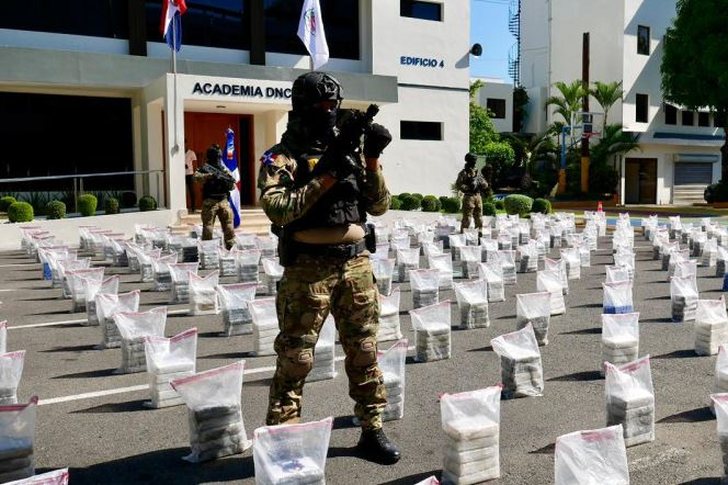
1.6 tons of cocaine seized in Dominican Republic/ Exchange of fire between authorities and traffickers
Agents of the National Drug Control Directorate in the Dom...



Currently, many countries are trying to restrict minors' access to social media, including New Zealand, Malaysia, France, Spain, Norway, Slovenia, and the United Kingdom. Such an approach is also being considered in Germany.
Australia was the first country in the world to ban social media for users under the age of 16 by the end of 2025. Indonesia has also had an age limit in place since the end of March.
The goal is always to protect children and young people. This seems logical, because screen time is a topic of debate in many families and is often too long. According to a 2025 study by the Organization for Economic Co-operation and Development (OECD), at least 50 percent of 15-year-olds in OECD countries spend at least 30 hours a week on digital devices.
The question remains: are age restrictions a good way to prevent negative consequences associated with social networks?
Requests for prohibitions can be (mis)used
Psychologist and neuroscientist Christian Montag believes the debate is oversimplified. "When new technologies emerge, a kind of moral panic quickly emerges. There's no denying that there's real concern among politicians, but by calling for social media bans, a politician can present themselves relatively easily to the public without having to do much," says Montag.
Nina Kolek, professor of education and socialization theory at the University of Potsdam, also views the debate with some skepticism: "Apart from the fact that the example from Australia shows that it is not so simple to implement an age restriction, we are not solving the serious problems of social media, but only moving the age of access to networks a little."
On the one hand, these problems lie in algorithms and personalized features like push notifications and endless scrolling, which encourage users to spend as much time as possible on the platforms and have a high potential for addiction, Kolek explains. She also adds that on the other hand, people come into contact with problematic content there - for example, that glorifies violence or is of a sexual nature.
It is true that digital media allows children and young people to stay informed, play and connect with others, but according to the OECD, there are indications that excessive or problematic use can have negative consequences. These include aspects of physical health, such as sleep problems and lack of exercise, as well as aspects of mental health, such as reduced direct social contact, depression or online bullying.
Megjithatë, sipas Christian Montag, shpesh është e vështirë të përcaktohet efekti i rrjeteve sociale në izolim, pasi shumë faktorë të tjerë luajnë gjithashtu një rol, siç janë mjedisi dhe faktorët gjenetikë. Eksperti thekson se lidhja midis përdorimit të zgjatur ose varësisë së telefonave inteligjentë dhe notave më të dobëta në shkollë është relativisht e vendosur mirë - siç është edhe lidhja me pakënaqësinë më të madhe me trupin e vet.
Të rriturit gjithashtu kanë vështirësi
Fëmijët dhe të rinjtë janë veçanërisht të prekshëm ndaj të gjitha këtyre pasojave negative, thotë Montag, e cila jep mësim në Universitetin e Makaos në Kinë. "Pjekuria e trurit të njeriut zgjat një kohë relativisht të gjatë. Ne vlerësojmë se mund të zgjasë deri në moshën 20 vjeç, ndoshta edhe deri në mesin e të njëzetave, derisa të piqet korteksi paraballor", shpjegon neurologja. "Kjo e bën më të vështirë për të miturit të rregullojnë veten, ose të lënë telefonat e tyre, sesa për të rriturit."
Por kjo nuk funksionon mirë as për të rriturit. Dhe shumë njerëz mbi 20 ose 25 vjeç përballen me pasojat e përshkruara më sipër. Sipas shumë ekspertëve, debati duhet të jetë më i gjerë. Ata i shohin kufizimet e moshës si vetëm një nga shumë masat e nevojshme - Kolek madje thotë se është "një debat sipërfaqësor që shpërqendron vëmendjen nga instrumentet vërtet efektive".
Shumë elementë të mirë
Dhe këto instrumente shtesë efektive, sipas saj, janë tashmë në Aktin e Shërbimeve Digjitale (DSA). DSA është një sërë rregullash në të gjithë BE-në mbi shërbimet digjitale dhe i detyron, mbi të gjitha, platformat e mëdha të internetit dhe motorët e kërkimit të ofrojnë mbrojtje më të madhe për përdoruesit. TikTok, Instagram dhe të tjerët duhet të vlerësojnë dhe zbusin rreziqet sistematike në përputhje me rrethanat dhe të jenë transparentë në lidhje me algoritmet e tyre.
Sipas DSA-së, ata gjithashtu duhet t'u japin shkencëtarëve të pavarur qasje në të dhënat e tyre në mënyrë që ata të mund të hetojnë se si elementë të caktuar ndikojnë te përdoruesit. Sipas psikologut, ky ka qenë një problem i madh deri më tani: "Për vite me radhë, ne kemi kryer kërkime sikur të na ishin duart e lidhura pas shpine. Dhe pavarësisht futjes së DSA-së, qasja është ende plotësisht e pamjaftueshme."
Në fusha të tjera, DSA nuk po zbatohet në mënyrë efektive. Donald Trump, është përpjekur vazhdimisht të parandalojë gjobat kundër korporatave digjitale amerikane, duke kërcënuar me tarifa në këmbim. Dhe DSA në fund të fundit zbatohet vetëm për vendet evropiane.
Vetë modeli i biznesit është problematik
In the fight against the negative consequences of social networks, it is possible to introduce levels of restrictions, as well as changes to design elements for young people. According to Montag, on the Chinese version of TikTok, Douyin, movement for people under 14 is limited to 40 minutes, after which there is simply no more new content. TikTok itself already has time restrictions, but they are much easier to bypass.
For children under 13, theoretically after 60 minutes, a parent or guardian would have to enter a code. From the age of 13, youngsters would have to enter their own code to continue watching. This, of course, only works if they haven't presented themselves as older. But this is probably widespread at the moment, as opening an account is often based solely on entering a date of birth.
In fact, according to Montag, platforms need to be designed differently — especially for minors, but also for adults. "Is a data-driven business model that spies on users and maximizes time spent online inherently unhealthy? Yes. We don't have to wait for more studies on mental health issues to see that."
In addition to discussions about age restrictions and measures to strengthen media literacy across society, platforms should be put under pressure and strictly regulated, Montag believes.
He notes: "Social networks operating differently would also mean they need to be financed differently - if not by collecting more data, then, for example, through a subscription model."
"And if platforms are no longer built to keep users in front of the screen for as long as possible, they will become more boring along the way," Montag concludes. /DW

Agents of the National Drug Control Directorate in the Dom...
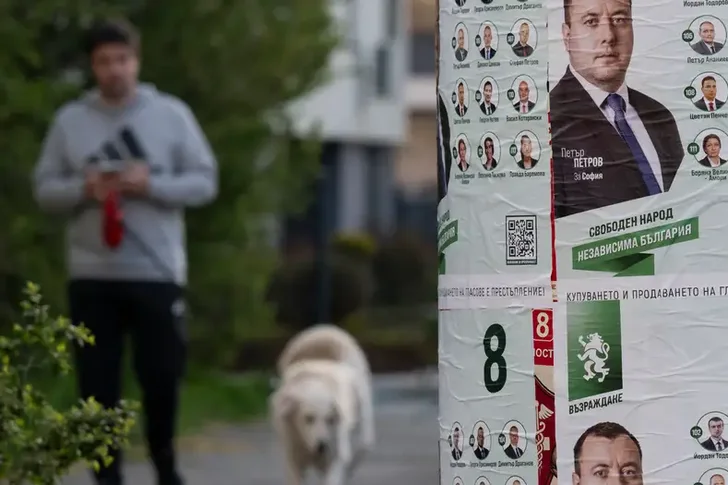
Bulgarian citizens will head to the ballot boxes today in ...
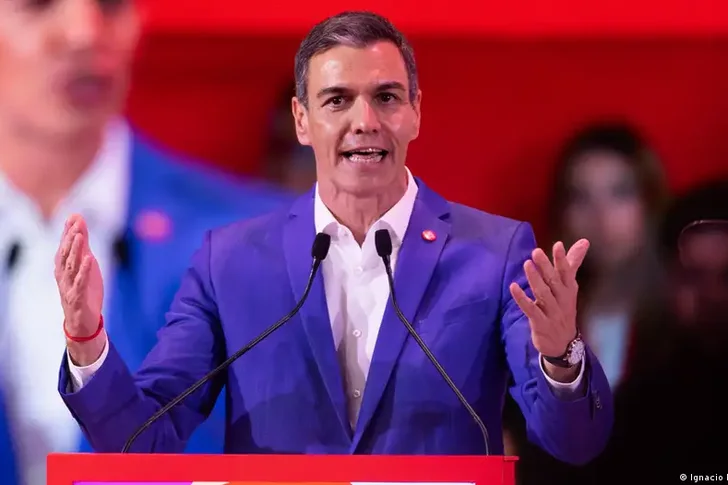
Spain, Brazil and Mexico have pledged to step up aid effor...

The Strait of Hormuz has been closed again by Iran. Accord...

Kosovo Prime Minister Albin Kurti has shared footage from ...

The "In Defense of Democracy" summit was held in Barcelona...

Iran's Revolutionary Guards have announced in a statement ...

Pope Leo XIV spoke today about his "replies" with US Presi...
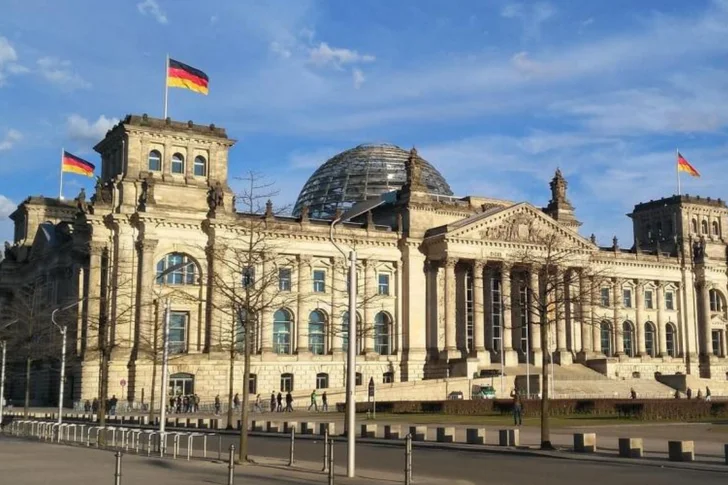
Germany has condemned an attack on a UN peacekeeping missi...

Weapons have been found in two locations in the munici...

A shooting attack occurred today in Kiev. A gunman ope...
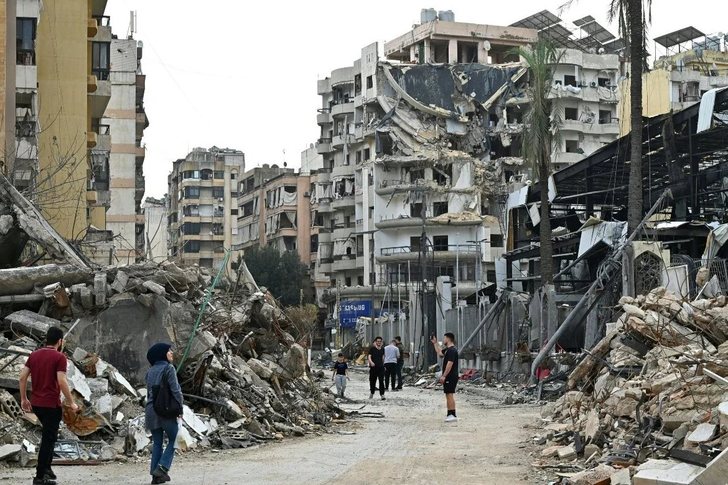
Iran's Supreme National Security Council has stated that t...
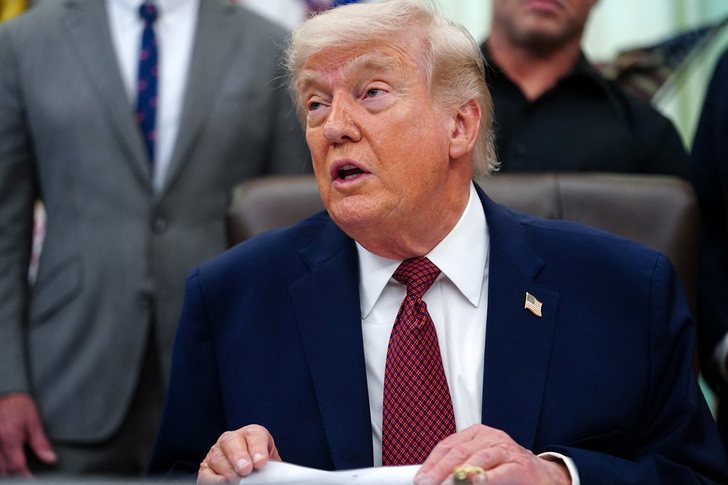
US President Donald Trump told the media today from the Ov...
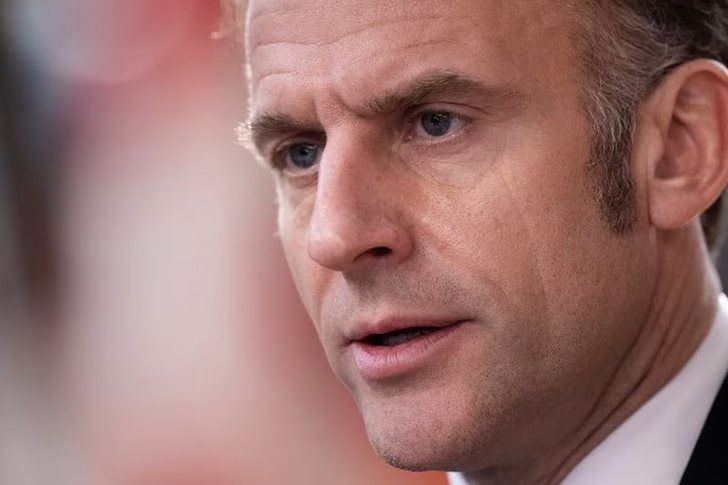
French President Emmanuel Macron has said that a French so...

Iranian media has published the latest message from Iran's...
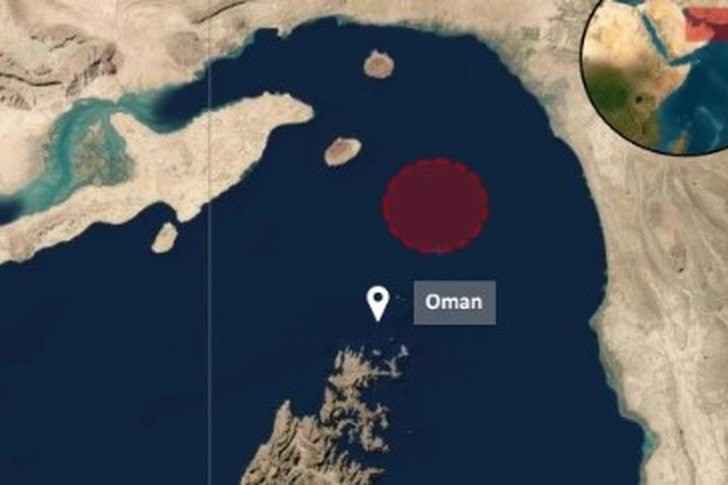
A tanker in the Strait of Hormuz says it was shot down by ...

The situation in the Middle East took a dramatic turn this...

The Strait of Hormuz, a key point for global oil trade, is...

Safe passage through the Strait of Hormuz was demanded by ...
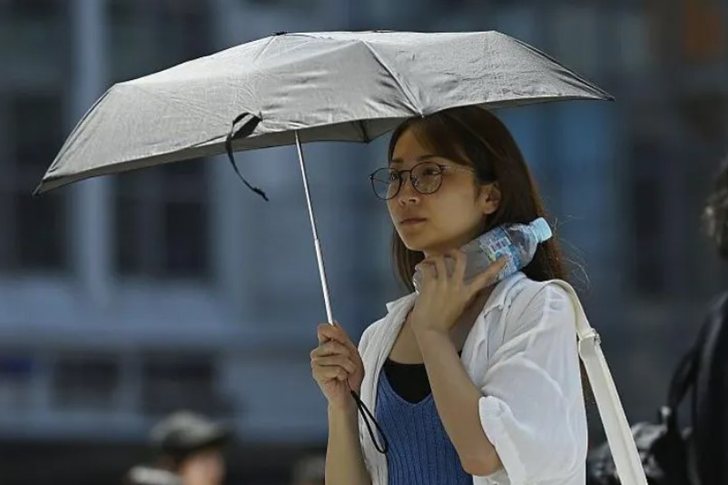
The Japan Meteorological Agency has introduced a new term ...

Irfan Hysenbelliu claims to be a big businessman, an hones...

The murder of officer Enea Mekolli in the line of duty has...

The next case broadcast on the show "Stop", this Thursday,...

The case published this Thursday, June 4, on the show "Sto...

The Special Board of Appeal (KPA) decided this Monday ...

The KPA vetting decided this Thursday to dismiss the p...

Suela Salavaçi, a prosecutor in the Prosecutor's Offic...

The Special Board of Appeal reinstated the prosecutor ...

A road accident has been reported on the Fier-Levan axis, ...

An accident was recorded a few minutes ago on the Pogradec...

Following the cooperation of Interpol Tirana with Interpol...

An accident occurred this Saturday morning at Shkëmbi i Ka...

Albanians are officially the hardest working people in Eur...

This Saturday will be characterized by mostly clear weathe...
Today our country will be affected by stable weather condi...

For many children and teenagers, the long summer holidays ...

The military advisor to Iran's supreme leader, Mohsen Reza...

US Defense Secretary Pete Hegseth declared that Europe is ...

A federal judge in Rhode Island struck down a Trump admini...

Thousands of Kosovo citizens living abroad are voting phys...

Korça is ready to open the summer season with one of the c...

Two years after his passing, the renowned Korçë poet Skënd...

The Ethnographic Museum of Berat has opened its doors to v...

The story of Harilla Bakalli is one of the most chilling t...

The Transparency Board, in today's meeting, decided to red...

This Saturday, one US dollar is bought for 81.4 lek and so...

Despite years of efforts at regional cooperation and free ...
Albania is the country with the highest level of severe ma...