


Murder of the officer/ Enea Mekolli's uncle raises accusations: They were without any kind of protection
The uncle of the murdered officer, Enea Mekolli, Hazbi Mek...

The uncle of the murdered officer, Enea Mekolli, Hazbi Mek...

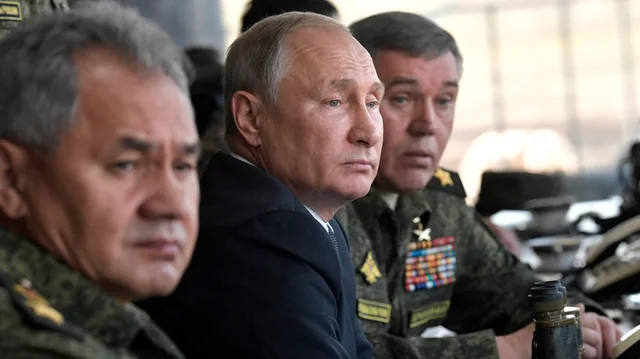
As the war in Ukraine continues unabated, Russian President Vladimir Putin's recent statements about a possible "end" of the conflict have raised new questions about the Kremlin's true intentions.
Although Russia continues to maintain a hard line in the negotiations, a series of military, economic, and geopolitical developments appear to be influencing Moscow's strategy.
According to an analysis by The Guardian, behind the Russian president's new rhetoric lie five main factors that are gradually changing the face of the war.
1. Russia is losing its momentum on the battlefield
After the failed Ukrainian counteroffensive in the summer of 2023, Russia had managed to gradually advance into Ukrainian territory. Although the Russian offensives were characterized as slow, exhausting, and particularly costly in terms of human losses, there was a sense that Ukraine was slowly but surely losing. This now appears to be changing.
The recapture of Kupyansk by Ukrainian forces in December surprised even Western military analysts, while restrictions on the use of Starlink and Telegram by Russian forces appear to have affected their coordination in the field of operations, allowing Ukraine to retake territory in Zaporizhzhia.
In April, according to the Institute for the Study of War, Russia lost clean territory for the first time since August 2024, when Ukraine launched a surprise operation in the Kursk region. At the same time, Russian advances in the previous months have been limited, reinforcing the assessment that a slow but sure Russian victory is no longer guaranteed.
2. Russian casualties may be outnumbering new recruits
Meanwhile, Ukraine claims to have killed or wounded more Russian soldiers than Moscow has recruited in the past five months. Although the figures are difficult to independently verify, Kiev bases its estimates on material from the conflict zone. According to Ukrainian reports, about 35,000 Russian soldiers were killed or wounded in March and April alone, mostly by drone strikes.
At the same time, conscription levels in Russia appear to have fallen. Economist Janis N. Kluge, citing data from regional budgets, estimates that new conscripts are between 24,000 and 30,000 per month. There is also no indication that Putin wants to proceed with a new wave of general mobilization, after the strong social backlash caused by the 2022 mobilization.
3. Attacks on refineries threaten Russian oil revenues
A third reason for Putin's new rhetoric is that the Russian economy had been slowing since early 2026, but rising oil prices due to the Middle East crisis have given Moscow a temporary economic reprieve.
According to the Kiev School of Economics, Russian oil export revenues reached $19 billion in March, almost double the amount in February.
However, recent Ukrainian drone and missile attacks on Russian oil refineries and terminals in the Baltics have significantly reduced oil exports. Analysts estimate that if international oil prices fall in the near future, the pressure on the Russian economy could increase significantly.
4. Ukraine is developing into a drone and missile technology powerhouse
At the beginning of the Russian invasion, Ukraine was heavily dependent on Western military equipment and aid, with high hopes placed on F-16 fighter jets and American Patriot systems.
But it gradually became clear that Western supplies were dwindling, pushing Kiev to invest more in its own technology and production. Ukrainian attacks deep inside Russian territory, even hundreds of kilometers from the front, are seen as evidence of this new operational capability.
At the same time, Ukraine claims that its new drone interceptor systems have significantly increased the effectiveness of its air defenses, limiting the possibilities of Russian attacks.
5. Putin may be looking to regain the White House's interest
Ultimately, the main Russian effort recently has been diplomatic. Moscow believes it can convince Donald Trump to pressure Volodymyr Zelensky to accept territorial concessions in Donetsk, thus compensating for the stalemate on the battlefield.
Despite statements about a possible end to the war, however, there are no signs that Russia has abandoned its basic demands, the publication reports. Close Kremlin associates continue to state that any peace talks presuppose Ukraine's withdrawal from Donetsk.
The Guardian believes that Putin may be trying, through softer rhetoric, to bring Ukraine back to the center of American politics, at a time when Washington's attention has largely turned to the crisis with Iran. / The Guardian

All good things take time, as the Eastern proverb says. Af...
Scientists warn that the world could face one of the most ...
Pressure on British Prime Minister Keir Starmer increased ...
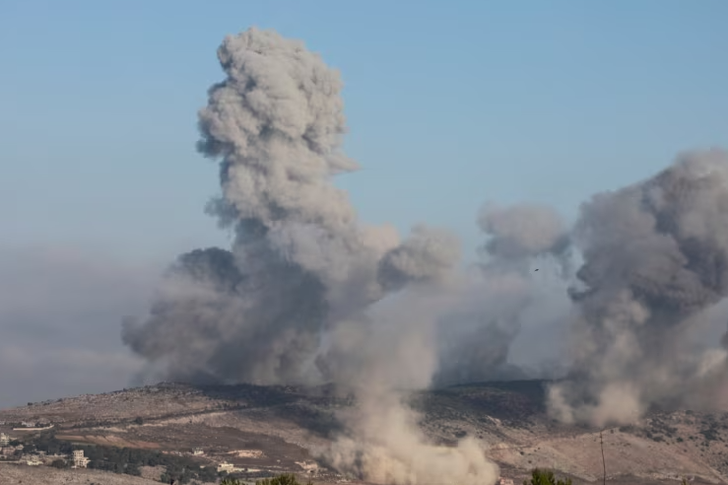
Israel built a secret military facility in the Iraqi deser...
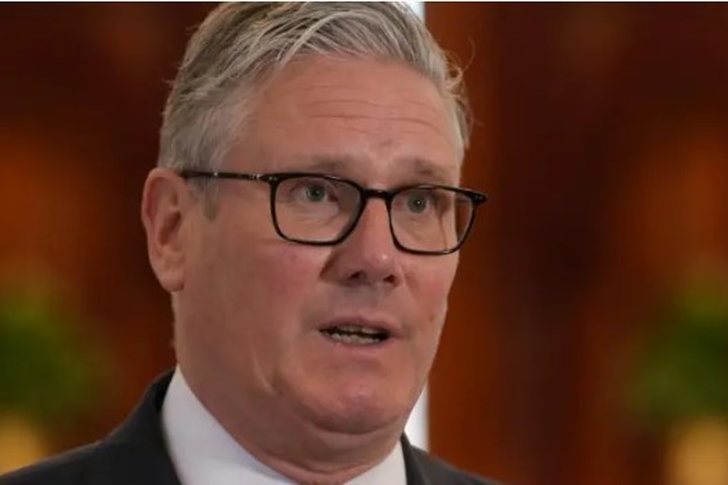
After heavy losses for the Labour Party in the UK-wide ele...
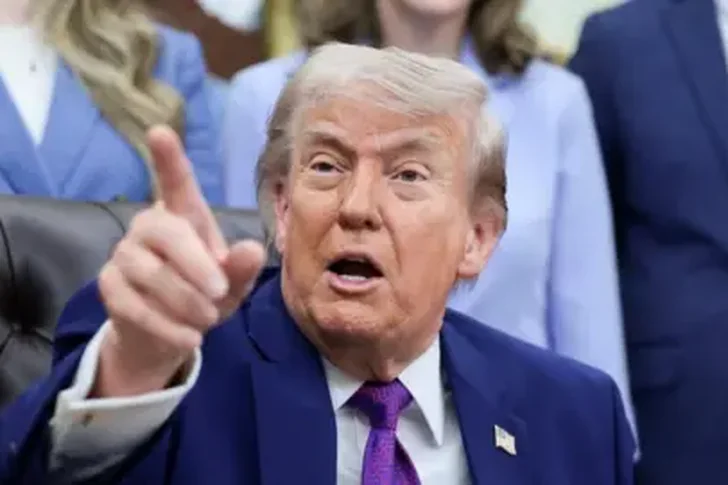
Presidenti i SHBA-së, Donald Trump, ka thënë se armëpushim...
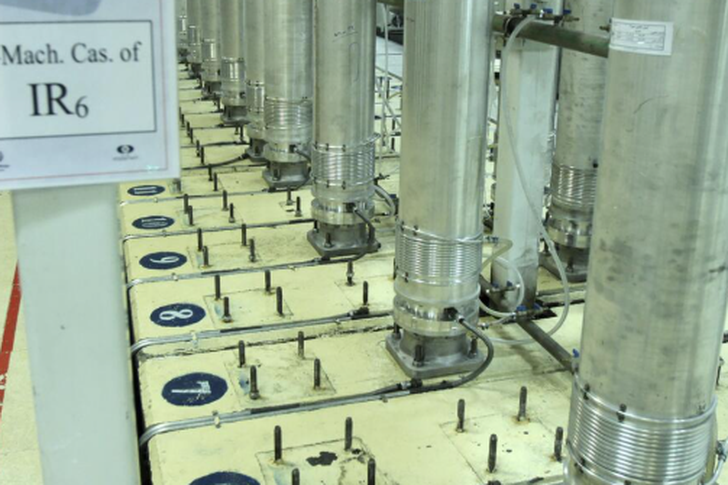
The head of the Atomic Energy Organization of Iran (AEOI) ...
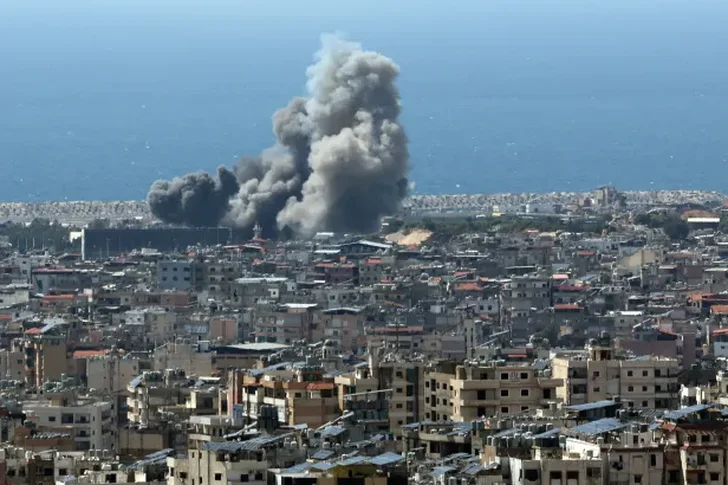
Hezbollah said it launched three attacks on Israeli forces...
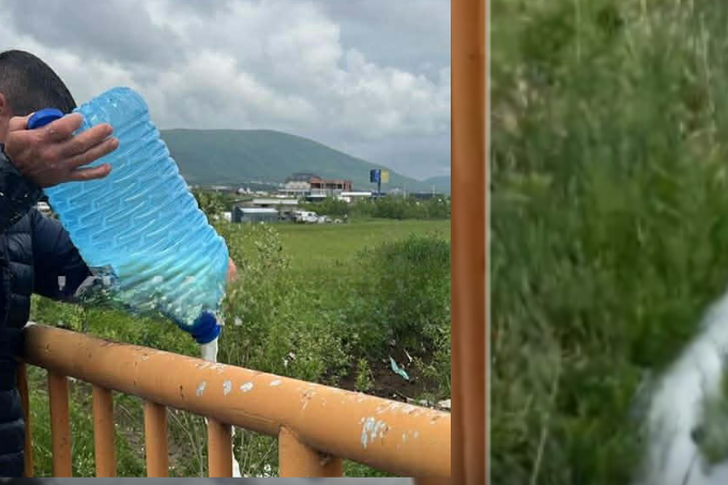
Over 100 farmers have protested by throwing their milk int...
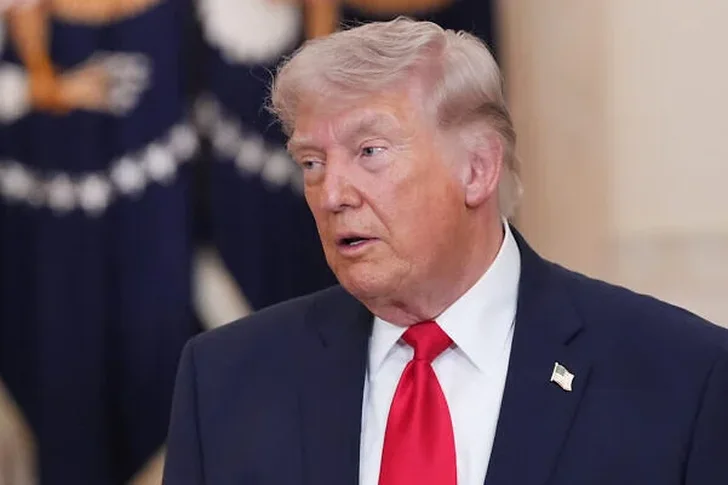
US President Donald Trump said he will discuss US arms sal...
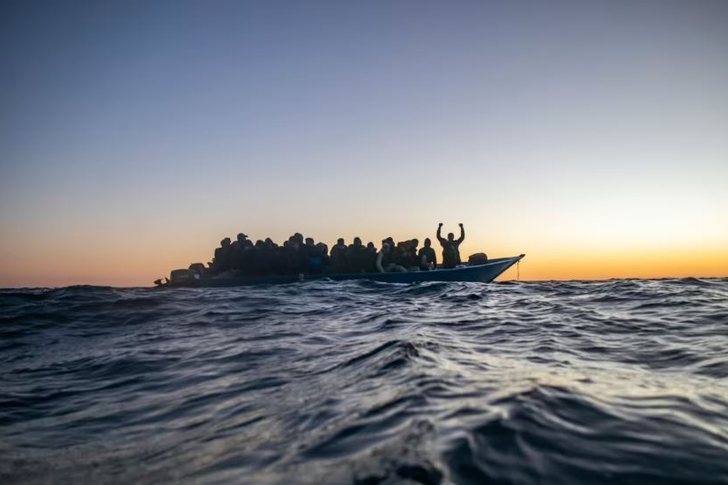
A patrol ship from the EU border agency, Frontex, rescued ...
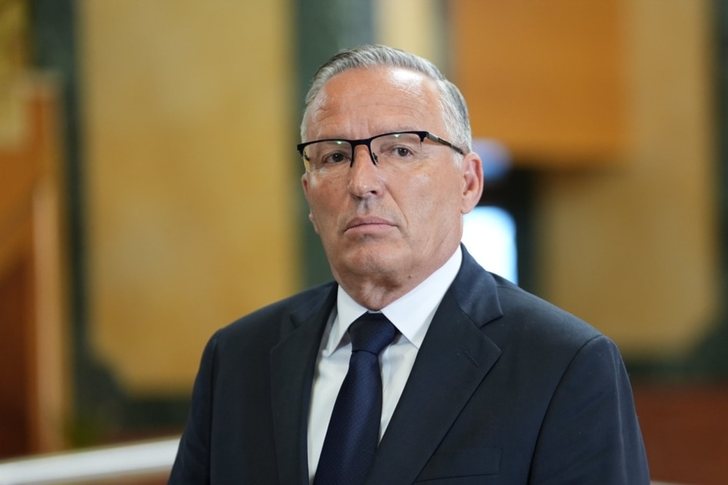
The leader of the Democratic Party of Kosovo, Bedri Hamza,...
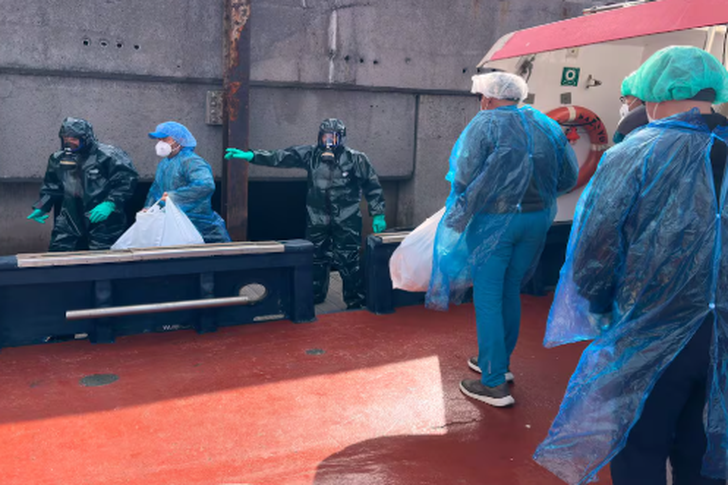
The operation in Tenerife to manage the evacuation of pass...
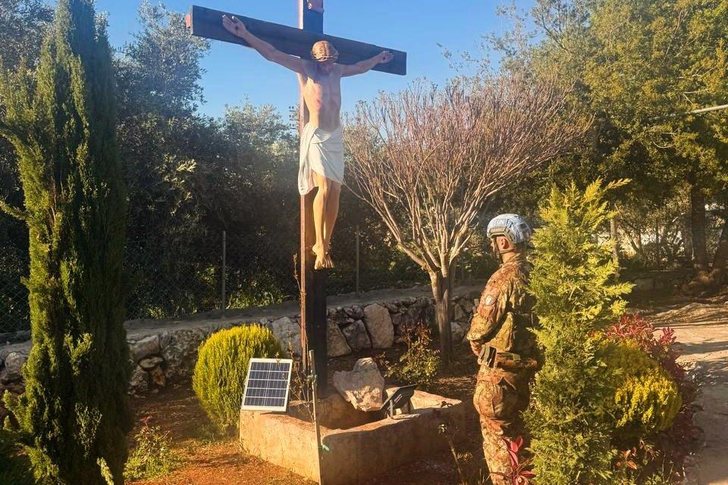
Two soldiers photographed desecrating a Christian statue i...
The European Union has announced it will impose sanctions ...
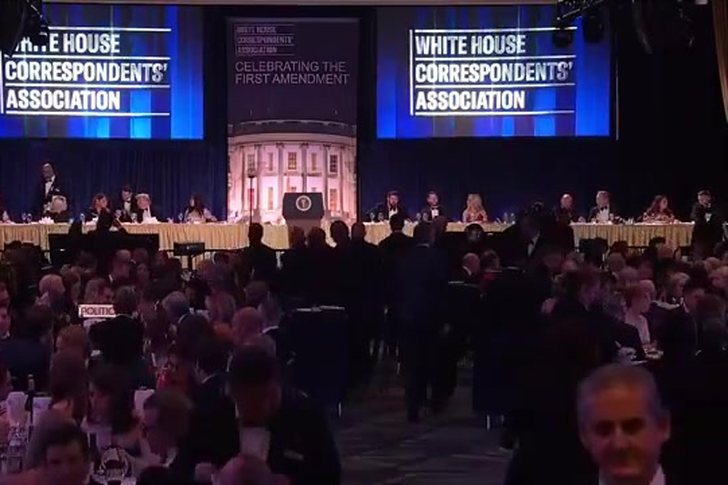
A man accused of attacking the White House Correspondents'...
Kosovo's acting Minister of Foreign Affairs and Diaspora, ...
An American and a Frenchman who returned to their home cou...
Iran's latest proposal to end the US-Israel war was "reaso...
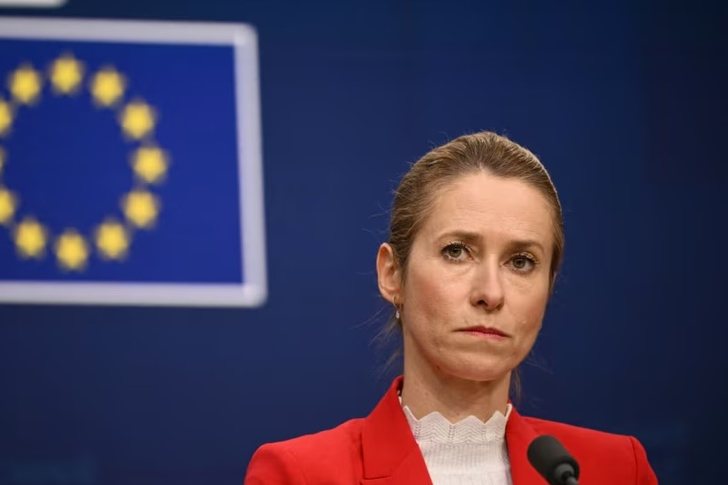
The European Union's High Representative for Foreign Affai...

The murder of officer Enea Mekolli in the line of duty has...

The next case broadcast on the show "Stop", this Thursday,...
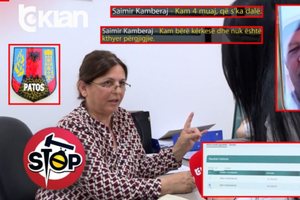
The case published this Thursday, June 4, on the show "Sto...

The protests of recent days related to the situation in Zv...

The Special Board of Appeal (KPA) decided this Monday ...

The KPA vetting decided this Thursday to dismiss the p...

Suela Salavaçi, a prosecutor in the Prosecutor's Offic...

The Special Board of Appeal reinstated the prosecutor ...

A money changer in Durrës lost 60 thousand euros after bei...
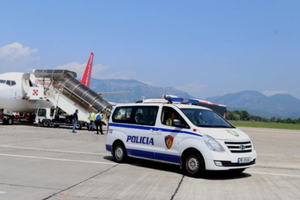
The 6 citizens captured in Dubai, members of criminal grou...

A serious accident occurred on the Kardhiq-Delvinë axis, i...

Authorities have conducted a large-scale anti-drug operati...

Today our country will be affected by stable weather condi...

For many children and teenagers, the long summer holidays ...

Albania is facing an unprecedented demographic transition,...

On Thursday, our country will be affected by unstable weat...
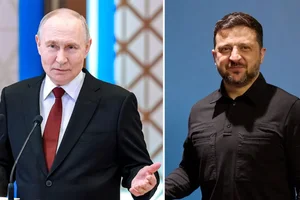
Russian President Vladimir Putin said the war in Ukraine c...
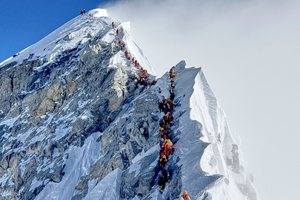
An extraordinary story of survival has been recorded in Ne...
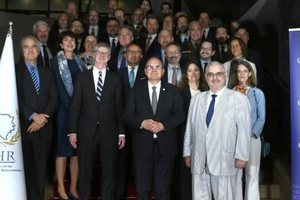
The Peace Implementation Council in Bosnia and Herzegovina...
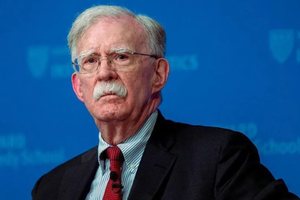
John Bolton, the former national security adviser to US Pr...

Korça is ready to open the summer season with one of the c...

Two years after his passing, the renowned Korçë poet Skënd...

The Ethnographic Museum of Berat has opened its doors to v...
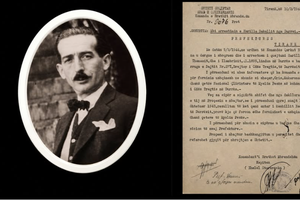
The story of Harilla Bakalli is one of the most chilling t...

Despite years of efforts at regional cooperation and free ...

Albania is the country with the highest level of severe ma...

This Friday, one US dollar is bought for 81.3 lek and sold...
The government aims to transform the country's industrial ...