


Murder of the officer/ Enea Mekolli's uncle raises accusations: They were without any kind of protection
The uncle of the murdered officer, Enea Mekolli, Hazbi Mek...

The uncle of the murdered officer, Enea Mekolli, Hazbi Mek...

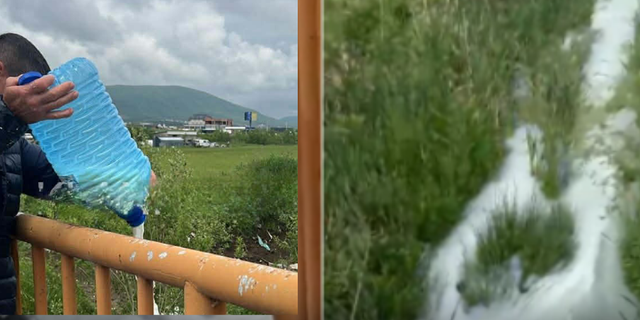
Over 100 farmers have protested by throwing their milk into the river, after according to them, the collection companies have reduced the price of their milk. Institutions and political figures have also reacted to the situation, while the Ministry of Agriculture has warned that the dairy sector is facing worrying developments in the market.
Over the weekend, Kosovo farmers poured milk into the canal, in a sign of dissatisfaction with the reduction in the purchase price from collection points. According to them, the price of milk has been reduced from 48 cents to 27-30 cents per liter.
Farmers are demanding immediate measures to stabilize prices and greater support for the livestock sector, warning that the situation could worsen if no intervention is made.
The President of the Kosovo Milk Producers Association, Naser Bajraktari, in a statement to the media, described the situation as alarming.
According to him, about 30 percent of the milk produced in the country is not purchased by processing companies, while daily production exceeds 200 thousand liters.
The Dairy Industry Association, on the other hand, says that processing companies are facing unsold stocks and heavy pressure from imports.
Gani Durmishi from this association emphasizes that the main challenge is foreign competition.
"Other countries subsidize their producers and they enter the market at lower prices. The consumer does not look at the origin, but at the price."
The acting Minister of Agriculture, Forestry and Rural Development, Armend Muja, has stated that the dairy sector in Kosovo is facing external pressures and worrying developments in the dairy products market.
In a press conference, Muja said that institutions have identified trends for replacing animal fats with vegetable fats and the use of powdered milk in production.
"The dairy sector is facing external pressures. Usually the tendency is to change the fat composition, animal fat with vegetable fat. What was previously extracted from milk to produce animal fat, there is a tendency for it to be replaced with vegetable fat, with palm oil and with powdered milk."
According to him, what was previously extracted from milk to produce animal fat is increasingly being replaced with palm oil and powdered milk.
Muja emphasized that institutional data shows an increase in the import of powdered milk, linking this to the decline in purchasing power of local farmers.
Protesting farmers have stated that the price of milk has decreased from 48 cents to around 27 to 30 cents per liter, a situation that they say is making it difficult for local production to survive.
However, Muja rejected claims that the price drop is directly related to imports, saying that the price of imported milk has increased in recent months.
He added that institutional analyses show that in November 2024 there was a coordinated reduction in the price paid to farmers per liter of milk.
"What we found is that the farm gate price per liter was a turning point in November 2024, when I believe there was a coordinated reduction in the price paid to farmers."
According to Muja, although farmers are being paid less, consumers have not benefited from lower market prices. He said the cost burden has fallen on farmers, while the profit margin has shifted to milk processors and supermarkets.
Former LDK MP, Hykmete Bajrami, has reacted to the acting Minister of Agriculture, Armend Muja, after his statements regarding the crisis in the dairy sector.
Bajrami said that the agricultural sector is not helped with declarations, but with concrete support measures from the Government.
"There is no lecture that helps the agricultural sector. The government should subsidize milk, the entire chain: the farmer, the processor and the trader, to the extent that local milk becomes competitive in the market compared to imported milk."
Daut Haradinaj also reacted to this situation, calling the spillage of milk unacceptable and criticizing the lack of institutional support for local producers.
He emphasized that at a time when farmers are facing difficulties, the state's priorities are not reflecting their needs.
Dairy products such as cheese, yogurt, sour cream, cream cheese and cottage cheese remain among the most consumed in Kosovo.
According to the Green Report of the Ministry of Agriculture, in 2024, per capita consumption of these products reached about 228 kilograms per year, or an average of about 600 grams per day.
Kosovo Customs data show that last year alone, over 20 million euros of milk and over 26 million euros of various cheeses were imported./monitor.al


US President Donald Trump said he will discuss US arms sal...

A patrol ship from the EU border agency, Frontex, rescued ...
The leader of the Democratic Party of Kosovo, Bedri Hamza,...
The operation in Tenerife to manage the evacuation of pass...
Two soldiers photographed desecrating a Christian statue i...
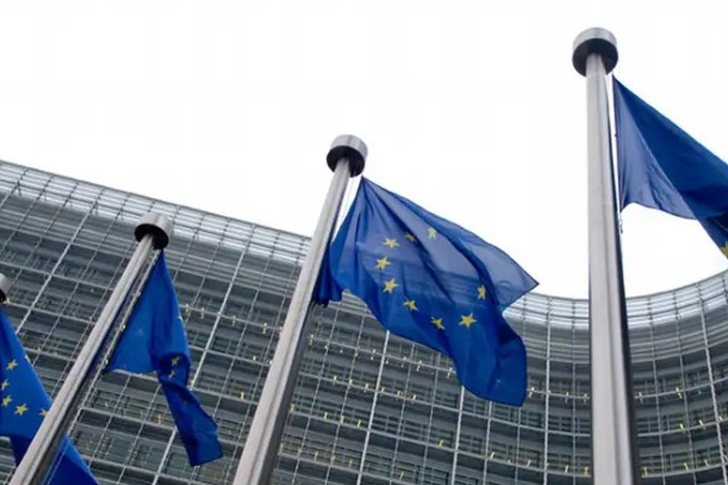
The European Union has announced it will impose sanctions ...

A man accused of attacking the White House Correspondents'...
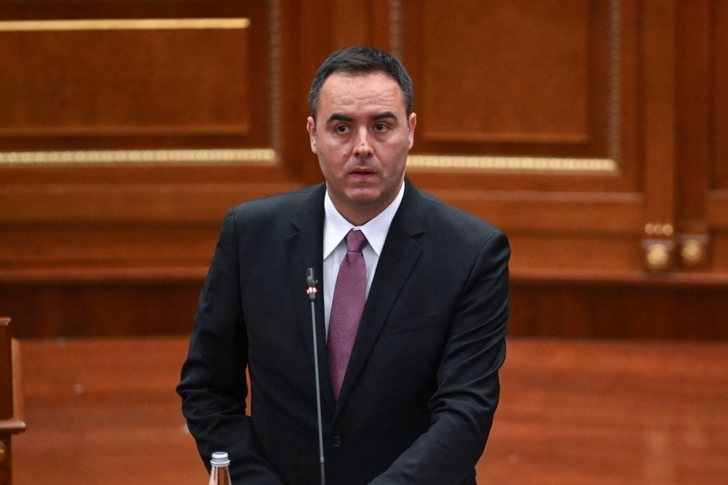
Kosovo's acting Minister of Foreign Affairs and Diaspora, ...

An American and a Frenchman who returned to their home cou...
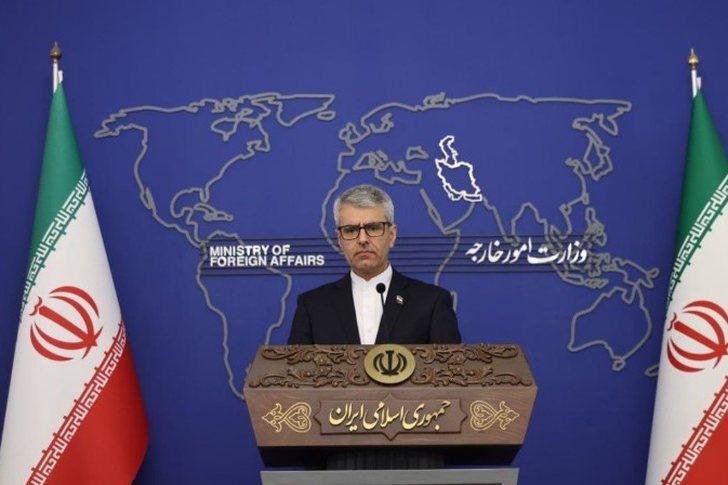
Iran's latest proposal to end the US-Israel war was "reaso...
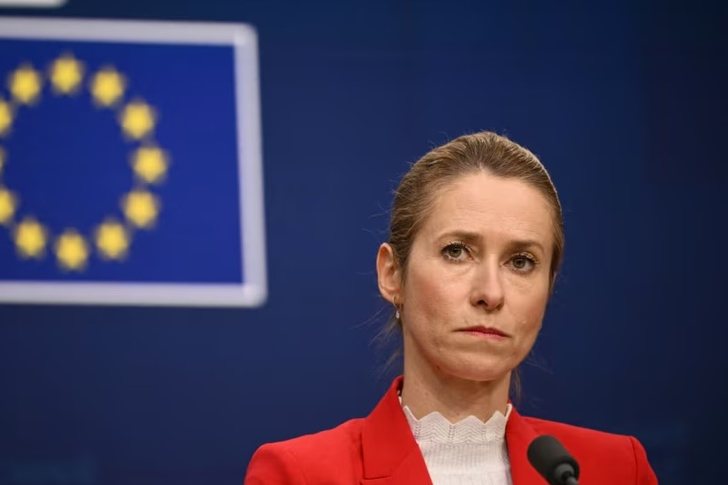
The European Union's High Representative for Foreign Affai...
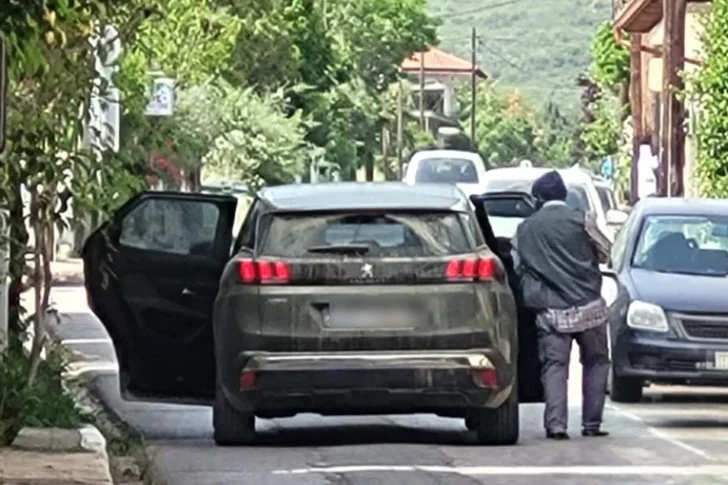
A gun robbery took place this morning in Kato Tithorea, Gr...

In December 2025, the US reportedly officially asked 70 co...

Canada is experiencing its largest increase in military re...

Beijing has confirmed that United States President Donald ...

Oil prices rose this Monday morning after US President Don...

Euronews Business takes a closer look at gross minimum wag...

Britain and France will host defense ministers from variou...

The Serbian government funds the Association of Red Berets...

A passenger on a cruise ship affected by a hantavirus outb...

The murder of officer Enea Mekolli in the line of duty has...

The next case broadcast on the show "Stop", this Thursday,...
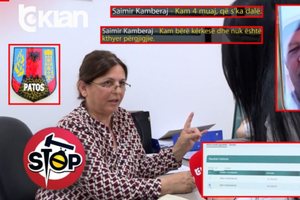
The case published this Thursday, June 4, on the show "Sto...

The protests of recent days related to the situation in Zv...

The Special Board of Appeal (KPA) decided this Monday ...

The KPA vetting decided this Thursday to dismiss the p...

Suela Salavaçi, a prosecutor in the Prosecutor's Offic...

The Special Board of Appeal reinstated the prosecutor ...

A money changer in Durrës lost 60 thousand euros after bei...
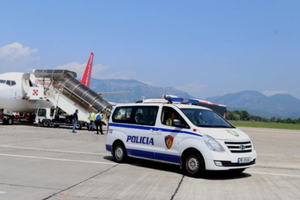
The 6 citizens captured in Dubai, members of criminal grou...
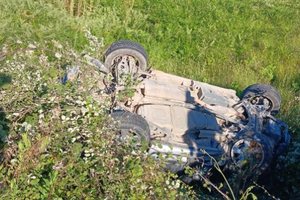
A serious accident occurred on the Kardhiq-Delvinë axis, i...

Authorities have conducted a large-scale anti-drug operati...
Today our country will be affected by stable weather condi...

For many children and teenagers, the long summer holidays ...

Albania is facing an unprecedented demographic transition,...

On Thursday, our country will be affected by unstable weat...

Russian President Vladimir Putin said the war in Ukraine c...
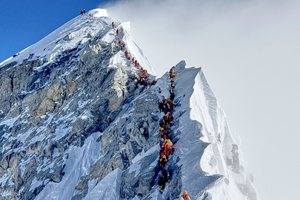
An extraordinary story of survival has been recorded in Ne...
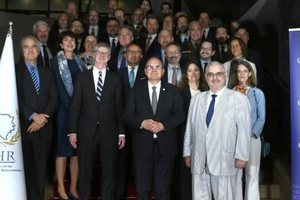
The Peace Implementation Council in Bosnia and Herzegovina...
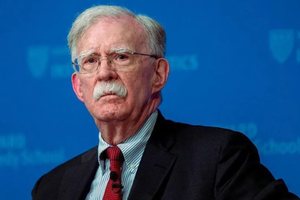
John Bolton, the former national security adviser to US Pr...

Korça is ready to open the summer season with one of the c...
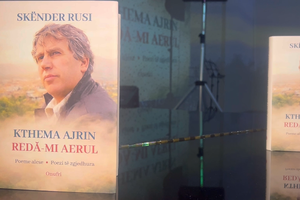
Two years after his passing, the renowned Korçë poet Skënd...
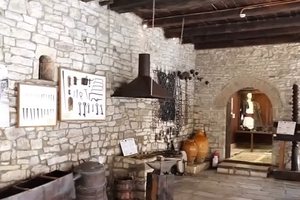
The Ethnographic Museum of Berat has opened its doors to v...
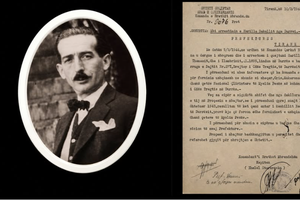
The story of Harilla Bakalli is one of the most chilling t...

Despite years of efforts at regional cooperation and free ...

Albania is the country with the highest level of severe ma...

This Friday, one US dollar is bought for 81.3 lek and sold...
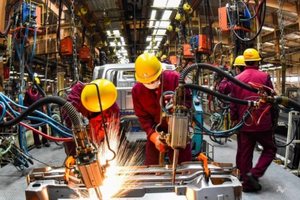
The government aims to transform the country's industrial ...