


A year of waiting for a 3 million debt, what happened after the intervention of "Stop"
The next case broadcast on the show "Stop", this Thursday,...

The next case broadcast on the show "Stop", this Thursday,...

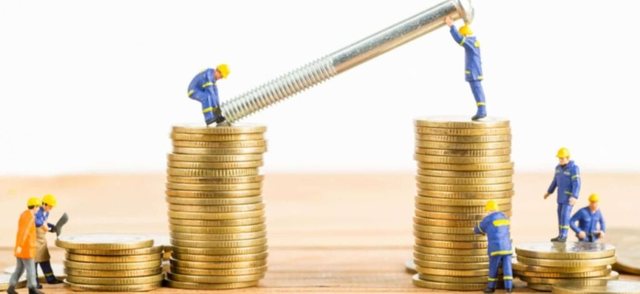
Members of the Albanian diaspora, although eager to contribute financially to our country, are facing an investment climate that is based on nepotism rather than the law.
According to the findings of a recent IOM study on “Challenges and Opportunities for Integration of Returned Migrants”, bureaucratic processes and the lack of financial instruments are becoming insurmountable barriers for foreign capital. Reintegration services remain fragmented, underfunded and often uncoordinated, leaving vulnerable groups in particular at a disadvantage. Many returnees face unemployment, marginalization and difficulties in having their qualifications recognised.
Some members of the diaspora have expressed strong reservations about the legal safeguards in the country. An investor from Italy noted that Albania is increasingly seen as a place where only the rich benefit, leaving aside those who want to create genuine value. According to her, it is vital to distinguish between those seeking political connections and honest investors.
"We actually tried to come back and invest in Albania, but instead, there's a perception that it's not a fair system. You feel like you need a lot of connections, you have to go through a lot of complicated channels, and maybe you need a lot of money just to do something."
When it comes to relations with institutions, the thing that makes me laugh is that I can’t think of any specific institution. I don’t know who is responsible for what. Even for our pension rights, it took us a long, long time and it’s still unresolved. In Albania, you need money and connections. You can’t rely on your legal rights or official rules. When I go back to Albania, I say that this is not the place for me. We have no knowledge of the institutions that are supposed to support us.”
The report also analyzes the challenges of returnees opening small businesses in cities like Tirana or Përmet. Although opening a business seems simple, the difficulty begins with operating in an unregulated market and unfair competition from large businesses that control service chains without having any prior experience.
A returnee entrepreneur explains his difficulties: "You have to know the market well and here you have nowhere to learn it, because there is no information. You cannot understand the Albanian market, the costs of food, clothes, etc. Meanwhile, other businesses are emerging, much larger companies, which, without experience, create a chain of services, without having any history and which compete with small businesses that know much more and have been on the market for a long time and have experience. But this does not only happen in business, it also happens with the liberal professions," said a returnee.
The study pays special attention to investments outside Tirana, where emotional ties to the homeland are the main drivers. However, in areas like Tropoja, investors are facing a lack of public services. Despite the favorable natural environment and potential for tourism or trade, infrastructure barriers are overwhelming.
“In Tropoja, despite the obvious potential, such as the available space for shops and a favorable natural environment, entrepreneurs face challenges ranging from a low number of customers to a lack of labor. One returnee, despite running a successful business, had great difficulties finding local staff and considered hiring workers from Asia. The closure of schools, healthcare institutions and even the local cadastre office made it even more difficult to maintain economic activity,” said one returnee.
According to experts, Albania lacks a consolidated financial instrument that would help in the transition from simple remittances from the diaspora to structured investments.
Also, state platforms such as e-Albania or the National Business Center (NBC) do not have specific fields to identify whether an investor comes from the diaspora. This lack of data makes it impossible for the government to create personalized incentives or assess the real impact of emigrants on the national economy. IOM experts assessed that without improving the quality of education, health and legal security, the diaspora will continue to see investments in the homeland as a high risk. /Monitor

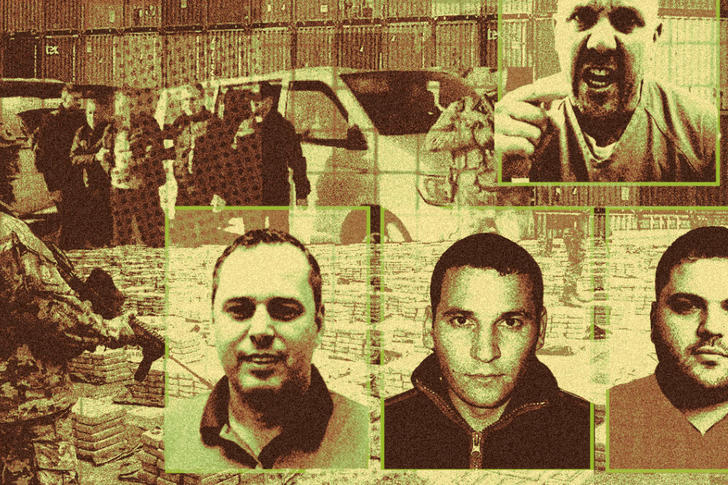
A panorama of the activity of Balkan organized crime in La...
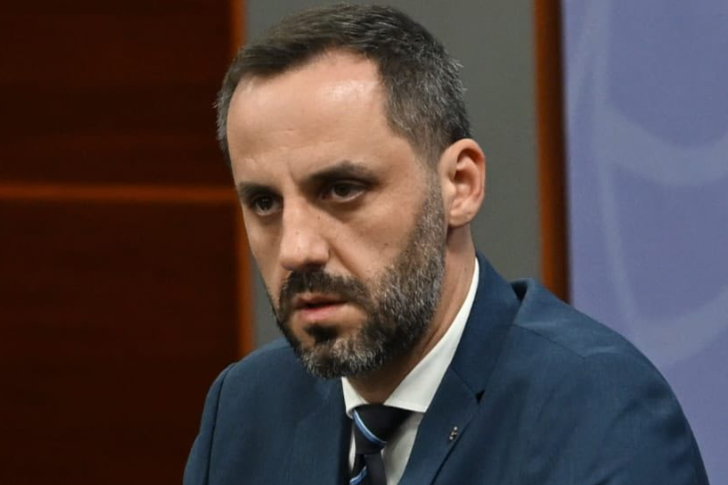
The Minister of Internal Affairs, Besfort Lamallari, react...

The Institute of Geosciences has shared a forecast regardi...
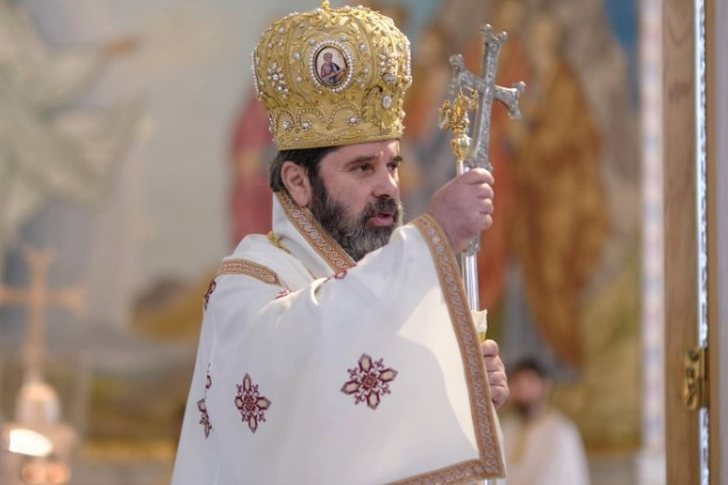
At the "Resurrection of Christ" Cathedral in Tirana, on Su...
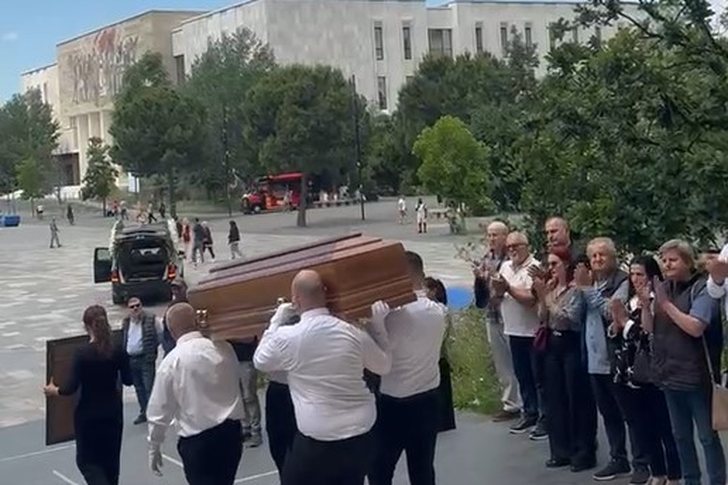
After the tributes, after honoring his figure, after sayin...
Ambasadori shqiptar në Ukrainë Ernal Filo ka folur për sul...
Surprise checks have been conducted at the Fier Penal Exec...
DP MP Ina Zhupa has reacted sharply to the inclusion of Sa...
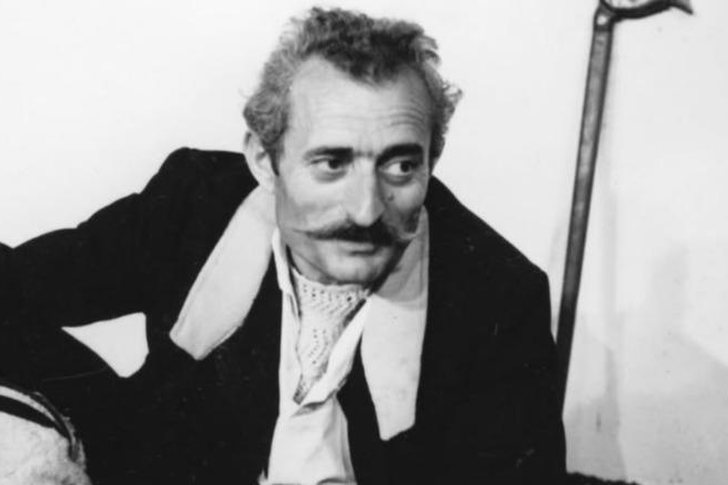
This Sunday, tributes are being held in honor of renowned ...
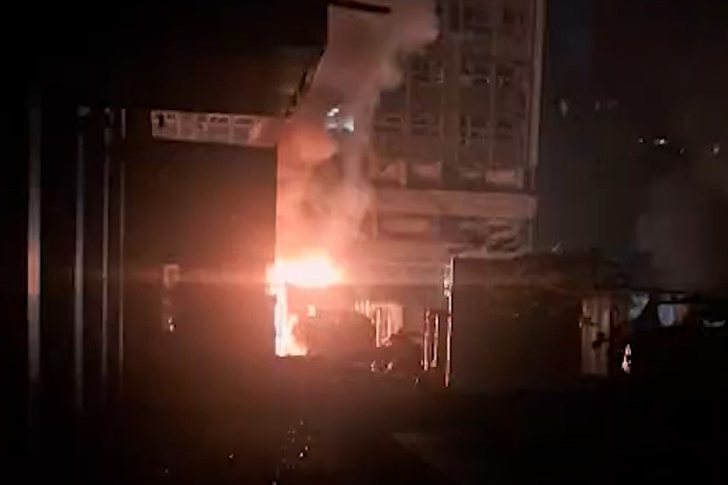
Russia has launched a series of attacks in Ukraine overnig...
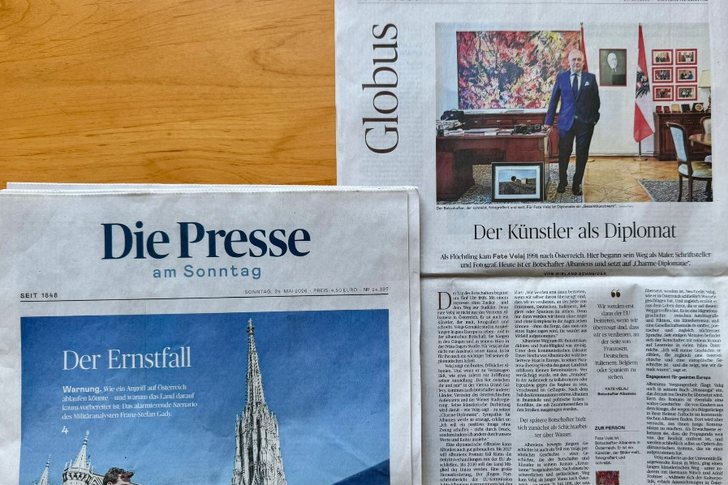
"The Artist as Diplomat" The day of the Albanian ambassad...
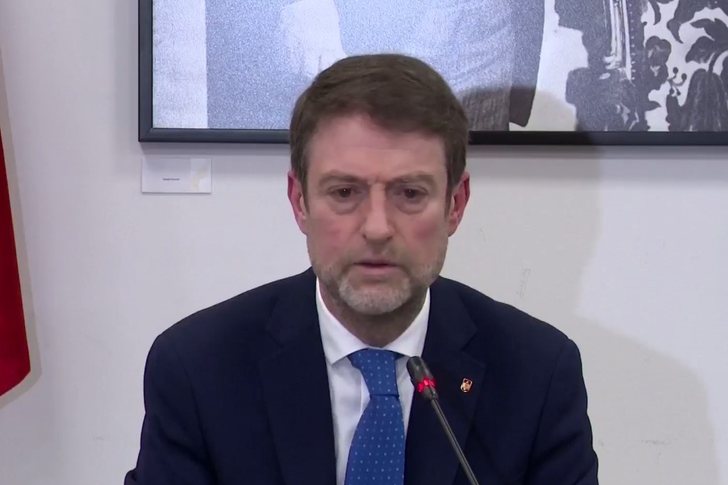
Foreign Minister Ferit Hoxha has announced that Russia has...
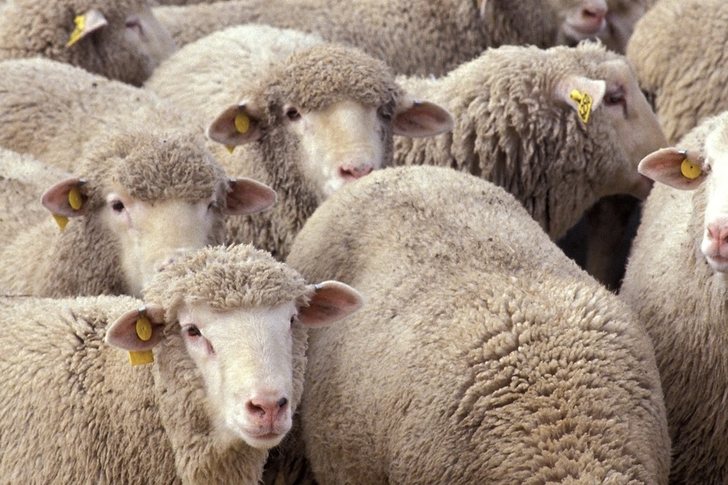
PCR tests on the small cattle herd in Kolonjë have come ba...
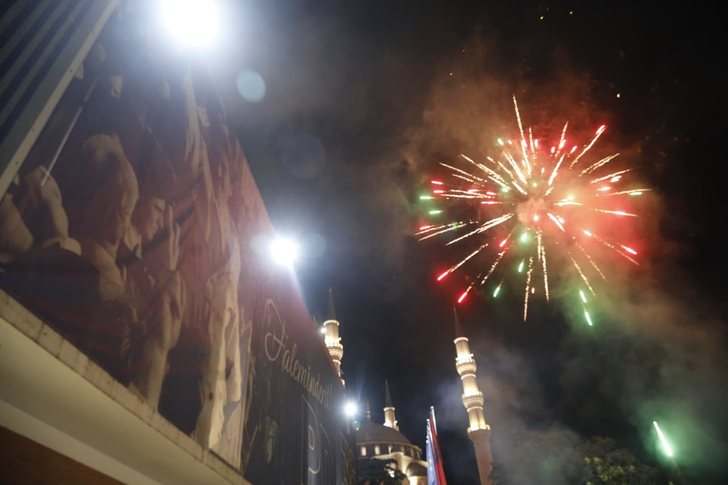
Sali Berisha është rikonfirmuar sot si kryetar i Partisë D...
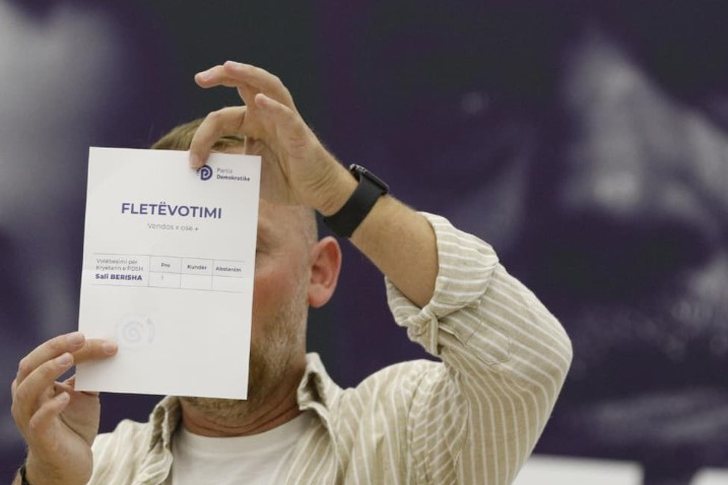
The counting of votes for the referendum process for the l...
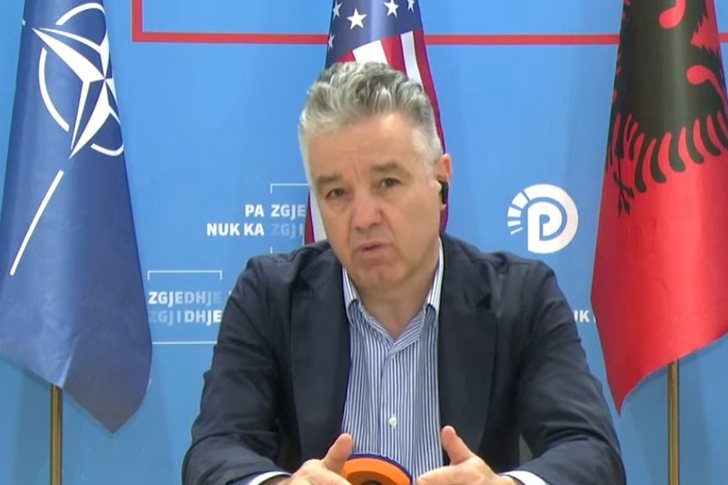
Democratic Party MP Enno Bozdo spoke after the end of the ...
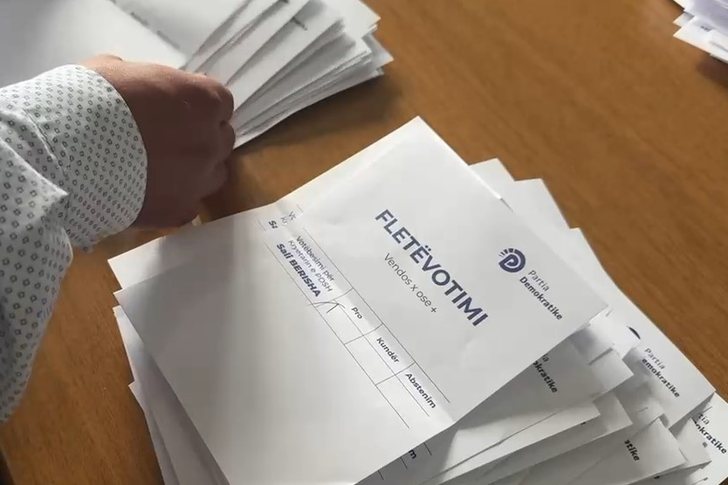
The voting process for the referendum for the leader of th...
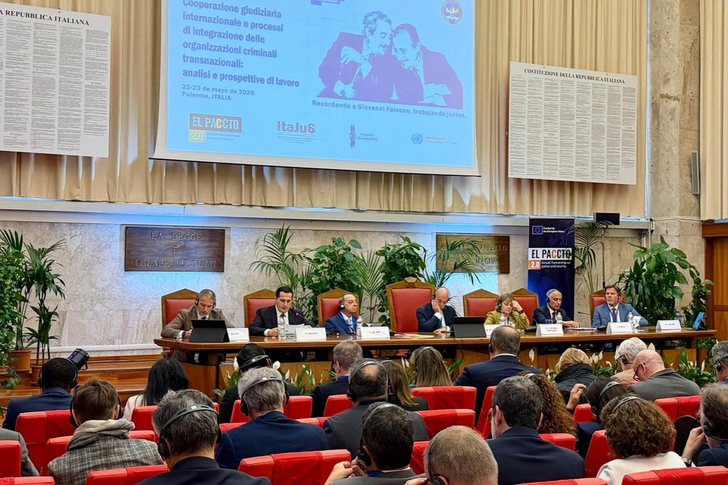
The Head of the Special Prosecution Office against Cor...

Alarming situation with waste in some areas of the capital...
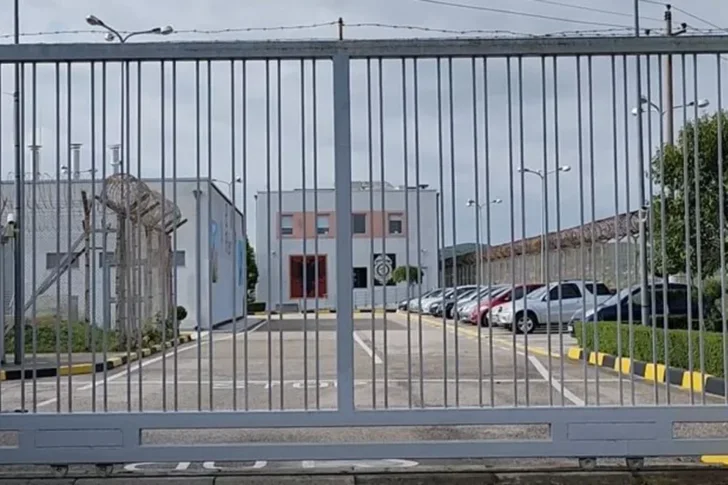
Joint checks between AMSEVP and the General Directorate of...
The next case broadcast on the show "Stop", this Thursday,...
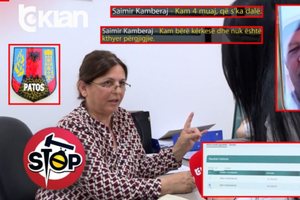
The case published this Thursday, June 4, on the show "Sto...

The protests of recent days related to the situation in Zv...
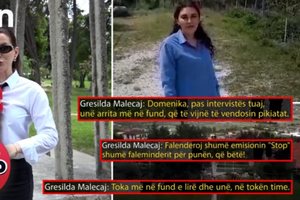
The case addressed this Wednesday, June 3, on the show "St...

The Special Board of Appeal (KPA) decided this Monday ...

The KPA vetting decided this Thursday to dismiss the p...

Suela Salavaçi, a prosecutor in the Prosecutor's Offic...

The Special Board of Appeal reinstated the prosecutor ...
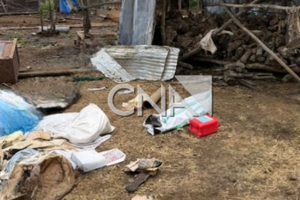
Several images provided by CNA show the area where this mo...

A quantity of explosive material exploded this morning at ...
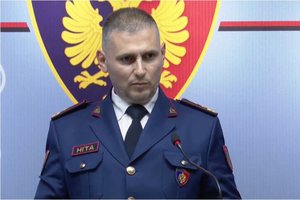
The Head of the State Police, Skënder Hita, expressed his ...
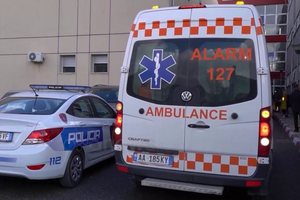
New details have emerged regarding the serious incident th...

For many children and teenagers, the long summer holidays ...
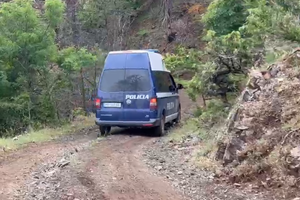
Witnesses in Lozhan, Maliqi, have shared details from the ...
Albania is facing an unprecedented demographic transition,...

On Thursday, our country will be affected by unstable weat...
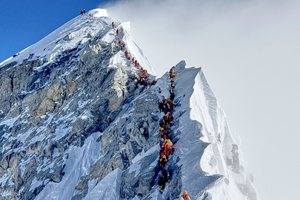
An extraordinary story of survival has been recorded in Ne...
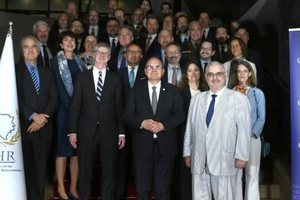
The Peace Implementation Council in Bosnia and Herzegovina...
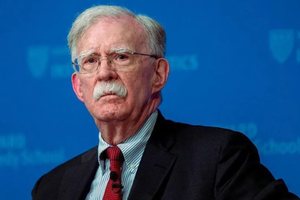
John Bolton, the former national security adviser to US Pr...
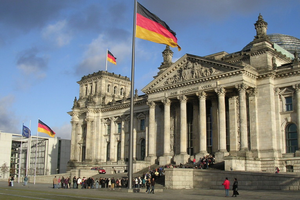
The number of millionaires worldwide rose by nearly 2 mill...
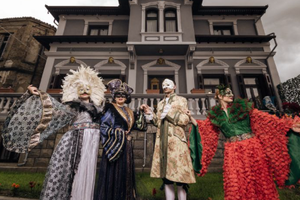
Korça is ready to open the summer season with one of the c...
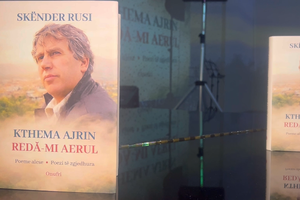
Two years after his passing, the renowned Korçë poet Skënd...
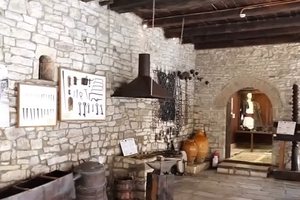
The Ethnographic Museum of Berat has opened its doors to v...
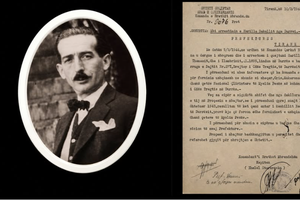
The story of Harilla Bakalli is one of the most chilling t...
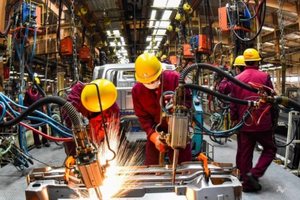
The government aims to transform the country's industrial ...
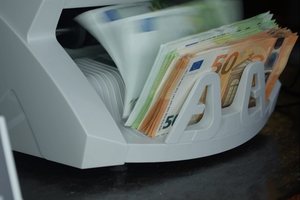
Kursi i këmbimit të euros me lekun ka rënë më tej këtë jav...
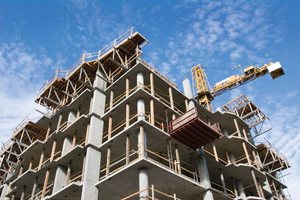
Profit margins in the construction sector have increased s...

The Transparency Board, at its meeting today, decided to i...