


Businessman Artur Shehu breaks his silence: I am a long-time land owner in Zvërnec, I don't know the investors at all
Albanian businessman Artur Shehu spoke on the Opinion show...

Albanian businessman Artur Shehu spoke on the Opinion show...

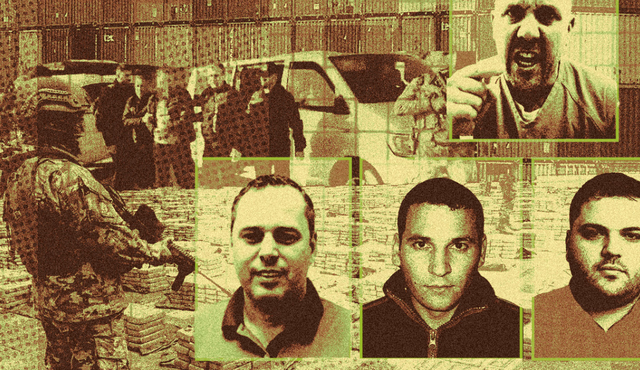
A panorama of the activity of Balkan organized crime in Latin America highlights a series of specific events and names.
Criminal groups originating from the Balkans, as InSight Crime’s investigation argues, have cemented themselves as the main gatekeepers of Europe’s growing cocaine market. They distribute cocaine to cities across the continent, supplying local criminal organizations and wholesale buyers.
Balkan criminal networks are typically decentralized, based on family loyalties and business alliances rather than membership in a specific, easily identifiable criminal group. To negotiate deals, they send individuals to drug-producing and exporting countries such as Colombia, Ecuador, and Brazil, where they negotiate deals with producers and collaborate with local groups that move and store drugs. In this way, the emissaries cut out local middlemen, increasing profits for their organization. Mata, who Albanian authorities believe is linked to a Balkan criminal organization, appears to have been one of these figures.
One was Dritan Rexhepi, an Albanian criminal whose long ‘career’ included prison escapes in Italy and Belgium. He was a high-profile emissary for the Bello Company, an Albanian network of 14 crime families. Rexhepi was arrested in Ecuador along with a cocaine shipment in 2014, but he continued to coordinate shipments with Colombian and Ecuadorian criminal groups from behind bars until his release in 2021. Rexhepi was later arrested in Turkey in 2023 and is currently facing trial in Albania. While Europol claimed to have fully dismantled the Bello Company in 2020, several former members continue to be prominent players in the cocaine trade in Latin America.
In another example, the Farruku Clan, an Albanian family-based criminal organization, coordinated cocaine shipments between Ecuador and Spain. They allegedly sent emissaries to Ecuador to coordinate with Ecuadorian groups to export cocaine. One of these emissaries, Ergys Dashi, was killed in the port city of Guayaquil in February 2022, just days after Spanish authorities seized two tons of cocaine in Cádiz that was later linked to the Farruku Clan.
In other cases, Balkan criminals in Latin America act independently and opportunistically, leveraging business skills and personal connections with manufacturers, local networks, and wholesale buyers in Europe, rather than working under the orders of a specific European-based group.
Dritan Gjika, an Albanian who moved to Ecuador and later became an Ecuadorian citizen, was one such influential independent trafficker. Gjika had no proven ties to any organized crime group in the Balkans. Instead, he allegedly formed alliances directly with Colombian producers and connected with Ecuadorian groups that moved, stored, and contaminated shipping containers of cocaine in Guayaquil. As a cover for his trafficking activities, Gjika allegedly created a network of legitimate export companies that shipped products such as bananas, one of Ecuador’s main exports, to European ports.
Gjika was not the only Albanian in Ecuador to find space in the cocaine trade as an independent actor. Adriatik Tresa and Arber Çekaj both used similar models to Gjika, setting up their own export businesses in Ecuador that served as a cover for cocaine trafficking.
Both are suspected of hiding cocaine in banana shipments bound for Europe. Tresa was shot dead in a suburb of Guayaquil in 2020, and Çekaj was arrested in Germany in 2018.
Whether affiliated with a group or independent, many Balkan criminal actors in Latin America have specialized in laundering money from their drug trafficking operations or from their work for local or European groups.
Money laundering was also a key criminal activity of Serbian national Jezdimir Srdan, who, after securing a controversial early release from prison in Ecuador on drug trafficking charges in 2018, was recaptured in 2024 and sentenced to 10 years in prison for money laundering.

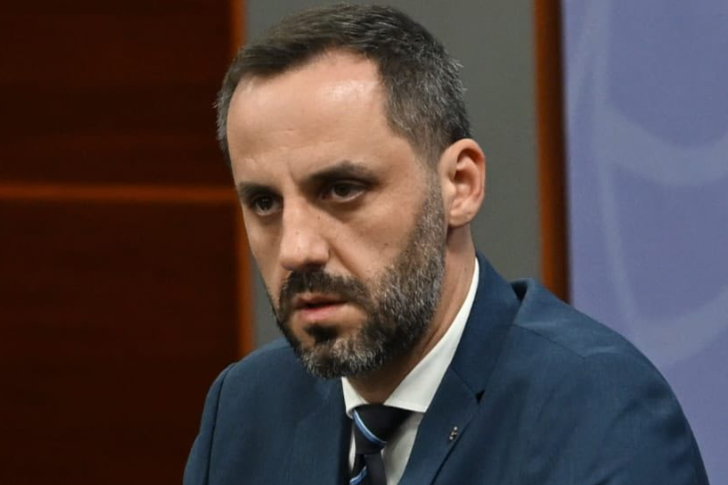
The Minister of Internal Affairs, Besfort Lamallari, react...

The Institute of Geosciences has shared a forecast regardi...
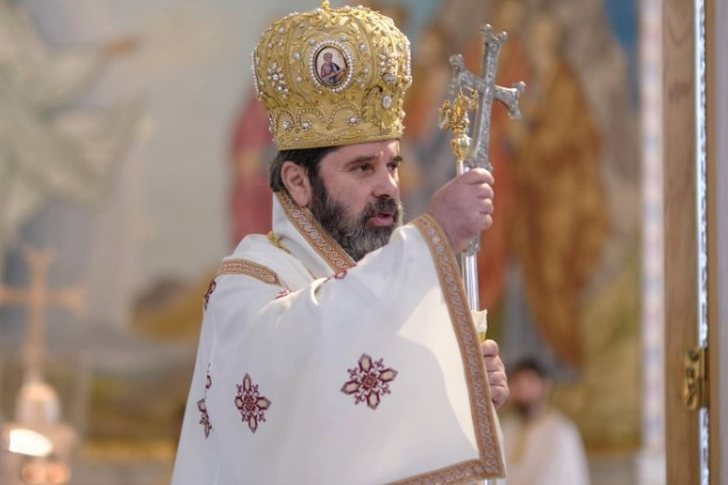
At the "Resurrection of Christ" Cathedral in Tirana, on Su...
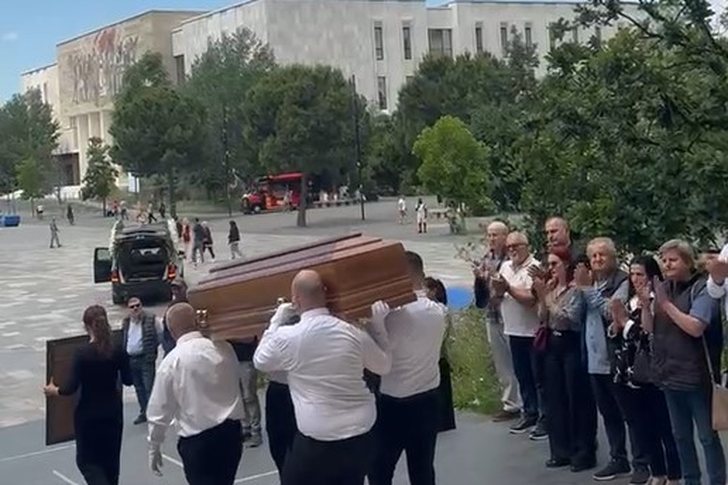
After the tributes, after honoring his figure, after sayin...
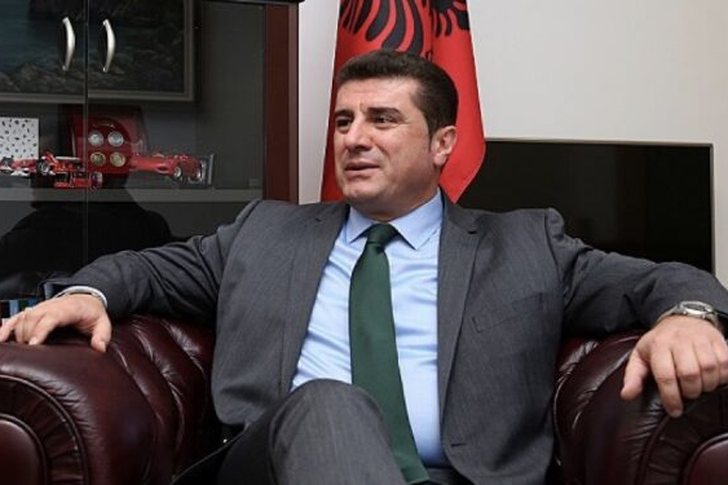
Ambasadori shqiptar në Ukrainë Ernal Filo ka folur për sul...
Surprise checks have been conducted at the Fier Penal Exec...
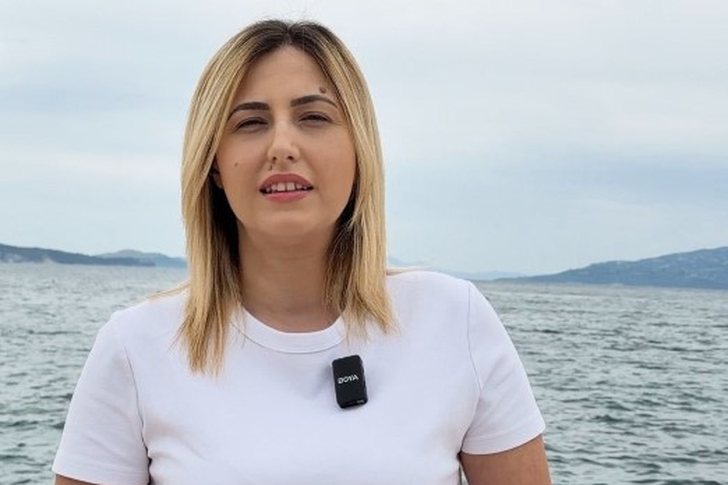
DP MP Ina Zhupa has reacted sharply to the inclusion of Sa...
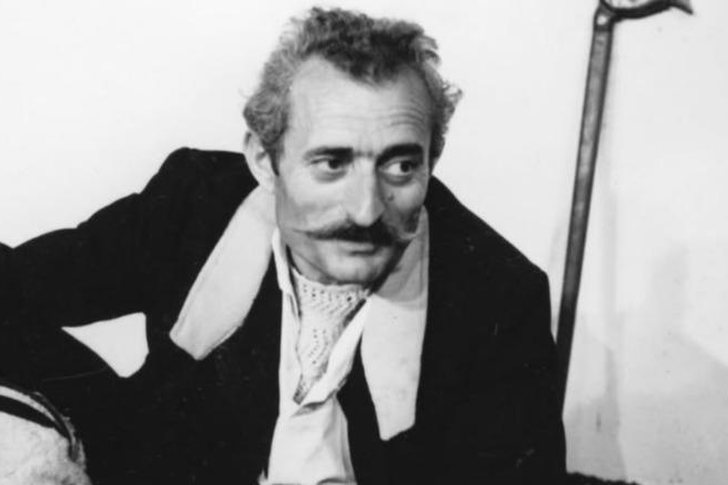
This Sunday, tributes are being held in honor of renowned ...
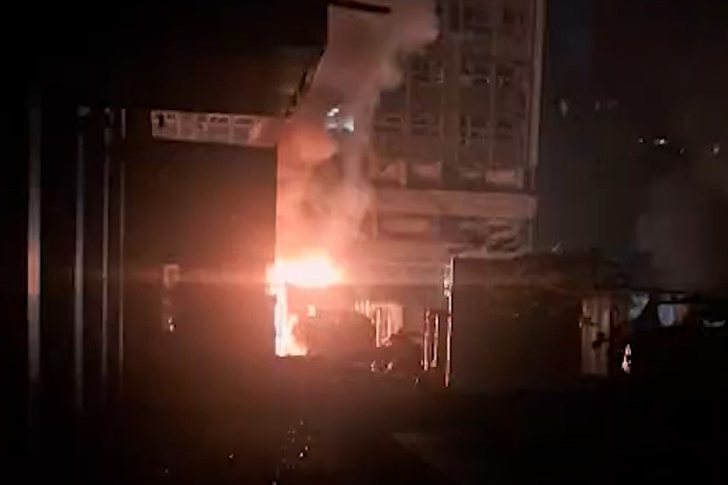
Russia has launched a series of attacks in Ukraine overnig...
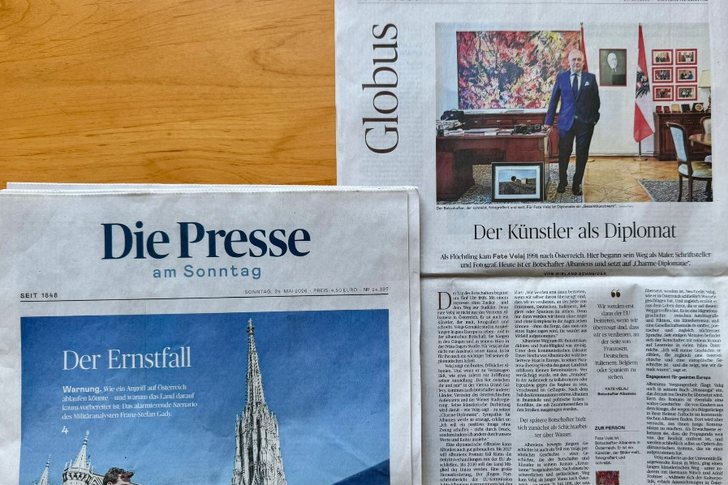
"The Artist as Diplomat" The day of the Albanian ambassad...
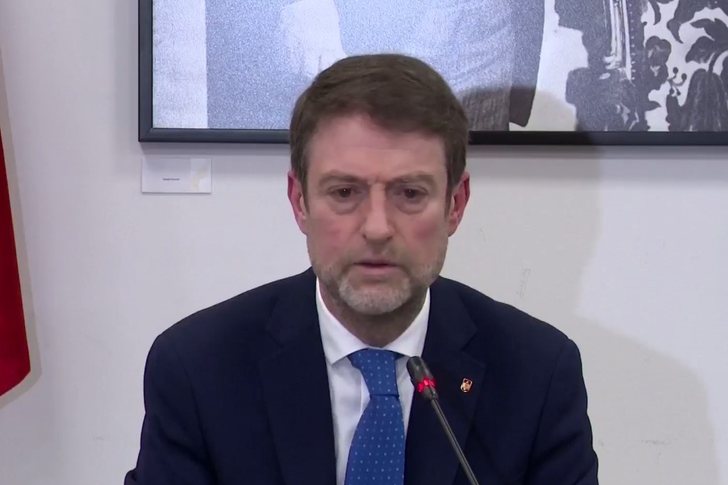
Foreign Minister Ferit Hoxha has announced that Russia has...
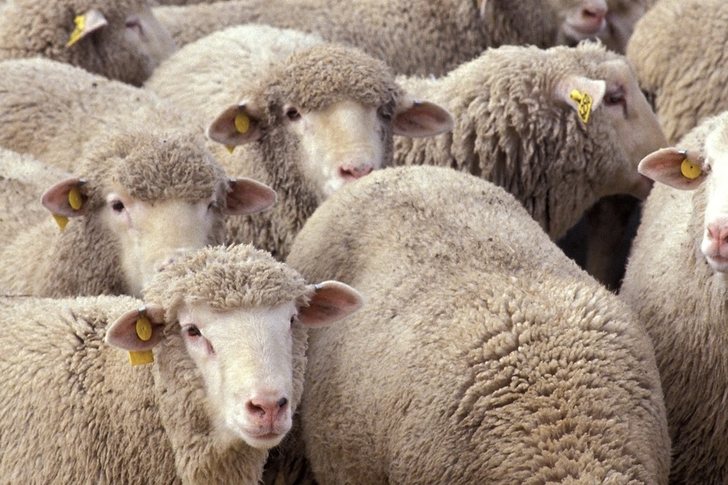
PCR tests on the small cattle herd in Kolonjë have come ba...
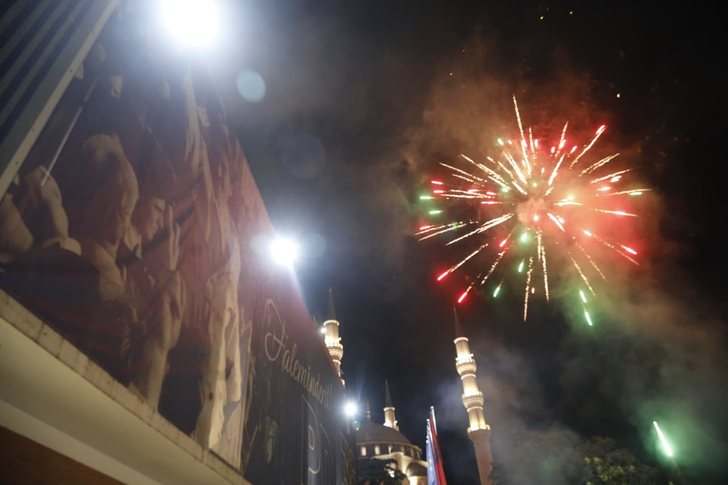
Sali Berisha është rikonfirmuar sot si kryetar i Partisë D...
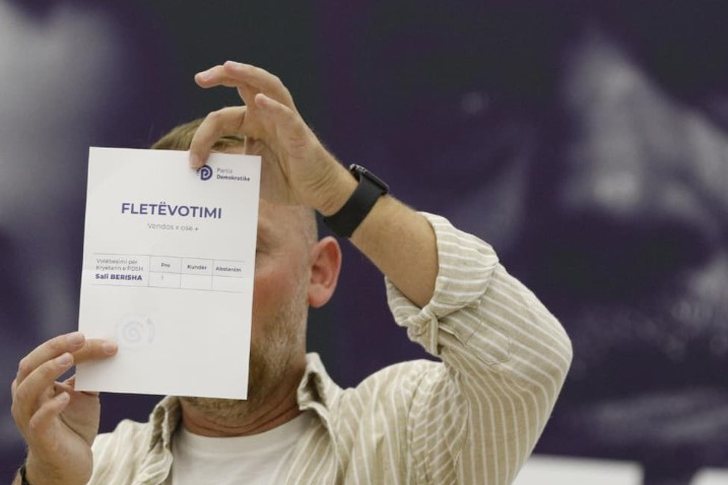
The counting of votes for the referendum process for the l...
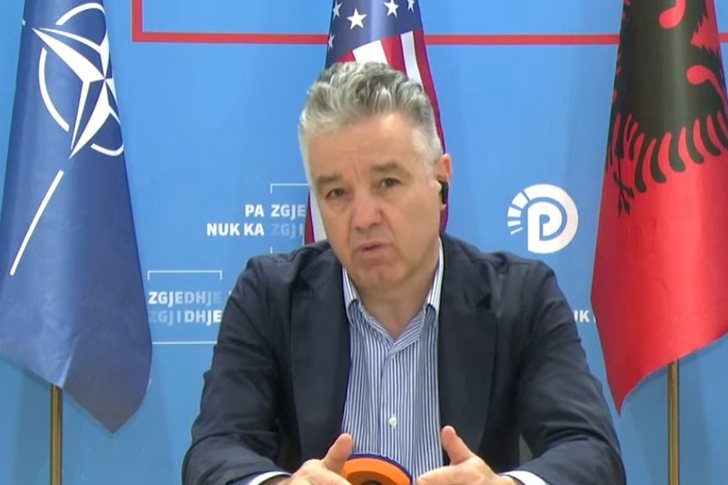
Democratic Party MP Enno Bozdo spoke after the end of the ...
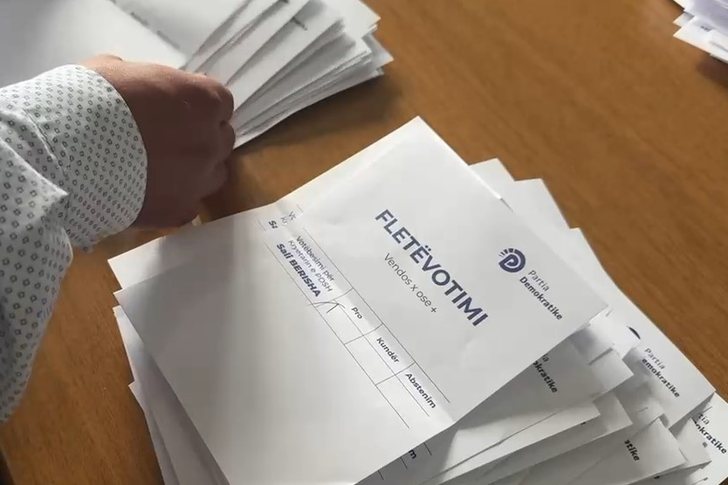
The voting process for the referendum for the leader of th...
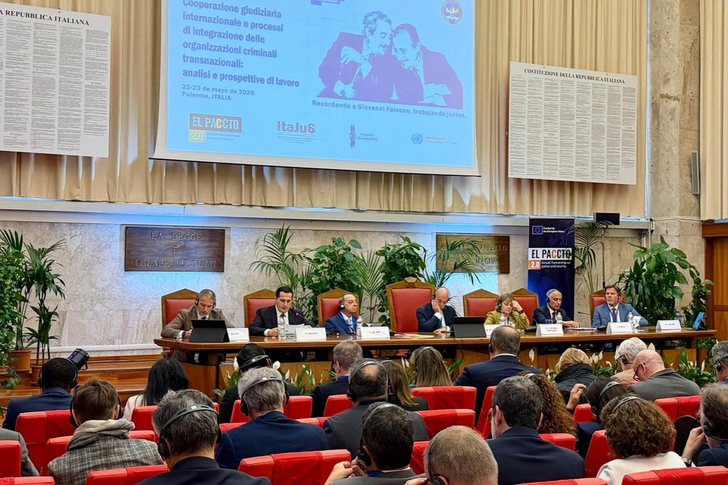
The Head of the Special Prosecution Office against Cor...
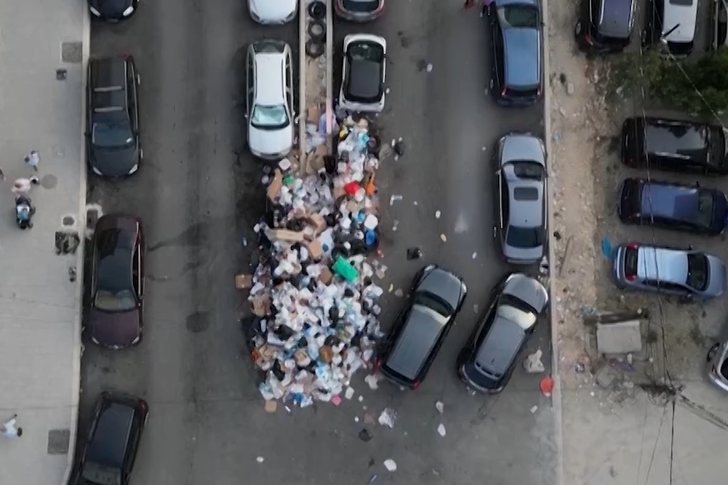
Alarming situation with waste in some areas of the capital...
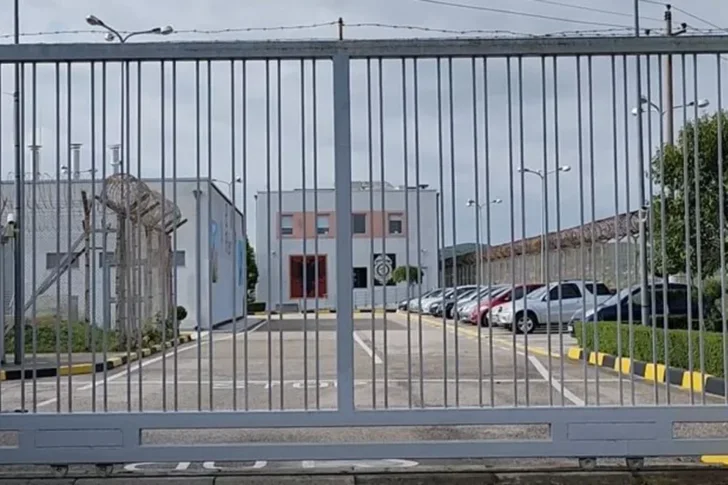
Joint checks between AMSEVP and the General Directorate of...
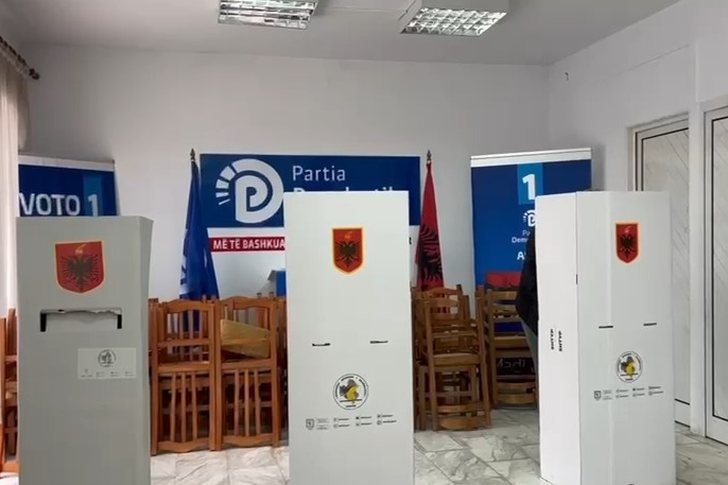
The voting process for the referendum for the chairman of ...
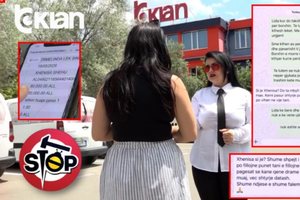
The next case broadcast on the show "Stop", this Thursday,...
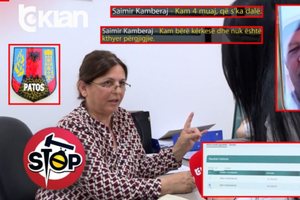
The case published this Thursday, June 4, on the show "Sto...
The protests of recent days related to the situation in Zv...
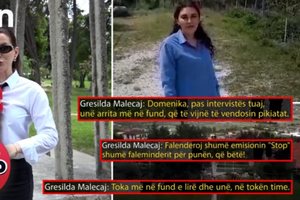
The case addressed this Wednesday, June 3, on the show "St...

The Special Board of Appeal (KPA) decided this Monday ...

The KPA vetting decided this Thursday to dismiss the p...

Suela Salavaçi, a prosecutor in the Prosecutor's Offic...

The Special Board of Appeal reinstated the prosecutor ...
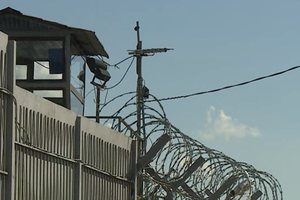
A convict was found dead today in the premises of the Pris...
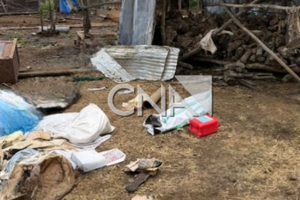
Several images provided by CNA show the area where this mo...
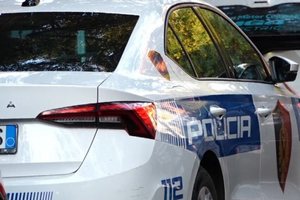
A quantity of explosive material exploded this morning at ...
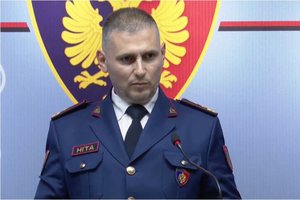
The Head of the State Police, Skënder Hita, expressed his ...

For many children and teenagers, the long summer holidays ...
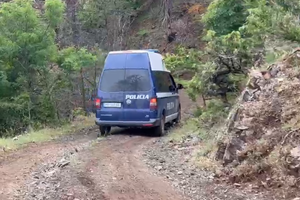
Witnesses in Lozhan, Maliqi, have shared details from the ...

Albania is facing an unprecedented demographic transition,...

On Thursday, our country will be affected by unstable weat...
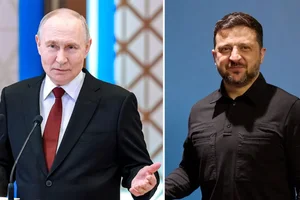
Russian President Vladimir Putin said the war in Ukraine c...
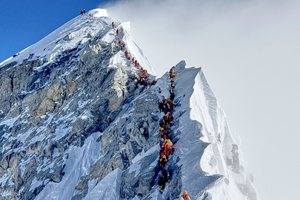
An extraordinary story of survival has been recorded in Ne...
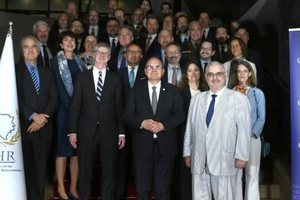
The Peace Implementation Council in Bosnia and Herzegovina...
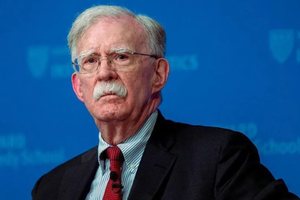
John Bolton, the former national security adviser to US Pr...
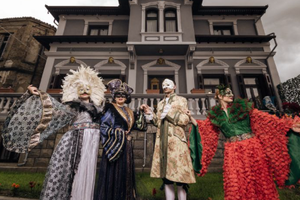
Korça is ready to open the summer season with one of the c...
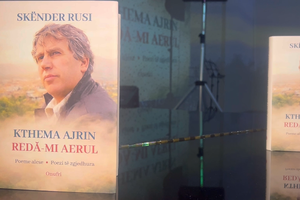
Two years after his passing, the renowned Korçë poet Skënd...
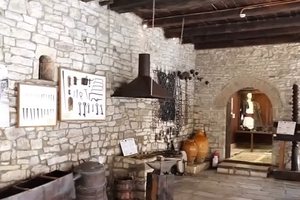
The Ethnographic Museum of Berat has opened its doors to v...
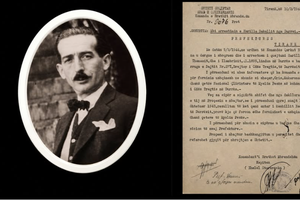
The story of Harilla Bakalli is one of the most chilling t...
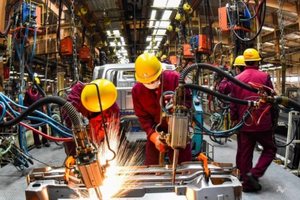
The government aims to transform the country's industrial ...
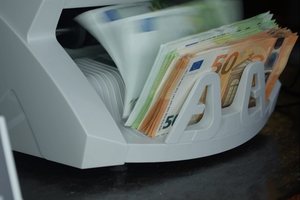
Kursi i këmbimit të euros me lekun ka rënë më tej këtë jav...

Profit margins in the construction sector have increased s...

The Transparency Board, at its meeting today, decided to i...