


Businessman Artur Shehu breaks his silence: I am a long-time land owner in Zvërnec, I don't know the investors at all
Albanian businessman Artur Shehu spoke on the Opinion show...

Albanian businessman Artur Shehu spoke on the Opinion show...
Gazeta prestigjioze austriake Die Presse, i ka kushtuar sot një analizë figurës së ambasadorit Fate Velaj, duke e trajtuar atë midis historisë personale, dimensionit artistiko-letrar dhe vizionit të tij të "Charme Diplomacy". "Fate Velaj e kupton diplomacinë si një vepër komplekse arti"

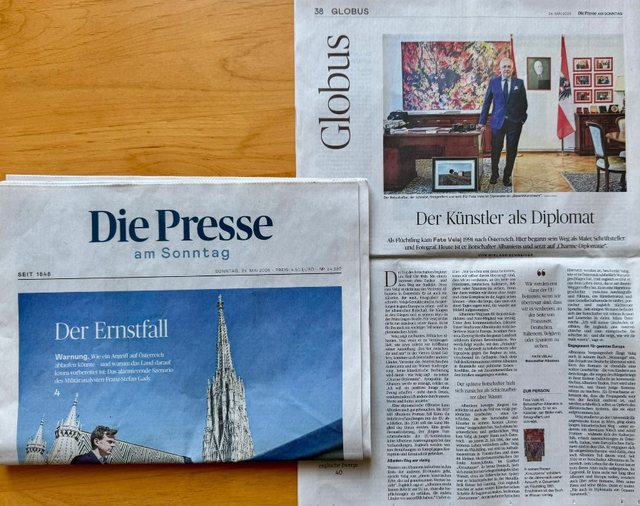
"The Artist as Diplomat"
The day of the Albanian ambassador in Vienna begins at five in the morning. With an espresso without sugar – and paints on canvas. Because Fate Velaj is not only the representative of Albania in Austria. He is also an artist, who paints, photographs and writes. His works are exhibited in European galleries - but also in his office at the embassy, ??on Prinz-Eugen Street.
For Velaj, this is not just an expression of his art. For him, this is also an important part of his diplomatic work because through them, he tells the guests his story in Austria as well as a colorful and enthusiastic Albania.
The opening of exhibitions, such as the recent "Red Between You and Me" at the Vienna Grand Gallery, is attended by ambassadors from other countries, representatives of the Austrian government and Ministry of Foreign Affairs, the municipality of Vienna, and representatives of Austrian art and culture.
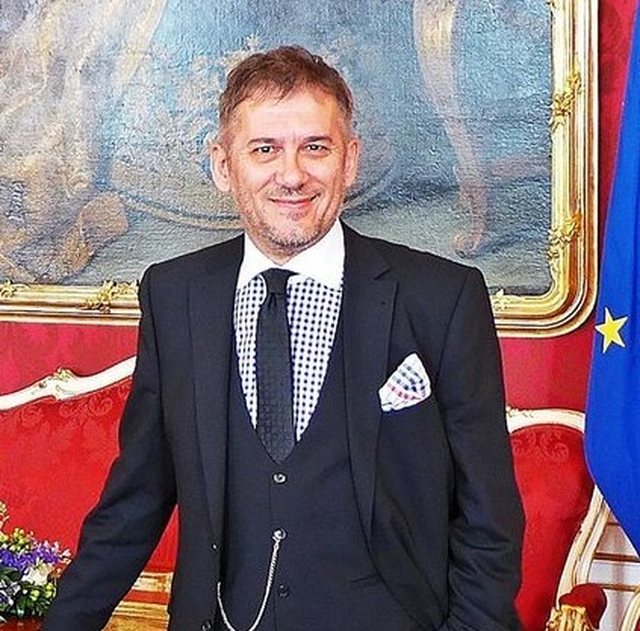
His artistic presentation thus becomes - as Velaj says - part of the "charm diplomacy" that he is practicing, where through meetings in every corner of Austria, institutional ties between the two countries, and art, he creates sympathy for Albania.
"I want to create a positive image without imposition – not through demagogy, but by drawing others towards us with our values ????and culture," he explains.
Albania also badly needs a diplomatic offensive. By 2027, Prime Minister Edi Rama aims to complete membership negotiations with the European Union. By 2030, the country is expected to become a member of the Union.
A major challenge. The European Commission's latest progress report praised Albania's efforts in the negotiations. At the same time, further efforts are required in the fight against corruption and crime.
When it comes to Albania's admission to the circle of other European Union states, Fate Velaj speaks of "a historical heritage that is based on common values."
At the same time, he says:
"Albania does not aim for EU membership without fulfilling the obligations that other countries have fulfilled before us" - and adds:
"We will only join when we are convinced that we deserve to stand alongside the French, Germans, Italians, Belgians or Spaniards. Because only then will we be able to look them in the eye without fear and without complexes - without the worry that one day someone might tell us: you were accepted because we felt sorry for you."
Albania's path to European Union candidate status and NATO membership has been a difficult one. Under communist dictator Enver Hoxha, Albania was perhaps the most isolated country in Europe. Out of his paranoia, Hoxha covered the entire country with countless concrete bunkers. Anyone suspected of collaborating with "enemies" abroad or opposing the regime ended up in prison. After the fall of communism, Albania was plunged into financial and political crises - conflicts that often erupted into violent street clashes.
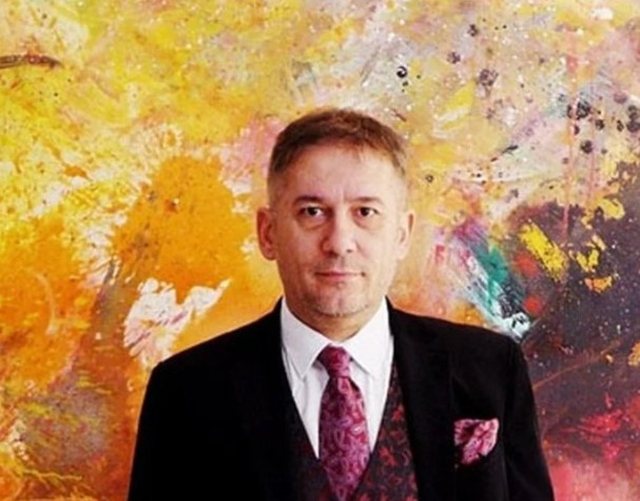
Albania's turbulent history is also part of Fate Velaj's personal story – a story that the ambassador and artist immortalized in his novel Kreuztanne. After a difficult and dangerous journey, Velaj arrived as a young man in Austria - on July 21, 1991, a day that would change his life.
He came as a refugee, first to the reception center in Traiskirchen and then to the small Lower Austrian village of Sankt Anton an der Jeßnitz, to the "Kreuztanne" hostel. He learned German, supported himself initially with odd jobs, even a dishwasher. Later he worked shifts at the Heiser metal factory in Gaming. And at the same time he took his first artistic steps: he began to paint.
In the novel Kreuztanne, which has been translated into several languages, Fate Velaj describes how he finally took root in Austria. At the same time, he also tells the story of the lives of the people he met along the way.
Kreuztanne is a story of migration - between autobiography and fiction, a novel about the birth of the artist and a social study in a gentle, poetic and at the same time lucid language.
For several months, the ambassador has been on a reading tour with his novel in many parts of Austria.
"I want to tell my story, which is both an Austrian and a European story – and which shows what we were like back then," he says.
Fate Velaj also reflects on Albania's past in his book Mossanga, which is currently being translated into German. At the center of the novel is also a true story - that of children from Congo who, due to the civil war in their homeland, find refuge in communist Albania. There, however, attempts are made to transform them into young communists. When they grow up, they realize that the propaganda was far from reality and react by ending up as victims of the dictatorial system that once accepted them.
Velaj studied at the University of Applied Arts in Vienna, followed a long artistic path - among others under Hermann Nitsch and Adolf Frohner -, dedicated himself to cultural politics, and received high praise in Austria, Italy, from the European Parliament, and in the USA.
He is committed to a united Europe - where Albania would also become part of it. Since 2024, he has been Albania's ambassador to Austria./ CNA

Foreign Minister Ferit Hoxha has announced that Russia has...
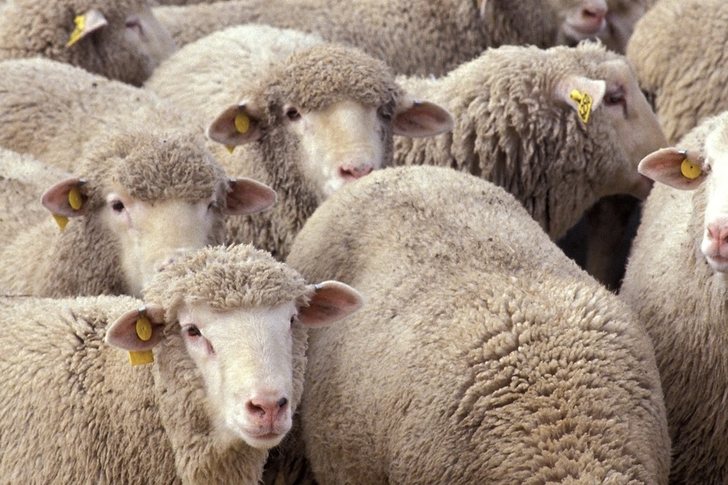
PCR tests on the small cattle herd in Kolonjë have come ba...
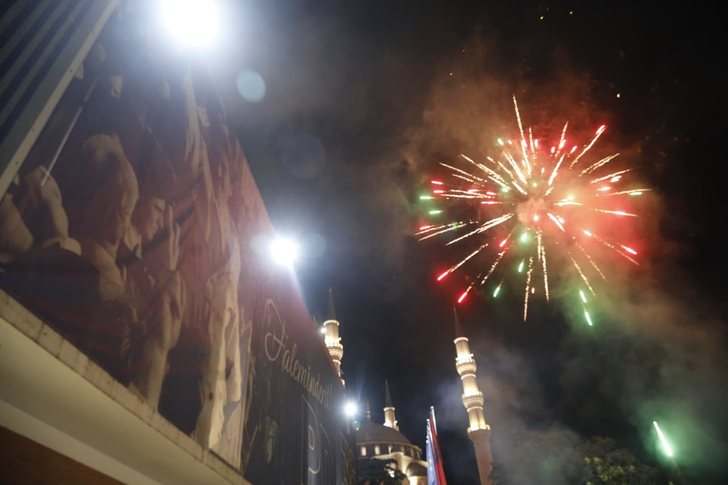
Sali Berisha është rikonfirmuar sot si kryetar i Partisë D...
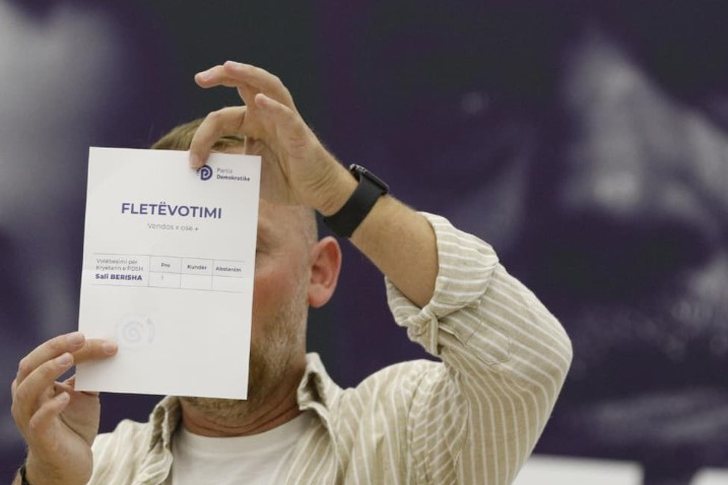
The counting of votes for the referendum process for the l...
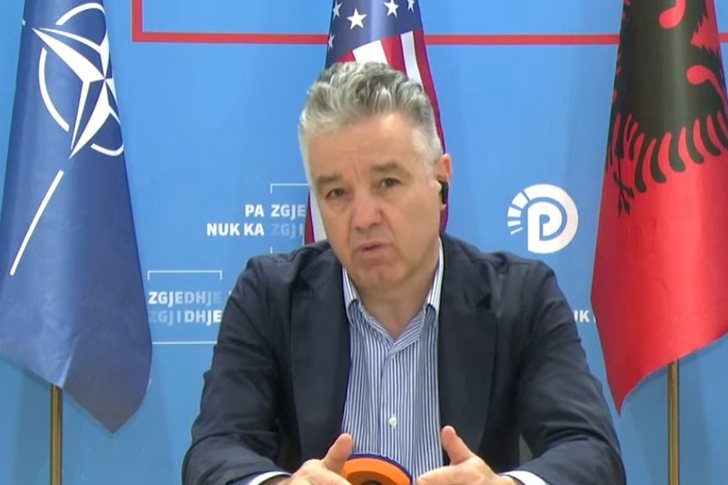
Democratic Party MP Enno Bozdo spoke after the end of the ...
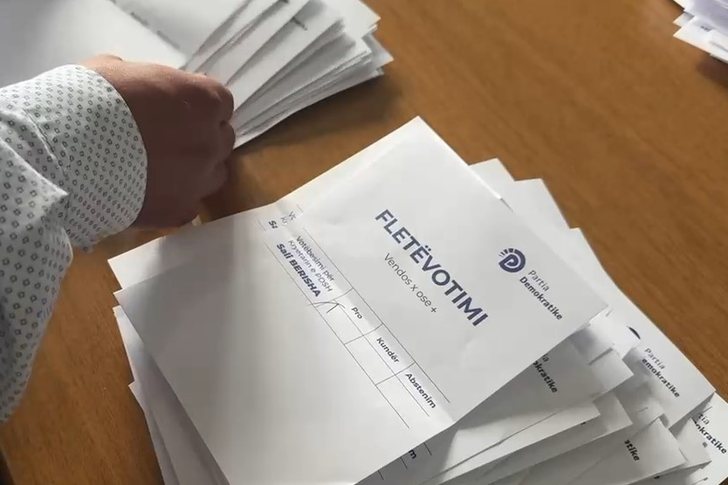
The voting process for the referendum for the leader of th...
The Head of the Special Prosecution Office against Cor...

Alarming situation with waste in some areas of the capital...
Joint checks between AMSEVP and the General Directorate of...
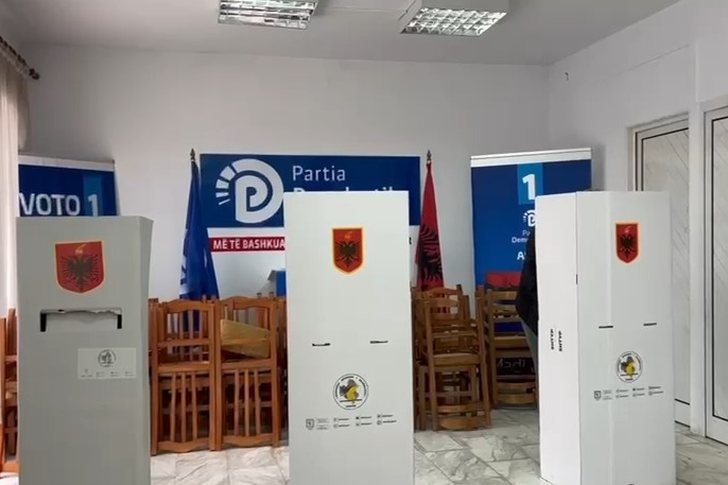
The voting process for the referendum for the chairman of ...
Journalist Klodiana Lala spoke today about SPAK's operatio...
Deputeti demokrat, Ivi Kaso njoftoi për mediat vendimin e ...
DP MP Belind Këlliçi spoke about the referendum being held...
Deputetja e Partisë Demokratike, Albana Vokshi ka dhënë nj...
An earthquake was recorded a little earlier in Elbasan. Ac...
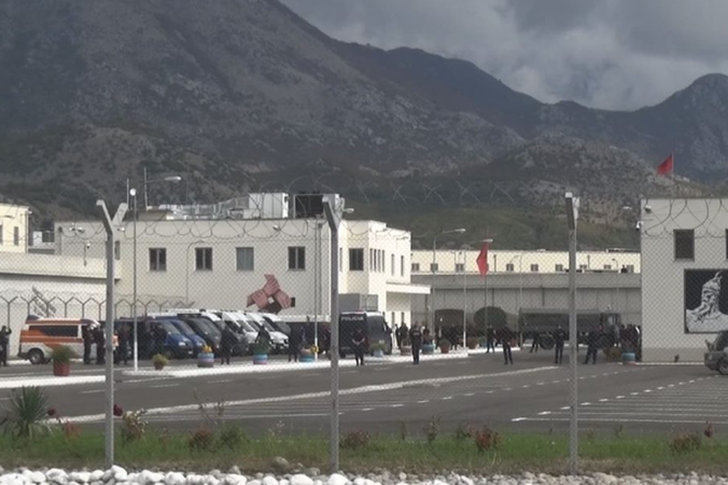
Flash checks were carried out at Peqin prison, where prohi...

The Transparency Board held its next meeting today and set...
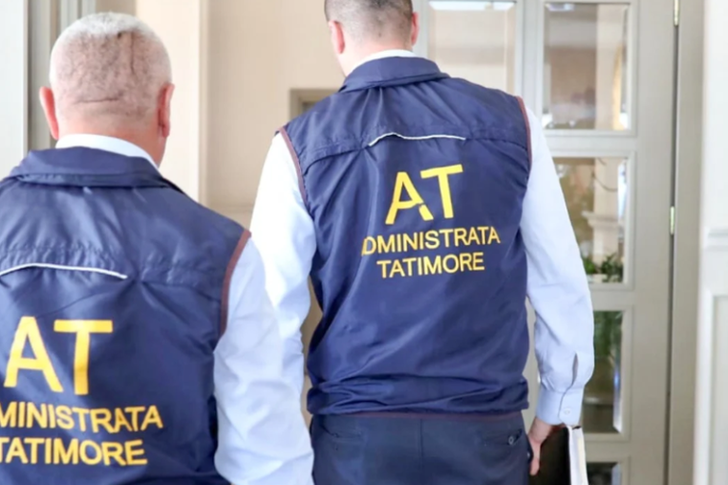
The Tax Administration has been on the ground regarding th...
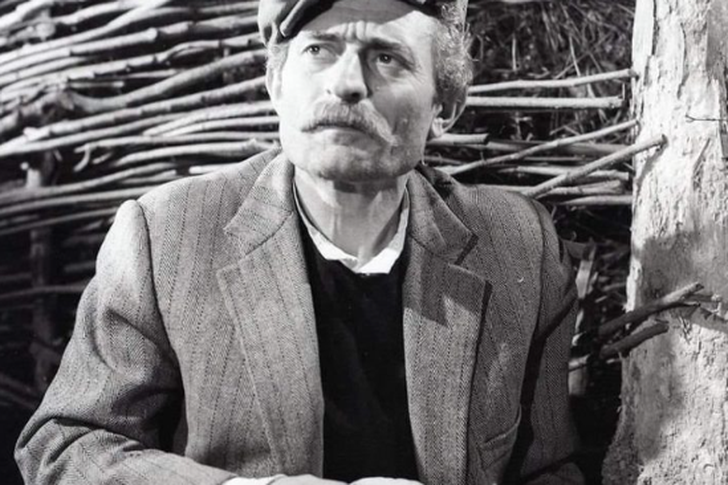
This Saturday, the well-known Albanian cinematographic act...
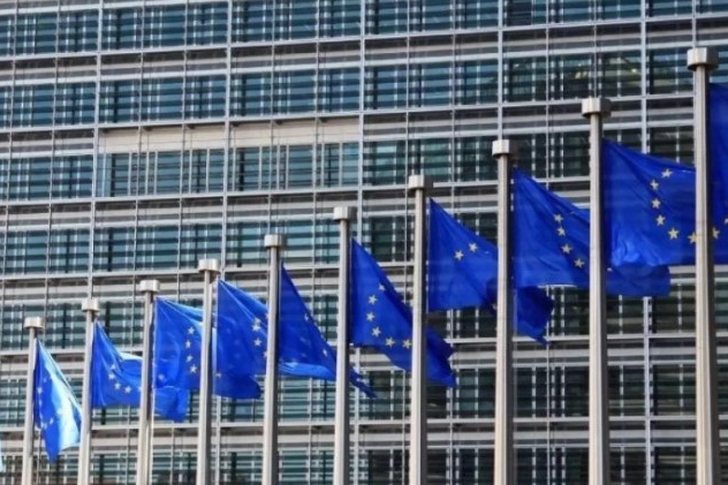
The Council of the European Union has approved the third a...
The next case broadcast on the show "Stop", this Thursday,...
The case published this Thursday, June 4, on the show "Sto...

The protests of recent days related to the situation in Zv...
The case addressed this Wednesday, June 3, on the show "St...

The Special Board of Appeal (KPA) decided this Monday ...

The KPA vetting decided this Thursday to dismiss the p...

Suela Salavaçi, a prosecutor in the Prosecutor's Offic...

The Special Board of Appeal reinstated the prosecutor ...
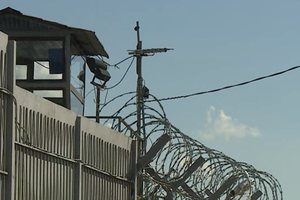
A convict was found dead today in the premises of the Pris...
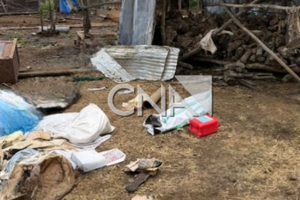
Several images provided by CNA show the area where this mo...

A quantity of explosive material exploded this morning at ...
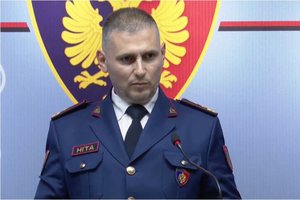
The Head of the State Police, Skënder Hita, expressed his ...

For many children and teenagers, the long summer holidays ...
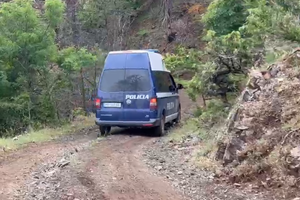
Witnesses in Lozhan, Maliqi, have shared details from the ...

Albania is facing an unprecedented demographic transition,...
On Thursday, our country will be affected by unstable weat...
Russian President Vladimir Putin said the war in Ukraine c...
An extraordinary story of survival has been recorded in Ne...
The Peace Implementation Council in Bosnia and Herzegovina...
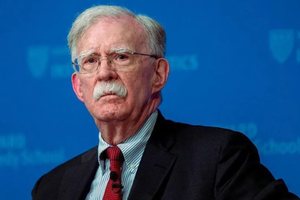
John Bolton, the former national security adviser to US Pr...
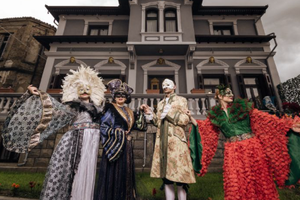
Korça is ready to open the summer season with one of the c...
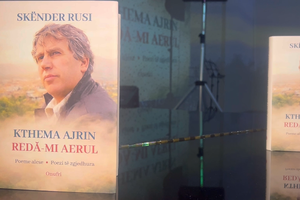
Two years after his passing, the renowned Korçë poet Skënd...
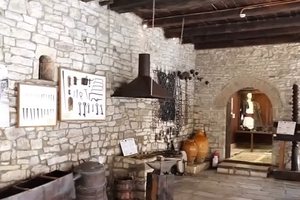
The Ethnographic Museum of Berat has opened its doors to v...
The story of Harilla Bakalli is one of the most chilling t...
The government aims to transform the country's industrial ...
Kursi i këmbimit të euros me lekun ka rënë më tej këtë jav...

Profit margins in the construction sector have increased s...

The Transparency Board, at its meeting today, decided to i...