

"Albania hit by storms"/ Expert: Here's how the weather situation is predicted for the weekend
IGJEUM expert Anira Gjoni shared some data from the weathe...


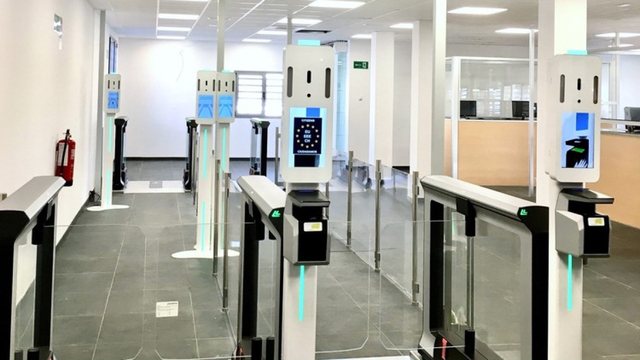
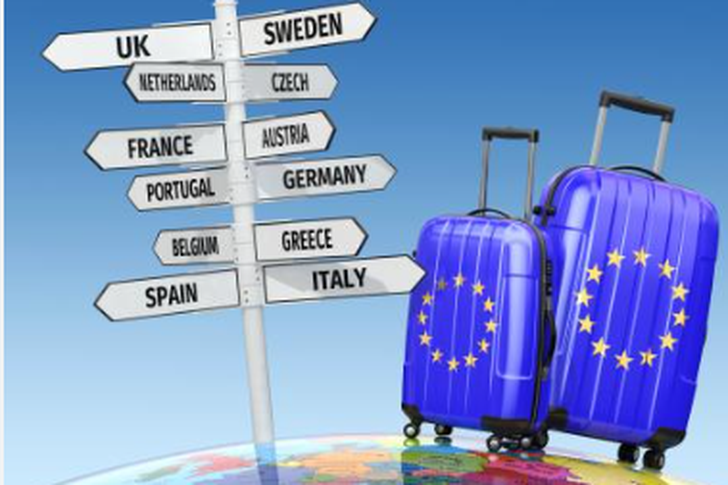
Anyone traveling to European Union countries should be prepared to wait up to three times longer when crossing the border into an EU country for the first time than they currently do, waiting for their passport to be stamped by a border officer. These delays may occur after they are fingerprinted and searched.
On October 12, 2025, the Entry-Exit System (EES) will begin implementation, a new digital border mechanism that will replace manual passport stamps with electronic registration at the external borders of 29 European countries.
SchengenVisaInfo has published detailed information on what will change for citizens who are not part of the European Union, including Albanians.
SchengenVisaInfo explains that for non-EU travelers, this new system means: fingerprinting, photographs and longer processing times during entry/exit (1.5 to 3 times longer during the initial implementation phase).
The system will register all non-EU nationals travelling to the Schengen area for short-term stays (up to 90 days within any 180-day period).
According to the European Commission, the EES will apply to both visa-exempt and visa-required travelers.
The EES will collect certain information such as Facial Image (for all travelers); Fingerprints (only for travelers who do not have a visa); Passport biometric data; Entry/exit dates and locations.
The system will automatically calculate how many days you have stayed in the Schengen area and how many days you have left of the 90-day quota.
The data will be stored for 3 years (or 5 years, if you exceed the permitted period of stay).
The implementation will be gradual. Member States have until 10 April 2026 to fully implement the system. Until then, some border crossings will use the EES, while others will continue to use traditional passport stamps.
The Entry/Exit System (EES) will be implemented in 29 European countries, including all 25 EU member states that are part of Schengen, as well as Iceland, Liechtenstein, Norway and Switzerland.
Ireland and Cyprus remain outside this system, which will continue to use passport stamps. For example, if you fly from Dublin to Paris, your passport will be stamped when you leave Ireland and then scanned upon entry into France.
Who should register in the EES?
The new Entry/Exit System (EES) will include any citizen of countries outside the EU and the Schengen area, traveling for short stays, up to 90 days within a 180-day period.
At the first moment of registration, travelers will provide a real-time facial image, while those entering without a visa will also provide four fingerprints. For those traveling with a visa, fingerprints will not be requested again, as they are already stored in the VIS system.
Children under 12 years old are not required to give fingerprints, but will still be photographed.
This process aims to speed up border crossings and replace the old system of passport stamps. During the first registration, a real-time facial photo and four fingerprints are taken for visa-exempt travelers.
For visa holders, fingerprints are already registered in the VIS system and will not be taken again for the EES.
Children under 12 years old are exempt from giving fingerprints, but will still be photographed.
Citizens of the EU, SEE countries (Norway, Iceland, Liechtenstein) and Switzerland, as well as those of Ireland and Cyprus, are not registered in the EES. Holders of residence permits or long-term visas (D) are also excluded, as are citizens of Andorra, Monaco, San Marino and the Vatican. Diplomats, heads of state, NATO personnel, as well as border workers or crews of international ships, aircraft and trains are also excluded from registration.
Key points of the Entry-Exit System (EES)
Start: October 12, 2025 (partial implementation until April 10, 2026)
Who needs to register: Non-EU citizens visiting for less than 90 days
Biometrics: Photo for everyone + 4 fingerprints for visa-free travelers
Excluded: EU/SEE/Swiss citizens, residence permit holders, as well as citizens of Monaco, Andorra, San Marino and Vatican City
Data retention period: 3 years normally, 5 years if it exceeds the period of residence
Where it applies: 29 European countries (Schengen/SEE countries and Switzerland)
Exceptions: Ireland and Cyprus continue with passport stamping
Processing time: Expected to take 1.5 to 3 times longer than the actual passport stamping
Cost: Free (there is no fee for registering in the EES)./ Monitor

IGJEUM expert Anira Gjoni shared some data from the weathe...
The Independent Appeals Chamber has decided to reinstate T...
Journalist Osman Stafa has published on social networks an...

The President of the Supreme Court of the Netherlands, Din...

Ecumenical Patriarch Bartholomew and His Beatitude John me...
The Embassy of the European Union in Tirana has today shar...

Today it was reported that journalist Piro Nase has been t...
The President of the Republic, Bajram Begaj, decreed today...
Today, CNA published a list of 11 names rumored to be oppo...

The head of SPAK, Altin Dumani, met today with the Chief P...
The hearing at the Criminal Court for the "Sterilization" ...

Croatia has seized a large quantity of chili peppers that ...

Today marks 45 days since the deception and public lies of...

The ILD held a hearing today on the request of the High In...
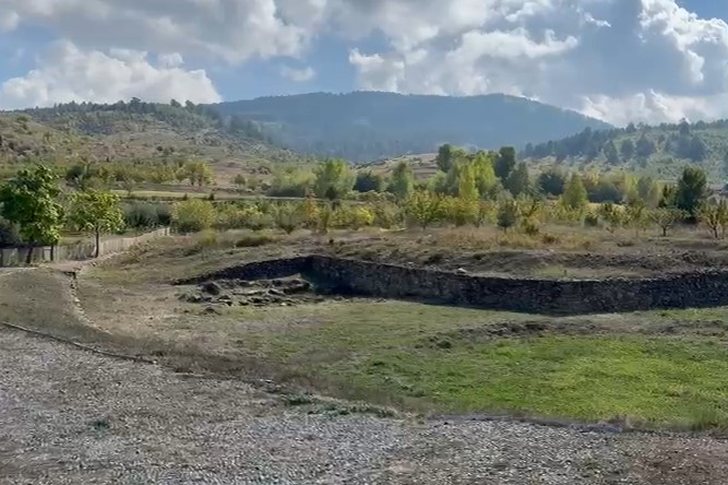
At the museum center “Tuma e Kamenica”, one of the most im...
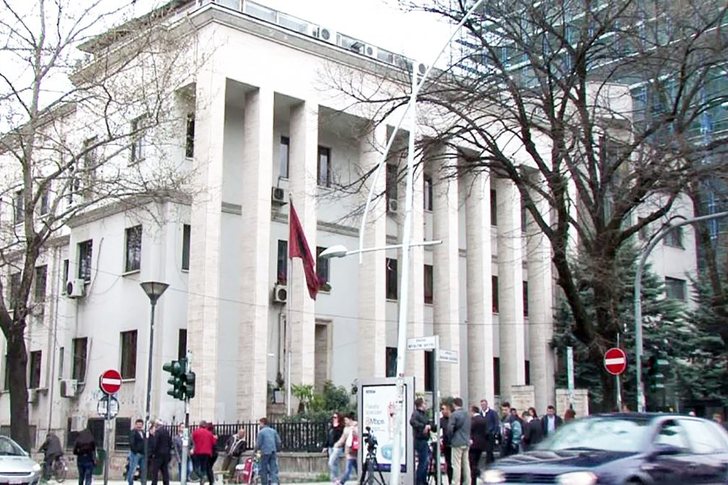
The Supreme Court has dismissed the appeal of the members ...
The Special Prosecution has requested 2 years in prison fo...
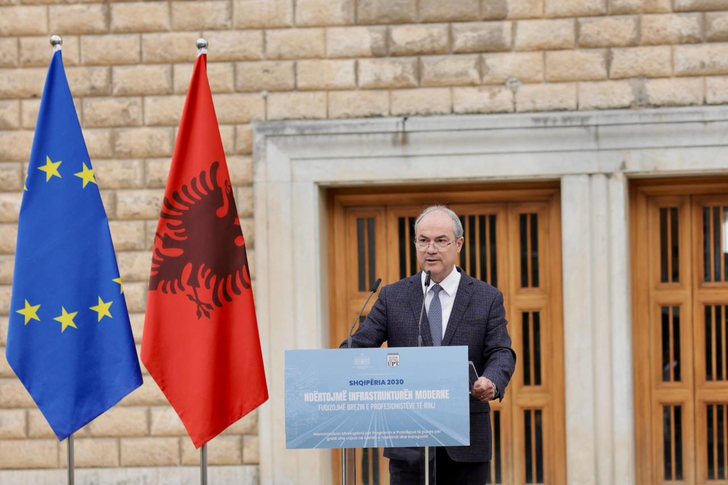
Today, the Polytechnic University of Tirana and the Minist...
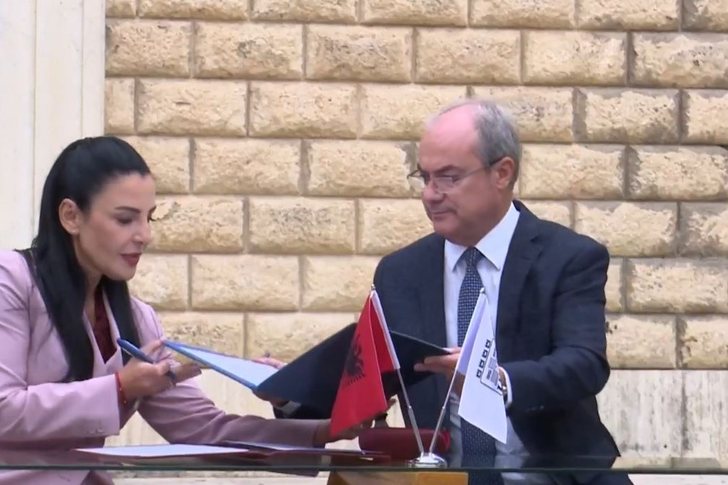
An agreement is signed between the Ministry of Infrastruct...

Today, the Ministry of Infrastructure and Energy (MIE) and...

There have been 12 days of protests in the capital, which ...

Dritan Prençi is the SPAK prosecutor who is sleeping on th...

The in-depth investigations that SPAK conducted into Ajola...
SPAK's standards, the way it investigates, how it secures ...

The Special Board of Appeal (KPA) decided this Monday ...

The KPA vetting decided this Thursday to dismiss the p...

Suela Salavaçi, a prosecutor in the Prosecutor's Offic...

The Special Board of Appeal reinstated the prosecutor ...

New details have emerged regarding the serious accident th...
An Albanian businessman was arrested this afternoon in Gre...

A serious accident has occurred on the Korça-Ersekë axis, ...
Fier Police has announced the measures taken this week for...

A tragic accident occurred this Friday afternoon in Kameni...

Today our country will be affected by unstable weather con...

On Thursday, our country will be affected by relatively un...

Albania is facing a deep demographic crisis where official...
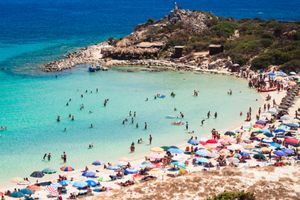
Umbrellas have been banned on a beach in Sardinia for anyo...

This June 12th marks the 27th anniversary of the liberatio...

The global economy is expected to face its biggest slowdow...

German Chancellor Friedrich Merz (CDU) defended his govern...

Several archaeological excavations conducted during this s...

At the Museum of Fine Arts in Chambéry, France, an exhibit...

Korça has transformed this weekend into the capital of cel...

Korça is ready to open the summer season with one of the c...
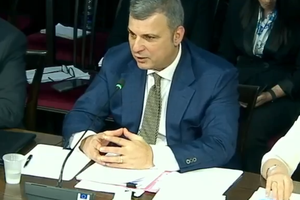
The Governor of the Bank of Albania, Gent Sejko, shared to...

Business lending has increased in the first half of this y...

The labor market has shown worrying trends in early 2026. ...

The number of new retirees in the social security scheme i...