


Businessman Artur Shehu breaks his silence: I am a long-time land owner in Zvërnec, I don't know the investors at all
Albanian businessman Artur Shehu spoke on the Opinion show...

Albanian businessman Artur Shehu spoke on the Opinion show...

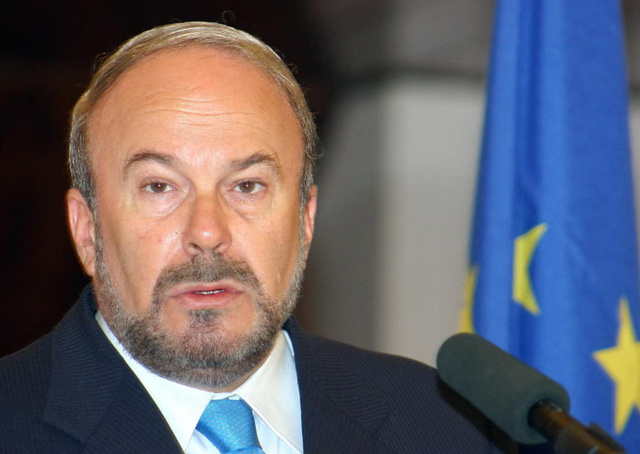
Whether in government or in prison, Fatos Nano was one of two figures, along with his sworn rival, Sali Berisha, who dominated Albania's political scene in the tumultuous 15 years that began with the collapse of communist party rule in 1990.
Characteristic of the political turmoil of this period was that, although he was appointed prime minister on four different occasions, Nano only served a total of four years in that post.
Nano, who died of chronic obstructive pulmonary disease at the age of 73, owed his political influence to his undisputed position as leader of the Socialist Party of Albania (SPA) until 2005.
As prime minister in 1991, Nano played a significant role in leading - when possible - Albania's chaotic but largely peaceful transition from a hardline Stalinist regime with a collapsed command economy to a pluralistic society and a new market economy.
The initial political beneficiary of this transformation was the opposition, led by Berisha's Democratic Party of Albania (DPA), which won a landslide victory in the first truly free elections in March 1992.
Berisha was elected president by the new parliament. Nano, who in 1991 had already begun to transform the communist-era Party of Labor of Albania (PPSH) into the social-democratic SPSH, soon found himself in prison after his conviction on corruption charges.
Nano’s second chance to change the course of Albanian politics for the better came in March 1997, when the nationwide collapse of fraudulent pyramid investment schemes led to an uprising against Berisha’s increasingly authoritarian rule. This time the unrest became much more violent than in 1991-92, as rebel groups and criminal gangs seized hundreds of thousands of weapons from army depots.
In the June 1997 snap elections, the Socialists inflicted a crushing defeat on the Democrats, leading to Berisha's resignation. Nano returned as prime minister and shifted the balance of power from Berisha's de facto presidential rule to a parliamentary system of government.
During the eight years of SPSH rule that began in 1997, the economy gradually stabilized, political life calmed down, and social conflicts subsided. However, the electorate became increasingly disillusioned with the selfish rule, arrogance, and rampant corruption of SPSH governments. This resulted in the surprise victory of the Democrats in the July 2005 elections, allowing Berisha to return to power from political obscurity.
Nano's last major contribution was facilitating the smooth transfer of power to the DPA and resigning from the leadership of the SPSH. His successor, Edi Rama - the current prime minister - would build the SPSH into a powerful election-winning machine.
Nano was born in Tirana, the capital of Albania. His father, Thanos, would later serve as the head of the state broadcaster, Radio Television Shqiptar; his mother, Maria (maiden name Shuteriqi), was a government official. Fatos was educated at the elite Sami Frashëri High School and graduated in political economy from the University of Tirana in 1974.
After working as an economist at the Elbasan steelworks, Nano joined the Institute of Marxist-Leninist Studies, the ideological center of the PLA. He became a protégé of its director, Nexhmije Hoxha, the widow of the communist dictator, Enver Hoxha, who had ruled Albania from 1944 until his death in 1985. Hoxha’s increasingly isolationist policies had led to Albania’s impoverishment in the 1980s. Economic hardship and the success of pro-democracy movements in other Central and Eastern European countries sparked student protests in Albania in the late 1990s.
Nano emerged from obscurity to be appointed secretary general of the government in December 1990. His rise was meteoric thereafter: deputy prime minister until January 1991; and, after the toppling of the giant statue of Hoxha in central Tirana on February 20, he was appointed prime minister by Hoxha's successor, President Ramiz Alia.
Nano was only 38 years old at the time of his appointment. His appointment was intended to project the image of a generational change and political transformation from the regime. The tactics worked, and he was appointed prime minister for a second time after the ALP won a landslide victory in the first multi-party elections that March.
However, the ALP enjoyed a huge advantage in terms of resources and publicity over the new opposition. The unfair elections sparked street protests and a general strike, leading to Nano’s resignation in June. Within days, the ALP congress voted to rename the party the PSSH and elected Nano as its leader.
After the DPA's victory in the 1992 elections, Nano was arrested in 1993 and sentenced to 12 years in prison in 1994 for embezzlement of state funds while prime minister. He denied all charges and became a martyr for the socialists. He continued to lead the SPSH from prison: his then-wife, Rexhina, acted as an intermediary between him and his three deputies.
During the uprising against Berisha's rule in 1997, Nano was released and later led the Socialists to their electoral victory. Unlike Berisha, he was not vindictive and made no attempt to use the courts to punish Democrat leaders.
His third term as prime minister was cut short after a year by anti-government unrest following the assassination of Azem Hajdari, a DPA politician, in 1998. Democrats blamed the government, but a subsequent trial showed that Hajdari's murder had more to do with rivalry between gangs involved in arms smuggling.
Nano briefly fled Tirana and, to ease tensions, handed over the premiership first to a young protégé, Pandeli Majko, and then to another, Ilir Meta, while remaining in overall control of the government. However, as Meta began to assert himself, Nano returned to the prime minister's post in July 2002 to serve his final term in that post.
Connection to power was less important to Nano than enjoying the material benefits that came with being in government and the patronage it offered. He had a relaxed style: journalists (including me) were occasionally offered a pleasant conversation and a glass or two of malt whisky.
Nano's comfortable lifestyle, the government's complacency, and the rift with Meta, who had created a rival socialist party, led to the SPSH's defeat in the 2005 elections.
Nano's resignation from party leadership ended his political career. An attempt to be elected as head of state by parliament in 2007 failed in the face of opposition not only from Berisha's Democrats but also from many lawmakers from Rama's SPSH, who feared that Nano might emerge as a potential rival to their new leader.
Afterwards, Nano and his second wife, Xhoana, whom he married in 2002, lived a quiet life, dividing their time between homes in Vienna and Tirana.
He left behind Xhoana and two children, Sokol and Edlira, from his first marriage, which ended in divorce, and an adopted son, Klajdi.
*Written by Gabriel Partos, BBC Central and South-East Europe analyst

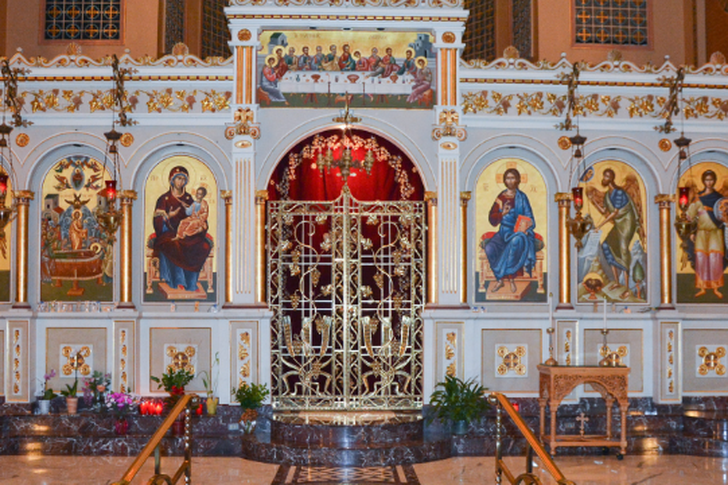
*Written by the Archbishop of Tirana, Durrës and All Alba...
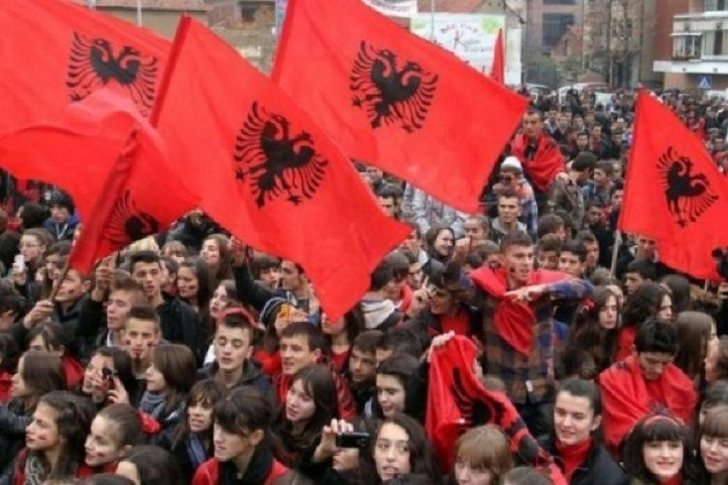
I. Yes, we Albanians have been searching for 500 years and w...
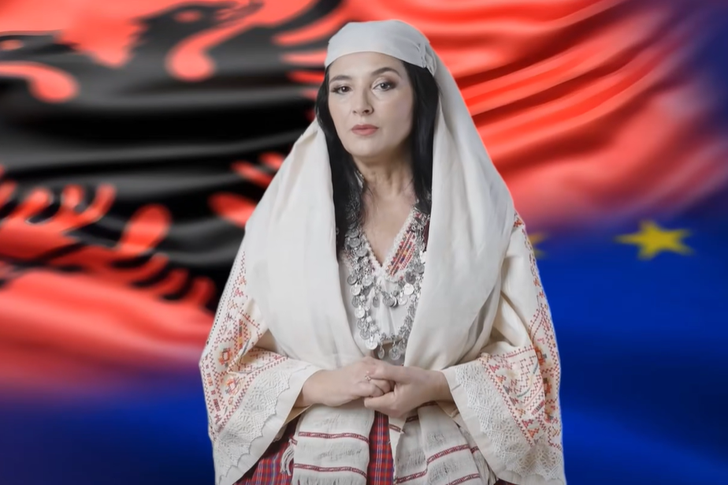
When an exhaustive answer has not yet been given to the qu...
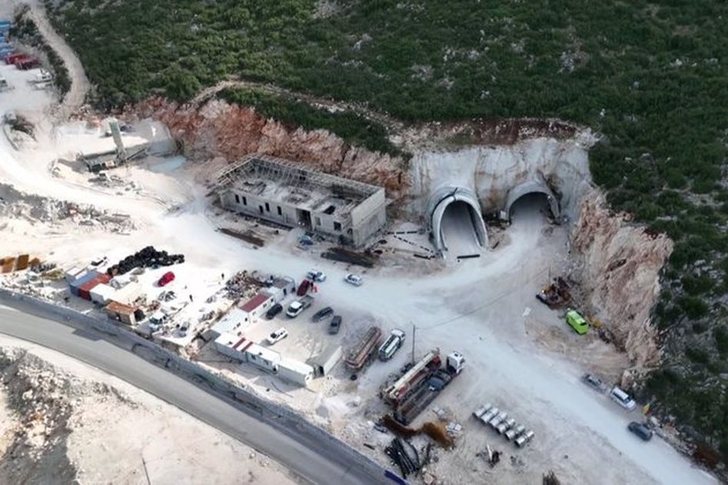
In our country, every major public project has a predeterm...
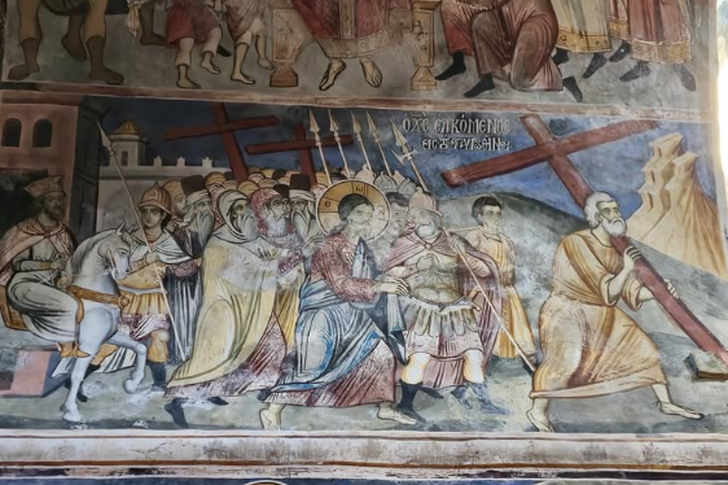
Once upon a time, a king known for his compassion and gene...
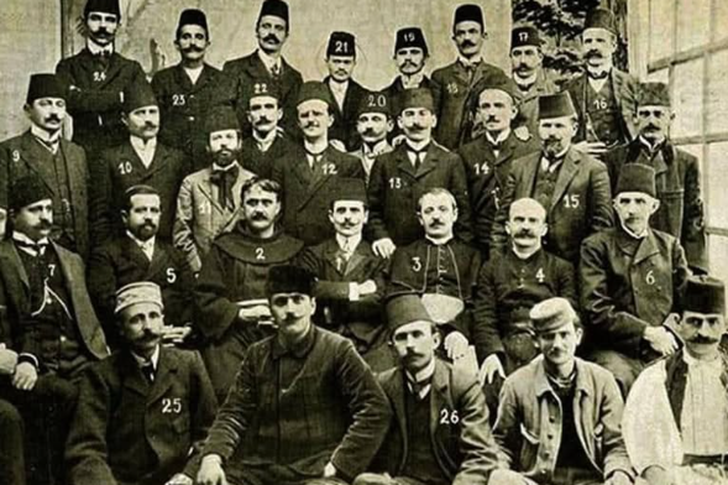
The first light of knowledge began in this city, with the ...
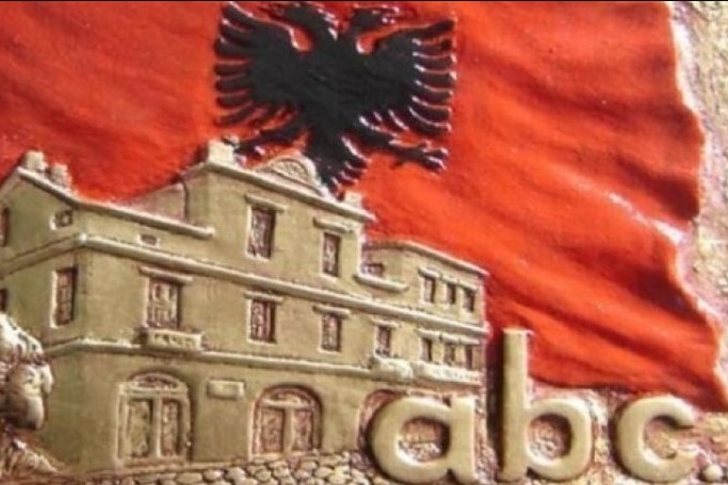
If there is a miracle worth believing in, it is the surviv...
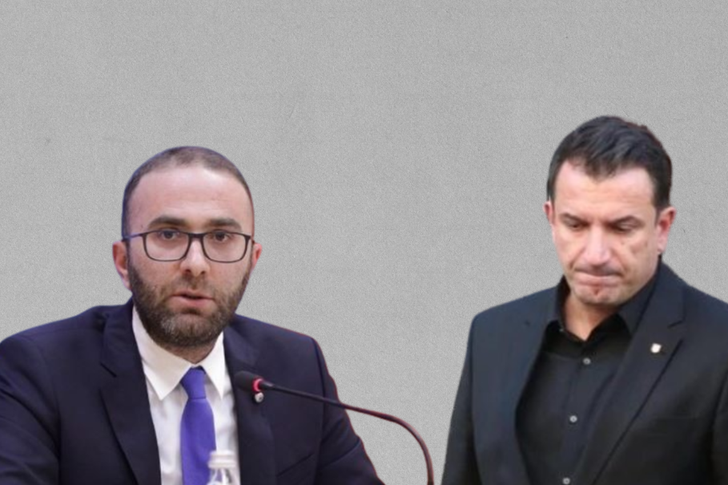
There is a very interesting thread that often connects Gaz...
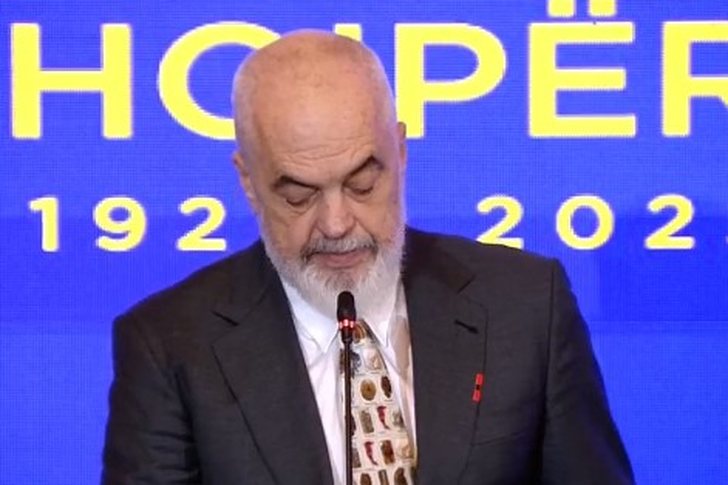
The mockery of Braverman has not been enough for the Labor...
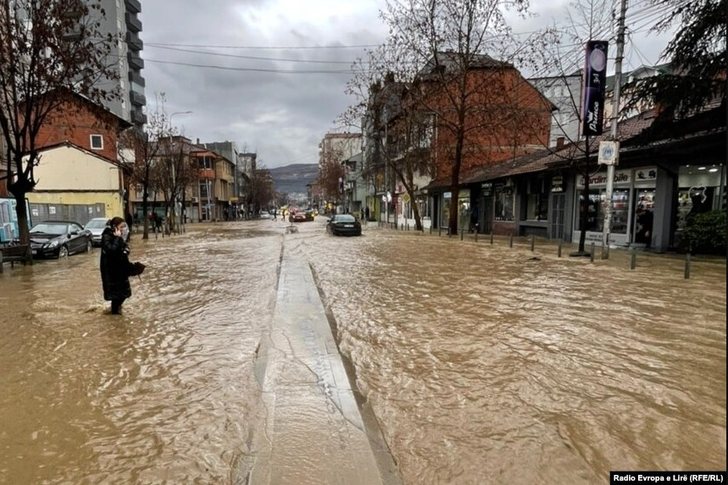
It's raining in Albania! The media, for a week in a row, a...
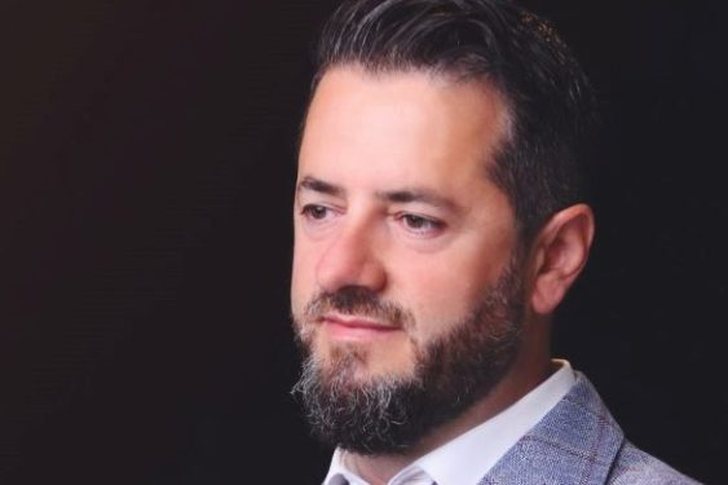
In every state of law, laws exist to protect the citizen f...

There are laws that pass unnoticed; quietly, without debat...
We are experiencing a total degradation of the political s...

The Program for International Student Assessment (PISA) ha...
There is an unwritten law in politics: the more murky your...
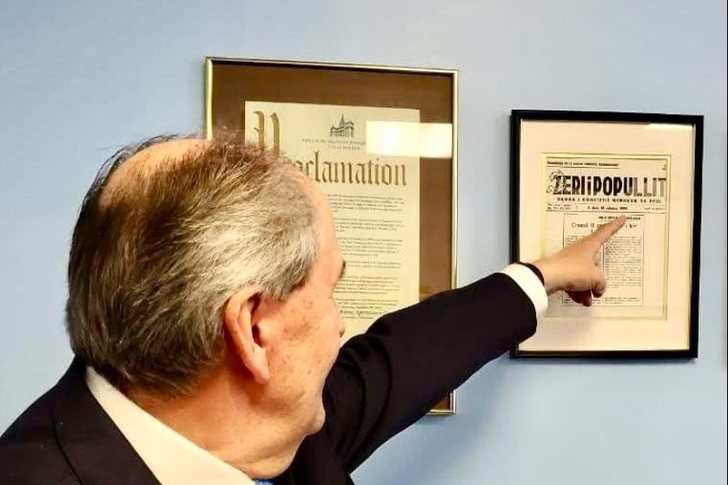
Elez Biberajt, on the date of birth Just as they had divi...
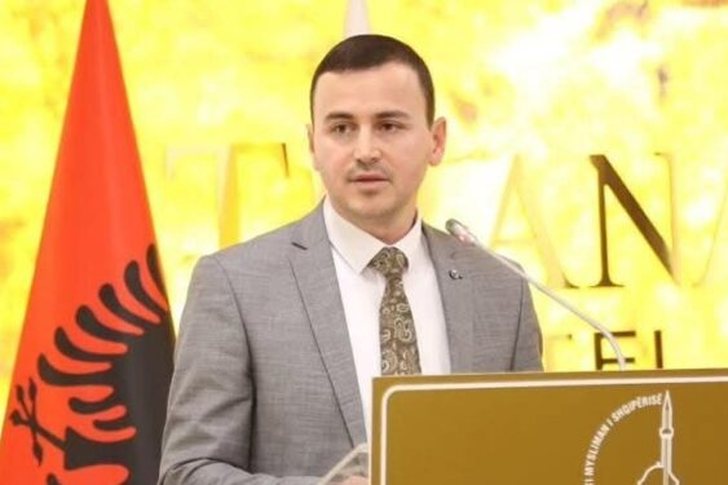
A counterargument to the public statement of Mr. Ben Blush...

Food safety in Albania has become one of the most discussed ...
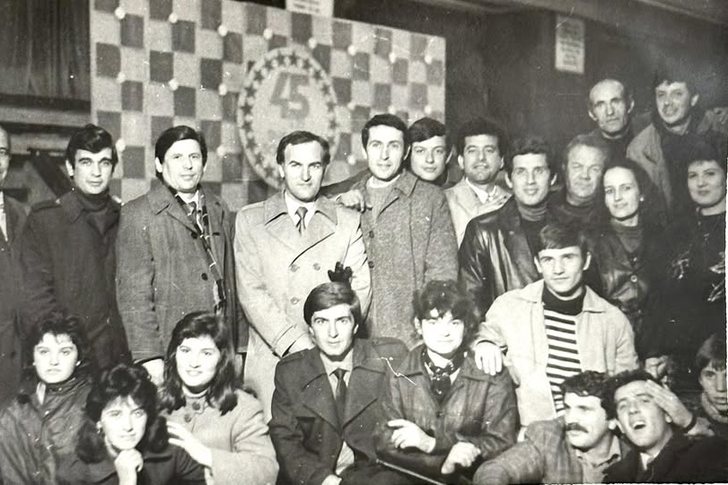
Through photography, not simply as an art form that has it...
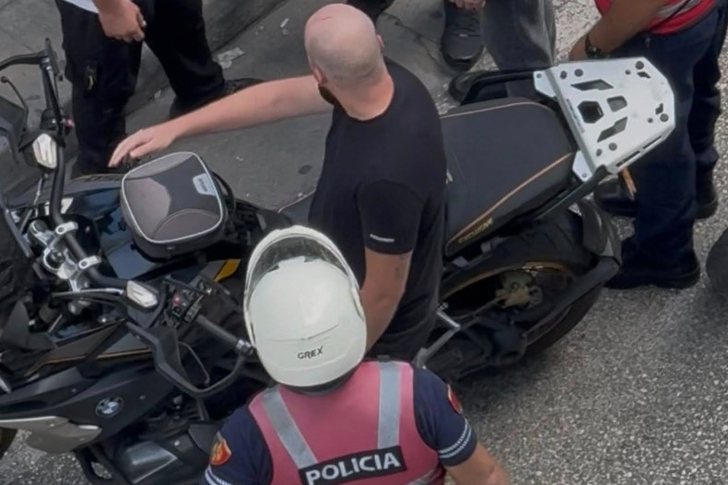
I live in the "Paris Commune". Because of my little girls,...

The next case broadcast on the show "Stop", this Thursday,...
The case published this Thursday, June 4, on the show "Sto...

The protests of recent days related to the situation in Zv...

The case addressed this Wednesday, June 3, on the show "St...

The Special Board of Appeal (KPA) decided this Monday ...

The KPA vetting decided this Thursday to dismiss the p...

Suela Salavaçi, a prosecutor in the Prosecutor's Offic...

The Special Board of Appeal reinstated the prosecutor ...
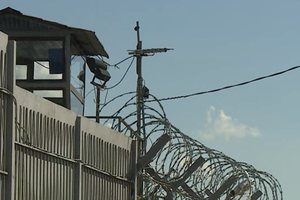
A convict was found dead today in the premises of the Pris...
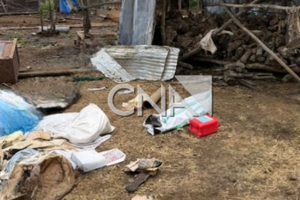
Several images provided by CNA show the area where this mo...

A quantity of explosive material exploded this morning at ...
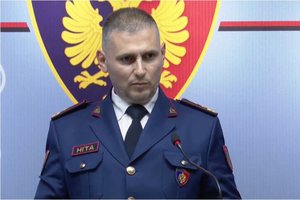
The Head of the State Police, Skënder Hita, expressed his ...

For many children and teenagers, the long summer holidays ...
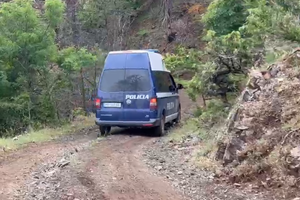
Witnesses in Lozhan, Maliqi, have shared details from the ...

Albania is facing an unprecedented demographic transition,...
On Thursday, our country will be affected by unstable weat...

Russian President Vladimir Putin said the war in Ukraine c...
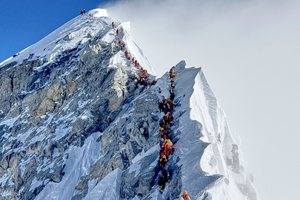
An extraordinary story of survival has been recorded in Ne...
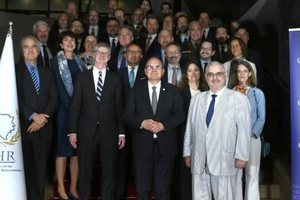
The Peace Implementation Council in Bosnia and Herzegovina...
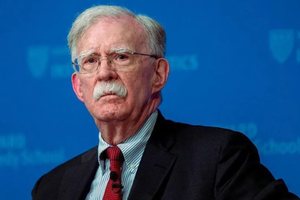
John Bolton, the former national security adviser to US Pr...
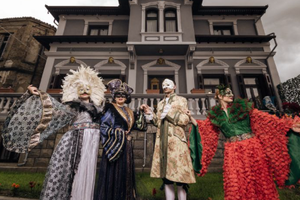
Korça is ready to open the summer season with one of the c...
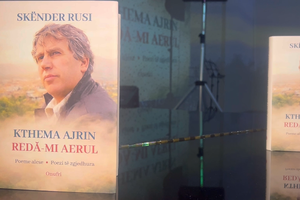
Two years after his passing, the renowned Korçë poet Skënd...
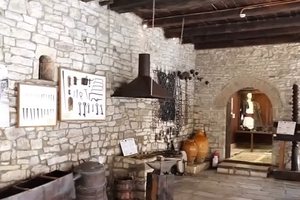
The Ethnographic Museum of Berat has opened its doors to v...
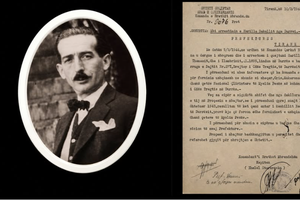
The story of Harilla Bakalli is one of the most chilling t...

The government aims to transform the country's industrial ...

Kursi i këmbimit të euros me lekun ka rënë më tej këtë jav...

Profit margins in the construction sector have increased s...

The Transparency Board, at its meeting today, decided to i...