


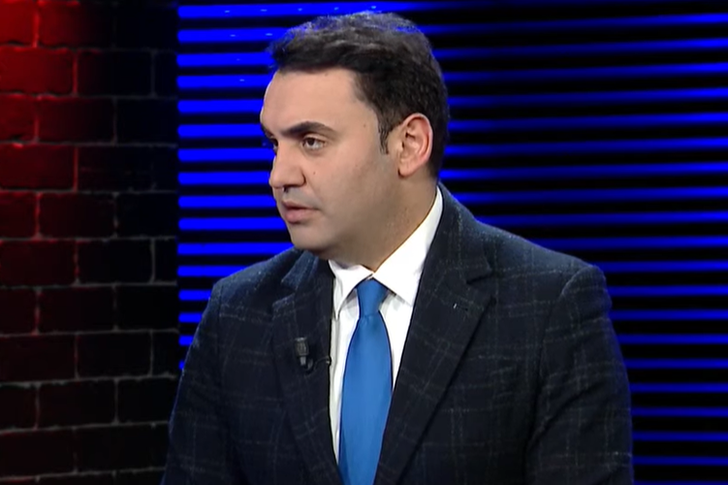
Businessman Artur Shehu breaks his silence: I am a long-time land owner in Zvërnec, I don't know the investors at all
Albanian businessman Artur Shehu spoke on the Opinion show...

Albanian businessman Artur Shehu spoke on the Opinion show...


When you make way for a fool, you do no honor to an individual. You set a precedent for stupidity. And stupidity, when legitimized, has a bad habit: it sits at the head of the table.
Human history, and especially that of small societies like ours, has shown that the greatest harm comes not from intelligent evil, but from empowered fools. Because evil knows how to hide. Fools don't. They act with confidence, with noise, and with a strange sense of mission.
When you open the way for a fool, he takes it as a right. Then as a merit. Finally as property.
Literature has said it much earlier
In Miguel de Cervantes' "Don Quixote of La Mancha," tragicomedy arises precisely when a man immersed in illusion takes himself for a savior knight. The problem is not that Don Quixote is mad; the problem is that the society around him sometimes tolerates him, sometimes encourages him, sometimes uses him. And so his madness becomes a public spectacle that produces real harm.
Individual illusion becomes collective chaos.
In George Orwell's novel "Animal Farm," sheep repeating meaningless slogans are the purest example of the open road for the fool. Sheep are not evil. They are simply ignorant and manipulable. But for this very reason they become the most powerful weapon of power. Whenever someone tries to speak intelligently, the flock of sheep drowns them out with their mechanical howl.
A fool does not rule alone. He always has a choir.
In "1984," the same author takes the idea further: a society that accepts stupidity as the norm begins to fear thought. Where the fool is promoted, the wise become dangerous. Because every question seems like a threat, every argument like rebellion.
Lasgush Poradeci once said, "Never give way to a fool, or he'll take the sidewalk."
While Dritëroi wrote that it is a great misfortune when a fool is overly convinced that he is the wise one and you are the fool.
Thus begins the inversion: mediocrity is rewarded, ability is punished.
When a fool makes way for an institution, he pushes away the capable. Not because he necessarily hates them, but because he feels threatened. Mediocrity always seeks out mediocrity around itself in order to avoid being seen.
When a fool makes way for politics, he turns decision-making into a spectacle. Argument is replaced by jokes. Vision is replaced by propaganda. And in the end, decisions are made not on logic, but on the basis of interest and impulse.
When a fool opens the way in society, he becomes a role model. This is the greatest harm: the normalization of ignorance. Young people no longer try to be knowledgeable, but noisy. They do not seek depth, but appearance. Because they see that the way is not opened for the best, but for the noisiest.
The end is always the same.
The fool knows no bounds. He knows no restraint. He does not understand when he has done enough harm. Therefore, every space he is given, he expands. Every power he is given, he abuses. Not necessarily out of malice, but out of an inability to understand the consequences.
And when society finally wakes up, the damage has been done: institutions have been weakened, standards have collapsed, truth has been relativized.
Therefore, the rule is simple: Kindness does not pave the way for a fool.
Every path that opens to him is closed to the wise./ CNA

The Autumn Eurobarometer 2025 was published today. Many m...

Përvoja prej disa vitesh punë në televizion që vjen si një...
When you see and hear thousands of published facts about k...
But the man of oppression, who has stolen the post of prim...
We here in Tirana have other problems. But in The Hague, o...
Today is the time for political acts and not for peaceful ...
The Prime Minister of Albania, Edi Rama, in his podcast (b...
Refreshment... If a novel helps us understand a real scan...
You are wasting your time and talking nonsense about the B...
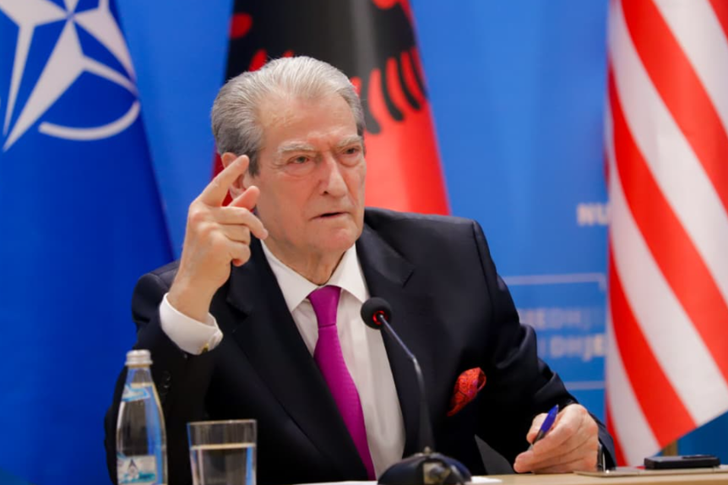
Saliu's speech is proving to be nothing but a meaningless ...
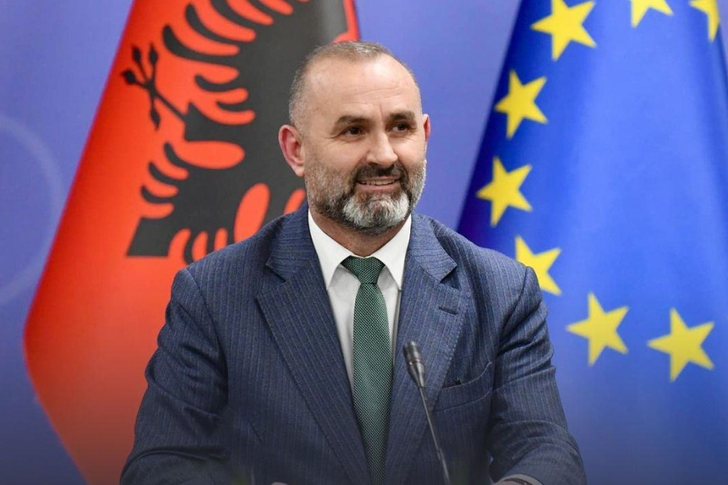
A television interview should never be a reason for delibe...

If the coal doesn't burn, it blackens you - people say. Al...
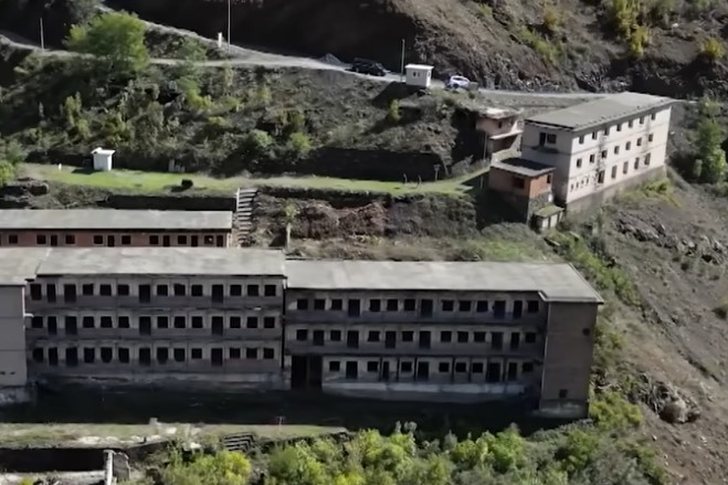
Today I had an invitation from the Konrad Adenauer Foundat...

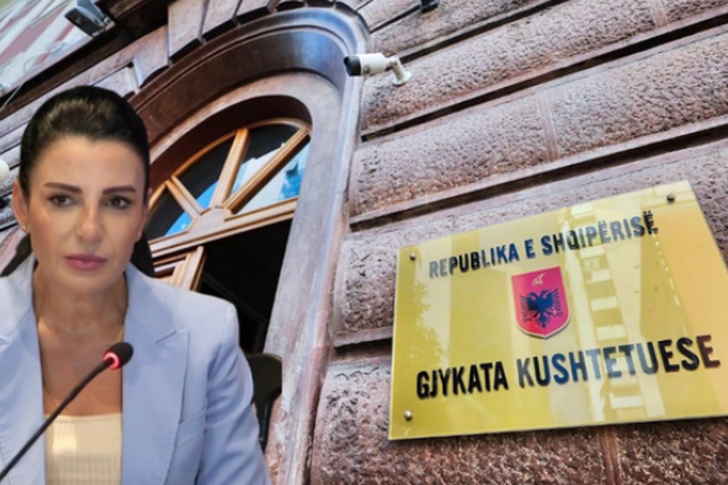
If the justice reform has legal problems, the majority has...

The recent developments made public regarding hazardous wa...
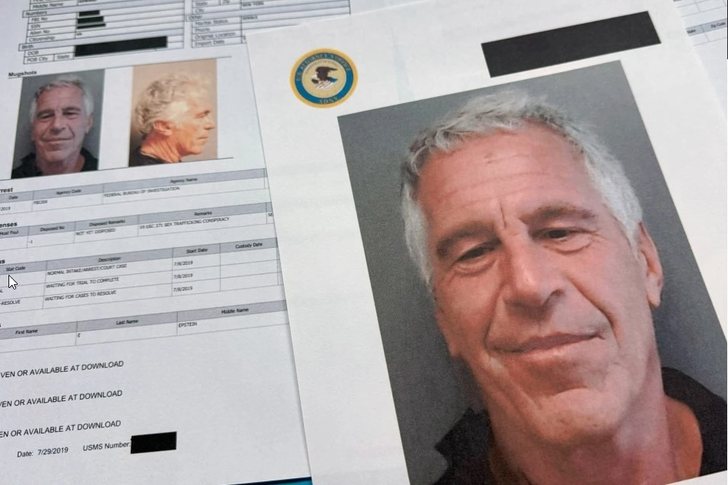
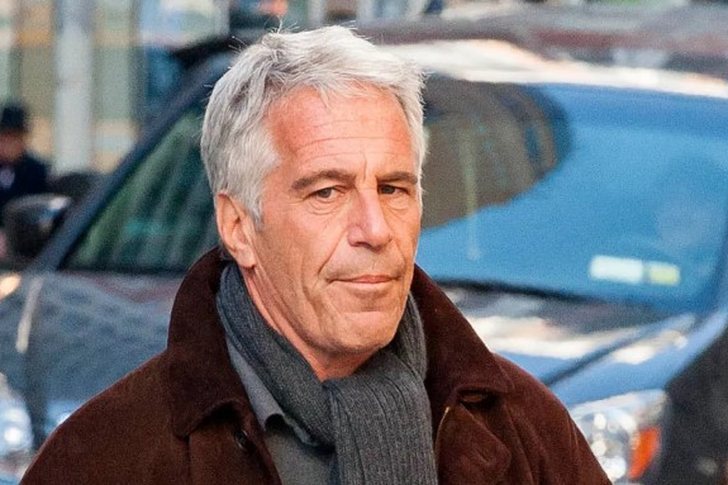
The Epstein scandal and the figure of the elusive actor in...
Edi Rama discovered today in record time, in a lightning-f...
As always, what is not news became current news. So, the m...
The "Epstein" dossier is not simply a public exposure of a...
The inspiration for writing these lines came from two status...
The next case broadcast on the show "Stop", this Thursday,...
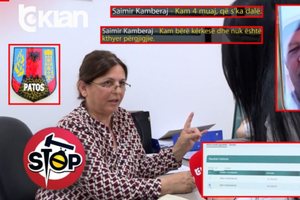
The case published this Thursday, June 4, on the show "Sto...
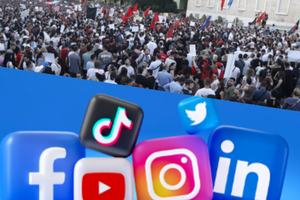
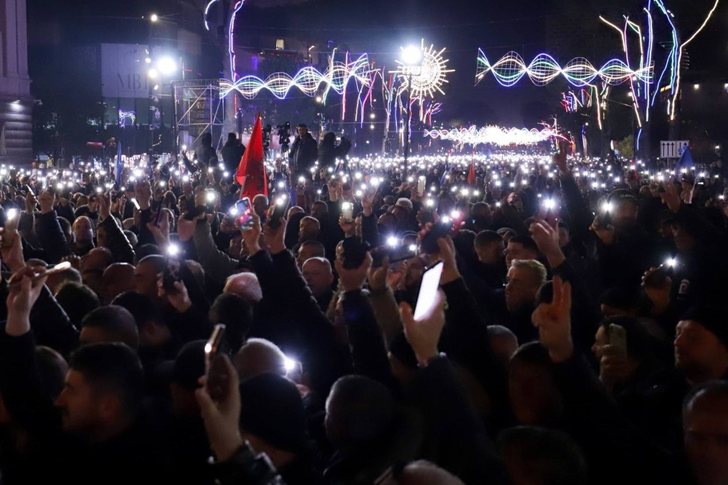
The protests of recent days related to the situation in Zv...
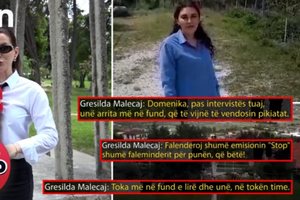
The case addressed this Wednesday, June 3, on the show "St...

The Special Board of Appeal (KPA) decided this Monday ...

The KPA vetting decided this Thursday to dismiss the p...

Suela Salavaçi, a prosecutor in the Prosecutor's Offic...

The Special Board of Appeal reinstated the prosecutor ...
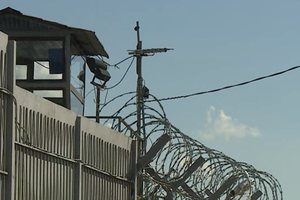
A convict was found dead today in the premises of the Pris...
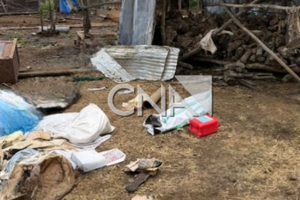
Several images provided by CNA show the area where this mo...

A quantity of explosive material exploded this morning at ...
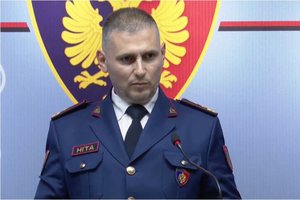
The Head of the State Police, Skënder Hita, expressed his ...

For many children and teenagers, the long summer holidays ...
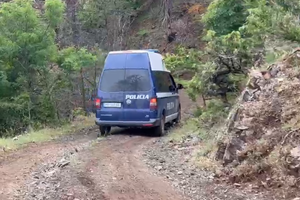
Witnesses in Lozhan, Maliqi, have shared details from the ...

Albania is facing an unprecedented demographic transition,...
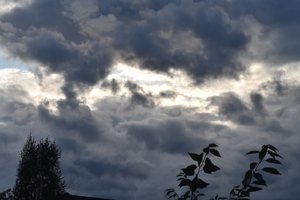
On Thursday, our country will be affected by unstable weat...

Russian President Vladimir Putin said the war in Ukraine c...
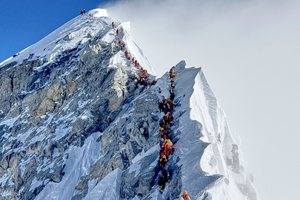
An extraordinary story of survival has been recorded in Ne...
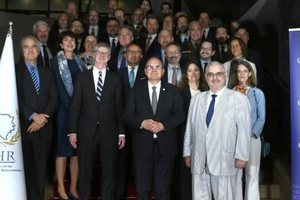
The Peace Implementation Council in Bosnia and Herzegovina...
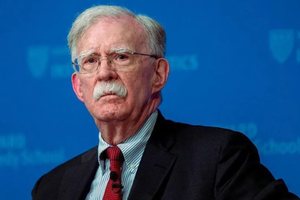
John Bolton, the former national security adviser to US Pr...
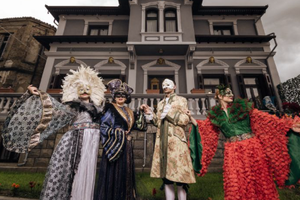
Korça is ready to open the summer season with one of the c...
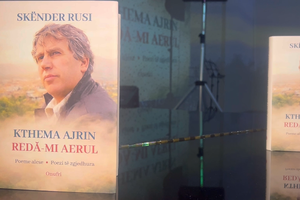
Two years after his passing, the renowned Korçë poet Skënd...
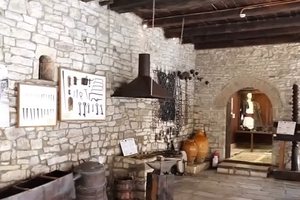
The Ethnographic Museum of Berat has opened its doors to v...
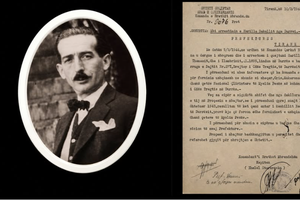
The story of Harilla Bakalli is one of the most chilling t...

The government aims to transform the country's industrial ...
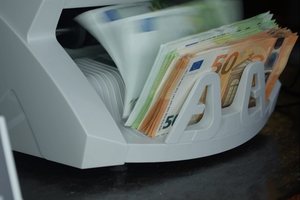
Kursi i këmbimit të euros me lekun ka rënë më tej këtë jav...

Profit margins in the construction sector have increased s...

The Transparency Board, at its meeting today, decided to i...