

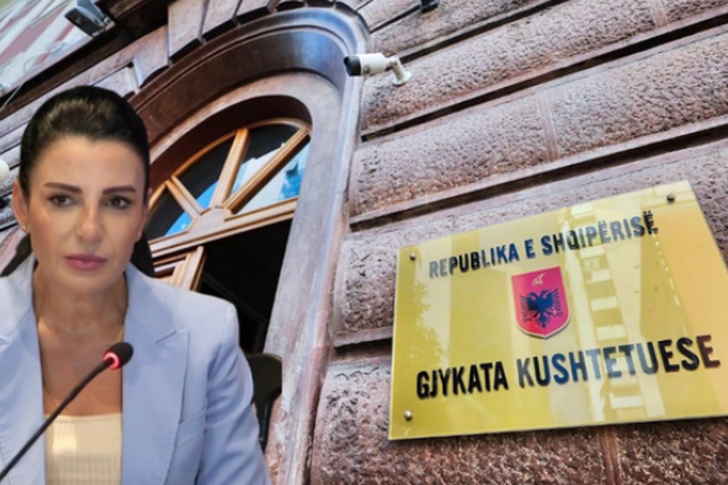
The Constitutional Court in legal ignorance with an even number
You are wasting your time and talking nonsense about the B...


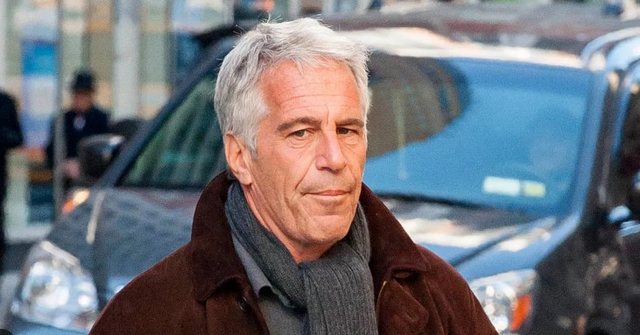
Refreshment...
If a novel helps us understand a real scandal, then the problem is not literature that fantasizes, but reality that remains silent.
The history of power teaches us that it is not only the history of laws, institutions, and public decisions, but also the history of what is deliberately hidden. In every era, power has known that the truth spoken openly endangers authority, despite the reasoning that the coded truth strengthens it.
In this sense, Dan Brown's novel "The Da Vinci Code" is not simply a fiction or intellectual thriller, but also a modern allegory on the relationship between knowledge, silence, and power.
In the world of the novel, truth is not destroyed, but preserved, fragmented, and entrusted only to those deemed “worthy.” Secret societies, religious institutions, and moral authorities do not necessarily act to protect the absolute good, but rather to maintain order and control. This idea directly aligns with Michel Foucault’s philosophical analysis that knowledge is not neutral: it is always linked to power and interest.
In contemporary politics, power rarely needs to lie openly. More effective is institutional silence: the lack of answers, the delay in investigations, vague statements, and redacted documents. Silence is not a vacuum; it is a strategy. It creates confusion, public fatigue, and, over time, oblivion.
The examples are numerous: corruption scandals that never reach the end, political responsibilities that are distributed in the abstract, or crimes that remain without a moral author. In many modern realities, including democratic ones, justice exists more as a concept than as a practice. This is the secret game of power: not the denial of the truth, but its neutralization through time and silence.
In this context, the Jeffrey Epstein dossier scandal does not represent a shocking exception, but a brutal confirmation of the mechanism literary described by Dan Brown.
It cannot be said that “The Da Vinci Code” “predicted” this scandal in the factual sense, but it did predict its structural logic.
As in the novel, the Epstein case is not about a centralized conspiracy, but about an elite network of complicity, where individuals with political, economic, and cultural power are bound by a common interest: silence. What binds them together is not ideology, but compromising information. This explains why there are so many names being talked about and so few concrete responsibilities.
Dosjet nuk u zhdukën; ato u fragmentarizuan, u redaktuan dhe u publikuan pjesërisht. Ky proces i kujton lexuesit mënyrën se si e vërteta në “Kodin e Da Vinçit” shpërndahet në simbole, kode dhe gjurmë të paplota. E vërteta ekziston, por nuk lejohet të bëhet tronditëse.
Ajo që trondit më shumë në skandalin Epstein nuk është vetëm përmbajtja e akuzave, por heshtja e institucioneve që supozohet të garantojnë drejtësinë. Këtu merr kuptim analiza e Hannah Arendt-it mbi “banalitetin e së keqes”: e keqja nuk shfaqet gjithmonë si akt ekstrem, por si mosveprim, vonesë dhe normalizim burokratik.
Pushteti nuk e mbron veten duke shpallur pafajësinë, por duke mos reaguar. Heshtja kthehet në provë force, jo faji. Në këtë mënyrë, qytetari shndërrohet në një “lexues kodi”, i detyruar të kuptojë realitetin përmes shenjave të tërthorta, rrjedhjeve të kontrolluara dhe mungesës së përgjigjeve.
Një rol kyç në këtë lojë sekrete luan edhe media. Kur skandalet trajtohen si lajme kalimtare, kur emrat përmenden pa analizë dhe kur vëmendja zhvendoset shpejt drejt temave të tjera, media bëhet pjesë e mekanizmit të heshtjes. Informacioni qarkullon, por pa peshë morale.
Kështu, e vërteta nuk mohohet, por zbrazet nga kuptimi i saj politik dhe etik. Publiku di, por nuk vepron; sheh, por nuk tronditet më.
Ashtu si në “Kodin e Da Vinçit”, edhe në realitetin politik bashkëkohor, e vërteta nuk është e ndaluar; ajo është e koduar. Loja sekrete e pushtetit nuk funksionon sepse njerëzit nuk dinë, por sepse lodhen së kërkuari kuptimin e plotë.
Skandali i dosjeve Epstein nuk është një rast i izoluar, por një pasqyrë e një sistemi që mbijeton përmes heshtjes dhe kompromisit. Në fund, pyetja nuk është nëse e vërteta ekziston, por nëse shoqëria ka ende guximin ta deshifrojë atë. Sepse loja sekrete vazhdon vetëm atëherë kur ne pranojmë të mos pyesim.
Problemi më i madh i epokës sonë nuk është mungesa e së vërtetës, por mungesa e tronditjes përballë saj. Ne jetojmë në një kohë kur skandalet nuk na zgjojnë më, por na lodhin; ku zbulesat nuk çojnë në ndryshim, por në indiferencë. Kjo është fitorja më e heshtur dhe më e rrezikshme e pushtetit: jo të na bindë se gënjeshtra është e vërtetë, por të na mësojë të jetojmë me të vërtetën pa reaguar.
Në këtë kuptim, loja sekrete nuk është më thjesht mekanizëm politik — ajo është bërë gjendje mendore kolektive. Pushteti nuk ka më nevojë të mbyllë arkiva; mjafton të hapë pjesërisht dosje. Nuk ka nevojë të censurojë; mjafton të mbingarkojë. E vërteta, e shpërndarë pa kontekst dhe pa kulm moral, humbet fuqinë e saj çliruese dhe shndërrohet në zhurmë.
“Kodi i Da Vinçit” na kujton se çdo shoqëri ka sekretet që zgjedh të mbrojë dhe të vërtetat që zgjedh të mos i përballojë. Skandale si ai i dosjeve Epstein nuk janë thyerje të rendit, por zbardhje të mënyrës se si funksionon rendi vetë. Ato nuk tregojnë se sistemi ka dështuar, por se ai funksionon pikërisht kështu.
If a novel helps us understand a real scandal, then the problem is not literature that fantasizes, but reality that remains silent.
In the end, the question is no longer “who hid the truth?” but “why did we accept to see it without acting?” Because the most dangerous moment for a society is not when the truth is hidden, but when it comes to light and changes nothing.
Then the secret game is ended not by those who remain silent at the top of power, but by those who, below, restore the ability to be shocked. Only then does freedom begin — not as a gift of power, but as an act of conscience.

You are wasting your time and talking nonsense about the B...
Saliu's speech is proving to be nothing but a meaningless ...
A television interview should never be a reason for delibe...

If the coal doesn't burn, it blackens you - people say. Al...
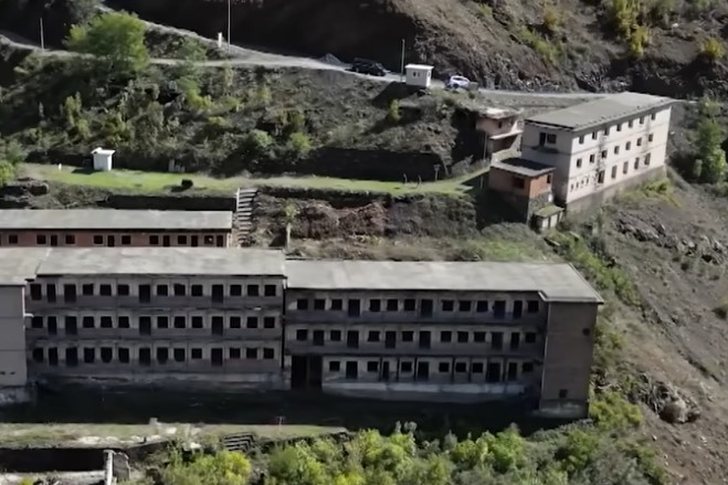
Today I had an invitation from the Konrad Adenauer Foundat...

If the justice reform has legal problems, the majority has...

The recent developments made public regarding hazardous wa...
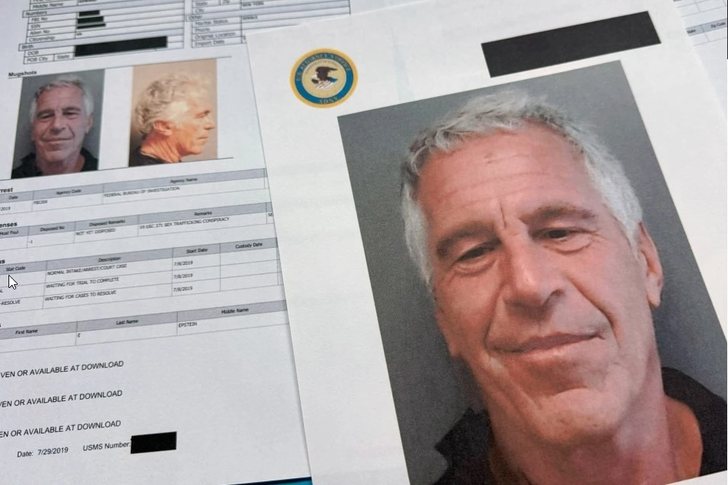
The Epstein scandal and the figure of the elusive actor in...
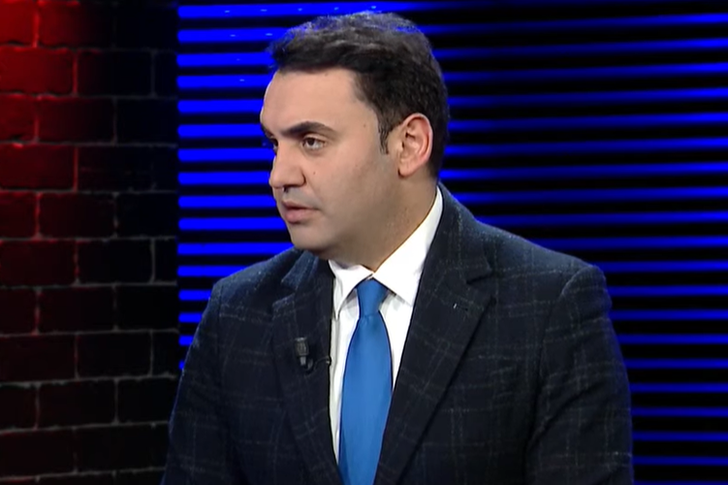
Edi Rama discovered today in record time, in a lightning-f...

As always, what is not news became current news. So, the m...
The "Epstein" dossier is not simply a public exposure of a...
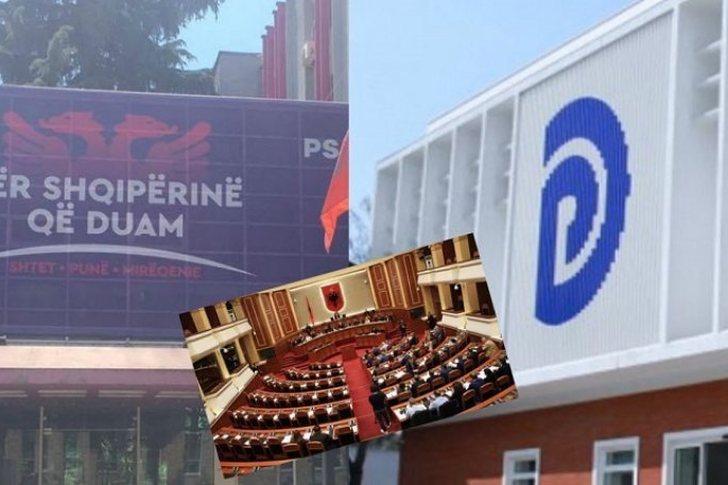
The inspiration for writing these lines came from two status...
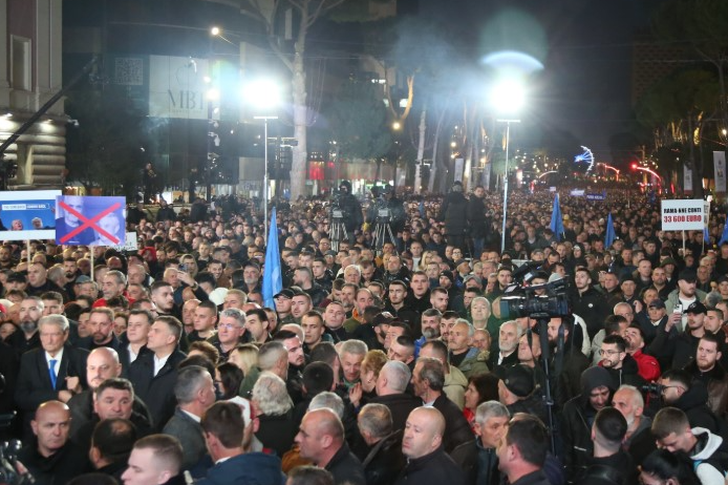
Today we decided to bring together a perfect mass front fo...
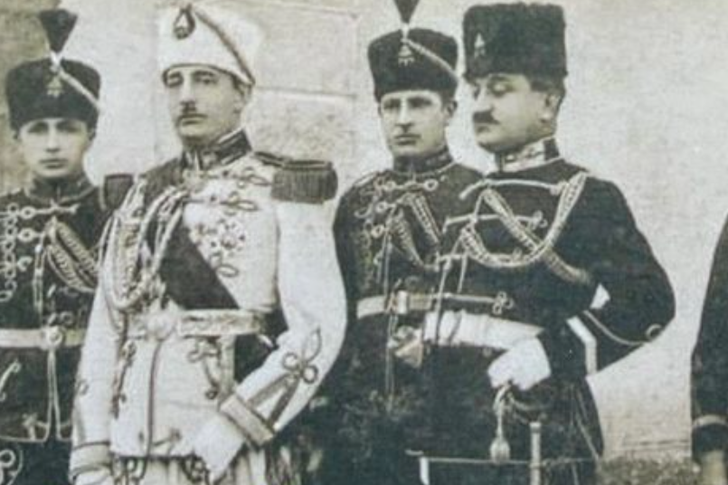
It has long been requested with irrefutable arguments that...
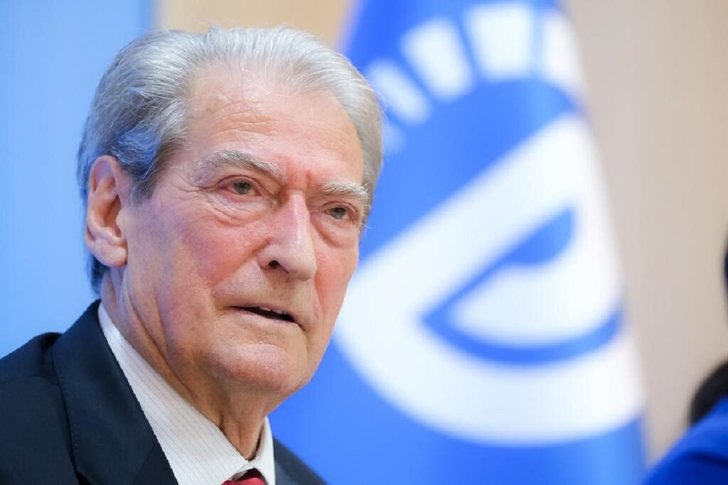
The issue of elections in a crisis, but also outside of a ...
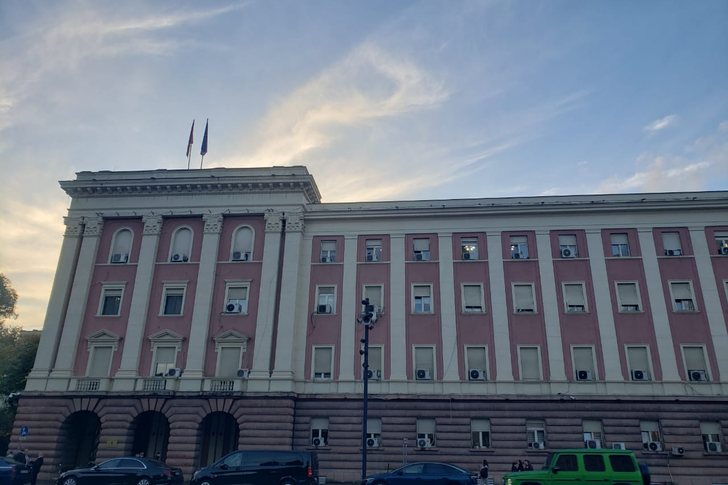
For some time now, the thesis of a "republic of prosecutor...
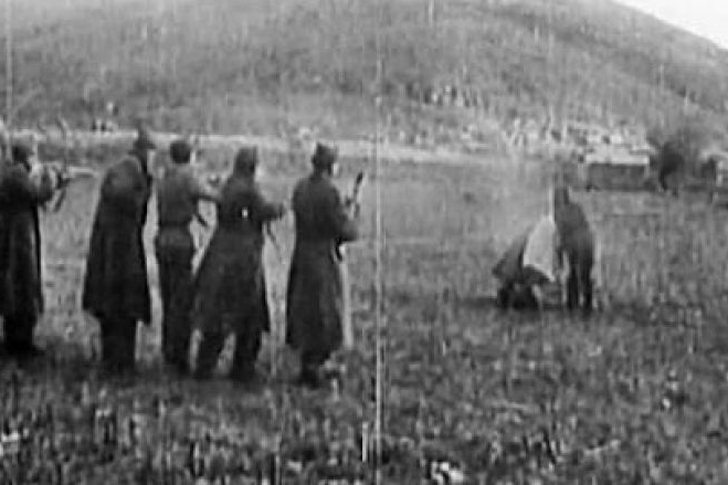
Writer Ismail Kadare, for the first time, addresses one of...

Yesterday, Petrit Malaj, Minister of Finance, spoke in Par...

Self-regulation is vital, but the state in the middle is m...

Today, January 28, 2026, marks the 90th anniversary of the...

The protests of recent days related to the situation in Zv...
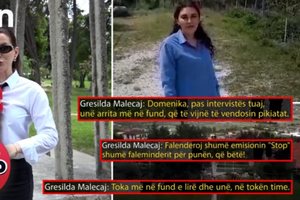
The case addressed this Wednesday, June 3, on the show "St...

The show "Stop" broadcast this Wednesday, June 3, the case...

Irfan Hysenbelliu claims to be a big businessman, an hones...

The Special Board of Appeal (KPA) decided this Monday ...

The KPA vetting decided this Thursday to dismiss the p...

Suela Salavaçi, a prosecutor in the Prosecutor's Offic...

The Special Board of Appeal reinstated the prosecutor ...

Several images provided by CNA show the area where this mo...

A quantity of explosive material exploded this morning at ...

The Head of the State Police, Skënder Hita, expressed his ...

New details have emerged regarding the serious incident th...
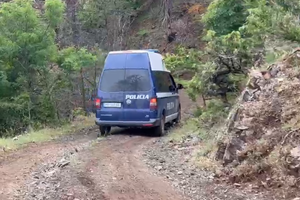
Witnesses in Lozhan, Maliqi, have shared details from the ...

Albania is facing an unprecedented demographic transition,...

On Thursday, our country will be affected by unstable weat...

An alarming figure of more than 166.4 thousand Albanians a...

Serbian President Aleksandar Vučić has confirmed that he w...

Israel and Lebanon have agreed to renew their fragile ceas...

United States President Donald Trump announced in a post o...
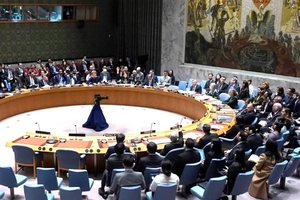
Asambleja e Përgjithshme e Kombet e Bashkuara ka përfundua...

Korça is ready to open the summer season with one of the c...

Two years after his passing, the renowned Korçë poet Skënd...

The Ethnographic Museum of Berat has opened its doors to v...
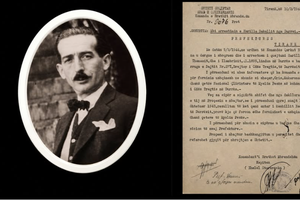
The story of Harilla Bakalli is one of the most chilling t...

Profit margins in the construction sector have increased s...

The Transparency Board, at its meeting today, decided to i...

Today, in the foreign exchange market, one US dollar is bo...

The Minister of Finance, Petrit Malaj, announced today a n...