


Businessman Artur Shehu breaks his silence: I am a long-time land owner in Zvërnec, I don't know the investors at all
Albanian businessman Artur Shehu spoke on the Opinion show...

Albanian businessman Artur Shehu spoke on the Opinion show...

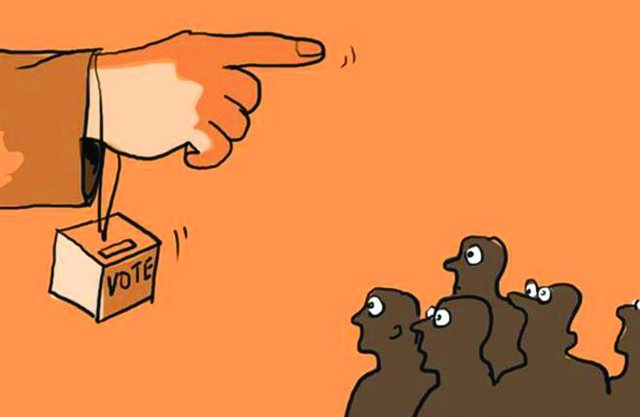
There is a romantic misconception about the end of democracies: they are always imagined as dramatic scenes, with tanks in the streets, soldiers occupying institutions, and leaders declaring a state of emergency.
Forget tanks. They belong to an era when power was taken by force and defeat was obvious. Today, modern history is showing us something much more dangerous: democracies today do not collapse, but rot from within with “technical” decisions, legal justifications, and a society that learns to swallow every violation as if it were normal.
There is no longer a need for a coup when you have a convinced majority that treats the law like plasticine, a divided opposition that treats itself as a permanent victim; institutions that are no longer invaded, but captured and do not react. They are not burned, but used. This is more dangerous, because everything seems “okay”.
Erosion does not make a sound. It is not broadcast “live”. It happens slowly, silently, in small decisions that violate the law “just this once”, in clientelistic appointments that are justified as “political compromises”, in a justice system that begins to weigh power more than truth.
First, language is deformed: the law is interpreted, then distorted, then ignored and no longer taken into account. Then public morality is deformed: breaking the rule becomes the norm, while respecting it is seen as naivety. Meanwhile, justice does not fall with one scandalous decision; it dies with hundreds of small, selective, justified, silent decisions. Each double standard is one less brick in the wall of the state.
In the end, the state itself is deformed: institutions are no longer guarantors of balance, but one-sided tools in the hands of those who control them.
This is the moment when democracy remains only in name. There are elections, but not fair competition. There are institutions, but not independence. There are laws, but not justice. And the greatest irony: everything is done in the name of the law.
And the citizen? When the citizen realizes that the game is distorted, it is often too late. He is not oppressed, he is tired. His right is not taken away, it is devalued. His vote is not always stolen; it is often rendered useless. Because what is the point of voting, when the one who loses doesn't change the rules?
Politics has understood this game very well: there is no need to overthrow the system, it is enough to consume it. A clientelist appointment here, a manipulated procedure there, invisible pressure on an institution and little by little, the state turns into private property with a public stamp.
Institutional erosion is more dangerous than a coup d'état because it does not produce an immediate reaction. There is no clear enemy to confront. There is no day that you can call “the collapse of democracy.” There is only a long line of compromises, with each justifying their silence with pragmatism, interest, or fear.
Democracy doesn't die when it collapses. It dies when it is not defended by tacit consent.
Democracy does not die when the law is broken, nor when tanks roll out into the streets. It dies when the violation no longer makes an impression and people learn to live without it.

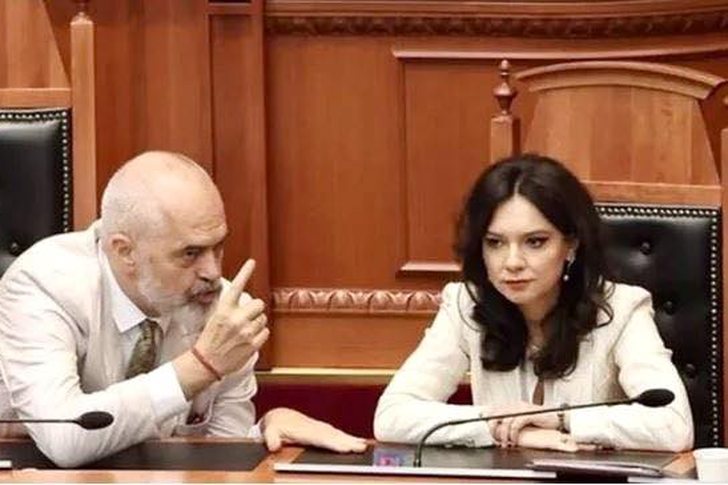
In Albanian politics, moments of individual "awakening" ar...
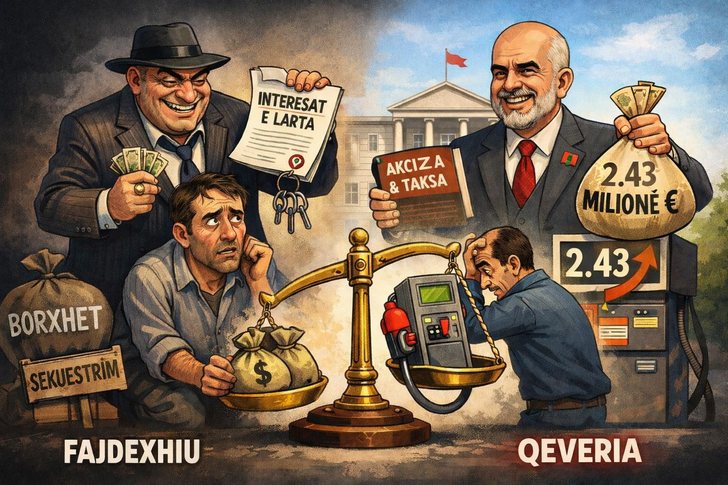
There is a figure that is generally known to every society...
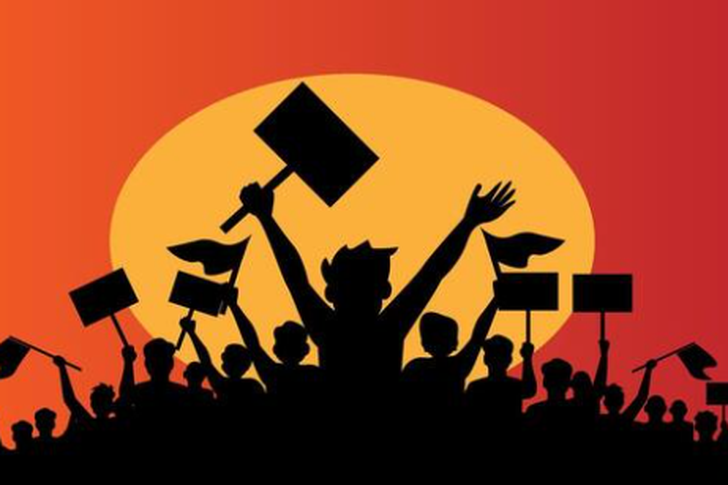
Protest is a legitimate right. It is one of the few mechan...
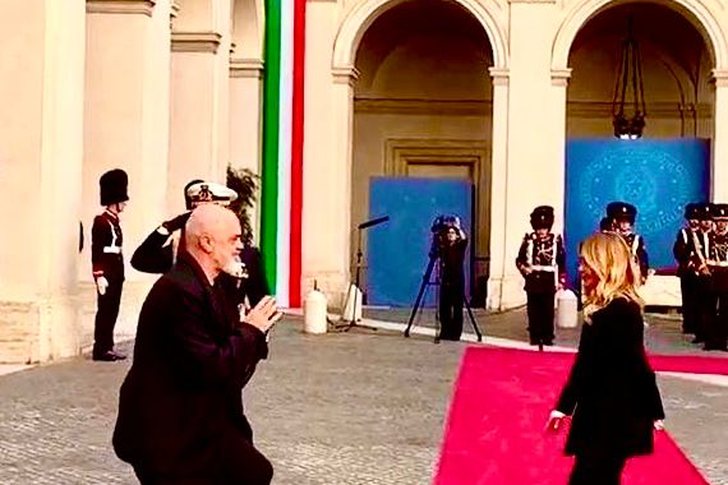
In diplomacy, a gesture is never neutral. It is always a m...
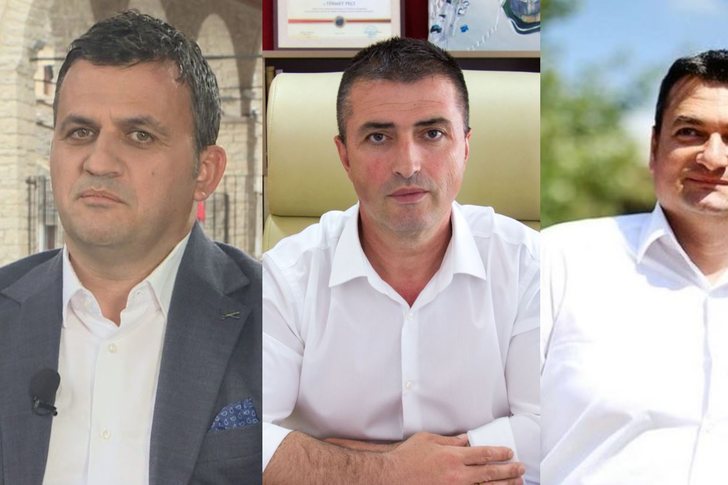
The year began at the height of the electoral campaign bet...
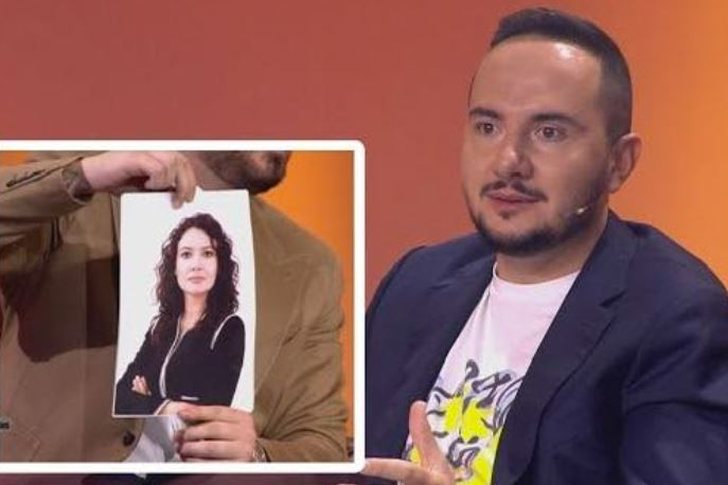
Elisa Spiropali seems to be copying Ervin Salianji. She ha...

One sentence sums up the entire Albanian political situati...

US President Donald J. Trump's proposal to appoint Lieuten...
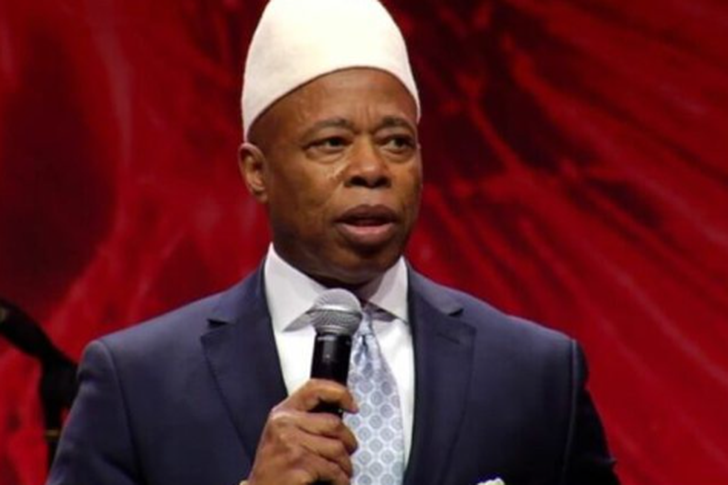
In recent days, several television studios in the capital ...
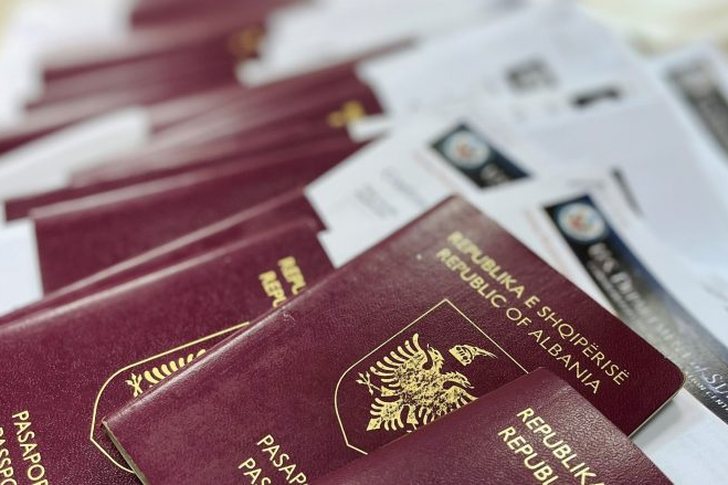
The Albanian diaspora is the only one on the planet that i...
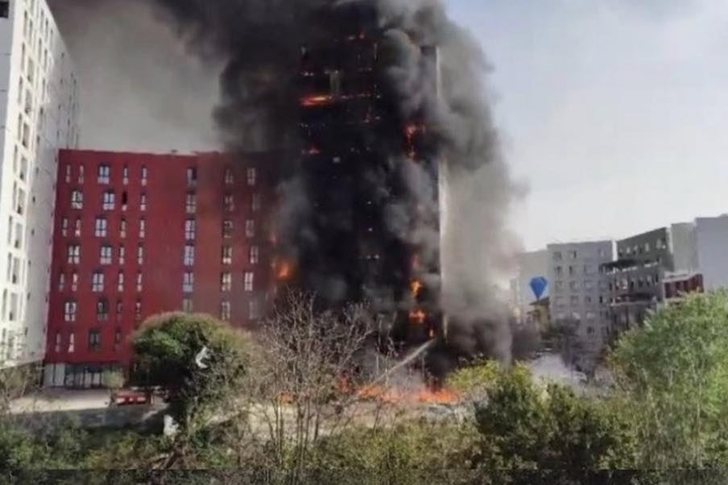
The fire that consumed an entire building in Tirana on Tue...

Watching the Diaspora Summit on TV, I can't help but retur...
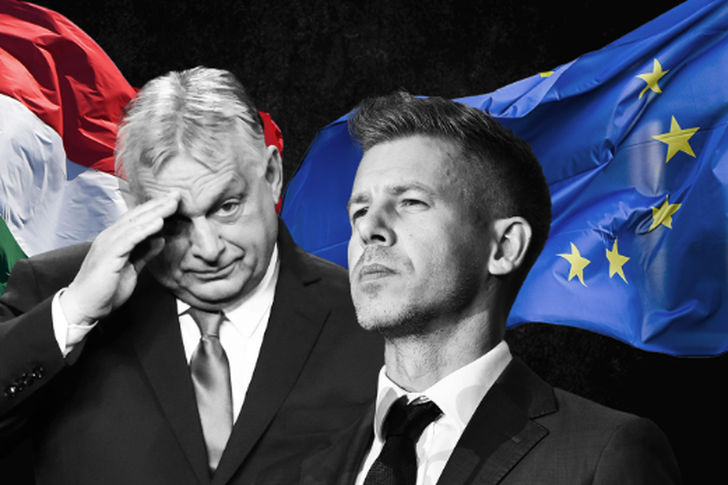
Péter Magyar's victory in Hungary marks an important victo...
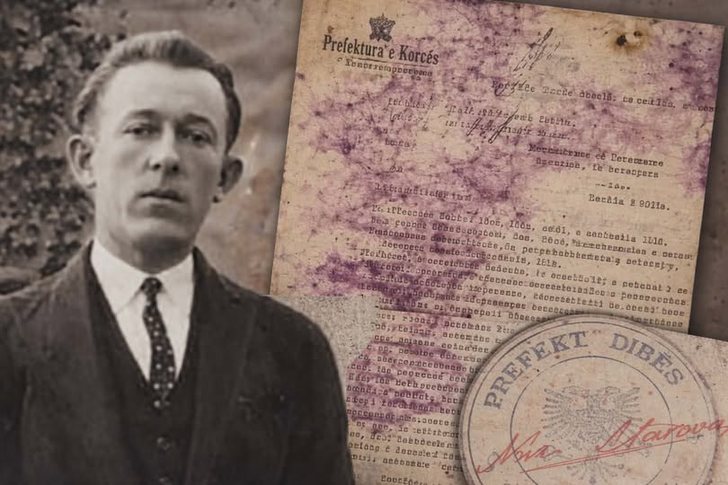
A photograph faded by time, showing a man dressed in a dark ...
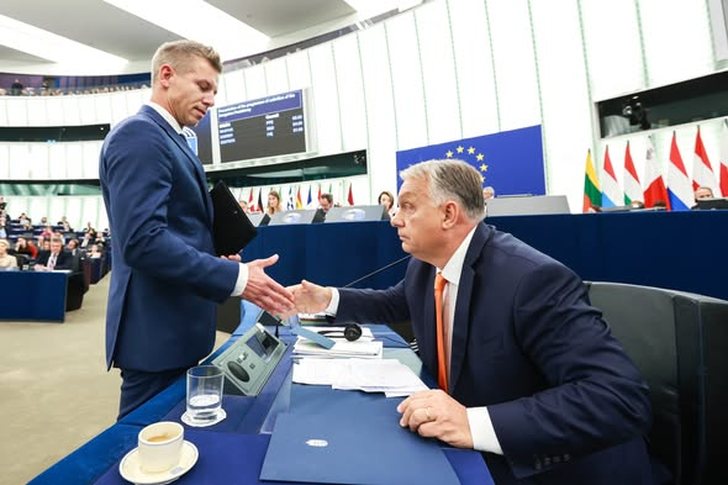
The history of the elections in Hungary cannot be read wit...
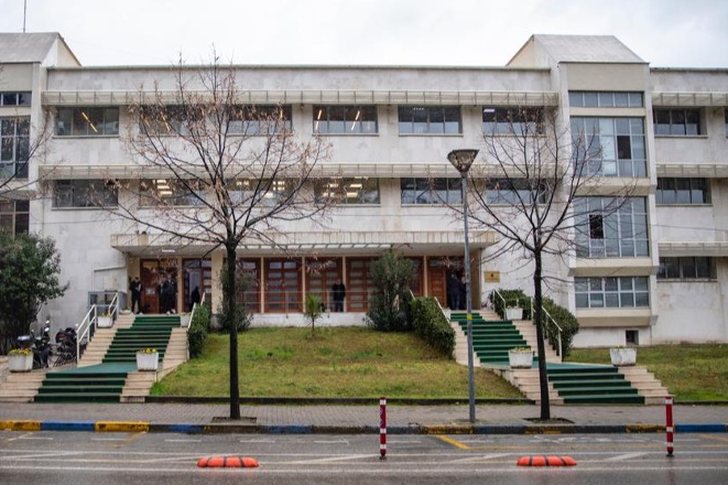
The National Agency for the Information Society (NAIS) has...
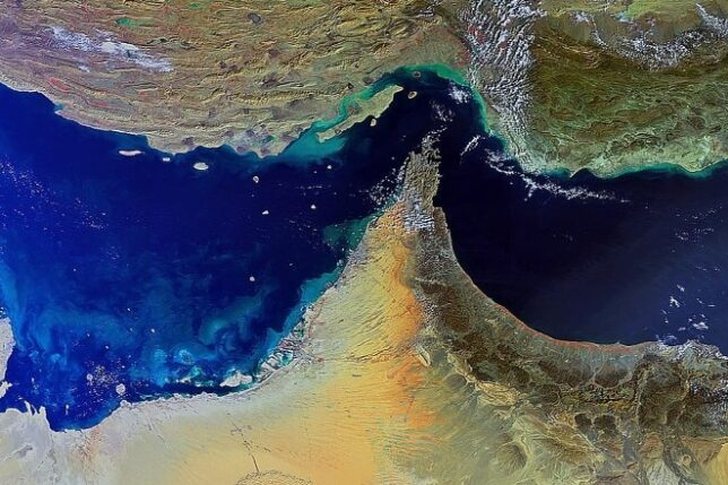
The Strait of Hormuz has been one of the most sensitive po...
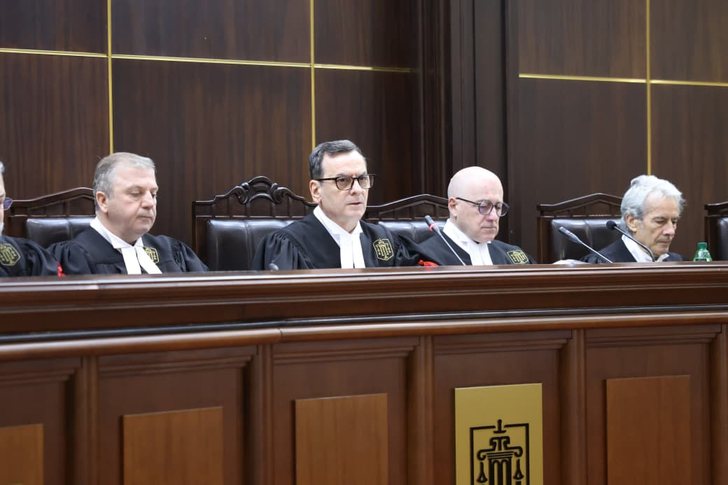
There is a subtle irony in the way Albanian justice occasi...
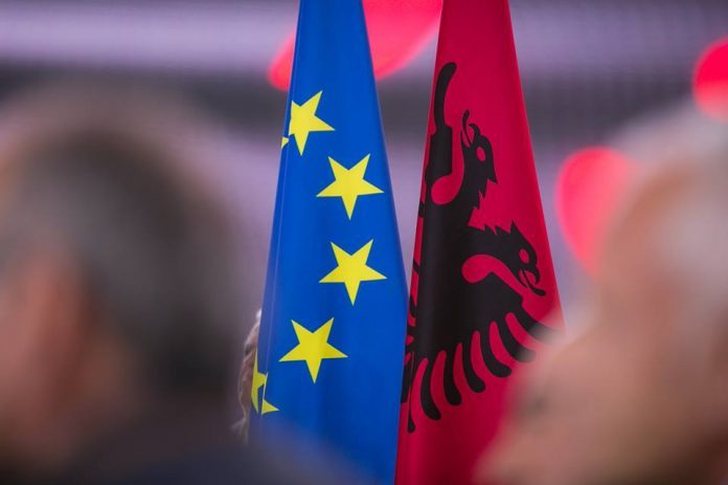
Albania's EU accession process is being shrouded in a fog ...
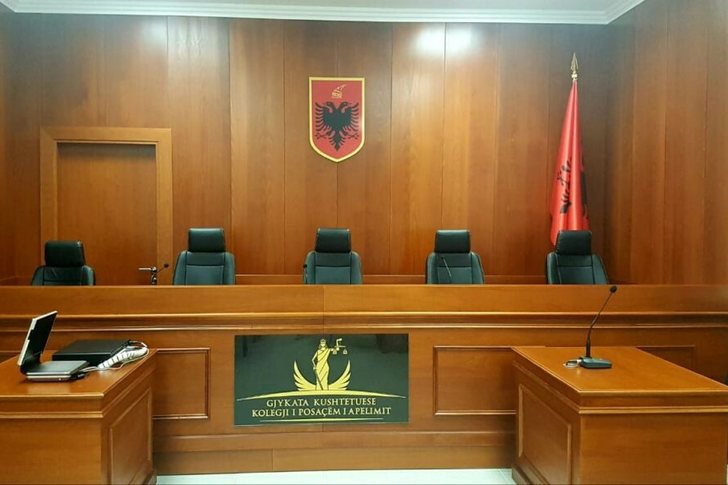
The members of the Special Appellate Panel have officially...
The next case broadcast on the show "Stop", this Thursday,...
The case published this Thursday, June 4, on the show "Sto...
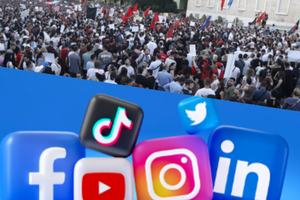
The protests of recent days related to the situation in Zv...
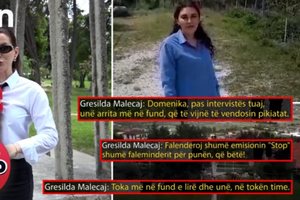
The case addressed this Wednesday, June 3, on the show "St...

The Special Board of Appeal (KPA) decided this Monday ...

The KPA vetting decided this Thursday to dismiss the p...

Suela Salavaçi, a prosecutor in the Prosecutor's Offic...

The Special Board of Appeal reinstated the prosecutor ...
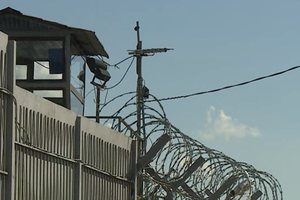
A convict was found dead today in the premises of the Pris...
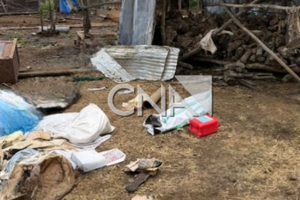
Several images provided by CNA show the area where this mo...
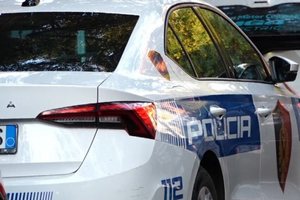
A quantity of explosive material exploded this morning at ...
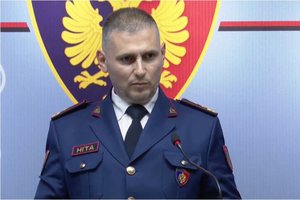
The Head of the State Police, Skënder Hita, expressed his ...

For many children and teenagers, the long summer holidays ...
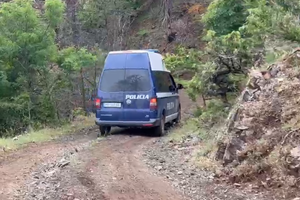
Witnesses in Lozhan, Maliqi, have shared details from the ...
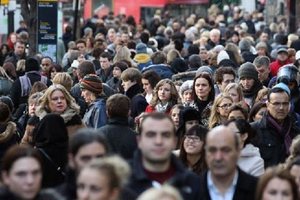
Albania is facing an unprecedented demographic transition,...
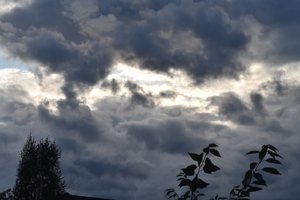
On Thursday, our country will be affected by unstable weat...
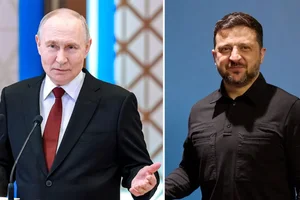
Russian President Vladimir Putin said the war in Ukraine c...
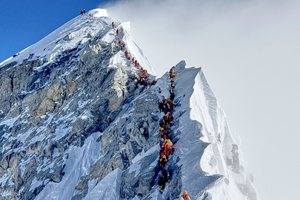
An extraordinary story of survival has been recorded in Ne...
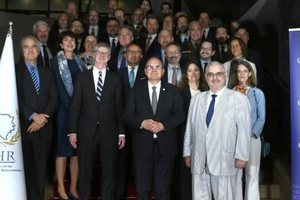
The Peace Implementation Council in Bosnia and Herzegovina...
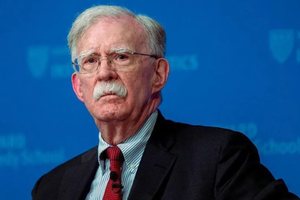
John Bolton, the former national security adviser to US Pr...
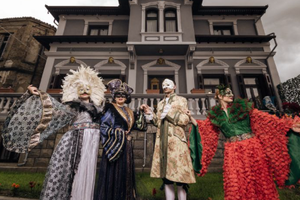
Korça is ready to open the summer season with one of the c...
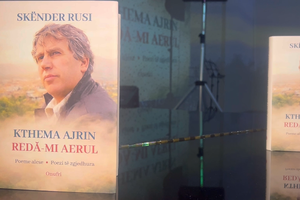
Two years after his passing, the renowned Korçë poet Skënd...
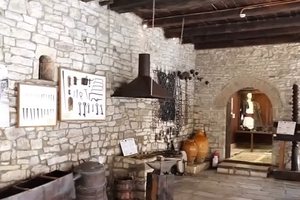
The Ethnographic Museum of Berat has opened its doors to v...
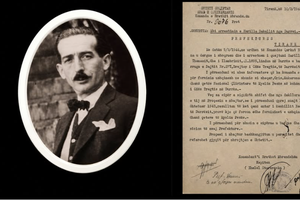
The story of Harilla Bakalli is one of the most chilling t...
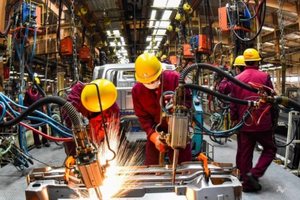
The government aims to transform the country's industrial ...
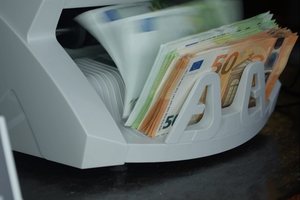
Kursi i këmbimit të euros me lekun ka rënë më tej këtë jav...

Profit margins in the construction sector have increased s...
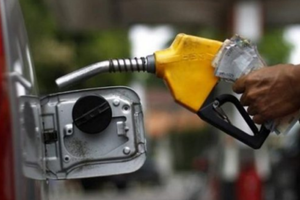
The Transparency Board, at its meeting today, decided to i...