


After the match, protesters move to the DP headquarters: Opposition sold out
After the match, the protesters moved in front of the DP h...

After the match, the protesters moved in front of the DP h...

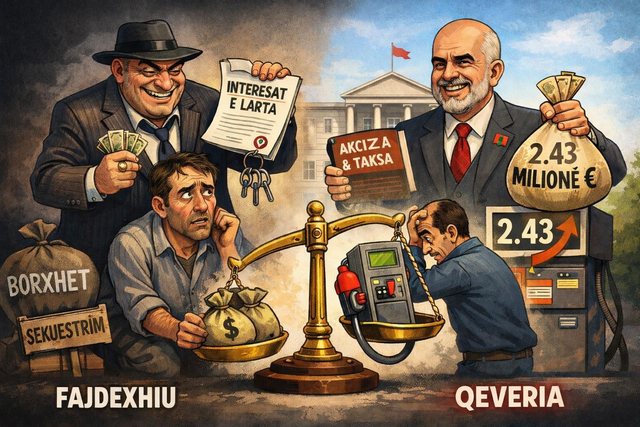
There is a figure that is generally known to every society: the usurer. Who, in fact, is not simply the one who gives money with interest. He is the one who waits. Who calculates the weakness. Who knows that the real moment of profit is not when he takes the debt, but when the other fails to return it on time.
At that moment the real game begins.
Interest increases. Conditions tighten. And the goal shifts from “returning the debt” to “taking everything that is left”. The more difficulties the debtor has, the higher the profit becomes.
This mechanism, which we usually associate with the informal economy, is today reflected in a worrying way in the Rama government. Which, instead of mitigating the effect of the price crisis, is benefiting from it.
Every increase in the price of fuel is not only a burden for the citizen, but also additional income for the budget. VAT increases automatically, without any reform, without any effort. Simply because the citizen pays more for the same thing.
And here arises the essential similarity.
Just as the usurer does not ease the debt when the debtor is in difficulty, the state does not reduce the burden when the citizen is hit by the crisis. On the contrary, it maintains it, and even benefits from it. The fiscal burden on fuel in our country remains among the highest on the continent, and every liter that is expensive for the citizen is a liter more profitable for the state treasury.
According to data, in these weeks of crisis due to developments in the Middle East, the government has collected 4.5 million euros more in taxes than it used to receive in its routine.
Meanwhile, the easing measures are minimal, temporary and often delayed. Not as a political choice, but as a reaction to pressure. Only when the situation becomes tense, when transportation stops, when dissatisfaction surfaces, does a small concession come.
This is also part of the same logic.
The usurer does not let go because he suddenly wants to help. He lets go only when he risks losing control. Until that point, he waits. Just like the government that does not intervene to protect the citizen, but to preserve income.
Not to talk later about how it spends it, but let's focus on the essence of the problem, which is not only economic. It is a matter of incentives and public morality.
The additional income collected from the increase in prices is not the result of development, nor of fiscal ingenuity. It is money that comes directly out of the pocket of citizens, just because the market has become more expensive. In short, just because the citizen becomes poorer. In a normal approach, this money should be partially returned to soften the blow: through temporary tax cuts, support for transportation, agriculture or low-income families.
But this is not happening.
Because in this model, the crisis is not seen as a burden for Albanians, but as an opportunity that should not be missed.
We are dealing with a government that behaves like a greedy creditor towards the poorest citizens in Europe.
The difference between a state and a usurer should be clear. The former exists to protect, to balance, to fairly distribute the burden of crises. The latter exists to profit from them.
When this difference is no longer discernible, the problem is no longer just economic. It is fundamental. And as such, pressure is no longer a solution that corrects governance, but an instrument that removes it.
This is what Albania needs today.


Protest is a legitimate right. It is one of the few mechan...
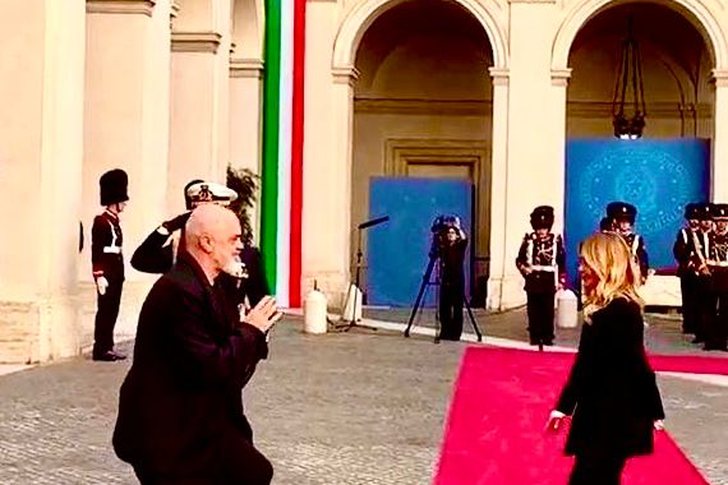
In diplomacy, a gesture is never neutral. It is always a m...
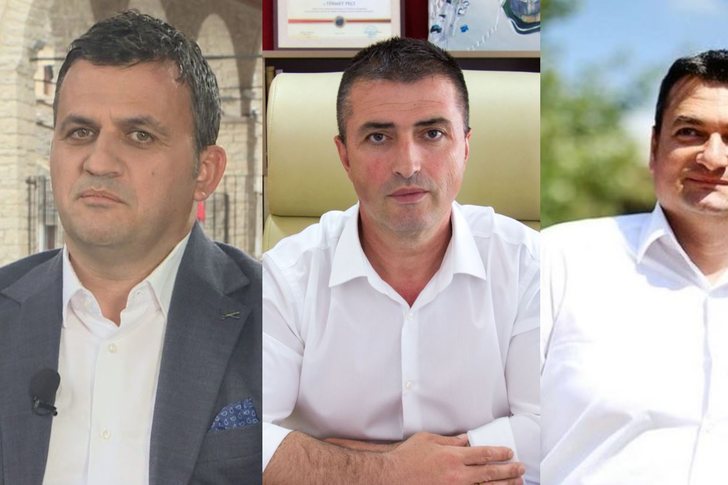
The year began at the height of the electoral campaign bet...

Elisa Spiropali seems to be copying Ervin Salianji. She ha...

One sentence sums up the entire Albanian political situati...
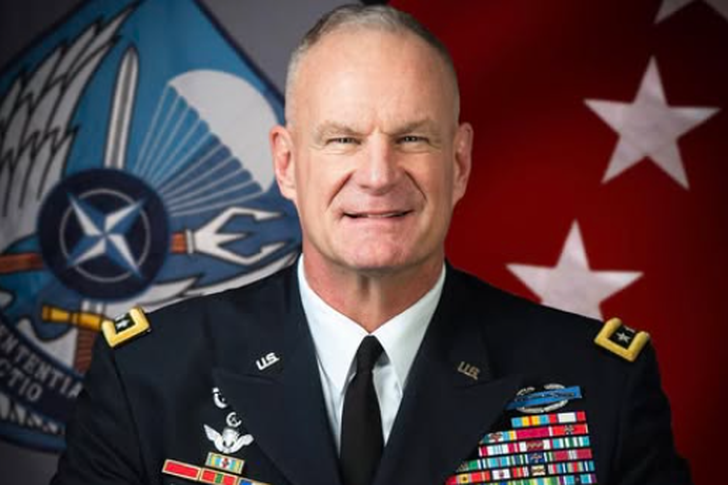
US President Donald J. Trump's proposal to appoint Lieuten...
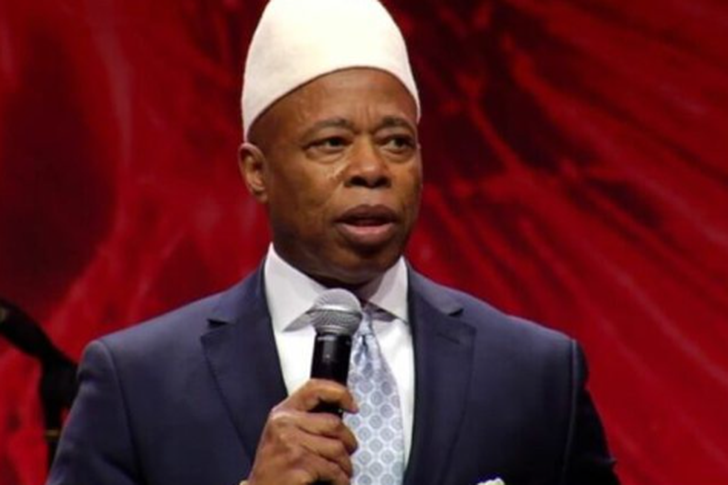
In recent days, several television studios in the capital ...
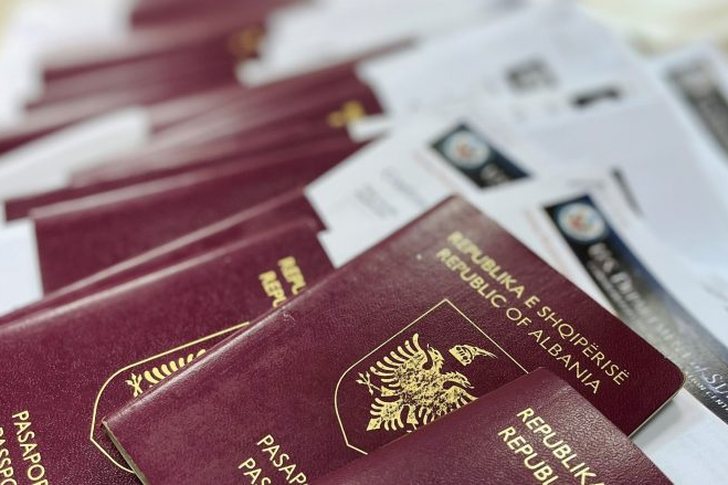
The Albanian diaspora is the only one on the planet that i...
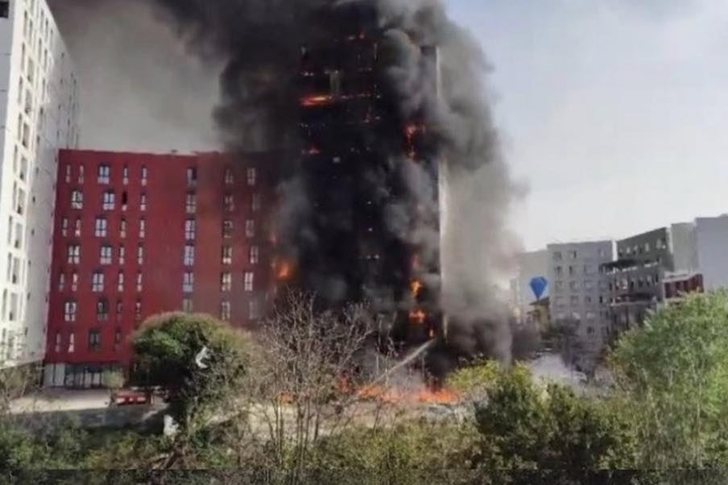
The fire that consumed an entire building in Tirana on Tue...

Watching the Diaspora Summit on TV, I can't help but retur...

Péter Magyar's victory in Hungary marks an important victo...
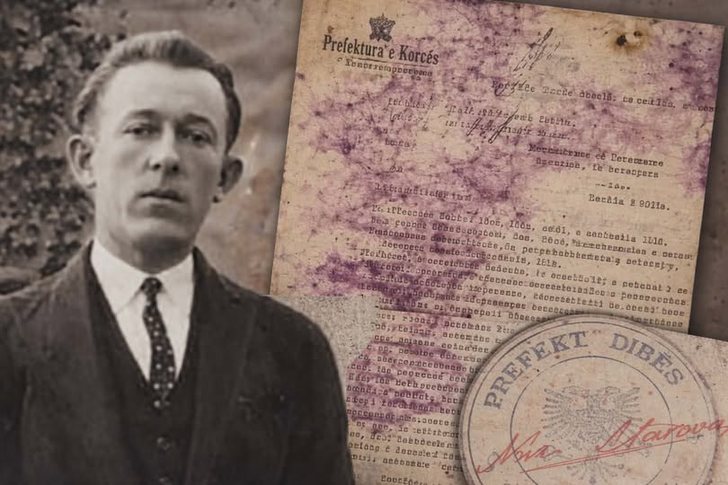
A photograph faded by time, showing a man dressed in a dark ...
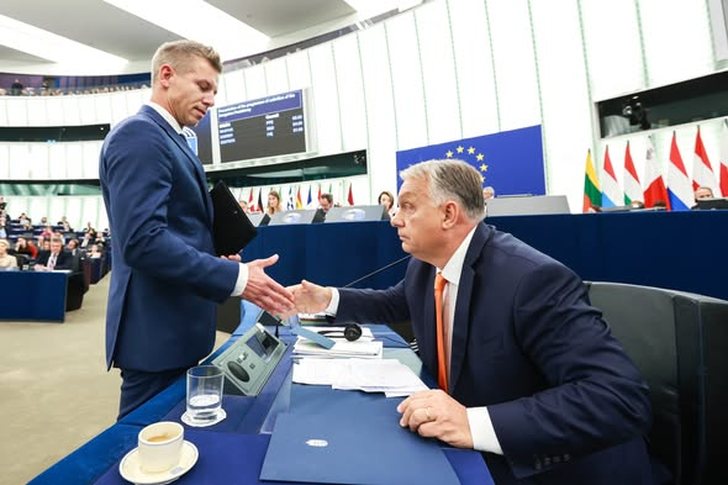
The history of the elections in Hungary cannot be read wit...
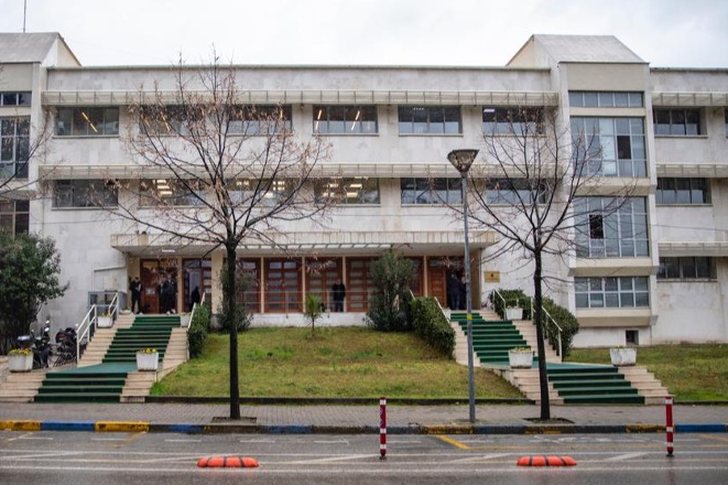
The National Agency for the Information Society (NAIS) has...
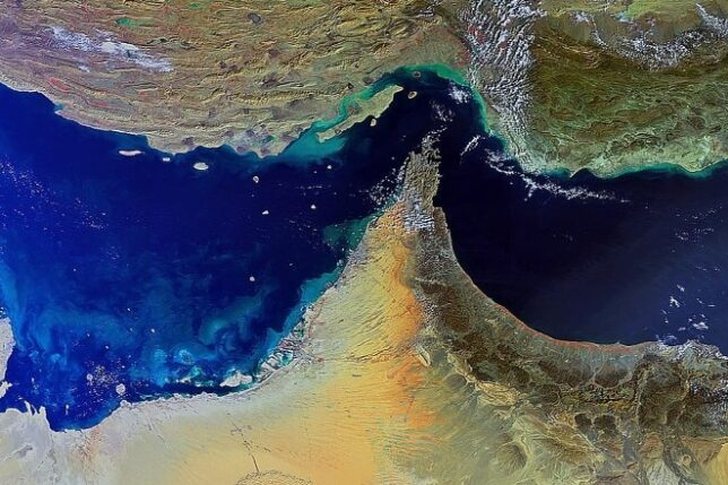
The Strait of Hormuz has been one of the most sensitive po...
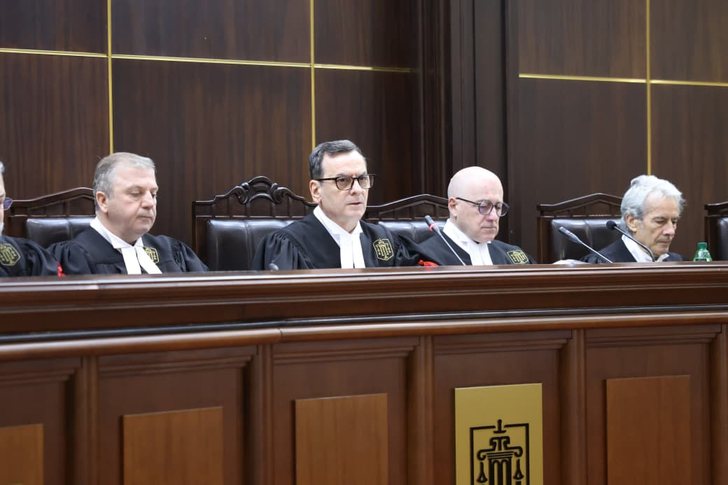
There is a subtle irony in the way Albanian justice occasi...
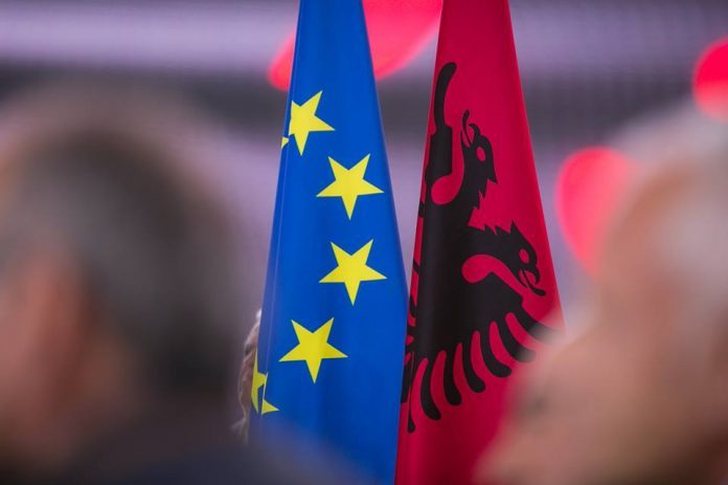
Albania's EU accession process is being shrouded in a fog ...
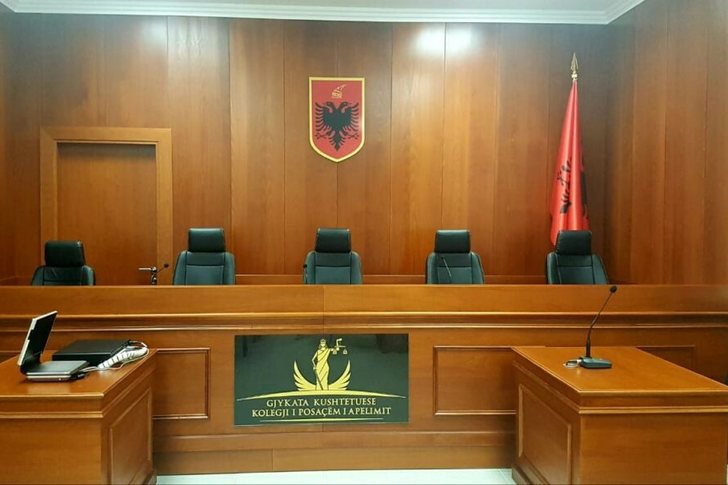
The members of the Special Appellate Panel have officially...
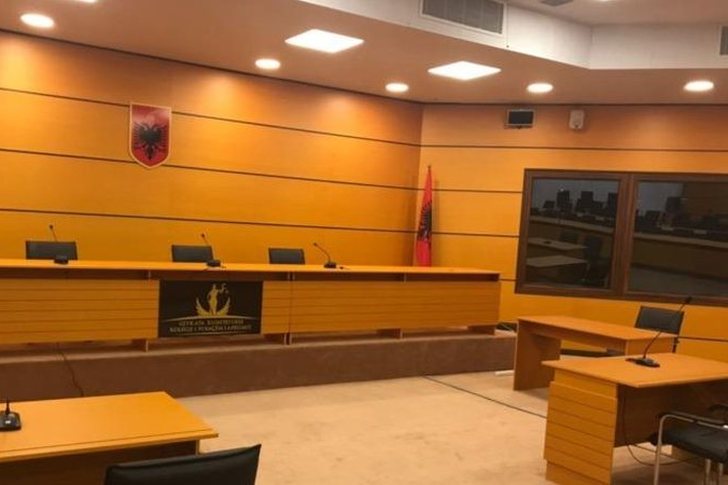
By lawyer Florian Bonjaku There are texts that, without t...
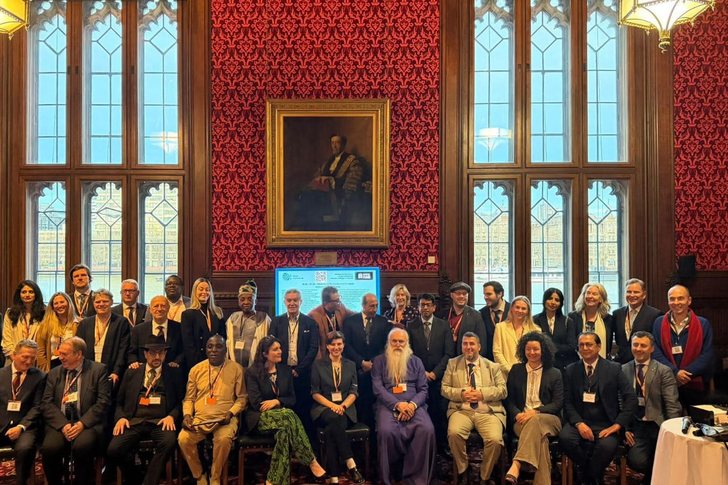
A new international initiative to limit the political use ...

The case addressed this Wednesday, June 3, on the show "St...
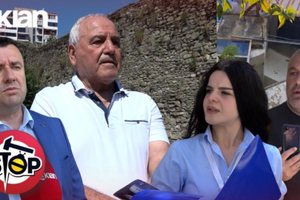
The show "Stop" broadcast this Wednesday, June 3, the case...

Irfan Hysenbelliu claims to be a big businessman, an hones...

The show "Stop" dealt with a denunciation case this Tuesda...

The Special Board of Appeal (KPA) decided this Monday ...

The KPA vetting decided this Thursday to dismiss the p...

Suela Salavaçi, a prosecutor in the Prosecutor's Offic...

The Special Board of Appeal reinstated the prosecutor ...
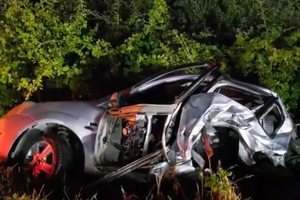
A road accident occurred this evening on the Tirana-Durres...
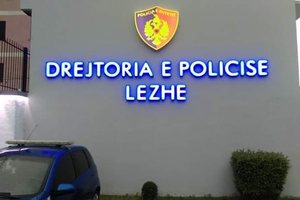
Policia e Lezhës ka dalë me reagim zyrtar lidhur me ngjarj...
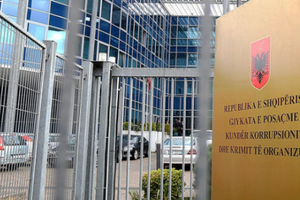
The Special Court against Corruption and Organized Crime h...
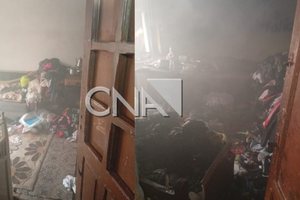
Një banesë është përfshirë nga flakët në lagjen nr. 4 në q...

An alarming figure of more than 166.4 thousand Albanians a...
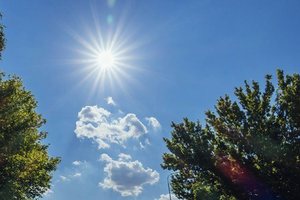
The weather today will be mostly clear and temperatures wi...
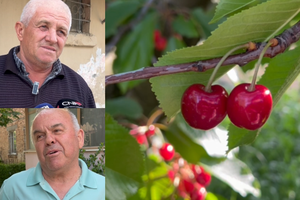
The cherry harvest season is expected to begin in the vill...

The education system in Albania is facing a challenging re...

United States President Donald Trump announced in a post o...
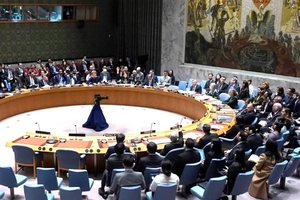
Asambleja e Përgjithshme e Kombet e Bashkuara ka përfundua...
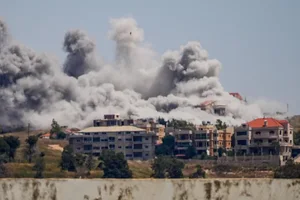
At least nine people have been killed in Israeli airstrike...
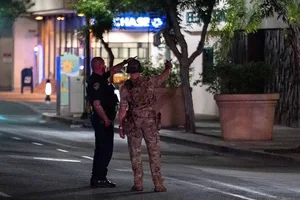
A serious incident has occurred in Bakersfield, California...
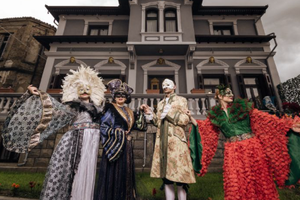
Korça is ready to open the summer season with one of the c...
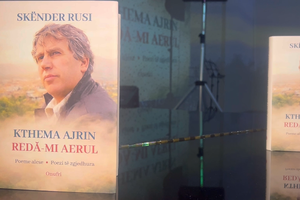
Two years after his passing, the renowned Korçë poet Skënd...
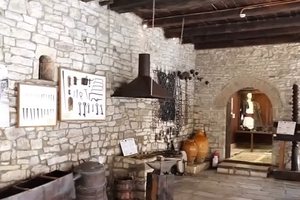
The Ethnographic Museum of Berat has opened its doors to v...
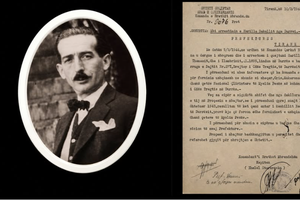
The story of Harilla Bakalli is one of the most chilling t...
The Minister of Finance, Petrit Malaj, announced today a n...
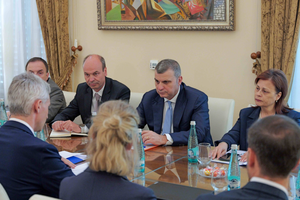
Guvernatori i Bankës së Shqipërisë, Gent Sejko, priti m...

Today, in the foreign exchange market, one US dollar is bo...

DP MP Igli Cara has submitted to the Parliament a draf...